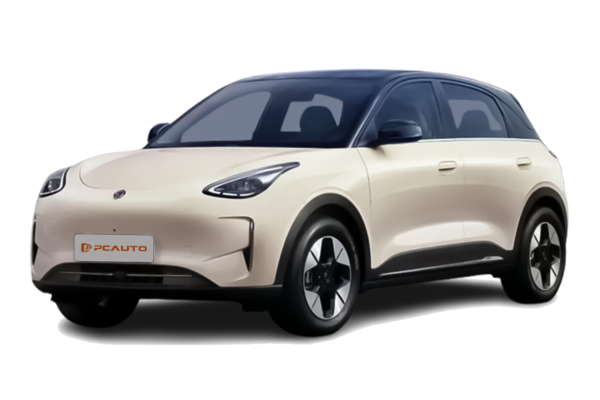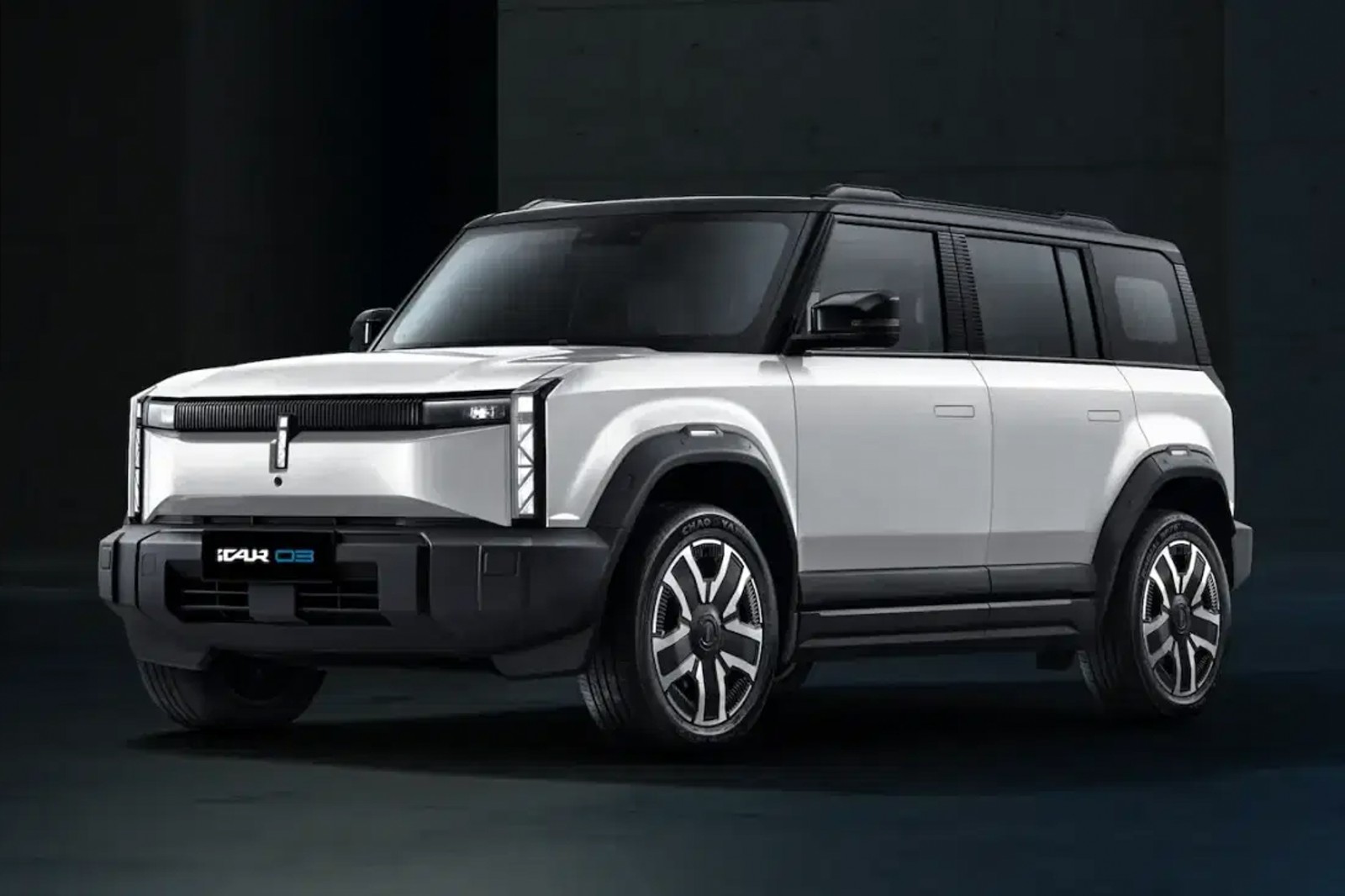
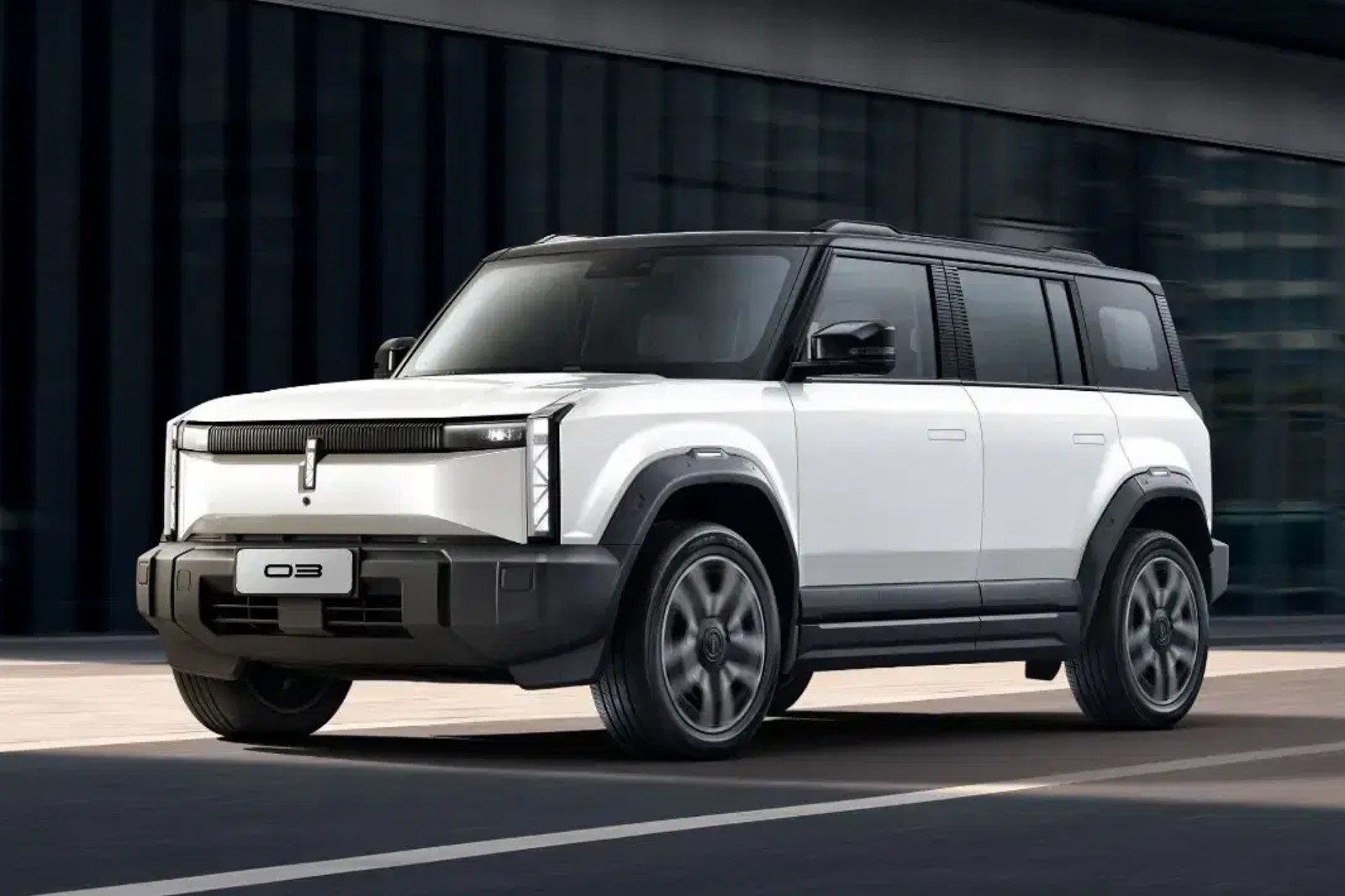
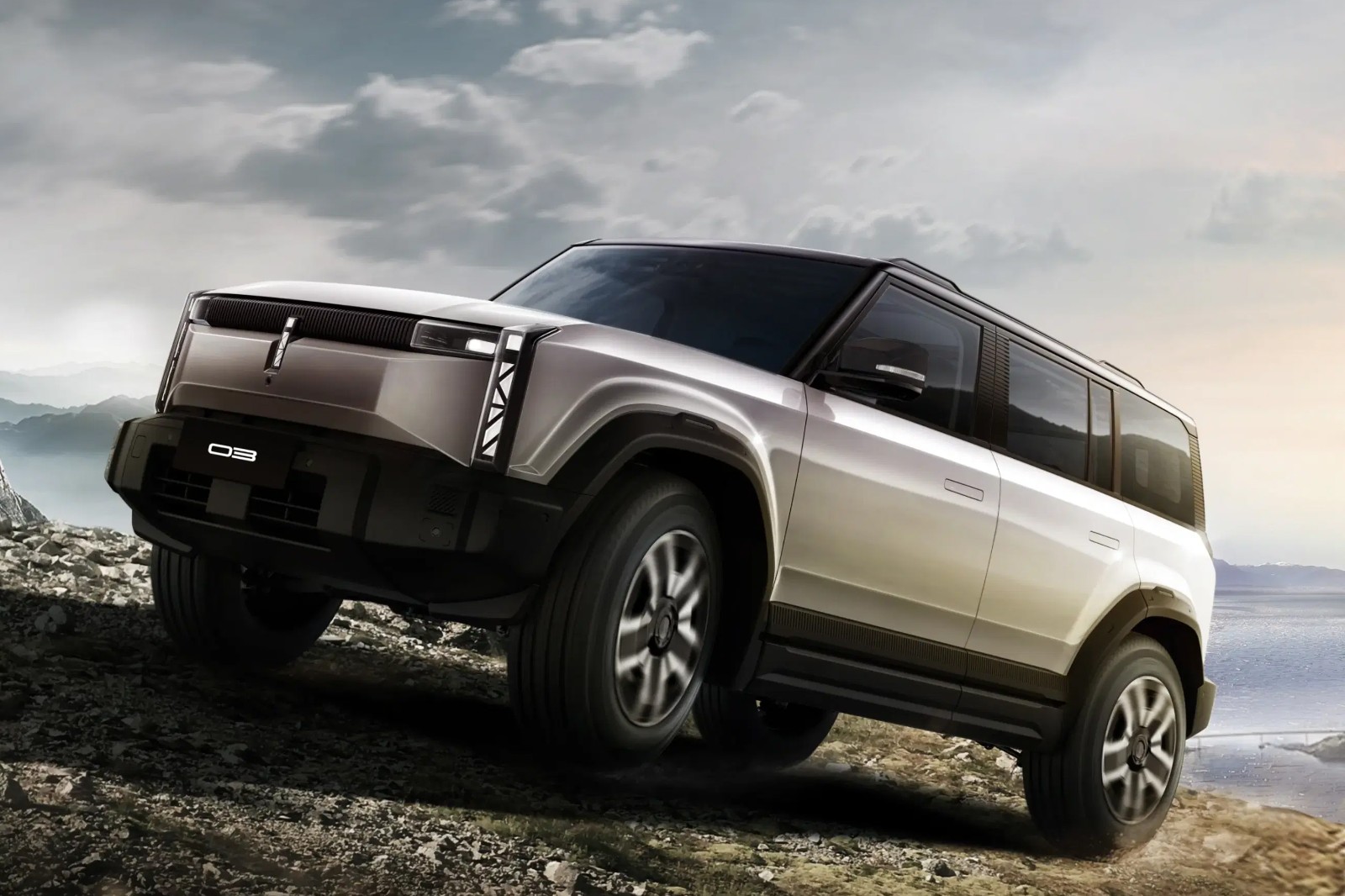
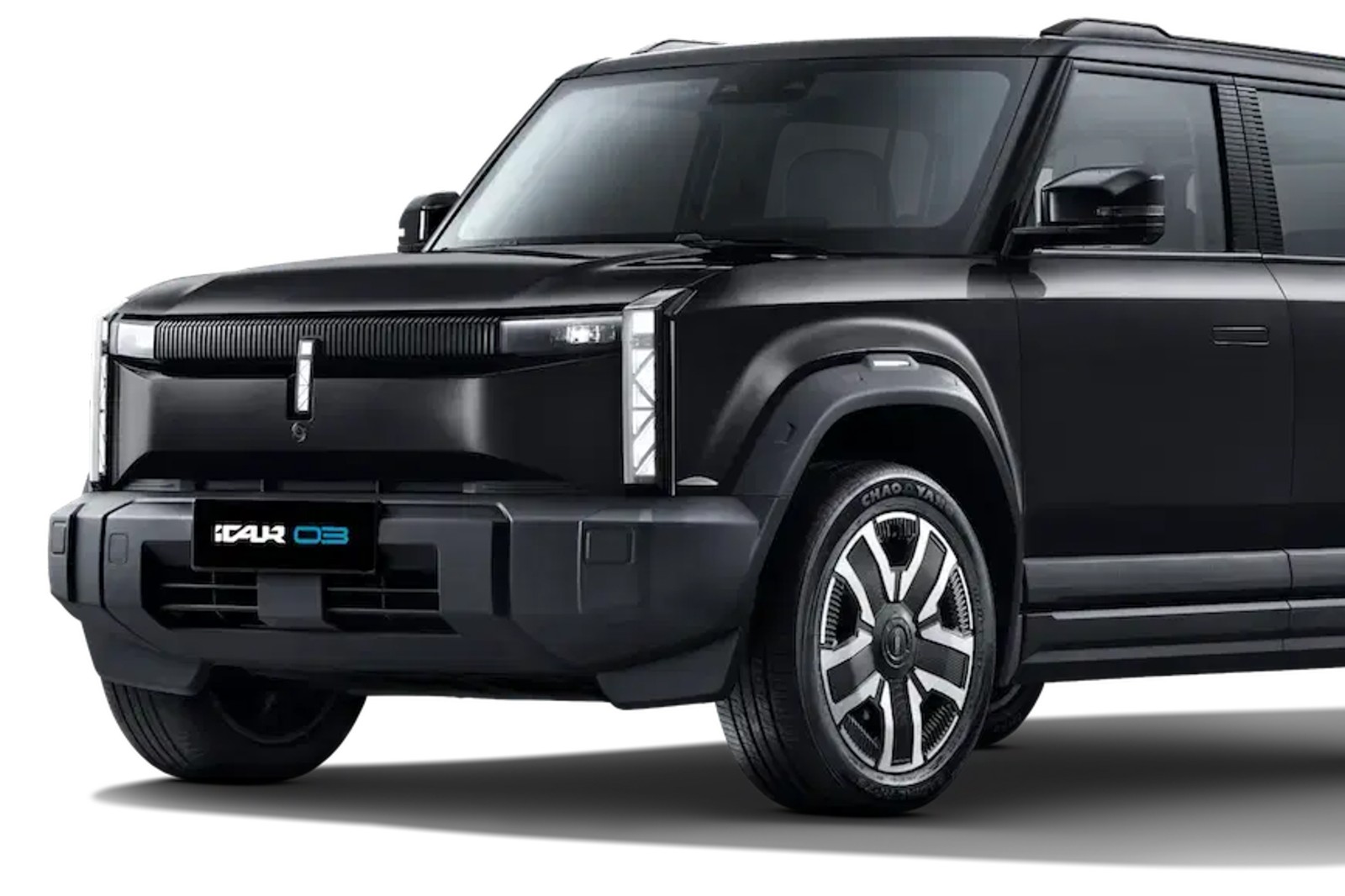
2025 iCaur 03 iWD EV
No.12 in Best SUVPrice
RM 129,800
Select a Vehicle Variant
2025 iCaur 03 iWD EV RM 129,800
Summary
2025 iCaur 03 iWD EV: A practical C-Segment SUV since 2025-9-9. Starts at RM 129,800. Fits 5 adults comfortably (1715mm headroom!). Drives up to 6.5 km/h(s) with confidence. The 418 km range? Enough for most daily needs plus extra.
Runs on a 69.8 kWh Lithium iron phosphate battery battery. Fast charge (10-80%) in 0.5 hours. Full charge at home: - hours. Simple tech, zero fuss. If you want an electric car that prioritizes space, range, and ease of use – this is it.
Runs on a 69.8 kWh Lithium iron phosphate battery battery. Fast charge (10-80%) in 0.5 hours. Full charge at home: - hours. Simple tech, zero fuss. If you want an electric car that prioritizes space, range, and ease of use – this is it.
Core Specs

Segment
C-Segment

EV Range(km)
418

Battery Type
Lithium iron phosphate battery

100 Kilometers(kWh)
6.5

Motor Arrangement
Front+Rear

Battery Capacity(kWh)
69.8

Seats
5

Length(mm)
4406

Width(mm)
1910

Height(mm)
1715

Wheelbase(mm)
2715

Boot Volume(L)
450-1238
Other Variants
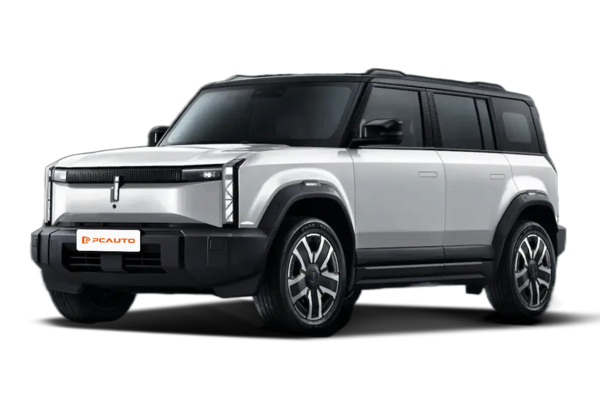
Price
RM 129,800
Body
4406×1910×1715
Motor Output(PS)
279
Motor Output(kW)
205
Battery Capacity
69.8
EV Range
418
Power Consumption
-
Related Q&A
View More >Q
Is the speed of McLaren 570S fast?
The speed of McLaren 570S is fast. With a maximum speed of 328 km/h and an official 0-100 km/h acceleration time of 3.2 seconds, these performance figures are quite remarkable. The 3.8-liter V8 twin-turbocharged engine, generating 570 PS of power and 600 Nm of torque, helps the vehicle achieve quick acceleration. Whether it's the Coupe or Spider version, they share similar performance capabilities. The advanced suspension system, like the double-wishbone independent suspension both at the front and rear, and powerful ventilated disc brakes also contribute to handling high speeds safely. Compared to other vehicles, which typically have a top speed of around 180-200 km/h and slow acceleration times, the McLaren 570S is clearly a high-performance, fast vehicle.
 SweetMelodyMay 23, 2025
Q
Is Mitsubishi ASX equipped with Electric Power Steering system?
Yes, the Mitsubishi ASX is equipped with an Electric Power Steering (EPS) system. Compared with traditional hydraulic power steering, this steering system is lighter, more fuel - efficient, and requires less maintenance. The EPS automatically adjusts the steering effort according to the vehicle speed. When driving at low speeds, such as parking or making turns in the city, the steering wheel becomes lighter, making handling easier. When driving at high speeds, it increases the force feedback to enhance stability.
The EPS can also improve fuel economy because it only consumes electricity when steering, while traditional hydraulic power steering systems continuously consume engine power. In the driving environment of Malaysia, the EPS is especially suitable for congested city roads and narrow parking spaces, delivering a more enjoyable driving experience. Moreover, this system hardly requires additional maintenance, like changing the power steering fluid, resulting in lower long - term usage costs. It's one of the practical designs for family - use SUVs like the Mitsubishi ASX.
If you feel that the steering becomes heavier or there are abnormal noises, it is recommended to check the steering system circuit or tire pressure. Usually, it has nothing to do with the EPS itself.
 CrystalFangJun 4, 2025
Q
What's The Insurance Price of Perodua Ativa? See How Much You Should Pay
The insurance costs of the Perodua Ativa vary depending on factors such as the vehicle price, engine capacity (1.0L turbocharged), insurance coverage (comprehensive insurance or third - party insurance), the insured's age, driving record, and the insurance company selected. Take the 1.0L Turbo AV top - spec model (with a new car price of approximately RM 62,500) as an example. The annual premium for comprehensive insurance usually ranges from RM 1,800 to RM 2,800, while for third - party fire and theft insurance (TPFT), it may fall between RM 700 and RM 1,200 per year.
Fluctuation factors for insurance costs include the No Claim Discount (NCD). If the car owner has no claim records for several years, they can enjoy a maximum discount of 55%, significantly reducing the premium. Additionally, young drivers (under 25 years old) or new license holders may face higher premiums. Choosing a higher excess can also reduce part of the premium. The Ativa belongs to the B - Segment SUV category, so its insurance costs are slightly higher than those of entry - level sedans (such as the Axia). However, due to its good vehicle safety configurations (equipped with ESC and 6 airbags), some insurance companies may offer more competitive prices. It is recommended to compare premiums from different insurance companies before purchasing a car and obtain more favorable packages through official agents or bank.
 HappyJun 23, 2025
Q
What size engine is in the Porsche Cayenne Coupe?
The Porsche Cayenne Coupe offers a variety of engine options in the Malaysian market to meet different driving needs. The entry - level model is equipped with a 3.0 - liter V6 turbocharged engine, which can output 340 horsepower and 450 Nm of torque. It is suitable for daily driving and mild performance requirements.
The higher - performance Cayenne S Coupe comes with a 2.9 - liter V6 twin - turbocharged engine, with a maximum horsepower of 440 and a torque of 550 Nm, providing more powerful performance. For consumers who pursue ultimate performance, the Cayenne Turbo Coupe is powered by a 4.0 - liter V8 twin - turbocharged engine, which can unleash 550 horsepower and 770 Nm of torque. It can accelerate from 0 to 100 km/h in just 3.9 seconds.
In addition, Porsche also offers a plug - in hybrid version, which combines the technology of a high - efficiency fuel engine and an electric motor, taking both environmental protection and performance into account.
In the hot climate of Malaysia, it is recommended to regularly check the cooling system and the condition of the engine oil to ensure the long - term stable operation of the engine. At the same time, using high - quality fuel and lubricants certified by Porsche can better exert the engine's performance and extend its service life.
 TwilightShadeAug 5, 2025
Q
How big is the 2020 Passat?
The 2020 Volkswagen Passat available in the Malaysian market is the B8 model. Its body dimensions are 4,767 mm in length, 1,832 mm in width, and 1,456 mm in height, with a wheelbase of 2,791 mm. It belongs to the mid - size sedan category, and its spacious interior is especially suitable for family use or long - distance driving. This car is well - known for its comfort and practicality in Malaysia. The trunk volume reaches 586 liters, which can easily accommodate a large amount of luggage, perfectly meeting the needs of local consumers who love self - driving tours or require large storage space.
To expand a bit, as a classic model under Volkswagen, the Passat has always been recognized for its balanced performance and reliability in the global market. The 2020 model in Malaysia is also equipped with a number of technological features, such as adaptive cruise control and intelligent driving assistance systems, which enhance driving safety and convenience. For Malaysian users, its chassis tuning takes into account the comfort on both urban roads and high - speed driving. Coupled with Volkswagen's relatively comprehensive after - sales service network in the local area, it is a mid - size sedan worth considering.
 FonOct 2, 2025
Q
What is the best trim for the 2025 Santa Fe?
The 2025 Santa Fe hits Malaysian shores with a range of trims, and let's cut to the chase: the top-dog Calligraphy is the one to beat if you're after the full package. It's loaded with all the luxury and tech you could ask for – think a crisp 12.3-inch fully digital instrument cluster, a panoramic sunroof that floods the cabin with light, supple premium leather seats, a handy HUD for keeping your eyes on the road, and Hyundai's complete SmartSense active safety suite. That means goodies like Highway Driving Assist and Remote Smart Parking – perfect for folks who want both comfort and that high-tech edge.
If your budget's a bit tighter, don't sleep on the mid-range Premium trim. It still keeps the core comfort features we all appreciate, like dual-zone auto climate control and a user-friendly 10.25-inch infotainment screen. Plus, you're not skimping on safety here – it comes standard with practical stuff like blind-spot monitoring and rear cross-traffic collision avoidance.
Now, living in Malaysia, we all know how brutal that tropical heat can be, so it does a number on both your car's cooling and the interior's longevity. Trust me, splurging on the ventilated seats and UV-protected glass (if they're available as options in those tropical packs) is money well spent. On the upside, the Santa Fe does come standard with a smart air-con system and seats upholstered in heat-resistant materials, which should handle our local conditions pretty well.
And let's talk about our roads – they can be a bit unpredictable. If you can swing it, go for the HTRAC all-wheel-drive version. It'll definitely give you more confidence when things get slippery, especially during those sudden downpours. Also, if you're stuck in KL or PJ traffic day in, day out, the hybrid variant might just be your new best friend. It strikes a nice balance between decent fuel economy and peppy power when you need it most.
 YayOct 14, 2025
Q
Do Peugeot 3008 hold their value?
The Peugeot 3008 holds its value moderately well in the Malaysian market, pretty much on par with most European SUVs. Its resale worth tends to be influenced by brand perception, market demand, and fluctuations in new car prices. Compared to Japanese rivals like the Honda CR-V or Toyota RAV4, the 3008 might see a steeper initial depreciation hit in the used car market, but its medium to long-term value retention is relatively stable, especially for models in good condition with a complete service history.
What keeps the 3008 relevant for used car buyers is its standout design, generous tech features, and engaging driving dynamics – these factors still hold appeal among a specific group of consumers, which helps underpin its resale value. Additionally, the growing acceptance of European cars in Malaysia, coupled with Peugeot's official after-sales support locally, does help ease some of the concerns owners might have about future maintenance costs.
If you're considering a Peugeot 3008 and resale value is a key concern, here's the drill: stick with the more popular trim levels, keep up with regular servicing, and hold onto those complete service records. These steps can definitely give you a better shot at a higher price when it's time to sell. Also, it pays to understand what the Malaysian used car market is currently craving – generally, low-mileage examples and those still under the original factory warranty tend to be the hottest tickets.
 DaisyOct 21, 2025
Q
What is the maintenance cost for a 2020 Nissan?
The maintenance costs for a 2020 Nissan can vary depending on the specific model, mileage, and the pricing of workshops in the Malaysian region. Generally speaking, the price for a regular service (like oil changes, filter replacements, etc.) is around RM200 to RM500. For more extensive services (such as transmission fluid replacement, brake system inspections, etc.), you might be looking at around RM800 to RM1500. Nissan typically recommends a service interval of every 6 months or 10,000 kilometers, whichever comes first. This helps keep the vehicle running smoothly and extends its lifespan.
In Malaysia, car owners can choose to go to an authorized Nissan service center or an independent workshop. Authorized centers, while slightly more expensive, offer genuine parts and professional technical support. Independent workshops, on the other hand, might be more budget-friendly.
Moreover, regular maintenance not only helps prevent potential mechanical issues but also aids in maintaining the vehicle's resale value. It's advisable for owners to check with multiple workshops beforehand to understand the detailed services and quotes. Also, keeping complete service records is important to provide proof when selling the vehicle in the future.
 CyberNinjaWarriorOct 27, 2025
Q
How many braking systems are in a car?
A car typically comes with two main braking systems: the service brake system and the parking brake system. The service brake system is the one you use most in daily driving, controlled by the foot pedal. It uses hydraulic pressure or electronic signals to send braking force to all four wheels, slowing the car down or bringing it to a stop. Most modern vehicles are equipped with Anti-lock Braking System (ABS), which prevents the wheels from locking up during hard braking. The parking brake system is used to keep the vehicle stationary when parked. Traditionally, this was a manual handbrake or foot brake, but these days more and more models are switching to electronic parking brakes for easier operation. Additionally, some high-end models feature regenerative braking systems, commonly found in hybrid or electric vehicles, which recover kinetic energy during braking and convert it into electrical energy for storage. Understanding these systems helps with better vehicle maintenance and usage—like regularly checking brake fluid levels, brake pad wear, and keeping an eye on the ABS warning light—to ensure driving safety.
 WildRoseJan 21, 2026
Q
What is the future of EV?
The development prospect of electric vehicles in Malaysia is very promising, and significant growth is expected in the next few years. According to market research data, the sales volume of pure electric vehicles will surge by 102.6% year-on-year to 20,167 units in 2025, while the sales of hybrid vehicles will also increase by 20.5%, indicating that new energy vehicles have become the core growth driver of the market.
The government plans to raise the sales share of new energy vehicles to 20% by 2030 and build 10,000 public charging piles. Currently, there are over 2,000 charging infrastructure facilities, mainly concentrated in major urban areas.
Local assembly (CKD) has become a strategic focus for automakers. Benefiting from the government's tax incentives extended until 2027, brands such as BYD and Xpeng are accelerating their local production layout. Local manufacturers like Proton and Perodua are also actively launching electric models; for example, the Proton e.MAS 5, priced affordably between RM 65,800 and RM 69,800, has received a large number of orders.
Although the expiration of tax incentives for fully imported vehicles may cause short-term market fluctuations, policy support, improved industrial chain maturity, and increased consumer acceptance will continue to drive the electrification transformation. In the medium to long term, with the improvement of charging networks, the enrichment of vehicle model options, and the reduction of costs, electric vehicles are expected to gradually become the mainstream travel choice, helping to achieve the national target of 38% penetration rate by 2030.
 SilentWhisperJan 26, 2026
Popular Cars
Model Year
Car Compare
Car Photo
Model List
iCaur 03 is a C-Segment SUV EV launched by iCaur. PCauto has cataloged various variants of this car produced from 2025 to 2025.You can compare differences in detail at the parameter table.
Among the 2 variants of iCaur 03, prices range from the affordable RM 119,800 to the most expensive RM 129,800.You can find different horsepower versions ranging from 184PS to 279PS.
iCaur 03 offers 135 Permanent Magnet Synchronous Motor, 205 Permanent Magnet Synchronous Motor Motor and 65.7kWh, 69.8kWh battery. Check the spec sheet for more details.
2 Models on Sale
2025