Reference Only. Update Soon
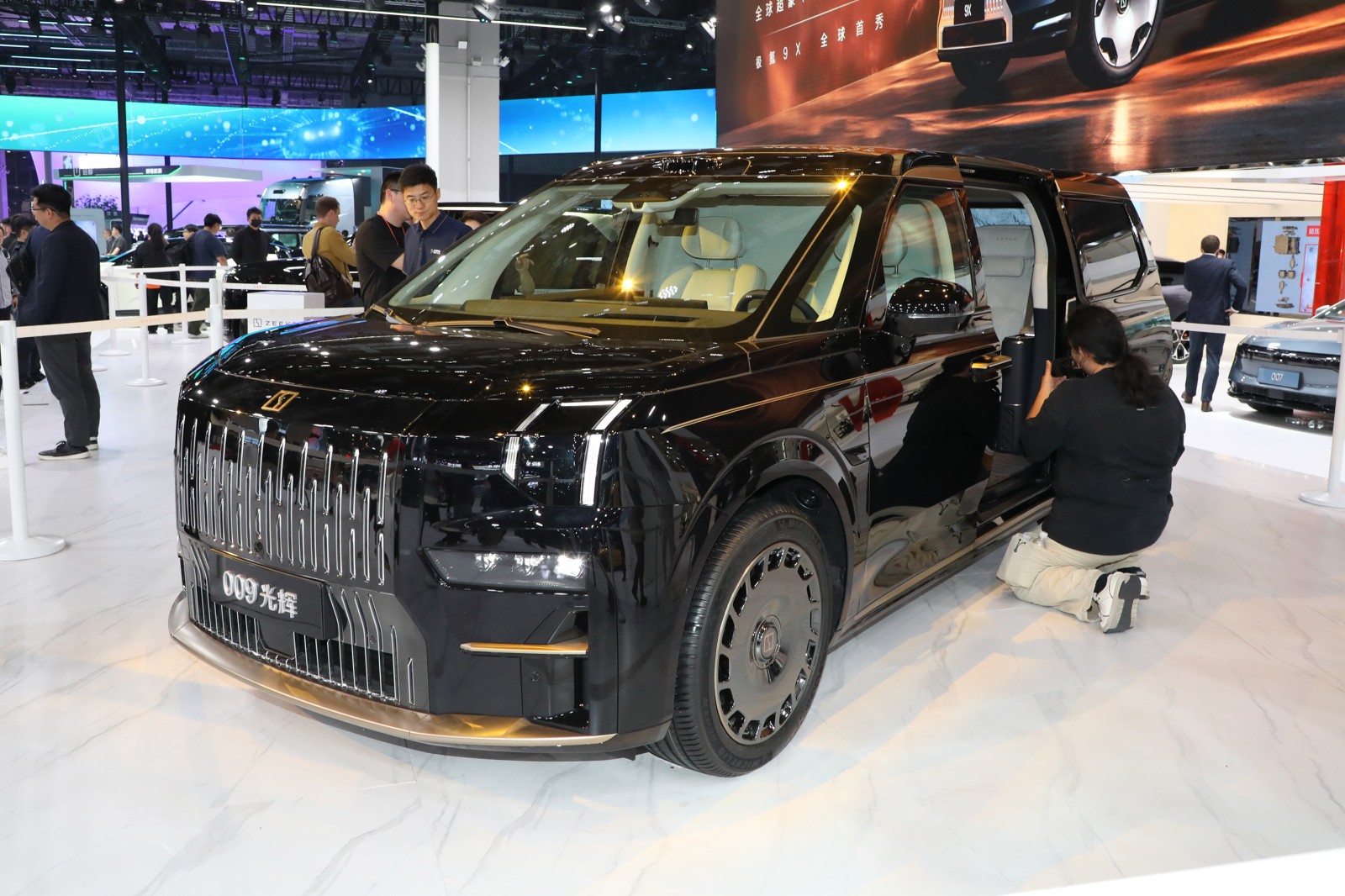
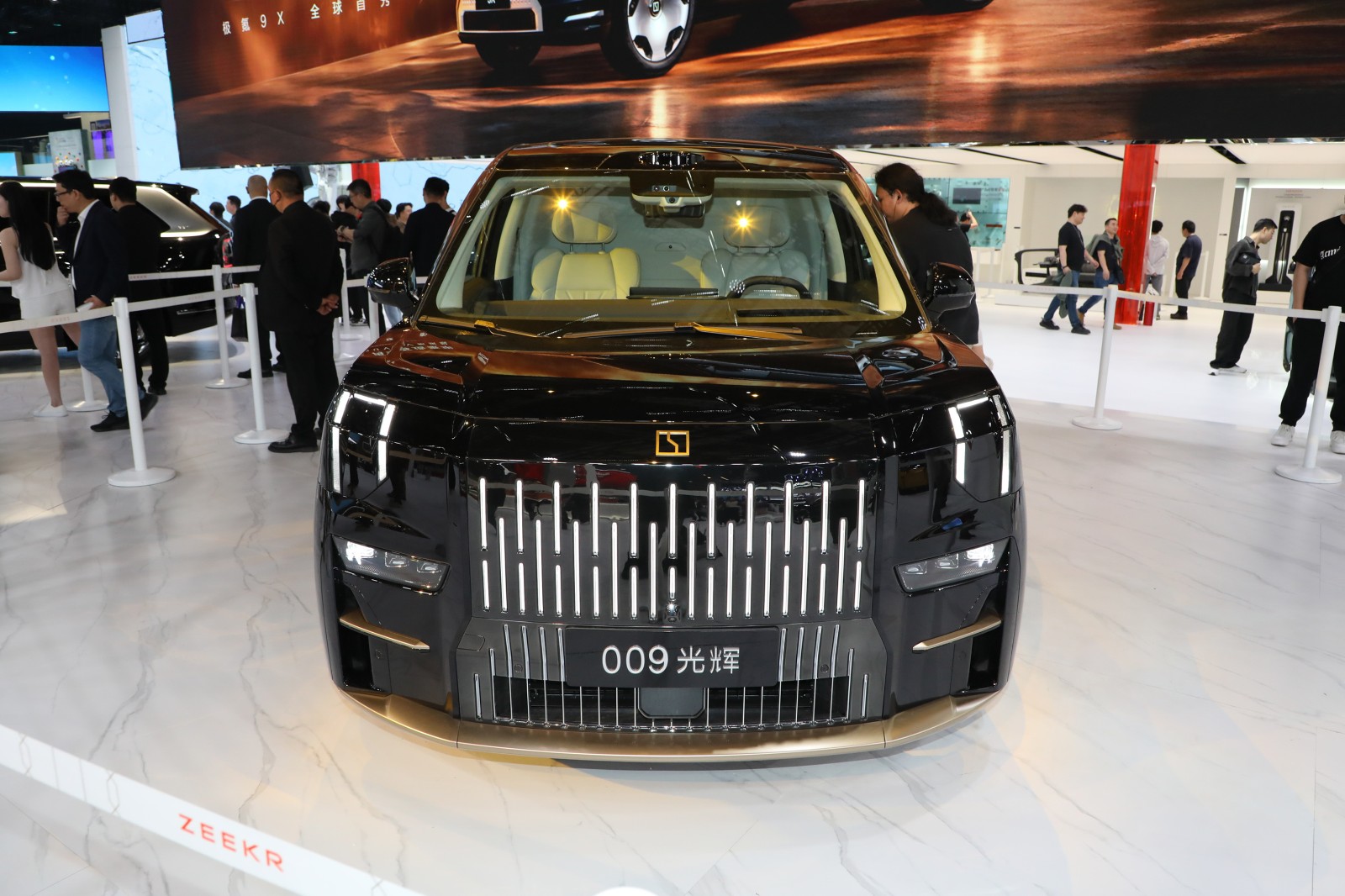
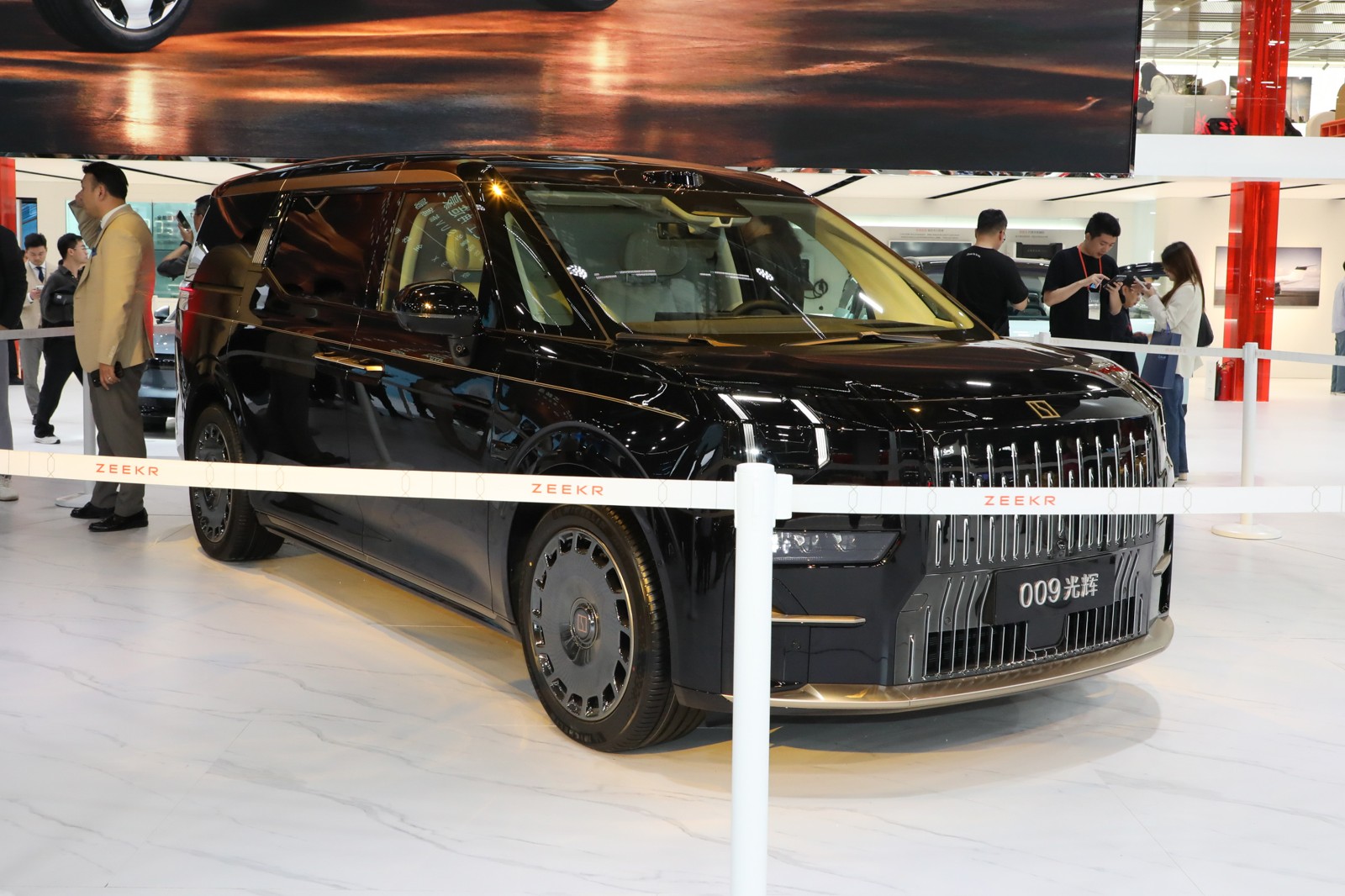
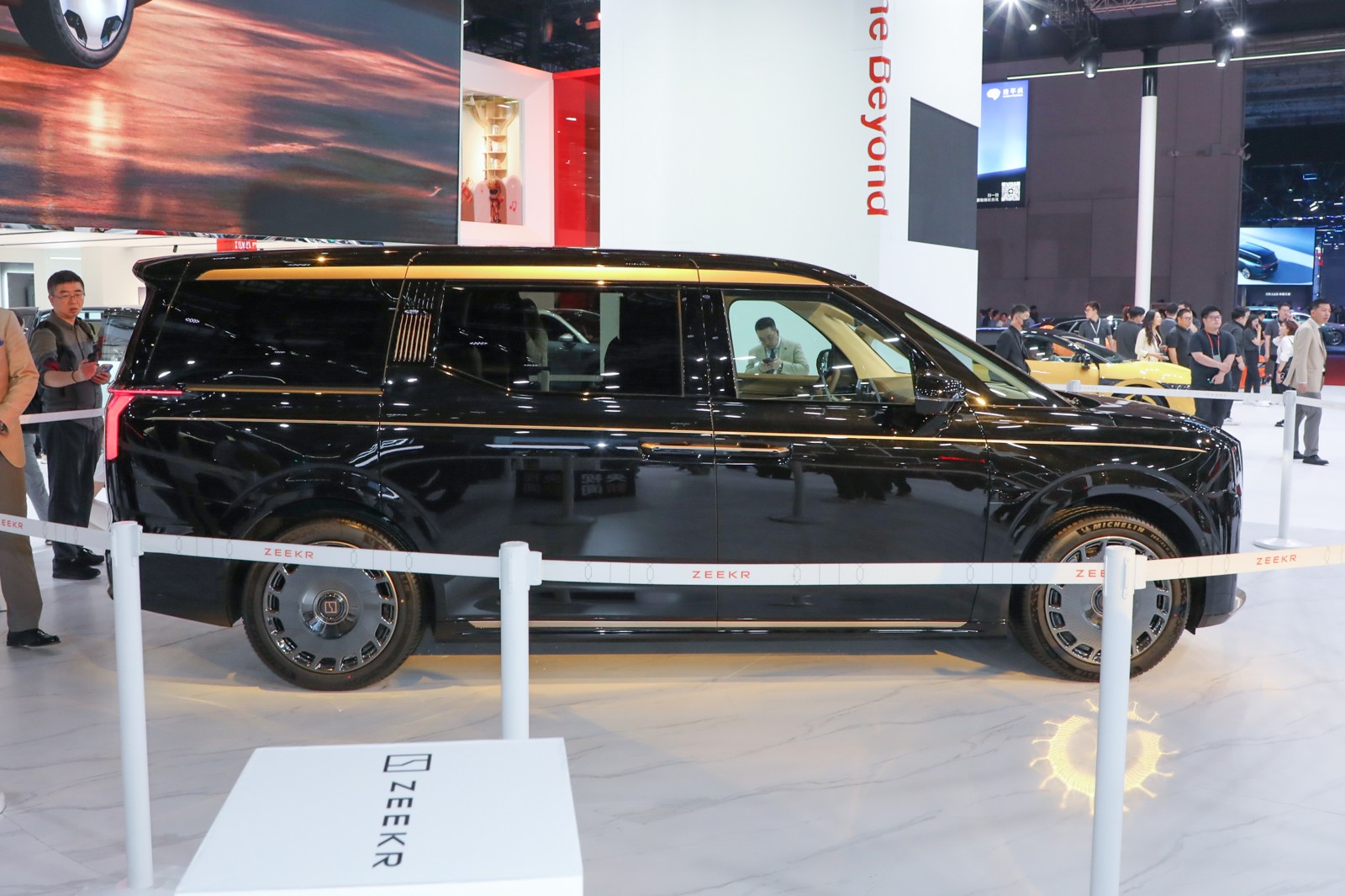
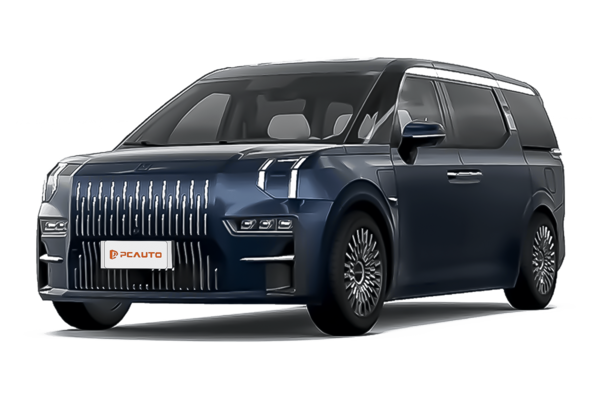
2025 ZEEKR 009 Executive
No.8 in Best MPVPrice
RM 299,800
Select a Vehicle Variant
2025 ZEEKR 009 Executive RM 299,800
Summary
The 2025 ZEEKR 009 Executive, launched in 2025-8-19, is a Executive MPV starting at RM 299,800. It seats 7 comfortably with generous cabin space – measuring 5209 mm long, 2024 mm wide, and 1848 mm tall. Perfect for families or daily commutes, it balances urban agility with highway capability thanks to an acceleration speed of 7.9s to 100km/h. The standout feature? Its 604 km range on a single charge, easing range anxiety for longer trips.
Power comes from a 116 kWh Nickel Mangenese Cobalt, designed for efficiency and longevity. Need a quick top-up? Fast charging takes just 13.5 hours (10-80%), while a full charge at home requires 0.5 hours. This 2025 ZEEKR 009 Executivecombines cutting-edge tech with everyday usability – whether zipping through city traffic or cruising on weekends. It’s a smart, future-ready choice for eco-conscious drivers who refuse to compromise on space or performance.
Power comes from a 116 kWh Nickel Mangenese Cobalt, designed for efficiency and longevity. Need a quick top-up? Fast charging takes just 13.5 hours (10-80%), while a full charge at home requires 0.5 hours. This 2025 ZEEKR 009 Executivecombines cutting-edge tech with everyday usability – whether zipping through city traffic or cruising on weekends. It’s a smart, future-ready choice for eco-conscious drivers who refuse to compromise on space or performance.
Core Specs

Segment
Executive

EV Range(km)
604

Battery Type
Nickel Mangenese Cobalt

100 Kilometers(kWh)
7.9

Motor Arrangement
Front

Battery Capacity(kWh)
116

Seats
7

Length(mm)
5209

Width(mm)
2024

Height(mm)
1848

Wheelbase(mm)
3205

Boot Volume(L)
574
Other Variants
Price
RM 299,800
Body
5209×2024×1848
Motor Output(PS)
340
Motor Output(kW)
250
Battery Capacity
116
EV Range
604
Power Consumption
-
Related Q&A
View More >Q
what is blue efficiency in mercedes benz
Mercedes-Benz's BlueEFFICIENCY is a comprehensive fuel-saving technology package designed to boost fuel economy and cut emissions by optimizing engine efficiency, reducing vehicle weight, and minimizing aerodynamic drag – a perfect fit for Malaysian drivers who care deeply about daily running costs and environmental impact. It rolls out a whole suite of clever tweaks: think low-rolling-resistance tires, refined transmission shift logic, start-stop systems, and the use of lightweight materials. The result? You get that trademark Mercedes performance without guzzling fuel.
For Malaysia's urban jungle, BlueEFFICIENCY really shines. The start-stop system is a lifesaver in traffic jams, killing the engine when you're idling to avoid wasted fuel, while the lighter build helps keep long-term ownership costs in check. Sure, Mercedes has been pushing ahead with its EQ electric tech as part of the shift to new energy, but BlueEFFICIENCY remains the gold standard for efficient traditional combustion engines. In a market like Malaysia that's still easing into electric vehicles, this tech offers the best of both worlds – performance you can enjoy and economy that won't break the bank.
 JoggerPaceSep 26, 2025
Q
How to replace the battery of key of Toyota Corolla Cross?
Here's how to swap out the smart key battery in your Toyota Corolla Cross: First, locate that little groove on the side of the key. Grab a flathead screwdriver or even a coin, and gently pry open the case—take it easy though, you don't want to snap the clips. Once it's open, you'll see the CR2032 button battery inside. Use a non-metal tool to pop out the old battery, and make sure you note which way the positive and negative sides are facing. When dropping in the new one, double-check that the positive (+) side is facing up. Finally, line up the case and press it shut until it clicks.
Stick with reputable CR2032 brands like Panasonic or Sony for reliable battery life—you can usually find these at convenience stores or hardware shops around Malaysia. If the key still isn't working after the replacement, it might need to be re-paired or there could be an electrical issue. In that case, it's best to hit up a Toyota authorized service center instead of trying to take it apart yourself and risking your warranty.
For daily use, keep the key away from prolonged heat or damp spots—both can mess with battery life and the electronics. And if your car starts warning you about low key battery, swap it out sooner rather than later to avoid issues with the keyless entry.
 OmegaStrikeOct 14, 2025
Q
What is the difference between RS6 and RS6 performance?
The main differences between the Audi RS6 and the RS6 Performance lie in power tuning and performance. The RS6 is equipped with a 4.0-liter V8 twin-turbocharged engine, delivering 600 horsepower and 800 Nm of torque. In contrast, the RS6 Performance boosts the power to 630 horsepower and 850 Nm of torque. At the same time, it optimizes the turbo response and exhaust system, shortening the 0 - 100 km/h acceleration time to 3.4 seconds (3.6 seconds for the regular version). Additionally, the Performance version comes standard with a sports differential and a more aggressive chassis tuning, paired with 22-inch wheels and high-performance tires, offering more precise handling.
For Malaysian car enthusiasts, both models are suitable for local road conditions. However, the Performance version is more suitable for those who pursue a track-like driving experience. Moreover, both models require attention to the heat dissipation management of the turbo engine in high-temperature environments. It's worth mentioning that the Audi RS series are fully imported performance cars in Malaysia. They are relatively expensive but have a stable resale value. When purchasing, you can compare the maintenance packages offered by local authorized dealers. These high-performance station wagons combine practicality with brute force, and are the so - called "ultimate grocery - getting cars" in the hearts of many car enthusiasts.
 ZedAug 14, 2025
Q
How much is insurance for a 2024 BRZ?
The insurance cost of the 2024 Subaru BRZ in Malaysia fluctuates based on multiple factors, typically ranging from RM3,000 to RM6,000. It depends specifically on the owner’s age, driving record, vehicle usage (private or commercial), coverage type (comprehensive or third-party insurance), and insurance provider policies. For instance, local Malaysian providers like Etiqa, Allianz, or Takaful may offer different quotes.
Since new vehicles use higher-value parts and incur higher repair costs, first-year premiums are relatively high. However, premiums can be reduced annually via the No-Claim Discount (NCD), with a maximum discount of up to 55%. Before purchasing the vehicle, it is recommended to get accurate quotes via insurance providers’ official websites or price-comparison platforms, and to understand Malaysia’s auto insurance "co-insurance clause"-which requires the policyholder to cover a portion of costs when filing a claim-as this aids budget planning.
As a sports car, the BRZ’s premiums may be slightly higher than those of regular sedans, but selecting appropriate add-on coverage (e.g., natural disaster coverage) can enhance protection.
 GentleSpiritSootherSep 15, 2025
Q
How many seater is Honda City hatchback 2024?
The 2024 Honda City Hatchback is a 5-seater compact hatch that’s right at home for Malaysian families or daily commuters. Its dimensions and interior layout prioritize passenger comfort – rear legroom is more than adequate, and the boot space handles everyday storage needs with ease. Under the hood, you’ll find a 1.5L i-VTEC engine that delivers smooth power and solid fuel economy, making it perfectly suited for city driving. Safety-wise, Honda hasn’t skimped: 6 airbags, Vehicle Stability Control (VSC), and Hill Start Assist (HSA) all come standard, giving drivers extra peace of mind. Tech features like the smart key system, 8-inch touchscreen infotainment setup, and Apple CarPlay/Android Auto compatibility add a nice layer of convenience too. For Malaysian buyers, the City Hatchback strikes a great balance between practicality and value, cementing its spot as a top pick in its class.
 AriaOct 14, 2025
Q
How much is Isuzu DMAX 2025 in Malaysia?
Isuzu hasn't officially announced the Malaysian price tag for the 2025 D-MAX just yet. But if we look at the 2024 model's range – which sits around RM94,949 to RM152,938, depending on the variant and specs – we're expecting a slight bump for the new model. That's likely down to upgraded features and currency fluctuations, among other things.
The D-MAX is a big hitter in Malaysia's pickup scene, and for good reason. It's built tough, boasts a healthy 235mm of ground clearance, and packs a punch with that 3.0L diesel engine churning out 190PS and 450Nm – perfect for our diverse local terrain.
Keep an eye out for Isuzu's advanced driver assistance systems making a return in the 2025 model, things like blind spot monitoring and autonomous emergency braking. There's also talk they might tweak the suspension setup specifically for Southeast Asian roads, which would be a smart move.
If you're keen, your best bet is to keep tabs on Isuzu Malaysia's official website or drop by an authorized dealer. When new models land, they usually roll out some attractive promotions – think free service packages or low-interest financing deals. These can really help sweeten the deal and bring down the overall cost of ownership.
And if you're considering the used market, the current D-MAX holds its value pretty well. You're looking at a residual value of over 65% for a three-year-old model, which is a solid indicator of how well-regarded it is out there.
 FopOct 21, 2025
Q
Which cylinder is #3?
In an inline-four engine, the cylinders are numbered from 1 to 4 sequentially from the front end (pulley end) to the rear end (flywheel end). Therefore, the No. 3 cylinder is located in the middle-rear section of the engine, between the No. 2 and No. 4 cylinders. Specific identification methods include checking the markings on the engine block or cylinder head, or referring to the technical specifications in the service manual. If the engine lacks clear markings, the cylinders can be identified based on the order starting from the pulley end: No. 1 (frontmost), No. 2, No. 3 (middle-rear), and No. 4 (rearmost). Understanding the cylinder sequence is critical for maintenance tasks, such as spark plug replacement or compression pressure testing, where accurate cylinder number correspondence is essential. Note that design variations may exist among different engine brands, but the numbering logic for inline-four engines typically adheres to this pattern.
 EonJan 15, 2026
Q
How to stretch while driving?
Performing appropriate stretching exercises while driving can effectively alleviate fatigue and maintain alertness. It is recommended to perform the following movements when the vehicle is safely parked.
Neck stretches: Slowly tilt your head left and right, holding each position for 15 to 30 seconds to relax the muscles. Simultaneously, nodding your head forward and backward can promote blood circulation.
Shoulder exercises: Cross your arms and stretch, or rotate your shoulders to relieve stiffness caused by prolonged gripping of the steering wheel.
Waist relaxation: Sit upright and slowly twist your upper body to both sides. Combine this by placing your hands on your hips and gently rocking forward and backward to reduce tension.
Leg stretches: Extend your legs and flex your toes downward, or bend one knee and hug your lower leg to alleviate muscle tightness from prolonged pedal use.
Additionally, wrist fatigue can be relieved by pressing your palms together and applying counteracting pressure.
These movements should be performed gently, avoiding sudden force. The focus is on promoting localized blood circulation through moderate stretching.
Note that if performed while driving, choose a section with light traffic and minimize movement range, ensuring one hand remains on the steering wheel at all times. If drowsiness is severe, immediately find a safe area to park and rest, as stretching only alleviates mild fatigue. Severe fatigue requires recovery through sleep.
Maintaining proper driving posture is fundamental to preventing fatigue. Adjust the seat so the backrest reclines approximately 23 degrees and the seat cushion tilts forward 7 degrees, allowing the spine to align naturally and avoiding additional muscle strain from poor posture.
 JoyFeb 12, 2026
Q
What is the #1 most reliable car?
Currently, the most reliable car brand in the Malaysian market is the local brand Perodua. Its flagship models Axia and Myvi have consistently topped sales charts due to their cost-effectiveness and durability. In 2024, the brand achieved total sales of 358,102 units, representing an 8.4% year-on-year growth. Perodua vehicles utilize proven technology platforms, benefit from a robust parts supply chain, and offer affordable maintenance (for instance, the base model Axia starts at approximately RM30,000), making them particularly well-suited for tropical climate conditions. Notably, Chinese brands Chery and BYD have shown significant progress recently. Chery secured fifth position with 19,687 units sold, where its Omoda 5 emerged as a key contributor with 8,019 units sold. BYD recorded sales of 8,570 units with 91.7% growth, with its Yuan PLUS electric model becoming the best-selling new energy vehicle locally. However, when considering factors like market penetration, after-sales network coverage, and consumer satisfaction collectively, Perodua remains the top reliability choice. This is further evidenced by its Alza MPV (starting around RM62,500) and Bezza sedan (with annual sales exceeding 100,000 units), both demonstrating strong product stability.
 ButterflyFeb 21, 2026
Q
Why do European cars use 5W-40 oil?
European cars generally use 5W-40 engine oil, which is closely related to their engine design concepts and operating environments. The "5W" in 5W-40 indicates that the oil can maintain good fluidity at low temperatures as extreme as -30°C, ensuring cold-start protection in frigid climates, while the "40" denotes its kinematic viscosity at 100°C, enabling the formation of a stable oil film to withstand the high-temperature and high-pressure operating conditions of turbocharged engines. European models, particularly German vehicles, predominantly employ precision turbocharging technology, featuring engines with larger internal working clearances that frequently endure high-speed operation and demanding road conditions. The elevated viscosity of 5W-40 effectively compensates for mechanical clearances, delivering enhanced shear stability and thermal protection. Furthermore, for vehicles exceeding seven years of service, accelerated engine wear leads to increased component clearances, where 5W-40's higher viscosity better sustains oil pressure and minimizes consumption. Notably, European-standard certified 5W-40 oils like ACEA C3 specifications are specifically optimized for oxidation resistance and environmental compliance, ensuring compatibility with modern engines incorporating particulate filters. Owners should select appropriate lubricants by consulting maintenance manuals while considering the vehicle's actual service history and driving patterns.
 LovelyPeachMar 6, 2026
Popular Cars
Model Year
Car Compare
Car Photo
Model List
ZEEKR 009 is a Executive MPV EV launched by ZEEKR. PCauto has cataloged various variants of this car produced from 2024 to 2025.You can compare differences in detail at the parameter table.
Among the 3 variants of ZEEKR 009, prices range from the affordable RM 299,800 to the most expensive RM 359,800.You can find different horsepower versions ranging from 340PS to 612PS.
ZEEKR 009 offers 250 Permanent Magnet Synchronous Motor, 450 Permanent Magnet Synchronous Motor Motor and 116kWh battery. Check the spec sheet for more details.
1 Model on Sale
2025
2024