Reference Only. Update Soon
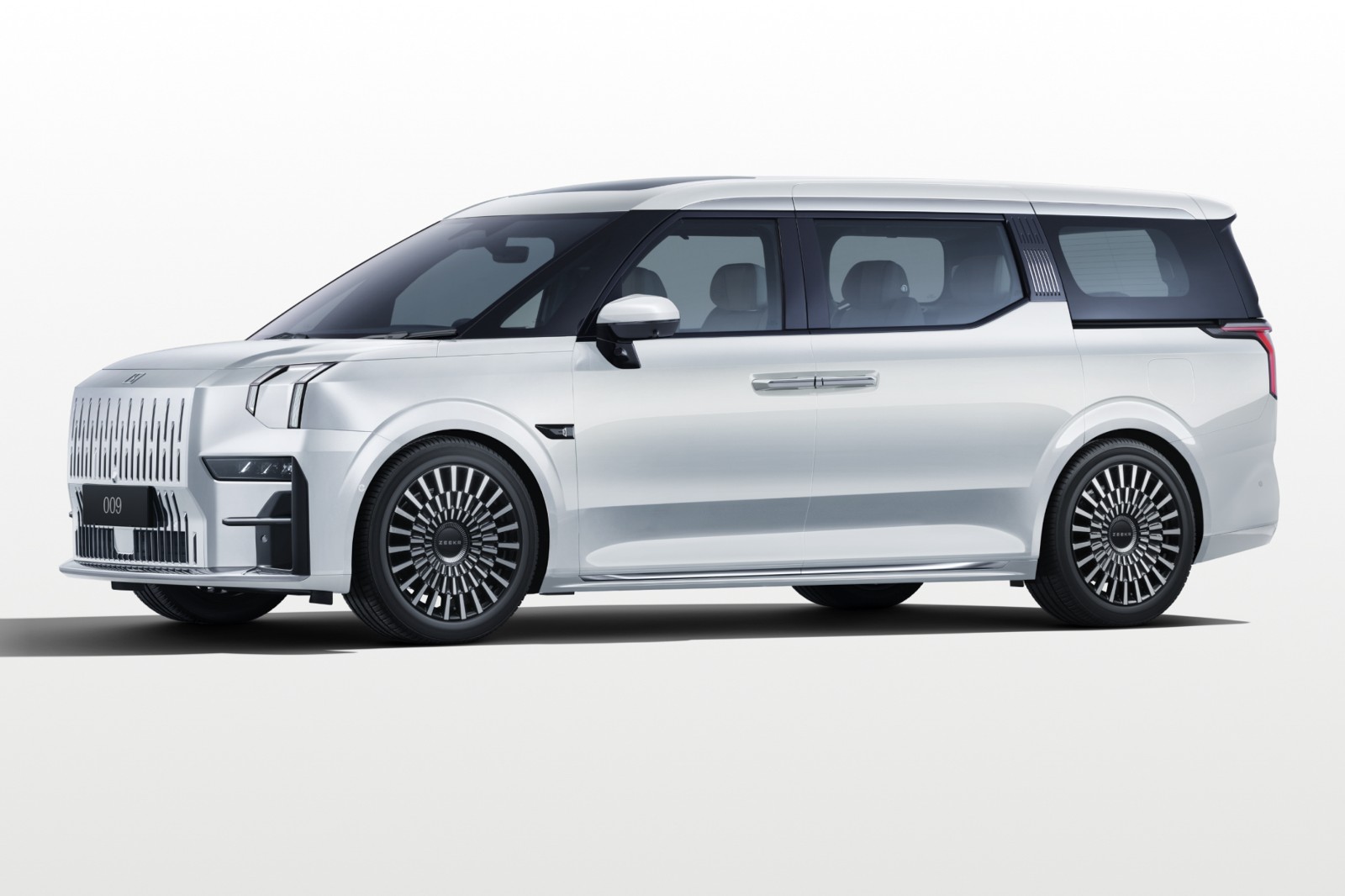
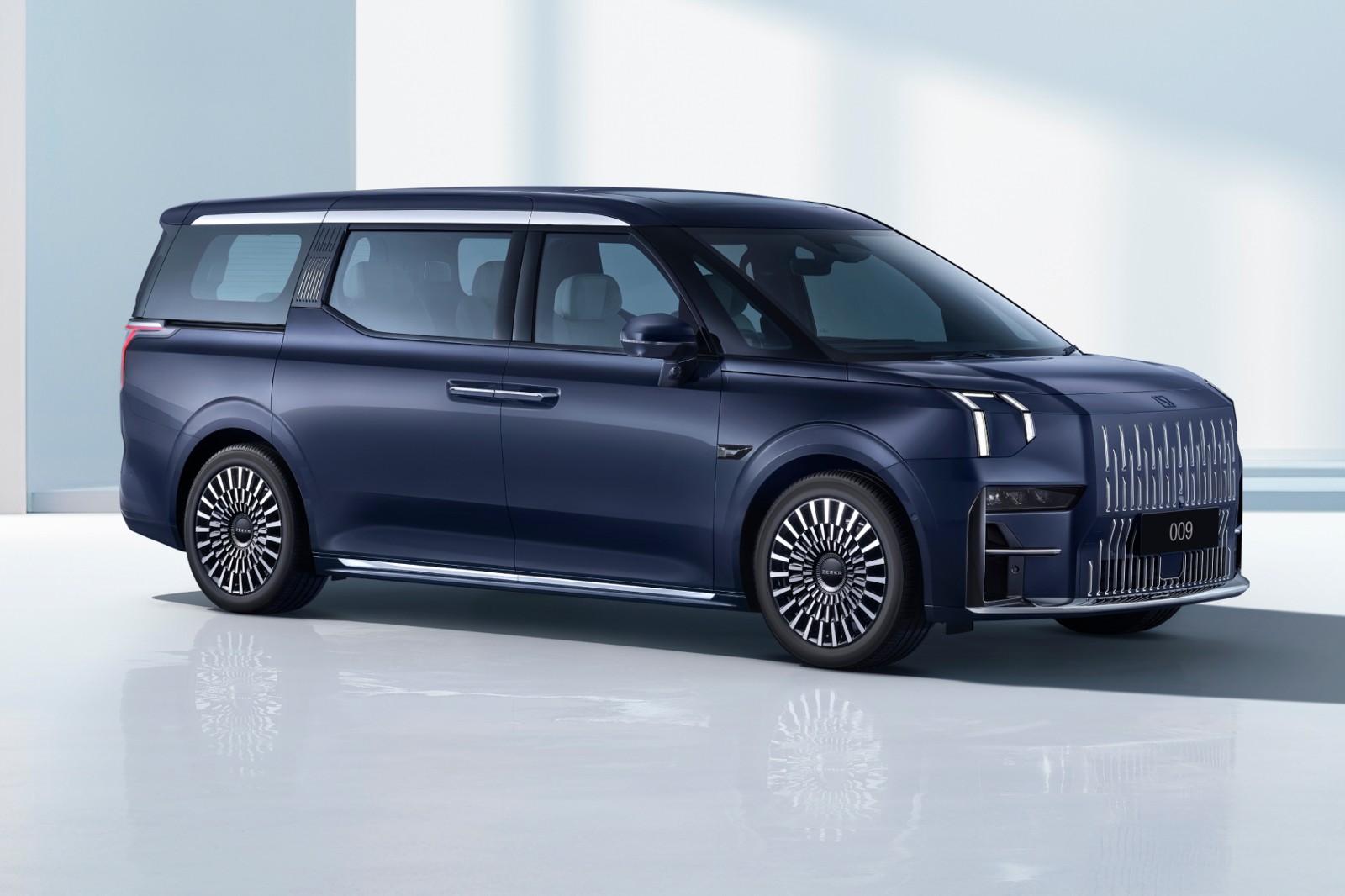
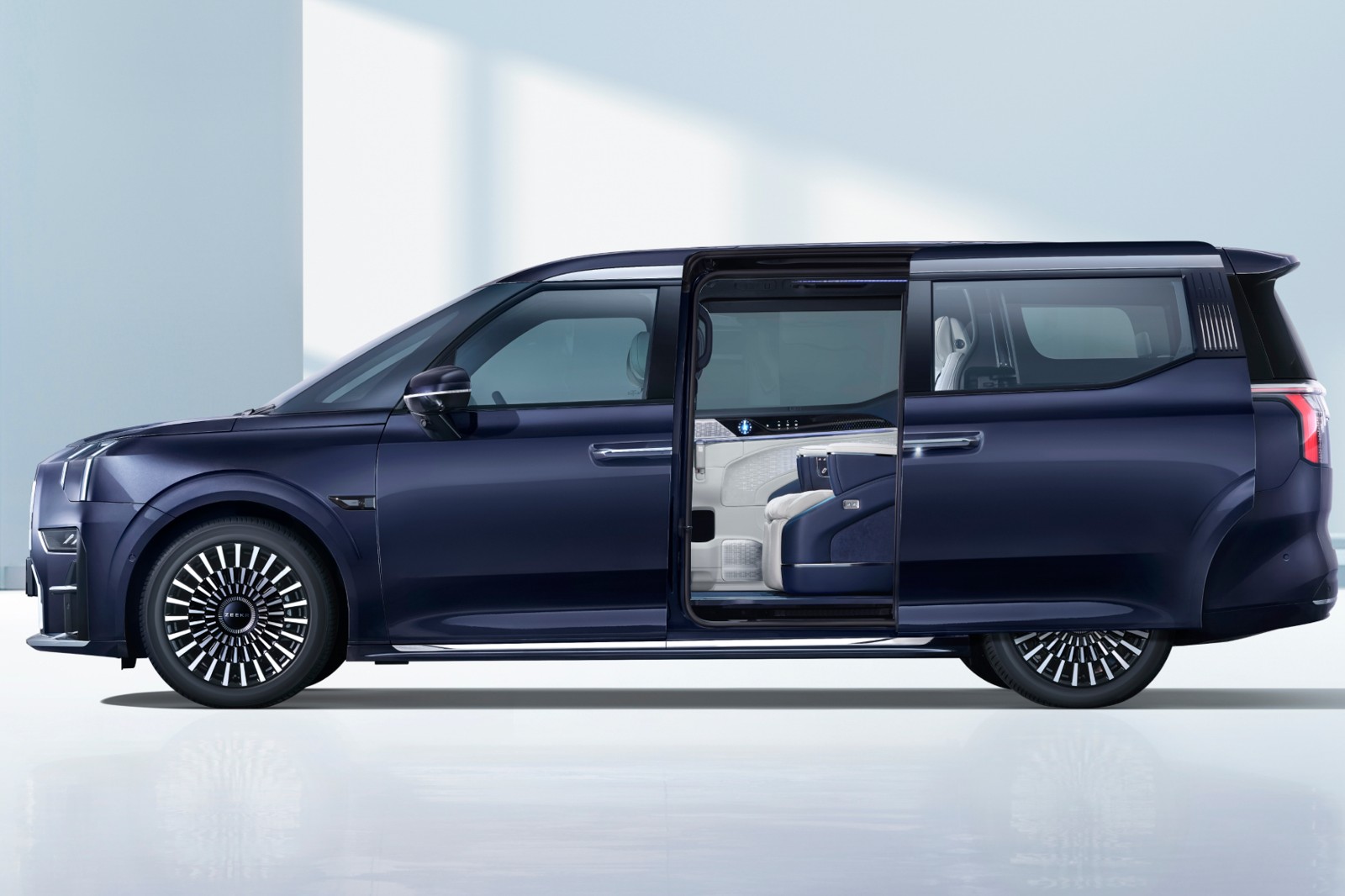
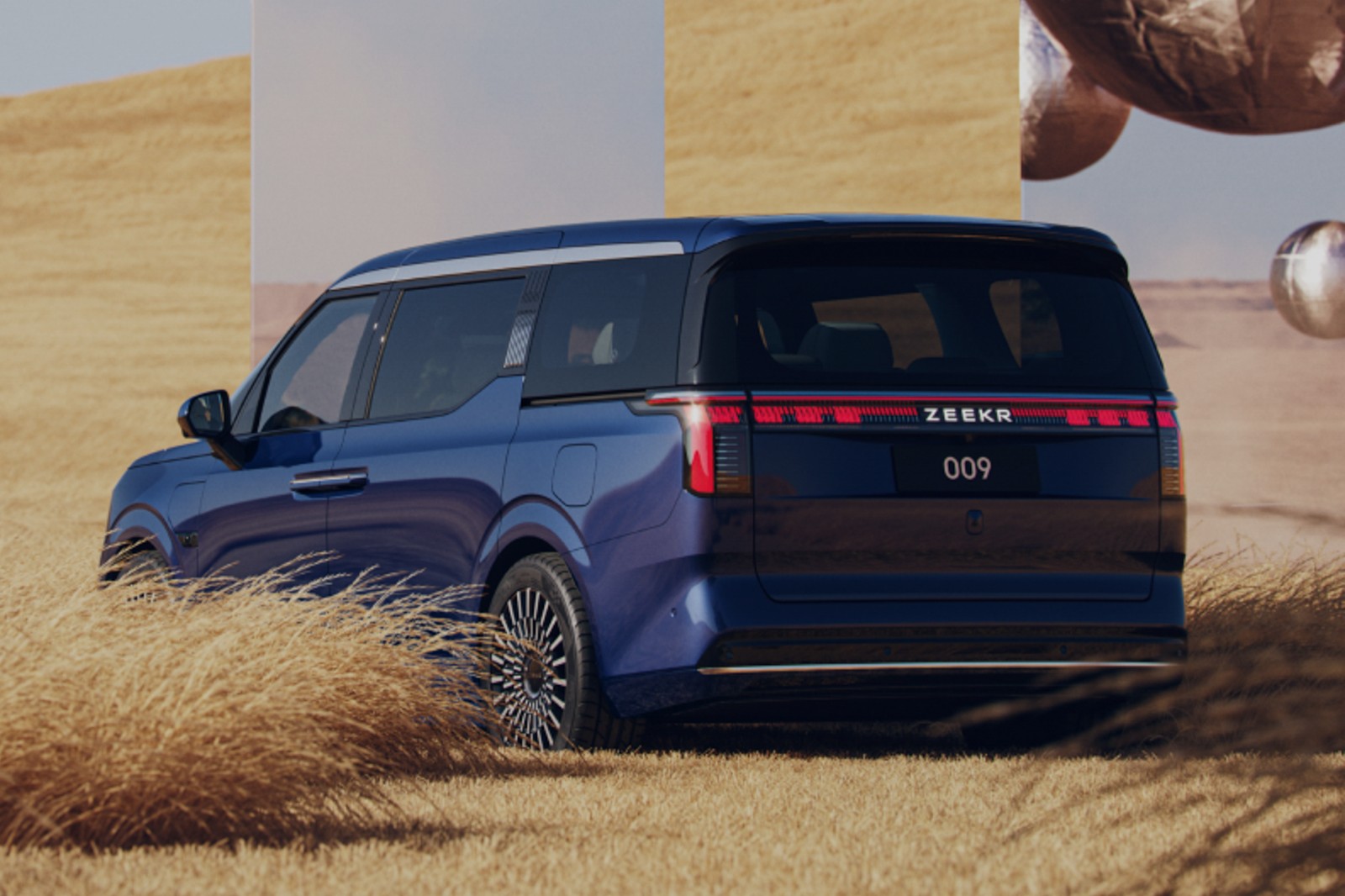
2024 ZEEKR 009 Luxury
No.8 in Best MPVPrice
RM 349,800
Select a Vehicle Variant
2025 ZEEKR 009 Executive RM 299,800
Summary
Looking at the 2024 ZEEKR 009 Luxury? This Executive MPV debuted in 2024-12-6 with pricing from RM 349,800. There’s space for 7 passengers inside (5209mm long cabin), and it hits 4.5 km/h(s) smoothly. The 582 km range means fewer charging stops – ideal for busy lives.
Under the floor sits a 116 kWh nickel manganese cobalt (NMC) battery pack. Fast charging takes 0.5 hours for a quick boost, while a full home charge needs - hours. No fancy jargon here – just an easy-to-live-with EV that’s ready for work or weekend adventures.
Under the floor sits a 116 kWh nickel manganese cobalt (NMC) battery pack. Fast charging takes 0.5 hours for a quick boost, while a full home charge needs - hours. No fancy jargon here – just an easy-to-live-with EV that’s ready for work or weekend adventures.
Core Specs

Segment
Executive

EV Range(km)
582

Battery Type
nickel manganese cobalt (NMC) battery

100 Kilometers(kWh)
4.5

Motor Arrangement
-

Battery Capacity(kWh)
116

Seats
7

Length(mm)
5209

Width(mm)
2024

Height(mm)
1812

Wheelbase(mm)
3205

Boot Volume(L)
574
Other Variants

Price
RM 349,800
Body
5209×2024×1812
Motor Output(PS)
612
Motor Output(kW)
450
Battery Capacity
116
EV Range
582
Power Consumption
22.3
Related Q&A
View More >Q
Which cargo vans have a height sufficient for a person to stand upright?
If you're on the hunt for a high-roof van in Malaysia that lets you stand up inside, there are some solid go-to models worth checking out. Think the Toyota Hiace High Roof, Hyundai Staria High Roof, or Mercedes-Benz Sprinter High Roof – these bad boys usually have over 1.8 meters of interior height, which means most adults can stand upright without ducking. They’re perfect for folks who need to load and unload cargo regularly or even convert into a camper van.
Other solid picks? The Mitsubishi Delica D5 and Ford Transit Custom High Roof. They don’t just offer tons of headroom – they also balance comfort and practicality pretty well. When you’re shopping for a high-roof van, do yourself a favor and head to a showroom to test the interior space in person. And don’t forget to think about how you’ll use it: is it for commercial hauling or family trips? That’ll help you nail down the right fit.
Also, Malaysia’s got a mix of road conditions, and those tall roofs can catch crosswinds on the highway. So keep an eye on stability when you’re behind the wheel – safety first, always.
 CrystalBladeOct 16, 2025
Q
How many cylinders does a 3.0 Hilux have?
The commonly found 3.0-liter diesel version of the Toyota Hilux in the Malaysian market (model 1GD-FTV) features a 4-cylinder inline engine. Despite its larger displacement, Toyota has optimized the turbocharging (D-4D technology) and fuel injection system to ensure a balance between power output and fuel efficiency, delivering up to 204 horsepower and 500 Nm of torque. This engine is quite popular locally, particularly for commercial and off-road applications that require high load capacity or long-distance driving. Its durability and low maintenance costs are also key reasons why Malaysian consumers choose the Hilux.
It's important to note that, although it has a displacement of 3.0 liters, the four-cylinder design is lighter and more fuel-efficient compared to the older V6 engine, while also meeting modern emissions standards. For those seeking stronger performance, the Hilux's 2.8-liter version (also a 4-cylinder) is worth considering, as it has slightly different tuning but remains equally reliable. It is recommended to take a test drive to experience the low-end torque performance and consult with a dealer regarding regular maintenance to keep the engine in optimal condition.
 DarkHunterMay 20, 2025
Q
What is the Tyre Brand of Ford Ranger?
The original - equipped tire brands of the Ford Ranger in the Malaysian market may vary depending on the model year and configuration. Common combinations include well - known international brands such as Michelin, Bridgestone, or Goodyear. These brands are renowned for their wear resistance and all - terrain adaptability, which are especially suitable for the multi - purpose needs of pickups like the Ranger.
When Malaysian owners choose to replace their tires, they can refer to the original factory specifications (such as 265/65R17 or 265/60R18) and take local road conditions into account. For example, during the rainy season on slippery roads or on unpaved rural roads, it is recommended to prioritize tires with an M + S (Mud and Snow) marking or AT (All - Terrain) tread patterns to enhance safety.
In addition, regularly checking tire pressure and wear is the key to extending tire life. If you often drive on gravel roads, you can appropriately lower the tire pressure to increase the contact area. It should be noted that there are subtle differences in noise reduction, fuel consumption performance, and grip among tires of different brands. It is advisable to obtain the appropriate tire models through official dealers to ensure the vehicle's performance matching.
 WhisperrJul 10, 2025
Q
Does Suzuki Jimny Have Apple Carplay?
Yes, the latest 2023 Suzuki Jimny comes equipped with Apple CarPlay on some high - end models. This allows car owners in Malaysia to more conveniently use iPhone apps such as navigation, music, and make calls through the car's infotainment screen. However, it's important to note that not all Jimny models come with this feature as standard. It depends on the vehicle configuration and regional version. It is recommended to confirm with local dealers before purchasing.
Apart from Apple CarPlay, the Jimny also supports Android Auto, meeting the needs of different mobile phone users. As a compact off - road vehicle well - loved by consumers in Malaysia, the Jimny has won many fans with its excellent off - road performance and unique design. Although its interior may not be as technologically advanced as some urban SUVs, its reliability and practicality still stand out among similar models.
If you have high requirements for in - car connectivity features, you may consider choosing the high - end version or adding a compatible module later to achieve more functions. However, when modifying, be sure to choose a regular channel to ensure system stability and that the vehicle warranty remains unaffected.
 TonJul 10, 2025
Q
What is the Battery Size of Lamborghini Urus?
As a high-performance luxury SUV, the Lamborghini Urus is equipped with a 12-volt battery. It uses a standard AGM (Absorbent Glass Mat) battery, and the capacity is usually between 70 and 90 ampere-hours (Ah). The specific value may vary slightly depending on the model year or configuration. This type of battery is known for its high durability and fast charge-discharge performance, which is suitable for supporting the Urus's 48-volt mild hybrid system and a large number of electronic devices. For users in Malaysia, the tropical climate may affect the battery life. It is recommended to regularly check whether the electrodes are corroded and keep the battery in a good charging state. If a replacement is needed, original or equivalent-specification products should be selected to ensure compatibility. It's worth mentioning that the mild hybrid technology of the Urus uses the battery to recover kinetic energy to assist the engine, which not only improves fuel economy but also doesn't sacrifice performance. This kind of technology has become a trend among ultra-luxury SUVs. For example, the Bentley Bentayga also adopts a similar design. Owners can monitor the battery status through the dashboard to avoid affecting the driving experience due to power issues.
 HappySheepJul 16, 2025
Q
What is the Length of Ora Good Cat?
The Ora Good Cat is a pure - electric compact car launched by Great Wall Motors. Its body length is 4,235 millimeters, which is a flexible size suitable for city driving, especially for the busy traffic environment in Malaysia. This car has drawn attention for its unique design and practical functions. With a moderate body length, it is not only easy to park but also offers sufficient interior space, meeting the needs of daily commuting and family outings.
Apart from the body size, the Ora Good Cat is also equipped with an advanced electric drive system. Its range performance is excellent among similar models, making it a great fit for consumers who prioritize environmental protection and energy - saving. In the Malaysian market, the car's dimensions and electric features make it an ideal choice for city driving, and its stylish appearance and high - tech configurations have also attracted many young car buyers.
Understanding the vehicle's dimensions is crucial when choosing a car that suits your needs. Especially in Malaysia's narrow streets and limited parking spaces, the compact design of the Ora Good Cat can bring more convenience.
 SingerVoiceJul 15, 2025
Q
How much is a Ford Ranger?
In Malaysia, the Ford Ranger’s pricing varies quite a bit depending on the trim and specs you go for – brand-new models typically range from around RM100k to RM200k. It all comes down to the powertrain you pick (like the 2.0L turbo diesel or the beefier 3.0L V6 diesel), whether you want 2WD or 4WD, and the extra features – think smart driver-assist systems or upgraded interior bits.
Malaysian buyers really dig the Ranger for its tough-as-nails chassis and solid off-road chops, making it a top pick for folks who need something that handles both daily commutes and weekend adventures. Plus, there’s a body style for just about every need: single cab, double cab, and different bed lengths to suit how you plan to use it.
Before you pull the trigger, I’d definitely recommend heading to your nearest Ford dealership for a test drive and to check out any ongoing promotions. It’s also smart to compare warranty policies and after-sales service across trims to make sure you’re getting the setup that fits you best. With Malaysia’s rainy weather and sometimes tricky road conditions, the 4WD variants are super practical, while city drivers might lean more toward better fuel efficiency and comfort features.
 QuirkyStyleUniqueOct 22, 2025
Q
What engines fit in a 2020 Nissan Altima?
The 2020 Nissan Altima in Malaysia comes with two primary engine options: a 2.0-litre VC-Turbo variable compression turbocharged four-cylinder and a 2.5-litre naturally aspirated four-cylinder. Both are factory-designed and matched powerplants, engineered to work seamlessly with the car's transmission and electronic systems. The 2.0L VC-Turbo is the star here, packing Nissan's innovative variable compression tech that adjusts between 8:1 and 14:1 compression ratios—striking that sweet balance between punchy performance and fuel efficiency, cranking out a solid 248 horsepower. On the other hand, the 2.5L naturally aspirated unit delivers a smooth 188 horsepower, making it the more laid-back choice for everyday commuting.
Now, while some specialist tuning shops might offer swaps for other engine types, you’ve gotta be extra careful with that. Any engine swap needs to strictly comply with Malaysia’s vehicle regulations and inspection standards. Plus, messing around with major mods like that could potentially void your factory warranty and even throw off the car’s overall reliability. So, if you’re a Malaysian Altima owner thinking about an engine change, my advice? Stick with the factory setups or go for certified, approved upgrade kits. It’s the best way to keep your ride safe, dependable, and out of legal hot water from unapproved mods.
 GiaOct 27, 2025
Q
Should I buy a 2018 Honda Civic?
The 2018 Honda Civic is a well-rounded car that hits all the right notes. Under the hood, you've got a 1.5T turbocharged engine that delivers plenty of pep while still being easy on gas—perfect for daily commutes and the occasional highway sprint. It handles nicely too, with responsive steering and a suspension setup that leans towards comfort, making it a solid fit for local road conditions. Inside, the cabin is clean and functional, with decent space all around. Rear legroom is surprisingly generous, and the trunk has enough cargo capacity to meet family needs. When it comes to safety, it doesn't skimp on standard features like stability control and multiple airbags. Step up to higher trims, and you'll get the Honda Sensing suite, which includes adaptive cruise control and lane-keeping assist. Reliability is another strong suit here; maintenance costs are reasonable, parts are easy to come by, and it holds its value well on the used market—above average for the class. If you're eyeing a used one, though, make sure to check the condition thoroughly, especially the turbo system and CVT transmission. Stick to reputable dealers and ask for complete service records. The Toyota Corolla or Mazda3 are worth considering in this segment, but the Civic edges them out when it comes to power and driving fun.
 TiaNov 19, 2025
Q
What controls the turn signal?
The control core of the turn signal is the flasher relay, which generates pulse signals through internal circuit switching to achieve light flashing. When the driver activates the turn signal switch, current flows through the flasher relay to complete the circuit. Depending on the relay type, the working principles can be divided into three categories: thermal-type relays utilize current's thermal effect to expand a bimetallic strip and break contact (e.g., hot-wire type) or cause sudden spring plate movement (e.g., blade type); capacitor-type relies on charge/discharge timing characteristics to control contact switching; while electronic-type precisely regulates flash frequency through transistor components. Modern vehicles predominantly employ electronic relays, with some models integrating Body Control Modules (BCM) for intelligent management. The turn signal system typically comprises front, rear, and side lamp assemblies, operating at 20-30 watts with a flash rate of 60-120 cycles per minute. Systems use either xenon tubes or LED light sources, with the latter becoming mainstream due to extended lifespan and rapid response (illumination within 1.5 seconds). For troubleshooting, priority inspection should focus on the relay, fuse, and wiring connections to ensure proper turn signal operation for effective roadway communication.
 SonicSpeedMar 23, 2026
Popular Cars
Model Year
Car Compare
Car Photo
Model List
ZEEKR 009 is a Executive MPV EV launched by ZEEKR. PCauto has cataloged various variants of this car produced from 2024 to 2025.You can compare differences in detail at the parameter table.
Among the 3 variants of ZEEKR 009, prices range from the affordable RM 299,800 to the most expensive RM 359,800.You can find different horsepower versions ranging from 340PS to 612PS.
ZEEKR 009 offers 250 Permanent Magnet Synchronous Motor, 450 Permanent Magnet Synchronous Motor Motor and 116kWh battery. Check the spec sheet for more details.
1 Model on Sale
2025
2024