
Q
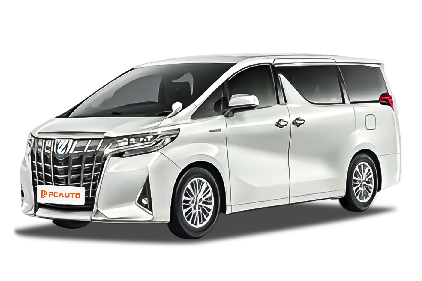
How much does it cost to buy a Toyota Alphard car
 StarryskyOct 09, 2025, 05:29 PM
In Malaysia, the price of a Toyota Alphard can vary quite a bit depending on the model year, trim level, and how hot demand is. If you're looking at a brand-new one, you're generally looking at a range of RM400,000 to RM600,000. That final number really hinges on which spec you go for—like whether you pick the 2.5L or 3.5L engine—and all those extra luxury interior bits you might add on.
For used Alphards, the prices swing based on condition, mileage, and how old the car is, but you're probably looking at around RM200,000 to RM400,000 there. The Alphard has built a solid fan base among families and business folks alike, thanks to its super spacious and comfy cabin, premium features, and that typical Toyota reliability. In Malaysia especially, it's pretty much the poster child for a high-end MPV.
Toyota doesn't just stop at the Alphard, though—there's also the Vellfire. They're similar but have some small differences in looks and specs. Both, though, are all about that luxury feel and day-to-day practicality. If you're in the market, I'd recommend hitting up official dealers or reputable used car platforms to get the full scoop on pricing. And don't sleep on checking out after-sales service and warranty terms too—you want to make sure you're getting your money's worth. Oh, and keeping up with regular servicing and sticking to genuine parts? That's the way to keep your Alphard running strong for years and help it hold onto its value.
Special Disclaimer: This content is published by users and does not represent the views or position of PCauto.
Related Q&A
Q
Is the 2023 Alphard fuel efficient?
The 2023 Toyota Alphard delivers pretty average fuel economy. Its 2.5-liter hybrid setup returns around 6.5 to 7.2 liters per 100km in mixed Malaysian city driving, and can dip to 5.8-6.3 liters/100km on the highway. For a luxury seven-seat MPV, that's totally reasonable – and honestly, it's way more efficient than a comparable pure gasoline model. But here's the thing: hybrid efficiency really depends on how you drive and the roads you're on. Take it easy on the accelerator and brake predictively, and you'll squeeze even more km out of each liter.
Malaysian buyers should think hard about their actual needs. If you're often hauling a full load on long trips, the Alphard's spacious cabin and comfort might matter more than eking out every last drop of fuel. But if you're mostly stuck in stop-and-go city traffic, the hybrid system's electric-drive advantage at low speeds will shine.
Before you sign on the dotted line, check out the Malaysian Energy Efficiency Vehicle (EEV) certification data. More importantly, take it for a proper test drive to see how it actually performs in different road conditions. And don't forget, regular maintenance is key to keeping that fuel economy in check – stuff like changing the air filter on time and using the right viscosity oil.
 GracefulOct 24, 2025
Q
What is the fuel consumption of Toyota Alphard 2023?
The 2023 Toyota Alphard's fuel economy in the Malaysian market varies depending on the powertrain. The 2.5-liter hybrid variant delivers around 5.4 to 5.8 liters per 100 kilometers in combined driving, while the 3.5-liter V6 petrol version consumes approximately 9.5 to 10.5 liters per 100 kilometers. Actual figures may fluctuate slightly based on driving habits, road conditions, and vehicle load. For Malaysian buyers, the hybrid makes more sense for city commutes where stop-and-go traffic really eats into fuel efficiency, whereas the V6 suits those who frequently hit the highway for longer drives. It's worth noting that the hybrid system uses electric motor assistance to cut fuel use during idling and low-speed cruising – a big reason it stays efficient even in Southeast Asia's hot, tropical weather. To squeeze even better mileage, stick to regular maintenance like fresh air filters, keep tires properly inflated, and avoid aggressive acceleration or hard braking. As a luxury MPV, the Alphard strikes a solid balance between fuel economy and comfort, putting its efficiency right in the mainstream for its class.
 OceanblueOct 24, 2025
Q
Is the 2023 Alphard good for families?
The 2023 Toyota Alphard stands out as a top-tier luxury MPV tailor-made for family life, and it's absolutely killing it in the Malaysian market. Let's face it, when families shop for an MPV, space and comfort are king – and the Alphard delivers big time on both fronts.
Inside, you've got a versatile three-row setup. The real star here is the second-row Ottoman seats; they're like first-class airplane seats, with multiple adjustments to dial in that perfect position, which is a total lifesaver on those long road trips to keep fatigue at bay. And unlike some MPVs where the third row is just an afterthought for kids, the Alphard's back row actually has enough room for adults too. That makes it a no-brainer for larger families or anyone who regularly hauls a crew around.
Keeping the little ones (and let's be honest, the big ones too) entertained is a breeze, thanks to the snazzy rear-seat entertainment screens and that crisp JBL sound system. Road trips just got a whole lot quieter – trust me, that's priceless.
Safety? Toyota's got you covered with their Safety Sense suite. We're talking pre-collision warning, lane keep assist, adaptive cruise control – all the good stuff that adds an extra layer of protection when you've got your most precious cargo on board.
Under the hood, the 2.5L hybrid powertrain you'll commonly find in Malaysia strikes a really nice balance. It's smooth as butter to drive and doesn't guzzle fuel, whether you're navigating city streets or cruising down the highway.
Add to that the Alphard's impressive cabin quietness and the high-quality materials used throughout the interior, and you've got a ride that feels properly premium. Yeah, it's not the cheapest option out there, but if your family values top-notch comfort and luxury, it's a solid investment.
If the Alphard's price tag makes you wince, there are other MPVs in the same class worth checking out, for sure. But when it comes to brand reputation and holding its value over time, the Alphard definitely has the edge.
PeachesrOct 24, 2025Q
Is the 2023 Alphard a luxury vehicle?
The 2023 Toyota Alphard is truly a luxury MPV that's earned a solid reputation in Malaysia. Its popularity boils down to that premium spec sheet, super comfy ride, and a really well-finished interior. You're looking at leather seats, top-notch infotainment, zoned climate control, and a bunch of driver assists as standard – all the stuff luxury buyers crave for comfort and tech. It's a hit for family trips or when you need to impress clients.
In Malaysia's luxury MPV scene, the Alphard is a big player. That spacious cabin and how quiet it is on the move really cement its high-end vibe. And let's not forget the hybrid version – it's a greener pick, which lines up with what folks want these days in terms of fuel efficiency.
For Malaysian buyers, going for an Alphard isn't just about wanting luxury and practicality; it's also about trusting a brand that delivers. Toyota's after-sales network here is rock-solid, so you know you're covered long-term. If you're in the market for an MPV that blends luxury and usability, the 2023 Alphard is definitely one to check out seriously.
 CherryblOct 24, 2025
Q
Is Alphard better than Vellfire?
The Toyota Alphard and Vellfire are essentially two sides of the same coin—different styling takes on the same core vehicle. Mechanically, they're nearly identical, sharing the same performance, interior space, and key tech. The real differences lie in their exterior design and target audience. The Alphard goes for that luxury stable vibe with its big chrome grille up front, making it a solid pick for buyers after a more business-oriented look. The Vellfire, though, leans sportier with those split headlights and sharper lines, which tends to appeal more to younger families.
Here in Malaysia, both models pack the same 2.5L hybrid system (there's also the 3.5L V6 petrol option for those who want it), so you're looking at pretty much identical fuel economy and power delivery. Inside, the 2+2+3 seven-seat layout is standard across the board, and those second-row "captain chairs"? Total class leaders when it comes to comfort.
One thing Malaysian buyers really care about is after-sales support, and Toyota's got a strong edge there—their service network is widespread, and parts availability is generally good. If you're torn between the two, it really comes down to personal taste. If you're doing a lot of businessmeetings or client pickups, the Alphard's more understated elegance might be the way to go. But if it's mainly for family use and you want something with a bit more personality, the Vellfire should be right up your alley.
Oh, and a quick heads-up: both models are available here through parallel imports and official channels. Just make sure you check the warranty terms carefully before you buy—they can vary between the two.
 ButterflyOct 24, 2025
Q
How much is Alphard 2023 in Malaysia?
The 2023 Toyota Alphard's pricing in Malaysia varies depending on the trim and specifications. The entry-level 2.5L model starts at around RM 400,000, while the top-spec 3.5L variant can push past RM 500,000. For the exact figures, you'll want to check with local dealerships and keep an eye out for any ongoing promotions they might have.
As a luxury MPV, the Alphard has always been a hit in Malaysia, loved by families and business folks alike for its spacious cabin, plush ride, and premium interior touches. It's got that perfect blend of comfort and upscale feel that keeps it in high demand here.
Of course, if you're shopping for a luxury people-carrier in Malaysia, the Alphard isn't your only option. The Honda Odyssey and Nissan Elgrand are also in the mix, each bringing their own unique strengths to the table. It really comes down to your personal needs and budget.
When you're ready to take the plunge, I'd recommend heading to an authorized dealership to get the full lowdown on specs, after-sales service, and financing options. That way, you can be sure you're getting the best possible deal and a smooth buying experience.
PetalsoftOct 24, 2025Q
Is 2024 Alphard comfortable?
The 2024 Toyota Alphard has become a highly-regarded premium MPV in the Malaysian market for its outstanding comfort. Its seats are made of high-quality leather and come with electric adjustment, heating, and ventilation functions. In particular, the second-row Ottoman airline seats support multi-angle adjustment, providing passengers with a first-class-like seating experience.
The vehicle is equipped with sound-insulation technology and an adaptive suspension system, which effectively filter out road vibrations and noise. Coupled with the spacious legroom and three-zone independent air-conditioning, it ensures comfort even on long-distance trips. It's worth noting that as Toyota's flagship MPV, the Alphard's comfort design takes into account the needs of tropical climates. For example, the rapid cooling system and anti-UV glass are especially practical for Malaysian users.
Among vehicles in the same class, the Alphard often serves as a vehicle for business receptions or family outings, thanks to its advantages in quietness and seat ergonomic design. However, it is recommended to take a test drive before purchasing, as the perception of comfort may vary slightly depending on individual body types and road conditions.
 ThinkSep 3, 2025
Q
What type of suspension does Alphard 2024 have?
The 2024 Toyota Alphard features a combination of front MacPherson independent suspension and rear multi - link independent suspension. This suspension configuration not only provides a comfortable riding experience but also ensures a certain level of handling stability, making it highly suitable for Malaysia's diverse urban roads and long - distance driving needs. The MacPherson suspension has a simple structure and takes up less space, which helps to improve the utilization of interior space. On the other hand, the multi - link rear suspension can better filter road vibrations, ensuring the comfort of rear - seat passengers.
In addition, the 2024 Alphard may also be equipped with an adaptive suspension system (such as AVS), which can automatically adjust the damping force according to road conditions and driving modes, further optimizing the driving and riding experience. For Malaysian consumers, this suspension design can not only handle the common road unevenness issues in the local area but also offer a more premium riding quality during family outings or business receptions.
It's worth noting that MPVs in the same class, such as the Honda Stepwgn or the Nissan Elgrand, also adopt a similar suspension layout. However, Toyota leans more towards comfort in the suspension tuning, which is one of the reasons why the Alphard is highly favored in the high - end MPV market in Malaysia.
 XipOct 8, 2025
Q
Does 2024 Alphard have GPS?
The 2024 Toyota Alphard in the Malaysian market is indeed equipped with a GPS navigation system. As one of the standard features of this luxury MPV model, the system is usually integrated into the touchscreen display on the center console. It supports real - time traffic updates and voice command operations, which makes it convenient for drivers to plan their routes.
It's worth noting that the Malaysian version of the Alphard may offer multimedia systems of different specifications according to specific configuration levels (such as the 2.5L or hybrid version). However, GPS navigation is commonly available in high - end models. Some models may also support Apple CarPlay and Android Auto smartphone connectivity to enhance navigation flexibility.
For Malaysian users, the local terrain is complex and urban roads are dense. The original GPS usually comes pre - installed with Southeast Asian map data. However, it is recommended to confirm with the dealer before purchasing whether it includes detailed maps of Malaysia and subsequent update services.
In addition, if owners have higher requirements for navigation accuracy, they can also install a third - party navigation module through the dealer or use the smartphone mapping function. But be aware that this may affect the original factory warranty terms.
For reference, MPVs in the same class, such as the Honda Stepwgn or the Nissan Elgrand, also offer similar navigation configurations. However, it is recommended to experience and compare the specific functional differences during a test drive.
 UlaSep 3, 2025
Q
Is Alphard 2024 a 4WD?
The 2024 Toyota Alphard doesn't offer a four - wheel drive (4WD) version in the Malaysian market. All models in the lineup come with a front - wheel drive (FF) configuration, which is different from what some consumers might expect for a luxury MPV to be equipped with a four - wheel drive system. As a high - end model focusing on comfort and business reception, the Alphard's design emphasizes quietness, space utilization, and a smooth on - road driving experience. Therefore, the front - wheel drive layout can better meet these requirements while reducing mechanical complexity and fuel consumption.
If you need a four - wheel drive MPV, you can consider other models from the same class, such as the Mitsubishi Delica D:5 or the Nissan Elgrand (which offers four - wheel drive options in some markets). However, note that the visibility of these models in Malaysia is relatively low. A four - wheel drive system is usually suitable for users who often encounter slippery roads or engage in light off - road driving. But for most urban road conditions in Malaysia, the handling and stability of the front - wheel drive Alphard are more than enough. Its V6 engine and hybrid version also have sufficient power output for daily use.
It is recommended to weigh your options according to your actual needs before purchasing a car. If you prefer the Toyota brand and need four - wheel drive, you can pay attention to SUV models like the Land Cruiser or the Fortuner.
 NatureBeautyOct 8, 2025
Popular Cars
Model Year
Car Compare
Car Photo
Related Models
 Cars
CarsLatest Q&A
Q
Is AMT similar to automatic?
There are significant differences between AMT transmissions and automatic transmissions (AT) in terms of core structure and driving experience. AMT is essentially an electronically automated version of a manual transmission, simulating manual clutch operation and gear shifting through a computerized control system while retaining the gear set structure of manual transmissions. As a result, it offers higher transmission efficiency, with fuel consumption approximately 8%-12% lower than AT, making it particularly suitable for highway or long-distance driving. However, it may exhibit jerking similar to manual transmissions during low-speed gear shifts, especially noticeable in congested traffic conditions.
AT transmissions rely on torque converters for power transfer, delivering smooth and seamless gear shifts that appeal to comfort-oriented users. However, their complex structure (incorporating planetary gear sets, hydraulic systems, etc.) results in higher maintenance costs. A single service may cost between 800 to 1,500 ringgit, whereas AMT only requires gear oil replacement at approximately 400 ringgit.
From a market perspective, AMT is predominantly used in budget vehicles or commercial models priced below 80,000 ringgit, while AT is typically featured in mid-to-high-end vehicles. Consumers should select based on actual needs: AMT suits those prioritizing fuel efficiency and low maintenance costs, while AT better serves those valuing comfort. Notably, recent advancements in AMT electronic control technology have significantly mitigated jerking issues, though test drives should still emphasize low-speed performance evaluation.
 AriaMar 26, 2026
Q
Which is better, DCT or AT?
DCT (Dual-Clutch Transmission) and AT (Automatic Transmission) each have their own advantages and disadvantages, and the choice should be based on personal driving needs. AT transmissions transfer power through a torque converter, offering excellent shift smoothness, making them suitable for urban commuting or novice drivers. However, they tend to have higher fuel consumption, and vehicles equipped with them are usually more expensive. DCT transmissions utilize a dual-clutch structure, featuring fast shift speeds and high power transmission efficiency, which provides a more direct driving experience—particularly suitable for users seeking a sporty feel. However, they may exhibit jerking at low speeds and have relatively high maintenance costs. If durability and comfort are priorities, AT is the more reliable choice; if power responsiveness and driving pleasure are preferred, wet DCT (such as Volkswagen DSG) performs better, though dry DCT models should be avoided in prolonged stop-and-go traffic conditions. Additionally, CVT transmissions excel in smoothness and fuel efficiency, making them ideal for daily commuting, but they lack driving excitement. It is recommended to test-drive before purchasing, as tuning varies significantly across brands, and real-world experience is more important than theoretical specifications.
FlutteringMar 26, 2026Q
Is Amt good or bad?
AMT gearboxes have a significant cost advantage in the local market, typically being around 5,000 Ringgit cheaper than models equipped with conventional automatic transmissions. Their fuel efficiency is comparable to manual transmissions, resulting in long-term fuel savings. Featuring a straightforward design, they achieve transmission efficiency exceeding 90% with relatively low maintenance costs, making them ideal for practicality-oriented consumers. However, their shifting logic contains inherent limitations: gear changes between 1st and 2nd cause 0.3-0.5 second power interruptions, while unintended upshifts on inclines may reduce engine speed by 15%-20%, compromising driving smoothness. For urban commuters or budget-conscious buyers, AMT offers excellent value, though those prioritizing premium driving dynamics should consider alternative transmission types. Some domestic models like the Perodua Axia employ enhanced AMT systems, where optimized shift programming has reduced gearshift shock by approximately 30%.
 RainbowsMar 26, 2026
Q
Which gives better mileage, CVT or AMT?
From the perspective of fuel economy, CVT transmissions generally perform better under urban driving conditions. Their continuously variable design allows the engine to consistently operate within the optimal speed range, significantly reducing fuel consumption during frequent starts and stops. Test data shows that their fuel consumption in urban driving conditions is 10% to 15% lower than that of comparable models. AMT transmissions, on the other hand, inherit the high transmission efficiency of manual transmissions, delivering fuel efficiency close to manual transmissions during high-speed cruising. This makes them particularly suitable for long-distance driving in large-displacement vehicles. However, due to power interruption during gear shifts, their overall fuel consumption may be 5% to 8% higher than CVTs.
The difference in fuel-saving characteristics between the two transmissions stems from their technical principles: CVTs achieve continuous variability through steel belts and pulleys, eliminating the fixed gear ratio limitations of traditional transmissions; AMTs simulate manual gear changes via electronic control systems while maintaining the mechanical efficiency of gear transmission. Notably, actual fuel consumption is also influenced by driving habits. Smooth acceleration and anticipatory deceleration can maximize the transmissions' fuel-saving potential. If the vehicle budget permits and urban commuting is the primary use, CVTs offer a more economical choice. For frequent highway driving with an emphasis on cost-effectiveness, AMTs are equally worth considering.
 RubyBlazeMar 26, 2026
Q
Which is cheaper, AMT or CVT?
In terms of gearbox cost, AMT is usually more economical than CVT. Essentially, AMT is a manual transmission equipped with an electronic control unit, featuring a simple structure and low maintenance costs. The unit price ranges from approximately 5,000 to 8,000 ringgit, making it suitable for budget-conscious consumers or those who prioritize long-term operating costs. CVT incurs higher manufacturing costs due to its precision steel belt transmission system and continuous variable transmission technology, with a unit price of about 7,000 to 10,000 ringgit. However, it delivers a smoother driving experience and superior fuel efficiency. The primary differences between the two lie in technical complexity: AMT retains the gear-shifting mechanism, resulting in noticeable shift shock; CVT achieves linear power output through stepless speed variation but requires periodic belt inspection and incurs higher maintenance expenses. For those prioritizing initial cost and basic transportation needs, AMT offers better value; if comfort and long-term fuel economy are priorities, CVT represents a more worthwhile investment. Note that actual prices may vary based on vehicle model, brand, and local supply chain factors.
 ShadowProwlMar 26, 2026
Related News

In Malaysia, which sliding door MPVs are available?
MichaelOct 30, 2025
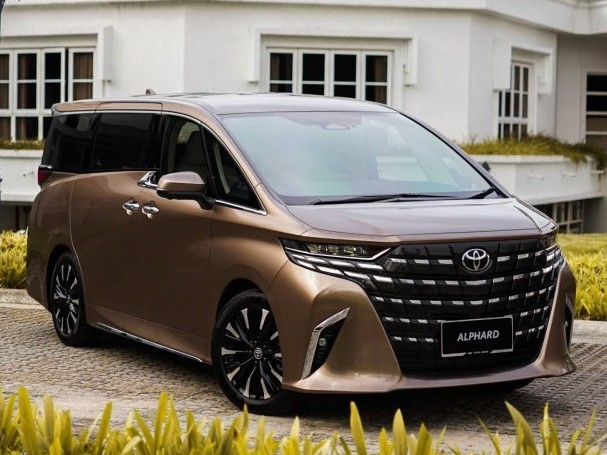
How Much Is the Toyota Alphard? Luxury MPV Buying Guide & Cost Explained!
JohnApr 11, 2025

It is possible that ZEEKR 009 will be introduced in the future, will this affect the sales volume of Toyota Alphard?
MichaelSep 25, 2024

Toyota may launch the Tundra TRD Hammer high-performance off-road pickup in the future
RobertMar 23, 2026

Toyota Land Cruiser Buying Guide: From LC300 to LC70, which versions are worth buying? Are the maintenance costs for used ones high?
JohnMar 17, 2026
View More
Pros
Cons