
Q
Does Proton X90 Have Apple Carplay?
 VenomStrikeJul 10, 2025, 02:09 PM
Yes, the Proton X90 does support Apple CarPlay. This feature allows iPhone users to easily connect their phones to the in - car infotainment system, enabling seamless integration of functions such as navigation, music playback, and phone calls. It enhances both driving convenience and safety.
In addition to Apple CarPlay, the Proton X90 is also compatible with Android Auto, meeting the needs of different smartphone users. Its infotainment system integrates local services, for example, being compatible with commonly used navigation apps in Malaysia, ensuring that users get an experience more in line with local usage habits.
As a seven - seat SUV targeting family users, the Proton X90 emphasizes practicality and modernity in its technological configuration. It includes a full - LCD instrument panel, intelligent voice control, etc., which further strengthens its market competitiveness.
These features are especially important for Malaysian consumers. Local drivers are increasingly relying on smart connectivity technologies for daily commutes and long - distance trips. The Proton X90's configurations precisely meet this trend of demand and also demonstrate Proton's continuous efforts in technological upgrades.
Special Disclaimer: This content is published by users and does not represent the views or position of PCauto.
Related Q&A
Q
What Segment is Proton X90?
The Proton X90 is a mid - size seven - seater SUV under Proton, belonging to the D - Segment. It is mainly targeted at family users and consumers who need spacious space. This vehicle is equipped with a 1.5 - liter turbocharged engine paired with a 48V mild - hybrid system, offering more efficient fuel economy and a smooth driving experience. Its interior design focuses on practicality, equipped with a large - sized touchscreen and a wealth of intelligent technology features, meeting the needs of modern families.
In the Malaysian market, the competitors of the Proton X90 include models such as the Honda CR - V and the Mazda CX - 8. However, it has a more competitive price and the advantage of after - sales support as a local brand. For Malaysian consumers who want to buy a seven - seater SUV, the Proton X90 is a choice worth considering. It not only has a spacious interior but also combines technological configuration and fuel efficiency, suitable for daily commuting and family outings.
Understanding the vehicle segment classification helps consumers more accurately choose models that meet their needs. The D - Segment usually refers to mid - size cars with larger body dimensions and higher configurations, suitable for buyers who value comfort and versatility.
 NovaBurstJul 10, 2025
Q
What is the Reslae Value of Proton X90?
The second-hand resale value of the Proton X90 is influenced by factors such as brand reputation, market demand, and vehicle condition. Currently, it stands at a medium level among similar models in the same class. Since this model was only launched in 2023, there is limited data in the used car market. However, referring to Proton's past models like the X70, if the vehicle is regularly maintained and has a reasonable mileage, the resale value after three years is about 60%-65%.
The key factors affecting the second-hand price of the X90 include the battery's health condition (as it's a hybrid model), the degree of interior wear, and the remaining duration of the original factory warranty (it is recommended to keep a complete maintenance record). It's worth mentioning that the acceptance of hybrid cars among Malaysian consumers has been increasing year by year. Moreover, the CKD (Completely Knocked Down) local assembly status of the X90 ensures a more stable supply of parts, which is beneficial for long-term resale value.
Among models in the same class, second-hand car buyers often compare Japanese cars like the Toyota Harrier or Honda CR-V. However, the X90 has a certain competitive edge in the second-hand market due to its higher configuration and lower price. It is recommended that potential sellers conduct transactions through Proton's official used car program or certified platforms to obtain a more accurate valuation and guarantees.
 TitanCrushJul 10, 2025
Q
How Many CC is Proton X90?
As Proton's first hybrid SUV, the Proton X90 is equipped with a 1.5 - liter turbocharged three - cylinder gasoline engine with an engine displacement of 1498cc (cubic centimeters). It is paired with a 48V mild-hybrid system to provide additional power assistance. This powertrain combination can output 190PS of horsepower and 300Nm of torque, balancing fuel economy and performance.
It's worth mentioning that engine displacement (CC) is an important indicator for measuring the volume of engine cylinders and is usually related to power output and fuel consumption. However, modern turbocharging and hybrid technologies have broken through the limitations of traditional displacement. For example, although the X90 has a small 1.5-liter displacement, it achieves a power level close to that of a 2.0-liter naturally aspirated engine through technical optimization.
For Malaysian consumers, the mild - hybrid system of the X90 can reduce fuel consumption in congested urban areas, and its high-torque characteristics are also suitable for the local hilly terrain. This kind of technological trend is gradually becoming the mainstream in the market. When buying a car, in addition to engine displacement, factors such as gearbox tuning and the efficiency of the hybrid system that affect the actual driving experience also need to be comprehensively considered.
 SmokeTrailJul 10, 2025
Q
What is the Engine in Proton X90?
The Proton X90 is equipped with a 1.5-liter TGDi three-cylinder turbocharged gasoline engine, paired with a 48V Mild Hybrid system. This powertrain combination can deliver 177 horsepower and 255 Nm of torque, and is mated to a 7-speed Dual-Clutch Transmission (DCT), achieving a good balance between power output and fuel economy. As Proton's first model to adopt the 48V mild hybrid technology, the engine of the X90 not only improves the acceleration response but also reduces fuel consumption through the energy recovery system, meeting the dual requirements of modern consumers for environmental protection and performance.
It's worth mentioning that the 48V mild hybrid system is gradually gaining popularity in the Malaysian market. It can assist the engine to provide extra power during start-up and at low speeds, while reducing fuel consumption during idling, making it suitable for the common urban congestion conditions in the local area. The powertrain system of the Proton X90 demonstrates the brand's technological progress and offers Malaysian consumers a more efficient and practical choice.
 JetStreamJul 10, 2025
Q
What is the Gearbox Type of Proton X90?
The Proton X90 is equipped with a 7-speed Dual-Clutch Transmission (DCT). This transmission is renowned for its rapid gear shifts and high efficiency, making it particularly well-suited to Malaysia's diverse driving environments. Whether you're navigating through congested city streets or cruising on the highway, it offers a smooth driving experience. The DCT operates through the alternating work of two sets of clutches, which reduces power interruption, improves fuel economy, and maintains driving comfort at the same time.
For Malaysian consumers, the choice of transmission for the Proton X90 reflects the careful local tuning. For example, it has been optimized for the tropical climate and local road conditions to ensure reliability and durability. Moreover, the DCT provides more aggressive shift responses in Sport mode, meeting the needs of users who seek driving pleasure.
Understanding the type of transmission helps car owners better maintain their vehicles. For instance, regularly changing the transmission fluid and avoiding long - term semi - clutch states can extend its service life. The transmission technology of the Proton X90 is paired with its 1.5 - liter turbocharged engine, resulting in a well - balanced overall power performance, which is suitable for family use and daily commuting.
 ShadowReaperJul 10, 2025
Q
What is the PCD Size of Proton X90?
The PCD (Pitch Circle Diameter) of the Proton X90 is 5x114.3 mm. This is the distribution specification of the wheel hub bolt holes, indicating that five bolt holes are evenly distributed on a circle with a diameter of 114.3 mm. This data is extremely important for car owners when they replace the wheels or upgrade the tires, ensuring that the new wheels match the original vehicle. PCD is one of the key parameters for vehicle wheel installation. If the size doesn't match, the wheels won't be installable or there may be safety hazards during driving. Therefore, when replacing the wheels, be sure to confirm data such as PCD, center bore diameter, and offset (ET value). The road conditions in Malaysia are diverse. Choosing suitable wheels can not only enhance the vehicle's appearance but also optimize handling and comfort. It is recommended that car owners obtain accurate wheel specifications through Proton's official channels or certified maintenance centers, and give priority to certified accessories to ensure driving safety. Additionally, knowing the vehicle's PCD size also helps avoid unnecessary troubles when buying second - hand wheels or making modifications.
 CrimsonBladeJul 10, 2025
Q
What is the Tyre Brand of Proton X90?
As the flagship SUV model under Proton, the Proton X90 comes with Giti tires as standard from the factory. The specific model is the Giti Comfort SUV 1 series, with a specification of 255/50 R19. This tire focuses on comfort, quietness, and wet - road performance, meeting the needs of daily commuting and family outings. Giti, an internationally well - known tire brand, has a high market share in Malaysia. Its products have been specifically tuned by Proton engineers to match the chassis characteristics of the X90.
For Malaysian consumers, the tropical climate needs to be specially considered when choosing tires. In the rainy environment, it is recommended to regularly check the tire tread depth (the legal minimum is 1.6 mm). If replacement is needed, you can also consider comparable products like the Michelin Primacy 4 or Continental UC6. These brands have comprehensive after - sales services at authorized stores in areas such as Cheras to Johor Bahru.
It's worth noting that the X90 has large 19 - inch wheels. When replacing tires, it's advisable to choose SUV - specific models first to ensure that the load - carrying index meets the requirements. At the same time, maintaining accurate four - wheel alignment data can effectively extend the tire life. It's also necessary to pay more attention to the prompts of the tire pressure monitoring system before the rainy season. These details can improve driving safety and fuel economy.
 BugJul 10, 2025
Q
Is Proton X90 a Good Car? Learn the Pros and Cons Here
The Proton X90 has many highlights and is definitely a good car. It's a 7-seater D-class vehicle with a length of 4,830mm and a wheelbase of 2,805mm, offering spacious interior space to meet the needs of family outings. It uses Petrol Hybrid (HEV, MHEV) fuel type, with a 1.5T turbocharged engine paired with a 48V electric motor, which balances power and fuel consumption.
In terms of safety features, it's well - equipped. Standard features include ABS anti - lock braking, body stability control, and six airbags. Some versions also come with active safety systems such as lane - change assist and lane departure warning. The interior fittings are also quite comprehensive, including a multi - function steering wheel, HUD head - up digital display, and a 12.3 - inch central control screen.
Of course, there's room for improvement. The three - cylinder engine may be a bit inferior to the four - cylinder in terms of smooth operation. Compared with some models that focus on ultimate performance or luxury, it has a gap in terms of power output and creating the top - notch texture of interior materials. However, overall, the Proton X90 can meet the daily use and travel needs of most families and is a cost - effective vehicle.
 SpiritualGrowthJul 10, 2025
Q
What is the Width of Proton X90?
The Proton X90 has a body width of 1,900 millimeters. This dimension is at an above - average level among seven - seat SUVs in the same class, offering a spacious seating area and excellent lateral comfort, making it especially suitable for family use. As the flagship SUV under Proton, the X90 not only boasts outstanding space performance but also comes with a rich array of technological features and safety functions, such as the Advanced Driver Assistance System (ADAS) and an intelligent infotainment system. These are designed to meet the needs of Malaysian consumers for multi - functional family vehicles.
The body width is crucial for a vehicle's stability and internal space layout. A wider body enhances stability during high - speed driving and allows for a more flexible interior layout. In particular, the legroom in the third - row seats and the cargo capacity can be better optimized. Additionally, the Proton X90 features a lightweight design and an efficient powertrain, balancing fuel economy and power performance, which is well - suited to Malaysia's diverse road conditions and driving habits.
If you're considering buying a seven - seat SUV with ample space and rich configurations, the Proton X90 is definitely a choice worth considering.
 GamerJul 10, 2025
Q
What is the Road Tax Price of Proton X90? How to Calculate?
The road tax price of the Proton X90 depends on its engine capacity and model. As a 1.5-liter turbocharged hybrid model, its road tax is calculated based on the engine displacement (1499cc). According to the standards of Malaysia's JPJ, the annual road tax for vehicles below 1.5 liters is RM90, while for those between 1.5 and 1.6 liters, it's RM120. Therefore, the road tax for the Proton X90 is RM120, but the specific amount may vary slightly depending on the vehicle's registration year or the state. It's recommended that car owners check the latest rates through the JPJ official website or the MyEG platform.
In addition, when calculating the road tax, the vehicle type (such as private or commercial vehicles) and emission standards also need to be considered. The Malaysian government encourages the use of environmentally - friendly vehicles and offers road tax exemptions or discounts for hybrid or electric vehicles. So, as a mild hybrid electric vehicle (MHEV), the Proton X90 may enjoy some preferential policies.
When renewing the road tax, car owners need to ensure that their vehicle insurance is valid and bring the vehicle inspection report (if the vehicle is over 5 years old). They can complete the payment through the JPJ counter, post office, or online platforms, and the process is quite convenient.
Understanding the road tax calculation helps car owners plan their annual vehicle - maintenance costs reasonably and keep an eye on the government's support policies for new - energy vehicles. In the future, the cost of vehicle ownership may be further reduced.
 GiaJul 10, 2025
Popular Cars
Model Year
Car Compare
Car Photo
Related Models
 Cars
CarsLatest Q&A
Q
Is AMT similar to automatic?
There are significant differences between AMT transmissions and automatic transmissions (AT) in terms of core structure and driving experience. AMT is essentially an electronically automated version of a manual transmission, simulating manual clutch operation and gear shifting through a computerized control system while retaining the gear set structure of manual transmissions. As a result, it offers higher transmission efficiency, with fuel consumption approximately 8%-12% lower than AT, making it particularly suitable for highway or long-distance driving. However, it may exhibit jerking similar to manual transmissions during low-speed gear shifts, especially noticeable in congested traffic conditions.
AT transmissions rely on torque converters for power transfer, delivering smooth and seamless gear shifts that appeal to comfort-oriented users. However, their complex structure (incorporating planetary gear sets, hydraulic systems, etc.) results in higher maintenance costs. A single service may cost between 800 to 1,500 ringgit, whereas AMT only requires gear oil replacement at approximately 400 ringgit.
From a market perspective, AMT is predominantly used in budget vehicles or commercial models priced below 80,000 ringgit, while AT is typically featured in mid-to-high-end vehicles. Consumers should select based on actual needs: AMT suits those prioritizing fuel efficiency and low maintenance costs, while AT better serves those valuing comfort. Notably, recent advancements in AMT electronic control technology have significantly mitigated jerking issues, though test drives should still emphasize low-speed performance evaluation.
 AriaMar 26, 2026
Q
Which is better, DCT or AT?
DCT (Dual-Clutch Transmission) and AT (Automatic Transmission) each have their own advantages and disadvantages, and the choice should be based on personal driving needs. AT transmissions transfer power through a torque converter, offering excellent shift smoothness, making them suitable for urban commuting or novice drivers. However, they tend to have higher fuel consumption, and vehicles equipped with them are usually more expensive. DCT transmissions utilize a dual-clutch structure, featuring fast shift speeds and high power transmission efficiency, which provides a more direct driving experience—particularly suitable for users seeking a sporty feel. However, they may exhibit jerking at low speeds and have relatively high maintenance costs. If durability and comfort are priorities, AT is the more reliable choice; if power responsiveness and driving pleasure are preferred, wet DCT (such as Volkswagen DSG) performs better, though dry DCT models should be avoided in prolonged stop-and-go traffic conditions. Additionally, CVT transmissions excel in smoothness and fuel efficiency, making them ideal for daily commuting, but they lack driving excitement. It is recommended to test-drive before purchasing, as tuning varies significantly across brands, and real-world experience is more important than theoretical specifications.
FlutteringMar 26, 2026Q
Is Amt good or bad?
AMT gearboxes have a significant cost advantage in the local market, typically being around 5,000 Ringgit cheaper than models equipped with conventional automatic transmissions. Their fuel efficiency is comparable to manual transmissions, resulting in long-term fuel savings. Featuring a straightforward design, they achieve transmission efficiency exceeding 90% with relatively low maintenance costs, making them ideal for practicality-oriented consumers. However, their shifting logic contains inherent limitations: gear changes between 1st and 2nd cause 0.3-0.5 second power interruptions, while unintended upshifts on inclines may reduce engine speed by 15%-20%, compromising driving smoothness. For urban commuters or budget-conscious buyers, AMT offers excellent value, though those prioritizing premium driving dynamics should consider alternative transmission types. Some domestic models like the Perodua Axia employ enhanced AMT systems, where optimized shift programming has reduced gearshift shock by approximately 30%.
 RainbowsMar 26, 2026
Q
Which gives better mileage, CVT or AMT?
From the perspective of fuel economy, CVT transmissions generally perform better under urban driving conditions. Their continuously variable design allows the engine to consistently operate within the optimal speed range, significantly reducing fuel consumption during frequent starts and stops. Test data shows that their fuel consumption in urban driving conditions is 10% to 15% lower than that of comparable models. AMT transmissions, on the other hand, inherit the high transmission efficiency of manual transmissions, delivering fuel efficiency close to manual transmissions during high-speed cruising. This makes them particularly suitable for long-distance driving in large-displacement vehicles. However, due to power interruption during gear shifts, their overall fuel consumption may be 5% to 8% higher than CVTs.
The difference in fuel-saving characteristics between the two transmissions stems from their technical principles: CVTs achieve continuous variability through steel belts and pulleys, eliminating the fixed gear ratio limitations of traditional transmissions; AMTs simulate manual gear changes via electronic control systems while maintaining the mechanical efficiency of gear transmission. Notably, actual fuel consumption is also influenced by driving habits. Smooth acceleration and anticipatory deceleration can maximize the transmissions' fuel-saving potential. If the vehicle budget permits and urban commuting is the primary use, CVTs offer a more economical choice. For frequent highway driving with an emphasis on cost-effectiveness, AMTs are equally worth considering.
 RubyBlazeMar 26, 2026
Q
Which is cheaper, AMT or CVT?
In terms of gearbox cost, AMT is usually more economical than CVT. Essentially, AMT is a manual transmission equipped with an electronic control unit, featuring a simple structure and low maintenance costs. The unit price ranges from approximately 5,000 to 8,000 ringgit, making it suitable for budget-conscious consumers or those who prioritize long-term operating costs. CVT incurs higher manufacturing costs due to its precision steel belt transmission system and continuous variable transmission technology, with a unit price of about 7,000 to 10,000 ringgit. However, it delivers a smoother driving experience and superior fuel efficiency. The primary differences between the two lie in technical complexity: AMT retains the gear-shifting mechanism, resulting in noticeable shift shock; CVT achieves linear power output through stepless speed variation but requires periodic belt inspection and incurs higher maintenance expenses. For those prioritizing initial cost and basic transportation needs, AMT offers better value; if comfort and long-term fuel economy are priorities, CVT represents a more worthwhile investment. Note that actual prices may vary based on vehicle model, brand, and local supply chain factors.
 ShadowProwlMar 26, 2026
Related News

2026 Proton X90 MC Leaked: Equipped with four-cylinder engine, offers Carplay
Kevin WongMar 10, 2026

Proton X90: The Strong Choice for the Malaysian Market
WilliamSep 11, 2025
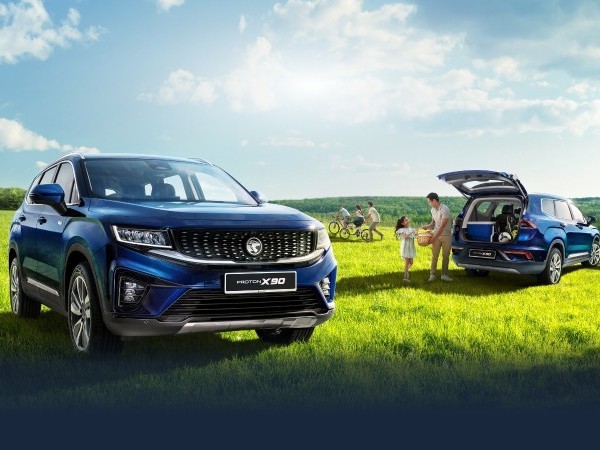
Proton X90 Interior: Where Modern Tech Meets Everyday Comfort
LienJul 9, 2025
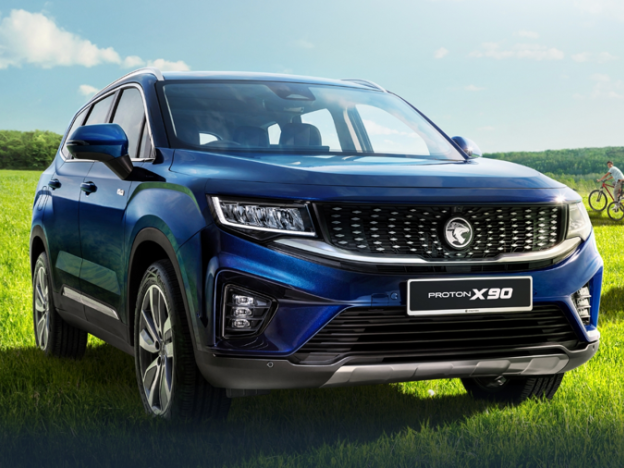
The starting price of Proton X90 is RM 123,800, a D-segment MHEV with 7-seater SUV
LienMay 8, 2024

2026 Proton e.MAS 7 PHEV Officially Launched in Malaysia, Entering the Household C-segment PHEV Market at a Lower Price
RobertFeb 5, 2026
View More
Pros