
Q
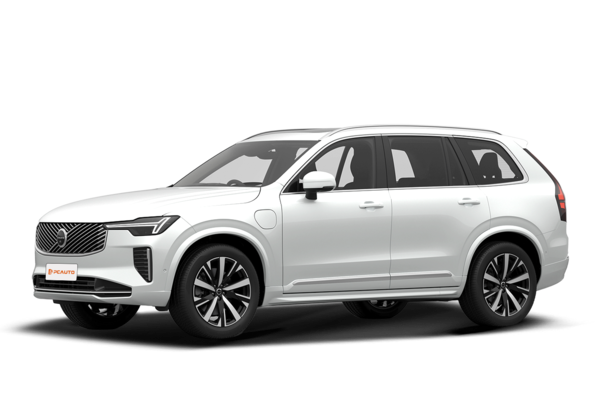
How expensive is it to maintain a Volvo XC90?
 EmeraldGazeSeekerOct 04, 2025, 04:43 PM
In Malaysia, the maintenance costs for the Volvo XC90 sit in the upper-middle range for luxury SUVs. Regular services like oil changes and filter replacements typically run between RM800 to RM1,200 per visit, depending on the type of oil used and the specific pricing at each authorized service center. Major services, which might include brake pad replacements and transmission fluid changes, can set you back anywhere from RM3,000 to RM5,000. It’s definitely advisable for owners to stick to the official maintenance schedule to keep the vehicle performing at its best and to avoid even heftier repair bills down the line.
As a luxury SUV that prioritizes safety and technology, the XC90 does come with relatively higher maintenance costs. However, Volvo’s reputation for durability and high-quality components means lower long-term failure rates, which helps offset those unexpected repair expenses. Malaysia’s authorized Volvo service centers offer transparent maintenance packages, so owners can get a clear idea of costs upfront and plan their budgets accordingly. It’s also worth considering an extended factory warranty plan to cover potential high-cost repairs later in the vehicle’s life.
When stacked against other luxury brands, Volvo’s maintenance fees are reasonably competitive. And let’s not forget—its top-tier safety tech and eco-friendly interior materials are big reasons many owners are happy to invest that little bit extra.
Special Disclaimer: This content is published by users and does not represent the views or position of PCauto.
Related Q&A
Q
What are common problems with 2022 XC90?
The 2022 XC90 delivers solid performance as a luxury SUV, though some owners have reported occasional glitches. The infotainment system may freeze or go blank at times – a software update usually fixes this, so regularly check for system upgrades. A handful of drivers experienced slight delays with the electronic gear selector, which is typically a sensor sensitivity issue easily resolved by authorized service center calibration.
For plug-in hybrid variants, extended exposure to high temperatures can impact battery range; minimizing fast charging and parking in shaded areas helps. The City Safety system proves incredibly useful for avoiding low-speed collisions, though its sensors sometimes misinterpret sudden motorcycle lane changes – keeping radars and cameras clean reduces false alerts.
While the suspension prioritizes comfort, slightly reducing tire pressure improves bump absorption on rough roads. Most issues are minor electronic quirks; mechanical components remain robust. Staying current with maintenance and addressing system alerts promptly ensures optimal performance.
ForestDec 2, 2025Q
How much should I pay for a 2022 Volvo XC90?
The second-hand price of the 2022 Volvo XC90 is usually between 250000 and 350000 ringgit, depending on the condition, mileage, configuration, and whether it is still within the original factory warranty period. The high-end T8 plug-in hybrid version will be 10% to 15% more expensive than the B5 or B6 gasoline version. This car is known for its Nordic minimalist design, high-strength safety body, and advanced driving assistance system. It has a high resale value in the second-hand market. It is recommended to check the repair records through the Volvo Selekt certified second-hand car channel before purchasing, and pay attention to the battery health condition (if it is a hybrid version). German competitors in the same class, such as BMW X5 or Mercedes Benz GLE, usually have higher second-hand prices, but XC90 has more advantages in active safety configuration and environmentally friendly interior materials, and has a complete local after-sales network, stable supply of accessories, and relatively controllable long-term usage costs. If the budget is limited, consider car models that are slightly older but have complete maintenance records, and reserve about 5% of the car price for replacing vulnerable parts such as air suspension or brake discs.
 BoarderWaveDec 2, 2025
Q
Is the Volvo XC90 2022 a good car?
The 2022 Volvo XC90 is a well-rounded luxury SUV that excels in multiple areas. Its Scandinavian minimalist design paired with high-quality interior materials creates a distinct upscale vibe. Safety remains Volvo's strongest suit—the XC90 comes standard with City Safety system featuring automatic emergency braking, lane keeping assist, and more.
Under the hood, you've got multiple powertrain options: T5, T6, and the plug-in hybrid T8. The T8 variant combines a 2.0L turbocharged engine with electric motors, striking a balance between performance and fuel efficiency.
With three rows of seating, it’s practical for families, though the rearmost seats are better suited for kids or shorter trips. The infotainment runs on Android Automotive OS with Google services built-in, though local users might need some time to adapt.
Maintenance costs are mid-range for the luxury segment, and its resale value holds up reasonably well. Cross-shop it against rivals like the BMW X5 or Mercedes-Benz GLE, but the XC90 stands out with its safety-first approach and eco-conscious ethos. If family-friendly features and safety are priorities, it’s a solid pick—just be sure to test-drive it to gauge the driving dynamics and space for yourself.
 LeoDec 2, 2025
Q
How many miles will a 2022 Volvo XC90 last?
The 2022 Volvo XC90, when properly maintained and driven under normal conditions, can typically last between 200,000 to 300,000 miles (roughly 320,000 to 480,000 kilometers). Its actual lifespan depends on factors like driving habits, maintenance frequency, and road conditions. Known for its robust chassis and reliable powertrain—especially the 2.0L turbocharged or plug-in hybrid systems, which undergo rigorous testing for durability—the XC90 delivers solid long-term performance. Key maintenance includes regular oil changes, transmission fluid swaps, and brake system care, all best done following the manufacturer’s recommended schedule to maximize longevity.
Volvo’s focus on safety and sustainability translates into the XC90’s body structure and material choices, designed to hold up over time. With proper upkeep, it’s not just a daily driver but also a capable companion for long hauls. One note: The hybrid version’s battery pack usually lasts around 10 years, but a replacement won’t compromise the vehicle’s overall durability.
For used-car shoppers, a thorough check of maintenance records and vehicle history reports is crucial to gauge remaining lifespan.
 TwilightShadeDec 2, 2025
Q
What is the 2022 Volvo XC90 maintenance cost?
The maintenance costs for the 2022 Volvo XC90 largely depend on the model (e.g., T5, T8 plug-in hybrid) and the type of service required. A basic service (oil and filter change) typically runs between RM800 to RM1,200, while a major service (including brake fluid, cabin air filter, etc.) usually costs RM2,000 to RM3,500—though prices may vary slightly by dealership and region.
For the plug-in hybrid version, additional battery system checks might add some expense, but the electric drivetrain reduces traditional mechanical wear, which can balance out long-term costs. Volvo’s service intervals are set at every 10,000 km or 12 months, which is less frequent than some rivals, helping cut down on routine maintenance expenses.
Owners should always refer to the vehicle’s manual for the recommended service schedule and stick to genuine parts to keep the warranty valid. Some dealers also offer prepaid service packages at a 10%–15% discount—worth considering if you plan to keep the car long-term.
Yes, luxury SUVs like the XC90 aren’t cheap to maintain, but its strong safety record and durability reputation mean fewer surprise repairs. With smart budgeting, you can enjoy the ride without breaking the bank.
 BuddyTimeTogetherDec 2, 2025
Q
How much does a 2022 Volvo XC90 cost?
The 2022 Volvo XC90's pricing varies depending on the trim and configuration. The entry-level T5 Momentum starts at around RM350,000, while the range-topping T8 Recharge plug-in hybrid can exceed RM450,000—final pricing depends on optional extras and dealer incentives.
As Volvo's flagship SUV, the XC90 stands out with its Scandinavian design, premium interior, and cutting-edge safety tech. It comes standard with City Safety, featuring auto-braking and lane-keeping assist. The T8 variant adds a powerful plug-in hybrid system, blending performance with efficiency.
Known for its top-tier safety and practicality in its class, the XC90 is ideal for family-focused buyers. Maintenance costs are reasonable, but we recommend test-driving at an authorized dealer and checking for current promotions. It’s also worth comparing rivals like the BMW X5 or Mercedes-Benz GLE to find the best fit.
 BikerRideDec 2, 2025
Q
How much is Volvo XC90 2022 in Malaysia?
The 2022 Volvo XC90 is priced locally between approximately RM400,000 to RM500,000 depending on configurations—key factors being the powertrain choice (like the T5 or T8 plug-in hybrid) and optional packages (such as the R-Design sport trim or Inscription luxury variant). This Nordic luxury SUV comes standard with tech features like City Safety and Pilot Assist semi-autonomous driving, while offering a 7-seat layout and CleanZone air purification—ideal for families and eco-conscious buyers.
Though rivals like the BMW X5 and Mercedes-Benz GLE start slightly higher, the XC90 stands out with its safety-first ethos and Scandinavian design. Note that final pricing may vary due to promotions, add-ons, or financing plans, so checking with authorized dealers for the latest quotes is recommended. Also, the T8 plug-in hybrid qualifies for local tax incentives, reducing long-term ownership costs—a reason why such electrified models are gaining traction.
 SwimmerStrokeDec 2, 2025
Q
What are the common problems with the 2022 XC90?
The 2022 XC90 delivers solid performance as a luxury SUV, though some owners have reported typical quirks. The infotainment system occasionally freezes or goes blank – most cases are resolved with a software update. A few drivers notice slight transmission hesitation during low-speed driving, particularly in stop-and-go traffic, but this is characteristic of the gearbox tuning rather than a reliability concern.
On the electronics side, there are isolated reports of sensor false alarms (like the tire pressure monitoring system triggering without actual issues). For interior trim, some owners mention faint creaks from wood accents over time, which dealers can easily fix with tightening.
Where the XC90 really shines is safety – its City Safety system, lane-keeping aid, and other features prove invaluable in complex traffic. For used models, pay extra attention to the battery health and air suspension (if equipped), as these are high-wear components. Stick to OEM parts during maintenance, especially for the turbocharged engine and electronics, to prevent headaches down the road.
Bottom line: Keep up with scheduled servicing, and this SUV ages well. Most gripes are minor and easily addressed through updates or quick fixes.
 NightRiderDec 2, 2025
Q
How much is the 2022 XC90?
The locally assembled 2022 Volvo XC90 is priced between approximately RM400k to RM600k in Malaysia, depending on trim levels and optional packages – though actual dealer discounts may affect final pricing. This premium SUV comes with three powertrain options: the T5, T6, and range-topping T8 plug-in hybrid that delivers 390hp combined with around 40km of pure electric range, making it ideal for eco-conscious drivers who still want performance.
Standard kit includes Volvo’s City Safety suite, Pilot Assist semi-autonomous driving tech, plus a practical seven-seat layout wrapped in that signature Scandinavian minimalist interior. While it competes with the BMW X5 and Mercedes-Benz GLE, the XC90 holds its own with superior safety features and smarter cabin space utilization.
Pro tip: Shop around – some dealers might throw in free service packages or low-interest financing. Just be aware that the ongoing chip shortage could mean longer wait times for higher-spec models, so check inventory availability early if you’re set on particular options.
 SilverStreamDec 2, 2025
Q
Is the 2022 Volvo XC90 a good car?
The 2022 Volvo XC90 is a well-rounded luxury SUV that nails the essentials. Its Scandinavian minimalist design, top-tier safety credentials, and comfortable ride make it a favorite among buyers. Standard City Safety system goes beyond the basics - it can spot pedestrians, cyclists, and even large animals, putting it ahead of most rivals.
Under the hood, you've got options: T5, T6, or the plug-in hybrid T8. The T8's the sweet spot if you want power without guzzling gas, packing 390 horses combined. Inside, it's all about clean materials, a slick 12.3-inch digital cluster, and a 9-inch touchscreen with Apple CarPlay/Android Auto. Need space? Choose between 5 or 7 seats, though that third row's best for kids or short hops.
Price-wise, it undercuts German competitors, and Volvo's decent resale value helps. One heads-up: The T8's tax breaks are nice, but battery upkeep costs more - pick your trim wisely. Service networks are solid in major cities, and parts are easy to come by, which matters when you're in it for the long haul.
 AmberGlowDec 2, 2025
Popular Cars
Model Year
Car Compare
Car Photo
Related Models
 Cars
CarsLatest Q&A
Q
Is AMT similar to automatic?
There are significant differences between AMT transmissions and automatic transmissions (AT) in terms of core structure and driving experience. AMT is essentially an electronically automated version of a manual transmission, simulating manual clutch operation and gear shifting through a computerized control system while retaining the gear set structure of manual transmissions. As a result, it offers higher transmission efficiency, with fuel consumption approximately 8%-12% lower than AT, making it particularly suitable for highway or long-distance driving. However, it may exhibit jerking similar to manual transmissions during low-speed gear shifts, especially noticeable in congested traffic conditions.
AT transmissions rely on torque converters for power transfer, delivering smooth and seamless gear shifts that appeal to comfort-oriented users. However, their complex structure (incorporating planetary gear sets, hydraulic systems, etc.) results in higher maintenance costs. A single service may cost between 800 to 1,500 ringgit, whereas AMT only requires gear oil replacement at approximately 400 ringgit.
From a market perspective, AMT is predominantly used in budget vehicles or commercial models priced below 80,000 ringgit, while AT is typically featured in mid-to-high-end vehicles. Consumers should select based on actual needs: AMT suits those prioritizing fuel efficiency and low maintenance costs, while AT better serves those valuing comfort. Notably, recent advancements in AMT electronic control technology have significantly mitigated jerking issues, though test drives should still emphasize low-speed performance evaluation.
 AriaMar 26, 2026
Q
Which is better, DCT or AT?
DCT (Dual-Clutch Transmission) and AT (Automatic Transmission) each have their own advantages and disadvantages, and the choice should be based on personal driving needs. AT transmissions transfer power through a torque converter, offering excellent shift smoothness, making them suitable for urban commuting or novice drivers. However, they tend to have higher fuel consumption, and vehicles equipped with them are usually more expensive. DCT transmissions utilize a dual-clutch structure, featuring fast shift speeds and high power transmission efficiency, which provides a more direct driving experience—particularly suitable for users seeking a sporty feel. However, they may exhibit jerking at low speeds and have relatively high maintenance costs. If durability and comfort are priorities, AT is the more reliable choice; if power responsiveness and driving pleasure are preferred, wet DCT (such as Volkswagen DSG) performs better, though dry DCT models should be avoided in prolonged stop-and-go traffic conditions. Additionally, CVT transmissions excel in smoothness and fuel efficiency, making them ideal for daily commuting, but they lack driving excitement. It is recommended to test-drive before purchasing, as tuning varies significantly across brands, and real-world experience is more important than theoretical specifications.
FlutteringMar 26, 2026Q
Is Amt good or bad?
AMT gearboxes have a significant cost advantage in the local market, typically being around 5,000 Ringgit cheaper than models equipped with conventional automatic transmissions. Their fuel efficiency is comparable to manual transmissions, resulting in long-term fuel savings. Featuring a straightforward design, they achieve transmission efficiency exceeding 90% with relatively low maintenance costs, making them ideal for practicality-oriented consumers. However, their shifting logic contains inherent limitations: gear changes between 1st and 2nd cause 0.3-0.5 second power interruptions, while unintended upshifts on inclines may reduce engine speed by 15%-20%, compromising driving smoothness. For urban commuters or budget-conscious buyers, AMT offers excellent value, though those prioritizing premium driving dynamics should consider alternative transmission types. Some domestic models like the Perodua Axia employ enhanced AMT systems, where optimized shift programming has reduced gearshift shock by approximately 30%.
 RainbowsMar 26, 2026
Q
Which gives better mileage, CVT or AMT?
From the perspective of fuel economy, CVT transmissions generally perform better under urban driving conditions. Their continuously variable design allows the engine to consistently operate within the optimal speed range, significantly reducing fuel consumption during frequent starts and stops. Test data shows that their fuel consumption in urban driving conditions is 10% to 15% lower than that of comparable models. AMT transmissions, on the other hand, inherit the high transmission efficiency of manual transmissions, delivering fuel efficiency close to manual transmissions during high-speed cruising. This makes them particularly suitable for long-distance driving in large-displacement vehicles. However, due to power interruption during gear shifts, their overall fuel consumption may be 5% to 8% higher than CVTs.
The difference in fuel-saving characteristics between the two transmissions stems from their technical principles: CVTs achieve continuous variability through steel belts and pulleys, eliminating the fixed gear ratio limitations of traditional transmissions; AMTs simulate manual gear changes via electronic control systems while maintaining the mechanical efficiency of gear transmission. Notably, actual fuel consumption is also influenced by driving habits. Smooth acceleration and anticipatory deceleration can maximize the transmissions' fuel-saving potential. If the vehicle budget permits and urban commuting is the primary use, CVTs offer a more economical choice. For frequent highway driving with an emphasis on cost-effectiveness, AMTs are equally worth considering.
 RubyBlazeMar 26, 2026
Q
Which is cheaper, AMT or CVT?
In terms of gearbox cost, AMT is usually more economical than CVT. Essentially, AMT is a manual transmission equipped with an electronic control unit, featuring a simple structure and low maintenance costs. The unit price ranges from approximately 5,000 to 8,000 ringgit, making it suitable for budget-conscious consumers or those who prioritize long-term operating costs. CVT incurs higher manufacturing costs due to its precision steel belt transmission system and continuous variable transmission technology, with a unit price of about 7,000 to 10,000 ringgit. However, it delivers a smoother driving experience and superior fuel efficiency. The primary differences between the two lie in technical complexity: AMT retains the gear-shifting mechanism, resulting in noticeable shift shock; CVT achieves linear power output through stepless speed variation but requires periodic belt inspection and incurs higher maintenance expenses. For those prioritizing initial cost and basic transportation needs, AMT offers better value; if comfort and long-term fuel economy are priorities, CVT represents a more worthwhile investment. Note that actual prices may vary based on vehicle model, brand, and local supply chain factors.
 ShadowProwlMar 26, 2026
Related News
Volvo XC90 Facelift Launched in Malaysia with Exterior and Interior Changes
JohnApr 11, 2025
Structure, Materials, Airbags, What are the main evaluation criteria for automotive safety performance?
WilliamSep 14, 2024

Volvo EX60 as the electric successor to the XC60, embodies the pragmatic approach of the brand’s transformation
MichaelJan 23, 2026

Will the Volvo EX60, equipped with Google Gemini AI, make Volvo's electric cars more popular?
AshleyJan 15, 2026

Volvo ES90 will be officially launched in Malaysia in the first quarter of 2026
JohnJan 5, 2026
View More
Pros
Cons