
Will the Volvo EX60, equipped with Google Gemini AI, make Volvo's electric cars more popular?
 AshleyJan 15, 2026, 05:55 PM
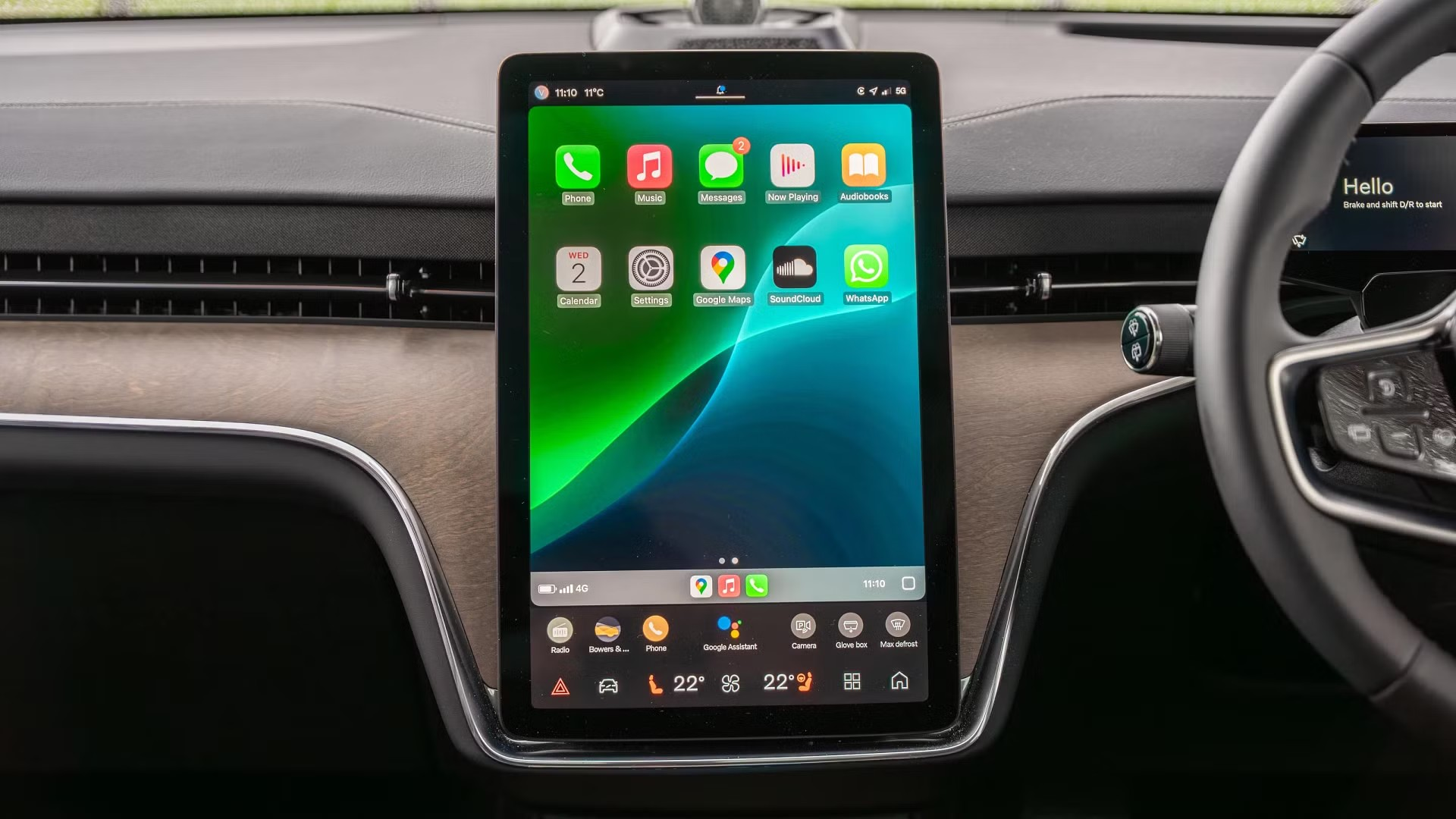
[PCauto] In the automotive industry, Volvo has long been perceived as steady and even somewhat conservative. However, with the upcoming launch of its all-new pure electric SUV, the EX60, on January 21, 2026, Volvo is showcasing its bold side. The EX60 will officially feature Google's Gemini large language model.
As the pure electric successor to the XC60, the EX60 carries the significant responsibility of reshaping Volvo's position in the electric vehicle (EV) market.
The EX60's most significant innovation lies in its complete overhaul of the smart vehicle interface's foundational logic. Unlike simple voice assistants, Gemini achieves a transition from "command execution" to "context understanding."
When the driver asks a question such as "Is the current road condition suitable for enabling Pilot Assist?", the system can comprehensively analyse the current road conditions, traffic flow, and weather conditions, provide professional advice and adjust the corresponding settings accordingly.
By leveraging the Google ecosystem behind Gemini, the system can intelligently plan charging scenarios. When the battery level falls below the set threshold, the system will not only navigate to the nearest charging station but also consider the user's schedule to determine whether it is necessary to book a meeting room to handle pending tasks.
This depth of service allows the EX60 to demonstrate a significant intelligent differentiation compared to traditional luxury electric vehicles.
Equally noteworthy is the application of the Superset software architecture. This unified technology stack enables the EX60 to directly inherit the R&D achievements of the EX90, avoiding the challenge of developing software from scratch for every new car.
This "develop once, apply to multiple models" approach not only enhances system stability but also significantly accelerates the deployment speed of new features.

Beyond its aggressive software reforms, the EX60 also introduces substantial advancements in manufacturing craftsmanship. Volvo has specifically developed a new SPA3 electric platform for the EX60, whose most notable feature is the integration of several Tesla-validated manufacturing technologies.
The integrated casting technology used for the rear underbody consolidates hundreds of components into a single piece, thereby enhancing the vehicle's torsional rigidity while significantly reducing manufacturing costs and assembly complexity.
In terms of powertrain, the EX60 builds upon the lessons learned from the EX90, opting for a more pragmatic 800V high-voltage architecture. This system improves charging efficiency at public fast-charging stations by 30% to 40%, effectively alleviating range anxiety during long trips.
Although its 600–700 km WLTP range may appear less impressive next to some competitors' claims of up to 1,000 km, its optimised battery management system ensures greater real-world range reliability.

The motor layout of the EX60 continues Volvo's commitment to driving quality. The all-wheel-drive system, comprising dual motors front and rear, has been specially tuned to ensure ample power while maintaining the smooth driving experience typical of the Nordic brand.
In the marketplace, the EX60 will compete directly with the Tesla Model Y, BMW iX3, and Hyundai IONIQ 5. Volvo's strategy is clear: to leverage its safety legacy and breakthroughs in intelligence to create differentiated advantages.
Whether the interactive revolution brought by Gemini can surpass competitors' in-house systems will be crucial to the EX60's market performance.
If any infringement occurs, please contact us for deletion










Popular Cars
Model Year
Car Compare
Car Photo