
Q
How long will a Volvo XC40 last?
 KindheartedSoulKindnessAug 22, 2025, 02:46 PM
As a luxury compact SUV, the Volvo XC40 has shown good durability in the Malaysian market. It can usually run 200,000 to 300,000 kilometers or even more. The specific lifespan depends on the maintenance condition and driving habits. Volvo is well-known for its safety and reliability. The XC40 uses high-strength steel and advanced manufacturing processes, and its body has strong corrosion resistance, which is suitable for Malaysia's hot and rainy climate. Regularly replacing key components such as engine oil, transmission fluid, and timing belts can significantly extend its service life. It is recommended to follow the maintenance cycle in the official maintenance manual. The road conditions in Malaysia are complex. It is advisable to regularly check the suspension system and tire wear to ensure the long-term stable operation of the vehicle. Volvo's turbocharged engine technology is mature, but attention should be paid to replacing the coolant and spark plugs on time to avoid engine overheating in high-temperature environments. In terms of the electronic system, the intelligent driving assistance functions equipped in the XC40 require regular software updates to maintain optimal performance. Volvo's authorized service centers in Malaysia provide professional maintenance. Using original parts can better ensure the vehicle's durability. Among vehicles in the same class, the second-hand resale value of the XC40 is above average, which reflects the market's recognition of its long-term reliability. If properly maintained, the XC40 can fully meet the daily use needs of Malaysian car owners for more than 10 years. Its environmentally friendly interior materials can also effectively reduce the odor problem after long-term use.
Special Disclaimer: This content is published by users and does not represent the views or position of PCauto.
Related Q&A
Q
How reliable is the 2021 Volvo XC40?
The 2021 Volvo XC40 delivers solid reliability, built on Volvo's proven CMA platform. It offers mature powertrain options including T4 and T5 gasoline engines plus a plug-in hybrid variant. Owner feedback consistently reports low mechanical failure rates, with the standard City Safety system proving particularly effective at preventing collisions in real-world driving.
Independent evaluations show its electronic systems outperform segment averages in stability, though some owners note occasional infotainment screen lag - typically resolved with software updates.
Notably, the XC40 requires maintenance only every 15,000 km or 12 months, offering longer service intervals than German rivals for reduced upkeep costs. Volvo's 5-year factory warranty covers most critical components. One pro tip from experienced owners: regular checkups for the 48V mild-hybrid battery health are advisable, as with all vehicles using this technology.
For buyers prioritizing safety and Scandinavian design, the XC40 stands as an above-average choice in the luxury compact SUV class when it comes to dependable performance.
 AweDec 15, 2025
Q
Is the 2021 XC40 reliable?
The 2021 XC40 delivers solid reliability overall. Built on Volvo’s CMA platform, it features the proven Drive-E engine lineup with stable power delivery, paired with a smooth-shifting 8-speed automatic transmission that has a relatively low failure rate. While the infotainment system packs plenty of features, its intuitive logic and multiple software updates have improved stability. Safety remains its strong suit—standard City Safety tech including auto-braking and lane-keeping has been refined over generations.
For daily driving, the comfort-tuned chassis holds up well, with suspension components proving durable on rough roads. One minor gripe: some owners report occasional touchscreen lag, though software patches usually fix it. Volvo’s after-sales service is robust, with good maintenance access and parts availability.
If you’re cross-shopping compact luxury SUVs, compare factors like cabin layout, driving dynamics, or tech offerings to see what fits best. The XC40 stacks up well where dependable performance matters.
 VonDec 15, 2025
Q
Is there a recall on Volvo XC40 2021?
Regarding the recall information of the 2021 Volvo XC40, according to records worldwide, the model has been recalled due to some software issues or potential defects in components, such as updates to the airbag control module or battery management system. It is recommended to enter the vehicle identification number (VIN) through the Volvo official website or authorized dealers to check the specific recall status to ensure that the vehicle meets the latest safety standards. For car owners, it is very important to regularly follow recall notices, because even if the production meets the specifications, any technical problems discovered later may be repaired for free through recalls, improving driving safety. Volvo's after-sales service is usually efficient and transparent. If a recall is confirmed, only an appointment with a nearby dealer is needed to complete the repair. In addition, during daily maintenance, technicians can proactively inquire whether there are any unresolved recall items in the vehicle, and this information will also be synchronized to the owner's registered email or mobile phone. Other brands such as BMW and Mercedes Benz may also initiate recalls due to similar technical reasons, which is a routine process in the automotive industry to protect consumer rights, so there is no need to worry excessively.
 RonDec 15, 2025
Q
What is the difference between 2021 and 2022 XC40?
The key differences between the 2021 and 2022 XC40 models mainly come down to upgraded features and tech refinements. The 2022 version now comes standard with more advanced driver-assistance systems, including improved blind-spot monitoring and rear cross-traffic alert. The infotainment screen is larger with a smoother interface and faster response times.
Under the hood, the plug-in hybrid variant gets a slight bump in electric-only range, along with better energy recuperation. For aesthetics, the 2022 model adds two new paint options and subtle wheel design tweaks. On the safety front, the 360-degree camera—previously an optional extra—is now standard on select trims.
That said, both model years share the same chassis tuning and overall structure, so the driving experience feels nearly identical. For used-car shoppers on a budget, the 2021 model offers better value, while the 2022 edition is the way to go if you prioritize the latest tech. Maintenance costs are virtually the same across both years, and high parts commonality is a plus for long-term ownership.
 QonDec 15, 2025
Q
How much does a 2021 Volvo XC40 cost?
The 2021 Volvo XC40 is priced between approximately RM200,000 to RM250,000 depending on the chosen configuration. The final cost varies based on powertrain options (like T4 or T5) and additional features (such as premium audio or driver-assistance packages).
This model has gained popularity for its Scandinavian design, strong safety credentials, and practical interior layout. It comes standard with City Safety collision avoidance and Pilot Assist semi-autonomous driving tech. Buyers can opt for either a 1.5L turbocharged three-cylinder (T4) or a 2.0L turbo four-cylinder (T5), both paired with an 8-speed automatic transmission.
On the used-car market, prices typically dip 15%–30% below new, factoring in mileage, condition, and remaining warranty. Notably, the XC40 was Volvo’s first CMA-platform model, offering a plug-in hybrid variant (Recharge PHEV) before the all-electric XC40 Recharge—showcasing the brand’s shift toward electrification.
For the latest promotions (like free maintenance or low-interest financing), check with authorized dealers.
 PonDec 15, 2025
Q
Is the 2021 Volvo XC40 reliable?
The 2021 Volvo XC40 delivers solid reliability, featuring a proven 2.0L turbocharged engine paired with a smooth and durable 8-speed automatic transmission. This powertrain combo has earned a strong reputation for low failure rates in daily driving.
Safety remains Volvo's forte—the XC40 comes standard with the City Safety suite, including auto-braking and lane-keeping tech that’s been rigorously tested over the years. The cabin impresses with robust materials and ergonomic seats that hold up well against squeaks or loose trim over time.
A minor gripe? Some owners report occasional infotainment glitches, though software updates usually address them. Volvo’s service network is well-established, with maintenance recommended every 10,000 miles or 12 months—costs are mid-range for luxury brands.
If you’re cross-shopping compact luxury SUVs, the BMW X1 and Mercedes GLA are worth comparing, though the XC40 stands out for safety and eco-friendly materials. Always take a test drive to judge the driving dynamics and interior space firsthand.
 PhotoHunterCapturerDec 15, 2025
Q
What are the common problems with the 2021 XC40?
The 2021 XC40 is a solid luxury compact SUV, though some owners have reported a few common niggles. The infotainment system can occasionally freeze or go blank, but a software update usually sorts it out. A handful of drivers also mentioned slightly jerky gear shifts at low speeds – worth asking your dealer to check the transmission software during routine servicing.
While the cabin storage is cleverly designed, the center armrest box is on the small side, which might frustrate those who carry lots of daily essentials. Some early models had overly sensitive (or not sensitive enough) power tailgate sensors, though dealerships offer free recalibrations.
On the plus side, the City Safety system is genuinely brilliant at preventing low-speed fender benders. Volvo’s aftersales network is also reassuringly comprehensive for maintenance. If you’re looking at used examples, prioritize checking the battery health and infotainment software version – these electronics really impact day-to-day usability.
Most of these are minor quirks rather than dealbreakers. Stay on top of servicing and software updates, and the XC40 delivers its core promise: safe, composed driving with proper Scandinavian flair.
 StoryTellerNarratorDec 15, 2025
Q
How long will a 2021 Volvo XC40 last?
The 2021 Volvo XC40, when properly maintained and driven under normal conditions, can typically last between 200,000 to 300,000 kilometers—or even longer. Its actual lifespan depends on driving habits, road conditions, and maintenance frequency. Known for its rugged Scandinavian design and top-tier safety, the XC40 features Volvo’s proven Drive-E engine technology, which delivers solid durability. The body’s high-strength steel construction also resists corrosion and everyday wear effectively.
To maximize longevity, stick to the factory maintenance schedule—regular oil changes, filter replacements, and inspections of the transmission and AWD system (if equipped) are key. The electronics are another factor: Volvo’s architecture is rigorously tested, but keeping software updated ensures peak performance.
For urban commuters who stay on top of maintenance, the XC40 easily handles 10+ years of service. Its stable resale value in the used market further confirms its reliability. Owners curious about extra peace of mind should check with local dealers for extended warranty options—worth considering for long-term ownership.
 MemoryKeeperRecorderDec 15, 2025
Q
What is the price of XC40 2021?
The 2021 Volvo XC40's pricing varies depending on trim levels and configurations, with a starting price of around RM200,000 to RM250,000 for new models. Final pricing may fluctuate based on optional add-ons, ongoing promotions, or dealership policies.
As Volvo's compact SUV, the XC40 is well-regarded for its Scandinavian design and robust safety features, including the standard City Safety system. Under the hood, it offers two gasoline powertrains—the T4 and T5—both powered by a 2.0L turbocharged engine paired with an 8-speed automatic transmission, with available AWD on select variants.
In the used-car market, the XC40 holds its value reasonably well. A well-maintained pre-owned model typically ranges between RM150,000 and RM180,000, depending on mileage and service history.
Beyond pricing, owners often praise the XC40's ergonomic seats and advanced air purification system. Volvo's aftersales support is another strong point, backed by a 5-year unlimited-mileage warranty—factors worth considering for potential buyers.
 MindMapperPlannerDec 15, 2025
Q
How much is the 2021 XC40?
The 2021 Volvo XC40 has a new car price in the local market of approximately RM200000 to RM250000, which may vary depending on different configurations and optional parts. For example, the T5 R-Design high-end version may be more expensive than the entry-level version. This car is popular for its Nordic design style and solid safety features, with the City Safety system standard across the entire range. In terms of power, it offers two gasoline versions, T4 and T5, each equipped with a 2.0-liter turbocharged engine that outputs 197 horsepower and 247 horsepower. Competitors in the same class include the Mercedes Benz GLA and BMW X1, but the XC40 has more distinctive features in active safety technology and storage space design, such as a detachable garbage bin on the center console and a large capacity storage compartment on the door panel. In the second-hand car market, XC40 models aged 1-2 years are priced 15% -20% lower than new cars, but have a better resale value than some Japanese models. It is worth noting that before purchasing, it is recommended to confirm inventory car discounts or promotional plans with authorized dealers, and compare the loan interest rates of different financial institutions. Usually, the installment plan provided by the brand official will have lower interest rates. In terms of maintenance costs, the cost of regular maintenance every 10000 kilometers or 12 months is approximately RM800-1200, which is similar to that of German luxury brands.
 SoulSearcherSeekerDec 15, 2025
Popular Cars
Model Year
Car Compare
Car Photo
Related Models

 Cars
CarsLatest Q&A
Q
Do I need an alignment after rotation?
Whether a four-wheel alignment is needed after tire replacement depends on the actual condition of the vehicle. If only the tires are replaced and the vehicle has been driving normally without deviation, steering wheel vibration, or uneven tire wear, a four-wheel alignment is usually not required immediately, but wheel balancing must be performed to ensure stability when the wheels rotate at high speeds. However, if problems such as directional deviation, reduced steering precision, misaligned steering wheel, or abnormal tire wear (e.g., one-sided wear) occur after tire replacement, four-wheel alignment is necessary to adjust the geometric parameters of the suspension system (including caster angle, front wheel camber, etc.), thereby restoring the vehicle's straight-line driving stability and uniform tire contact with the road. Moreover, if chassis component repairs (such as suspension or steering system) are involved during tire replacement or the vehicle has been in a collision, four-wheel alignment becomes an essential step, as it can effectively reduce abnormal tire wear, improve handling safety, and lower fuel consumption. It is recommended to check the alignment parameters regularly every 20,000 kilometers or once a year. If you frequently encounter rough road conditions (such as curbs or speed bumps) during daily driving, the inspection interval should be shortened accordingly. Professional technicians can measure the data using specialized equipment and compare it with the manufacturer's specifications to determine whether adjustments are needed.
 QuirkyStyleFeb 21, 2026
Q
Is it okay to rotate tires every 10,000 km?
Rotating tires every 10,000 kilometers is a reasonable and necessary maintenance measure, especially for fuel vehicles, as this frequency can effectively balance the wear difference between front and rear tires. Tire rotation involves regularly adjusting the installation positions of tires (e.g., moving front tires to the rear), which ensures more uniform wear across all tires, thereby extending the overall service life by approximately 20%-30%. For fuel vehicles, it is recommended to rotate tires every 10,000 kilometers, while for new energy vehicles, due to their greater weight and stronger torque output, the interval should be reduced to 8,000 kilometers. During rotation, the cross-rotation method should be employed (i.e., moving front tires to the opposite rear positions), and tire pressure should be checked simultaneously to ensure it meets the specified standards (2.3-2.5 bar for fuel vehicles, with an additional 0.2 bar for new energy vehicles). It is important to note that if a tire exhibits abnormal unilateral wear, bulges, or tread depth below 1.6 millimeters, simple rotation is not recommended and the tire should be replaced immediately. Regular monthly tire pressure checks and removal of debris from treads can further enhance tire performance and safety.
 JoyfulHeartFeb 21, 2026
Q
What happens if you don't rotate tires?
If tire rotation is not performed regularly, it will lead to uneven tire wear, which in turn causes multiple problems. For front-wheel-drive vehicles, the front tires bear both driving and steering functions, so their wear rate is significantly faster than that of the rear tires; for rear-wheel-drive vehicles, since power is concentrated on the rear tires, the rear tires wear more noticeably. Long-term failure to rotate tires will shorten the overall tire life by 20%-40%—the front tires may be scrapped prematurely while the rear tires remain relatively new, resulting in resource waste. In addition, uneven wear reduces traction, particularly on wet surfaces, which can easily lead to skidding or a 10%-15% increase in braking distance, thereby elevating driving risks. Irregular wear also exacerbates tire noise and increases fuel consumption by 0.3-0.8 liters per 100 kilometers due to uneven rolling resistance. It is recommended to rotate tires every 10,000 to 15,000 kilometers. For front-wheel-drive vehicles, the cross-rotation method should be employed (left front to right rear, right front to left rear), while for rear-wheel-drive vehicles, the rear tires need to be crossed to the front. After rotation, tire pressure (the standard value typically ranges from 2.3 to 2.6 bar) should be verified and wheel balancing performed to prevent high-speed vibrations. If the tires exhibit irregular wear patterns or the tread depth falls below 1.6 mm, they should be replaced immediately. Regular tire rotation not only prolongs tire lifespan but also enhances fuel efficiency and driving safety. The cost of a single rotation is approximately 50 to 100 ringgit, substantially lower than the expense of premature tire replacement.
 NatureBeautyFeb 21, 2026
Q
Is it good to rotate car tires?
Tire rotation is an important maintenance measure to ensure even tire wear and extend service life. It is recommended to perform it every 5,000 to 10,000 kilometers or when uneven wear is detected. For front-wheel drive vehicles, the front tires wear faster as they handle steering and braking tasks, so they need to be cross-rotated with the rear tires (left front to right rear, right front to left rear). For rear-wheel drive vehicles, the rear tires should be diagonally swapped with the front tires to balance the wear of the drive wheels. If the tires have a directional tread pattern or asymmetric design, the rotation direction must be maintained, and only front-to-rear swaps on the same side are allowed to avoid affecting handling on wet and slippery roads. After rotation, the tire pressure should be adjusted to the standard for the corresponding wheel position, and it is recommended to perform dynamic balancing and four-wheel alignment simultaneously to optimize driving stability. Note that snow tires or studded tires cannot be rotated, and tires with different front and rear sizes can only be swapped left and right. Regular rotation can reduce abnormal wear (such as uneven wear or wavy patterns), improve grip and driving quietness, reduce safety hazards caused by tire problems, and save replacement costs in the long run. The specific operation should be based on the vehicle manual. If there is a lack of guidance, the cross-rotation method for bias-ply tires or the same-side rotation method for radial tires can be prioritized.
 AmberGlowFeb 21, 2026
Q
How often should car tyres be rotated?
The replacement cycle of car tires should be determined by comprehensively considering factors such as service life, mileage, driving habits, and environmental conditions. Generally, it is recommended to replace them every 3 to 5 years or after 60,000 to 80,000 kilometers of driving, whichever comes first. As rubber products, tires deteriorate over time. Even if the mileage threshold hasn't been reached, immediate replacement is necessary when sidewall cracks, bulges appear, or tread depth falls below 1.6 mm (verifiable with a coin test) to ensure safety. Due to their heavier weight and stronger torque output, new energy vehicles experience accelerated tire wear. It is advisable to shorten the inspection interval to every six months, with urban commuting replacement mileage typically ranging from 42,000 to 56,000 kilometers. Regular tire rotation helps distribute wear evenly. For front-wheel-drive vehicles, front-to-rear rotation every 8,000 to 10,000 kilometers is recommended, while for new energy vehicles with higher front axle loads, this interval can be reduced to 6,000 to 8,000 kilometers. Additionally, maintaining cold tire pressure at 2.3 to 2.5 bar (add 0.2 bar for new energy vehicles) and avoiding aggressive maneuvers like rapid acceleration and hard braking can extend tire lifespan by 15% to 20%. Tires exceeding 6 years from their production date (identifiable via the DOT code on the sidewall) should be replaced regardless of apparent condition.
 SipFeb 21, 2026
Related News

Volvo EX60 as the electric successor to the XC60, embodies the pragmatic approach of the brand’s transformation
MichaelJan 23, 2026

Will the Volvo EX60, equipped with Google Gemini AI, make Volvo's electric cars more popular?
AshleyJan 15, 2026

Volvo ES90 will be officially launched in Malaysia in the first quarter of 2026
JohnJan 5, 2026
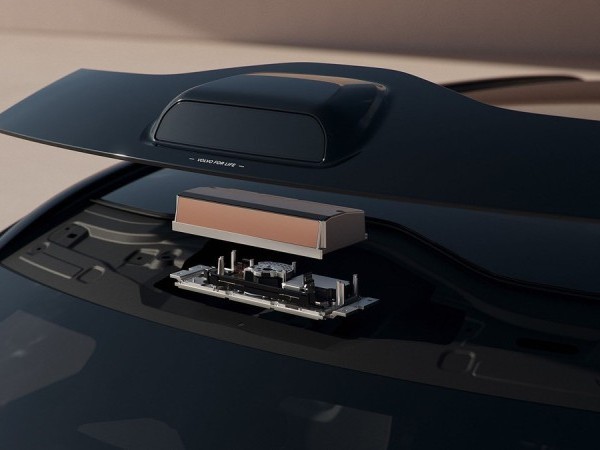
Warning: Vehicle LiDAR Can Damage Your Phone Camera!
AshleyMay 19, 2025

Well-Planned Space: The Exceptional Practicality of the Volvo XC60
Kevin WongMay 16, 2025
View More
Pros
Cons