
Warning: Vehicle LiDAR Can Damage Your Phone Camera!
 AshleyMay 19, 2025, 06:44 PM
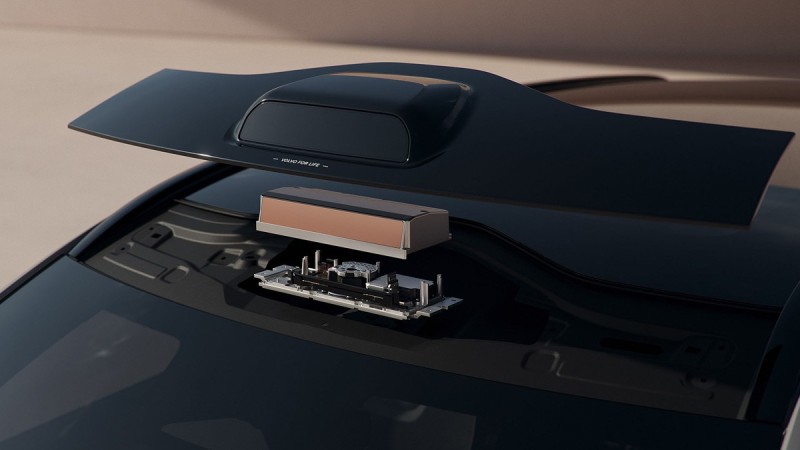
【PCauto】A viral online video shows how automotive LiDAR can damage smartphone cameras, and as more vehicles adopt LiDAR technology, this risk continues to grow. Therefore, everyone should be aware: do not point your phone camera directly at a vehicle's LiDAR system.
In the video, the creator used an iPhone 16 Pro Max to +film a LiDAR-equipped Volvo EX90, causing permanent damage to the phone's telephoto lens—some pixels were burned out, leaving fixed dead spots in the image. Clearly, the damaged pixel pattern was caused by the LiDAR module on the EX90's roof.
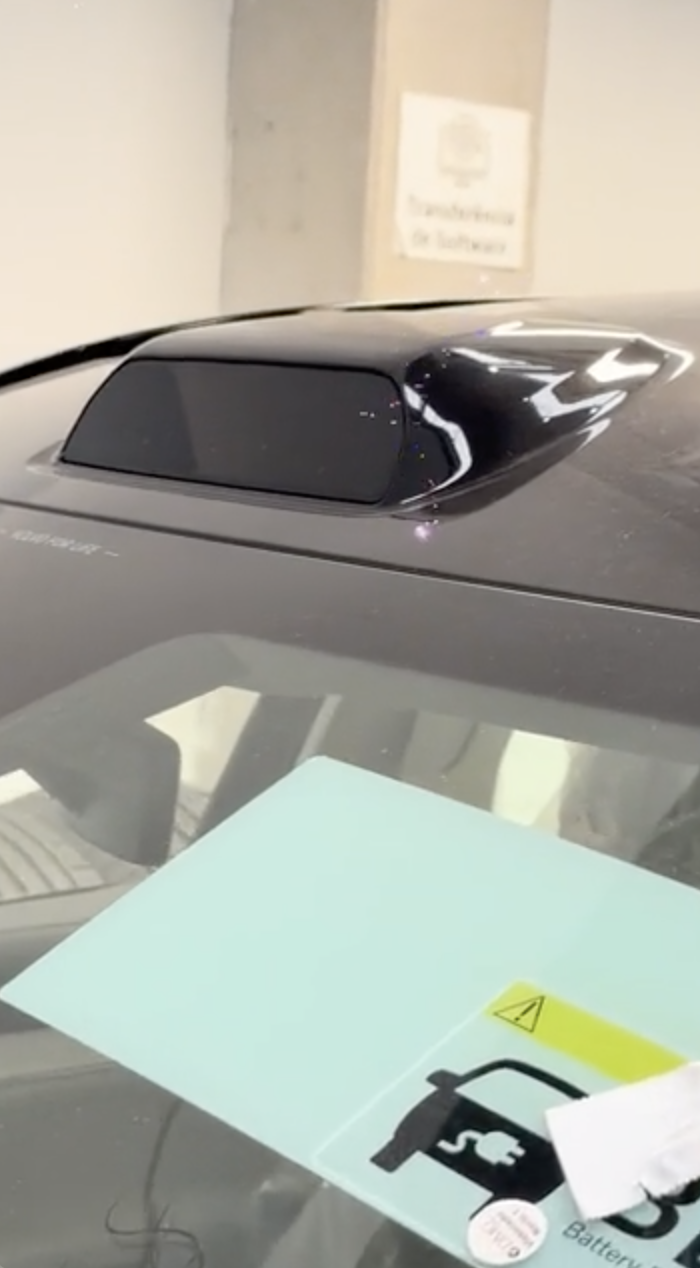
As a key sensor in self-driving vehicles, LiDAR uses near-infrared laser pulses to create precise 3D maps by measuring reflection times. Although its laser power stays within safe Class 1 limits (harmless to human eyes), it can still damage smartphone cameras.
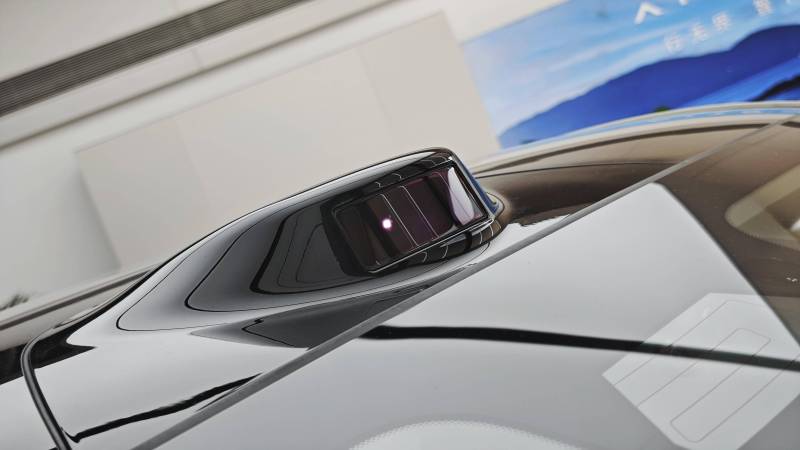
The human eye cannot perceive near-infrared lasers, but the photosensitive elements of a camera are sensitive to them, which means damage may unnoticedly occur. Cell phone CMOS chips capture light signals through photodiodes, and the high-intensity energy of a laser can directly puncture pixel units, causing the permanent malfunction of photoelectric conversion.
This risk increases with telephoto lenses, because their narrow apertures and long focal lengths concentrate more laser energy per area. When zooming beyond 3x optical, phones switch to telephoto lenses, focusing the laser beam onto the CMOS chip and causing localized overheating. This explains why the EX90's LiDAR module damaged the videographer's zoomed-in camera.
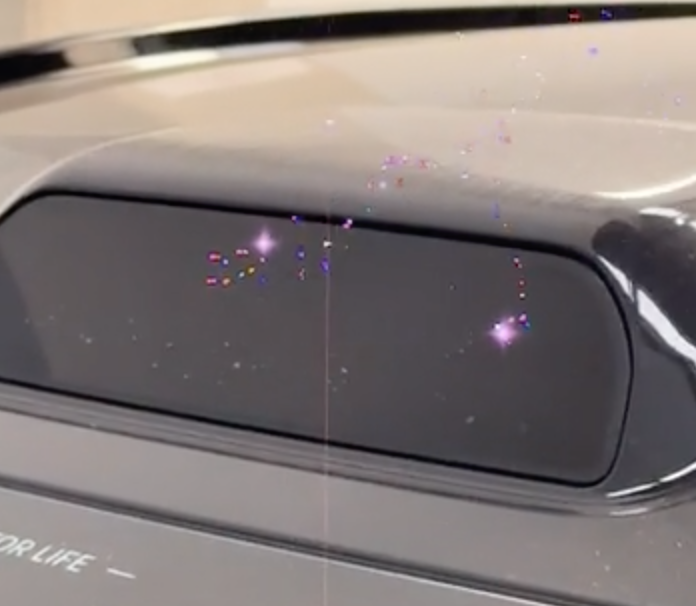
Shooting LiDAR with a wide-angle lens from 2 meters away is safe—laser energy drops below harmful levels. But moving closer or using zoom dramatically increases the risk of camera damage.
The video creator's case isn't isolated. In China, many reports confirm LiDAR damaging not just phone cameras, but also security cameras that are thought to be safe.
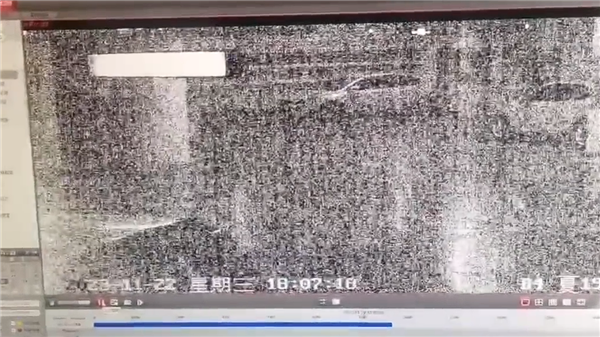
As phone users, when filming LiDAR-equipped vehicles, avoid pointing our camera directly at rooftop or grille-mounted LiDAR modules—especially in zoom mode.
Sunlight can intensify laser reflections, so avoid prolonged filming in backlit or bright conditions.
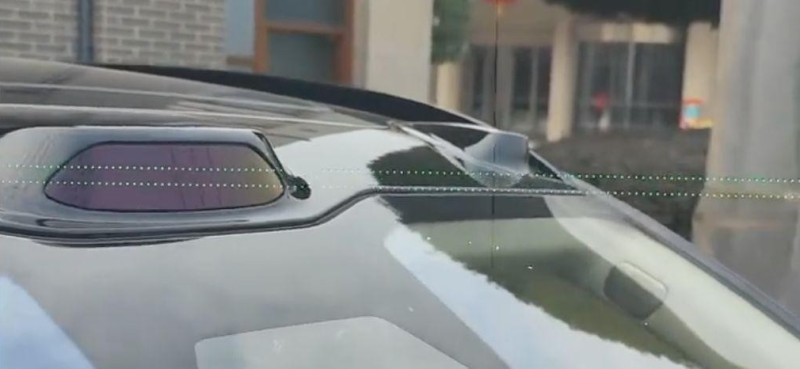
LiDAR is essential for Level 3 self-driving vehicles. But with the increasing interaction of phones and vehicles, we need new safety awareness—just like avoiding pointing cameras at the sun, smartphone lenses should be used carefully when facing LiDAR.
If any infringement occurs, please contact us for deletion










Popular Cars
Model Year
Car Compare
Car Photo