
Q
how much does the lexus lm cost
 RunnerSpeedOct 09, 2025, 06:07 PM
In Malaysia, the Lexus LM sits as a premium MPV, with prices that vary depending on trim and model. You're looking at a ballpark range of RM800,000 to RM1.2 million, though the exact figure will hinge on your chosen options and any dealer promotions up for grabs. Under the hood, the LM lineup offers two powertrain choices: the LM 350 with its 3.5-liter V6 naturally aspirated engine, and the hybrid LM 300h. Both variants are renowned for their focus on comfort and luxury appointments – think individual rear seats, acoustic glass for a serene ride, and a top-shelf sound system, to name a few highlights.
For Malaysian buyers, this Lexus is tailor-made for those seeking a high-end solution for business travel or family getaways. Lexus also brings to the table a solid brand reputation and a well-established after-sales service network, which adds peace of mind. When it comes to competition, the Toyota Alphard and Vellfire are obvious rivals, but the Lexus LM edges them out in terms of outright luxury feel and brand positioning. It’s really aimed at buyers with a healthy budget who refuse to compromise on quality.
If you’re seriously considering one, the best move is to reach out to your local Lexus dealer directly. They can hook you up with the latest pricing, sort out a test drive, and let you get a real feel for the LM’s performance and all those luxurious features.
Special Disclaimer: This content is published by users and does not represent the views or position of PCauto.
Related Q&A
Q
lexus lm how many seats
Lexus LM, the luxury MPV making waves in Malaysia, serves up two distinct seating configurations – 7-seater and 4-seater – to cater to a wide range of buyer preferences. The 7-seater, with its practical 2+2+3 layout, is a no-brainer for families or those who frequently travel with a crowd. The second row slides to tweak legroom, adding a nice dose of flexibility when you need it.
Then there’s the 4-seater, which cranks the luxury dial up to eleven. The rear cabin is all about exclusivity, featuring two individual airline-style seats complete with leg rests, massage functions, and even a privacy partition. This one’s tailor-made for business executives or anyone who craves that first-class, personal sanctuary on the move.
Underpinning the LM is Toyota’s proven TNGA-K platform, and across the board, you’re getting a hybrid powertrain – the LM350h specifically pairs a 2.5L petrol engine with electric motors. This setup delivers that smooth, effortless driving feel we love in hybrids, while also keeping fuel costs in check – a solid match for Malaysian drivers who want both comfort and a greener footprint.
Lexus hasn’t skimped on the nice-to-haves either. The Mark Levinson sound system is a standout, turning every drive into a concert. Add in noise-reducing glass and adaptive suspension, and the LM does an impressive job of cocooning passengers from the outside world, elevating that premium vibe even further.
Malaysia’s twisty roads? The LM’s suspension is tuned more for plush comfort, but don’t sleep on its ability to keep things composed when the tarmac bends – there’s enough support there to avoid that boat-like float.
If you’re eyeing an LM, my advice? Think hard about how you’ll actually use it. Family hauler? The 7-seater makes sense. Chauffeur-driven business meetings or ultimate personal luxury? The 4-seater’s your ride. And whatever you do, head to your nearest authorized Lexus dealer for a test drive – nothing beats experiencing the seat comfort, space, and all those little features firsthand before you commit.
 RainbowGlowOct 9, 2025
Q
how much is the lexus lm minivan
Alright, car enthusiasts in Malaysia, let's talk about the price tag on that ultimate luxury people-mover, the Lexus LM. Now, the official sticker price can shift a bit depending on the trim level and model year you're eyeing. For starters, the base LM 350, packing that smooth 3.5L V6 petrol engine, you're probably looking at around RM800,000 to get in the door. Step up to the hybrid LM 300h, and that figure could nudge closer to RM900,000 or even north of that.
But here's the thing: to get the real-deal, up-to-the-minute pricing, your best bet is to hit up your local authorized Lexus dealer. Taxes, those little extra options you might fancy, or even current promotions can all play a part in the final number.
What makes the LM tick? Think first-class airline seats in the back, a killer Mark Levinson sound system, and a cabin so quiet you could hear a pin drop. It's tailor-made for folks—families or business execs—who refuse to compromise on comfort. In Malaysia, it's squaring off against heavyweights like the Mercedes-Benz V-Class, but the LM brings that distinct Japanese flair for meticulous craftsmanship and understated luxury to the table.
A quick heads-up though: import car prices in Malaysia can take a pretty big hit from government taxes—import duties, sales tax, road tax, the whole shebang. That means the on-the-road price for a luxury ride like this is often significantly steeper than what you'd pay at its origin. So, before you take the plunge, it's smart to also factor in the long-term costs, like maintenance packages and warranty details. Happy hunting!
 NatureBeautyOct 9, 2025
Q
how much is lexus lm 2024
The 2024 Lexus LM comes with different price tags in Malaysia depending on the trim and specs. The entry-level LM 350h starts at around RM1,228,000, while the top-of-the-line LM 500h could set you back over RM1,500,000 – exact pricing will vary based on optional extras and any dealer promotions available.
As a luxury MPV, the Lexus LM has built a solid reputation for its exquisite interior, supremely comfortable ride, and cutting-edge tech features, making it a perfect fit for Malaysian families or business professionals alike. Under the hood, it’s packing a hybrid powertrain that delivers plenty of grunt while still keeping fuel consumption in check – a big plus as Malaysian buyers become more mindful of environmental impact and fuel efficiency these days.
On top of that, Lexus has a pretty robust after-sales service network here, offering reliable warranty coverage and maintenance support. That definitely adds to the car’s overall appeal. If you’re in the market for a high-end MPV, the 2024 Lexus LM is definitely one to check out. I’d recommend heading to your nearest Lexus dealership for a test drive to really get a feel for its impressive driving dynamics and passenger comfort.
 JoyfulHeartOct 9, 2025
Q
when is lexus lm coming out
Word is that the Lexus LM is set to hit Malaysian shores sometime in 2024. We’re hearing a possible launch window around mid-year or the second half, but for the exact date, we’ll all have to wait on the official word from Lexus Malaysia.
Positioned as a luxury MPV, the LM is gunning for high-end business folks and families who want the best. Think seriously spacious interiors, top-shelf craftsmanship, and all the latest tech toys – the rear seats, in particular, are supposed to be absolute thrones with killer privacy features.
Under the hood, Malaysian buyers might get a choice of powertrains, including a hybrid option. That makes sense, right? It ticks both boxes for folks here who want fuel efficiency without skimping on performance.
The LM’s arrival should shake up the luxury MPV scene in Malaysia nicely. It’ll go head-to-head with established players like the Toyota Alphard and Vellfire, but Lexus is clearly aiming to stand out with that extra brand cachet and a more premium overall experience.
If you’re already eyeing the LM, your best bet is to keep tabs on Lexus Malaysia’s official website and social media pages. That’s where you’ll find the latest on pre-orders and test drive opportunities once they drop. And let’s not forget, Lexus has a solid after-sales network in Malaysia, so owners can expect good service and support down the line.
 GentleGraceOct 9, 2025
Q
how much is lexus lm
Alright, car enthusiasts in Malaysia, let's talk about the Lexus LM and its price tag. This luxury MPV isn't a one-size-fits-all when it comes to cost – it varies depending on the specific trim and the bells and whistles you opt for. Generally speaking, you're looking at a ballpark figure between RM800,000 and RM1.2 million. But hey, for the most accurate and up-to-date pricing, your best bet is to swing by your local Lexus dealership and have a chat.
Now, what makes the Lexus LM tick as a premium MPV? It's all about that top-tier comfort and luxury amenities. Think plush, spacious seating that feels like a living room on wheels, a killer sound system to crank up your favorite tunes, and the latest in driver-assistance tech to make every journey smoother. Whether you're shuttling the family around or using it for business, this thing delivers.
Over in Malaysia, the LM's main rivals are the Toyota Alphard and Vellfire – solid choices, no doubt. But the Lexus LM takes things up a notch in terms of sheer luxury feel and that prestigious brand cachet that Lexus is known for.
Another big plus? Lexus has a pretty robust after-sales service network here in Malaysia. That means peace of mind with reliable warranty coverage and maintenance support – a big reason a lot of folks lean towards the brand.
So, if you're in the market for a luxury MPV that doesn't just get you from A to B but does it in style, comfort, and with the assurance of Lexus quality and reliability, the LM is definitely one to add to your shortlist.
 WalkerPathOct 9, 2025
Q
how much is the lexus lm
Prices for the Lexus LM in Malaysia vary depending on the trim and specs you go for. Right now, the entry-level LM 350 starts at around RM1,028,000, while the more premium LM 500h can push past RM1,500,000. For the exact figures, you’ll want to check with local dealers for the latest quotes and any ongoing promotions they might have.
This luxury MPV has made a name for itself with its super refined interior, incredibly comfortable ride, and top-notch tech features—perfect whether you’re hauling the family or using it for business. It’s definitely a hot pick in Malaysia’s high-end car scene. Under the hood, you’ve got options: a 3.5-liter V6 naturally aspirated engine or a hybrid setup, so you get both power and decent fuel efficiency.
Plus, Lexus has built a solid reputation in Malaysia for reliable after-sales service and that reassuring 5-year warranty, which adds extra peace of mind for owners. If you’re in the market for a high-end MPV, the Lexus LM should be high on your list. Swing by your nearest Lexus showroom for a test drive and to dig into all the details on configurations—you won’t regret it.
 PilotFlightOct 9, 2025
Popular Cars
Model Year
Car Compare
Car Photo
Related Models
 Cars
CarsLatest Q&A
Q
Is AMT similar to automatic?
There are significant differences between AMT transmissions and automatic transmissions (AT) in terms of core structure and driving experience. AMT is essentially an electronically automated version of a manual transmission, simulating manual clutch operation and gear shifting through a computerized control system while retaining the gear set structure of manual transmissions. As a result, it offers higher transmission efficiency, with fuel consumption approximately 8%-12% lower than AT, making it particularly suitable for highway or long-distance driving. However, it may exhibit jerking similar to manual transmissions during low-speed gear shifts, especially noticeable in congested traffic conditions.
AT transmissions rely on torque converters for power transfer, delivering smooth and seamless gear shifts that appeal to comfort-oriented users. However, their complex structure (incorporating planetary gear sets, hydraulic systems, etc.) results in higher maintenance costs. A single service may cost between 800 to 1,500 ringgit, whereas AMT only requires gear oil replacement at approximately 400 ringgit.
From a market perspective, AMT is predominantly used in budget vehicles or commercial models priced below 80,000 ringgit, while AT is typically featured in mid-to-high-end vehicles. Consumers should select based on actual needs: AMT suits those prioritizing fuel efficiency and low maintenance costs, while AT better serves those valuing comfort. Notably, recent advancements in AMT electronic control technology have significantly mitigated jerking issues, though test drives should still emphasize low-speed performance evaluation.
 AriaMar 26, 2026
Q
Which is better, DCT or AT?
DCT (Dual-Clutch Transmission) and AT (Automatic Transmission) each have their own advantages and disadvantages, and the choice should be based on personal driving needs. AT transmissions transfer power through a torque converter, offering excellent shift smoothness, making them suitable for urban commuting or novice drivers. However, they tend to have higher fuel consumption, and vehicles equipped with them are usually more expensive. DCT transmissions utilize a dual-clutch structure, featuring fast shift speeds and high power transmission efficiency, which provides a more direct driving experience—particularly suitable for users seeking a sporty feel. However, they may exhibit jerking at low speeds and have relatively high maintenance costs. If durability and comfort are priorities, AT is the more reliable choice; if power responsiveness and driving pleasure are preferred, wet DCT (such as Volkswagen DSG) performs better, though dry DCT models should be avoided in prolonged stop-and-go traffic conditions. Additionally, CVT transmissions excel in smoothness and fuel efficiency, making them ideal for daily commuting, but they lack driving excitement. It is recommended to test-drive before purchasing, as tuning varies significantly across brands, and real-world experience is more important than theoretical specifications.
 FlutteringMar 26, 2026
Q
Is Amt good or bad?
AMT gearboxes have a significant cost advantage in the local market, typically being around 5,000 Ringgit cheaper than models equipped with conventional automatic transmissions. Their fuel efficiency is comparable to manual transmissions, resulting in long-term fuel savings. Featuring a straightforward design, they achieve transmission efficiency exceeding 90% with relatively low maintenance costs, making them ideal for practicality-oriented consumers. However, their shifting logic contains inherent limitations: gear changes between 1st and 2nd cause 0.3-0.5 second power interruptions, while unintended upshifts on inclines may reduce engine speed by 15%-20%, compromising driving smoothness. For urban commuters or budget-conscious buyers, AMT offers excellent value, though those prioritizing premium driving dynamics should consider alternative transmission types. Some domestic models like the Perodua Axia employ enhanced AMT systems, where optimized shift programming has reduced gearshift shock by approximately 30%.
 RainbowsMar 26, 2026
Q
Which gives better mileage, CVT or AMT?
From the perspective of fuel economy, CVT transmissions generally perform better under urban driving conditions. Their continuously variable design allows the engine to consistently operate within the optimal speed range, significantly reducing fuel consumption during frequent starts and stops. Test data shows that their fuel consumption in urban driving conditions is 10% to 15% lower than that of comparable models. AMT transmissions, on the other hand, inherit the high transmission efficiency of manual transmissions, delivering fuel efficiency close to manual transmissions during high-speed cruising. This makes them particularly suitable for long-distance driving in large-displacement vehicles. However, due to power interruption during gear shifts, their overall fuel consumption may be 5% to 8% higher than CVTs.
The difference in fuel-saving characteristics between the two transmissions stems from their technical principles: CVTs achieve continuous variability through steel belts and pulleys, eliminating the fixed gear ratio limitations of traditional transmissions; AMTs simulate manual gear changes via electronic control systems while maintaining the mechanical efficiency of gear transmission. Notably, actual fuel consumption is also influenced by driving habits. Smooth acceleration and anticipatory deceleration can maximize the transmissions' fuel-saving potential. If the vehicle budget permits and urban commuting is the primary use, CVTs offer a more economical choice. For frequent highway driving with an emphasis on cost-effectiveness, AMTs are equally worth considering.
 RubyBlazeMar 26, 2026
Q
Which is cheaper, AMT or CVT?
In terms of gearbox cost, AMT is usually more economical than CVT. Essentially, AMT is a manual transmission equipped with an electronic control unit, featuring a simple structure and low maintenance costs. The unit price ranges from approximately 5,000 to 8,000 ringgit, making it suitable for budget-conscious consumers or those who prioritize long-term operating costs. CVT incurs higher manufacturing costs due to its precision steel belt transmission system and continuous variable transmission technology, with a unit price of about 7,000 to 10,000 ringgit. However, it delivers a smoother driving experience and superior fuel efficiency. The primary differences between the two lie in technical complexity: AMT retains the gear-shifting mechanism, resulting in noticeable shift shock; CVT achieves linear power output through stepless speed variation but requires periodic belt inspection and incurs higher maintenance expenses. For those prioritizing initial cost and basic transportation needs, AMT offers better value; if comfort and long-term fuel economy are priorities, CVT represents a more worthwhile investment. Note that actual prices may vary based on vehicle model, brand, and local supply chain factors.
 ShadowProwlMar 26, 2026
Related News
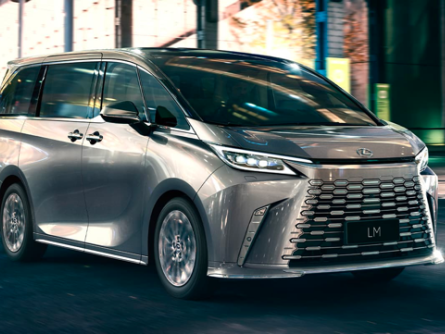
2024 Lexus LM launched in Malaysia, priced from RM 1,228,000
LienMay 28, 2024
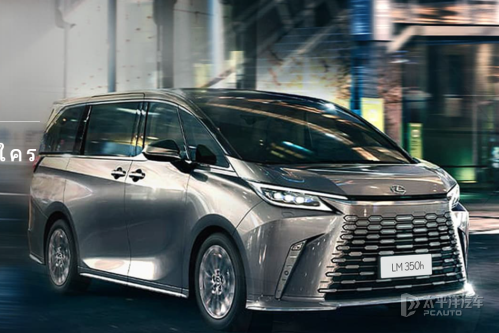
2024 Lexus LM: Price from RM 815k, New Benchmark for Luxury MPVs
AshleyApr 4, 2024

The Lexus ES 200: Laughed Out of Existence
MichaelMar 23, 2026

Toyota Crown Sedan and Lexus ES price difference? What are their differences?
WilliamMar 13, 2026

Aerodynamic kit + Optimized V8 engine! Tom's Racing modified Lexus LC is so stunning?
MichaelJan 14, 2026
View More
Pros
Cons