
Q
How much is a brand new 2024 Hyundai?
 InfernoFlameNov 05, 2025, 05:07 PM
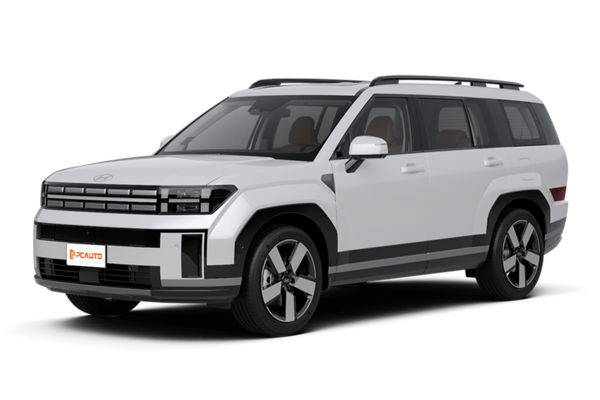
Prices for the all-new 2024 Hyundai models in Malaysia vary depending on the specific model and configuration. Entry-level cars like the Hyundai i10 start at around RM 50,000, while mid-size SUVs such as the Hyundai Tucson range from RM 160,000 to RM 190,000. Higher-end models like the Hyundai SantaFe or the all-electric IONIQ 5 can cost over RM 200,000. Hyundai has built a reputation in Malaysia for offering great value for money with generous equipment levels – most models come standard with advanced driver assistance systems (ADAS) and smart connectivity features, plus a 5-year unlimited mileage warranty for extra peace of mind. If you're in the market for a new car, it's worth heading to your nearest authorized Hyundai dealer for a test drive and to check out the latest promotions – things like low down payment plans or free service packages could help bring the cost down even more. On top of that, Hyundai has been making big moves in the new energy space lately, and the IONIQ series EVs deliver solid range and charging efficiency, making them a solid pick for eco-conscious tech-savvy buyers.
Special Disclaimer: This content is published by users and does not represent the views or position of PCauto.
Related Q&A
Q
What is the safety rating of the 2019 Hyundai Santa Fe?
The 2019 Hyundai Santa Fe delivers outstanding safety performance, earning top marks from leading evaluation agencies. It secured the IIHS "Top Safety Pick+" rating in the U.S. and a five-star Euro NCAP score in Europe—thanks to its rigid body structure, comprehensive active safety features, and advanced driver-assistance systems.
Standard equipment includes forward collision warning, automatic emergency braking, lane-keeping assist, and blind-spot monitoring. Higher trims add adaptive cruise control and rear cross-traffic alert for even greater protection.
Family-focused buyers can trust the Santa Fe’s safety credentials. Its high-strength steel construction effectively absorbs and disperses crash energy, while multiple airbags provide added security.
If you’re considering a used Santa Fe, don’t just rely on its safety ratings—check maintenance records and accident history to ensure all safety systems function properly. Even the best safety tech needs regular upkeep to perform at its best.
 PupNov 27, 2025
Q
Is the 2019 Hyundai Santa Fe all wheel drive?
The 2019 Hyundai Santa Fe does offer an all-wheel drive (AWD) variant, equipped with the HTRAC intelligent AWD system. This setup automatically distributes torque between the front and rear wheels based on road conditions, improving traction and stability on slippery surfaces or light off-road terrain.
In local markets, higher trim levels often come standard with AWD, while entry-level models may default to front-wheel drive—always check the vehicle's badge or spec sheet to confirm. Beyond handling wet weather with confidence, this AWD tech enhances safety on winding mountain roads. Hyundai's system uses electronic controls to seamlessly adjust power distribution between axles, balancing performance with fuel efficiency.
Keep in mind: AWD differs from traditional 4WD (built for rugged off-roading), as it prioritizes on-road agility. Buyers should weigh their typical driving needs. The Santa Fe's AWD also features selectable drive modes (Eco, Comfort, Sport) to adapt to different conditions.
 WolfNov 27, 2025
Q
What is the recall on the 2019 Hyundai Santa Fe?
The 2019 Hyundai Santa Fe recall primarily addresses two critical issues. First, certain vehicles may have a software glitch in the anti-lock braking system (ABS) module, which could potentially increase stopping distances under specific conditions, raising collision risks. Hyundai is resolving this by rolling out a control module software update.
Second, some models may contain a hydraulic electronic control unit (HECU) with manufacturing defects that could lead to electrical shorts, posing a fire hazard. Dealers will inspect and replace affected components at no cost.
Recalls like these are proactive safety measures initiated by automakers. Owners can check their vehicle’s recall status by entering the VIN on Hyundai’s official website. Keep in mind, all car brands occasionally issue recalls due to supply chain issues or the complexity of modern electronics—it’s actually a sign of responsible manufacturing.
We recommend staying updated with brand service bulletins and completing recall repairs promptly. Most software updates or part replacements take just 30 minutes to 2 hours and won’t void your warranty. If you notice abnormal brake warning lights or a burning smell, contact an authorized service center immediately.
 DoveNov 27, 2025
Q
Is the 2019 Santa Fe a reliable car?
The 2019 Santa Fe delivers decent reliability for a midsize SUV. Its proven 2.4L four-cylinder and 2.0L turbocharged engines provide smooth power delivery, while the transmission pairing is well-sorted. Major mechanical issues are uncommon in daily driving.
Owners report the suspension is tuned for comfort, making it family-friendly, and the interior materials/fit-and-finish are competitive for the segment. That said, some owners note occasional minor glitches with electronics—like infotainment screen lag—though these rarely affect drivability.
If buying used, always check the vehicle history or opt for units with complete maintenance records. Hyundai's quality has improved noticeably in recent years, and as their flagship SUV, the Santa Fe remains a generally dependable choice. Just remember—consistent maintenance and proper care go a long way in keeping it trouble-free.
LilyNov 27, 2025Q
Is there any recalls on the 2019 Hyundai Santa Fe?
The 2019 Hyundai Santa Fe was subject to recall notices in certain markets due to potential safety concerns. These included possible short circuits in the brake system's hydraulic electronic control unit, which could reduce braking force, as well as necessary software updates for the anti-lock braking system (ABS) in some vehicles.
Owners are advised to check their vehicle's recall status using the VIN on Hyundai’s official website or through an authorized service center to ensure their vehicle meets the latest safety standards. As a good practice, regularly test your brake response and ABS functionality. If you notice a stiff brake pedal or warning lights, have it inspected immediately.
Hyundai operates a global recall system, with all repairs handled free of charge at authorized service points—just book an appointment. For used car buyers, verifying whether previous owners completed all recall fixes should be part of the pre-purchase checks.
 RoseNov 27, 2025
Q
Is the 2019 Santa Fe reliable?
The 2019 Santa Fe delivers solid reliability overall. Its 2.4L and 2.0T engines are proven units, paired with either smooth-shifting 6-speed or 8-speed automatic transmissions that show low failure rates. Maintenance costs are reasonable for the segment.
You'll appreciate the spacious cabin and generous equipment, especially the safety tech like forward collision warning and lane keeping assist – these really boost confidence behind the wheel. That said, a few owners report occasional infotainment system glitches, so it's worth checking for software updates before purchase.
As a family SUV, the Santa Fe's durability sits above average in its class. Stick to the maintenance schedule and drive it right, and it'll serve you well for years. For used models, always review the full service history and pay extra attention to the undercarriage and electronics – these tell you more about the car's real condition than anything else.
Hyundai's build quality has come a long way, and this Santa Fe proves it. For practical buyers who want bang for their buck, it's a trustworthy choice.
FlameNov 27, 2025Q
Does the 2019 Santa Fe have 3 rows?
The 2019 Santa Fe offers an optional third-row seating configuration in select markets, making it a seven-seater for family-oriented buyers. However, availability depends on trim levels and regional specifications—higher trims are more likely to include this feature.
As a midsize SUV, it prioritizes practicality, though the third row is best suited for children or occasional adult use on shorter trips. For extended journeys, adults may find it somewhat cramped. Competing models like the Toyota Fortuner or Honda CR-V also offer similar three-row layouts in this segment.
If you're considering the seven-seat version, we recommend test-driving to evaluate the third-row space firsthand. Also, keep in mind that additional seating may affect vehicle inspections and insurance policies. For frequent group travel, an MPV might be a better choice, as they typically provide more generous third-row accommodations.
Before purchasing, always verify the seating configuration with the dealer or check the spec sheet, as mid-cycle updates can sometimes alter available options.
 FrostNov 27, 2025
Q
Does the 2019 Santa Fe have a sunroof?
Certain higher-trim 2019 Santa Fe models did come equipped with a panoramic sunroof, which significantly enhances cabin brightness and overall comfort. However, availability depends on the specific trim level purchased, as features vary across the range.
For sunroof maintenance, make sure to regularly clean the tracks and check that drainage holes are clear. Avoid prolonged sun exposure to prevent rubber seal deterioration—these simple steps can extend its lifespan. If you're considering a used Santa Fe, pay close attention to the sunroof's operation and check for any signs of water leakage, as these details often reveal how well the vehicle's been maintained.
While the sunroof does add to the enjoyment on road trips, drivers in hotter climates may find themselves using the sunshade more frequently to keep the cabin comfortable.
 BreezeNov 27, 2025
Q
What engine options did the 2019 Santa Fe offer?
The 2019 Santa Fe offers two engine options to suit different driving needs.
First up is the 2.4L naturally aspirated four-cylinder, delivering a solid 185 horsepower and 178 lb-ft of torque. It’s a great fit for daily city driving, with balanced fuel efficiency and smooth power delivery.
If you’re after more punch, the 2.0L turbocharged four-cylinder steps it up with 235 horsepower and 260 lb-ft of torque—perfect for drivers who want extra power for highway passing or loaded-up trips. Both engines pair with an 8-speed automatic transmission for seamless shifts.
As a midsize SUV, the Santa Fe strikes a nice balance between efficiency and performance. It also packs Hyundai’s latest safety tech at the time, like forward collision warning and lane-keeping assist, to help keep things secure on the road.
Quick note on the turbo: By forcing more air into the combustion chamber, it squeezes out extra power from the same displacement. Just remember—regular maintenance is key to keeping that turbo running smoothly for the long haul.
WaveNov 27, 2025Q
Is the 2019 Hyundai Santa Fe AWD?
The 2019 Hyundai Santa Fe does offer an AWD variant, equipped with the HTRAC intelligent all-wheel-drive system. This SUV automatically distributes power between the front and rear axles based on road conditions, delivering better traction on slippery surfaces or during light off-roading. In local markets, both the high-spec 2.2L diesel and 2.4L gasoline models come with this system.
The AWD version features a drive mode selector on the center console, allowing you to switch between Eco/Comfort/Sport/Smart modes. In Smart mode, it adjusts power distribution dynamically by analyzing throttle input, steering angle, and other data. That said, this system is primarily designed for urban driving and light unpaved terrain—it’s not a hardcore off-road setup.
Competing Japanese models like the Honda CR-V and Toyota RAV4 use a similar clutch-based on-demand AWD, while German rivals often favor full-time AWD solutions. For buyers, the choice depends on usage: if you frequently encounter rainy conditions or occasional muddy job sites, the AWD version is more practical. But if you’re mostly driving in the city, the FWD model offers better fuel efficiency (saving around 5-8% in consumption) and value.
 StarNov 27, 2025
Popular Cars
Model Year
Car Compare
Car Photo
Related Models
 Cars
CarsLatest Q&A
Q
Is AMT similar to automatic?
There are significant differences between AMT transmissions and automatic transmissions (AT) in terms of core structure and driving experience. AMT is essentially an electronically automated version of a manual transmission, simulating manual clutch operation and gear shifting through a computerized control system while retaining the gear set structure of manual transmissions. As a result, it offers higher transmission efficiency, with fuel consumption approximately 8%-12% lower than AT, making it particularly suitable for highway or long-distance driving. However, it may exhibit jerking similar to manual transmissions during low-speed gear shifts, especially noticeable in congested traffic conditions.
AT transmissions rely on torque converters for power transfer, delivering smooth and seamless gear shifts that appeal to comfort-oriented users. However, their complex structure (incorporating planetary gear sets, hydraulic systems, etc.) results in higher maintenance costs. A single service may cost between 800 to 1,500 ringgit, whereas AMT only requires gear oil replacement at approximately 400 ringgit.
From a market perspective, AMT is predominantly used in budget vehicles or commercial models priced below 80,000 ringgit, while AT is typically featured in mid-to-high-end vehicles. Consumers should select based on actual needs: AMT suits those prioritizing fuel efficiency and low maintenance costs, while AT better serves those valuing comfort. Notably, recent advancements in AMT electronic control technology have significantly mitigated jerking issues, though test drives should still emphasize low-speed performance evaluation.
 AriaMar 26, 2026
Q
Which is better, DCT or AT?
DCT (Dual-Clutch Transmission) and AT (Automatic Transmission) each have their own advantages and disadvantages, and the choice should be based on personal driving needs. AT transmissions transfer power through a torque converter, offering excellent shift smoothness, making them suitable for urban commuting or novice drivers. However, they tend to have higher fuel consumption, and vehicles equipped with them are usually more expensive. DCT transmissions utilize a dual-clutch structure, featuring fast shift speeds and high power transmission efficiency, which provides a more direct driving experience—particularly suitable for users seeking a sporty feel. However, they may exhibit jerking at low speeds and have relatively high maintenance costs. If durability and comfort are priorities, AT is the more reliable choice; if power responsiveness and driving pleasure are preferred, wet DCT (such as Volkswagen DSG) performs better, though dry DCT models should be avoided in prolonged stop-and-go traffic conditions. Additionally, CVT transmissions excel in smoothness and fuel efficiency, making them ideal for daily commuting, but they lack driving excitement. It is recommended to test-drive before purchasing, as tuning varies significantly across brands, and real-world experience is more important than theoretical specifications.
FlutteringMar 26, 2026Q
Is Amt good or bad?
AMT gearboxes have a significant cost advantage in the local market, typically being around 5,000 Ringgit cheaper than models equipped with conventional automatic transmissions. Their fuel efficiency is comparable to manual transmissions, resulting in long-term fuel savings. Featuring a straightforward design, they achieve transmission efficiency exceeding 90% with relatively low maintenance costs, making them ideal for practicality-oriented consumers. However, their shifting logic contains inherent limitations: gear changes between 1st and 2nd cause 0.3-0.5 second power interruptions, while unintended upshifts on inclines may reduce engine speed by 15%-20%, compromising driving smoothness. For urban commuters or budget-conscious buyers, AMT offers excellent value, though those prioritizing premium driving dynamics should consider alternative transmission types. Some domestic models like the Perodua Axia employ enhanced AMT systems, where optimized shift programming has reduced gearshift shock by approximately 30%.
 RainbowsMar 26, 2026
Q
Which gives better mileage, CVT or AMT?
From the perspective of fuel economy, CVT transmissions generally perform better under urban driving conditions. Their continuously variable design allows the engine to consistently operate within the optimal speed range, significantly reducing fuel consumption during frequent starts and stops. Test data shows that their fuel consumption in urban driving conditions is 10% to 15% lower than that of comparable models. AMT transmissions, on the other hand, inherit the high transmission efficiency of manual transmissions, delivering fuel efficiency close to manual transmissions during high-speed cruising. This makes them particularly suitable for long-distance driving in large-displacement vehicles. However, due to power interruption during gear shifts, their overall fuel consumption may be 5% to 8% higher than CVTs.
The difference in fuel-saving characteristics between the two transmissions stems from their technical principles: CVTs achieve continuous variability through steel belts and pulleys, eliminating the fixed gear ratio limitations of traditional transmissions; AMTs simulate manual gear changes via electronic control systems while maintaining the mechanical efficiency of gear transmission. Notably, actual fuel consumption is also influenced by driving habits. Smooth acceleration and anticipatory deceleration can maximize the transmissions' fuel-saving potential. If the vehicle budget permits and urban commuting is the primary use, CVTs offer a more economical choice. For frequent highway driving with an emphasis on cost-effectiveness, AMTs are equally worth considering.
 RubyBlazeMar 26, 2026
Q
Which is cheaper, AMT or CVT?
In terms of gearbox cost, AMT is usually more economical than CVT. Essentially, AMT is a manual transmission equipped with an electronic control unit, featuring a simple structure and low maintenance costs. The unit price ranges from approximately 5,000 to 8,000 ringgit, making it suitable for budget-conscious consumers or those who prioritize long-term operating costs. CVT incurs higher manufacturing costs due to its precision steel belt transmission system and continuous variable transmission technology, with a unit price of about 7,000 to 10,000 ringgit. However, it delivers a smoother driving experience and superior fuel efficiency. The primary differences between the two lie in technical complexity: AMT retains the gear-shifting mechanism, resulting in noticeable shift shock; CVT achieves linear power output through stepless speed variation but requires periodic belt inspection and incurs higher maintenance expenses. For those prioritizing initial cost and basic transportation needs, AMT offers better value; if comfort and long-term fuel economy are priorities, CVT represents a more worthwhile investment. Note that actual prices may vary based on vehicle model, brand, and local supply chain factors.
 ShadowProwlMar 26, 2026
Related News

Malaysia Hyundai Staria 2026 model optimized 10-seater layout, central console upgraded
Kevin WongJan 28, 2026

Hyundai STARIA Electric Version Unveiled: Spacious MPV, Southeast Asian Families Should Look Forward to it!
WilliamJan 12, 2026

2026 Toyota HiLux receives five-star ANCAP safety rating in ANCAP
MichaelDec 12, 2025

In Malaysia, which sliding door MPVs are available?
MichaelOct 30, 2025

Modern Ioniq 5 N Lands in Malaysia: Track-Level Performance Electric Vehicle is Here, Priced Possibly Below RM 400,000?
JohnSep 10, 2025
View More
Pros
Cons