
Q
What's the price of the Jaguar F-PACE?
 HunterOct 17, 2025, 05:38 PM
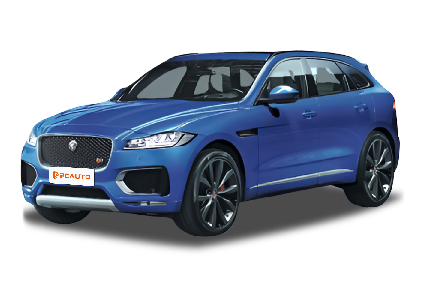
In Malaysia, the Jaguar F-PACE's price tag varies depending on the trim level and optional extras you go for. You're looking at a ballpark figure between RM 400,000 and RM 600,000 for a brand-new one. That range mainly hinges on whether you pick the 2.0-liter turbo or the punchier 3.0-liter supercharged engine, and if you opt for sporty add-ons like the R-Dynamic package.
This luxury SUV has made a name for itself with that classic British design flair, sharp handling, and a really premium cabin. Standard kit includes a 10-inch touchscreen, a cracking Meridian sound system, and full-time all-wheel drive – perfect for folks who want a mix of performance and everyday comfort.
Now, a heads-up for Malaysian buyers: import car prices here take a big hit from taxes, insurance, and registration fees. So, before you commit, it's smart to hit up the official website or an authorized dealer to get the latest quotes. Also, keep an eye out for local promotions or financing deals – they can help stretch your budget further.
If you're open to a used model, a 3-year-old or newer F-PACE will usually set you back 30% to 40% less than a new one. Just make sure you dig into the service history to ensure it's been well looked after. In the same segment, the BMW X3 and Mercedes GLC are obvious rivals, but the F-PACE still pulls in a dedicated crowd thanks to its standout styling and more aggressive power setup.
Special Disclaimer: This content is published by users and does not represent the views or position of PCauto.
Related Q&A
Q
How to change the ambient lighting in a Jaguar F-Pace?
Changing the ambient lighting color in your Jaguar F-Pace is a breeze. First, fire up the vehicle and make sure the infotainment screen is on. Then, head into the main menu and look for the "Vehicle Settings" option. Select "Ambient Lighting" from there, and you'll see a bunch of preset colors to choose from—blues, reds, whites, that sort of thing. Just tap your favorite on the touchscreen, and the system applies it right away. You can also tweak the brightness to fit different driving conditions. If you're a Malaysian owner, it's best to do this at night or in dimly lit areas so you can really see how it looks.
The ambient lighting in the F-Pace isn't just about upping the interior's premium vibe; it lets you set the mood in the cabin to match your personal style. It's a pretty common feature in luxury brands these days—Mercedes and BMW offer similar stuff—but what sets Jaguar apart is how well the lighting pairs with the interior materials. It just makes the whole cabin feel that much more luxurious. If you're really into customizing your in-car lighting, swing by your local Jaguar dealer and ask if there are any extra customization options or upgrade services available.
 WipOct 17, 2025
Q
How to set up cruise control in Jaguar F-PACE?
To set up cruise control in your Jaguar F-Pace, first make sure you’re on a road where it’s safe to use—you’ll need to be going at least 30 km/h. Hit the cruise control button on the left side of the steering wheel (it usually says "CRUISE" or has a speedometer icon), and you’ll see the cruise ready indicator pop up on the dashboard. Next, use the "+" or "-" buttons to set your desired speed, and the system will hold it steady. Need to pause? Just tap the brake or hit "CANCEL". To get back to your set speed, press "RES".
For our Malaysian drivers, a quick heads-up: be extra cautious using this on busy roads or in the rain. Don’t zone out and rely too much on the system—always keep an eye on what’s happening around you. The F-Pace’s standard cruise is solid, but step up to higher trims and you might get Adaptive Cruise Control (ACC), which automatically adjusts your speed to keep a safe gap from the car ahead. Either way, *you’re* still in charge—never take your focus off driving.
Lastly, keep those brakes and tires in check; regular maintenance helps the cruise control work like a charm. If you see any warning lights or the system acts up, swing by an authorized Jaguar service center in Malaysia to get it sorted out. Safe travels!
 VipOct 17, 2025
Q
What's the price of the Jaguar F-Pace?
In Malaysia, the price of the Jaguar F-PACE can vary depending on the trim level, optional extras, and current market promotions. Right now, you're looking at a starting price range of around RM 400,000 to RM 600,000 for a brand-new model. For the most up-to-date figures, it's always best to check in with your local authorized Jaguar dealer.
As Jaguar's luxury SUV offering, the F-PACE doesn't skimp on choice under the hood. You've got efficient Ingenium turbocharged engines for everyday driving, and if you're after a bit more punch with some eco-credentials, there's the potent PHEV plug-in hybrid version too – it really strikes a nice balance between performance and fuel efficiency.
What stands out about this Jag is its elegant design language, a nicely crafted interior, and all the latest tech. The Pivi Pro infotainment system comes as standard, and you get a comprehensive suite of driver assistance features. It's a solid pick for Malaysian buyers who want that blend of luxury and a bit of driving excitement.
On top of that, Jaguar has a pretty well-established after-sales service network in Malaysia. Owners can take advantage of the brand's warranty coverage and maintenance services, which definitely adds peace of mind to the ownership experience.
If the F-PACE has caught your eye, it's worth cross-shopping with other premium SUVs in its class, like the BMW X3 or Mercedes-Benz GLC. That way, you can make a really well-rounded decision before signing on the dotted line.
 ZipOct 17, 2025
Q
How many seats is the Jaguar F-PACE equipped with?
The Jaguar F-PACE, a premium midsize SUV, comes standard with a 5-seat layout in a 2+3 configuration, easily handling most families' daily travel needs. The seats strike a nice balance between sporty support and all-day comfort, making them ideal for those long highway stretches or busy city commutes here in Malaysia.
Under the hood, you've got options. There's the efficient four-cylinder turbocharged engine, or if you're craving more punch, the more powerful supercharged six-cylinder. Both pair with an 8-speed automatic transmission that does a solid job balancing eager power delivery with decent fuel economy.
Tech-wise, Jaguar's got you covered with their advanced InControl Touch Pro system, which includes Apple CarPlay and Android Auto – exactly what Malaysian buyers expect these days.
Step inside, and the F-PACE doesn't disappoint on space. That 2,874mm wheelbase translates to generous legroom for rear passengers, while the boot offers a practical 508 litres as standard. Need more? Fold those rear seats down, and you've got a cavernous 1,598 litres to play with – perfect for weekend getaways or those big shopping hauls.
And let's not forget our Malaysian climate. The standard dual-zone climate control helps keep things cool, but if you really want to dial in comfort, you can option up to the four-zone system – a definite plus when the mercury rises.
Sure, rivals like the BMW X3 and Mercedes GLC also offer five seats, but the F-PACE stands out with its distinct British design flair. Plus, that aluminium-intensive body construction gives it a weight advantage, which really shines through in terms of nimble handling – something that makes every drive that little bit more engaging.
 CinOct 17, 2025
Q
How good is the Jaguar F-PACE's off-road performance?
The Jaguar F-PACE, as a luxury SUV, holds its own pretty well for daily drives and light off-roading here in Malaysia. It's got that clever all-wheel-drive system and adjustable dynamic modes, which let it handle a variety of road situations—think muddy tracks or slick surfaces after rain. But when the going gets really tough, like rock crawling or deep sand, it's not quite in the same league as those hardcore, purpose-built off-roaders. That's mainly because its ground clearance and suspension setup are more biased towards keeping things comfy on the tarmac.
Malaysia's no stranger to downpours, right? The F-PACE's traction control and electronic limited-slip do a solid job of keeping you steady when the roads turn slippery. But if your weekends regularly involve jungle trails or mountainous terrain, I'd definitely recommend throwing on a set of all-terrain tires and really thinking hard about whether this is the right tool for the job.
At the end of the day, luxury SUVs like the F-PACE are all about balancing comfort with practicality when it comes to off-road ability. The interior craftsmanship and tech features, like that handy 360-degree camera, do help boost your confidence when the going gets a bit tricky. But for those who live and breathe serious off-roading? Yeah, you might want to look at something more specialized.
 DreamyHorizonOct 17, 2025
Q
When will the 2021 Jaguar F-PACE be launched?
The 2021 Jaguar F-PACE hit showrooms across many global markets in the first quarter of 2021. Malaysia typically follows suit about 3 to 6 months after a global launch, so we're expecting it to land at local authorized dealers sometime mid-2021 through Q3. This luxury SUV keeps Jaguar's sporty design language alive but steps things up with the updated Pivi Pro infotainment system and mild-hybrid tech. Under the hood, you've got efficient options: a 2.0L turbo and a 3.0L inline-six, both paired with standard all-wheel drive.
Malaysian buyers should keep an eye on Jaguar Malaysia's official website or dealer announcements for the exact launch date and spec breakdowns – imported models can sometimes see slight delays due to certification processes or spec adjustments. It's worth noting that imported luxury cars here usually come with a full factory warranty and roadside assistance. Since it's a CBU (completely built-up) import, the price will be influenced by exchange rates and tariffs. If you're in the market, it's smart to cross-shop against German and Japanese rivals like the BMW X3 or Lexus NX. But let's be real, the F-PACE carves out its own niche with that distinct British flair and sharp handling that Jag is known for.
 FearlessOct 17, 2025
Q
How to remotely start the Jaguar F-PACE with the key?
To remote start your Jaguar F-Pace with the key fob, first make sure the vehicle is locked. Then, locate the remote start button on the fob—it's usually that circular arrow icon. Press and hold it for about 2 seconds until the engine fires up. You'll see the turn signals flash to confirm it's working, and the engine will start running. The AC will automatically kick in too, cranking up to your preset temp—perfect for pre-cooling the cabin before you hop in, especially with Malaysia's scorching heat.
One thing to note: even after remote starting, the car stays locked. You'll still need to have the key fob on you, walk up, and unlock it normally to get in and drive.
For more flexibility, Jaguar's InControl Remote App is a solid option. With your phone, you can schedule a start time in advance or even fire up the seat heaters—super useful during Malaysia's rainy season to quickly get rid of that dampness.
If you run into issues where it won't start, check the key fob battery first—low power is a common culprit. Also, make sure you're not in an area with heavy signal interference; electronic devices can sometimes mess with the transmission. Keeping your key fob well-maintained and ensuring the car battery is in good shape will definitely help keep the remote start reliable. These little details matter a lot, especially for drivers dealing with our tropical climate.
 BraveOct 17, 2025
Q
In which country is the Jaguar F-PACE manufactured?
The Jaguar F-PACE is a luxury SUV primarily built in the UK, specifically at the Solihull plant in England. This facility is renowned for crafting Jaguar Land Rover's premium models, ensuring the F-PACE meets exacting standards for craftsmanship and quality. For Malaysian buyers, the F-PACE arrives through official import channels, backed by comprehensive after-sales service and warranty support from local dealerships, guaranteeing peace of mind throughout ownership.
Blending Jaguar's legendary sporting heritage with SUV practicality, the F-PACE offers a range of powertrains, including efficient Ingenium turbocharged engines and a plug-in hybrid option. This makes it a solid pick for drivers who want both performance and a nod to environmental responsibility. Step inside, and you're greeted by high-quality materials and cutting-edge tech like the Touch Pro infotainment system and fully digital instrument cluster, all working together to boost driving enjoyment and comfort.
Malaysia's tropical climate and varied road conditions demand a vehicle that can handle it all, and the F-PACE delivers with its All-Terrain Response system and robust chassis setup. Of course, regular maintenance is always a good idea to keep it running in top form. Knowing where a car comes from and what it's capable of helps buyers make smarter decisions – and lets them fully appreciate the unique experience that comes with owning this British luxury SUV.
 SweetOct 17, 2025
Q
How to open the hood of the Jaguar F-PACE?
To pop the hood on your Jaguar F-PACE, first make sure the engine's off. Then, from the driver's seat, feel around the edge of the carpet near your left foot—you'll find a lever with a hood icon. Give that a firm pull, and you'll hear the first latch release with a little "click."
Head around to the front of the car next. Stick your hand into the gap at the center of the hood's leading edge and feel for the secondary release lever. Gently push that lever up while lifting the hood. If it feels a bit heavy, let the hydraulic struts take over to hold it open.
Quick tip for our Malaysian owners: with the hot and humid weather here, it’s smart to regularly check your engine bay fluids and hoses—coolant and brake fluid are big ones—to keep things running smoothly when the mercury climbs. Also, keep that hood latch mechanism lubed up; rain and dust can make it sticky over time. If you ever struggle to get the hood open, don’t force it! Reach out to your nearest Jaguar Malaysia authorized service center. They know how local roads and climate affect these cars and can sort it out properly.
 FunnyOct 17, 2025
Q
How to open the hood of Jaguar F-PACE?
To pop the hood of your Jaguar F-Pace, start by sitting in the driver’s seat. Near the left side of your footwell, you’ll find a lever marked with a hood icon—give that a gentle pull, and you’ll hear the first latch release with a soft *click*. Then head around to the front of the car, slide your hand into the gap at the center of the hood’s leading edge, and feel for the secondary release lever. Flip that up while lifting the hood, and it should open smoothly.
Jaguar uses this dual-latch setup on the F-Pace to keep the hood firmly closed while driving—no unexpected flips on the road. It’s a pretty standard safety feature on most luxury SUVs these days, and honestly, it makes total sense for peace of mind.
If you’re driving this beauty in Malaysia, hot and humid weather means you’ve got to stay on top of under-hood checks. Keep an eye on your oil, coolant, and brake fluid levels regularly—they can take a hit in the heat. And don’t sleep on rodent damage! Rats love nibbling wires in tropical climates, so a quick visual scan for chewed lines should be part of your routine.
Run into trouble opening the hood? Chances are the latches just need a little love. Grab a good-quality lubricant and hit those moving parts—regular maintenance like that will keep everything working like new.
 LovelyOct 17, 2025
Popular Cars
Model Year
Car Compare
Car Photo
Related Models
 Cars
CarsLatest Q&A
Q
Is AMT similar to automatic?
There are significant differences between AMT transmissions and automatic transmissions (AT) in terms of core structure and driving experience. AMT is essentially an electronically automated version of a manual transmission, simulating manual clutch operation and gear shifting through a computerized control system while retaining the gear set structure of manual transmissions. As a result, it offers higher transmission efficiency, with fuel consumption approximately 8%-12% lower than AT, making it particularly suitable for highway or long-distance driving. However, it may exhibit jerking similar to manual transmissions during low-speed gear shifts, especially noticeable in congested traffic conditions.
AT transmissions rely on torque converters for power transfer, delivering smooth and seamless gear shifts that appeal to comfort-oriented users. However, their complex structure (incorporating planetary gear sets, hydraulic systems, etc.) results in higher maintenance costs. A single service may cost between 800 to 1,500 ringgit, whereas AMT only requires gear oil replacement at approximately 400 ringgit.
From a market perspective, AMT is predominantly used in budget vehicles or commercial models priced below 80,000 ringgit, while AT is typically featured in mid-to-high-end vehicles. Consumers should select based on actual needs: AMT suits those prioritizing fuel efficiency and low maintenance costs, while AT better serves those valuing comfort. Notably, recent advancements in AMT electronic control technology have significantly mitigated jerking issues, though test drives should still emphasize low-speed performance evaluation.
 AriaMar 26, 2026
Q
Which is better, DCT or AT?
DCT (Dual-Clutch Transmission) and AT (Automatic Transmission) each have their own advantages and disadvantages, and the choice should be based on personal driving needs. AT transmissions transfer power through a torque converter, offering excellent shift smoothness, making them suitable for urban commuting or novice drivers. However, they tend to have higher fuel consumption, and vehicles equipped with them are usually more expensive. DCT transmissions utilize a dual-clutch structure, featuring fast shift speeds and high power transmission efficiency, which provides a more direct driving experience—particularly suitable for users seeking a sporty feel. However, they may exhibit jerking at low speeds and have relatively high maintenance costs. If durability and comfort are priorities, AT is the more reliable choice; if power responsiveness and driving pleasure are preferred, wet DCT (such as Volkswagen DSG) performs better, though dry DCT models should be avoided in prolonged stop-and-go traffic conditions. Additionally, CVT transmissions excel in smoothness and fuel efficiency, making them ideal for daily commuting, but they lack driving excitement. It is recommended to test-drive before purchasing, as tuning varies significantly across brands, and real-world experience is more important than theoretical specifications.
FlutteringMar 26, 2026Q
Is Amt good or bad?
AMT gearboxes have a significant cost advantage in the local market, typically being around 5,000 Ringgit cheaper than models equipped with conventional automatic transmissions. Their fuel efficiency is comparable to manual transmissions, resulting in long-term fuel savings. Featuring a straightforward design, they achieve transmission efficiency exceeding 90% with relatively low maintenance costs, making them ideal for practicality-oriented consumers. However, their shifting logic contains inherent limitations: gear changes between 1st and 2nd cause 0.3-0.5 second power interruptions, while unintended upshifts on inclines may reduce engine speed by 15%-20%, compromising driving smoothness. For urban commuters or budget-conscious buyers, AMT offers excellent value, though those prioritizing premium driving dynamics should consider alternative transmission types. Some domestic models like the Perodua Axia employ enhanced AMT systems, where optimized shift programming has reduced gearshift shock by approximately 30%.
 RainbowsMar 26, 2026
Q
Which gives better mileage, CVT or AMT?
From the perspective of fuel economy, CVT transmissions generally perform better under urban driving conditions. Their continuously variable design allows the engine to consistently operate within the optimal speed range, significantly reducing fuel consumption during frequent starts and stops. Test data shows that their fuel consumption in urban driving conditions is 10% to 15% lower than that of comparable models. AMT transmissions, on the other hand, inherit the high transmission efficiency of manual transmissions, delivering fuel efficiency close to manual transmissions during high-speed cruising. This makes them particularly suitable for long-distance driving in large-displacement vehicles. However, due to power interruption during gear shifts, their overall fuel consumption may be 5% to 8% higher than CVTs.
The difference in fuel-saving characteristics between the two transmissions stems from their technical principles: CVTs achieve continuous variability through steel belts and pulleys, eliminating the fixed gear ratio limitations of traditional transmissions; AMTs simulate manual gear changes via electronic control systems while maintaining the mechanical efficiency of gear transmission. Notably, actual fuel consumption is also influenced by driving habits. Smooth acceleration and anticipatory deceleration can maximize the transmissions' fuel-saving potential. If the vehicle budget permits and urban commuting is the primary use, CVTs offer a more economical choice. For frequent highway driving with an emphasis on cost-effectiveness, AMTs are equally worth considering.
 RubyBlazeMar 26, 2026
Q
Which is cheaper, AMT or CVT?
In terms of gearbox cost, AMT is usually more economical than CVT. Essentially, AMT is a manual transmission equipped with an electronic control unit, featuring a simple structure and low maintenance costs. The unit price ranges from approximately 5,000 to 8,000 ringgit, making it suitable for budget-conscious consumers or those who prioritize long-term operating costs. CVT incurs higher manufacturing costs due to its precision steel belt transmission system and continuous variable transmission technology, with a unit price of about 7,000 to 10,000 ringgit. However, it delivers a smoother driving experience and superior fuel efficiency. The primary differences between the two lie in technical complexity: AMT retains the gear-shifting mechanism, resulting in noticeable shift shock; CVT achieves linear power output through stepless speed variation but requires periodic belt inspection and incurs higher maintenance expenses. For those prioritizing initial cost and basic transportation needs, AMT offers better value; if comfort and long-term fuel economy are priorities, CVT represents a more worthwhile investment. Note that actual prices may vary based on vehicle model, brand, and local supply chain factors.
 ShadowProwlMar 26, 2026
Related News

The era of Jaguar fuel-powered cars has ended: the last F-PACE SVR has rolled off the production line, marking a full transition to electrification.
MichaelDec 26, 2025
Jaguar Type 00 concept car stuns appearance! "Copy Nothing" design concept!
MichaelDec 4, 2024

Jaguar's brand new LOGO is revealed, possibly for the new model set to be released on December 2nd!
AshleyNov 20, 2024

New spy photos of JAGUAR's all-electric car model are revealed for the first time, aiming at Porsche and Maserati!
RobertNov 18, 2024
Supply chain crisis! The production of Jaguar Land Rover could be affected by aluminium shortage!
AshleyAug 7, 2024
Pros
Cons