
Q
How much oil does a 2020 VW Arteon take?
 DriverRouteDec 01, 2025, 04:59 PM
The 2020 Volkswagen Arteon has an approximate oil capacity of 5.7 liters, though the exact amount may vary slightly depending on the engine type and configuration. For accuracy, always refer to your owner’s manual or check with an authorized service center when changing the oil.
Using a full-synthetic oil that meets the VW 502 00 or VW 504 00 standard is recommended for optimal engine protection—especially in hot and humid climates, as these oils offer better wear resistance and cleaning performance.
Regular oil and filter changes are key to keeping your engine running smoothly. Typically, this should be done every 10,000 km or 12 months. However, if you frequently drive in stop-and-go traffic or take mostly short trips, you may need more frequent service.
When checking the oil level, make sure the car is parked on level ground and the engine has been off for a few minutes to allow the oil to settle in the pan. This gives a more accurate reading. If you notice unusual oil consumption, have it inspected immediately for leaks or engine issues to ensure safe driving.
Special Disclaimer: This content is published by users and does not represent the views or position of PCauto.
Related Q&A
Q
What engine is in the Arteon 2020 R line?
The 2020 Arteon R-Line is powered by Volkswagen Group's highly regarded 2.0-liter TSI turbocharged four-cylinder gasoline engine. Featuring direct injection technology, this punchy unit delivers 190 horsepower and 320 Nm of torque, paired with a slick-shifting 7-speed DSG dual-clutch transmission for a smooth yet engaging drive.
What makes this engine special is its perfect balance of spirited performance and everyday efficiency—whether you're commuting or hitting the open road. In the Arteon R-Line, the tuning leans sportier to match its coupe-like styling, while the R-Line exterior package and chassis tweaks dial up the fun factor.
Volkswagen's TSI tech has earned its stripes over the years, offering solid reliability and peppy performance without breaking the bank on maintenance. It's a great pick for drivers who want that classic German driving feel. (Though if you're craving more power, keep an eye out for the hotter Arteon R variants sold overseas—our local models focus more on balanced performance and practicality.)
 BikerRideDec 1, 2025
Q
What kind of oil does a 2020 VW Arteon take?
For the 2020 VW Arteon, we recommend using fully synthetic engine oil that meets the VW 504 00/507 00 standard—typically with a 5W-30 viscosity grade. This oil works for both petrol and diesel engines, especially in models equipped with particulate filters. If you frequently drive in high-temperature or high-load conditions, you might consider stepping up to a slightly thicker 5W-40 oil, but always double-check that it meets the required specs.
Regular oil changes are key to engine longevity. The general rule is every 15,000 km or 12 months, though your service manual may specify differently depending on driving habits. Keep in mind that slight variations could apply based on model year or engine type, so it’s worth verifying the exact specs through your car’s infotainment system or maintenance booklet.
While full synthetic oil costs more upfront, it delivers better high-temperature protection and keeps the engine cleaner, which can actually save you money long-term. Stick to reputable brands and keep service records—it’ll help with resale value down the line. If you’re unsure about which oil to pick, your local VW dealer can point you in the right direction.
 SunnyGlimmerDec 1, 2025
Q
How much horsepower does the 2020 Arteon have?
The 2020 Volkswagen Arteon comes equipped with a 2.0-liter turbocharged four-cylinder engine, offering two power outputs depending on the market: a lower-output version with 190 horsepower and a higher-output variant pumping out 268 horsepower. It’s paired with a 7-speed dual-clutch transmission (DSG) and available in either front-wheel drive or 4Motion all-wheel drive configurations.
Positioned as a sporty fastback, the Arteon balances everyday usability with spirited performance—the high-output model can sprint from 0-100 km/h in just 5.6 seconds, putting it in close competition with luxury rivals. Built on Volkswagen’s MQB platform, the car features a stiff chassis tuned for dynamic handling while retaining practicality, thanks to its hatchback-style trunk offering 563 liters of cargo space.
If you’re eyeing a used model or checking local dealer stock, it’s worth verifying the exact specs through official channels, as some markets may have different powertrain options due to emissions regulations or positioning strategies. For driving enthusiasts, the optional DCC adaptive chassis control is worth considering—it sharpens handling further by adjusting the suspension on the fly.
 HappyEarthwormDec 1, 2025
Q
What engine is in the Arteon 2020 R-line?
The 2020 Arteon R-Line is powered by a 2.0-liter TSI turbocharged four-cylinder gasoline engine, delivering 190 horsepower and 320 Nm of torque. Paired with a 7-speed DSG dual-clutch transmission, it’s available in either front-wheel drive or 4Motion all-wheel drive configurations.
Featuring direct fuel injection, this engine strikes a balance between responsive performance and fuel efficiency, hitting 0-100 km/h in around 7.5 seconds—ideal for drivers seeking a sportier experience. In its class, this 2.0T powertrain is shared across the Volkswagen Group lineup, including models like the Audi A4 and Skoda Superb, though the Arteon stands out with its sleek fastback profile and frameless doors.
For those craving more power, the overseas Arteon R packs a high-output 2.0T pushing 280 horsepower. For daily maintenance, stick to regular turbo system checks and use 0W-20 oil meeting VW 50800 standards to keep the engine running smoothly long-term.
 HappyMusselDec 1, 2025
Q
How long is the Arteon 2020?
The 2020 Volkswagen Arteon measures 4,866 mm in length, positioning it as a midsize four-door coupe. Its sleek profile and frameless doors give it a sporty character, while the 2,841 mm wheelbase ensures decent rear legroom.
Power comes from a 2.0L turbocharged engine, available in both front-wheel drive and 4Motion AWD configurations. The powertrain delivers smooth performance with good fuel efficiency, making it suitable for daily commutes and longer trips.
Practicality is a strong point, with a 563-liter trunk that expands to 1,557 liters when the rear seats are folded. Tech-wise, the Arteon stands out in its class with features like the Digital Cockpit, adaptive cruise control, and lane-keeping assist. Safety ratings are competitive, and ownership costs remain reasonable thanks to accessible maintenance and parts availability.
For buyers who want style without sacrificing usability, the Arteon is a solid pick.
 HappyOysterDec 1, 2025
Q
What are the trim levels for the Arteon 2020?
The 2020 Arteon arrives in the local market with three main trim levels: Elegance, R-Line, and the range-topping R-Line Plus.
Starting with the base Elegance trim, it comes well-equipped with 18-inch alloys, full LED headlights, tri-zone climate control, and an 8-inch infotainment screen—positioned as the comfort-focused option.
Stepping up to the R-Line adds sportier styling cues, including 19-inch wheels, bolstered sports seats, and a dynamic chassis control system. The cabin also gets an upgrade with Nappa leather upholstery, catering to drivers who want a more engaging experience.
At the top of the range, the R-Line Plus piles on premium extras like a panoramic sunroof, a head-up display, a 12.3-inch digital cockpit, and an uprated sound system. It also gets 4MOTION all-wheel drive as standard.
Power comes from a 2.0TSI turbocharged engine paired with a 7-speed DSG gearbox across the lineup—a combo that strikes a nice balance between smoothness and efficiency.
Compared to its Japanese rivals, the Arteon leans more into driving refinement and that classic German build quality. Its sleek fastback design also delivers class-leading trunk space, making it a solid pick for buyers who want style without sacrificing practicality.
 HappyClamDec 1, 2025
Q
How much is a 2020 Arteon worth?
The used 2020 Volkswagen Arteon currently holds a market value between RM150k to RM200k, depending on factors like condition, mileage, trim level, and service history. Base models sit at the lower end, while top-spec R-Line versions or units equipped with advanced driver-assistance systems can command prices near the upper range.
As VW's flagship coupe-styled sedan, the Arteon stands out with its sleek frameless doors and a punchy 2.0TSI turbocharged engine—available in either 190hp/320Nm or 272hp/350Nm tunes—paired with a 7-speed DSG gearbox. The practical liftback tailgate adds everyday usability without sacrificing its sporty appeal.
For potential buyers, I’d recommend sticking to authorized certified pre-owned programs or reputable dealers, as they typically include vehicle inspections and limited warranty coverage. Pay close attention to the EA888 engine’s maintenance records, particularly the timing chain and turbo coolant servicing—it’s a solid powerplant but demands proper upkeep.
If you’re cross-shopping, hybrids from Japanese brands in this price bracket might offer better fuel efficiency, but the Arteon still holds its ground with sharper driving dynamics and head-turning design.
 HappyCrabDec 1, 2025
Q
Is the 2021 Volkswagen Arteon a good car?
The 2021 Volkswagen Arteon is a solid all-around performer. It sports a sleek, dynamic exterior with coupe-like flowing lines and frameless doors that give it plenty of personality. Inside, it features VW's family-style design, with solid materials and build quality throughout. The digital cockpit and large infotainment screen add a nice tech vibe. Under the hood, you've got a 2.0T turbo engine paired with a 7-speed dual-clutch transmission, delivering smooth yet ample power. The driving feel leans comfortable but doesn't skimp on sportiness. Space is another strong suit – rear legroom is generous, and the trunk is roomy, making it really practical. Safety-wise, it comes loaded with active tech like adaptive cruise control and lane keep assist. All in all, it's a vehicle that blends good looks, performance, and utility, perfect for buyers who want something stylish and fun to drive. Sure, its price is a bit higher than some competitors, but considering it's imported and the overall quality, it's still good value. For maintenance, VW has a pretty extensive service network and parts availability, so owning it long-term should be hassle-free.
 WonNov 21, 2025
Q
How much horsepower does the 2021 Arteon have?
The 2021 Volkswagen Arteon comes with two powertrain options. The high-output version of the 2.0-liter turbocharged four-cylinder gasoline engine cranks out 268 horsepower and 350 Nm of torque, mated to a 7-speed dual-clutch transmission (DSG). It comes standard with front-wheel drive or offers an optional 4Motion all-wheel drive system. This model emphasizes a sporty coupe-like style, sprinting from 0-100 km/h in approximately 5.8 seconds, with performance levels approaching those of luxury models in its class. Notably, the Arteon is built on Volkswagen Group's Modular Transverse Toolkit (MQB), balancing lightweight construction and body rigidity. Its EA888 engine series has been optimized, featuring a dual-injection system and integrated exhaust manifold, striking a good balance between power response and fuel efficiency. In local markets, these GT models typically come equipped with DCC adaptive chassis control, which automatically adjusts suspension damping based on road conditions. When considering used car residual value, maintenance costs for such performance models require attention to regular DSG transmission servicing and turbo system inspections, though overall technological maturity is high. Competitors in the same segment, like the Honda Accord 2.0T or Peugeot 508 GT, offer similar horsepower outputs, but the Arteon stands out with its frameless doors and liftback tailgate design.
 CuteypieNov 21, 2025
Q
Is the 2021 Arteon an improvement?
The 2021 Arteon has indeed received upgrades in several areas, making it more competitive than its predecessor. The exterior retains the sleek lines of a coupe, but the front grille and LED headlight designs are sharper. Inside, it gets a new-generation digital cockpit, featuring a standard 10.3-inch fully digital instrument cluster and a 9.2-inch central control screen. It also upgrades to the MIB3 infotainment system, supporting wireless Apple CarPlay and Android Auto, significantly enhancing the tech feel. Under the hood, it offers the proven combination of a 2.0T turbocharged engine paired with a 7-speed DSG transmission, and some markets even add a plug-in hybrid version for a balance of performance and fuel efficiency. In terms of safety, the entire lineup comes standard with the Travel Assist semi-autonomous driving assistance system, which includes lane-keeping and adaptive cruise control, meeting current mainstream demands. Notably, the introduction of the Arteon Shooting Brake expands the model range, with the trunk space increasing to 1632 liters for significantly improved practicality. This type of coupe model is gaining popularity locally, as it satisfies both design aspirations and family needs. Arteon's facelift clearly addresses these key points, especially the enhanced digital features that keep it in step with the times.
 CharmingFoxNov 21, 2025
Popular Cars
Model Year
Car Compare
Car Photo
Related Models
 Cars
CarsLatest Q&A
Q
Is AMT similar to automatic?
There are significant differences between AMT transmissions and automatic transmissions (AT) in terms of core structure and driving experience. AMT is essentially an electronically automated version of a manual transmission, simulating manual clutch operation and gear shifting through a computerized control system while retaining the gear set structure of manual transmissions. As a result, it offers higher transmission efficiency, with fuel consumption approximately 8%-12% lower than AT, making it particularly suitable for highway or long-distance driving. However, it may exhibit jerking similar to manual transmissions during low-speed gear shifts, especially noticeable in congested traffic conditions.
AT transmissions rely on torque converters for power transfer, delivering smooth and seamless gear shifts that appeal to comfort-oriented users. However, their complex structure (incorporating planetary gear sets, hydraulic systems, etc.) results in higher maintenance costs. A single service may cost between 800 to 1,500 ringgit, whereas AMT only requires gear oil replacement at approximately 400 ringgit.
From a market perspective, AMT is predominantly used in budget vehicles or commercial models priced below 80,000 ringgit, while AT is typically featured in mid-to-high-end vehicles. Consumers should select based on actual needs: AMT suits those prioritizing fuel efficiency and low maintenance costs, while AT better serves those valuing comfort. Notably, recent advancements in AMT electronic control technology have significantly mitigated jerking issues, though test drives should still emphasize low-speed performance evaluation.
 AriaMar 26, 2026
Q
Which is better, DCT or AT?
DCT (Dual-Clutch Transmission) and AT (Automatic Transmission) each have their own advantages and disadvantages, and the choice should be based on personal driving needs. AT transmissions transfer power through a torque converter, offering excellent shift smoothness, making them suitable for urban commuting or novice drivers. However, they tend to have higher fuel consumption, and vehicles equipped with them are usually more expensive. DCT transmissions utilize a dual-clutch structure, featuring fast shift speeds and high power transmission efficiency, which provides a more direct driving experience—particularly suitable for users seeking a sporty feel. However, they may exhibit jerking at low speeds and have relatively high maintenance costs. If durability and comfort are priorities, AT is the more reliable choice; if power responsiveness and driving pleasure are preferred, wet DCT (such as Volkswagen DSG) performs better, though dry DCT models should be avoided in prolonged stop-and-go traffic conditions. Additionally, CVT transmissions excel in smoothness and fuel efficiency, making them ideal for daily commuting, but they lack driving excitement. It is recommended to test-drive before purchasing, as tuning varies significantly across brands, and real-world experience is more important than theoretical specifications.
FlutteringMar 26, 2026Q
Is Amt good or bad?
AMT gearboxes have a significant cost advantage in the local market, typically being around 5,000 Ringgit cheaper than models equipped with conventional automatic transmissions. Their fuel efficiency is comparable to manual transmissions, resulting in long-term fuel savings. Featuring a straightforward design, they achieve transmission efficiency exceeding 90% with relatively low maintenance costs, making them ideal for practicality-oriented consumers. However, their shifting logic contains inherent limitations: gear changes between 1st and 2nd cause 0.3-0.5 second power interruptions, while unintended upshifts on inclines may reduce engine speed by 15%-20%, compromising driving smoothness. For urban commuters or budget-conscious buyers, AMT offers excellent value, though those prioritizing premium driving dynamics should consider alternative transmission types. Some domestic models like the Perodua Axia employ enhanced AMT systems, where optimized shift programming has reduced gearshift shock by approximately 30%.
 RainbowsMar 26, 2026
Q
Which gives better mileage, CVT or AMT?
From the perspective of fuel economy, CVT transmissions generally perform better under urban driving conditions. Their continuously variable design allows the engine to consistently operate within the optimal speed range, significantly reducing fuel consumption during frequent starts and stops. Test data shows that their fuel consumption in urban driving conditions is 10% to 15% lower than that of comparable models. AMT transmissions, on the other hand, inherit the high transmission efficiency of manual transmissions, delivering fuel efficiency close to manual transmissions during high-speed cruising. This makes them particularly suitable for long-distance driving in large-displacement vehicles. However, due to power interruption during gear shifts, their overall fuel consumption may be 5% to 8% higher than CVTs.
The difference in fuel-saving characteristics between the two transmissions stems from their technical principles: CVTs achieve continuous variability through steel belts and pulleys, eliminating the fixed gear ratio limitations of traditional transmissions; AMTs simulate manual gear changes via electronic control systems while maintaining the mechanical efficiency of gear transmission. Notably, actual fuel consumption is also influenced by driving habits. Smooth acceleration and anticipatory deceleration can maximize the transmissions' fuel-saving potential. If the vehicle budget permits and urban commuting is the primary use, CVTs offer a more economical choice. For frequent highway driving with an emphasis on cost-effectiveness, AMTs are equally worth considering.
 RubyBlazeMar 26, 2026
Q
Which is cheaper, AMT or CVT?
In terms of gearbox cost, AMT is usually more economical than CVT. Essentially, AMT is a manual transmission equipped with an electronic control unit, featuring a simple structure and low maintenance costs. The unit price ranges from approximately 5,000 to 8,000 ringgit, making it suitable for budget-conscious consumers or those who prioritize long-term operating costs. CVT incurs higher manufacturing costs due to its precision steel belt transmission system and continuous variable transmission technology, with a unit price of about 7,000 to 10,000 ringgit. However, it delivers a smoother driving experience and superior fuel efficiency. The primary differences between the two lie in technical complexity: AMT retains the gear-shifting mechanism, resulting in noticeable shift shock; CVT achieves linear power output through stepless speed variation but requires periodic belt inspection and incurs higher maintenance expenses. For those prioritizing initial cost and basic transportation needs, AMT offers better value; if comfort and long-term fuel economy are priorities, CVT represents a more worthwhile investment. Note that actual prices may vary based on vehicle model, brand, and local supply chain factors.
 ShadowProwlMar 26, 2026
Related News

Volkswagen Tayron may enter Malaysia in the future to replace Tiguan Allspace
WilliamJan 27, 2026

Volkswagen ID. UNYX 08 debuted, featuring Xpeng intelligent technology for the first time
JohnDec 24, 2025

Because of lack of funds to upgrade the factory, Volkswagen postponed the release of ID.Golf and ID.Roc
JamesSep 17, 2025

Volkswagen Locks Vehicle Horsepower, Unlocks Full Power via Subscription
JohnAug 19, 2025
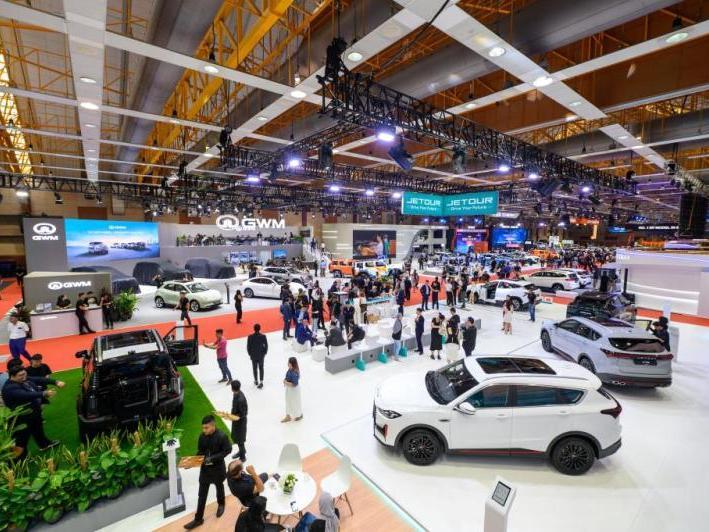
Summarizing the 2025 Malaysia Auto Show, a large number of new cars were launched in Malaysia this year.
MichaelMay 12, 2025
View More
Pros
Cons