
Q
how much will the lexus lbx cost?
 WanderPathOct 09, 2025, 06:07 PM
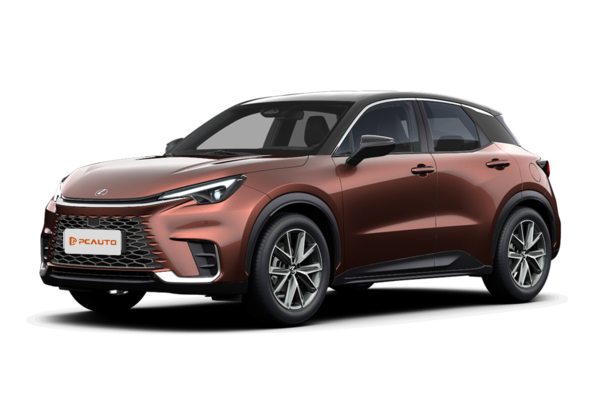
According to current information from the Malaysian market, the Lexus LBX could be priced between RM 250,000 and RM 300,000. Of course, specific prices will vary based on trim levels and optional features, with the actual selling price subject to official confirmation. As a luxury compact SUV, the LBX incorporates Lexus' latest hybrid technology, achieving a good balance between fuel efficiency and dynamic performance – perfect for those who crave a refined driving experience. In Malaysia, Lexus models are typically imported, so it's certain that exchange rates and import duties will affect the final price. If you're interested, it is advisable to keep an eye on Lexus Malaysia's official announcements or visit an authorized dealer for the latest information. Now, the LBX will face competition; it will compete with other entry - level luxury SUVs like the Mercedes - Benz GLA and BMW X1. So, shoppers, take time to consider your needs and budget, and see which one meets all your requirements. And let's not forget, Lexus has established a good reputation in Malaysia for top - notch after - sales service and a premium ownership experience. When calculating the costs, it's worth factoring in long - term running costs and that intangible brand value too.
Special Disclaimer: This content is published by users and does not represent the views or position of PCauto.
Related Q&A
Q
how much is the new lexus lbx
The all-new Lexus LBX starts at around RM250,000 in Malaysia, with the exact price depending on the trim level and optional extras. Slotting in as a luxury compact SUV, it's powered by a 1.5-litre three-cylinder hybrid setup that pushes out a combined 134 horsepower. It's a fuel-sipper too, making it ideal for zipping around the city. As Lexus' entry-level offering, the LBX doesn't skimp on the brand's signature touches – think a nicely crafted interior and that famous Lexus quietness. It also comes loaded with the latest safety tech, including Lexus Safety System+. Malaysian buyers get peace of mind with a 5-year unlimited mileage warranty and complimentary maintenance package. Now, it's up against heavy hitters like the Mercedes GLA and BMW X1, but the LBX aims to stand out with a more accessible price tag and that legendary Lexus reliability. Oh, and here's a kicker – the hybrid powertrain qualifies for tax incentives in Malaysia, giving the LBX an even better value proposition. All in all, it's a solid pick for young buyers who want a luxury badge but don't want to blow the budget.
 PrettyPictureOct 9, 2025
Q
how much is lexus lbx
Lexus has just rolled out its newest compact luxury SUV, the LBX, and if you're in Malaysia, you can expect it to land in showrooms with a price tag hovering between RM250,000 to RM300,000. Of course, that number can shift a bit depending on the trim level and any extra goodies you might want to add, so your best bet is to hit up your local authorized dealer for the latest figures and any ongoing promos they might have.
Under the skin, the LBX sits on the TNGA-B platform and packs a 1.5-liter three-cylinder hybrid powertrain, cranking out a combined 136 horsepower. What really stands out here is its impressive fuel efficiency – perfect for zipping around the city. Even though it's Lexus' entry-level offering, the LBX doesn't skimp on that signature Lexus polish. The interior is crafted with the brand's usual attention to detail, and the cabin stays nice and quiet, just like you'd expect. Plus, it comes standard with the LSS+ smart safety suite, which includes handy features like pre-collision warning and lane-keeping assist.
For Malaysian buyers, the LBX is a solid alternative if you find the UX a bit too big – it's more nimble and easier to maneuver, but still keeps that premium Lexus feel we all know. This launch is a smart move for Lexus, beefing up their local lineup and giving more young drivers a chance to get behind the wheel of a Lexus.
 DancerMoveOct 9, 2025
Q
when will lexus lbx be available
Lexus Malaysia hasn't locked in an official launch date for the LBX in Malaysia just yet. But if we look at how the brand typically rolls out models across Southeast Asia, and considering it's hitting showrooms in Japan and Europe from late 2023 into early 2024, we're probably looking at a mid-2024 or Q3 arrival for this all-new compact luxury SUV in Malaysia.
Slotted in as Lexus' most accessible SUV, the LBX sits on the TNGA-B platform and packs a 1.5-litre three-cylinder hybrid powertrain. It's clearly angled at younger buyers and urban driving, with its sharp interior design and the full suite of Lexus Safety System+ 3.0 active safety tech likely to be the big talking points.
For Malaysian shoppers, the LBX will plug the gap below the UX, fleshing out Lexus' local lineup nicely. Expect pricing to land somewhere between RM200k and RM250k, putting it right in the mix with rival European luxury offerings in that segment. If you're keen, keep an eye on Lexus Malaysia's official social pages or hit up your nearest authorized dealer for updates. And when the time comes, definitely book a test drive to get a feel for that hybrid setup's smoothness and fuel-sipping ways.
 WalkerPathLeisureOct 9, 2025
Q
what is lexus lbx
The Lexus LBX is Toyota's luxury brand's all-new compact SUV, launched in 2023. Slotting below the UX series, it's all about youth appeal and urban driving, making it a perfect fit for Malaysia's city roads. Built on Toyota's TNGA-B platform, it stretches around 4.19 meters in length. Under the hood lies a 1.5-liter three-cylinder hybrid system, churning out a combined 136 horsepower. Fuel efficiency is a big focus here, which aligns perfectly with Malaysian consumers' growing demand for economical rides.
Step inside, and the LBX showcases Lexus' latest interior design language. You'll find a 9.8-inch touchscreen, and if you opt for the higher trims, there's even a premium Mark Levinson sound system. Safety-wise, peace of mind comes standard with the LSS+3.0 suite across the range, packing features like adaptive cruise control and lane-keeping assist.
For Malaysia, the LBX plugs a gap in the luxury small SUV segment. It goes up against established players like the Mercedes GLA and BMW X1, but Lexus is betting big on its proven hybrid tech and lower maintenance costs to draw buyers in. Oh, and that name? LBX stands for "Lexus Breakthrough X-cross," symbolizing the brand's push to break new ground. To cater to younger folks' desire for individuality, two-tone paint options are on offer too. All in all, the LBX is poised to turn heads among urban professionals in Malaysia who value both brand cachet and practicality.
 ReaderNookOct 9, 2025
Q
how much is the lexus lbx
The Lexus LBX starts at around RM250,000 in Malaysia, with prices varying depending on trim levels and optional extras. Positioned as a luxury compact SUV, it packs a 1.5-liter three-cylinder hybrid powertrain that delivers a combined 134 horsepower. It's a solid performer on fuel economy, making it a great fit for city driving. As Lexus' entry-level offering, the LBX doesn't skimp on the brand's signature craftsmanship or tech—think a standard 12.3-inch touchscreen and the LSS+ safety suite, for starters.
In the Malaysian market, the LBX goes head-to-head with the likes of the BMW X1 and Mercedes-Benz GLA. But Lexus has carved out a steady following here, thanks to its unique Japanese luxury vibe and reputation for reliability. A little extra sweetener? Malaysia's still offering some tax breaks on hybrid models, which gives the LBX a nice price edge. For buyers eyeing a luxury badge, it's not just about the sticker price—after-sales service and maintenance costs matter too. Lexus has a pretty solid dealer network in Malaysia, and they back owners with a 5-year unlimited mileage warranty, which is definitely worth noting.
 SkaterRinkGlideOct 9, 2025
Popular Cars
Model Year
Car Compare
Car Photo
Related Models
 Cars
CarsLatest Q&A
Q
Is AMT similar to automatic?
There are significant differences between AMT transmissions and automatic transmissions (AT) in terms of core structure and driving experience. AMT is essentially an electronically automated version of a manual transmission, simulating manual clutch operation and gear shifting through a computerized control system while retaining the gear set structure of manual transmissions. As a result, it offers higher transmission efficiency, with fuel consumption approximately 8%-12% lower than AT, making it particularly suitable for highway or long-distance driving. However, it may exhibit jerking similar to manual transmissions during low-speed gear shifts, especially noticeable in congested traffic conditions.
AT transmissions rely on torque converters for power transfer, delivering smooth and seamless gear shifts that appeal to comfort-oriented users. However, their complex structure (incorporating planetary gear sets, hydraulic systems, etc.) results in higher maintenance costs. A single service may cost between 800 to 1,500 ringgit, whereas AMT only requires gear oil replacement at approximately 400 ringgit.
From a market perspective, AMT is predominantly used in budget vehicles or commercial models priced below 80,000 ringgit, while AT is typically featured in mid-to-high-end vehicles. Consumers should select based on actual needs: AMT suits those prioritizing fuel efficiency and low maintenance costs, while AT better serves those valuing comfort. Notably, recent advancements in AMT electronic control technology have significantly mitigated jerking issues, though test drives should still emphasize low-speed performance evaluation.
 AriaMar 26, 2026
Q
Which is better, DCT or AT?
DCT (Dual-Clutch Transmission) and AT (Automatic Transmission) each have their own advantages and disadvantages, and the choice should be based on personal driving needs. AT transmissions transfer power through a torque converter, offering excellent shift smoothness, making them suitable for urban commuting or novice drivers. However, they tend to have higher fuel consumption, and vehicles equipped with them are usually more expensive. DCT transmissions utilize a dual-clutch structure, featuring fast shift speeds and high power transmission efficiency, which provides a more direct driving experience—particularly suitable for users seeking a sporty feel. However, they may exhibit jerking at low speeds and have relatively high maintenance costs. If durability and comfort are priorities, AT is the more reliable choice; if power responsiveness and driving pleasure are preferred, wet DCT (such as Volkswagen DSG) performs better, though dry DCT models should be avoided in prolonged stop-and-go traffic conditions. Additionally, CVT transmissions excel in smoothness and fuel efficiency, making them ideal for daily commuting, but they lack driving excitement. It is recommended to test-drive before purchasing, as tuning varies significantly across brands, and real-world experience is more important than theoretical specifications.
 FlutteringMar 26, 2026
Q
Is Amt good or bad?
AMT gearboxes have a significant cost advantage in the local market, typically being around 5,000 Ringgit cheaper than models equipped with conventional automatic transmissions. Their fuel efficiency is comparable to manual transmissions, resulting in long-term fuel savings. Featuring a straightforward design, they achieve transmission efficiency exceeding 90% with relatively low maintenance costs, making them ideal for practicality-oriented consumers. However, their shifting logic contains inherent limitations: gear changes between 1st and 2nd cause 0.3-0.5 second power interruptions, while unintended upshifts on inclines may reduce engine speed by 15%-20%, compromising driving smoothness. For urban commuters or budget-conscious buyers, AMT offers excellent value, though those prioritizing premium driving dynamics should consider alternative transmission types. Some domestic models like the Perodua Axia employ enhanced AMT systems, where optimized shift programming has reduced gearshift shock by approximately 30%.
 RainbowsMar 26, 2026
Q
Which gives better mileage, CVT or AMT?
From the perspective of fuel economy, CVT transmissions generally perform better under urban driving conditions. Their continuously variable design allows the engine to consistently operate within the optimal speed range, significantly reducing fuel consumption during frequent starts and stops. Test data shows that their fuel consumption in urban driving conditions is 10% to 15% lower than that of comparable models. AMT transmissions, on the other hand, inherit the high transmission efficiency of manual transmissions, delivering fuel efficiency close to manual transmissions during high-speed cruising. This makes them particularly suitable for long-distance driving in large-displacement vehicles. However, due to power interruption during gear shifts, their overall fuel consumption may be 5% to 8% higher than CVTs.
The difference in fuel-saving characteristics between the two transmissions stems from their technical principles: CVTs achieve continuous variability through steel belts and pulleys, eliminating the fixed gear ratio limitations of traditional transmissions; AMTs simulate manual gear changes via electronic control systems while maintaining the mechanical efficiency of gear transmission. Notably, actual fuel consumption is also influenced by driving habits. Smooth acceleration and anticipatory deceleration can maximize the transmissions' fuel-saving potential. If the vehicle budget permits and urban commuting is the primary use, CVTs offer a more economical choice. For frequent highway driving with an emphasis on cost-effectiveness, AMTs are equally worth considering.
 RubyBlazeMar 26, 2026
Q
Which is cheaper, AMT or CVT?
In terms of gearbox cost, AMT is usually more economical than CVT. Essentially, AMT is a manual transmission equipped with an electronic control unit, featuring a simple structure and low maintenance costs. The unit price ranges from approximately 5,000 to 8,000 ringgit, making it suitable for budget-conscious consumers or those who prioritize long-term operating costs. CVT incurs higher manufacturing costs due to its precision steel belt transmission system and continuous variable transmission technology, with a unit price of about 7,000 to 10,000 ringgit. However, it delivers a smoother driving experience and superior fuel efficiency. The primary differences between the two lie in technical complexity: AMT retains the gear-shifting mechanism, resulting in noticeable shift shock; CVT achieves linear power output through stepless speed variation but requires periodic belt inspection and incurs higher maintenance expenses. For those prioritizing initial cost and basic transportation needs, AMT offers better value; if comfort and long-term fuel economy are priorities, CVT represents a more worthwhile investment. Note that actual prices may vary based on vehicle model, brand, and local supply chain factors.
 ShadowProwlMar 26, 2026
Related News

Lexus global sales increased by 103.3%, with the new car LBX being widely popular
JamesFeb 5, 2025
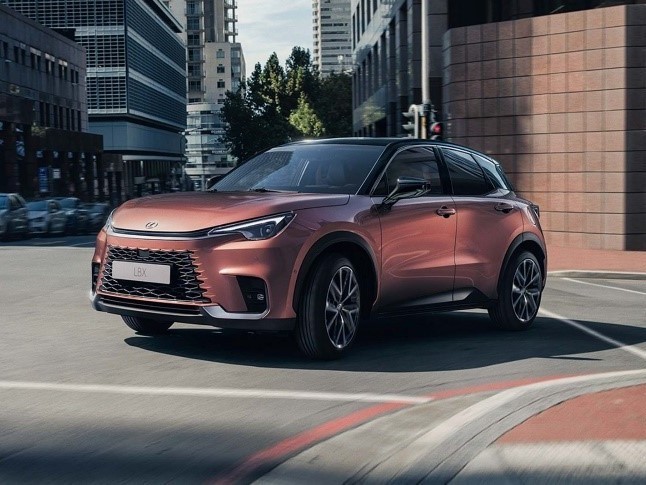
Lexus LBX: CBU import, 1.5L Hybrid, Morizo's racing genes!
Kevin WongSep 24, 2024

The Lexus ES 200: Laughed Out of Existence
MichaelMar 23, 2026

Toyota Crown Sedan and Lexus ES price difference? What are their differences?
WilliamMar 13, 2026

Aerodynamic kit + Optimized V8 engine! Tom's Racing modified Lexus LC is so stunning?
MichaelJan 14, 2026
View More
Pros
Cons