
Q
how to buy a honda civic type r
 YogaGuruMasterSep 24, 2025, 05:07 PM
If you're looking to get your hands on a Honda Civic Type R in Malaysia, you've got two main paths: official authorized dealers or parallel imports. But honestly, I’d strongly recommend going through Honda Malaysia’s official dealer network first. Why? Because that way, you’re guaranteed the car meets local specs and you’ll get that all-important factory warranty – peace of mind is key with a performance machine like this.
First step: hop on Honda Malaysia’s website or give your nearest dealer a ring to check on Type R stock availability and pricing. These bad boys usually come in as fully imported (CBU) units, so keep an eye out for the latest FL5 generation – that’s the one you want. When you’re ready to pull the trigger, make sure you’ve got your ID, driver’s license, proof of income, and other necessary docs handy. You’ll also need to decide if you’re paying cash or financing – most dealers can help with loan options. Oh, and don’t forget to ask if you can snag a test drive first – you’ve gotta experience that VTEC kick in person!
Speaking of which, let’s talk about what makes the Civic Type R such a beast. Under the hood, you’ve got a 2.0-liter VTEC turbocharged engine cranking out a healthy 320 horsepower and 420 Nm of torque, mated to a slick 6-speed manual gearbox – proper driver’s car stuff. The suspension’s been track-tuned, and there’s an active damping system, so it’s setup for folks who live for tight corners and spirited drives. Just a heads-up though – that sporty chassis can feel a bit firm over some of Malaysia’s rougher road surfaces, so keep that in mind if you’re daily driving it.
Another thing to factor in: insurance and road tax for the Type R will definitely be steeper than your average Civic. It’s worth shopping around and getting quotes from a few insurance companies beforehand to avoid sticker shock.
Now, if you’re considering a parallel import, proceed with caution. Make *absolutely sure* the vehicle has a legitimate origin and that there’s local after-sales support available. But at the end of the day, the official channel is still the way to go for most buyers – you’re safer with the factory warranty and knowing the car’s been homologated for Malaysia. Trust me, when it comes to a high-performance car like this, that long-term peace of mind is priceless.
Special Disclaimer: This content is published by users and does not represent the views or position of PCauto.
Related Q&A
Q
How much does it cost to replace a timing belt on a 2018 Honda Civic?
The cost to replace the timing belt on a 2018 Honda Civic typically ranges from RM800 to RM1500. The exact price depends on the type of repair shop, whether original or aftermarket parts are used, and if components like the water pump are replaced at the same time. A genuine belt kit plus a water pump can push the total cost close to RM2000. As a critical engine component, the timing belt should be replaced every 60,000 to 100,000 kilometers or around 5 years. A broken belt can cause catastrophic damage from valve-piston collisions. Beyond the belt itself, professional technicians usually recommend replacing the tensioner and idler pulleys together for system stability. Note that some models use a timing chain design which doesn’t require regular replacement. When choosing a repair shop, verify they use legitimate parts and have Honda-specific experience—improper installation shortens belt life. Regularly checking for cracks or wear on the belt also helps prevent sudden failures.
 FoxNov 19, 2025
Q
Is the 2018 Civic a safe car?
The 2018 Honda Civic shines when it comes to safety, packing in a solid lineup of active and passive safety tech. You've got your standard stuff like Vehicle Stability Control, Anti-lock Braking System, multiple airbags, and a rigid body structure—all working together to keep occupants protected when crash tests put it to the test. Step up to the higher trims, and you'll get Honda SENSING, which adds some pretty advanced features: adaptive cruise control, lane keeping assist, and collision mitigation braking, just to name a few. These definitely give peace of mind on the road. Behind the wheel, the Civic feels steady and the brakes are reliable too, making it a solid choice for everyday driving. If you're looking to dig deeper into car safety, checking out crash test ratings is a good move—think ASEAN NCAP or Global NCAP scores. They give you a better overall picture of how a car holds up. And don't forget, regular maintenance—keeping an eye on tires, brakes, and other key parts—is just as crucial for staying safe out there.
 BearNov 19, 2025
Q
How is the 2018 Civic's ride quality?
The 2018 Civic delivers well-balanced ride comfort in its class. The suspension tuning leans sporty but still works for daily use – the front MacPherson strut and rear multi-link setup does a solid job filtering out small road vibrations. That said, rear passengers will feel noticeable jolts when going over speed bumps or rough roads, which ties back to its stiffer spring rates.
On the NVH front, tire noise gets a bit pronounced at highway speeds, but engine insulation is nicely done. The 1.5T turbo engine stays at low revs during cruising, keeping things calm. The seats have just the right amount of padding – supportive enough for long drives without feeling too firm. Steering feel is sharp with good road feedback, not overly sensitive.
Notably, this generation Civic has 25% stiffer body rigidity than the previous model, resulting in more stable cornering posture. This design boosts handling while also indirectly improving ride stability during quick lane changes. If comfort is a higher priority, go for the factory 17-inch wheel option – it offers better shock absorption compared to the 18-inch version. And don’t forget to regularly check tire pressure and suspension bushing condition; both have a big impact on overall ride quality.
 JopNov 19, 2025
Q
Is a used 2018 Civic a smart buy now?
The 2018 Honda Civic is a solid value pick as a used car right now. It strikes a good balance between power, space, and fuel economy. The 1.5T turbo engine delivers plenty of pep while keeping gas mileage reasonable, making it good for both daily commutes and longer drives. The interior is roomy, especially the rear legroom which beats out many competitors, and the trunk space is enough for family use too.
In terms of reliability, it has a pretty low failure rate, routine maintenance costs are reasonable, and parts are easy to come by at decent prices. But keep an eye out for the oil dilution issue that some early batches had—definitely check the service records or get a professional inspection.
Used prices have stabilized now, offering a nice discount compared to buying new, but when you buy, pay attention to mileage, accident history, and maintenance upkeep. I’d recommend looking for a car still under the original factory warranty or consider purchasing an extended warranty.
The Civic has a big local presence, so it’s relatively easy to resell when you’re ready, and its resale value is above average for the class. You could also check out the same-year Toyota Corolla or Mazda3, but the Civic has the edge when it comes to driving fun and interior space, making it a great fit for buyers who want practicality with a bit of driving enjoyment.
 EepNov 19, 2025
Q
What should I pay for a 2018 Honda Civic?
The used car prices for the 2018 Honda Civic typically range from RM60,000 to RM90,000, depending on factors like vehicle condition, mileage, trim level, and maintenance records. The 1.8L S trim is relatively more affordable, while the top-spec 1.5L Turbo RS is closer to the upper end of that range. It's advisable to check specific quotes through used car platforms or dealerships before buying, and also pay attention to inspecting for accident history or regular maintenance certificates. As a popular model, the Civic holds its value well and has a solid reliability record, especially the 1.5T turbo engine which strikes a good balance between power and fuel efficiency, making it suitable for daily driving. If you're on a tighter budget, you could consider competitors of similar age, but be sure to compare configurations and after-sales support. Additionally, if financing the purchase, it's recommended to compare interest rate plans from different banks to reduce long-term ownership costs.
 LeafNov 19, 2025
Q
What is the AC problem in the Honda Civic 2018?
The 2018 Honda Civic has air conditioning issues mainly centered around inconsistent cooling performance or reduced airflow, which are usually related to condenser leaks, low refrigerant levels, or compressor failures. Some owners have reported that the AC efficiency drops significantly in hot weather. If you encounter such problems, it's advisable to first check the refrigerant pressure and inspect the condenser for damage. Regularly replacing the cabin air filter in daily use can effectively maintain air circulation efficiency, while avoiding prolonged use of the recirculation mode to prevent overloading the system. It's important to note that the AC system performance of all vehicles will naturally degrade over time, so regular maintenance is key—like checking the refrigerant condition every two years and cleaning dust and debris from the condenser fins to improve heat dissipation. If you experience intermittent cooling failures, it might be due to a clogged expansion valve or poor electrical connections, which require diagnosis by a professional technician using pressure gauges. Additionally, using a sunshade when parking in summer to reduce interior heat buildup can significantly lower the load on the AC when starting up.
 HelperHandSupportNov 19, 2025
Q
What engine is in a 2018 Civic?
The 2018 Honda Civic offers a range of engine options depending on the market. The most common is the 1.5-liter turbocharged four-cylinder (code-named L15B7), which features VTEC technology. It puts out around 174 horsepower and 220 Nm of peak torque, mated to either a CVT or a 6-speed manual transmission. It delivers a balanced performance with excellent fuel economy, making it perfect for daily driving. Additionally, some regions get a 2.0-liter naturally aspirated four-cylinder (code-named K20C2) with 158 horsepower and 187 Nm of torque. While it's a bit less powerful than the turbo version, it's simpler in structure and has lower maintenance costs. It's worth noting that the 2018 Civic Type R comes with a high-performance 2.0-liter turbo engine (code-named K20C1), though that's a special edition model. For most buyers, the 1.5T engine is the more mainstream pick. It provides plenty of torque at low revs, and Honda's Earth Dreams technology ensures good fuel efficiency, traits that help it stand out in its class.
 BenNov 19, 2025
Q
How many miles can a 2018 Civic last?
The 2018 Honda Civic can typically last between 200,000 to 300,000 miles (about 320,000 to 480,000 kilometers) with regular maintenance and proper use. Its actual lifespan depends on factors like driving habits, maintenance frequency, and road conditions. The car's 1.5T turbocharged engine or 2.0L naturally aspirated engine are known for reliability, paired with either a CVT transmission or 6-speed manual, making the powertrain quite durable. Regularly changing key fluids like engine oil, transmission fluid, and brake fluid, along with timely inspections of tires, brake pads, and suspension components, can significantly extend the vehicle's life. It's worth noting that the Civic holds its value well and performs strong in the used car market, which is another indicator of its long-term dependability. If you frequently drive in congested cities or use it for short trips, consider shortening maintenance intervals to reduce carbon buildup and mechanical wear. Additionally, the hot and humid climate in Southeast Asia can affect rubber parts and electronic components, so regular checks on these items can help prevent potential issues. Overall, with proper care, this car is more than capable of accompanying you for over 10 years or even longer.
 RexNov 19, 2025
Q
What is the gas mileage on a 2018 Honda Civic?
The fuel efficiency of the 2018 Honda Civic varies depending on the powertrain configuration. The version equipped with a 1.8-liter naturally aspirated engine has a combined fuel consumption of approximately 6.5 liters per 100 kilometers, while the 1.5-liter turbocharged model is more efficient, with a combined fuel consumption of around 5.8 liters per 100 kilometers. Actual fuel consumption may vary slightly based on driving habits, road conditions, and maintenance status. Thanks to the optimized pairing of the Earth Dreams technology engine and CVT transmission, this car strikes a good balance between fuel economy and power response, making it suitable for daily commuting and long-distance driving. To further improve fuel efficiency, it is recommended to regularly maintain the air filter and tires, avoid sudden acceleration or speeding, and keep an eye on whether tire pressure is at the recommended level. Among models in its class, the Civic's fuel efficiency is above average, balancing practicality and economy, making it a solid choice for consumers who value vehicle operating costs.
 CiaNov 19, 2025
Q
What is the trade-in value of a 2018 Honda Civic?
The used car valuation for a 2018 Honda Civic typically ranges from RM70,000 to RM90,000, with the exact price depending on factors like vehicle condition, mileage, trim level, and service history. The 1.8L S trim, being the base model, usually sits at the lower end, while the top-spec 1.5L Turbo RS can get close to the upper limit. There are a few key points to consider when valuing a used Civic. First is mileage – ideally around 15,000 km per year; anything over 20,000 km annually might impact the price. Second is service records – a complete dealer service history can boost residual value by about 5% to 8%. On the flip side, accident-damaged or flood-affected cars will take a huge hit, depreciating by 30% to 50%. It’s a good idea to get a free appraisal from an authorized Honda dealer before selling and also compare quotes from multiple used car dealers. With the recent increase in used car supply, there might be more room for negotiation. If you’re thinking about trading it in for a new car, some dealers offer trade-in bonuses that could be better than selling directly, but make sure to check if the new car discount and old car valuation balance out. Understanding these factors will help you get a fairer price in the transaction, and it’s also recommended to get a vehicle inspection report from a third-party service to build buyer confidence.
 WalkerPathLeisureNov 19, 2025
Popular Cars
Model Year
Car Compare
Car Photo
Related Models
 Cars
CarsLatest Q&A
Q
Is AMT similar to automatic?
There are significant differences between AMT transmissions and automatic transmissions (AT) in terms of core structure and driving experience. AMT is essentially an electronically automated version of a manual transmission, simulating manual clutch operation and gear shifting through a computerized control system while retaining the gear set structure of manual transmissions. As a result, it offers higher transmission efficiency, with fuel consumption approximately 8%-12% lower than AT, making it particularly suitable for highway or long-distance driving. However, it may exhibit jerking similar to manual transmissions during low-speed gear shifts, especially noticeable in congested traffic conditions.
AT transmissions rely on torque converters for power transfer, delivering smooth and seamless gear shifts that appeal to comfort-oriented users. However, their complex structure (incorporating planetary gear sets, hydraulic systems, etc.) results in higher maintenance costs. A single service may cost between 800 to 1,500 ringgit, whereas AMT only requires gear oil replacement at approximately 400 ringgit.
From a market perspective, AMT is predominantly used in budget vehicles or commercial models priced below 80,000 ringgit, while AT is typically featured in mid-to-high-end vehicles. Consumers should select based on actual needs: AMT suits those prioritizing fuel efficiency and low maintenance costs, while AT better serves those valuing comfort. Notably, recent advancements in AMT electronic control technology have significantly mitigated jerking issues, though test drives should still emphasize low-speed performance evaluation.
 AriaMar 26, 2026
Q
Which is better, DCT or AT?
DCT (Dual-Clutch Transmission) and AT (Automatic Transmission) each have their own advantages and disadvantages, and the choice should be based on personal driving needs. AT transmissions transfer power through a torque converter, offering excellent shift smoothness, making them suitable for urban commuting or novice drivers. However, they tend to have higher fuel consumption, and vehicles equipped with them are usually more expensive. DCT transmissions utilize a dual-clutch structure, featuring fast shift speeds and high power transmission efficiency, which provides a more direct driving experience—particularly suitable for users seeking a sporty feel. However, they may exhibit jerking at low speeds and have relatively high maintenance costs. If durability and comfort are priorities, AT is the more reliable choice; if power responsiveness and driving pleasure are preferred, wet DCT (such as Volkswagen DSG) performs better, though dry DCT models should be avoided in prolonged stop-and-go traffic conditions. Additionally, CVT transmissions excel in smoothness and fuel efficiency, making them ideal for daily commuting, but they lack driving excitement. It is recommended to test-drive before purchasing, as tuning varies significantly across brands, and real-world experience is more important than theoretical specifications.
FlutteringMar 26, 2026Q
Is Amt good or bad?
AMT gearboxes have a significant cost advantage in the local market, typically being around 5,000 Ringgit cheaper than models equipped with conventional automatic transmissions. Their fuel efficiency is comparable to manual transmissions, resulting in long-term fuel savings. Featuring a straightforward design, they achieve transmission efficiency exceeding 90% with relatively low maintenance costs, making them ideal for practicality-oriented consumers. However, their shifting logic contains inherent limitations: gear changes between 1st and 2nd cause 0.3-0.5 second power interruptions, while unintended upshifts on inclines may reduce engine speed by 15%-20%, compromising driving smoothness. For urban commuters or budget-conscious buyers, AMT offers excellent value, though those prioritizing premium driving dynamics should consider alternative transmission types. Some domestic models like the Perodua Axia employ enhanced AMT systems, where optimized shift programming has reduced gearshift shock by approximately 30%.
 RainbowsMar 26, 2026
Q
Which gives better mileage, CVT or AMT?
From the perspective of fuel economy, CVT transmissions generally perform better under urban driving conditions. Their continuously variable design allows the engine to consistently operate within the optimal speed range, significantly reducing fuel consumption during frequent starts and stops. Test data shows that their fuel consumption in urban driving conditions is 10% to 15% lower than that of comparable models. AMT transmissions, on the other hand, inherit the high transmission efficiency of manual transmissions, delivering fuel efficiency close to manual transmissions during high-speed cruising. This makes them particularly suitable for long-distance driving in large-displacement vehicles. However, due to power interruption during gear shifts, their overall fuel consumption may be 5% to 8% higher than CVTs.
The difference in fuel-saving characteristics between the two transmissions stems from their technical principles: CVTs achieve continuous variability through steel belts and pulleys, eliminating the fixed gear ratio limitations of traditional transmissions; AMTs simulate manual gear changes via electronic control systems while maintaining the mechanical efficiency of gear transmission. Notably, actual fuel consumption is also influenced by driving habits. Smooth acceleration and anticipatory deceleration can maximize the transmissions' fuel-saving potential. If the vehicle budget permits and urban commuting is the primary use, CVTs offer a more economical choice. For frequent highway driving with an emphasis on cost-effectiveness, AMTs are equally worth considering.
 RubyBlazeMar 26, 2026
Q
Which is cheaper, AMT or CVT?
In terms of gearbox cost, AMT is usually more economical than CVT. Essentially, AMT is a manual transmission equipped with an electronic control unit, featuring a simple structure and low maintenance costs. The unit price ranges from approximately 5,000 to 8,000 ringgit, making it suitable for budget-conscious consumers or those who prioritize long-term operating costs. CVT incurs higher manufacturing costs due to its precision steel belt transmission system and continuous variable transmission technology, with a unit price of about 7,000 to 10,000 ringgit. However, it delivers a smoother driving experience and superior fuel efficiency. The primary differences between the two lie in technical complexity: AMT retains the gear-shifting mechanism, resulting in noticeable shift shock; CVT achieves linear power output through stepless speed variation but requires periodic belt inspection and incurs higher maintenance expenses. For those prioritizing initial cost and basic transportation needs, AMT offers better value; if comfort and long-term fuel economy are priorities, CVT represents a more worthwhile investment. Note that actual prices may vary based on vehicle model, brand, and local supply chain factors.
 ShadowProwlMar 26, 2026
Related News

Civic e:HEV is equipped with S+Shift technology, making it enjoyable to drive even in hybrid mode.
MichaelJan 16, 2026
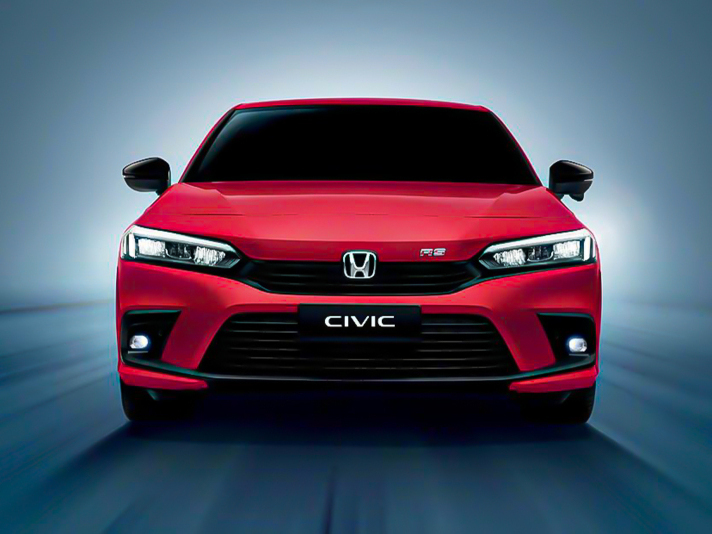
Honda Civic Interior Revealed: A Comprehensive Analysis of Civic’s Interior Charm
Kevin WongJul 10, 2025

Success! Honda Type R Rocket Test Paves Way for 2029 Space Mission
Kevin WongJun 24, 2025
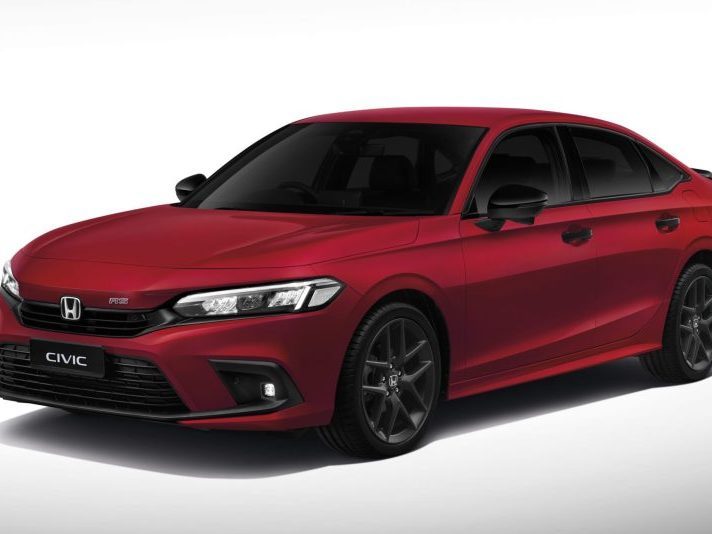
Honda Civic Price Revealed: The Most Detailed Buying Guide!
AshleyApr 8, 2025
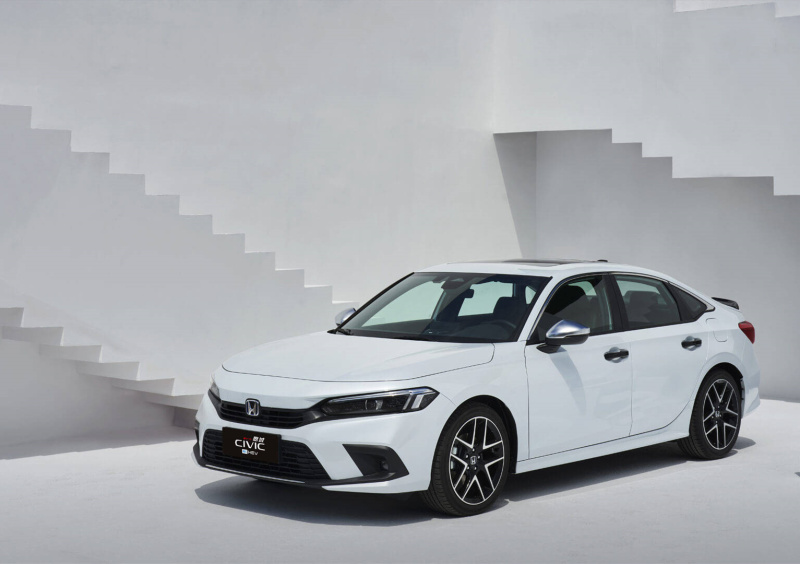
Whether it's about appearance or handling, why do young people all like Honda Civic?
WilliamSep 24, 2024
View More
Pros
Cons