
Success! Honda Type R Rocket Test Paves Way for 2029 Space Mission
 Kevin WongJun 24, 2025, 12:00 PM
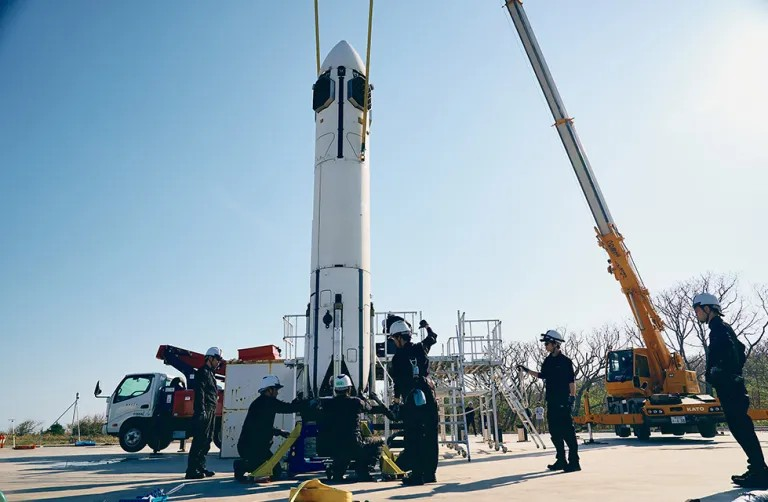
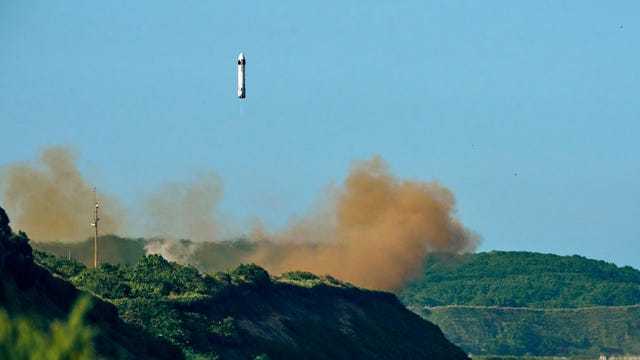
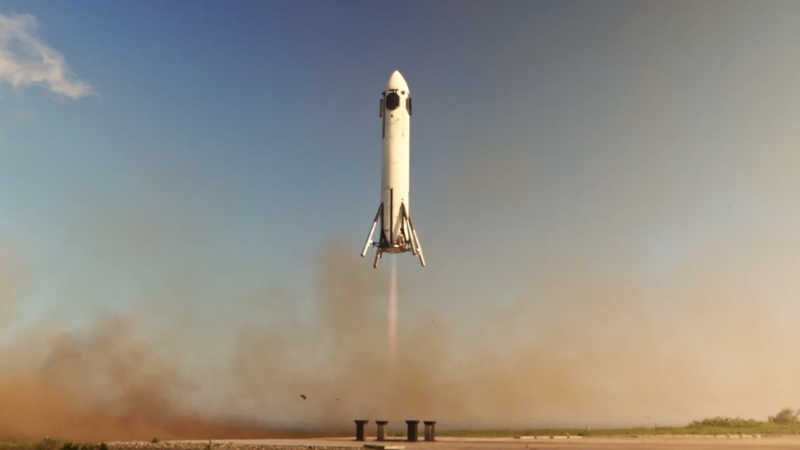
【PCauto】Recently, the prototype rocket "Type R Rocket" developed by Honda successfully passed its launch test, marking Honda’s official entry into the aerospace sector. The rocket ascended to an altitude of 300 meters, after a one-minute flight, landed precisely within the target area with a deviation of just 37 centimeters.
This test rocket, with 85-centimeter-diameter, features a reusable design, weighing 900 kilograms with a total fueled weight of 1,312 kilograms. The test primarily validated core technologies of vertical takeoff and landing, including aerodynamic stability during ascent and attitude control during descent. Honda's engineering team applied automobile engine combustion control technology to the rocket propulsion system to the rocket propulsion system, while also drawing on the development expertise of electronic stability programs in models such as the Accord and Civic.
The Rocket Project's Legendary Origins
Three years ago, a proposal titled "Adapting Automotive Technology for Aerospace Applications" submitted by about 30 young Honda engineers unexpectedly gained support from management. These engineers, who had previously worked on the NSX supercar or CR-V electronic control systems, successfully applied their precise mechanical control expertise to rocket thrust vectoring adjustment. The 37-centimeter landing precision achieved in the test is close to the early test data of SpaceX's Falcon rockets.
Honda R&D has confirmed that this is a basic test, with the goal of achieving suborbital launch capability to a height of 100 kilometers by 2029. At the current stage, Honda mainly focuses on verifying the feasibility of the technology and has not yet outlined a commercialization timeline. However, it plans to leverage breakthroughs in sensor technology from the rocket R&D process to enhance its automotive business, potentially benefiting environmental monitoring systems equipped by future CR-V and HR-V models.
The Cost of Single Rocket Test Equals 200 Civics
Experts in aerospace industry have noted that Honda's strategy of entering the market with micro-rockets differs from the typical crossover approaches of traditional automakers. According to test data, it’s estimated that each rocket test costs approximately 200 million JPY, equivalent to the production cost of 200 Civic sedans. This high-investment model is considered entry-level in the aerospace field, but it poses completely new challenges to the Honda’s R&D system.
The naming of "Type R Rocket" continues Honda's tradition of high-performance product line though engineers emphasize this is just an internal codename. Subsequent development will focus on validating methane-fueled engine technology, with its combustion chamber design drawing on the direct injection expertise of next-generation Civic Type R. The leader conducting Hokkaido test revealed the next trial will attempt a 1-kilometer flight altitude, primarily to verify multi-engine parallel control technology.
There Is a Long Way for Honda to Enter Space Industry
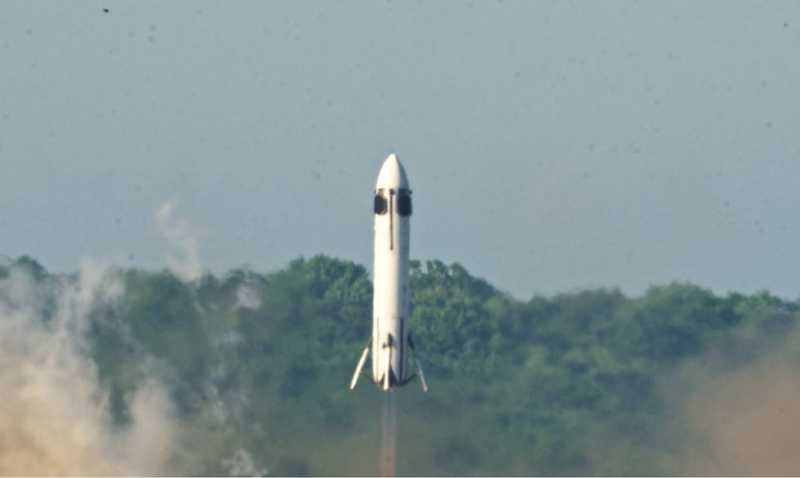
As Toyota advances the development of lunar rover and Hyundai Group invests in flying cars, Honda's rocket test represents the latest example of automotive technology being applied to other fields. However, transitioning from a 300-meter altitude test to achieving orbital launch capability still requires Honda to overcome critical technical challenges in propulsion efficiency and thermal protection systems. Honda's aerospace division has clearly stated that the current focus remains on technological validation, and there is a long way to achieve commercial space services.
If any infringement occurs, please contact us for deletion










Popular Cars
Model Year
Car Compare
Car Photo