
Civic e:HEV is equipped with S+Shift technology, making it enjoyable to drive even in hybrid mode.
 MichaelJan 16, 2026, 03:36 PM
Civic e:HEV will be equipped with S+Shift technology
Hybrid cars can also offer the driving fun of gear shifting
Efficiency and driving sensation no longer a trade-off
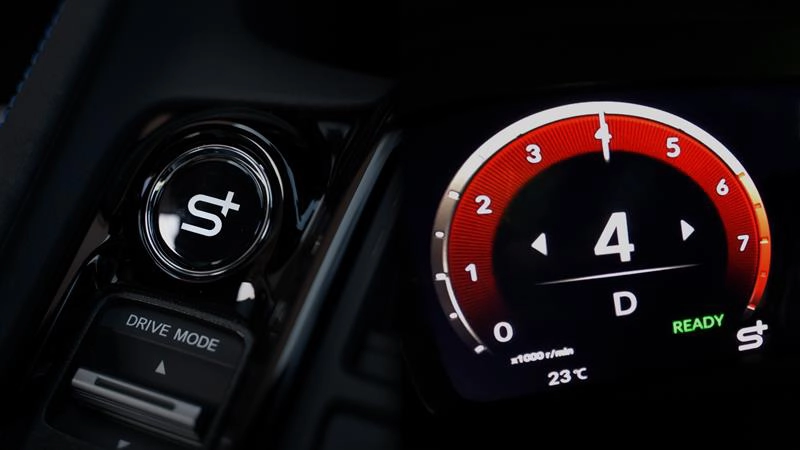
【PCauto】Many people feel this way when driving hybrid vehicles: the power delivery is smooth, but there’s something missing. When stepping on the accelerator, the engine and motor work together without the feedback of traditional gearbox gear changes, making it feel like there’s less interactivity while driving.
Honda's new S+Shift technology aims to address this issue and will soon be available on the Civic e:HEV, allowing household hybrid vehicles to deliver a sporty driving experience.
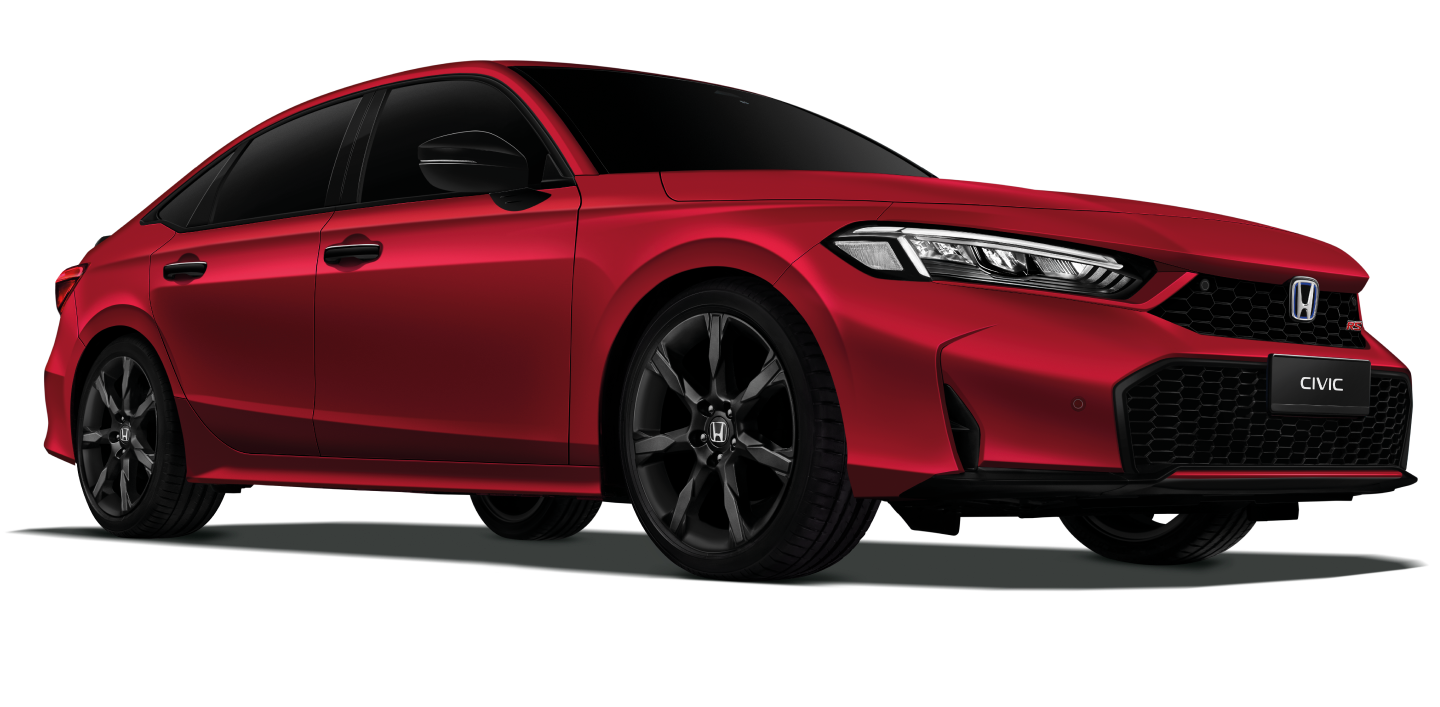
Actually, the core of this technology is very simple; it's just adding a set of virtual gear shifting logic to the hybrid system. Unlike traditional hybrids that output power smoothly all the time, it simulates the driving experience of a traditional multi-gear transmission.
Not only can you feel the distinct gear changes during acceleration, but you can also get corresponding feedback during deceleration. It feels like driving a fuel car with a manual mode, yet it retains the fuel efficiency advantages of a hybrid.
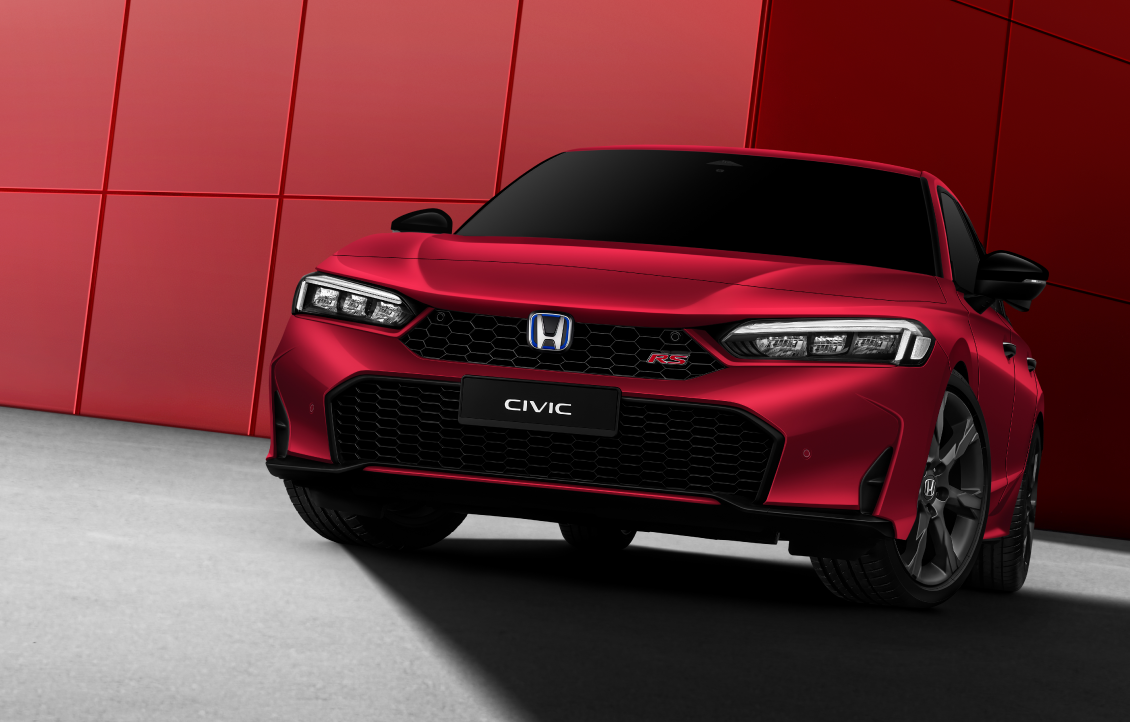
What does it feel like to drive? For instance, when you press the accelerator pedal hard to gain speed, the system allows the engine speed to rise in steps, not continuously, but to a certain point where you experience a shifting sensation resembling an upshift, providing feedback that excites the driver.
And when you release the accelerator to decelerate, it simulates the feeling of downshifting, and you might even hear a sound resembling the rev-matching of a fuel car. This adds rhythm to the entire driving process.
It's even more engaging during cornering, as the system anticipates downshifting based on your steering angle, speed, and road gradient. When you get out of the corner and hit the accelerator, the power is instantly available without waiting for the engine speed to climb.
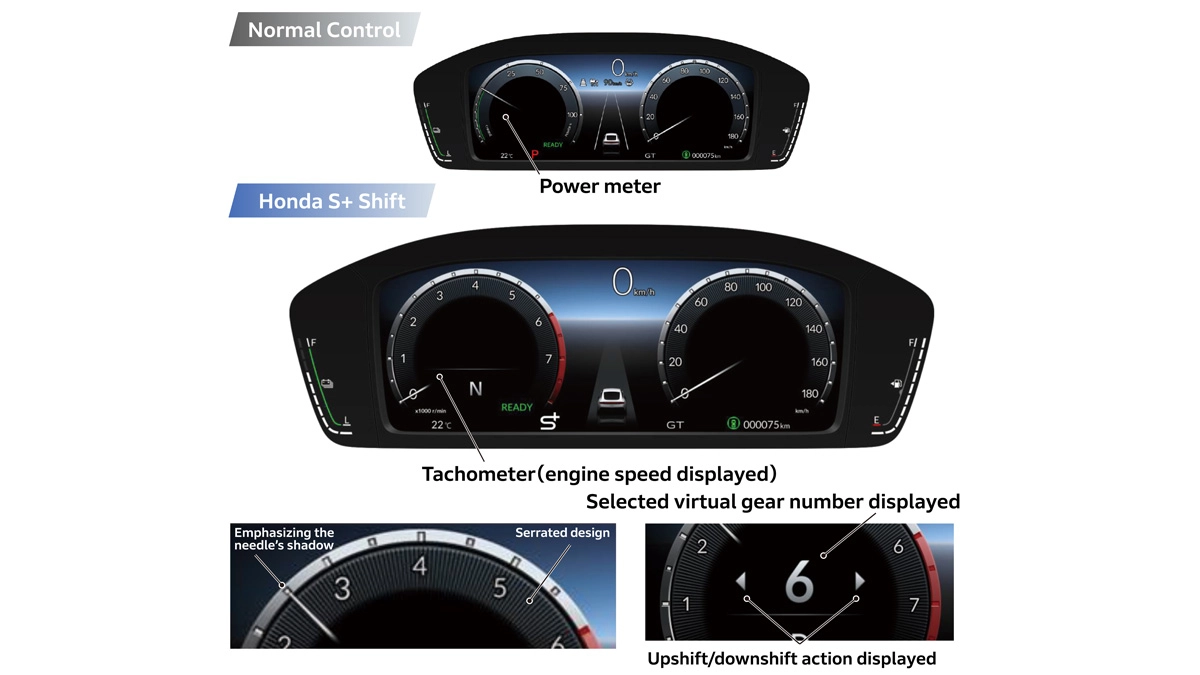
After discussing so many fun aspects, the S+Shift technology has two more key highlights:
- First, the virtual gears can reach up to eight, which is about the same number as many luxury sports cars. Moreover, the transmission ratio of the highest gear is close to that when the engine directly drives the wheels. The transition between the hybrid mode and the engine direct-drive mode is hardly noticeable.
- Second, the paddle shifters on the Civic e:HEV have a dual function. When the S+Shift feature is turned off, the paddles are used to adjust the energy recovery strength. When turned on, they become gear shifters, allowing you to switch gears without lifting your hands, imitating the operational feel of driving a performance car.

It’s worth mentioning that this technology behaves differently under various driving modes. In Sport mode, the gear shifting rhythm becomes more aggressive, and the engine sound is more prominent, making the driving experience more exciting.
In Comfort mode, the gear shifts become smoother, and engine speed is lowered, balancing fuel efficiency and quietness. Even on long trips, you won’t feel tired.
Moreover, this system works in tandem with the in-car sound control system, amplifying the engine's refined tone starting from low RPMs, providing a crisp rev-matching sound during downshifts. At high RPMs, the sound becomes even more resonant, not the kind of fake noise, but a tuned sound that stimulates driving enthusiasm.
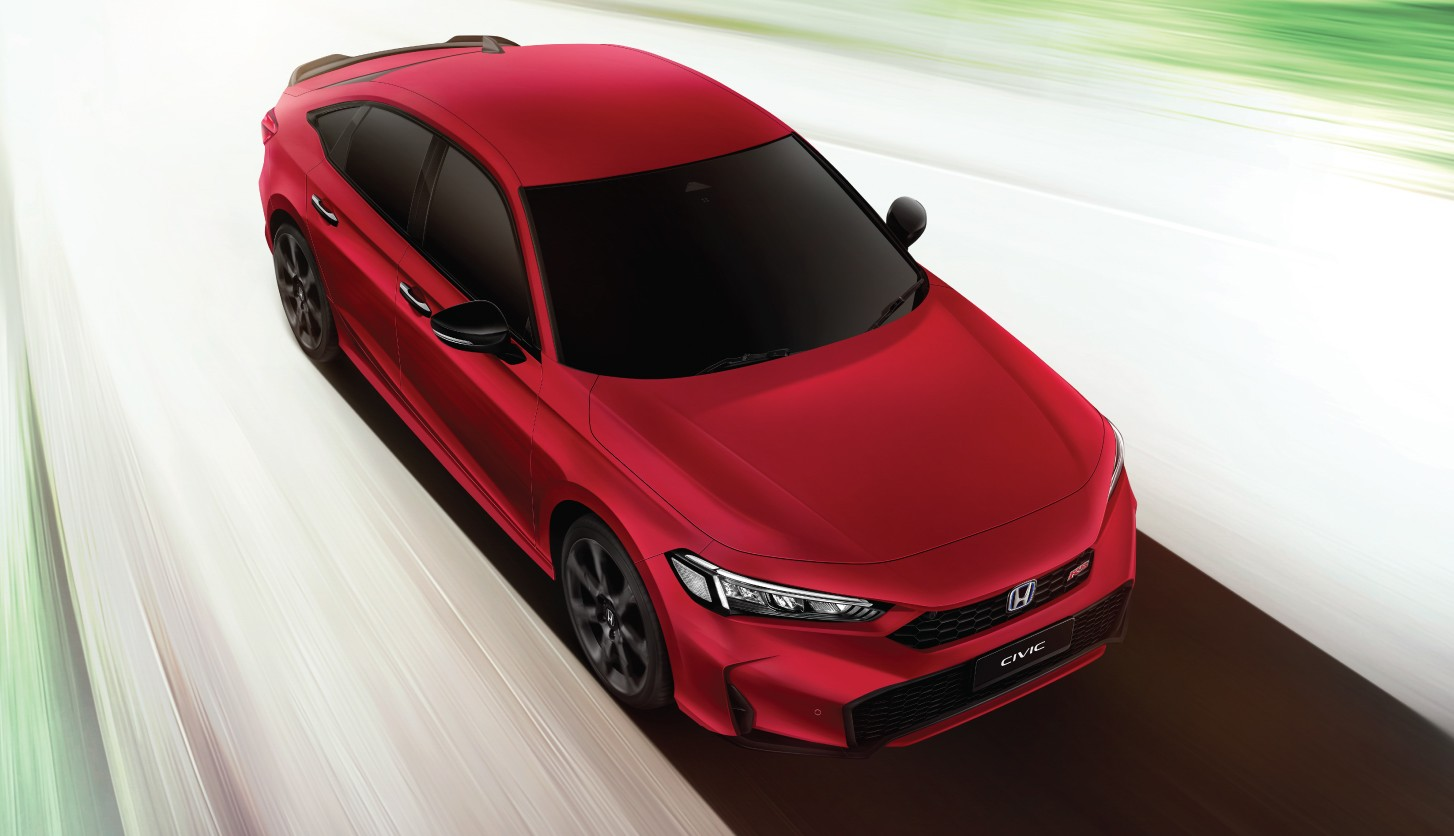
Why does Honda go to great lengths to create this sense of driving interaction?
Now, back to the question, why does Honda put so much effort into developing this technology?
Many car companies promoting electrification nowadays focus on range and intelligence, either pursuing extreme smoothness or piling on screens and auxiliary features. However, there are still many consumers who don’t just need a fuel-efficient means of transport; they also miss the interactive feel of traditional fuel cars, enjoying the feedback from gear shifts and the responsiveness between engine sound and throttle operation.
This demand for the joy of driving itself has been overlooked by many brands, but Honda precisely captures this point.
 However, this technology isn't something Honda came up with suddenly. Years ago, Honda introduced Linear Shift Control, and later added direct drive technology to the Civic Hybrid, optimizing the hybrid driving experience step by step.
The current S+Shift integrates and upgrades these technologies, adding predictive driving state functions, such as pre-downshifting and maintaining gear while cornering. Behind this is Honda’s years of research on driving behavior, as well as its steadfast people-centric design philosophy. Even in the transition toward electrification, it has not abandoned the pursuit of driving pleasure.

What practical benefits does the S+Shift technology bring to ordinary consumers?
For ordinary consumers, what is the significance of this technology? First of all, buyers of hybrid vehicles no longer need to choose between fuel efficiency and driving pleasure. For family cars like the Civic e:HEV, it can save fuel during daily drives, and when you want to experience some excitement, activating S+Shift offers a handling experience close to that of a performance car.
Secondly, this technology is not only applied to high-end sports cars but has been extended to mainstream family models, allowing more people to experience it. You don’t need to spend a lot of money to buy a sports car to enjoy the fun of gear shifting.
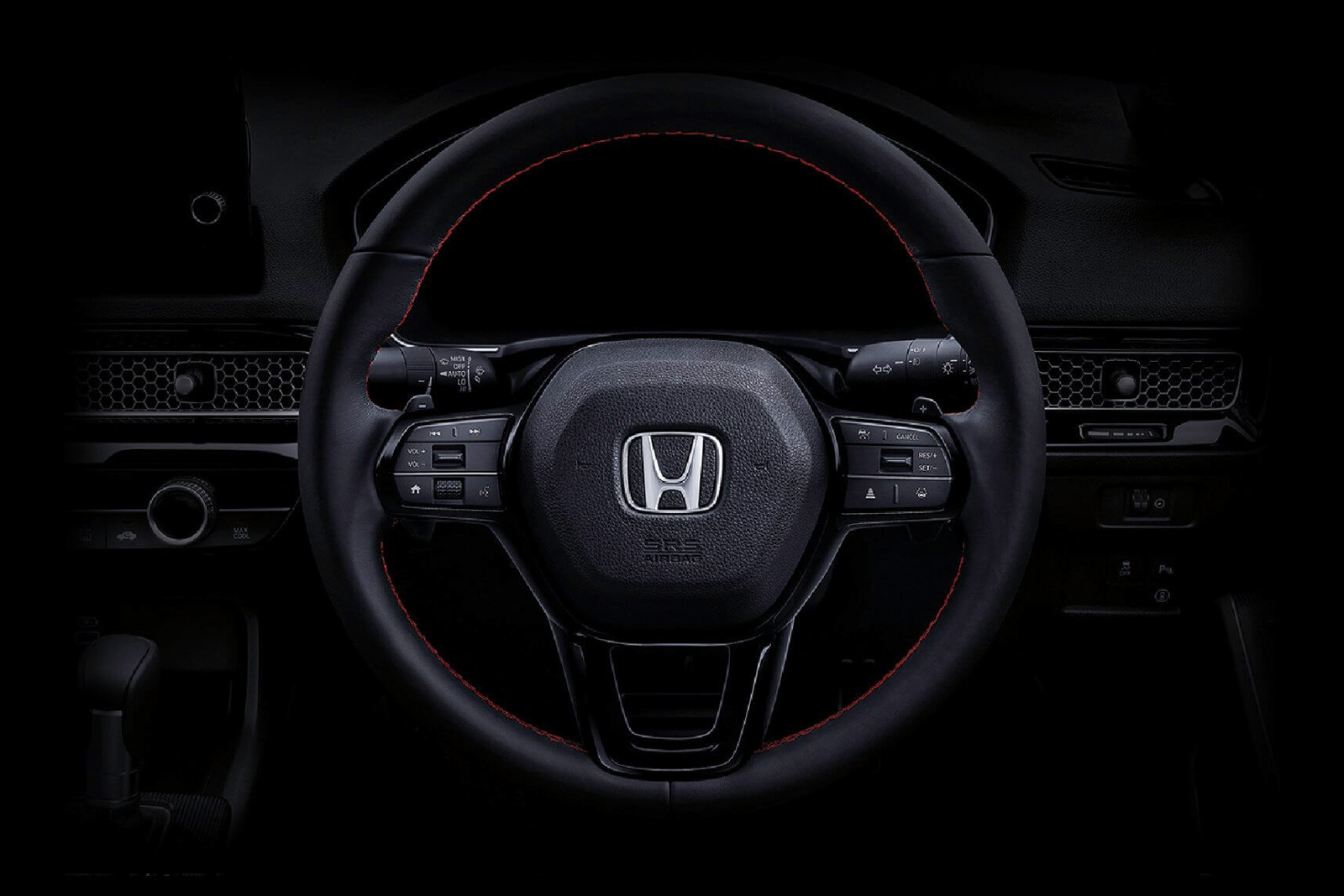
Honda is leveraging S+Shift technology to build a differentiated competitive advantage
Amid the trend of electrification, many vehicles are increasingly leaning towards similar driving experiences—smooth, quiet, but lacking character.
Honda's S+Shift takes a different approach. It does not negate the efficiency of electrification; instead, it regains the emotional connection to driving on this efficient foundation. This approach of not following the tide and adhering to its own car-making philosophy could become Honda’s unique advantage.
After all, for many people, a car is not just a means of transportation but also a partner that brings joy and interaction.
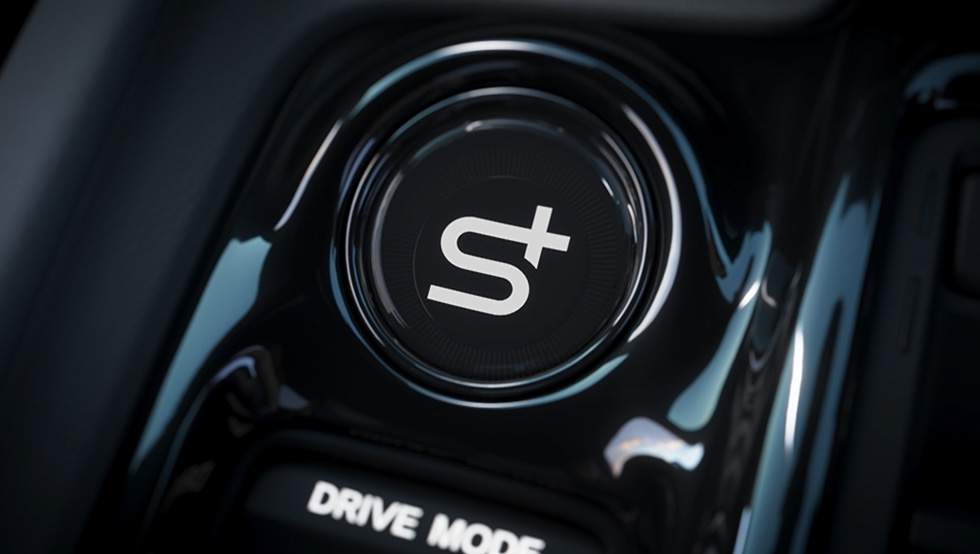
In the future, as this technology becomes more widespread, more car manufacturers might focus on the driving pleasure of hybrid models.
For consumers, when choosing a hybrid vehicle, apart from fuel consumption and range, the driving experience will also become an important consideration.
If any infringement occurs, please contact us for deletion










Popular Cars
Model Year
Car Compare
Car Photo