
Q
how to connect bluetooth to perodua myvi
 FunnyJokeLaughterSep 24, 2025, 10:26 AM
Powering the Perodua Ativa is a 1.0-liter three-cylinder turbocharged engine, displacing exactly 998cc – firmly in the small-displacement turbo camp. This little mill doesn't just punch above its weight with decent power; it also keeps fuel costs in check, making it a perfect fit for Malaysia's urban jungle. As Perodua's first turbocharged model, the Ativa rides on the DNGA platform, which brings lightweight construction and high rigidity to the table. It also comes loaded with advanced active safety features like ASA 3.0, giving drivers that extra peace of mind on the road.
For Malaysian buyers, small-displacement turbo engines mean more than just lively performance – they translate to lower road tax bills and less pain at the pump when fuel prices swing. The Ativa's compact SUV body style also hits the sweet spot for local families, offering the space and practicality they need without feeling bulky. Plus, turbo tech's become pretty much the norm these days because it delivers strong low-end torque, making every drive feel smoother and more responsive. It's no wonder the Ativa's been turning heads in the Malaysian market.
Special Disclaimer: This content is published by users and does not represent the views or position of PCauto.
Related Q&A
Q
What mileage for MYVI spark plugs?
According to Perodua's official recommendation, the mileage for replacing the spark plugs of the Myvi is usually between 40,000 and 60,000 kilometers. The specific interval depends on the type of spark plugs used in the vehicle and the driving conditions. The original equipment generally comes with ordinary nickel - alloy spark plugs. If you upgrade to iridium or platinum spark plugs, the replacement interval can be extended to 80,000 - 100,000 kilometers.
It's worth noting that if you often experience difficulties with cold starts, unstable idling, or an abnormal increase in fuel consumption, it may be a sign of spark plug aging, and you need to have them checked in advance. The hot and humid climate in Malaysia can accelerate the wear of spark plug electrodes. It is recommended to check the condition of the spark plugs during regular maintenance. At the same time, use original or equivalent - quality accessories that meet the specifications of the Myvi engine (such as the heat range). Inferior spark plugs may lead to a decrease in ignition efficiency and even damage the ignition coil.
For the turbo - charged Myvi X version, since the engine operates at a higher temperature, it is recommended to shorten the replacement cycle by about 20% to ensure optimal performance.
 HappyDragonAug 26, 2025
Q
What is the NCAP rating of Perodua Myvi?
The Perodua Myvi has achieved a 5-star rating in the ASEAN NCAP (ASEAN New Car Assessment Programme) tests. This result showcases its excellent performance in terms of safety features. The specific test items include adult occupant protection, child occupant protection, and safety assist systems. The Myvi is equipped with multiple safety features such as dual airbags, an ABS anti - lock braking system, an EBD electronic brake - force distribution system, and a Vehicle Stability Control (VSC) system. All these features have helped it score high in the crash tests.
For Malaysian consumers, choosing a vehicle with a high NCAP rating is very important as it is directly related to the safety guarantee during daily driving. The rating criteria of ASEAN NCAP are similar to those of other NCAP organizations globally, but it pays more attention to the actual road conditions and driving habits in Southeast Asia, thus having greater regional reference value.
Apart from the Myvi, there are also other models from different brands in the Malaysian market that have achieved a 5 - star rating. When purchasing a vehicle, consumers can compare the safety features and test results of different models to ensure they select the vehicle that best suits their needs.
 PeacefulPondAug 26, 2025
Q
How many spark plugs are in Myvi?
The Perodua Myvi has achieved a 5-star rating in the ASEAN NCAP (ASEAN New Car Assessment Programme) test, which showcases its excellent performance in terms of safety features. The specific test items include adult occupant protection, child occupant protection, and safety assist systems. The Myvi is equipped with multiple safety features such as dual airbags, an ABS anti-lock braking system, an EBD electronic brake-force distribution system, and a Vehicle Stability Control (VSC) system, all of which have earned it high scores in the crash tests.
For Malaysian consumers, choosing a car model with a high NCAP rating is crucial as it directly relates to the safety assurance in daily driving. The rating criteria of ASEAN NCAP are similar to those of other NCAP organizations globally, but it pays more attention to the actual road conditions and driving habits in Southeast Asia, making it more regionally relevant. Besides the Myvi, there are other car models from different brands in the Malaysian market that have also received a 5-star rating. When purchasing a car, consumers can compare the safety features and test results of different models to ensure they select the vehicle that best suits their needs.
 SparklingFireflyAug 26, 2025
Q
Is myvi a reliable car?
The Myvi is a reliable car. Judging from its sales performance, the Myvi has been the best - selling car model in Malaysia from 2005 to 2014. As of now, its cumulative sales have reached 1,491,765 units. In 2024, it remains the best - selling hatchback in Malaysia and is very popular among consumers. In terms of product characteristics, it offers high cost - effectiveness. The price ranges from RM 46,500 to RM 59,900, and it comes with a rich set of features. It has low fuel consumption, being equipped with a 1.3L or 1.5L Dual VVT - i engine, and the official minimum fuel consumption is 4.5L per 100km. In terms of space, as a B - class hatchback, it has reasonable body dimensions. The rear seats can be folded down, making it highly practical. In terms of safety, the current model is equipped with advanced safety features such as Perodua Smart Drive Assist (PSDA). So, whether it's the market's recognition or its own characteristics, they all indicate that the Myvi is a reliable car.
 SmallMouseAug 26, 2025
Q
How much is myvi fuel consumption?
As one of the most popular national cars in Malaysia, the fuel economy of the Perodua Myvi varies depending on the model and driving conditions. According to official data, the fuel consumption of the latest Myvi in mixed conditions is about 5.3 to 5.6 liters per 100 kilometers (for the 1.5L engine version), which means it can travel about 18 to 19 kilometers per liter of gasoline. The 1.3L engine version may be even more fuel - efficient. The actual performance is affected by driving habits, road conditions, and the vehicle's maintenance status. For example, frequent rapid acceleration or driving in congested urban areas can significantly increase fuel consumption.
It is recommended that car owners regularly check the tire pressure, replace the air filter, and use the recommended engine oil to optimize fuel economy. Additionally, the Myvi has a fuel tank capacity of 36 liters, and theoretically, it can have a cruising range of about 600 kilometers when the tank is full.
For car owners who want to save more fuel, they can try some economical driving techniques such as smooth acceleration and anticipating road conditions to reduce sudden braking. These methods are applicable to all fuel - powered vehicles, which can not only reduce the cost of using the car but also reduce mechanical wear.
 PhoenixRiseRebornAug 26, 2025
Q
How many Litres is a MYVI fuel tank?
The fuel tank capacity of the Perodua Myvi varies slightly depending on the model. The first - generation Myvi (2005 - 2011) had a fuel tank capacity of 40 liters. For the second - generation (2011 - 2017) and third - generation (2017 to present) Myvi, the fuel tank capacity increased to 36 liters for the 1.3L models and 40 liters for the 1.5L models. This design is to balance the fuel - economy requirements of different engine displacements. Malaysian car owners should note that the fuel tank capacity directly affects the driving range. Usually, a 1.5L model can travel about 500 - 600 kilometers on a full tank under combined driving conditions, which specifically depends on driving habits and road conditions. It is recommended that car owners regularly check the fuel system and maintain good driving habits to optimize fuel consumption. Meanwhile, it should be noted that the Myvi only needs to use RON95 gasoline and there's no need to use higher - grade fuel. This can not only meet the daily commuting needs but also save fuel costs.
 LovelyliAug 26, 2025
Q
How many cylinders are in the MYVI?
As one of the most popular national cars in Malaysia, the engine configurations of the Perodua Myvi vary according to different years and versions. Currently, the mainstream models are equipped with two types of Dual VVT - i four - cylinder naturally aspirated engines, namely the 1.3L (1NR - VE) and 1.5L (2NR - VE). Therefore, all Myvi models feature a four - cylinder design. This four - cylinder layout ensures smooth power delivery while taking fuel economy into account, making it highly suitable for the urban road conditions in Malaysia.
It's worth mentioning that four - cylinder engines, due to their simple structure and low maintenance costs, are widely used in B - segment models in the local market. For example, the Proton Saga and Honda City also adopt a similar layout. The 1.5L version of the Myvi can output 102 horsepower and 136 Nm of torque. Coupled with its lightweight body design, it can offer a well - balanced performance whether driving on the congested streets of Kuala Lumpur or cruising on the highway.
For readers who want to learn about engine technology, they can note that the Dual VVT - i system used in the Myvi can intelligently adjust the valve timing. This technology shared by Toyota helps to improve fuel efficiency by about 15%. That's why the Myvi has remained one of the most fuel - efficient cars in Malaysia for years.
 GoalGetterAchieverAug 26, 2025
Q
Are Myvi and vios the same engine?
Some models of the Myvi and the Vios use the same engine. Daihatsu and Perodua have a joint - venture engine production plant in Negeri Sembilan, Malaysia, which provides power for multiple models including the Vios. Some models of the Vios and the Myvi are equipped with the 1.5L Dual VVT - i engine. This engine features high efficiency, reliability, and economy. Although its power is not extremely strong (the official 0 - 100km/h acceleration time of the Myvi 1.5 is 10.2 seconds), its low fuel consumption and durability are well - loved by consumers. However, these two cars have different positioning and market targets. Even if they share the engine platform, there are differences in vehicle tuning, configuration, and the overall driving experience.
 DreamChaserVisionaryAug 26, 2025
Q
What kind of gearbox is Myvi?
The Myvi is equipped with a Dual Mode CVT (D-CVT) transmission, which is a dual-mode continuously variable transmission. Compared with traditional CVT transmissions, it has an additional gear for high-speed driving, which helps the vehicle achieve better fuel efficiency.
In daily driving, this transmission drives the vehicle in CVT mode. Thanks to the operation of the steel belt, the vehicle moves smoothly and linearly, enhancing comfort. What makes the D-CVT special is that it automatically switches to the gear mode when driving at high speeds. Different from CVT transmissions of other brands, when driving at high speeds, the engine speed of vehicles with ordinary CVT transmissions will increase, the engine noise will get louder, and the fuel consumption will rise. Moreover, the power will decline after exceeding the maximum horsepower speed. However, after the gear of the D-CVT engages, the engine speed decreases, allowing the engine to maintain a reasonable speed and providing the vehicle with continuous and abundant power.
 TravelerAug 26, 2025
Q
Does Myvi use CVT?
Yes, the Perodua Myvi does use CVT (Continuously Variable Transmission) technology in some models, especially the newer ones. For instance, the third-generation Myvi, launched in 2017, and its subsequent versions are equipped with D-CVT (Dual Mode Continuously Variable Transmission) to offer a smoother driving experience and better fuel efficiency. CVT technology optimizes engine performance through continuously variable gear ratios. Compared with traditional automatic transmissions, it can adapt to driving conditions more flexibly, thereby enhancing overall driving comfort. However, earlier Myvi models may have used a traditional 4-speed automatic transmission. So, whether a specific model is equipped with a CVT needs to be confirmed based on the model year and configuration. For Malaysian consumers, the advantages of CVT lie in its smoothness and fuel - saving performance during city driving, which is very suitable for the common local traffic conditions. But if you're looking for more direct power feedback, some drivers may prefer the manual transmission version. If you're considering buying a Myvi, it's recommended to check the official specifications or consult a dealer to confirm the transmission type. You can also take a test drive to see if the actual performance of the CVT meets your driving preferences.
 RunnerzzAug 26, 2025
Popular Cars
Model Year
Car Compare
Car Photo
Related Models
 Cars
CarsLatest Q&A
Q
Is AMT similar to automatic?
There are significant differences between AMT transmissions and automatic transmissions (AT) in terms of core structure and driving experience. AMT is essentially an electronically automated version of a manual transmission, simulating manual clutch operation and gear shifting through a computerized control system while retaining the gear set structure of manual transmissions. As a result, it offers higher transmission efficiency, with fuel consumption approximately 8%-12% lower than AT, making it particularly suitable for highway or long-distance driving. However, it may exhibit jerking similar to manual transmissions during low-speed gear shifts, especially noticeable in congested traffic conditions.
AT transmissions rely on torque converters for power transfer, delivering smooth and seamless gear shifts that appeal to comfort-oriented users. However, their complex structure (incorporating planetary gear sets, hydraulic systems, etc.) results in higher maintenance costs. A single service may cost between 800 to 1,500 ringgit, whereas AMT only requires gear oil replacement at approximately 400 ringgit.
From a market perspective, AMT is predominantly used in budget vehicles or commercial models priced below 80,000 ringgit, while AT is typically featured in mid-to-high-end vehicles. Consumers should select based on actual needs: AMT suits those prioritizing fuel efficiency and low maintenance costs, while AT better serves those valuing comfort. Notably, recent advancements in AMT electronic control technology have significantly mitigated jerking issues, though test drives should still emphasize low-speed performance evaluation.
 AriaMar 26, 2026
Q
Which is better, DCT or AT?
DCT (Dual-Clutch Transmission) and AT (Automatic Transmission) each have their own advantages and disadvantages, and the choice should be based on personal driving needs. AT transmissions transfer power through a torque converter, offering excellent shift smoothness, making them suitable for urban commuting or novice drivers. However, they tend to have higher fuel consumption, and vehicles equipped with them are usually more expensive. DCT transmissions utilize a dual-clutch structure, featuring fast shift speeds and high power transmission efficiency, which provides a more direct driving experience—particularly suitable for users seeking a sporty feel. However, they may exhibit jerking at low speeds and have relatively high maintenance costs. If durability and comfort are priorities, AT is the more reliable choice; if power responsiveness and driving pleasure are preferred, wet DCT (such as Volkswagen DSG) performs better, though dry DCT models should be avoided in prolonged stop-and-go traffic conditions. Additionally, CVT transmissions excel in smoothness and fuel efficiency, making them ideal for daily commuting, but they lack driving excitement. It is recommended to test-drive before purchasing, as tuning varies significantly across brands, and real-world experience is more important than theoretical specifications.
 FlutteringMar 26, 2026
Q
Is Amt good or bad?
AMT gearboxes have a significant cost advantage in the local market, typically being around 5,000 Ringgit cheaper than models equipped with conventional automatic transmissions. Their fuel efficiency is comparable to manual transmissions, resulting in long-term fuel savings. Featuring a straightforward design, they achieve transmission efficiency exceeding 90% with relatively low maintenance costs, making them ideal for practicality-oriented consumers. However, their shifting logic contains inherent limitations: gear changes between 1st and 2nd cause 0.3-0.5 second power interruptions, while unintended upshifts on inclines may reduce engine speed by 15%-20%, compromising driving smoothness. For urban commuters or budget-conscious buyers, AMT offers excellent value, though those prioritizing premium driving dynamics should consider alternative transmission types. Some domestic models like the Perodua Axia employ enhanced AMT systems, where optimized shift programming has reduced gearshift shock by approximately 30%.
 RainbowsMar 26, 2026
Q
Which gives better mileage, CVT or AMT?
From the perspective of fuel economy, CVT transmissions generally perform better under urban driving conditions. Their continuously variable design allows the engine to consistently operate within the optimal speed range, significantly reducing fuel consumption during frequent starts and stops. Test data shows that their fuel consumption in urban driving conditions is 10% to 15% lower than that of comparable models. AMT transmissions, on the other hand, inherit the high transmission efficiency of manual transmissions, delivering fuel efficiency close to manual transmissions during high-speed cruising. This makes them particularly suitable for long-distance driving in large-displacement vehicles. However, due to power interruption during gear shifts, their overall fuel consumption may be 5% to 8% higher than CVTs.
The difference in fuel-saving characteristics between the two transmissions stems from their technical principles: CVTs achieve continuous variability through steel belts and pulleys, eliminating the fixed gear ratio limitations of traditional transmissions; AMTs simulate manual gear changes via electronic control systems while maintaining the mechanical efficiency of gear transmission. Notably, actual fuel consumption is also influenced by driving habits. Smooth acceleration and anticipatory deceleration can maximize the transmissions' fuel-saving potential. If the vehicle budget permits and urban commuting is the primary use, CVTs offer a more economical choice. For frequent highway driving with an emphasis on cost-effectiveness, AMTs are equally worth considering.
 RubyBlazeMar 26, 2026
Q
Which is cheaper, AMT or CVT?
In terms of gearbox cost, AMT is usually more economical than CVT. Essentially, AMT is a manual transmission equipped with an electronic control unit, featuring a simple structure and low maintenance costs. The unit price ranges from approximately 5,000 to 8,000 ringgit, making it suitable for budget-conscious consumers or those who prioritize long-term operating costs. CVT incurs higher manufacturing costs due to its precision steel belt transmission system and continuous variable transmission technology, with a unit price of about 7,000 to 10,000 ringgit. However, it delivers a smoother driving experience and superior fuel efficiency. The primary differences between the two lie in technical complexity: AMT retains the gear-shifting mechanism, resulting in noticeable shift shock; CVT achieves linear power output through stepless speed variation but requires periodic belt inspection and incurs higher maintenance expenses. For those prioritizing initial cost and basic transportation needs, AMT offers better value; if comfort and long-term fuel economy are priorities, CVT represents a more worthwhile investment. Note that actual prices may vary based on vehicle model, brand, and local supply chain factors.
 ShadowProwlMar 26, 2026
Related News

Donald Trump praised Malaysia's adorable little car, Perodua Myvi received acclaim
LienDec 9, 2025
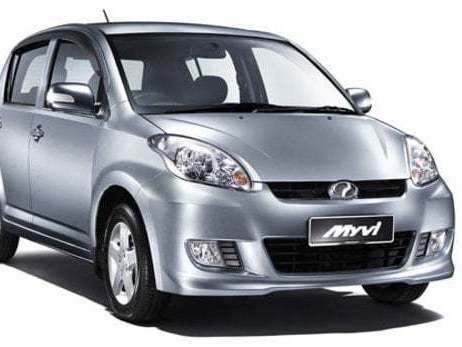
Since Its Launch in 2005, the Perodua Myvi has Cumulatively Sold Over 1,559,000 Units in 20 Years
WilliamMay 13, 2025
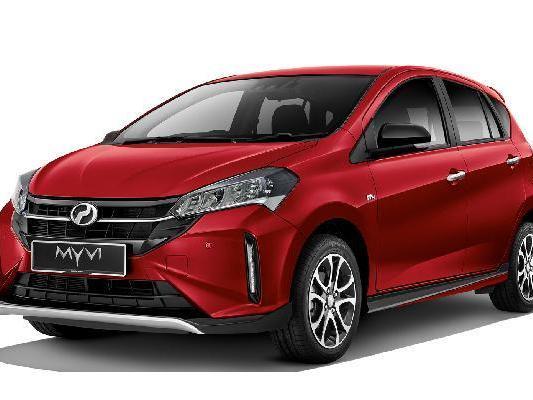
Perodua Myvi : A Value Choice for Worry-Free Car Purchases
LienMar 25, 2025
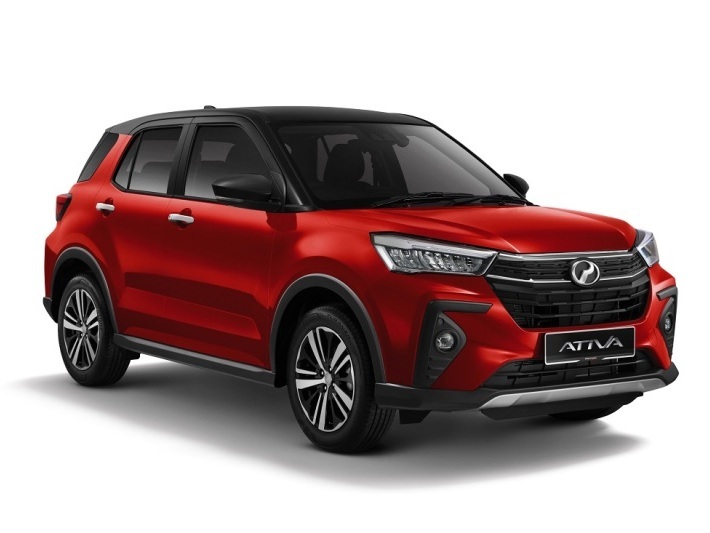
Perodua Ativa: A Comprehensive Analysis of the Advantages and Disadvantages of this Car
Kevin WongMar 13, 2025
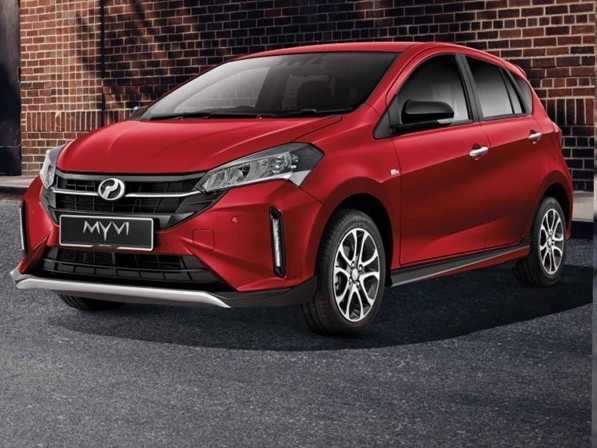
Own Perodua Myvi for less than RM 60,000: The best choice for city commuting?
LienOct 16, 2024
View More
Pros
Cons