
Since Its Launch in 2005, the Perodua Myvi has Cumulatively Sold Over 1,559,000 Units in 20 Years
 WilliamMay 13, 2025, 12:29 PM
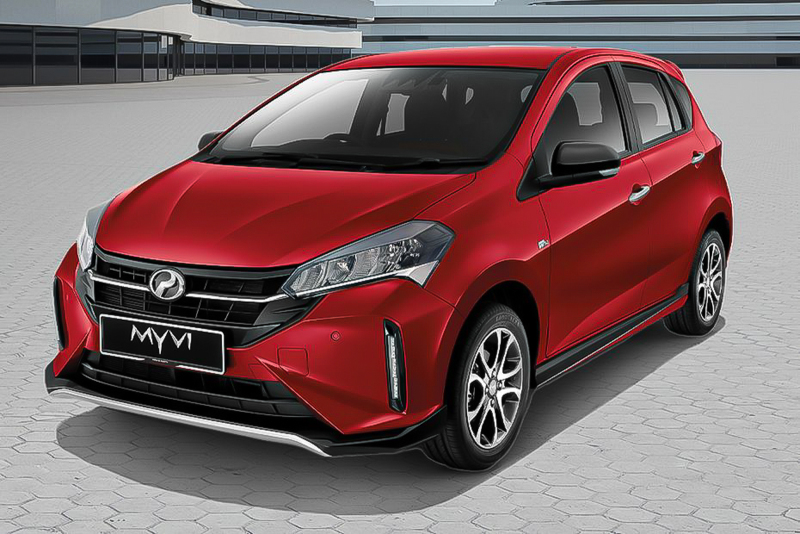
【PCauto】 Since its launch on May 25, 2005, the Perodua Myvi has nearly two decades of history and is projected to reach total sales of 1,559,000 units by the end of 2024.
The Perodua Myvi is known for its economic advantages and popularity. Even the top-spec models typically range in price from RM55,000 to RM59,000. Thanks to technology sharing with Toyota and Daihatsu, the Myvi features strong parts interchangeability and lower maintenance costs compared to its competitors in the same class, making it a favorite choice among Malaysian drivers.
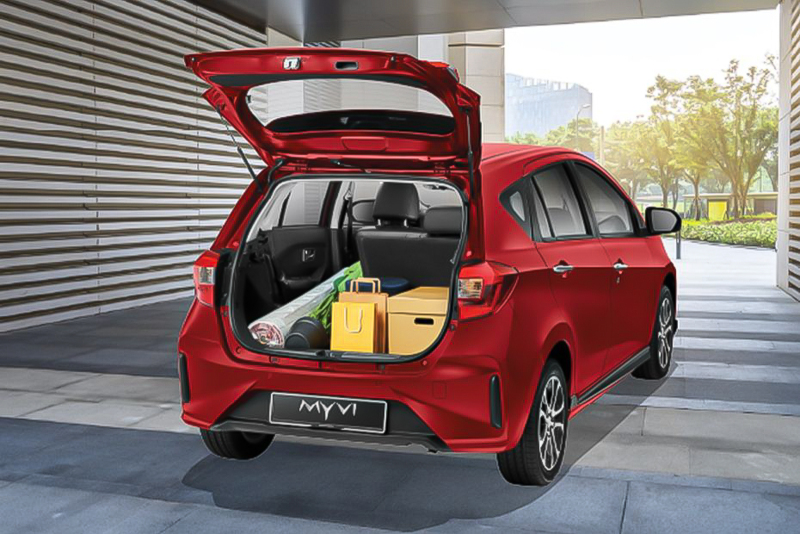
Over the past two decades, the Myvi has undergone three generations, each contributing to further solidifying its market position and enhancing its appeal.
First Generation Perodua Myvi (2005 - 2011)
Launched in 2005, the first generation Myvi was developed collaboratively by Perodua and Daihatsu, based on the Daihatsu Boon/Toyota Passo platform. Positioned as an economical hatchback, it quickly replaced the Kancil/Saga and became a popular choice for families.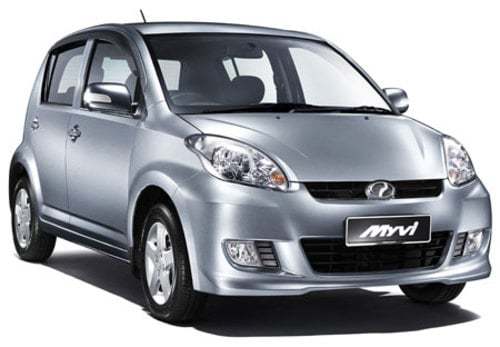 In terms of power, it offered a 1.0L EJ-VE four-cylinder engine (60hp/88Nm) and a 1.3L K3-VE four-cylinder engine (85hp/117Nm), both paired with 5MT or 4AT transmissions, achieving around 6L/100km in urban driving, primarily focusing on low fuel consumption.
In terms of body design, its compact hatchback shape, measuring just 3695×1665mm, made parking easy. The rear seats could be folded down for increased storage space, introducing the innovative “magic seat” feature, which allowed the seat cushion to tilt forward to create vertical storage space—a unique functionality in the Malaysian market that significantly enhanced practicality.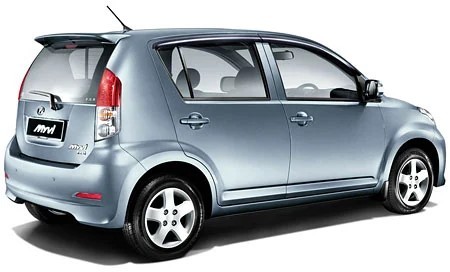 With low failure rates and high cost-effectiveness, the Myvi quickly dominated the family car segment. The introduction of the Myvi SE in 2007, which added features like fog lights, sporty wheels, and body kits, further consolidated its market presence.
Second generation Perodua Myvi (2011 - 2017)
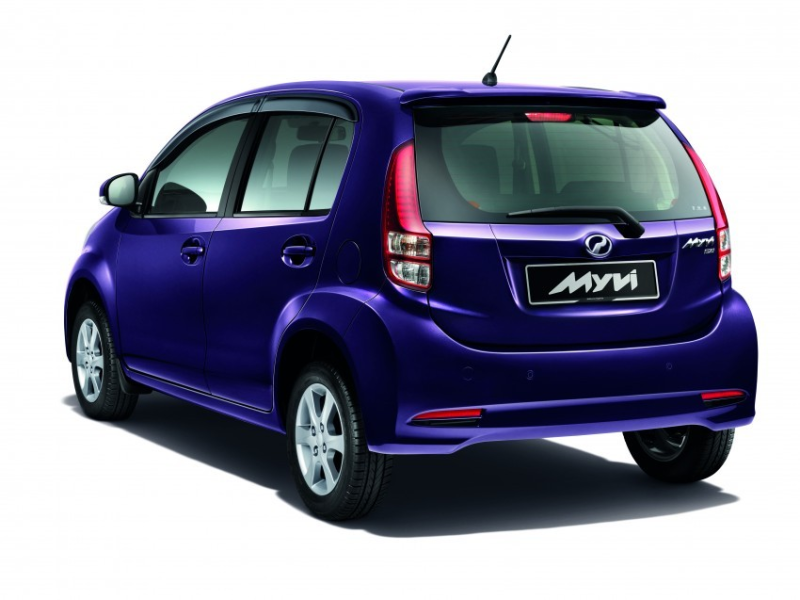
In 2011, the second generation Myvi debuted based on the second-generation Daihatsu Boon/Toyota Passo platform. Its length and width increased to 3695mm and 1710mm, with a longer wheelbase of 2440mm, offering more interior space. The 1.0L engine was discontinued while the entire range featured a 1.3L K3-VE engine (94hp/120Nm), supplemented by a new 1.5L 3SZ-VE engine (105hp/136Nm). The 1.5L high-end models also introduced an Eco Idle automatic start-stop system, lowering fuel consumption to 5.5L/100km. Safety features saw notable enhancements, with ABS, EBD, and dual airbags as standard across all models.
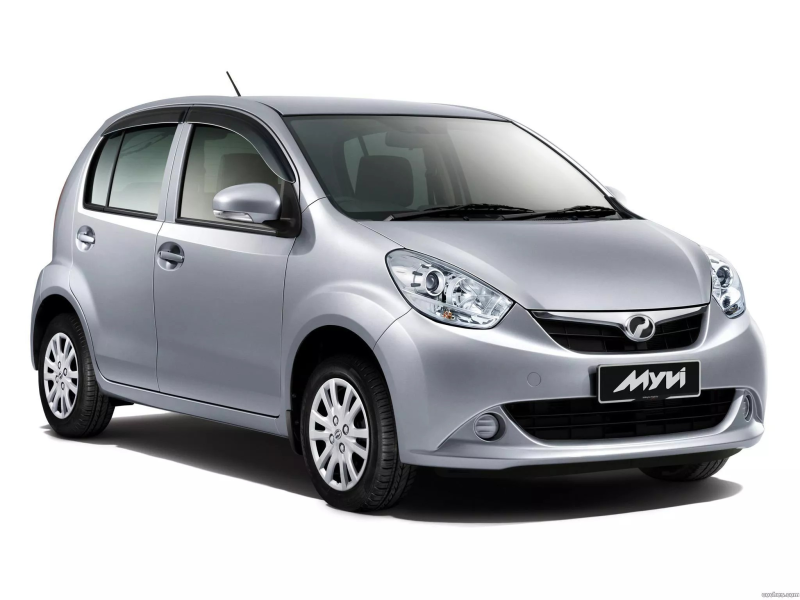
A sporty version, the Myvi Extreme, was also introduced, showcasing exclusive front and rear spoilers and red-black interior styling to attract consumers. A facelift in 2015 updated the bumpers, added LED taillights, and equipped a 7-inch touchscreen with reversing camera support. This generation sold over 1 million units.
Third Generation Perodua Myvi (2017 - present)
The third generation Myvi was unveiled in 2017, built on the new Daihatsu DNGA platform. It features a sharper design with distinctive fang-like LED daytime running lights and has grown to a length of 3895mm, making it a “big” hatchback in its category.
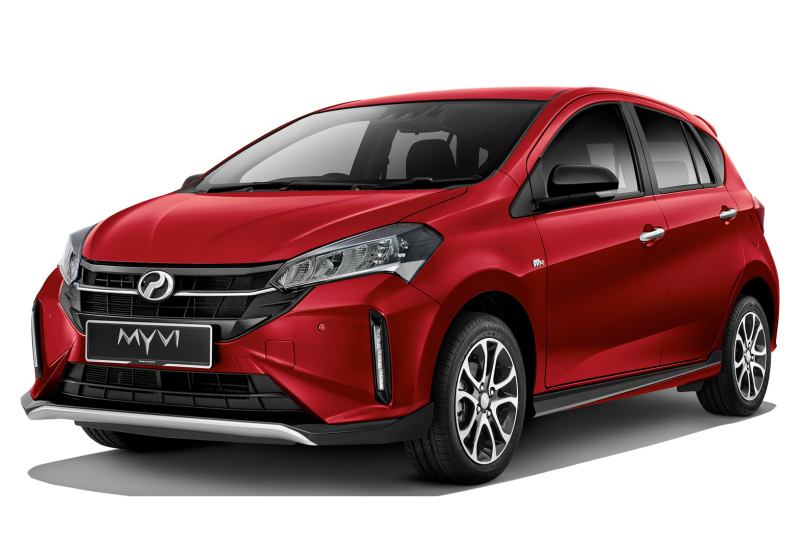
It offers both a 1.3L (94hp/121Nm) and a 1.5L (101hp/136Nm) dual VVT-i engine, paired with 4AT or 5MT transmissions.
The high-spec models come equipped with the ASA 2.0 active safety suite, which includes automatic emergency braking, lane departure warning, and adaptive cruise control. The dashboard has upgraded to a 3D digital display, supporting MirrorLink smartphone connectivity, and the top variant offers keyless entry, push-button start, and automatic climate control.
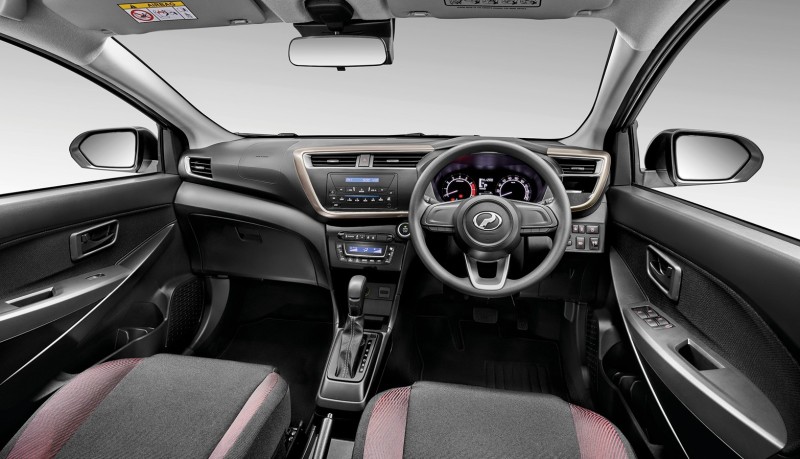
As the first Myvi to come standard with Vehicle Stability Control (VSC), its safety significantly improves. The 2021 facelift version introduced black sport styling for the Myvi AV and upgraded all rear brakes to disc brakes.
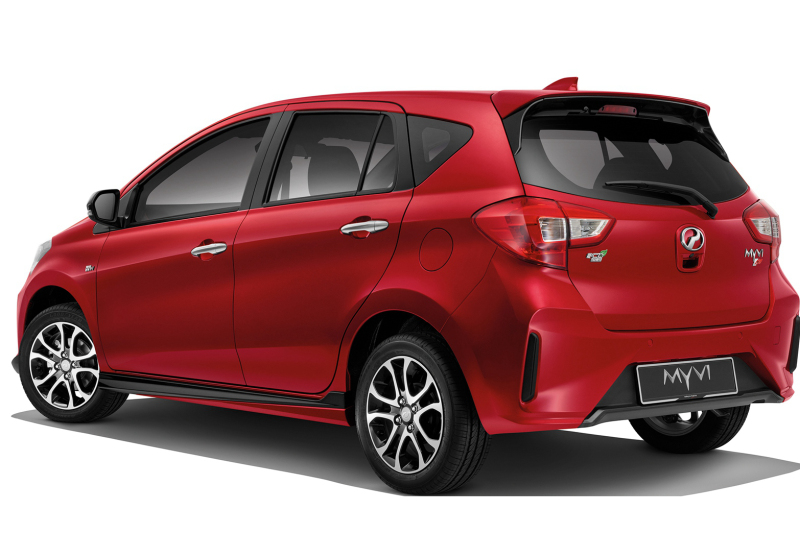
Thanks to comprehensive upgrades, the third generation Myvi continues to be a best-seller in the market.
The Myvi remains a best-selling car in China. What ‘s more, based on sales data from 2000 to August 31, 2023, the Myvi has also consistently been the best-selling car in Malaysia. Its introduction significantly altered the competitive landscape of the Malaysian automotive market, giving Perodua an edge against brands like Proton.
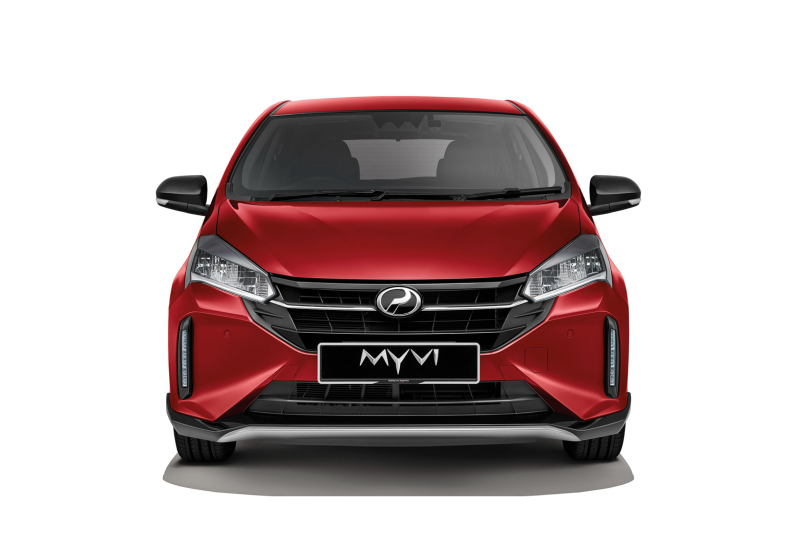
The Myvi's popularity can be attributed to its reliable quality, low fuel consumption, and affordable price, making it an excellent choice for Malaysian families. Whether for daily city commutes or long-distance travel, the Myvi has proven its capability. Additionally, the Myvi boasts considerable modification potential, appealing to a diverse community of enthusiasts in both family and sporty configurations, gradually becoming a symbol of the local car culture.
If any infringement occurs, please contact us for deletion

Popular Cars
Model Year
Car Compare
Car Photo