
Q
how to set clock on proton saga
 MysticForestExplorerSep 24, 2025, 05:01 PM
To set the clock in your Proton Saga, start by turning on the vehicle's ignition to power it up. Next, locate the clock button on the center console or access the settings menu in the infotainment system – the exact steps can vary slightly depending on the model year. Newer versions typically let you adjust it through the "Settings" > "Time" option on the touchscreen, while older models may require pressing and holding the "CLOCK" button until the time starts flashing, then use the audio system knob to adjust the hours and minutes. One thing to note: some Proton Sagas will reset the clock after losing power, which is a common feature in automotive electronics, not a malfunction. It’s a good idea to check and calibrate the time regularly – having the correct time isn’t just convenient for daily use; it also helps mechanics accurately interpret the car’s computer data during maintenance. If you run into any issues setting it up, the owner's manual provides detailed instructions, or you can reach out to a Proton authorized service center. All Proton showrooms in Malaysia offer free guidance to help you get it sorted. Also, keeping your car’s software updated can lead to a more reliable clock function – Proton often rolls out optimization updates for older models through their service centers.
Special Disclaimer: This content is published by users and does not represent the views or position of PCauto.
Related Q&A
Q
What is the fuel consumption of the 2018 Holden Spark?
The 2018 Holden Spark is a budget-friendly city car that delivers fuel economy well-suited for Malaysian urban commuting. According to official figures, the manual transmission variant returns a combined fuel consumption of around 5.4L/100km, while the automatic version is slightly higher at approximately 5.8L/100km. Real-world fuel usage may vary slightly depending on driving habits, road conditions, and air conditioning usage. Powering this car is a 1.4-liter four-cylinder engine, offering smooth performance and low maintenance costs—ideal for budget-conscious young drivers or as a second family car. Given Malaysia's hot climate, regular maintenance of the fuel system and cabin air filter is recommended to maintain optimal fuel efficiency. Additionally, RON95 petrol is sufficient for this vehicle; there's no need for higher-octane fuel. For consumers prioritizing fuel efficiency, other models in the same segment like the Perodua Axia or Proton Saga are also worth considering, as they’re equally known for their economical nature. However, the final choice should come down to personal preference and test drive experience.
 CalmOceanNov 6, 2025
Q
What is the fuel consumption of Proton Saga 2018?
The official fuel consumption figures for the 2018 Proton Saga are 5.6 to 6.0 liters per 100 kilometers (exact numbers vary based on driving conditions and transmission type). It's powered by a 1.3-liter VVT engine paired with either a 4-speed automatic or 5-speed manual gearbox. This budget-friendly sedan delivers a balanced performance in both city and highway driving, making it ideal for daily commutes.
Fuel efficiency is influenced by several factors, including driving habits, road conditions, and vehicle maintenance. To keep fuel economy at its best, it's a good idea to regularly check tire pressure and maintain the engine properly. As a homegrown Malaysian brand, Proton's Saga lineup has always been known for great value and low running costs. The 2018 model also got upgrades to its sound insulation and suspension system, which boosted ride comfort.
If you want to squeeze even more efficiency out of it, try accelerating smoothly, cutting down on sudden braking, and using the air conditioning wisely. These simple habits can help get your fuel consumption closer to those official numbers.
 HappyDragonNov 6, 2025
Q
What engine is in the Proton Saga 2018?
The 2018 Proton Saga is powered by a 1.3-liter CamPro VVT naturally aspirated four-cylinder engine. This engine features Variable Valve Timing (VVT) technology, which optimizes intake efficiency at different engine speeds to boost fuel economy and performance. It delivers a maximum output of 94 horsepower and peak torque of 120 Nm, paired with either a 5-speed manual or 4-speed automatic transmission—perfect for city driving and daily commuting needs. As an entry-level sedan from Malaysia's homegrown brand, the Proton Saga has won over many family users with its affordability and reliability. While the engine isn't the most cutting-edge tech-wise, it excels in low maintenance costs and durability, making it well-suited for Malaysia's road conditions and climate. Developed in collaboration with Lotus Engineering, the CamPro engine series has undergone multiple upgrades, resulting in significant improvements in smoothness and fuel efficiency. For budget-conscious buyers seeking a dependable runabout, the 2018 Proton Saga is a solid pick.
 PeacefulPondNov 6, 2025
Q
How much does it cost to maintain a Proton Saga 2022?
Based on Proton Saga 2022's official maintenance guidelines and real-world conditions in the Malaysian market, the annual upkeep costs for this car typically range from RM800 to RM1,200, though this figure can vary significantly depending on your annual mileage and the specific services required. Of course, this depends heavily on your mileage and the specific services you opt for. For regular servicing – think oil changes, oil filter replacements, and the basics – you're looking at around RM200 to RM300 per session. When it comes time for a major service, which might involve changing brake fluid, transmission oil, and other key components, expect to shell out between RM500 and RM800.
Being a homegrown Malaysian brand, Proton Saga benefits from relatively affordable零部件 prices and an extensive network of service centers, which definitely helps keep long-term ownership costs in check. Sticking to regular maintenance isn't just about prolonging your car's lifespan; it's crucial for keeping you safe on the road too. We always recommend following the maintenance manual to the letter and choosing authorized Proton service centers – that way, you're guaranteed genuine parts and professional expertise under the hood. And if you're watching your wallet, keep an eye out for Proton's occasional service promotions; they can help you trim those costs even further.
 FaySep 22, 2025
Q
What is the dimensions of the 2022 Proton Saga?
The 2022 Proton Saga measures in at 4,131 mm long, 1,620 mm wide, and 1,513 mm tall, with a wheelbase of 2,465 mm. As an affordable four-door sedan, its compact dimensions make it a perfect fit for navigating and parking on Malaysia's city roads, while still managing to offer decent interior space. This car is a big hit in the Malaysian market, and it's not hard to see why – besides its wallet-friendly price tag, it also shines when it comes to fuel efficiency and low maintenance costs, making it ideal for family daily use. Being a homegrown Malaysian brand, Proton has always focused on adapting the Saga to local driving conditions. For example, the suspension setup and air conditioning system are both optimized for the tropical climate, ensuring a comfortable drive even when the mercury rises. On top of that, the 2022 Saga comes with essential safety features like ABS and dual airbags, which cover the basics for everyday commuting needs. If you're a Malaysian consumer on a budget but still want a reliable set of wheels to get you around, the Proton Saga is definitely one to add to your shortlist.
 EveFeb 18, 2026
Q
How is the ride and handling of the 2022 Proton Saga?
The 2022 Proton Saga keeps the brand's focus on affordability and practicality when it comes to driving feel and handling. The overall setup leans towards comfort, making it a solid fit for Malaysian city roads. It uses a MacPherson strut front and torsion beam rear suspension, which does a decent job soaking up small bumps and road imperfections. Sure, there's noticeable body roll when taking corners at speed, but that's pretty standard for this class of car. The steering is light and easy, even for female drivers, and the CVT gearbox is much smoother than the old 4AT it replaces – though it does feel a bit slow to respond when you hit the gas hard.
One thing that stands out is the Saga's 145mm ground clearance, which gives it an edge when dealing with those common unpaved or rough patches you find around Malaysia. On the safety front, it comes standard with ABS+EBD and dual airbags, while higher trims add stability control – that's pretty competitive for the price point.
The 1.3L engine isn't going to win any drag races, but with 92 horsepower pushing around a car that barely tips the scales over a ton, it's more than enough for zipping around town. The official fuel consumption is 5.6L/100km, so it's easy on the wallet too.
For first-time buyers on a budget, the Saga's well-rounded package, combined with Proton's widespread after-sales network across the country makes it a really compelling choice for an entry-level sedan. If you spend a lot of time stuck in traffic, you'll definitely appreciate that comfortable suspension setup.
 DaniOct 20, 2025
Q
What is the warranty on the 2022 Proton Saga?
The 2022 Proton Saga comes with a solid 5-year or 150,000 km factory warranty (whichever comes first), covering key components like the engine and transmission. The anti-rust warranty stretches to 7 years with unlimited mileage. This warranty package is pretty competitive in Malaysia's compact car segment and should help keep long-term ownership costs in check for drivers.
Important to note though – to keep that warranty valid, you've gotta stick to regular servicing at authorized Proton service centers. Skipping that could void your coverage, so make sure you hold onto all those service records, folks. On top of that, Proton throws in 24-hour roadside assistance for extra peace of mind when you're out and about.
Malaysia's hot and rainy weather can really test a car's durability, so going for a model with a lengthy warranty just makes smart sense. Other local players like Perodua also offer similar long-haul warranty deals, so it's worth shopping around before making your final decision.
 CaliSep 22, 2025
Q
How reliable is the 2022 Proton Saga?
The 2022 Proton Saga, one of Malaysia's best-selling locally produced entry-level sedans, offers a reliability profile that aligns with expectations for its price point. It is equipped with a 1.3L naturally aspirated engine and a 4-speed automatic transmission. The technology, while proven, is not the latest, but it benefits from its mechanical simplicity and proven reliability over years of market presence. According to owner feedback, the mechanical failure rate is low with proper maintenance, and Proton's nationwide after-sales network simplifies repairs.
In terms of safety, the vehicle comes standard with dual airbags, ABS with EBD, and ISOFIX child seat anchors—a package that is quite competitive for its segment. It should be noted, however, that Electronic Stability Control (ESC) is not available on the base variant. If the budget allows, upgrading to a higher trim level for this feature is recommended.
A noteworthy point is that Proton's quality control has shown consistent improvement following its collaboration with Geely. For the 2022 model year, refinements were made to details such as sound insulation and interior panel gaps. Nevertheless, cost constraints mean that common issues like noticeable wind noise at highway speeds remain. For family users prioritizing economy, the car's 5-year unlimited mileage warranty and low maintenance cost (approximately RM200 per service session) are significant advantages. However, those seeking more advanced driver-assistance technologies would need to consider more advanced models.
Overall, the Saga has proven its long-term adaptability to Malaysia's hot and rainy climate, making it a practical and sensible choice for budget-conscious buyers.
 BethOct 20, 2025
Q
What is the resale value of a Proton Saga?
The Proton Saga, one of Malaysia's most beloved budget-friendly sedans, sees its used car value fluctuate pretty noticeably based on the model year, mileage, condition, and market demand. Industry data shows that a 3-year-old Saga typically retains around 50-60% of its original price, and even at 5 years old, it's still holding steady at roughly 40%. That actually outperforms some competitors in its class, thanks to its low maintenance costs, widespread after-sales network, and solid market reputation.
Something to keep in mind: top-spec trims like the Premium S, with their extra features, usually hold 5-8% more value than the base models. And a Saga with a complete, regular service history? That can fetch a 10% premium when you resell. If you're looking to boost your car's resale value, it's smart to hang onto those service records from when it was under the factory warranty and steer clear of major modifications that mess with the original specs.
Also, the Saga's 1.3L engine paired with that tried-and-tested gearbox delivers reliable fuel efficiency – a big checkmark for used car buyers. Malaysia's second-hand car market keeps steady demand for practical, economical rides like the Saga, especially among first-time car owners. So, price it right, and your used Saga should move pretty quick.
 AvaSep 22, 2025
Q
Is the 2022 Proton Saga a good first car?
The 2022 Proton Saga makes total sense as a first car. It's got a solid rep in Malaysia for being a great value workhorse – easy on the wallet to buy, even easier to keep running, which is perfect if you're a first-time buyer watching your budget. Under the hood, you've got a 1.3L naturally aspirated engine. Now, it's no rocket ship, but trust me, it's more than enough for zipping around town on your daily commute.
Space-wise, for a small sedan, it's surprisingly roomy. You can squeeze five adults in there without too much hassle, and the boot? A decent 420 liters – plenty for family errands or a weekend getaway. Safety kit? It's got the basics covered: ABS, EBD, and dual airbags. Nothing flashy, but exactly what you'd expect in this price bracket.
One thing that really works for the Saga is Proton's service network. They're all over the country, so getting it serviced or fixed is a breeze. Parts are easy to come by and won't break the bank, which is a big plus when you're just starting out.
Driving it? Super laid-back. The steering is light, the size is just right – not too big, not too small – so navigating tight city streets and squeezing into parking spots is a cinch, even for new drivers. I also dig that they've kept the traditional physical buttons. No messing around with finicky touchscreens for every little thing; you just reach out and press – simple and intuitive. That's a big win for folks who value functionality over fancy tech.
Now, if you're all about the latest gadgets, you might wanna look at something more upmarket. But as an entry-level family car, the 2022 Saga is a really down-to-earth choice. And hey, let's not forget Malaysia's weather – hot and humid with those monsoon downpours. Proton's tweaked the air-con to blow nice and cold, and the body's rust-proofed to handle the elements. It's like they built it specifically for our local conditions. Can't argue with that.
 ZoeSep 22, 2025
Popular Cars
Model Year
Car Compare
Car Photo
Related Models
 Cars
CarsLatest Q&A
Q
Is AMT similar to automatic?
There are significant differences between AMT transmissions and automatic transmissions (AT) in terms of core structure and driving experience. AMT is essentially an electronically automated version of a manual transmission, simulating manual clutch operation and gear shifting through a computerized control system while retaining the gear set structure of manual transmissions. As a result, it offers higher transmission efficiency, with fuel consumption approximately 8%-12% lower than AT, making it particularly suitable for highway or long-distance driving. However, it may exhibit jerking similar to manual transmissions during low-speed gear shifts, especially noticeable in congested traffic conditions.
AT transmissions rely on torque converters for power transfer, delivering smooth and seamless gear shifts that appeal to comfort-oriented users. However, their complex structure (incorporating planetary gear sets, hydraulic systems, etc.) results in higher maintenance costs. A single service may cost between 800 to 1,500 ringgit, whereas AMT only requires gear oil replacement at approximately 400 ringgit.
From a market perspective, AMT is predominantly used in budget vehicles or commercial models priced below 80,000 ringgit, while AT is typically featured in mid-to-high-end vehicles. Consumers should select based on actual needs: AMT suits those prioritizing fuel efficiency and low maintenance costs, while AT better serves those valuing comfort. Notably, recent advancements in AMT electronic control technology have significantly mitigated jerking issues, though test drives should still emphasize low-speed performance evaluation.
 AriaMar 26, 2026
Q
Which is better, DCT or AT?
DCT (Dual-Clutch Transmission) and AT (Automatic Transmission) each have their own advantages and disadvantages, and the choice should be based on personal driving needs. AT transmissions transfer power through a torque converter, offering excellent shift smoothness, making them suitable for urban commuting or novice drivers. However, they tend to have higher fuel consumption, and vehicles equipped with them are usually more expensive. DCT transmissions utilize a dual-clutch structure, featuring fast shift speeds and high power transmission efficiency, which provides a more direct driving experience—particularly suitable for users seeking a sporty feel. However, they may exhibit jerking at low speeds and have relatively high maintenance costs. If durability and comfort are priorities, AT is the more reliable choice; if power responsiveness and driving pleasure are preferred, wet DCT (such as Volkswagen DSG) performs better, though dry DCT models should be avoided in prolonged stop-and-go traffic conditions. Additionally, CVT transmissions excel in smoothness and fuel efficiency, making them ideal for daily commuting, but they lack driving excitement. It is recommended to test-drive before purchasing, as tuning varies significantly across brands, and real-world experience is more important than theoretical specifications.
 FlutteringMar 26, 2026
Q
Is Amt good or bad?
AMT gearboxes have a significant cost advantage in the local market, typically being around 5,000 Ringgit cheaper than models equipped with conventional automatic transmissions. Their fuel efficiency is comparable to manual transmissions, resulting in long-term fuel savings. Featuring a straightforward design, they achieve transmission efficiency exceeding 90% with relatively low maintenance costs, making them ideal for practicality-oriented consumers. However, their shifting logic contains inherent limitations: gear changes between 1st and 2nd cause 0.3-0.5 second power interruptions, while unintended upshifts on inclines may reduce engine speed by 15%-20%, compromising driving smoothness. For urban commuters or budget-conscious buyers, AMT offers excellent value, though those prioritizing premium driving dynamics should consider alternative transmission types. Some domestic models like the Perodua Axia employ enhanced AMT systems, where optimized shift programming has reduced gearshift shock by approximately 30%.
 RainbowsMar 26, 2026
Q
Which gives better mileage, CVT or AMT?
From the perspective of fuel economy, CVT transmissions generally perform better under urban driving conditions. Their continuously variable design allows the engine to consistently operate within the optimal speed range, significantly reducing fuel consumption during frequent starts and stops. Test data shows that their fuel consumption in urban driving conditions is 10% to 15% lower than that of comparable models. AMT transmissions, on the other hand, inherit the high transmission efficiency of manual transmissions, delivering fuel efficiency close to manual transmissions during high-speed cruising. This makes them particularly suitable for long-distance driving in large-displacement vehicles. However, due to power interruption during gear shifts, their overall fuel consumption may be 5% to 8% higher than CVTs.
The difference in fuel-saving characteristics between the two transmissions stems from their technical principles: CVTs achieve continuous variability through steel belts and pulleys, eliminating the fixed gear ratio limitations of traditional transmissions; AMTs simulate manual gear changes via electronic control systems while maintaining the mechanical efficiency of gear transmission. Notably, actual fuel consumption is also influenced by driving habits. Smooth acceleration and anticipatory deceleration can maximize the transmissions' fuel-saving potential. If the vehicle budget permits and urban commuting is the primary use, CVTs offer a more economical choice. For frequent highway driving with an emphasis on cost-effectiveness, AMTs are equally worth considering.
 RubyBlazeMar 26, 2026
Q
Which is cheaper, AMT or CVT?
In terms of gearbox cost, AMT is usually more economical than CVT. Essentially, AMT is a manual transmission equipped with an electronic control unit, featuring a simple structure and low maintenance costs. The unit price ranges from approximately 5,000 to 8,000 ringgit, making it suitable for budget-conscious consumers or those who prioritize long-term operating costs. CVT incurs higher manufacturing costs due to its precision steel belt transmission system and continuous variable transmission technology, with a unit price of about 7,000 to 10,000 ringgit. However, it delivers a smoother driving experience and superior fuel efficiency. The primary differences between the two lie in technical complexity: AMT retains the gear-shifting mechanism, resulting in noticeable shift shock; CVT achieves linear power output through stepless speed variation but requires periodic belt inspection and incurs higher maintenance expenses. For those prioritizing initial cost and basic transportation needs, AMT offers better value; if comfort and long-term fuel economy are priorities, CVT represents a more worthwhile investment. Note that actual prices may vary based on vehicle model, brand, and local supply chain factors.
 ShadowProwlMar 26, 2026
Related News

2026 Proton Saga MC3 launched has received 30,000 orders so far
Kevin WongDec 5, 2025

Proton's fourth-generation Saga revolution, brand new 1.5L four-cylinder engine, equipped with ADAS for the first time
MichaelSep 9, 2025
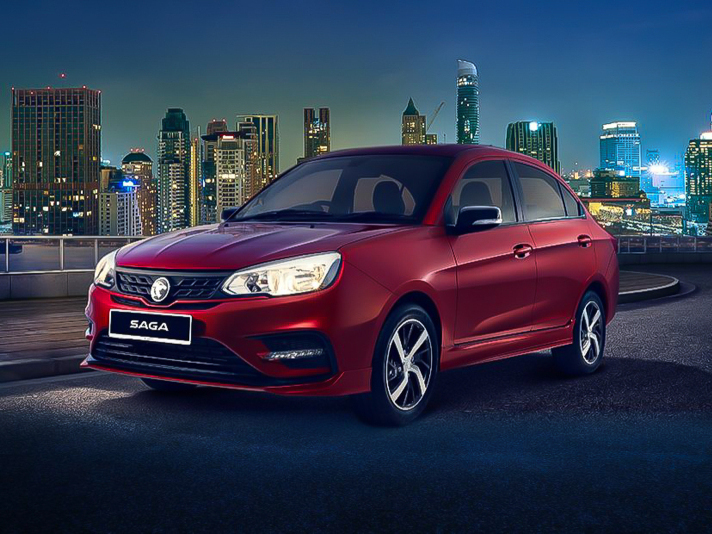
Proton Saga Interior Review: Affordable Yet Stylish for Everyday Use
WilliamJul 17, 2025
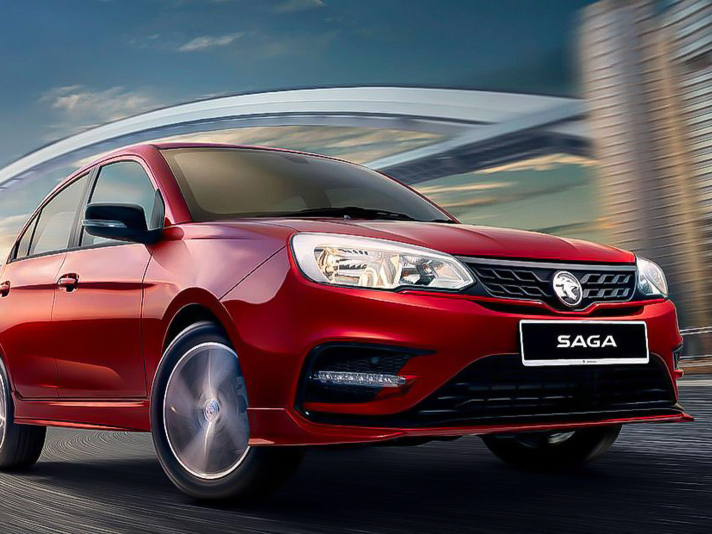
2025 Halfway Mark: All-New Proton Saga Coming Soon!
JohnMay 30, 2025
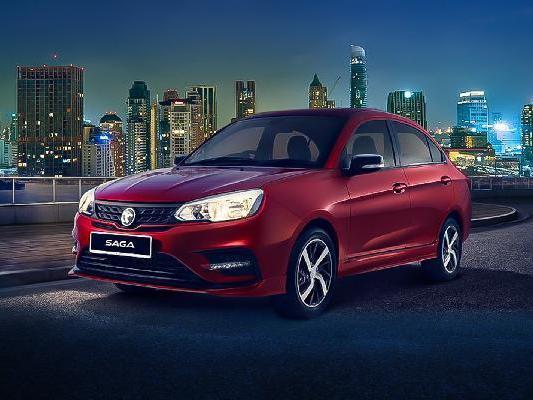
Proton Saga: A Clear Overview of Configurations and Costs of models
LienMar 25, 2025
View More
Pros
Cons