
Q
How to turn off parking sensors on Honda Accord 2023?
 HappyChickenNov 06, 2025, 05:16 PM
To turn off the parking sensors on a 2023 Honda Accord, press the "Parking Sensor" button near the center console (usually marked with a "P" and sound wave icon). The exact location might vary by trim level; some models require using the infotainment system—just go into Vehicle Settings and select "Driver Assist" or "Safety Features" to disable them. It's worth noting that Malaysia's hot and rainy weather can affect sensor sensitivity, so occasional false alerts are normal. We recommend regularly cleaning dirt or water spots off the sensor surfaces to keep them working their best. If you're getting frequent false triggers, reach out to a Honda Malaysia authorized service center. This isn't a malfunction—it's just how electronic systems behave in extreme environments. Other models like the Toyota Camry or Mazda 6 use similar setups, with slight differences in operation but the same basic principle. Temporarily disabling the sensors won't affect other safety features like the rearview camera or blind spot monitoring. The system will usually reset to default "on" when you restart the car, which is good for safety.
Special Disclaimer: This content is published by users and does not represent the views or position of PCauto.
Related Q&A
Q
What is lane assist on Honda Accord 2023?
The Lane Assist system in the 2023 Honda Accord is an advanced driver-assist feature. It uses a camera to track the vehicle's position within the lane and provides gentle steering assistance or vibration alerts if you start to drift unintentionally, helping you stay centered. This is especially handy for Malaysia's highways or long drives, really cutting down on fatigue and boosting safety. It usually pairs with Adaptive Cruise Control (ACC) for a semi-autonomous driving feel, but you still need to keep your hands on the wheel and be ready to take over. Important to note, this isn't full self-driving—its performance depends on things like weather and how clear the lane markings are, so always stay focused. In the Malaysian market, you'll typically find this feature on higher-spec Accord models, working alongside other systems in the Honda Sensing suite like Collision Mitigation Braking System (CMBS) and Road Departure Mitigation (RDM) to give local drivers more comprehensive protection.
 PrettyplNov 6, 2025
Q
Does the 2023 Honda Accord show tire pressure?
The 2023 Honda Accord does come with a Tire Pressure Monitoring System (TPMS) that shows real-time pressure readings for each tire. Drivers can check the specific numbers on the instrument cluster or center display screen. This feature is especially handy in Malaysia's hot climate and for long drives, since high temperatures can cause tire pressure to spike unexpectedly—keeping an eye on it helps prevent blowouts. Plus, the system usually warns you if the pressure gets too low or too high, prompting you to check the tires. For Malaysian users, regular pressure checks don't just boost safety; they also improve fuel efficiency and tire lifespan. It's a good idea to manually check the pressure at least once a month, especially when temperatures swing a lot. Make sure to adjust according to the recommended levels listed in the owner's manual or on the door jamb. If you notice frequent pressure issues, it might mean a leaky tire or a faulty sensor—best to head to an authorized service center to get it checked out.
 GentlestNov 6, 2025
Q
How do you auto start a Honda Accord 2023?
If the 2023 Honda Accord in the Malaysian market is equipped with remote start, it can be operated via the smart key or mobile app. Here's how: first press the lock button to ensure the doors are locked, then hold down the remote start button on the key (usually a circular arrow icon) for about 2 seconds. Once the engine starts, the air conditioning system will automatically activate to adjust the cabin temperature – super useful in hot weather. It's important to note that the vehicle needs to be in Park (P) and have sufficient fuel for a successful start. Some models may require activating the HondaLink mobile app and subscribing to relevant services first. For models not equipped with this feature as standard, it's recommended to have Honda authorized dealers install original accessories to ensure compatibility and avoid potential electrical risks from self-modification. Remote start technology has now become a common feature in mid-to-high-end models. Besides convenience, it also enhances driving comfort by pre-cooling or pre-heating the cabin. However, owners should be aware of Malaysia's laws regarding idling time; it's generally advised to get in and operate the vehicle within 10 minutes of remote starting, which is both environmentally friendly and compliant with regulations. Different brands implement this feature slightly differently, so it's advisable to read the owner's manual carefully or consult local Honda dealers for accurate information.
 HappySheepNov 6, 2025
Q
How do I turn off traction control on my 2023 Honda Accord?
To turn off the Traction Control system on a 2023 Honda Accord, start the vehicle first. Then, look for the button labeled "VSA" or featuring the traction control icon, usually located on the left side of the steering wheel or on the center console. Press and hold it for about 3 seconds until "Traction Control Off" or a similar message appears on the dashboard. It's important to note that with traction control off, the vehicle may lose some stability on slippery roads or during hard acceleration. So, it's recommended to only turn it off temporarily for specific situations, like getting unstuck from mud or snow—keep it on for regular driving to stay safe. Malaysia's rainy climate means slippery roads are common, and traction control really helps prevent wheel spin and boost driving safety. If you're curious about other driver-assist features, like lane keeping or adaptive cruise control, check the owner's manual or ask a Honda authorized dealer for more details.
 HappyPigNov 6, 2025
Q
Does your 2023 Honda Accord have anti-lock brakes?
The 2023 Honda Accord does come with an Anti-lock Braking System (ABS), which is one of the standard safety features in modern cars. It effectively prevents the wheels from locking up during emergency braking, helping drivers maintain steering control—something that’s especially crucial on Malaysia’s rainy, slippery roads. Beyond ABS, the 2023 Accord also packs Electronic Brakeforce Distribution (EBD) and Brake Assist (BA). These technologies work together to further boost braking performance and overall safety. In Malaysia, a lot of car buyers really care about these active safety features because they can significantly cut down accident risks in unexpected situations. The Honda Accord, being a popular midsize sedan, has always had a pretty comprehensive set of safety gear that meets major global safety standards, making it a solid choice for Malaysian families or business use. For safety-conscious consumers, getting to know a car’s braking system and other safety tech is a must—these features often make a big difference when it matters most.
 HappyTurkeyNov 6, 2025
Q
How to turn off lane assist on 2023 Honda Accord?
To turn off the Lane Assist on the 2023 Honda Accord, you can use the buttons on the right side of the steering wheel to access the vehicle settings menu. Look for the "Driver Assist Systems" option, then select "Lane Keeping Assist" and switch it off. The exact steps might vary slightly depending on the vehicle's configuration or regional version, so it's best to check the owner's manual or consult a local Honda dealer in Malaysia for precise guidance. Lane Keeping Assist is part of Honda's Honda Sensing safety suite, which uses a camera to monitor lane lines and provides steering correction alerts if the vehicle drifts. It's handy for highways or long drives, but some drivers might prefer to turn it off manually on city roads or in special road conditions. Keep in mind that when you disable it, a notification icon usually appears on the dashboard, and the system might default to being on when you restart the car, so you'll need to repeat the process each time you want it off. In Malaysia, many new cars come with similar driver assist tech—different brands might have different operating logic, but the main goal is all about boosting driving safety. It's recommended that drivers use these features flexibly based on actual road conditions and personal habits.
 HappyDuckNov 6, 2025
Q
How do I turn off automatic braking on my 2023 Honda Accord?
To turn off the automatic braking on a 2023 Honda Accord, you can navigate to the vehicle settings menu, find the "Driver Assist Systems" option, then select "Collision Mitigation Braking System (CMBS)" and switch it off. Here's how: After starting the car, use the buttons on the right side of the steering wheel to access the instrument cluster menu. Choose "Vehicle Settings," go into "Safety Support," locate "Collision Mitigation Braking System," and select "Off." It's important to note that automatic braking is a crucial safety feature that effectively reduces collision risks. It's recommended to only turn it off temporarily in special situations and keep it enabled during regular driving for safety. For Malaysian drivers, the local rainy weather and complex traffic conditions make this feature even more vital—it can automatically intervene when the driver doesn't react in time, lowering accidents caused by poor visibility or sudden incidents. If you have questions about other driver assist features like lane keeping or adaptive cruise control, check the owner's manual or consult an authorized Honda dealer. They can provide more detailed operation guidance and technical support.
 HappyGoatNov 6, 2025
Q
How to turn on cruise control on Honda Accord 2023?
To activate Adaptive Cruise Control on the 2023 Honda Accord, first make sure the vehicle is started and traveling above 40 km/h. Then press the "MAIN" button on the right side of the steering wheel to power up the system—you’ll see a white cruise icon pop up on the dashboard. When you hit your desired speed, press the "SET/-" button to lock it in; the icon turns green, meaning cruise control is now active. To adjust speed, tap the "+" or "-" buttons for 1 km/h increments, or hold them down for 10 km/h jumps. If you need to pause, just tap the brake pedal or hit "CANCEL"; to resume, press "RES/+" to get back to your set speed.
It’s worth mentioning the 2023 Accord comes standard with Honda Sensing, which includes Lane Keeping Assist (LKAS). Flip that on too, and you’ll get a semi-autonomous driving feel—but keep your hands on the wheel and eyes on the road, okay? Also, Malaysia’s hot and rainy weather can mess with the radar sensor’s sensitivity, so give the sensor area in the front grille a regular wipe-down to keep things working smoothly. This system really takes the edge off on highways or in traffic, but remember: it’s not fully self-driving. You still gotta step in for sudden stuff.
 HappySnakeNov 6, 2025
Q
How to turn off idle stop on Honda Accord 2023?
Here's how to turn off the Idle Stop function on the 2023 Honda Accord: After starting the vehicle, look for the button labeled "Idle Stop" (usually with a circular arrow icon) either below the center console or on the left side of the steering wheel. Press it to deactivate the feature, and you'll see the "Idle Stop Off" indicator light up on the dashboard. Just keep in mind that the system defaults to on every time you restart the car, so you'll need to do this each time. The Idle Stop technology is designed to cut fuel consumption and emissions, which is pretty handy for Malaysia's stop-and-go city traffic. But some drivers find the frequent starting and stopping a bit annoying in terms of comfort. If you keep it off long-term, you might notice a slight increase in fuel usage, so it's best to use it flexibly based on the actual traffic conditions. Honda has optimized the Accord's Idle Stop system, so it barely affects engine or starter longevity—no need to worry about durability issues. Plus, in Malaysia's hot weather, the system smartly checks the AC load and prioritizes keeping the cabin cool, so it still stays practical.
 GracefulDeerNov 6, 2025
Q
How to turn off headlights in 2023 Honda Accord?
Turning off the headlights in the 2023 Honda Accord is super easy – just twist the light control knob on the left side of the steering wheel to the "OFF" position and they'll shut off completely. If your car has auto headlights (AUTO mode), you'll need to switch the knob from AUTO to OFF first. With Malaysia's rainy and foggy conditions, it's better to leave it in auto mode for safer driving. One thing to note: some models have the headlights stay on for a bit after you turn off the engine (follow-me-home feature) – totally normal, no need to worry. For Malaysian owners, it's also important to know that the daytime running lights (DRL) are designed to stay on permanently and can't be manually turned off – this is a feature to comply with EU safety regulations. Using your car's lighting system properly not only ensures driving safety but also helps avoid getting pulled over by traffic police during night checks for lighting issues. It's a good idea to regularly check the condition of your bulbs, especially before the rainy season hits, since the humid weather can easily cause fogging in the light assemblies or aging of the wiring.
 QuirkyCatfishNov 6, 2025
Popular Cars
Model Year
Car Compare
Car Photo
Related Models
 Cars
CarsLatest Q&A
Q
Is AMT similar to automatic?
There are significant differences between AMT transmissions and automatic transmissions (AT) in terms of core structure and driving experience. AMT is essentially an electronically automated version of a manual transmission, simulating manual clutch operation and gear shifting through a computerized control system while retaining the gear set structure of manual transmissions. As a result, it offers higher transmission efficiency, with fuel consumption approximately 8%-12% lower than AT, making it particularly suitable for highway or long-distance driving. However, it may exhibit jerking similar to manual transmissions during low-speed gear shifts, especially noticeable in congested traffic conditions.
AT transmissions rely on torque converters for power transfer, delivering smooth and seamless gear shifts that appeal to comfort-oriented users. However, their complex structure (incorporating planetary gear sets, hydraulic systems, etc.) results in higher maintenance costs. A single service may cost between 800 to 1,500 ringgit, whereas AMT only requires gear oil replacement at approximately 400 ringgit.
From a market perspective, AMT is predominantly used in budget vehicles or commercial models priced below 80,000 ringgit, while AT is typically featured in mid-to-high-end vehicles. Consumers should select based on actual needs: AMT suits those prioritizing fuel efficiency and low maintenance costs, while AT better serves those valuing comfort. Notably, recent advancements in AMT electronic control technology have significantly mitigated jerking issues, though test drives should still emphasize low-speed performance evaluation.
 AriaMar 26, 2026
Q
Which is better, DCT or AT?
DCT (Dual-Clutch Transmission) and AT (Automatic Transmission) each have their own advantages and disadvantages, and the choice should be based on personal driving needs. AT transmissions transfer power through a torque converter, offering excellent shift smoothness, making them suitable for urban commuting or novice drivers. However, they tend to have higher fuel consumption, and vehicles equipped with them are usually more expensive. DCT transmissions utilize a dual-clutch structure, featuring fast shift speeds and high power transmission efficiency, which provides a more direct driving experience—particularly suitable for users seeking a sporty feel. However, they may exhibit jerking at low speeds and have relatively high maintenance costs. If durability and comfort are priorities, AT is the more reliable choice; if power responsiveness and driving pleasure are preferred, wet DCT (such as Volkswagen DSG) performs better, though dry DCT models should be avoided in prolonged stop-and-go traffic conditions. Additionally, CVT transmissions excel in smoothness and fuel efficiency, making them ideal for daily commuting, but they lack driving excitement. It is recommended to test-drive before purchasing, as tuning varies significantly across brands, and real-world experience is more important than theoretical specifications.
 FlutteringMar 26, 2026
Q
Is Amt good or bad?
AMT gearboxes have a significant cost advantage in the local market, typically being around 5,000 Ringgit cheaper than models equipped with conventional automatic transmissions. Their fuel efficiency is comparable to manual transmissions, resulting in long-term fuel savings. Featuring a straightforward design, they achieve transmission efficiency exceeding 90% with relatively low maintenance costs, making them ideal for practicality-oriented consumers. However, their shifting logic contains inherent limitations: gear changes between 1st and 2nd cause 0.3-0.5 second power interruptions, while unintended upshifts on inclines may reduce engine speed by 15%-20%, compromising driving smoothness. For urban commuters or budget-conscious buyers, AMT offers excellent value, though those prioritizing premium driving dynamics should consider alternative transmission types. Some domestic models like the Perodua Axia employ enhanced AMT systems, where optimized shift programming has reduced gearshift shock by approximately 30%.
 RainbowsMar 26, 2026
Q
Which gives better mileage, CVT or AMT?
From the perspective of fuel economy, CVT transmissions generally perform better under urban driving conditions. Their continuously variable design allows the engine to consistently operate within the optimal speed range, significantly reducing fuel consumption during frequent starts and stops. Test data shows that their fuel consumption in urban driving conditions is 10% to 15% lower than that of comparable models. AMT transmissions, on the other hand, inherit the high transmission efficiency of manual transmissions, delivering fuel efficiency close to manual transmissions during high-speed cruising. This makes them particularly suitable for long-distance driving in large-displacement vehicles. However, due to power interruption during gear shifts, their overall fuel consumption may be 5% to 8% higher than CVTs.
The difference in fuel-saving characteristics between the two transmissions stems from their technical principles: CVTs achieve continuous variability through steel belts and pulleys, eliminating the fixed gear ratio limitations of traditional transmissions; AMTs simulate manual gear changes via electronic control systems while maintaining the mechanical efficiency of gear transmission. Notably, actual fuel consumption is also influenced by driving habits. Smooth acceleration and anticipatory deceleration can maximize the transmissions' fuel-saving potential. If the vehicle budget permits and urban commuting is the primary use, CVTs offer a more economical choice. For frequent highway driving with an emphasis on cost-effectiveness, AMTs are equally worth considering.
 RubyBlazeMar 26, 2026
Q
Which is cheaper, AMT or CVT?
In terms of gearbox cost, AMT is usually more economical than CVT. Essentially, AMT is a manual transmission equipped with an electronic control unit, featuring a simple structure and low maintenance costs. The unit price ranges from approximately 5,000 to 8,000 ringgit, making it suitable for budget-conscious consumers or those who prioritize long-term operating costs. CVT incurs higher manufacturing costs due to its precision steel belt transmission system and continuous variable transmission technology, with a unit price of about 7,000 to 10,000 ringgit. However, it delivers a smoother driving experience and superior fuel efficiency. The primary differences between the two lie in technical complexity: AMT retains the gear-shifting mechanism, resulting in noticeable shift shock; CVT achieves linear power output through stepless speed variation but requires periodic belt inspection and incurs higher maintenance expenses. For those prioritizing initial cost and basic transportation needs, AMT offers better value; if comfort and long-term fuel economy are priorities, CVT represents a more worthwhile investment. Note that actual prices may vary based on vehicle model, brand, and local supply chain factors.
 ShadowProwlMar 26, 2026
Related News
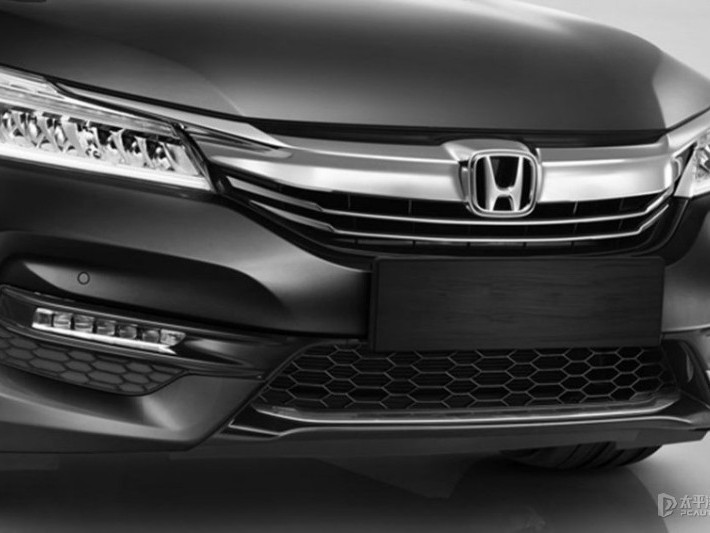
Starting from RM 187,400! A Honda Accord with sufficient trunk capacity, would you consider it?
AshleyJul 19, 2024

Honda Vezel (HR-V), Civic, Accord will adopt a unified design language, debuting in 2027
MichaelMar 17, 2026

Honda forecasts its first annual loss in 49 years, with the loss amount exceeding Nissan.
LienMar 13, 2026

Honda Heritage Works officially launched, first-generation NSX owners receive original factory support
MichaelMar 12, 2026

Honda Jet small aircraft Echelon orders exceed production capacity by 10 times
LienMar 10, 2026
View More
Pros
Cons