
Honda Jet small aircraft Echelon orders exceed production capacity by 10 times
 LienMar 10, 2026, 04:34 PM
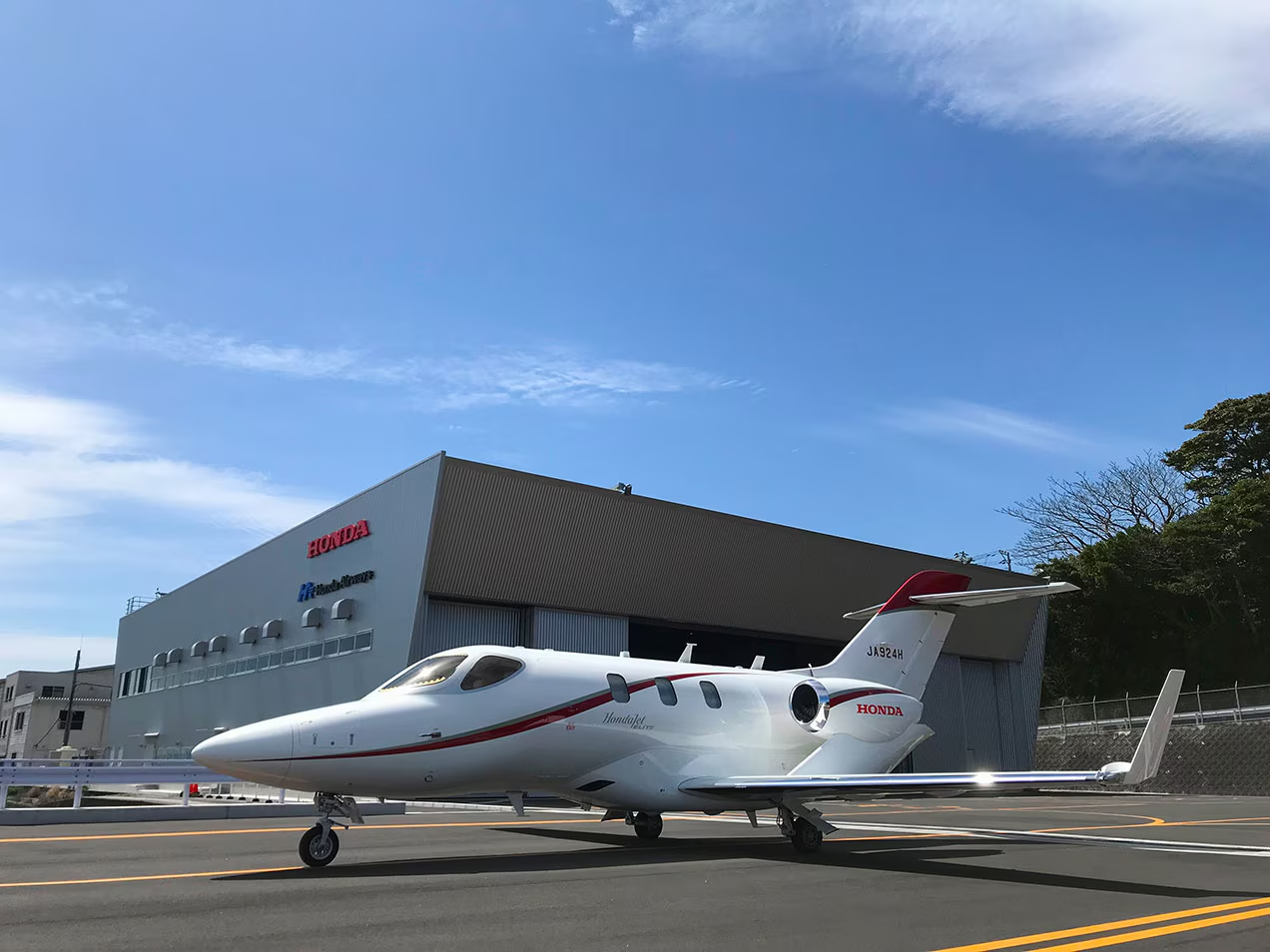 [PCauto] According to the latest data for the 2025 fiscal year, Honda has lowered its global car sales forecast to 3.34 million units, directly cutting 280,000 units from the previous target.
But just when people thought Honda was struggling, Honda's aviation division was celebrating at 10,000 meters in the air.
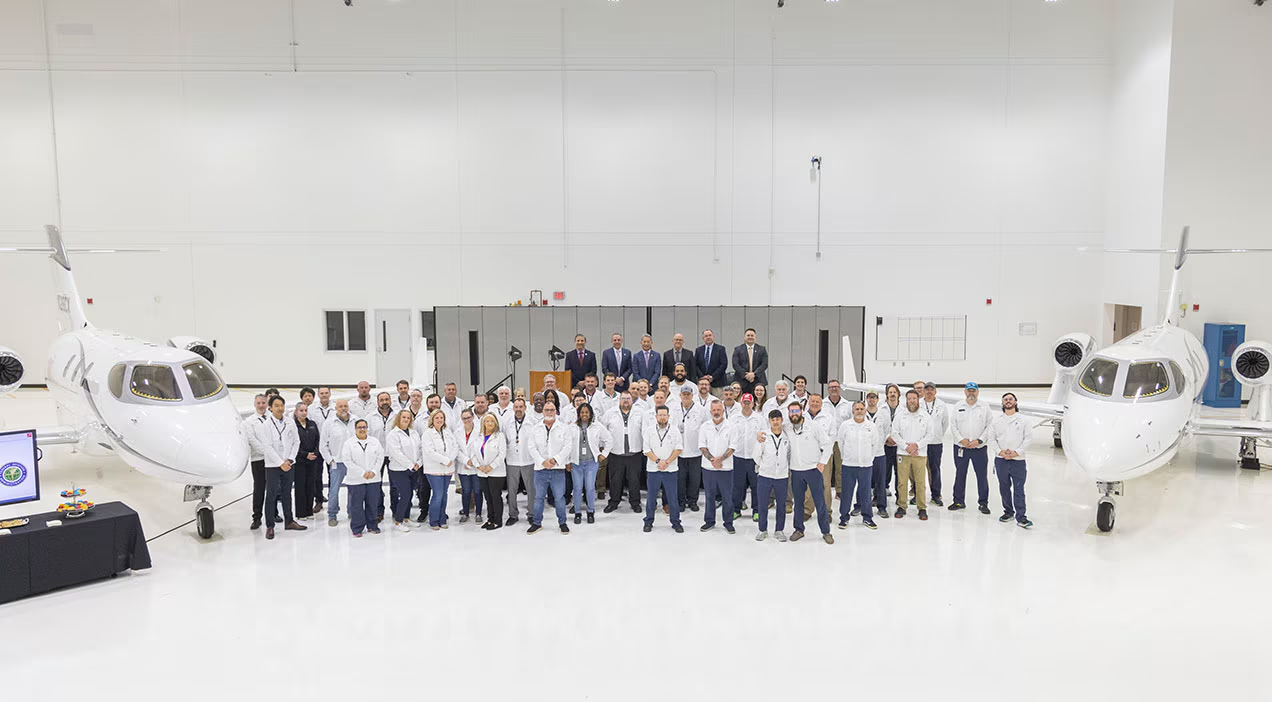
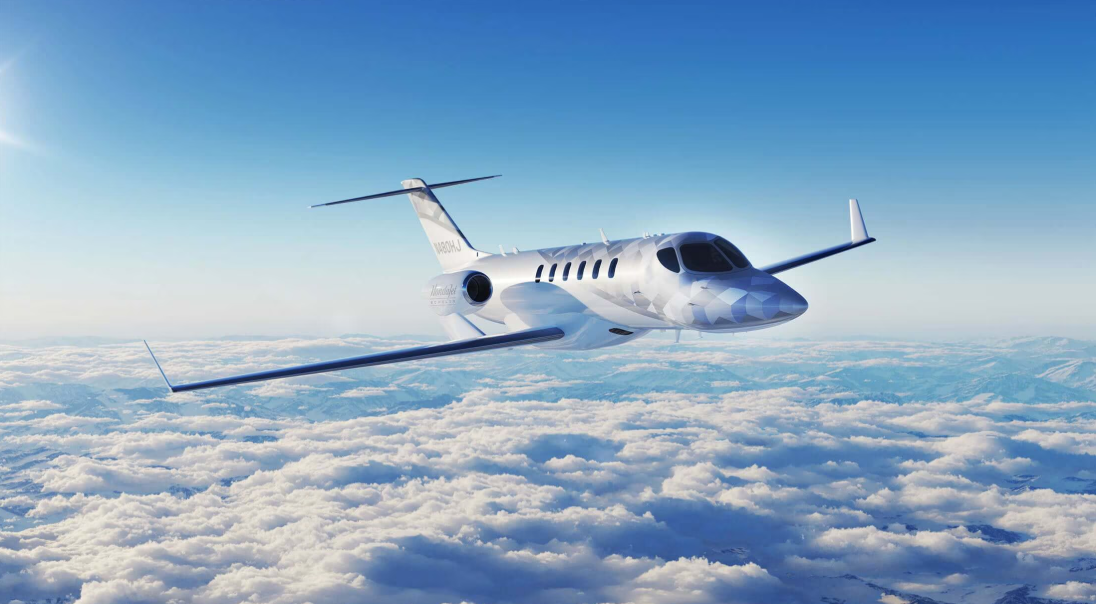
The new-generation aircraft, codenamed HA-480 HondaJet Echelon, has not yet been officially delivered but already has nearly 500 Letters of Intent (LOIs).
The price tag? 1.2 billion yen. Based on the current exchange rate, that’s approximately 36.7 million USD.
Spending 36.7 million USD on a Honda aircraft might sound crazy, but what really attracts wealthy buyers is its solid technological advantages.
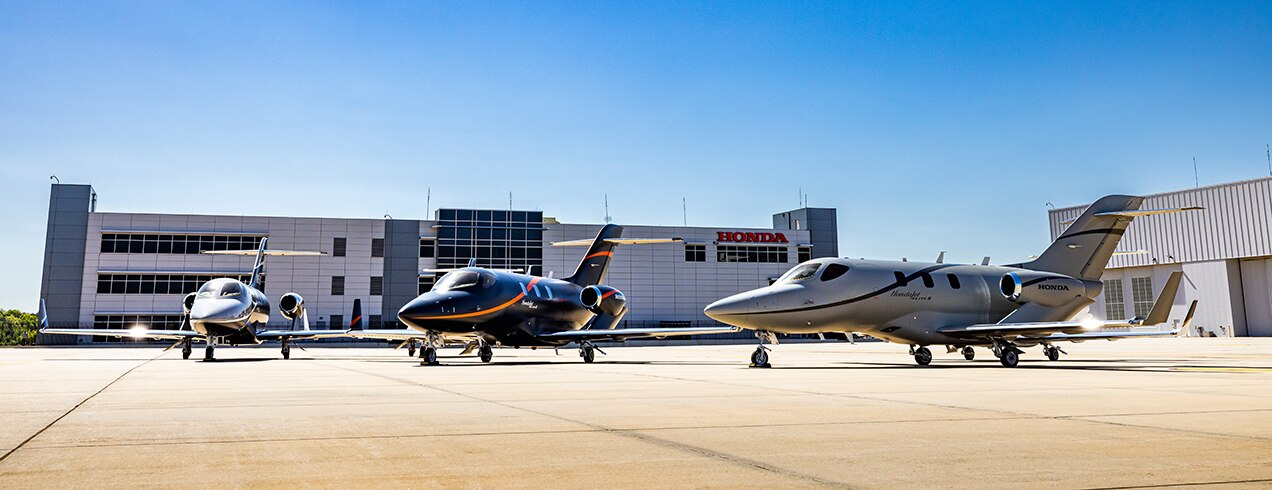
The biggest selling point of the Echelon is its long-range flight capability
We're used to a cautious, slow-moving Honda in the automobile sector, but with the Echelon, we can, on the contrary, see that long-lost “technology fanatic” spirit.
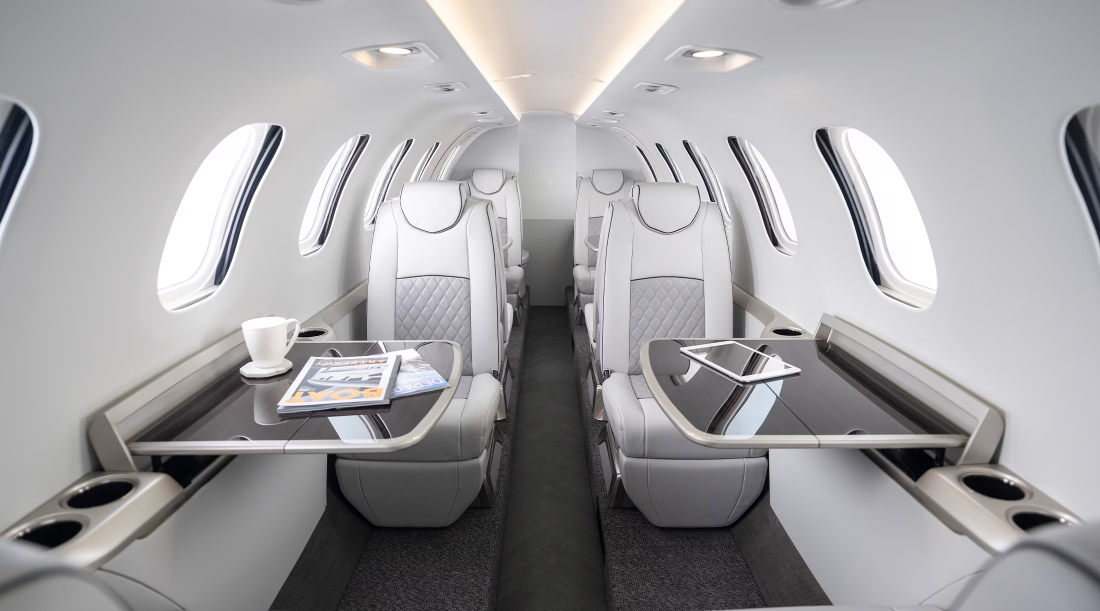
To improve the range of the Echelon, Honda has retained its iconic Over-The-Wing Engine Mount (OTWEM) design, which not only reduces drag but also offers a significantly larger cabin space compared to similar products (again embodying Honda's "Man Maximum, Machine Minimum" philosophy).
This approach of squeezing performance through physical structure optimization is much more advanced than simply enlarging the fuel tank.
Previously, if you wanted to fly directly from New York to Los Angeles, such light jets would usually need to make a refueling stop. But with a range of 2,625 nautical miles (about 4,862 kilometers), the Echelon has become the light jet with the longest range in its class.
Moreover, it supports single-pilot operation, meaning business owners can save a significant amount on crew costs. This logic of maximizing efficiency is very much in line with Honda's style.
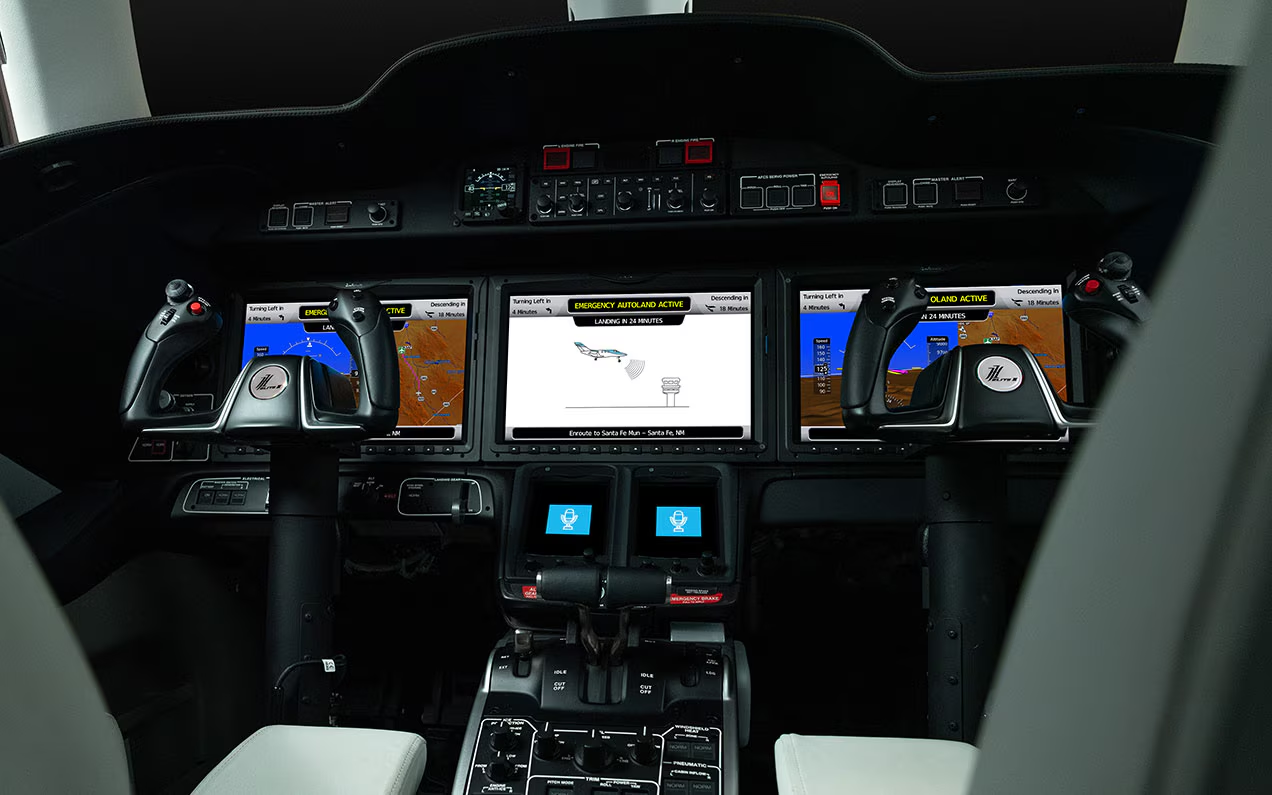
Echelon's order volume has already exceeded its annual production capacity tenfold
However, while taking orders is enjoyable, delivering them is the real challenge.
Honda's current annual production capacity is only around 50 to 60 units. Doing the math, if these 500 intended orders are all converted into confirmed orders, even with factories running non-stop, the queue would extend well beyond 2030.
This also shows that Honda is no longer a newbie in the aviation industry but has become a bona fide top player.
To accelerate profitability, Honda has also raised the price per unit significantly.
Despite the booming aircraft sales, the revenue from 500 jets is still far too small to fill the massive hole left by Honda's shrinking automotive business.
The goal of the aviation division is to achieve profitability by 2030. For now, it's more about building the brand.
After all, when Honda's City or CR-V powertrain shares the same "bloodline" as a private jet in the sky, this sense of brand premium is indeed something that other brands find hard to offer as a talking point.
Overall, Honda finds itself in a strange place right now. Its traditional fuel vehicles and hybrid models on the ground are experiencing a sales slump worldwide, especially in markets like China and Southeast Asia that are being swept by the EV wave, where Honda appears to be a bit unsteady.
But in the skies, they have successfully built a high and strong moat with products like the Echelon, which possess a generational advantage.
If any infringement occurs, please contact us for deletion










Popular Cars
Model Year
Car Compare
Car Photo