
Q
Is Hilux a good daily vehicle?
 WolfFangMay 21, 2025, 10:06 AM
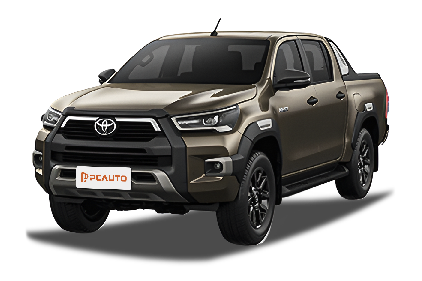
The Hilux serves as a great option for everyday driving. In terms of space, it offers both single and double cab configurations, with the double cab comfortably accommodating five people, making it suitable for family outings. Additionally, the cargo bed offers ample space for transporting tools, goods, and more.
When it comes to performance, the Hilux delivers strong power with its diesel engine providing high torque, enabling it to tackle a variety of terrains, including rugged mountain roads and muddy trails; the four-wheel-drive version enhances its off-road capability even further. The vehicle is also incredibly durable, featuring a solid chassis and robust suspension that can withstand significant stress and bumps, which helps reduce maintenance frequency and lower ownership costs.
Inside, the focus on practicality is evident, with essential safety features like airbags and anti-lock braking systems included to ensure the safety of both the driver and passengers. It has a strong sales in the Malaysian market, indicating its popularity and suitability for daily use. However, as a pickup truck, the Hilux may fall slightly short in terms of comfort compared to some sedans or urban SUVs, particularly regarding the softness of the rear seats and in-cabin sound insulation.
Special Disclaimer: This content is published by users and does not represent the views or position of PCauto.
Related Q&A
Q
Is a 2018 Hilux reliable?
The 2018 Toyota Hilux has built a solid reputation in Malaysia for its reliability and durability. Under the hood, you'll find either a 2.4-liter or 2.8-liter turbocharged diesel engine—proven powertrains that deliver consistent performance, easily handling Malaysia's diverse road conditions whether you're navigating city streets or tackling rough rural tracks. The Hilux's tough chassis and practically tuned suspension can handle heavy loads, making it a great fit for both work and family use. Toyota's extensive after-sales network across Malaysia means maintenance is a breeze with readily available parts, really enhancing the long-term ownership experience. On top of that, the Hilux holds its value well in the used car market, a clear sign that buyers trust its quality. If you're in the market for a tough pickup with reasonable running costs, the 2018 Hilux is definitely worth a look. Of course, when buying used, it's always smart to check the service records and actual condition to make sure it performs as expected.
 RipplingNov 5, 2025
Q
What kind of engine is in the 2018 Toyota Hilux SR5?
The 2018 Toyota Hilux SR5 is powered by the 2GD-FTV 2.4-liter turbocharged diesel engine. This four-cylinder diesel unit features common rail direct injection and a variable geometry turbocharger (VGT), pushing out 150 horsepower (110 kilowatts) and 400 Newton-meters of torque. Paired with a 6-speed automatic or manual transmission, it strikes a solid balance between performance and fuel efficiency, making it a great fit for Malaysia's diverse driving conditions – think city commutes and light off-roading. Part of Toyota's GD engine family, this powerplant is known for its reliability and low maintenance costs, while also meeting the strict emissions standards of its time. What really stands out is the diesel's strong low-end torque, which makes the Hilux shine when hauling loads or climbing hills. Toyota's D-4D technology also helps optimize combustion efficiency and keep carbon buildup in check. For Malaysian drivers who often hit the highway or need serious load-carrying capability, this powertrain is a practical choice. Plus, Toyota's well-established after-sales service network locally adds to the overall convenience of ownership.
 SweetestNov 5, 2025
Q
What is the fuel consumption of the 2018 Toyota Hilux?
The fuel efficiency of the 2018 Toyota Hilux varies depending on engine configuration and driving conditions. Models equipped with the 2.4-liter turbo diesel engine (2GD-FTV) have a combined fuel consumption of approximately 7.5 to 8.0 liters per 100 kilometers, while the 3.0-liter turbo diesel version (1KD-FTV) is slightly higher, around 8.0 to 8.5 liters per 100 kilometers. Actual fuel consumption may fluctuate based on load, road conditions, and driving habits. For Malaysian users, the Hilux's diesel engine design is well-suited to local needs of mountainous roads and long-distance driving, with its low-rev high-torque characteristics maintaining fuel efficiency when climbing hills or carrying cargo. To further optimize fuel consumption, it is recommended to perform regular maintenance (such as cleaning the air filter and maintaining proper tire pressure) and adopt a smooth acceleration driving style, avoiding sudden braking and rapid starts. As a popular model in the pickup truck market, the Hilux's durability and fuel economy have always been among the reasons favored by Malaysian consumers. Additionally, Toyota's after-sales network across the country provides convenient maintenance support for owners.
 FearlessCourageNov 5, 2025
Q
What is the fuel economy of the 2018 Hilux?
The fuel economy of the 2018 Toyota Hilux in the Malaysian market varies depending on specific configurations and driving conditions. According to official figures, the 2.4L diesel variant delivers a combined fuel consumption of approximately 7.5-8.0 liters per 100 kilometers, while the 2.8L diesel model sits around 8.0-8.5 liters per 100 kilometers. Actual fuel usage may fluctuate based on load, road conditions, and driving habits. As one of Malaysia's most popular pickup trucks, the Hilux offers a balanced fuel economy within its segment, striking a good compromise between power and practicality. Notably, the diesel engine's low-end torque characteristics make it particularly suitable for users who frequently carry heavy loads or drive long distances, and Toyota's D-4D common rail technology also helps enhance combustion efficiency. It's advisable for owners to regularly maintain the engine and replace air filters to keep fuel consumption optimal, and try to maintain a smooth driving style. For those seeking better fuel economy, consider subsequent facelift models with more advanced powertrains, but the overall reliability of the 2018 Hilux has been widely proven in Malaysia's diverse terrain.
 ToughFighterNov 5, 2025
Q
Is the 2018 Hilux good for families?
The 2018 Toyota Hilux, as a pickup truck, excels in hauling and off-road capabilities, but there are some factors to weigh for daily family use. It boasts a tough body structure and reliable powertrain, with 2.4L or 2.8L diesel engines that handle long drives and rough terrain well. However, as a family vehicle, its rear-seat comfort can't match traditional SUVs or MPVs—those seats are pretty upright, which might get tiring on longer trips. Also, the back seat space is on the tight side; if you've got a bigger family or need to fit child safety seats, it could feel cramped. On the flip side, its high ground clearance and strong cargo capacity make it great for families into outdoor stuff, like camping or hauling lots of gear. If family comfort is your top priority, the brand's Innova or Fortuner might be better picks—they're more tailored for family needs. All in all, the 2018 Hilux is a solid choice if you need something that handles both work and light family use, but for purely family-focused driving, you might want to go with a more comfort-oriented model instead.
 FearlessNov 5, 2025
Q
What is a 2018 Hilux?
The 2018 Hilux is Toyota's eighth-generation Hilux pickup truck, a hit in Malaysia thanks to its toughness, off-road chops, and practicality. Under the hood, you'll find either a 2.4L or 2.8L turbo diesel engine, delivering solid power and decent fuel economy—perfect for everything from city cruising to backcountry adventures. Its generous ground clearance and part-time 4WD system make it a beast in Malaysia's rainy, muddy conditions. Inside, the focus is on usability, with a multifunction steering wheel and touchscreen infotainment system blending comfort and tech. Safety-wise, it comes with ABS, EBD, and multiple airbags. Malaysians love using the 2018 Hilux for commercial hauling, family trips, or even kitting it out as an off-roader, making it one of the best-selling pickups locally. Toyota offers various trims to suit different needs, and its reputation for reliability and strong resale value makes it a smart bet for long-term ownership.
 GracefulNov 5, 2025
Q
Does a 2018 Hilux have a timing belt or chain?
The 2018 Toyota Hilux comes with a timing chain instead of a timing belt, a design that offers better durability and lower maintenance costs. Unlike timing belts, which need regular replacement, timing chains generally just require periodic checks on lubrication – a real plus for Malaysian owners who tackle all sorts of road conditions. Chains hold up better under heavy loads and long hours of use, especially in tropical climates where their metal construction handles heat and humidity more reliably. Sure, timing chains might be a bit noisier at first, but they last way longer and eliminate the risk of catastrophic engine damage if a belt snaps. For a tough, reliable pickup like the Hilux, a timing chain makes total sense. Just stick to the manufacturer’s recommended maintenance schedule for checks, and your engine should keep running strong for the long haul.
 RainbowsNov 5, 2025
Q
How long is the 2018 Hilux?
The 2018 Toyota Hilux measures 5330mm in length (including the rear bumper) with a 3085mm wheelbase, giving it solid practicality and road presence in the pickup segment. It’s a great fit for Malaysia’s diverse road conditions, handling both city drives and rural hauling with ease. As one of the most popular pickups in Southeast Asia, the Hilux has built a strong reputation for durability and off-road capability. The 2018 model comes with either a 2.4-liter or 2.8-liter turbo diesel engine, balancing power and fuel efficiency nicely. The cargo bed is around 1.5 meters long and nearly 1.6 meters wide, which covers most hauling needs, and the leaf spring rear suspension ensures it can handle heavy loads without breaking a sweat. For Malaysian buyers, there’s also a 4x4 version that tackles muddy monsoon roads or hilly terrain like a pro. On top of that, maintenance costs are reasonable, and the local after-sales service network is pretty well-established.
 ButterflyNov 5, 2025
Q
Is the 2018 Hilux good for off-roading?
The 2018 Toyota Hilux delivers impressive off-road performance in Malaysia, making it a great fit for the country's diverse terrain. Under the hood, you've got reliable 2.4L or 2.8L turbo diesel engines that pump out plenty of low-end torque. Pair that with the part-time 4WD system and generous ground clearance, and it handles mud, sand, or steep slopes like a breeze. The rear differential lock ups the ante for getting out of sticky situations, while the tough ladder frame and suspension setup ensure it can take a beating on rough trails. Malaysian owners will also love the Hilux's modification potential – slap on a snorkel, beefy off-road tires, or underbody skid plates to dial up the off-road capability even more. Now, don't get me wrong, the Hilux is a beast off-road, but driver skill and route choice matter just as much. If you're into off-roading, I'd recommend signing up for proper training and keeping a close eye on key components like the drivetrain and brakes to stay safe out there. And with Malaysia's tropical weather, make sure you're extra diligent with maintaining the engine cooling system and electronics – that heat and humidity can really take a toll on your ride.
 WhisperrNov 5, 2025
Q
What is a 2018 Toyota worth?
The price of a 2018 Toyota in Malaysia's used car market depends on factors like the specific model, mileage, condition, and specifications. Generally, popular models such as the Corolla Altis or Hilux command higher prices, ranging from around RM70,000 to RM120,000 for those in good condition. Mid-sized cars or SUVs like the Camry or Fortuner might fall between RM100,000 and RM150,000, though exact figures still hinge on market trends and the vehicle's service history. When buying a used Toyota, it's advisable to check the maintenance records, accident history, and the condition of the engine and gearbox, as these directly impact the car's actual value. Toyota is known in Malaysia for its durability and low maintenance costs, which translates to strong resale value in the used market. However, prices can vary slightly by region, so it's best to get more accurate quotes through local used car platforms or dealers. For hybrid models like the Prius, prices might be slightly lower due to battery lifespan concerns, but they still offer long-term fuel cost savings.
 CyberNinjaWarriorNov 5, 2025
Popular Cars
Model Year
Car Compare
Car Photo
Related Models
 Cars
CarsLatest Q&A
Q
Does the 2019 Golf GTI have a timing belt or chain?
The 2019 Golf GTI uses a timing chain instead of a timing belt—a design that offers better durability and lower maintenance costs. Typically, a chain lasts as long as the engine itself and rarely needs replacement, whereas a belt requires inspection or replacement every 60,000 to 100,000 km. If neglected, a worn belt can snap and cause severe engine damage.
VW’s EA888 engine family has long relied on chain-driven systems, which are relatively quiet and highly reliable. That said, it’s crucial to periodically check the tensioner’s condition. Some earlier models experienced timing issues due to tensioner design flaws, but this was addressed in the 2019 version.
For performance enthusiasts, a chain system handles high-revving stress better, making it a common choice for hot hatches like the GTI. For daily driving, just stick to VW 50400/50700-spec oil as recommended in the manual—proper lubrication keeps the chain system healthy long-term.
One heads-up: If you hear noticeable metallic rattling near the front of the engine, have the guides or tensioner inspected ASAP. Unlike the telltale belt squeal before failure, this noise is a classic sign of chain-related wear.
 MoonlitSerenadeDec 5, 2025
Q
What is the recall on the 2019 GTI?
The 2019 Volkswagen Golf GTI was subject to a safety recall addressing two potential issues. First, the fuel pump control unit software could malfunction, potentially causing engine stalling in rare cases. Second, some vehicles might have rear suspension stabilizer link bolts that weren't tightened to specification, posing a loosening risk. Owners can visit authorized dealers for free software updates or bolt retightening.
These proactive recalls demonstrate Volkswagen's commitment to safety. Dealers often handle outstanding recall items during routine maintenance.
For performance-oriented models like the GTI, it's wise to go beyond recall checks. Pay close attention to the turbo system, DSG transmission fluid, and brake wear—these components endure more stress during spirited driving. If warning lights appear or you notice unusual noises, get a professional inspection promptly. Keeping the car in top shape ensures you can fully enjoy its dynamic capabilities.
 MusicianNoteMelodyDec 5, 2025
Q
Does the 2019 GTI require premium gas?
The 2019 GTI does recommend using high-octane fuel (typically RON 95 or above). Its 2.0L turbocharged engine has a relatively high compression ratio, and premium gas ensures optimal performance while reducing knock risk. It also helps maintain engine cleanliness and long-term reliability.
While the car may tolerate lower-octane fuel (like RON 92), you’d see slightly reduced power output and fuel efficiency. Over time, it could also affect engine longevity. Turbocharged engines are particularly sensitive to octane ratings since turbos generate higher heat and pressure—high-octane fuel handles these conditions better.
Mixing different fuel grades occasionally won’t hurt, but sticking to the manufacturer’s recommendation is ideal. Also, periodic fuel additive treatments can help clean carbon buildup, especially for direct-injection engines.
One more thing: even with the same octane rating, fuel additive packages vary by brand. So, picking a reputable gas station matters too.
 FlutteringButterflyDec 5, 2025
Q
How long will a 2019 GTI last?
The lifespan of a 2019 GTI largely depends on maintenance and driving habits. With regular oil changes, transmission fluid replacements, and avoiding aggressive driving, it can easily clock over 200,000 kilometers—or even more. Its 2.0T engine and DSG gearbox are proven combos, and as long as you stick to the factory service schedule, mechanical reliability won’t be an issue.
Just keep in mind: turbocharged engines demand extra care. Always use the right spec full-synthetic oil and monitor the cooling system. Climate plays a role too—hot, humid conditions mean paying extra attention to rubber seals and electronics. Every 50,000 km, have the timing chain and high-pressure fuel pump inspected (key items for turbos).
Driving style matters. Don’t redline it constantly, and let the engine warm up properly after cold starts. Rustproofing helps long-term durability, so regular underbody washes are smart. Nail these details, and this car’s built to last.
 DriverRouteTravelDec 5, 2025
Q
How fast is the 2019 GTI?
The 2019 GTI truly delivers when it comes to performance. Under the hood lies a punchy 2.0-liter turbocharged four-cylinder, churning out 228 horsepower and 350 Nm of torque. Whether you opt for the engaging 6-speed manual or the lightning-fast 7-speed DSG, this hot hatch rockets from 0-100 km/h in just 6.3 seconds, with an electronically limited top speed of 250 km/h.
What really sets the GTI apart is its razor-sharp handling. The sport-tuned suspension and electronic differential lock work together to deliver precise steering and rock-solid cornering stability. It’s the perfect blend of everyday practicality and proper driver’s car thrills—a well-rounded hot hatch in every sense.
For enthusiasts, the GTI’s tuning potential is massive. Many owners go for ECU remaps or intake/exhaust upgrades to squeeze out even more power. Just remember to keep things street-legal—safety and compliance should always come first. Around here, these pocket rockets have a solid following, and it’s easy to see why.
 HikerTrailNatureDec 5, 2025
Related News

Why are people more willing to choose Toyota Hilux instead of Isuzu D-Max?
JamesNov 3, 2025

There is news that the next-generation Toyota Hilux will be released in November, bringing a major redesign.
MichaelSep 28, 2025

2026 Toyota Hilux Interior Unveiled, and It’s Giving Prado Vibes
JohnAug 6, 2025
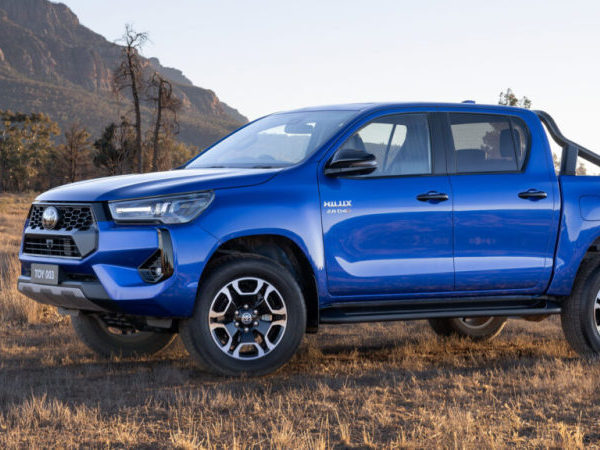
All-New 2025 Toyota Hilux Coming Soon: Here's What to Expect
JamesJun 24, 2025
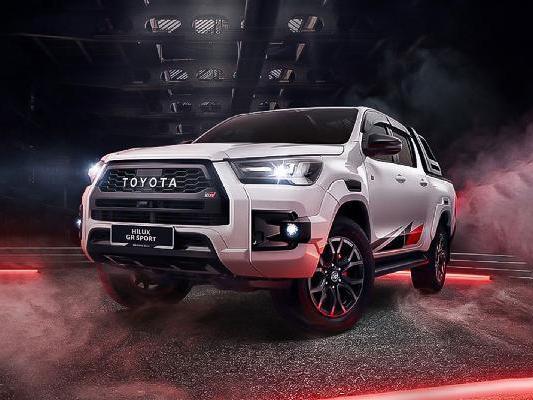
Toyota Hilux: A Buying Guide to Help You Choose the Right Model
MichaelMar 25, 2025
View More
Pros
Cons