
Q
Is Mercedes E-Class safe?
 FixerJun 03, 2025, 09:58 AM
The Mercedes-Benz E-Class is truly a safe vehicle. It comes with a comprehensive suite of safety features including the Anti-lock Braking System (ABS), which prevents the wheels from locking up during braking, and the Electronic Stability Program, which helps maintain the vehicle's stability under challenging driving conditions.
In addition, there are multiple airbags. Depending on the model, it may have 7 or 9 airbags, which can protect the driver and passengers, providing protection against head and side collisions. Features such as Blind Spot Assist, Lane Departure Warning System, and Active Brake Assist/Active Safety System further enhance safety. The Blind Spot Assist warns you when it's unsafe to change lanes. The Lane Departure Warning System alerts you when the vehicle drifts out of its lane. The Active Brake Assist/Active Safety System can automatically apply the brakes to avoid or mitigate collisions.
Moreover, the parking imaging system, like the 360-degree parking imaging system available in some models, helps with safe parking and maneuvering. With these safety features working in tandem, the Mercedes-Benz E-Class offers a high level of protection for the occupants on the road.
Special Disclaimer: This content is published by users and does not represent the views or position of PCauto.
Related Q&A
Q
What is special about E-Class?
The Mercedes-Benz E-Class has many special features. In terms of appearance, it inherits the brand's sense of elegance and luxury. The newly designed front face is more aggressive, paired with delicate LED headlights. The increased body size optimizes the interior space, and the rear - seat legroom is more spacious.
In terms of power, there are various options, such as traditional turbocharged engines and plug - in hybrid systems. For example, the E200 offers 204 Hp + 320 Nm (the electric motor provides 23 Hp + 205 Nm), and the E350e offers 313 Hp+550 Nm (the electric motor provides 129 Hp+440 Nm), which can meet the needs of different consumers.
The interior maintains a high standard and is equipped with a large number of high - tech features. For instance, the new MBUX infotainment system is both convenient and practical.
The safety and assistance configurations are also very rich. It comes standard with a series of systems such as ABS anti - lock braking, vehicle stability control, and active braking, as well as practical functions like automatic parking, which enhance driving convenience and safety.
 NovaBurstJun 3, 2025
Q
Which model of E-Class is fastest?
Among the E-Class models availlable, the top speeds of three models - the 2021 Mercedes-Benz E-Class E300 AMG Line, the 2019 Mercedes-Benz E-Class E 300 Exclusive Line, and the 2019 Mercedes-Benz E-Class E 350 AMG Line - all reach 250 km/h, making them the fastest. The 2024 Mercedes-Benz E-Class E200 has a top speed of 240 km/h, the 2024 Mercedes-Benz E-Class E350e has a top speed of 236 km/h, the 2021 Mercedes-Benz E-Class E200 Avantgarde has a top speed of 240 km/h, and the 2019 Mercedes-Benz E-Class E 200 SportStyle Avantgarde also has a top speed of 240 km/h. The top speed doesn't solely depend on power factors such as engine power, it also
depends on vehicle's aerodynamic design, tire grip, suspension tuning, etc., . These fastest models usually achieve a good balance in power output and overall vehicle tuning, enabling them to reach a relatively high top speed.
 CyberHawkJun 3, 2025
Q
Which one is more expensive, C-Class or E-Class?
The Mercedes - Benz E - Class is usually more expensive than the C - Class, as they belong to different vehicle positioning levels. Take the price of vehicles in 2024 as an example. The price range of the C - Class (such as the C 200 or C 300) is roughly between RM 280,000 and RM 380,000, while the E - Class (like the E 200 or E 300) typically falls within RM 380,000 to RM 550,000.
The price gap between the two models mainly reflects in the body size, interior luxury, technological equipment, and power configuration. As a higher - level executive sedan, the E - Class excels in terms of space, comfort, and driving assistance features. Additionally, the E - Class offers high - performance AMG versions (such as the E 53 or E 63), with prices exceeding RM 700,000. In contrast, the AMG C 63 is usually priced around RM 650,000, still lower than the top - of - the - line E - Class models.
Car buyers should make their choices based on their budgets and needs. If you prefer a spacious and comfortable luxury experience, the E - Class is a better choice. On the other hand, the C - Class is more suitable for consumers who prefer a compact and sporty style and have a relatively limited budget.
 HappySlugJun 3, 2025
Q
Where is Mercedes E-class made?
The Mercedes E-Class is produced in Bremen, Germany. Mercedes-Benz is a German brand with its headquarters in Stuttgart, Germany. The Bremen plant in Germany has approximately 12,500 employees and is responsible for manufacturing models such as the Mercedes-Benz C-Class and E-Class. In addition, Mercedes-Benz has factories in multiple locations around the world. The models produced in different regions may vary in terms of power configuration and other aspects due to market demands. For example, the Mercedes E-Class in the Malaysian market is equipped with a 2.0T turbocharged engine paired with a 9G Tronic automatic transmission, and also comes with either a 48V mild hybrid system or a PHEV plug-in hybrid system.
 IronFistJun 3, 2025
Q
Is the noise insulation of Mercedes-Benz E-Class excellent?
The Mercedes-Benz E-Class employs excellent noise insulation measures to reduce the intrusion of outside noise. The body structure is well - designed, and high - quality materials are used for the body and doors to block noise. For example, thick glass and well - sealed door rubber strips help prevent wind and road noise from entering the cabin.
In terms of the engine, the powertrain is carefully tuned. Whether it's a gasoline engine or a hybrid system, both of them operate smoothly, and the noise level is relatively low. Advanced engine technology and noise insulation measures in the engine compartment also help create a quiet driving environment.
In addition, the suspension system is tuned to not only provide a comfortable driving and riding experience but also minimize vibrations and related noise that might enter the cabin. Moreover, components such as the electronic parking brake and the 9 - speed automatic transmission with smooth shifting operate quietly, further enhancing the overall quietness of the vehicle.
This excellent noise insulation makes the Mercedes - Benz E - Class an ideal choice for those who pursue a quiet and peaceful driving experience.
 VenomStrikeJun 3, 2025
Q
Which model year of E-Class is the most reliable?
It's hard to directly determine which model year of E-Class is the most reliable because each have their own advantages. The 2024 Mercedes-Benz E-Class is quite advanced in terms of technology and configuration. It has good fuel economy, and its 48V mild hybrid system is also excellent, ensuring its reliability. This vehicle comes standard with a number of active safety systems and has a large number of airbags, providing all-round protection for passengers and drivers. The interior is equipped with a variety of comfort features, such as power-adjustable seats and automatic air conditioning, which reduces the probability of malfunctions caused by the aging of components.
For earlier models, such as those from 2019 to 2021, the technology is mature and stable. Over the long - term development, the Mercedes - Benz brand has continuously optimized and improved the core technology of the E - Class. The key components of these models, like the engine and transmission, are of reliable quality and have been tested by the market for a long time. Many users have reported that there are rarely any major malfunctions under normal maintenance. In short, the models from each year have high reliability. When buying a vehicle, you can make a choice based on your budget, preference for configurations, and the actual inspection results of the vehicle.
 CrimsonBladeJun 3, 2025
Q
Is Mercedes E-Class a good family vehicle?
The Mercedes - E-Class sedan can be an excellent family vehicle, which combines comfort, safety, and performance. The interior is usually exquisitely decorated with high - quality materials. The seats are comfortable and can be electrically adjusted for both the driver and passengers. The rear seats offer ample space, making it comfortable for children or adults even on long - distance trips.
The safety features are comprehensive. It is equipped with multiple airbags, a stability control system, and advanced driving assistance systems such as active braking, lane departure warning, and blind - spot monitoring. These functions help prevent accidents and ensure the safety of your family on the road.
In terms of performance, the E - Class offers a variety of engines to meet different needs. Whether you prefer a fuel - efficient hybrid model or a more powerful gasoline - engine model, you can find a suitable option.
However, it also has drawbacks. The maintenance cost may be relatively high, and the cargo space of some models may be limited, especially when you need to carry large items or a lot of luggage for a family outing. But overall, for families seeking a comfortable, safe, and stylish vehicle, the Mercedes - E - Class is a reliable choice.
 ShadowReaperJun 3, 2025
Q
What's the service life of the Mercedes-Benz E-Class ?
The service life of the Mercedes-Benz E-Class can vary significantly due to multiple factors. With proper maintenance and good driving habits, it can be used for over a decade and cover a high mileage. Some owners have reported that their E-Class vehicles can run smoothly for 15 - 20 years. Regular maintenance, such as changing oil, filters, and timely checking of components, is crucial. Mercedes-Benz vehicles are of high manufacturing quality and their components are durable. However, the electrical and interior systems may develop problems over time. For hybrid models, the lifespan of the battery is a factor to be considered. Generally, the battery's service life of an E-Class hybrid can last about 6 - 10 years. But this can be affected by driving style, climate, and charging habits. Aggressive driving, extreme temperatures, and frequent short trips may shorten the overall service life of the vehicle. In general, the better you maintain your Mercedes-Benz E-Class, the longer it will serve you reliably.
 JetStreamJun 3, 2025
Q
Which one is better, Mercedes C or E-Class?
Both of them have their own advantages. The C-Class is more suitable for drivers who prefer sporty handling, a compact body, and have a relatively limited budget (starting from around RM 280,000). Its dynamic design and precise driving experience make it ideal for city commuting. On the other hand, the E-Class (starting from around RM 380,000), as a mid - to large - sized executive sedan, focuses more on spaciousness, luxury comfort, and a business usage. It comes with more luxury features for the rear seats and is suitable for family users or business people. In terms of performance, the AMG version of the C-Class (such as the C 63) puts more emphasis on track handling, while the E-Class AMG (such as the E 53) strikes a better balance between performance and comfort. Additionally, both of them are equipped with the MBUX intelligent system, but the E-Class usually offers more advanced driving assistance features (such as a higher - level autonomous driving assistance). If you favor agile driving and cost - effectiveness, the C-Class is a great choice. If you value a luxurious riding experience and business needs more, the E-Class is more appropriate.
 FlameWingJun 3, 2025
Q
Does Mercedes-Benz E-Class have a high fuel efficiency?
The Mercedes E-Class boasts good fuel economy. It adopts well-developed engine and transmission technologies, with some models equipped with a 48V mild - hybrid system, which help reduce its fuel consumption. Fuel consumption varies across different models. For example, the official combined fuel consumption of the E200 is 6.7L per 100km, while that of the E350e is 7L per 100km. Moreover, the 9 - speed automatic transmission has a smart shifting logic. It upshifts actively when you use light throttle to ensure fuel efficiency, and downshifts promptly when you press the accelerator hard to get the engine into the optimal power output range. In addition, driving habits and road conditions have a significant impact on actual fuel consumption. Smooth driving, making good use of coasting, and maintaining a constant speed on the highway can all keep fuel consumption at a relatively low level. All in all, the Mercedes E - Class can maintain a relatively reasonable fuel consumption level while offering a comfortable driving and riding experience, meeting the needs of daily use.
 ThinkJun 3, 2025
Popular Cars
Model Year
Car Compare
Car Photo
Related Models

 Cars
CarsLatest Q&A
Q
How much horsepower does a 2018 BMW X4 have?
The 2018 BMW X4's horsepower varies depending on the engine option. The most common xDrive20i features a 2.0-liter turbocharged four-cylinder delivering 184 hp, while the xDrive30i uses a higher-tuned version of the same engine pushing 252 hp. For those craving more performance, the X4 M40i packs a 3.0-liter turbocharged inline-six churning out 360 hp—showcasing BMW's flexible power tuning across the range.
But let's be real: horsepower alone doesn't tell the whole story. Torque and transmission matter just as much. Take the M40i—it’s not just about the 360 hp; that 500 Nm of torque paired with the 8-speed auto makes acceleration feel instant. And with BMW’s xDrive AWD system putting power down efficiently, you get both grip and agility. So when picking your X4, don’t just fixate on the numbers. Think about how the whole powertrain works together—and how it suits your daily drive. That’s how you’ll find the right fit.
 GentleGraceDec 8, 2025
Q
What is the recall on the 2018 BMW X4?
The 2018 BMW X4 was subject to a safety recall due to potential fuel tank welding defects that could lead to fuel leakage risks. To address this, dealerships replaced affected tanks with upgraded components. Another recall involved incorrectly installed front seatbelt pretensioners, which might compromise protection during collisions—authorized technicians were required to inspect and properly secure these parts.
These proactive recalls align with global vehicle safety standards. Owners can check their VIN status via BMW’s official website or schedule complimentary repairs at authorized service centers. For German luxury vehicles like this, regular software updates (e.g., iDrive system alerts) and hardware inspections are crucial—keeping the communication module active ensures timely notifications.
Questions about recall coverage? Bring your registration documents to a dealership for a detailed inspection report. Such services typically apply regardless of warranty status.
 QuiDec 8, 2025
Q
How much is a 2018 BMW X4 worth?
The 2018 BMW X4 is currently priced between RM180k to RM250k in the used car market, depending on factors like condition, mileage, trim level, and service history. Higher-spec versions like the xDrive30i M Sport typically command a 10% to 15% premium over base models.
Powered by either a 2.0T or 3.0T turbocharged engine, it comes standard with all-wheel drive and a sport-tuned chassis. If you're considering one, pay close attention to engine performance and transmission smoothness—always check the factory warranty history to avoid hidden repair costs.
Keep in mind luxury SUVs depreciate faster than sedans; a five-year-old X4 usually retains about 50% to 60% of its original value. That said, BMW’s extensive service network and parts availability help keep long-term ownership costs manageable.
Pro tip: Prioritize unmodified examples with full dealership service records. They might cost a bit more upfront, but you’ll save headaches (and cash) down the road.
 OlaDec 8, 2025
Q
Is the 2018 BMW X4 reliable?
The 2018 BMW X4 delivers above-average reliability for its class. Its B48/B58 turbocharged engines are proven units with consistent power delivery, though some owners report occasional minor glitches in the electronics – things like sensor false alarms or infotainment lag. These are typically resolved with software updates.
The ZF 8-speed automatic transmission is buttery-smooth and built to last, while the chassis strikes a nice balance between sporty handling and comfort. That said, it’s worth getting the suspension components checked regularly, especially if you frequently tackle rough roads. For used buyers, solid maintenance records are key—make sure oil changes, transmission fluid, and transfer case fluid were done on schedule. Skipping 4WD system maintenance can lead to nasty repair bills down the road.
In the luxury SUV segment, the X4 outhandles most rivals, though rear-seat space is tighter than some alternatives. If practicality tops your list, cross-shop accordingly. Before buying, get a professional inspection—pay special attention to common wear items like the water pump and thermostat, which can age prematurely in hot, humid climates.
Bottom line? Stick to the maintenance schedule, and the X4’s mechanicals will hold up well for daily driving. Plus, with BMW’s strong dealer network, parts are easy to source when needed.
 XonDec 8, 2025
Q
What is the fuel consumption of BMW X4 2018?
The fuel efficiency of the 2018 BMW X4 varies depending on engine specs and driving conditions. The xDrive20i, powered by a 2.0L turbocharged four-cylinder, delivers a combined cycle of around 7.5-8.2L/100km. Step up to the 3.0L inline-six turbo in the xDrive30i, and you're looking at roughly 8.5-9.3L/100km. Real-world figures? They'll fluctuate based on stop-and-go traffic, highway cruising, or how heavy your right foot is.
BMW's EfficientDynamics tech—think auto start-stop and brake energy regeneration—helps squeeze out extra miles per gallon. If you're really serious about saving at the pump, keep an eye out for the plug-in hybrid variants down the road; their pure-electric mode slashes running costs.
Pro tips for better mileage: keep those tires properly inflated, ease off the aggressive throttle jabs, and anticipate stops to avoid hard braking. Remember, SUV fuel economy differences often boil down to weight, aerodynamics, and how the transmission's tuned.
 SonDec 8, 2025
Related News
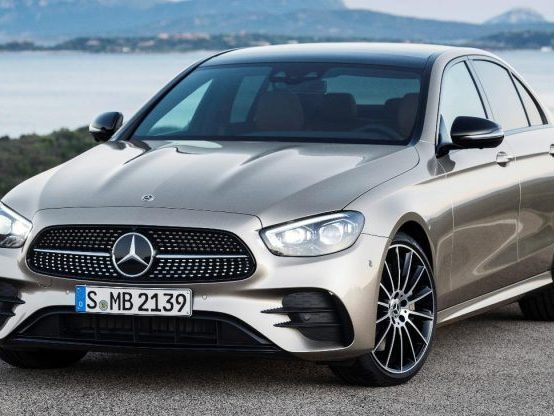
Mercedes-Benz E-Class: Timeless Exterior That Radiates Elegance
Kevin WongMay 12, 2025
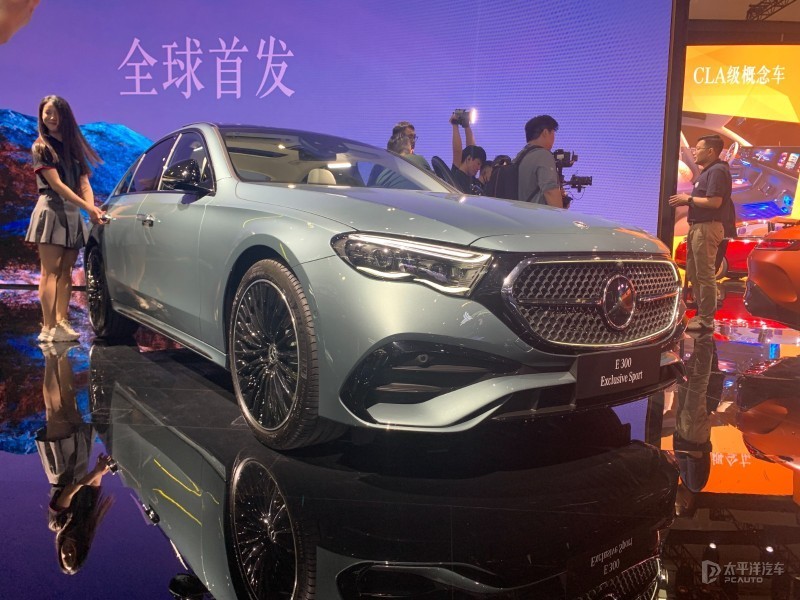
2024 Beijing Auto Show: Mercedes-Benz E-Class Standard Wheelbase Version Priced from 459,200 RMB
AshleyApr 28, 2024
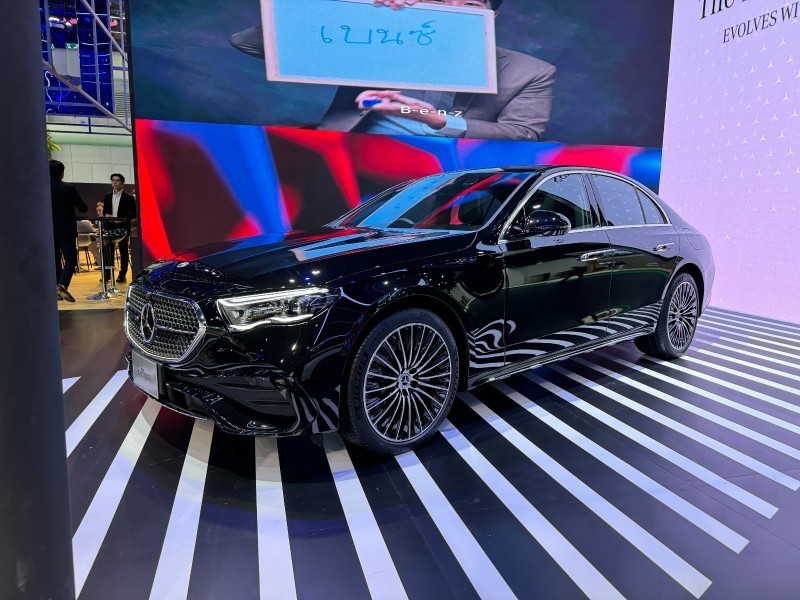
Bangkok Motor Show 2024: New Mercedes-Benz E-Class launched, priced at 3,990,000-4,250,000 Thai Baht
Kevin WongMar 27, 2024

Mercedes-Benz invests in an autonomous driving technology company under Geely named Qianli
AshleySep 25, 2025

Benz launches its first car equipped with solid-state batteries, capable of traveling 1,205 kilometers on a full charge
WilliamSep 10, 2025
View More
Pros
Cons