
Q
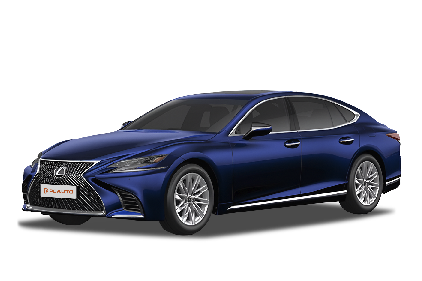
Is the 2020 Lexus LS a good car?
 StarryNightsObserverOct 23, 2025, 05:11 PM
The 2020 Lexus LS is a premium luxury sedan that's been turning heads in the Malaysian market. What really sets it apart from the pack is its exceptional comfort, meticulously crafted interior, and rock-solid reliability – all hallmarks of a true class leader. Under the hood, you've got options: a 3.5-liter V6 twin-turbo engine or a 3.5-liter V6 hybrid setup. Both deliver smooth power delivery and impressive fuel efficiency, making the LS a great fit for Malaysia's mix of city streets and highway stretches.
Step inside, and the LS pampers you with top-tier leather, elegant wood trim, and tasteful metal accents. The 12.3-inch infotainment screen and Mark Levinson sound system are just the cherries on top, ensuring a truly luxurious in-cabin experience. When it comes to safety, the Lexus Safety System+ 2.0 has you covered with features like pre-collision warning, lane keep assist, and adaptive cruise control – all working together to keep you secure on the road.
For Malaysian buyers, the LS also scores big on practicality. Lexus has a well-established after-sales service network here, and the brand itself holds strong resale value, which helps keep long-term ownership costs in check. If your priorities are comfort, dependability, and strong brand cachet, the 2020 LS is definitely worth a serious look. That said, it's worth noting that its German rivals in the same class tend to lean more into driving dynamics, while the Japanese approach, as seen here, really emphasizes serenity and long-lasting durability. Ultimately, it all comes down to personal preference – so weigh what matters most to you.
Special Disclaimer: This content is published by users and does not represent the views or position of PCauto.
Related Q&A
Q
How much is an oil change for a Lexus LS 500?
In Malaysia, an oil change for the Lexus LS 500 typically runs between RM500 and RM1,000. The exact price hinges on the type of oil used—like factory synthetic or high-performance blends—and where you get the service done: official dealerships or independent workshops. Dealerships usually throw in a more thorough inspection, but you'll pay a premium for that peace of mind.
Sticking to regular oil changes is non-negotiable for keeping that engine performing at its peak and extending its lifespan, especially for a high-end luxury performer like the LS 500. Lexus recommends servicing every 10,000 kilometers or 12 months, whichever comes first—always best to double-check your owner’s manual for specifics.
Another key point: oil viscosity. In Malaysia’s hot, tropical weather, using the right grade—think 5W-30 or 0W-20—makes a big difference in keeping the engine running smoothly under the heat. If your budget allows, springing for a factory maintenance package is worth considering. These often bundle multiple checks and services, which does a better job of keeping your LS 500 in top shape long-term.
 SilverStreamFollowerOct 23, 2025
Q
Does the 2020 Lexus LS 500 have remote start?
Yep, the 2020 Lexus LS 500 does come with remote start here in Malaysia. Owners can fire up the engine using either the smart key fob or the Lexus Enform smartphone app. This lets you pre-heat or pre-cool the cabin before getting in, which is a real comfort boost—super handy especially with our hot and humid weather. Typically, the remote start system works together with the climate control and even the seat adjustments, so by the time you hop in, the interior’s just how you like it.
A quick heads-up though: how far you can be from the car and how well it works can depend on your surroundings—stuff like buildings blocking the signal or interference can play a part. Also, Lexus has built in some safety smarts here. For example, if you start the engine remotely but don’t unlock the doors after a while, it’ll automatically shut off. That helps avoid wasting fuel or any potential security issues.
For Malaysian LS 500 owners, this feature isn’t just about convenience; it’s also great for getting the car ready before a long drive. Lexus, being a luxury brand, has always focused on user experience with their tech, and remote start is just one part of that. Throw in things like adaptive cruise control and lane-keeping assist, and it all adds up to making driving both easier and safer.
 ShadowDancerMysteriousOct 23, 2025
Q
How much is a Lexus LS 500 2020?
If you're scouring Malaysia's used car market for a 2020 Lexus LS 500, you'll typically find prices hovering between RM 450,000 and RM 600,000. Of course, the exact figure hinges on factors like the car's condition, mileage, spec level, and whether it's still under the original factory warranty. As Lexus' flagship luxury sedan, the LS 500 packs a serious punch under the hood: a 3.5-liter twin-turbo V6 churning out 416 horsepower and 600 Nm of torque, paired with a buttery-smooth 10-speed automatic transmission that delivers both refinement and grunt when you need it. Step inside, and you're greeted by premium leather, elegant wood trim, a crisp 12.3-inch infotainment screen, a killer Mark Levinson sound system, and a suite of active safety tech—think pre-collision systems and lane-keeping assist. For Malaysian buyers, the LS 500 isn't just a luxury ride; it's a statement of status and taste. Plus, Lexus has a solid after-sales network here, giving owners peace of mind. If you're in the market for a used one, I’d recommend sticking to official certified channels or reputable dealers to ensure you’re getting a quality vehicle with reliable support down the line.
 CrystalGazeVisionaryOct 23, 2025
Q
Does Lexus sell more than BMW?
Looking at global sales figures, BMW typically outsells Lexus overall. But here in Malaysia? Their performance can vary quite a bit, and that all comes down to model preferences and how each brand positions itself in the market.
BMW's known for its sporty performance and cutting-edge luxury tech, right? It's got a strong following among younger buyers and those who live for that high-performance driving experience. Lexus, on the other hand, has built its reputation on rock-solid reliability and that supremely comfortable ride – it's a big hit with family-focused buyers who really value quality and top-notch after-sales service.
In Malaysia, Lexus hybrids like the UX250h and ES300h are flying off the shelves thanks to their impressive fuel efficiency. BMW, meanwhile, keeps the momentum going with steady demand for its X Series SUVs and the ever-popular 3 Series sedan – both are loved for the sheer driving pleasure they deliver and the strong brand cachet BMW carries.
One thing to keep in mind: Malaysian luxury car buyers are often influenced by factors like import duties, fuel prices, and the reach of after-sales service networks. So, if you're in the market, my advice? Head down to the showrooms, take both for a spin, and make sure to compare their local service offerings and any ongoing promotions. That way, you can make a choice that's perfectly tailored to your needs.
 OceanMistExplorerOct 23, 2025
Q
What is the 2020 Lexus LS 500 maintenance cost?
The maintenance costs for the 2020 Lexus LS 500 in Malaysia can vary depending on mileage and the specific services needed. Typically, you're looking at a basic service every 10,000 km or 12 months, which should set you back around RM800 to RM1,200. That usually covers an oil and oil filter change along with a general inspection. For more comprehensive services – think brake fluid or transmission fluid replacements – you'll be in the RM2,500 to RM4,000 range. Exact prices can fluctuate a bit depending on which service center you visit and if you're sticking strictly with genuine Lexus parts.
As you'd expect with a luxury brand, Lexus maintenance isn't the cheapest, but you do get what you pay for in terms of service quality and technical expertise. In Malaysia especially, authorized Lexus service centers offer thorough inspections and the peace of mind that comes with genuine parts, helping keep your LS 500 in top shape for the long haul. Beyond just keeping the car running smoothly, regular servicing also helps preserve its resale value down the line. My advice? Stick closely to the maintenance schedule in your owner's manual and always opt for official authorized centers to ensure you're getting the most reliable care possible.
 DreamySundaysRelaxerOct 23, 2025
Q
What is the 2020 Lexus LS's resale value?
The resale value of a 2020 Lexus LS in Malaysia hinges on several key factors: overall condition, mileage, trim level, and service history. From what we’re seeing in the market, a 3-year-old LS 500 or LS 500h typically retains around 60-70% of its original sticker price, translating to roughly RM350,000 to RM450,000. Higher-spec variants or the hybrid models might fetch a bit more.
Lexus has built a solid reputation in Malaysia for reliability and premium after-sales service, which keeps its used cars holding value steadily. Vehicles with a full service record from authorized dealerships are especially sought-after—they’re like gold dust here.
But here’s the thing: used car prices in Malaysia can also swing based on new car promotions, currency exchange rates, and current stock levels. If you’re in the market, I’d recommend checking official certified pre-owned channels or trusted platforms for real-time pricing. It’s also smart to cross-shop against German or other Japanese luxury rivals like the Mercedes S-Class or BMW 7 Series to get a full picture of where the LS stands.
And if you’re selling? Hold onto that complete service book and keep those original parts—they’ll make a big difference in getting top dollar for your LS.
CloverFieldsLoverOct 23, 2025Q
What is the maintenance cost for a LS500?
As a luxury flagship sedan, the Lexus LS500 does come with relatively high maintenance costs in Malaysia, but that’s par for the course given its premium positioning and exceptional quality. Basic servicing – think oil changes, filter checks, and the usual essentials – will set you back roughly RM1,500 to RM2,500 per visit. Of course, the final bill can vary a bit depending on which authorized service center you go to and whether you stick strictly with genuine Lexus parts. For major services, like when it’s time to replace transmission fluid or brake fluid, you’re looking at a heftier RM4,000 to RM6,000.
Here’s the upside though: Lexus offers a solid 5-year or 100,000-kilometer factory warranty in Malaysia. On top of that, some local dealers might even throw in complimentary maintenance packages, which can really help soften the blow of long-term ownership costs.
If you’re an LS500 owner in Malaysia, sticking with authorized service centers is non-negotiable. Not only do they guarantee genuine parts, but you also get that peace of mind from professional inspections – trust me, skimping on repairs with dodgy shops will almost always end up costing you more down the line.
Sure, the LS500’s maintenance isn’t cheap compared to regular brands, but its rock-solid reliability and low failure rates often translate to fewer unexpected repair bills over time. That’s a big part of why Lexus continues to hold such strong appeal in Malaysia’s luxury car market.
 MistyMeadowWalkerOct 23, 2025
Q
How does the 2020 Lexus LS handle in snow?
The 2020 Lexus LS's performance in snow largely hinges on its available all-wheel drive (AWD) system and suite of electronic aids. Now, Malaysia's climate is plenty warm, but getting a handle on these capabilities is super useful for owners planning a self-drive trip to colder climes. The LS 500 AWD variant comes with a sophisticated dynamic torque distribution setup that automatically shifts power between the front and rear wheels on slippery surfaces, really boosting grip. Then there's Vehicle Stability Control (VSC) and Traction Control (TRC) chipping in to keep wheel spin in check, which is a big plus when things get icy.
On top of that, there's a dedicated Snow driving mode that tweaks the throttle response and transmission shift logic to better suit low-traction conditions. A quick heads-up though – how well it handles snow also depends a lot on your tires. Fitting winter tires is definitely the way to go to get the most out of the LS in those conditions.
For Malaysian owners, sure, you're not dealing with snow locally, but understanding these tech features gives you a sense of how the car adapts in extreme environments. And let's be real, those electronic aids aren't just for snow – they work great on rain-soaked roads after a heavy downpour too, really highlighting the LS's all-weather design philosophy. If you are gearing up for a winter road trip abroad, it's a good idea to chat with your dealer beforehand about any specific vehicle settings and tire recommendations.
 LilacHazeAdmirerOct 23, 2025
Q
How much is a fully loaded 2020 Lexus LS?
The fully loaded 2020 Lexus LS in Malaysia will set you back around RM 900k to RM 1.1 million, though the exact number can vary depending on the spec you choose, dealer discounts, and market conditions at the time. As Lexus' flagship luxury sedan, it's powered by either a 5.0-liter naturally aspirated V8 or a 3.5-liter V6 hybrid setup, delivering both impressive performance and fuel efficiency. Inside, you're treated to top-shelf features like the Mark Levinson premium sound system, semi-aniline leather seats, a massive 24-inch heads-up display, and the Lexus Safety System+ 2.0 suite of smart driver aids. For Malaysian buyers, the LS isn't just a status symbol – its reputation for reliability and solid after-sales service make it a smart pick for the long haul. Lexus also offers various financing plans and warranty packages in Malaysia to help make owning this flagship more accessible. If you're keen on specific specs or current promotions, your best bet is to hit up your local Lexus dealer for the latest deets.
 IvoryTowerThinkerOct 23, 2025
Q
Which Lexus LS has a V8?
In the Malaysian market, the V8-powered models in the Lexus LS lineup mainly include the fourth-generation (2007-2017) LS 460 and LS 600h L, along with the fifth-generation (2018-present) LS 500. While some overseas markets do offer a V8 variant of the fifth-gen LS, the officially imported versions in Malaysia primarily focus on the 3.5L V6 twin-turbo and hybrid powertrains. The fourth-gen LS 460 packs a 4.6L naturally aspirated V8, churning out around 380 horsepower, while the LS 600h L steps up with a 5.0L V8 hybrid system delivering a combined 445 horsepower. Both models have long been favorites among high-end Malaysian buyers, cherished for their silky-smooth performance and top-tier luxury features.
It’s worth noting, though, that as global emissions regulations have tightened, Lexus has gradually shifted toward smaller-displacement turbocharged engines and hybrid tech in recent years. As a result, V8-powered LS models have become pretty scarce in Malaysia these days. For die-hard V8 enthusiasts, your best bet might be scouring parallel import channels for used or leftover fourth-gen LS V8s—just keep in mind the potentially higher maintenance costs and road tax differences. Still, Lexus V8s are legendary for their durability and whisper-quiet operation, and when paired with the brand’s signature sound-deadening magic, they serve up a driving experience that’s nothing short of premium.
 AzureHorizonWatcherOct 23, 2025
Popular Cars
Model Year
Car Compare
Car Photo
Related Models
 Cars
CarsLatest Q&A
Q
Is AMT similar to automatic?
There are significant differences between AMT transmissions and automatic transmissions (AT) in terms of core structure and driving experience. AMT is essentially an electronically automated version of a manual transmission, simulating manual clutch operation and gear shifting through a computerized control system while retaining the gear set structure of manual transmissions. As a result, it offers higher transmission efficiency, with fuel consumption approximately 8%-12% lower than AT, making it particularly suitable for highway or long-distance driving. However, it may exhibit jerking similar to manual transmissions during low-speed gear shifts, especially noticeable in congested traffic conditions.
AT transmissions rely on torque converters for power transfer, delivering smooth and seamless gear shifts that appeal to comfort-oriented users. However, their complex structure (incorporating planetary gear sets, hydraulic systems, etc.) results in higher maintenance costs. A single service may cost between 800 to 1,500 ringgit, whereas AMT only requires gear oil replacement at approximately 400 ringgit.
From a market perspective, AMT is predominantly used in budget vehicles or commercial models priced below 80,000 ringgit, while AT is typically featured in mid-to-high-end vehicles. Consumers should select based on actual needs: AMT suits those prioritizing fuel efficiency and low maintenance costs, while AT better serves those valuing comfort. Notably, recent advancements in AMT electronic control technology have significantly mitigated jerking issues, though test drives should still emphasize low-speed performance evaluation.
 AriaMar 26, 2026
Q
Which is better, DCT or AT?
DCT (Dual-Clutch Transmission) and AT (Automatic Transmission) each have their own advantages and disadvantages, and the choice should be based on personal driving needs. AT transmissions transfer power through a torque converter, offering excellent shift smoothness, making them suitable for urban commuting or novice drivers. However, they tend to have higher fuel consumption, and vehicles equipped with them are usually more expensive. DCT transmissions utilize a dual-clutch structure, featuring fast shift speeds and high power transmission efficiency, which provides a more direct driving experience—particularly suitable for users seeking a sporty feel. However, they may exhibit jerking at low speeds and have relatively high maintenance costs. If durability and comfort are priorities, AT is the more reliable choice; if power responsiveness and driving pleasure are preferred, wet DCT (such as Volkswagen DSG) performs better, though dry DCT models should be avoided in prolonged stop-and-go traffic conditions. Additionally, CVT transmissions excel in smoothness and fuel efficiency, making them ideal for daily commuting, but they lack driving excitement. It is recommended to test-drive before purchasing, as tuning varies significantly across brands, and real-world experience is more important than theoretical specifications.
FlutteringMar 26, 2026Q
Is Amt good or bad?
AMT gearboxes have a significant cost advantage in the local market, typically being around 5,000 Ringgit cheaper than models equipped with conventional automatic transmissions. Their fuel efficiency is comparable to manual transmissions, resulting in long-term fuel savings. Featuring a straightforward design, they achieve transmission efficiency exceeding 90% with relatively low maintenance costs, making them ideal for practicality-oriented consumers. However, their shifting logic contains inherent limitations: gear changes between 1st and 2nd cause 0.3-0.5 second power interruptions, while unintended upshifts on inclines may reduce engine speed by 15%-20%, compromising driving smoothness. For urban commuters or budget-conscious buyers, AMT offers excellent value, though those prioritizing premium driving dynamics should consider alternative transmission types. Some domestic models like the Perodua Axia employ enhanced AMT systems, where optimized shift programming has reduced gearshift shock by approximately 30%.
 RainbowsMar 26, 2026
Q
Which gives better mileage, CVT or AMT?
From the perspective of fuel economy, CVT transmissions generally perform better under urban driving conditions. Their continuously variable design allows the engine to consistently operate within the optimal speed range, significantly reducing fuel consumption during frequent starts and stops. Test data shows that their fuel consumption in urban driving conditions is 10% to 15% lower than that of comparable models. AMT transmissions, on the other hand, inherit the high transmission efficiency of manual transmissions, delivering fuel efficiency close to manual transmissions during high-speed cruising. This makes them particularly suitable for long-distance driving in large-displacement vehicles. However, due to power interruption during gear shifts, their overall fuel consumption may be 5% to 8% higher than CVTs.
The difference in fuel-saving characteristics between the two transmissions stems from their technical principles: CVTs achieve continuous variability through steel belts and pulleys, eliminating the fixed gear ratio limitations of traditional transmissions; AMTs simulate manual gear changes via electronic control systems while maintaining the mechanical efficiency of gear transmission. Notably, actual fuel consumption is also influenced by driving habits. Smooth acceleration and anticipatory deceleration can maximize the transmissions' fuel-saving potential. If the vehicle budget permits and urban commuting is the primary use, CVTs offer a more economical choice. For frequent highway driving with an emphasis on cost-effectiveness, AMTs are equally worth considering.
 RubyBlazeMar 26, 2026
Q
Which is cheaper, AMT or CVT?
In terms of gearbox cost, AMT is usually more economical than CVT. Essentially, AMT is a manual transmission equipped with an electronic control unit, featuring a simple structure and low maintenance costs. The unit price ranges from approximately 5,000 to 8,000 ringgit, making it suitable for budget-conscious consumers or those who prioritize long-term operating costs. CVT incurs higher manufacturing costs due to its precision steel belt transmission system and continuous variable transmission technology, with a unit price of about 7,000 to 10,000 ringgit. However, it delivers a smoother driving experience and superior fuel efficiency. The primary differences between the two lie in technical complexity: AMT retains the gear-shifting mechanism, resulting in noticeable shift shock; CVT achieves linear power output through stepless speed variation but requires periodic belt inspection and incurs higher maintenance expenses. For those prioritizing initial cost and basic transportation needs, AMT offers better value; if comfort and long-term fuel economy are priorities, CVT represents a more worthwhile investment. Note that actual prices may vary based on vehicle model, brand, and local supply chain factors.
 ShadowProwlMar 26, 2026
Related News

Lexus LS may turn into a six-wheel MPV, so why does the LS Concept use a six-wheel design?
MichaelOct 16, 2025

Lexus launches LS 500 Heritage Edition in the United States, which may be discontinued afterwards
Kevin WongSep 28, 2025

The Lexus ES 200: Laughed Out of Existence
MichaelMar 23, 2026

Toyota Crown Sedan and Lexus ES price difference? What are their differences?
WilliamMar 13, 2026

Aerodynamic kit + Optimized V8 engine! Tom's Racing modified Lexus LC is so stunning?
MichaelJan 14, 2026
View More
Pros
Cons