
Q
What is a 2021 Honda CR-V worth?
 ActorStageDec 05, 2025, 03:45 PM
The current value of a 2021 Honda CR-V depends on factors like condition, mileage, trim level, and warranty status. Generally, you're looking at around RM110k to RM140k in the used market.
The base 2.0L models tend to be more affordable, while the top-tier 1.5T turbo variants with Honda Sensing hold their value better. The CR-V has always been a hot seller thanks to its reliable Earth Dreams engine tech and smart, spacious layout—especially the versatile Magic Seats and massive 590L boot, which families love.
Maintenance won’t break the bank either, with recommended service every 10,000km or six months (routine checks cost about RM300–500). If you're shopping for one, pay extra attention to the transmission and suspension bushings—these can wear out after five years. And if it’s still under factory warranty? Even better.
Against rivals, the CR-V holds up well, keeping about 65% of its value after three years—solid for a compact SUV.
Special Disclaimer: This content is published by users and does not represent the views or position of PCauto.
Related Q&A
Q
How much can I sell my Honda HR-V 2019 for?
Based on the current market for the 2019 Honda HR-V, used prices typically range between RM70k to RM90k, depending on factors like condition, mileage, trim level, and service history. Higher-spec 1.8L RS models or low-mileage examples (under 40,000 km) can push closer to or even exceed RM90k, while base variants or high-mileage units will sit at the lower end.
Before buying, always check for a full service record and inspect wear-and-tear items like tires and brakes—these details can significantly impact the final price. Right now, demand for crossover SUVs remains steady, and the HR-V holds its value well thanks to fuel efficiency and practicality. Just keep in mind that new-car promotions or upcoming facelifts might temporarily affect resale prices.
For a more accurate valuation, compare listings on platforms like Carlist or Mudah, or get a professional appraisal from a trusted dealer. If you’re upgrading, some showrooms offer trade-in deals with extra incentives—worth exploring if you’re eyeing a newer model.
 OceanMistExplorerDec 15, 2025
Q
What is a 2019 Honda HR-V worth?
The current second-hand price of Honda HR-V in 2019 is approximately between RM70000 and RM90000, depending on factors such as vehicle condition, mileage, configuration version, and maintenance records. High end 1.8L RS models or vehicles with original factory warranty are usually priced higher. This car is very popular locally mainly due to its practicality and reliability, with a flexible magic seat design and multiple combinations of rear space, suitable for family use. At the same time, the 1.8L i-VTEC engine paired with a CVT gearbox provides a smooth and fuel-efficient power combination, making it sufficient for daily commuting. The resale value of HR-V in the second-hand car market is good, partly due to Honda's good brand reputation, relatively reasonable maintenance costs, and sufficient supply of parts. If considering purchasing a used HR-V, it is recommended to check if the vehicle has regular maintenance records and pay special attention to the chassis and suspension system, as SUV models may experience wear and tear after high mileage. In addition, it can be compared with other popular small SUVs of the same year such as Toyota C-HR or Mazda CX-3, but the advantage of HR-V lies in its more prominent space practicality.
 DreamySundaysRelaxerDec 15, 2025
Q
How often should I change the oil in my 2019 Honda HR-V?
For the oil change frequency of the 2019 Honda HR-V, it is recommended to follow a maintenance cycle of every 10000 kilometers or every 12 months, whichever comes first. This is the standard recommendation provided by Honda for models using synthetic oil. However, if driving short distances in congested road conditions, high temperatures and dusty environments, or frequent heavy loads, it may be necessary to shorten the replacement to every 5000 to 8000 kilometers, as harsh working conditions can accelerate the deterioration of oil performance. It is worth noting that the maintenance reminder system on the dashboard will calculate the oil life based on actual driving conditions, and replacement should be arranged as soon as the prompt appears. As the "blood" of the engine, engine oil not only lubricates components, but also performs cleaning, heat dissipation, and rust prevention functions. Regular replacement can avoid oil sludge accumulation and metal wear. It is recommended to check the oil level and condition synchronously during each maintenance. If it is found that the oil has significantly turned black or has too many impurities, it can be replaced in advance even before the cycle. At the same time, choosing fully synthetic engine oil that meets Honda HTO-06 certification (such as 0W-20 or 5W-30 viscosity) can better adapt to the local climate, while inferior engine oil may lead to increased fuel consumption or even engine damage, so it is necessary to purchase through legitimate channels.
CloverFieldsLoverDec 15, 2025Q
Does the 2019 Honda HR-V have a timing belt or chain?
The 2019 Honda HR-V comes equipped with a 1.8-liter i-VTEC engine that features a timing chain instead of a timing belt. Compared to belts, timing chains generally last longer and don’t require scheduled replacements—just regular inspections to ensure they’re in good shape. This helps cut long-term maintenance costs, though chains can be a bit noisier during operation.
Built for durability, timing chains are better suited for modern high-performance engines, while timing belts need replacement at specific mileage intervals. If a belt snaps, it can cause serious engine damage. For owners, knowing whether your vehicle uses a chain or belt matters, as it directly impacts maintenance schedules and budgets. The HR-V’s timing chain design takes one worry off the table, but it’s still important to check the chain tensioner and guides during routine service to keep everything running smoothly.
 MistyMeadowWalkerDec 15, 2025
Q
How long will a 2019 HRV last?
A 2019 Honda HRV can typically travel over 200000 kilometers or be used for about 15 years under normal maintenance and use, depending on the owner's driving habits and maintenance frequency. Regularly changing key fluids such as engine oil, transmission oil, and brake oil, as well as checking tires, brake systems, and suspension components on time, can significantly extend the lifespan of the vehicle. The 1.8-liter i-VTEC engine equipped on HRV has mature technology and high reliability, but attention should be paid to timely cleaning of carbon deposits to avoid power degradation. The hot and humid climate in the local area may accelerate the aging of rubber parts. It is recommended to check the chassis lining and sealing strip every 2-3 years. Second hand car buyers should pay special attention to checking whether the air conditioning system is working properly, as this is a high-frequency component used in tropical regions. If a good maintenance record is maintained, the resale value of this car can still remain at a high level within 5 years, and its resale value performance is good compared to other models in the same class.
 LilacHazeAdmirerDec 15, 2025
Q
What is the maintenance cost for a 2019 HRV?
The regular maintenance cost of HRV in 2019 depends on the specific vehicle model and mileage. Generally, small maintenance (oil change, filter and basic inspection) every 6 months or 10000 kilometers costs about RM300 to RM500, while major maintenance (including transmission oil, brake oil and air conditioning filter replacement) every 40000 kilometers may reach RM800 to RM1200. It should be noted that if you choose original parts and authorized service centers, the cost may be slightly higher but it can ensure quality and warranty rights, while third-party repair shops may be more economical but need to bear the compatibility risks of the parts themselves. In addition, the replacement cycle and cost of vulnerable parts such as tires and brake pads may vary depending on driving habits and road conditions. It is recommended to conduct regular inspections to extend their service life. For car owners, developing good driving habits such as smooth acceleration and reducing sudden braking can not only reduce fuel consumption but also minimize mechanical wear and tear, which can help control maintenance expenses in the long run. If you want to further save costs, you can follow brand promotions or purchase maintenance packages, which usually offer certain discounts.
 IvoryTowerThinkerDec 15, 2025
Q
What is the recall on Honda HR-V 2019?
Regarding the recall information of the 2019 Honda HR-V, the model has been recalled globally due to fuel pump failure issues. Specifically, some batches of vehicles may have their fuel pump impellers deformed due to insufficient resin density, which can cause engine stalling hazards in extreme cases. Car owners can check whether they belong to the affected batch on the official website by entering the chassis number, and promptly contact authorized repair centers to replace the improved fuel pump components for free. It is worth noting that such recalls are proactive safety measures taken by car companies, and not all models of the same model will be involved. It is recommended to regularly pay attention to official vehicle service announcements to ensure that your car is in good condition. For HR-V models from other years, recalls have also been initiated due to various technical issues such as program vulnerabilities in the airbag control unit. This indicates that modern automotive companies have generally established a sound defect monitoring and rapid response mechanism, effectively protecting the rights and interests of car owners through the recall system. If there is any doubt about the vehicle's condition, in addition to consulting the recall notice, it is also possible to use the on-board diagnostic system or request the 4S store to conduct a comprehensive inspection during regular maintenance. This preventive maintenance can significantly reduce potential driving risks.
 AzureHorizonWatcherDec 15, 2025
Q
Is the 2019 Honda HR-V safe?
The 2019 Honda HR-V delivers solid safety performance, packing both active and passive safety tech. You get six airbags, Vehicle Stability Assist (VSA), anti-lock brakes (ABS), and Hill Start Assist (HSA) – all working together to keep you safer on the road. Honda also built this crossover with high-strength materials in the body structure for better crash protection.
While it didn’t score top marks in every global safety test, the HR-V’s overall protection is still dependable for daily driving. If safety is a big priority for you, it’s worth checking out other compact SUVs in this segment—some offer more advanced driver aids like automatic emergency braking or lane-keeping assist, which add an extra layer of security.
Bottom line? The 2019 HR-V strikes a good balance in safety, making it a practical choice for families or city commuters.
 StarryNightsObserverDec 15, 2025
Q
How long will a 2019 Honda HR-V last?
The 2019 Honda HR-V can typically last between 200,000 to 300,000 kilometers—or even longer—with proper maintenance and care, though its exact lifespan depends on the owner’s upkeep habits and driving conditions. Equipped with a proven 1.8L i-VTEC engine known for its durability, this model will stay reliable for years as long as critical fluids like engine oil, transmission fluid, and brake fluid are regularly replaced, along with wear-and-tear parts such as belts, brake pads, and tires.
The HR-V’s solid chassis and rust-resistant body construction also make it well-suited for rainy climates. To maximize longevity, avoid aggressive driving, minimize frequent short trips, and remember to service the AC system and inspect electronics periodically. While rivals like the Toyota C-HR and Mazda CX-3 offer similar durability in this segment, the HR-V stands out with lower maintenance costs and a widespread service network. If budget allows, opting for factory maintenance packages or certified used parts can further boost long-term reliability.
TechGeekGuruDec 15, 2025Q
How safe is the 2019 Honda HR-V?
The 2019 Honda HR-V delivers well-rounded safety performance as standard, featuring six airbags, Vehicle Stability Assist (VSA), Anti-lock Braking System (ABS), and other essential safety tech. Higher trims go a step further with the Honda Sensing suite—think adaptive cruise control, collision mitigation braking, and lane-keeping assist—all working to actively reduce risks on the road. Its five-star ASEAN NCAP crash test rating speaks volumes about the robustness of its body structure and safety engineering. For safety-conscious buyers, this HR-V is a solid pick.
That said, no amount of safety tech replaces good driving habits and proper maintenance. Simple things like checking tire tread depth and brake performance can go a long way in preventing mishaps down the road.
 BikerDec 15, 2025
Popular Cars
Model Year
Car Compare
Car Photo
Related Models

 Cars
CarsLatest Q&A
Q
Is AMT similar to automatic?
There are significant differences between AMT transmissions and automatic transmissions (AT) in terms of core structure and driving experience. AMT is essentially an electronically automated version of a manual transmission, simulating manual clutch operation and gear shifting through a computerized control system while retaining the gear set structure of manual transmissions. As a result, it offers higher transmission efficiency, with fuel consumption approximately 8%-12% lower than AT, making it particularly suitable for highway or long-distance driving. However, it may exhibit jerking similar to manual transmissions during low-speed gear shifts, especially noticeable in congested traffic conditions.
AT transmissions rely on torque converters for power transfer, delivering smooth and seamless gear shifts that appeal to comfort-oriented users. However, their complex structure (incorporating planetary gear sets, hydraulic systems, etc.) results in higher maintenance costs. A single service may cost between 800 to 1,500 ringgit, whereas AMT only requires gear oil replacement at approximately 400 ringgit.
From a market perspective, AMT is predominantly used in budget vehicles or commercial models priced below 80,000 ringgit, while AT is typically featured in mid-to-high-end vehicles. Consumers should select based on actual needs: AMT suits those prioritizing fuel efficiency and low maintenance costs, while AT better serves those valuing comfort. Notably, recent advancements in AMT electronic control technology have significantly mitigated jerking issues, though test drives should still emphasize low-speed performance evaluation.
 AriaMar 26, 2026
Q
Which is better, DCT or AT?
DCT (Dual-Clutch Transmission) and AT (Automatic Transmission) each have their own advantages and disadvantages, and the choice should be based on personal driving needs. AT transmissions transfer power through a torque converter, offering excellent shift smoothness, making them suitable for urban commuting or novice drivers. However, they tend to have higher fuel consumption, and vehicles equipped with them are usually more expensive. DCT transmissions utilize a dual-clutch structure, featuring fast shift speeds and high power transmission efficiency, which provides a more direct driving experience—particularly suitable for users seeking a sporty feel. However, they may exhibit jerking at low speeds and have relatively high maintenance costs. If durability and comfort are priorities, AT is the more reliable choice; if power responsiveness and driving pleasure are preferred, wet DCT (such as Volkswagen DSG) performs better, though dry DCT models should be avoided in prolonged stop-and-go traffic conditions. Additionally, CVT transmissions excel in smoothness and fuel efficiency, making them ideal for daily commuting, but they lack driving excitement. It is recommended to test-drive before purchasing, as tuning varies significantly across brands, and real-world experience is more important than theoretical specifications.
FlutteringMar 26, 2026Q
Is Amt good or bad?
AMT gearboxes have a significant cost advantage in the local market, typically being around 5,000 Ringgit cheaper than models equipped with conventional automatic transmissions. Their fuel efficiency is comparable to manual transmissions, resulting in long-term fuel savings. Featuring a straightforward design, they achieve transmission efficiency exceeding 90% with relatively low maintenance costs, making them ideal for practicality-oriented consumers. However, their shifting logic contains inherent limitations: gear changes between 1st and 2nd cause 0.3-0.5 second power interruptions, while unintended upshifts on inclines may reduce engine speed by 15%-20%, compromising driving smoothness. For urban commuters or budget-conscious buyers, AMT offers excellent value, though those prioritizing premium driving dynamics should consider alternative transmission types. Some domestic models like the Perodua Axia employ enhanced AMT systems, where optimized shift programming has reduced gearshift shock by approximately 30%.
 RainbowsMar 26, 2026
Q
Which gives better mileage, CVT or AMT?
From the perspective of fuel economy, CVT transmissions generally perform better under urban driving conditions. Their continuously variable design allows the engine to consistently operate within the optimal speed range, significantly reducing fuel consumption during frequent starts and stops. Test data shows that their fuel consumption in urban driving conditions is 10% to 15% lower than that of comparable models. AMT transmissions, on the other hand, inherit the high transmission efficiency of manual transmissions, delivering fuel efficiency close to manual transmissions during high-speed cruising. This makes them particularly suitable for long-distance driving in large-displacement vehicles. However, due to power interruption during gear shifts, their overall fuel consumption may be 5% to 8% higher than CVTs.
The difference in fuel-saving characteristics between the two transmissions stems from their technical principles: CVTs achieve continuous variability through steel belts and pulleys, eliminating the fixed gear ratio limitations of traditional transmissions; AMTs simulate manual gear changes via electronic control systems while maintaining the mechanical efficiency of gear transmission. Notably, actual fuel consumption is also influenced by driving habits. Smooth acceleration and anticipatory deceleration can maximize the transmissions' fuel-saving potential. If the vehicle budget permits and urban commuting is the primary use, CVTs offer a more economical choice. For frequent highway driving with an emphasis on cost-effectiveness, AMTs are equally worth considering.
 RubyBlazeMar 26, 2026
Q
Which is cheaper, AMT or CVT?
In terms of gearbox cost, AMT is usually more economical than CVT. Essentially, AMT is a manual transmission equipped with an electronic control unit, featuring a simple structure and low maintenance costs. The unit price ranges from approximately 5,000 to 8,000 ringgit, making it suitable for budget-conscious consumers or those who prioritize long-term operating costs. CVT incurs higher manufacturing costs due to its precision steel belt transmission system and continuous variable transmission technology, with a unit price of about 7,000 to 10,000 ringgit. However, it delivers a smoother driving experience and superior fuel efficiency. The primary differences between the two lie in technical complexity: AMT retains the gear-shifting mechanism, resulting in noticeable shift shock; CVT achieves linear power output through stepless speed variation but requires periodic belt inspection and incurs higher maintenance expenses. For those prioritizing initial cost and basic transportation needs, AMT offers better value; if comfort and long-term fuel economy are priorities, CVT represents a more worthwhile investment. Note that actual prices may vary based on vehicle model, brand, and local supply chain factors.
 ShadowProwlMar 26, 2026
Related News

Jaecoo J5 is about to launch, following Honda CR-V, Honda HR-V will also be challenged
RobertDec 19, 2025

Choose Honda HR-V or Mitsubishi XPANDER for a family car?
WilliamNov 12, 2025
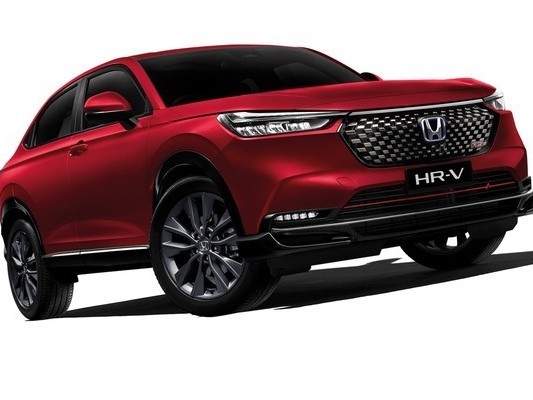
Honda HR-V : Save Money When Buying Your Vehicle!
WilliamApr 8, 2025

Honda HR-V minor redesign launched in Thailand: More dynamic appearance, smarter interior upgrades!
WilliamNov 12, 2024

2024 Honda HR-V will be launched in Thailand in November, with an estimated price of RM 113,000.
JamesOct 8, 2024
View More
Pros
Cons