
Jaecoo J5 is about to launch, following Honda CR-V, Honda HR-V will also be challenged
 RobertDec 19, 2025, 11:03 AM
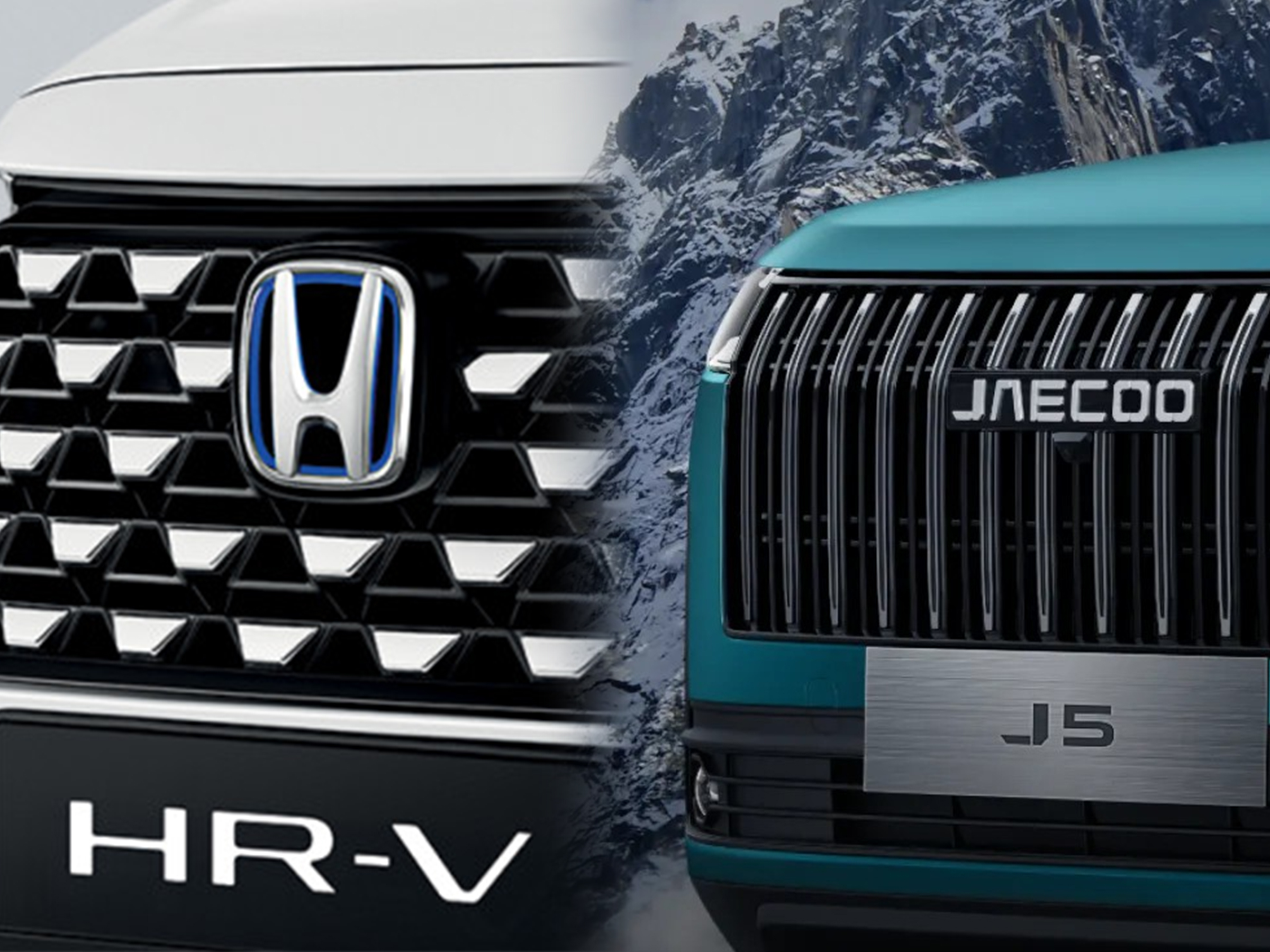
【PCauto】The B-segment SUV market continues to grow, with the Jaecoo J5 set to be launched in Malaysia. Positioned with high configuration and intelligent technology as its key selling points, this SUV faces a clear competitor: the Honda HR-V.
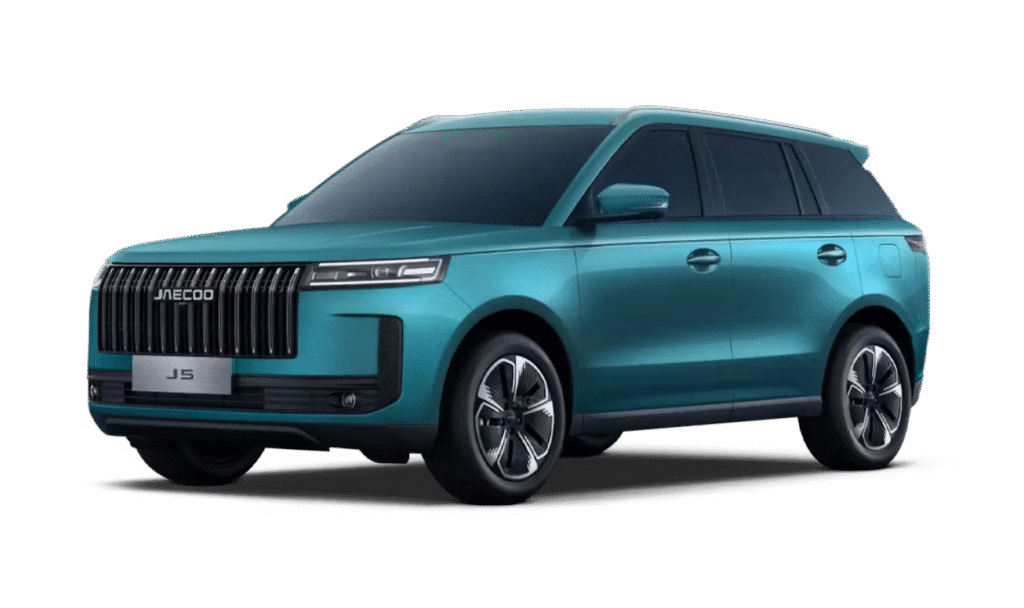
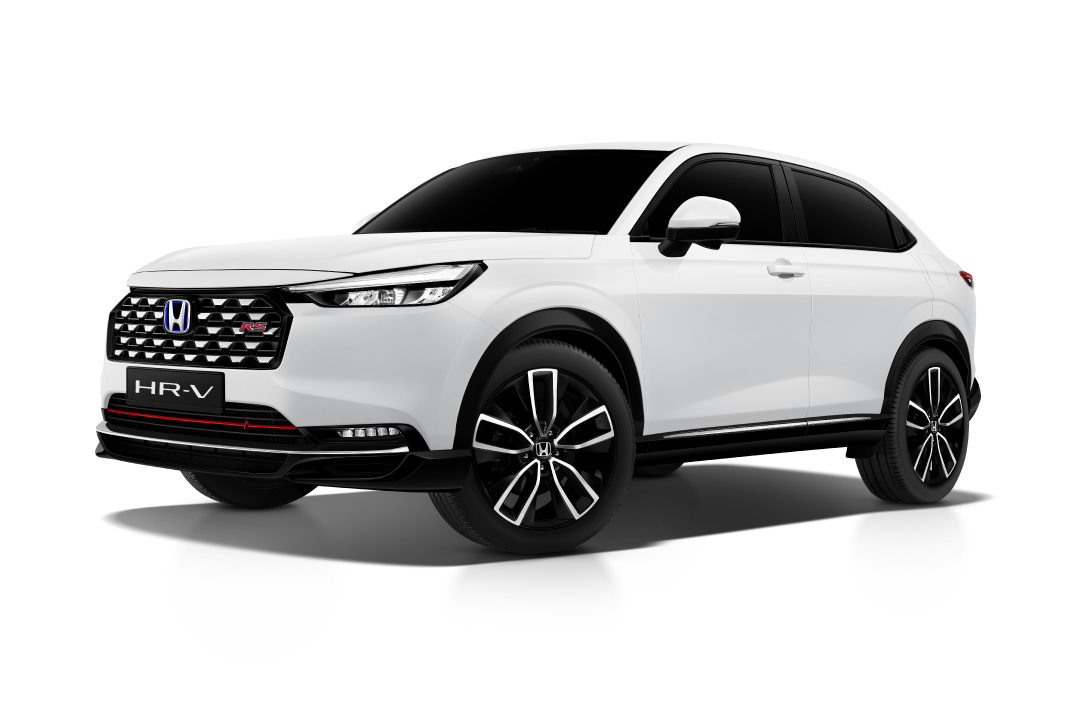
Jaecoo's performance in the Malaysian market is impressive
Since its launch in Malaysia in July 2024, the Jaecoo J7 has achieved over 7,000 registrations in just five months, with an average monthly sales volume of approximately 1,400 units. This is a strong achievement in the local SUV segment, having even surpassed the Honda CR-V on occasion.
Furthermore, by mid-2025, OMODA | JAECOO (the joint brand of Jaecoo and Omoda) had delivered over 20,000 units in the Malaysian market, at one point ranking among the top five in local sales. This indicates that the brand has indeed gained notable attention and market share in a short period of time.
However, compared to the strong performance of the J7, the Jaecoo J5 only began accepting market reservations in 2025, despite being unveiled in 2024.
In any case, this has become a talking point for the J5: as the second main model following the success of the J7, can it shake the position of the Honda HR-V like its predecessor?
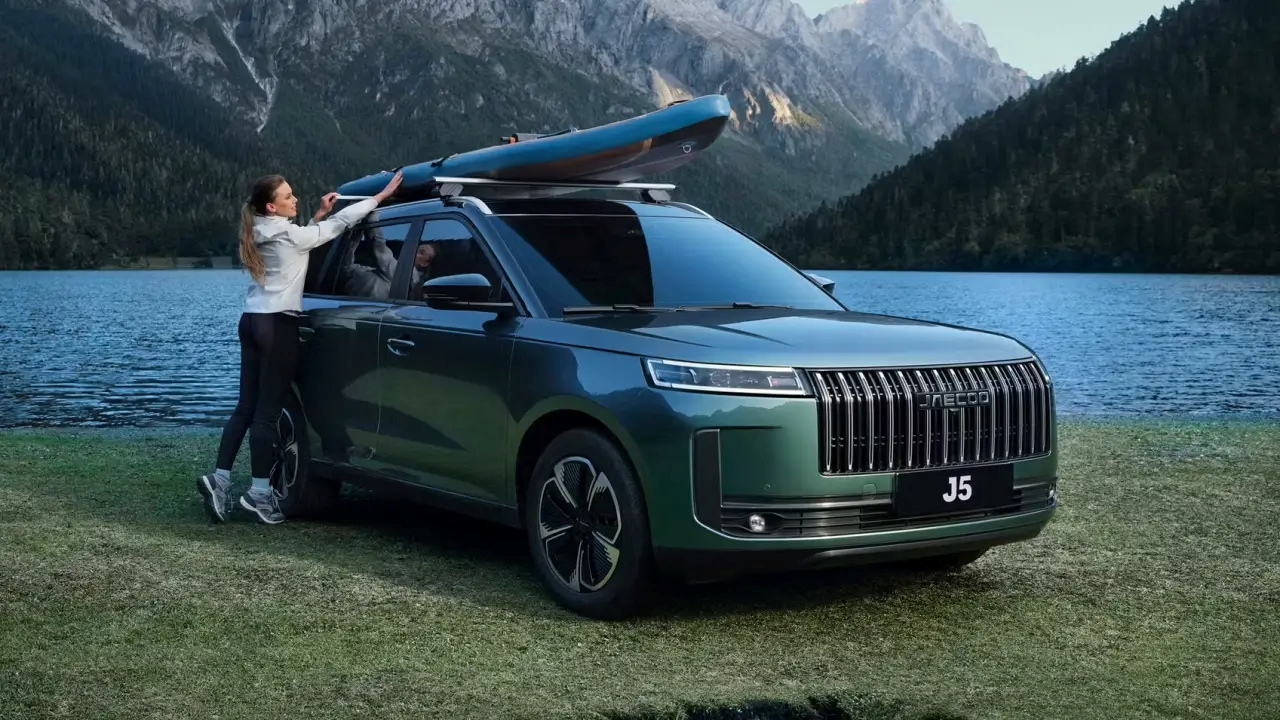
Appearance Comparison: Jaecoo J5 and Honda HR-V
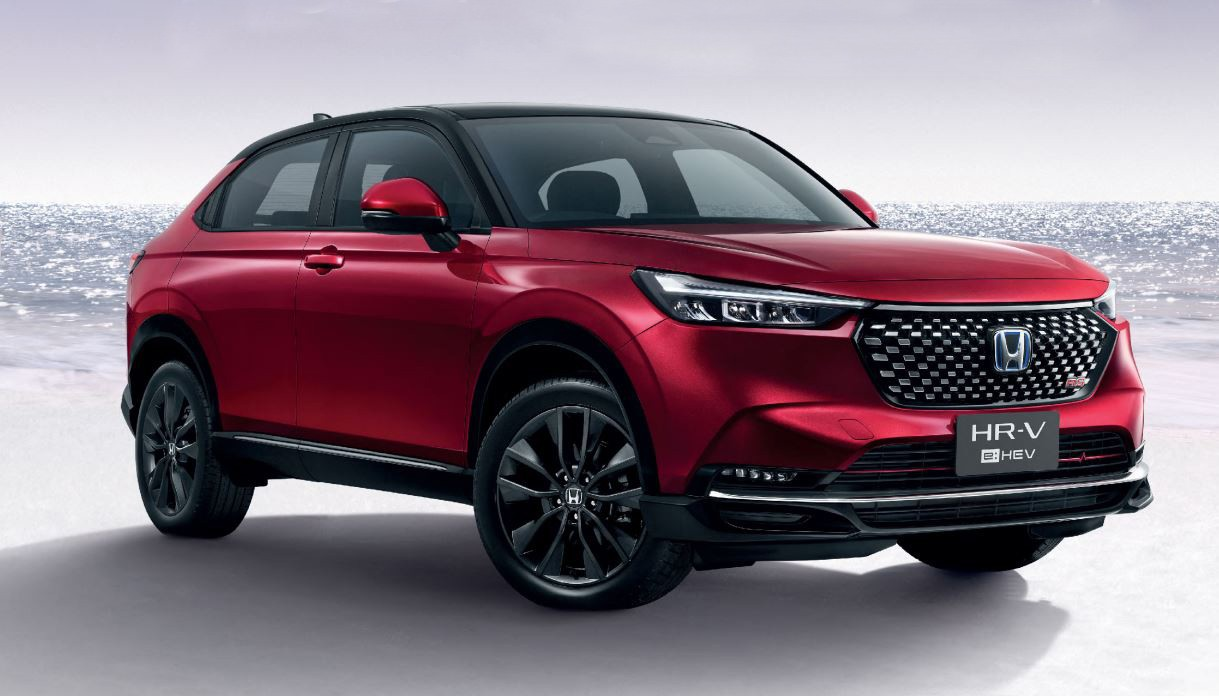
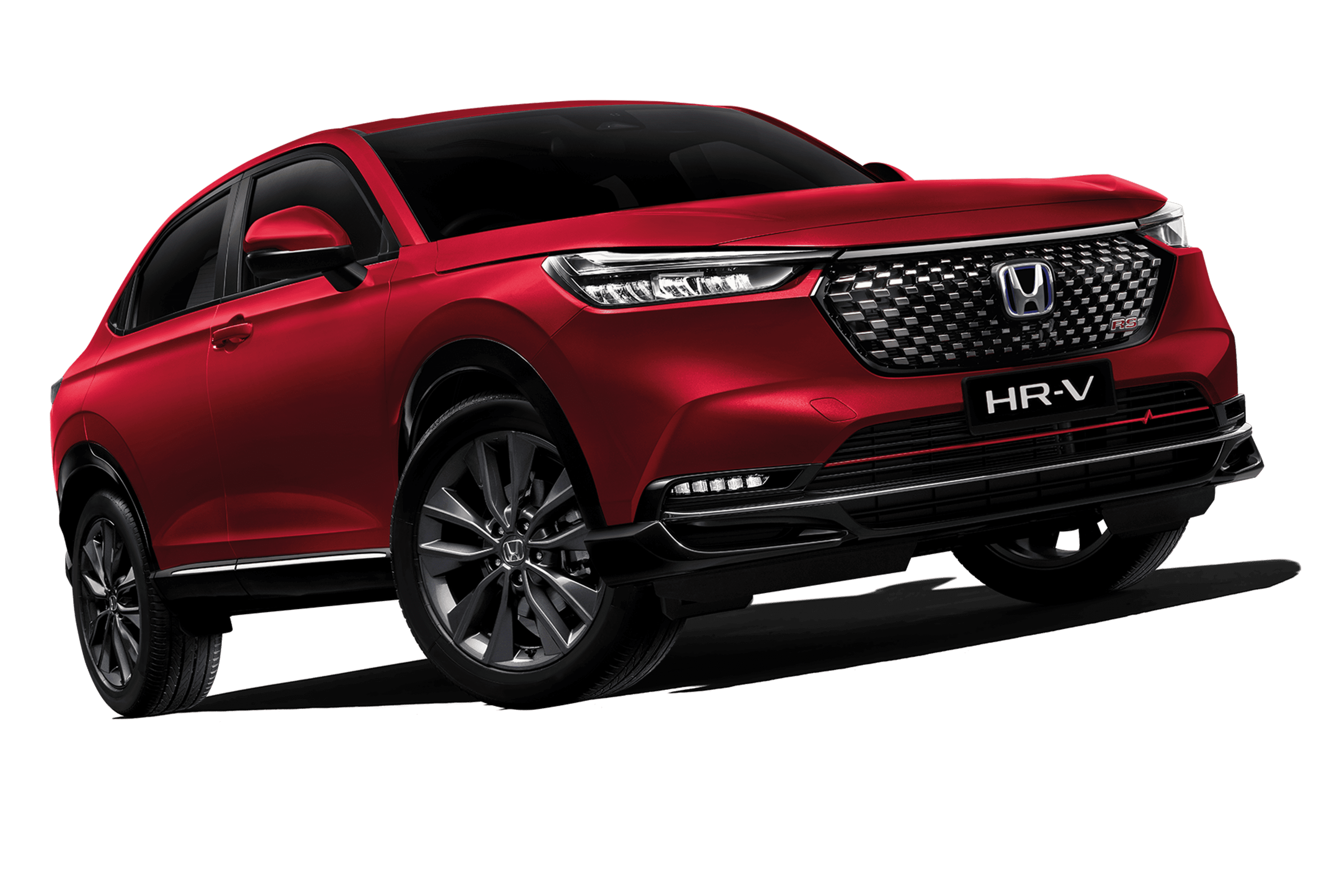
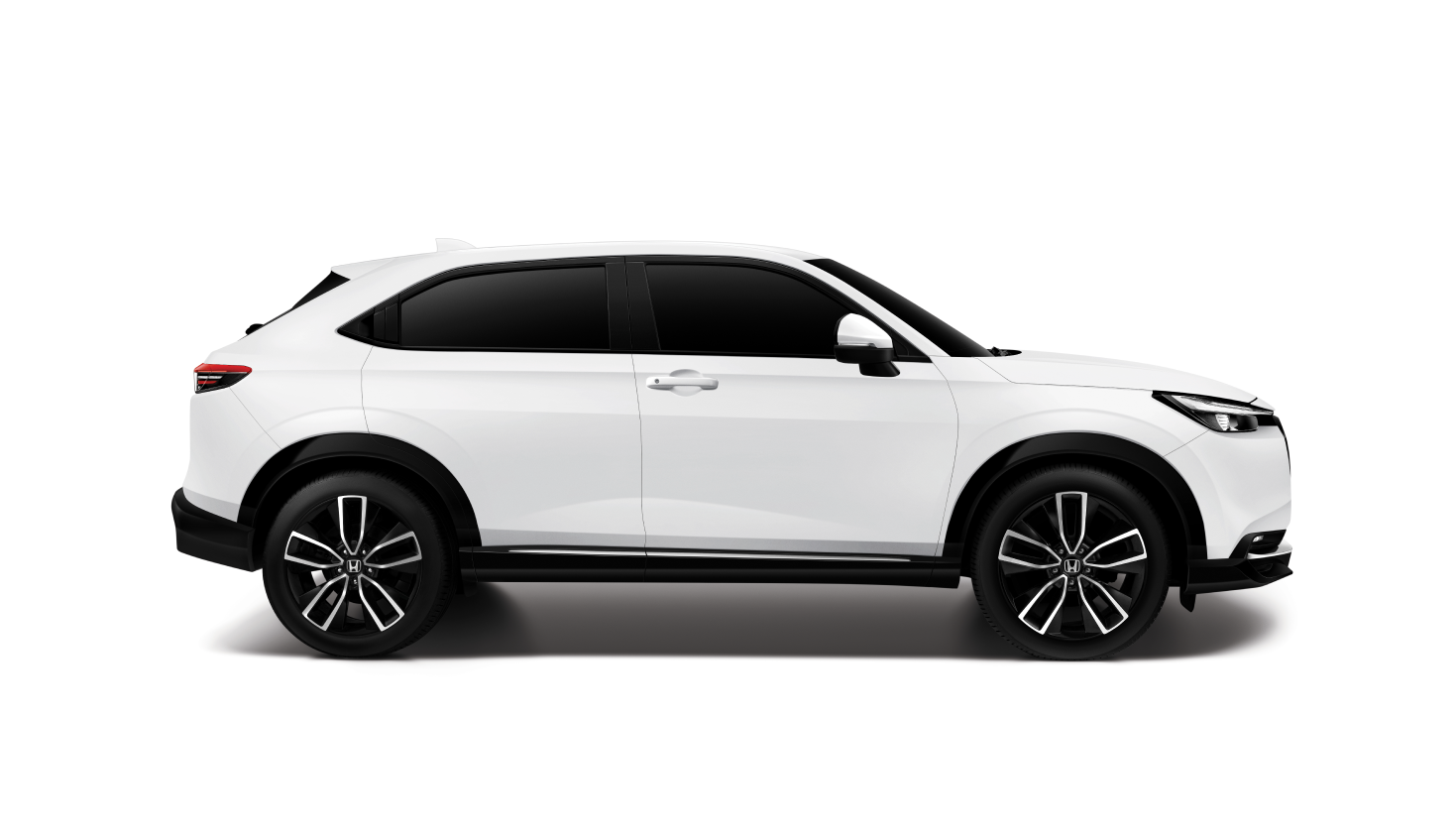
Externally, the design philosophies of the HR-V and J5 are distinctly different. The HR-V RS version features a somewhat aggressive grille design on the front, but its overall style is restrained and enduring, with full LED headlights and taillights, a shark fin antenna, and 18-inch wheels conveying a sense of steadiness and reliability, suitable for long-term use and timeless in design.
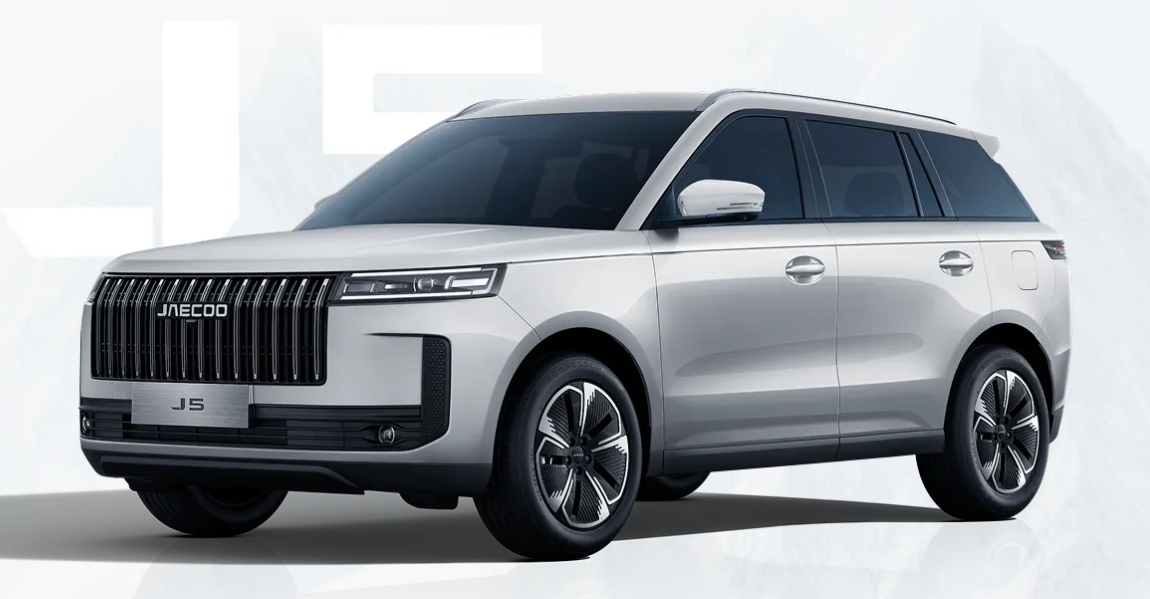
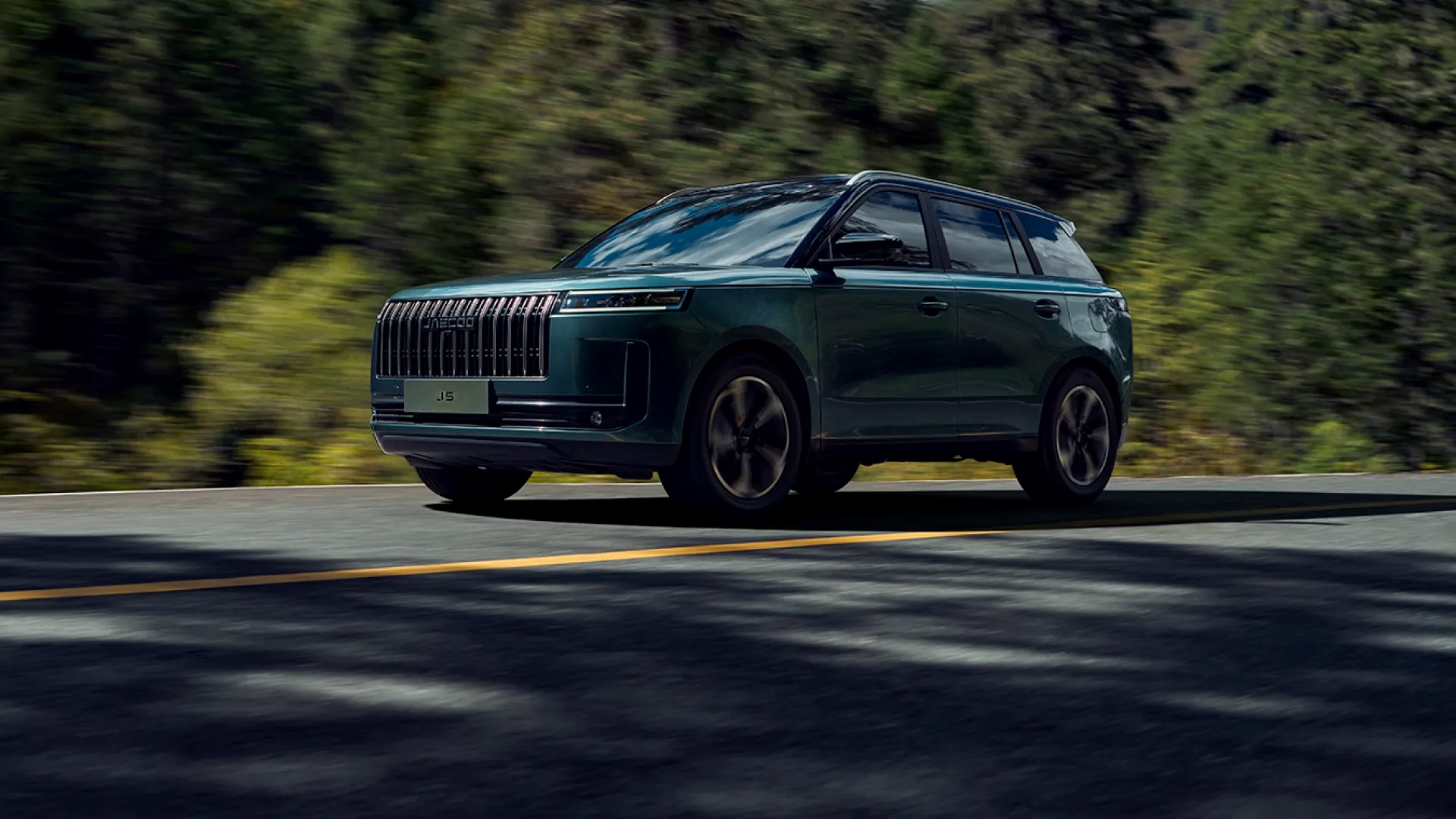
In contrast, the J5's exterior exudes youthful vigor: the Bold Signature Grille, LED headlights, panoramic sunroof, and electric tailgate give the vehicle a stronger sense of technology and visual impact, making it more likely to attract younger consumers.
The difference in positioning between the two can also be observed in their dimensions.
| Indicators | Honda HR-V | Jaecoo J5 |
| Length | 4,347–4,387 mm | 4,400 mm |
| Width | 1,790 mm | 1,835 mm |
| Height | 1,590–1,591 mm | 1,620 mm |
| Wheelbase | 2,610 mm | 2,650 mm |
| Ground clearance | 183–196 mm | 180 mm |
| Tires | 225/50 R18 | 215/55 R18 |
| Curb weight | 1,274–1,397 kg | 1,400–1,450 kg (estimated) |
This difference actually aligns well with the positioning of the two cars: the HR-V’s stability, timeless design, and slightly higher ground clearance ensure a sense of security for daily family use and urban driving.
The tall body, width, and personalized design of the J5 allow young consumers to feel the difference visually and at first impression.
Configuration Comparison Between Jaecoo J5 and Honda HR-V
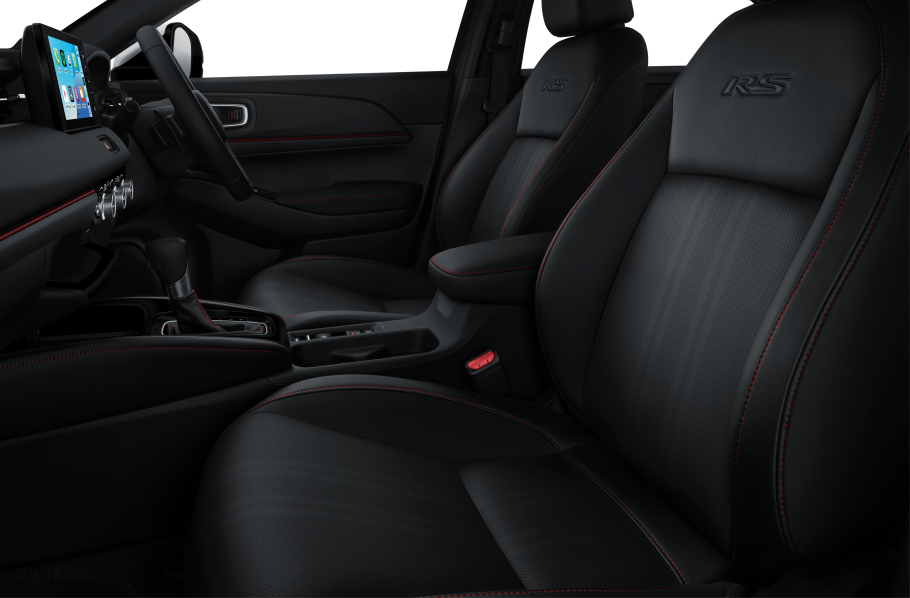
In terms of interior design, the Honda HR‑V and Jaecoo J5 reflect two distinctly different philosophies.
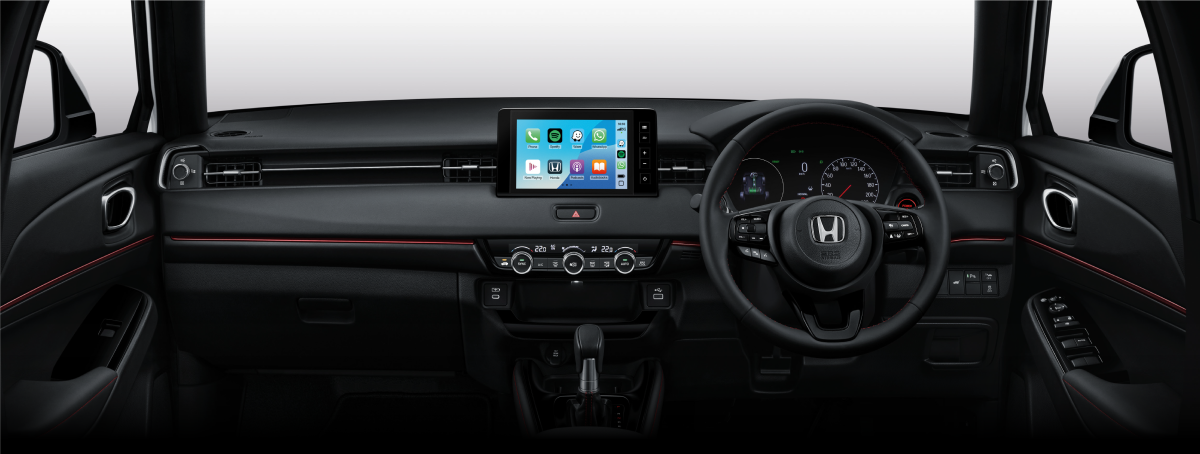
The interior style of the HR-V is simple and practical, equipped with an 8-inch central screen, and offers a choice of 4.2" or 7" TFT instrument display. Its controls are intuitive and easy to learn, making it suitable for family users or those new to SUVs.
The high-end RS version also provides wireless charging and paddle shifters, emphasizing functionality and long-term stability in use.
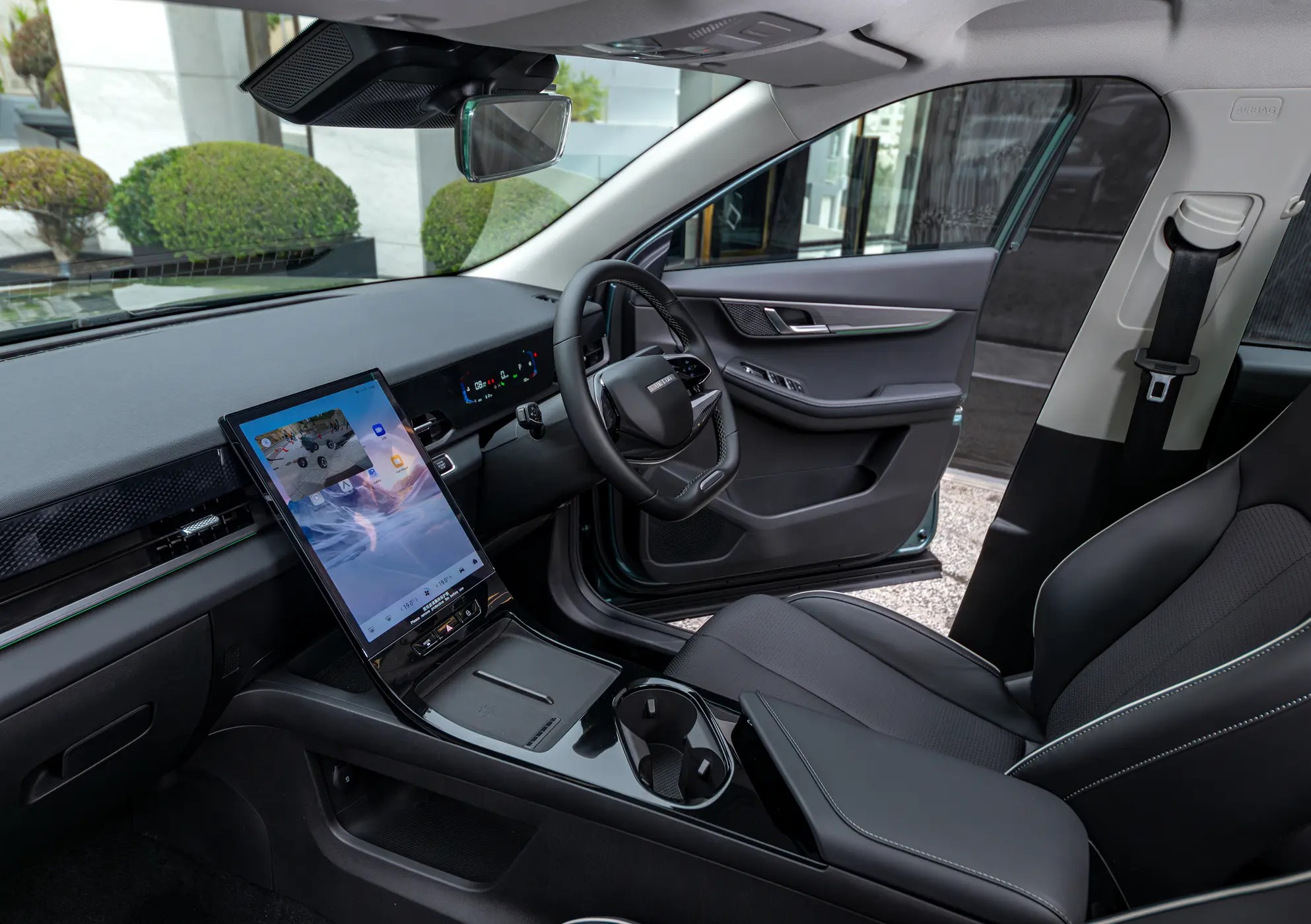
In contrast, the J5 focuses more on a sense of technology and interactive experience, featuring a 13.2-inch central screen, an 8-inch instrument display, intelligent voice control support, and multi-color ambient lighting. It also integrates entertainment features, enhancing the driving and riding experience, which clearly appeals to younger consumers.
The HR-V's Magic Seat system offers three flexible modes:
- Tall Mode accommodates tall items;
- Utility Mode allows the rear seats to be folded down to expand trunk space;
- Long Mode lets you fold down both the front passenger and rear seats for transporting long items.
With the addition of rear air conditioning vents, dual-zone automatic climate control, and an 8-way power driver's seat, the HR-V proves to be very practical for daily commuting and family trips.
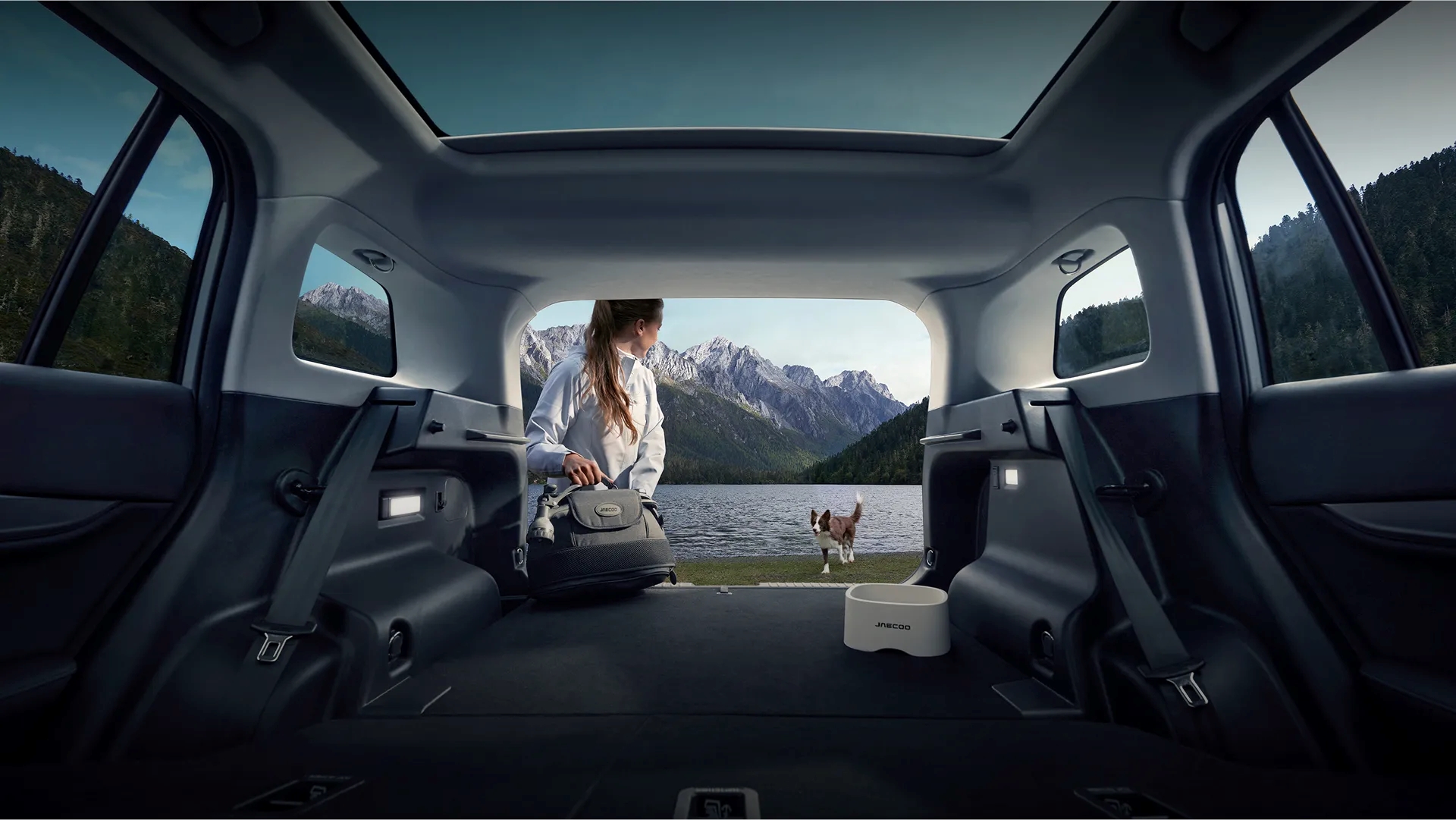
The trunk capacity of J5 is 480–1,284 L. The front seats are equipped with a ventilation function, and the overall seat comfort is outstanding. It emphasizes urban commuting experience and ride comfort rather than pursuing multi-mode space usage.
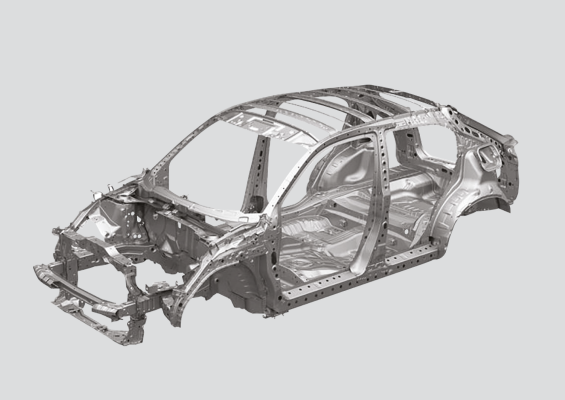
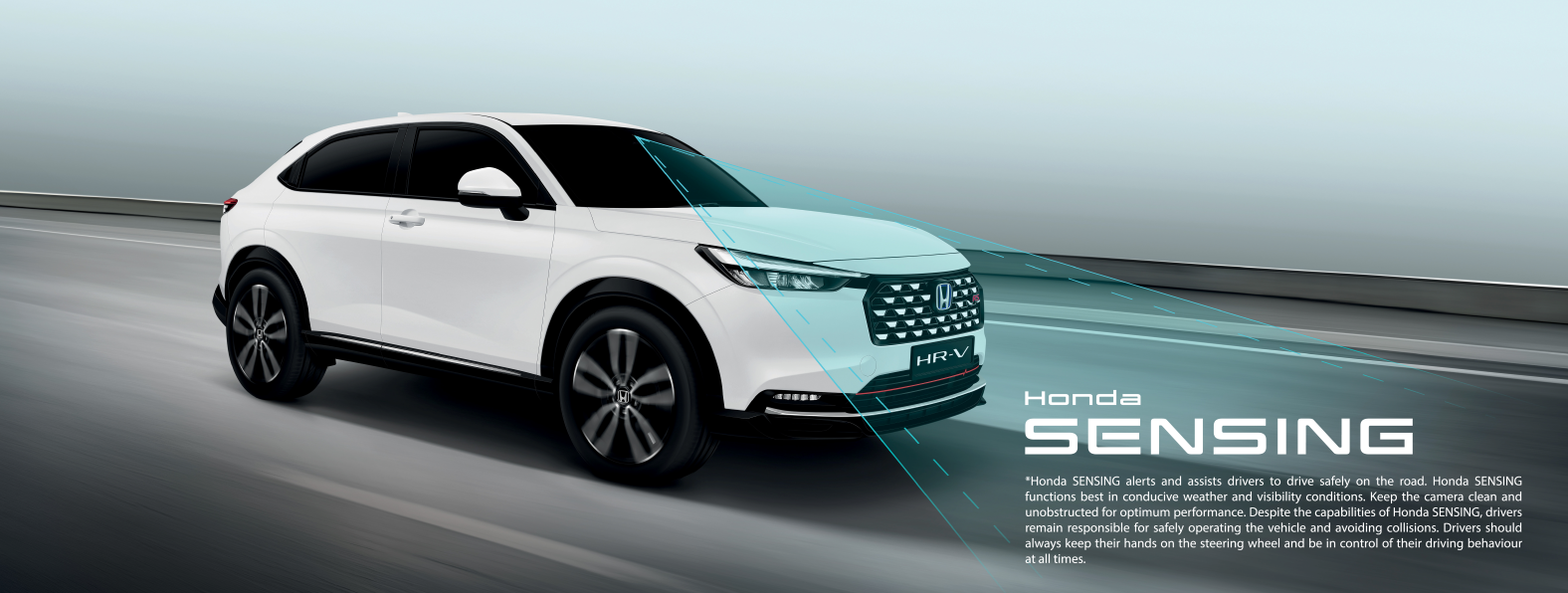
In terms of active safety, the HR-V is equipped with the full Honda SENSING system, including Adaptive Cruise Control (ACC), Collision Mitigation Braking System (CMBS), Lane Keeping Assist/Departure Assist (LKAS / RDM), Auto High Beam (AHB), and LaneWatch Blind Spot Display. Complementing these features are six airbags and a G-CON high-rigidity body structure, together providing mature and reliable protection for family use.
The active safety configurations of J5 are also quite comprehensive, including ACC, Blind Spot Monitoring, Lane Change Assist, Forward Collision Warning (FCW), Rear Cross Traffic Alert (RCTA), and Intelligent High Beam. However, the level and maturity of the system still await market verification.
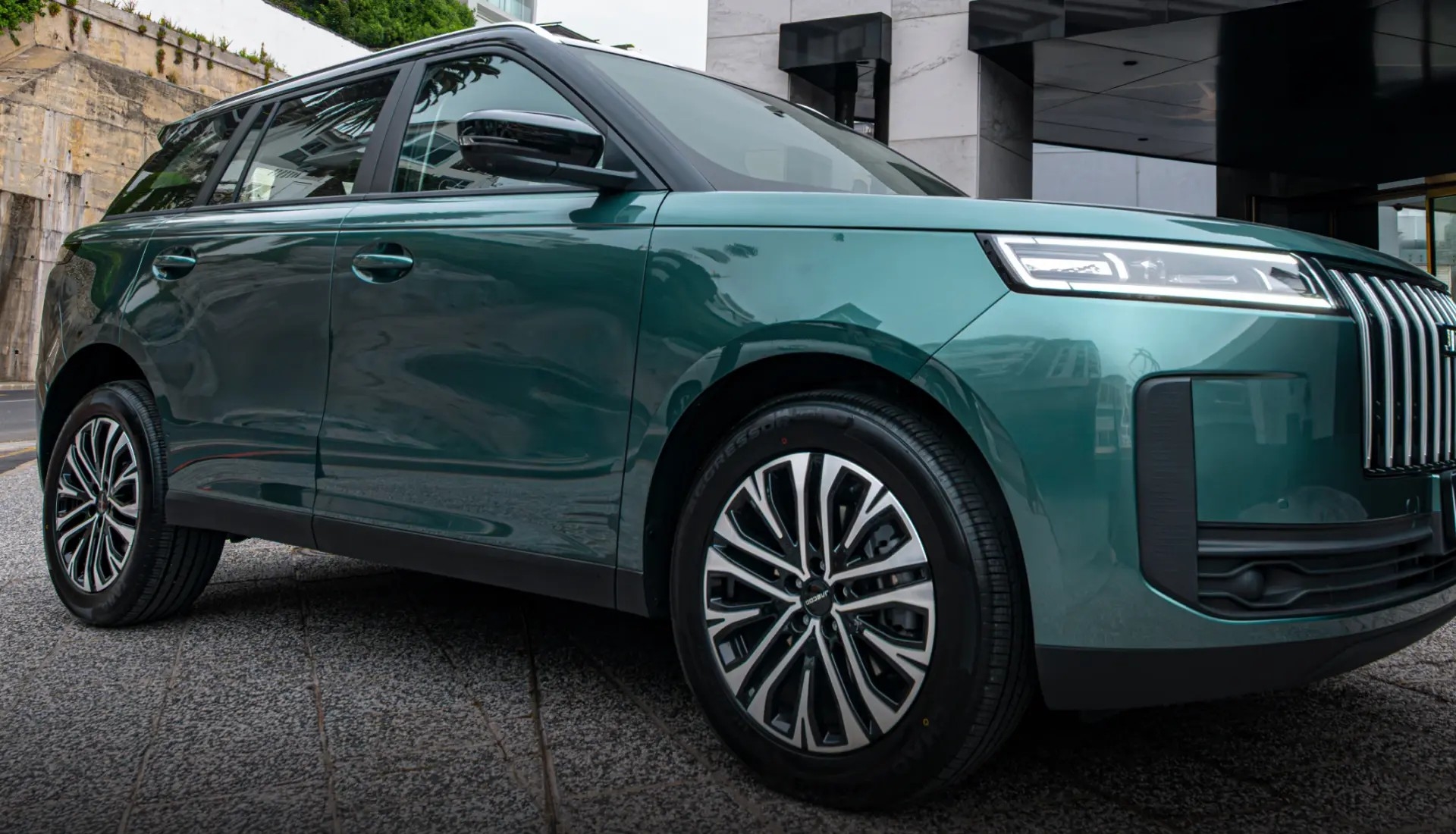
Ultimately, the choice reflects a priority in lifestyle. For those who value practicality and versatile space above all, the HR-V’s family-friendly and stable interior, featuring the handy Magic Seat, is the logical answer.
For users drawn to in-car technology and contemporary comforts, the J5 makes a strong case. Its large screen, ambient lighting, and ventilated seats are curated to boost daily enjoyment, directly appealing to the aesthetic and functional expectations of a younger audience.
Performance Comparison Between Jaecoo J5 and Honda HR-V
As a well-established automaker, Honda offers three powertrain options for the HR-V, which is something that brands like Jaecoo currently find challenging to match.
While the Jaecoo J5's power output does not match Honda's 1.5T (given Honda's unparalleled engine technology), it still surpasses the HR-V's 1.5L NA and e:HEV versions in terms of power.
| Index | HR-V 1.5L NA | HR-V 1.5T Turbo | HR-V e:HEV | J5 1.5T |
| Max Horsepower | 121 PS @ 6,600 rpm | 181 PS @ 6,000 rpm | Engine 107 PS + Motor 131 PS | 156 PS |
| Max Torque | 145 Nm @ 4,300 rpm | 240 Nm @ 1,700–4,500 rpm | Motor 253 Nm @ 0–3,500 rpm | 230 Nm |
| Transmission | CVT | CVT | e-CVT | CVT |
| 0–100 km/h | 12.1 seconds | 8.7 seconds | 10.7 seconds | 9.5 seconds |
| Fuel Consumption | 5.9 L/100 km | 6.5 L/100 km | 4.1 L/100 km | 6.0–6.2 L/100 km |
If you mostly use the car for daily commuting, the 1.5L naturally aspirated version of the HR-V is perfectly adequate, with economical fuel consumption. Its 0–100 km/h time of over 12 seconds is more than sufficient for urban driving.
Want a more dynamic driving experience? The 1.5T Turbo version delivers 181 PS and 240 Nm of torque, offering a noticeable acceleration advantage, stronger initial thrust, and more confidence when cornering or overtaking at high speeds.
Positioned as the balanced choice, the hybrid e:HEV version excels in both fuel economy and smooth operation. Its electric motor supplies 253 Nm of torque from low revs, enabling brisk and silent launches, all while returning impressive fuel efficiency of just 4.1 L/100 km. Whether navigating city streets or embarking on a weekend journey, it remains a relaxed and economical companion.
The three powertrain options of the HR-V almost cover the needs of performance, fuel economy, and comfort.
The J5's 1.5T turbocharged engine delivers 156 PS and 230 Nm of torque. Although it's not as powerful as the HR‑V Turbo, it is still sufficient for city roads, with a 0-100 km/h acceleration in about 9.5 seconds and fuel consumption around 6.0–6.2 L/100 km, demonstrating moderate performance.
The J5 is paired with a CVT, tuned for smoothness and moderate throttle response, which suits urban driving needs. However, the lack of multiple powertrain options means that consumers have limited flexibility in terms of power demands.
In terms of driving modes, both cars offer Eco / Normal / Sport. The throttle response and power output vary across different modes: the HR‑V Turbo or e:HEV provides a stronger push in Sport mode, while the J5 leans more towards a smooth and comfortable experience without abrupt surges of power.
Chassis Comparison Between Jaecoo J5 and Honda HR-V
As urban SUVs, the HR-V and J5 share a similar chassis layout-front MacPherson struts and rear torsion beam suspension. This combination doesn't lean towards a sporty orientation but boasts mature structure, controllable costs, and easier adjustment of comfort and stability to a safe range.
| Item | Honda HR-V | Jaecoo J5 |
| Front Suspension | MacPherson Strut | MacPherson |
| Rear Suspension | Torsion Beam | Torsion Beam |
| Steering | EPS Power Steering | Electric Power Steering |
However, the real difference lies not in the structure itself, but in the tuning orientation.
Let's talk about the HR-V first. Its chassis is obviously designed for “long-term use.” The suspension travel is comfort-oriented; when driving over speed bumps or joints in the city, the movement is crisp but not overly rigid. At high-speed cruising, the car maintains excellent stability, especially on highways, where the body doesn't feel floaty.
The steering offers moderate damping, not emphasizing road feedback excessively, yet still provides sufficient driver confidence in corners. Overall, it's a sense of "steadily moving forward," which aligns well with the consistent tuning logic of Japanese cars.
The J5’s driving experience is clearly oriented toward urban use. The steering wheel is tuned to feel lighter, making it very easy to make U-turns at low speeds or navigate narrow streets, which is very friendly for novice drivers or daily commuters.
The suspension does a good job of filtering out small vibrations, but during continuous turns or quick lane changes, the body leans more noticeably than the HR-V, and the support is not as prominent.
Driving noise is well-managed in both models by mainstream standards, yet their acoustic profiles differ. The HR-V maintains a quieter cabin environment, especially during highway cruising, thanks to more effective wind and road noise isolation.
The J5, though competent in urban low-speed conditions, allows more road noise to enter as speeds rise. Ultimately, this gap stems not from the suspension layout, but from variations in NVH (Noise, Vibration, and Harshness) treatment and chassis tuning priorities.
Purchase recommendations for Jaecoo J5 and Honda HR-V
The HR-V remains a fundamentally reliable choice. Its strength lies not in one standout feature, but in its holistic maturity. This is evident from its diverse powertrain lineup-balancing efficiency and performance—to its flexible and family-friendly interior, highlighted by the practical Magic Seat system.
The J5’s appeal is tailored for a different kind of user. Instead of challenging the HR-V’s established strengths, it wins over consumers with a sharp focus on technology, perceived luxury, and in-car entertainment. With its expansive screen and enhanced smart capabilities, it delivers the digital comforts that urban commuters increasingly seek.
If your daily driving is primarily urban, and you prioritize in-car experience and feature satisfaction over driving dynamics, the J5 may prove to be the fresher and more appealing choice.
If any infringement occurs, please contact us for deletion









Popular Cars
Model Year
Car Compare
Car Photo