
Q
What is the battery range of the Nissan Leaf 2023?
 CloverPatchSep 01, 2025, 09:42 AM
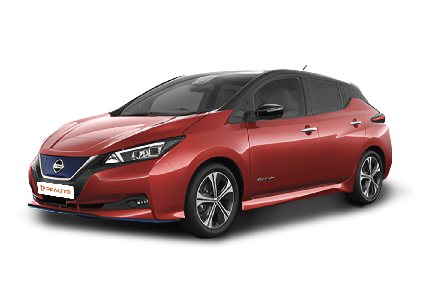
The 2023 Nissan Leaf is available in two battery capacity versions in the Malaysian market. The standard version is equipped with a 40 kWh battery pack, offering a range of approximately 270 kilometers (NEDC standard). The high - end version uses a 62 kWh battery pack, which can achieve a range of up to 385 kilometers, suitable for daily commuting and short - to - medium - distance travel.
As one of the earlier electric vehicles introduced in Malaysia, the Leaf's air - cooled battery system performs stably in tropical climates. It supports 50 kW fast charging, which can charge the battery to 80% in 40 minutes. Home charging takes about 7.5 hours for the 40 kWh version.
It's worth noting that the actual range will be affected by factors such as air - conditioning usage, driving habits, and terrain. It is recommended to check the latest distribution of charging piles on the official website of Nissan Malaysia before purchasing a car. Other electric vehicles in the same class, such as the BYD Atto 3 or the Hyundai Kona Electric, also offer similar ranges. Consumers can compare the coverage of the charging network and after - sales policies.
The Malaysian government offers import tax exemptions and road tax incentives for electric vehicles. Models like the Leaf can save about 80% of road tax costs, and the long - term usage cost is lower than that of fuel - powered vehicles.
Special Disclaimer: This content is published by users and does not represent the views or position of PCauto.
Related Q&A
Q
Is a 2023 Nissan LEAF a hybrid?
The 2023 Nissan LEAF isn't a hybrid model. Instead, it's a battery electric vehicle (BEV) that runs entirely on battery power to drive the motor, without the need for a fuel engine. This car is equipped with battery packs in two capacities: 40 kWh or 62 kWh. Depending on the version, its range can reach from 270 km to 385 km (WLTP standard), making it suitable for city commuting or short - distance trips in Malaysia.
Compared with hybrid vehicles, pure electric cars enjoy government tax incentives in Malaysia, such as exemptions on import duties and sales taxes. Moreover, they have lower maintenance costs as traditional maintenance items like oil changes are no longer needed.
It's worth noting that the charging infrastructure in Malaysia is gradually improving. Public charging stations have been added in major cities. However, for long - distance trips, it's still necessary to plan charging stops in advance.
If you're considering a hybrid model, locally assembled models like the Toyota Corolla Cross Hybrid or the Honda City RS e:HEV might be more suitable for users with higher range requirements. They can automatically switch between fuel and electric modes without the need for external charging.
 CheerySep 1, 2025
Q
How many km is the range of the Nissan LEAF 2023?
The 2023 Nissan LEAF comes with two powertrain and battery capacity configurations. The low-power version has a motor with a maximum power of 130 kilowatts and a peak torque of 345 Newton-meters. It's paired with a lithium battery pack with a capacity of 52.9 kilowatt-hours, and the range hasn't been announced yet. The high-power version features a motor with a maximum power of 160 kilowatts and a peak torque of 355 Newton-meters. It's mated to a lithium battery pack with a capacity of 75.1 kilowatt-hours. Under the US EPA test cycle, it has a maximum range of 303 miles, which is about 488 kilometers. The top speed of both versions is 160 kilometers per hour. They also support the 150-kilowatt DC fast charging mode, and it takes 35 minutes to charge from 10% to 80% of the battery. Moreover, it has the VTOL mobile power station function. The range can be affected by various factors such as driving style, road conditions, vehicle load, and ambient temperature, so the actual range may vary in real use.
 LeafyBranchSep 1, 2025
Q
What is the recall on the 2023 Leaf?
The 2023 Nissan Leaf was recalled globally due to a software issue. The problem mainly lies in the possible malfunction of the vehicle's on-board charging system control program, which may cause abnormal interruptions during the charging process. In extreme cases, it may affect the stability of the battery management system. This recall can be resolved by upgrading the software. If there are affected vehicles in the Malaysian market, Nissan will notify the owners through authorized dealers for free treatment.
For electric vehicle owners in Malaysia, it's very important to regularly check the vehicle recall information. You can check the VIN code on the MyTukar or JPJ website to confirm if your vehicle is within the recall scope. As electric vehicles are based on emerging technologies, software updates and system optimizations are normal. Similar recalls are routine measures taken by manufacturers to be responsible for their products and do not affect the long - term reliability of the vehicles.
It is recommended that Leaf owners keep in touch with the local Nissan service center to stay informed of the latest service announcements. At the same time, follow the official charging recommendations to extend the battery life. In Malaysia's hot climate, try to choose shaded areas for charging to avoid performance degradation caused by high battery temperatures.
 SilverStreamSep 1, 2025
Q
What is the top speed of the 2023 Nissan LEAF?
As a pure electric vehicle, the 2023 Nissan LEAF has a top speed of approximately 144 km/h (90 mph). This performance is more than enough to meet the needs of urban commuting and highway driving in Malaysia. The electric motor equipped in the LEAF provides instant torque output, enabling it to start and accelerate briskly. However, as an eco - friendly and economical electric vehicle, its design focuses more on range efficiency rather than ultimate speed. Malaysian users should note that the battery performance of electric vehicles may be affected by temperature in hot climates. It is recommended to carry out regular maintenance to keep the vehicle in optimal condition.
The Nissan LEAF supports the CHAdeMO fast - charging protocol. It can be charged to 80% of its battery capacity in about 40 minutes at local partner charging stations. With a range of approximately 270 km (WLTP standard), it is suitable for daily use. It's worth mentioning that the Malaysian government offers preferential policies such as exemption from import duties for electric vehicles. Before making a purchase, you can consult the dealer to learn about the latest subsidy details.
If you're looking for higher performance, you can pay attention to the Nissan LEAF e+ version, which has an increased battery capacity and power output. However, you need to weigh the price against your range requirements.
 MoonlitSerenadeSep 1, 2025
Q
Is the 2023 Nissan Leaf a safe car?
The 2023 Nissan Leaf performs well in terms of safety. It is equipped with a number of active and passive safety technologies, including intelligent emergency braking, lane-keeping assist, blind-spot monitoring, and rear cross-traffic alert systems. These features help reduce the chances of accidents. Meanwhile, the car has received a five-star rating in the European NCAP safety test, demonstrating its reliability in collision protection. For Malaysian consumers, the Leaf's safety configuration is relatively comprehensive among electric vehicles in the same class, especially providing effective assistance in common unexpected situations during city driving. It's worth mentioning that the battery safety of electric vehicles is also an important consideration. The Leaf uses a lithium-ion battery pack that has undergone rigorous testing and is equipped with a battery management system to ensure stability. If you're considering buying an electric vehicle in Malaysia, apart from safety, you can also pay attention to the convenience of local charging facilities and the government's tax incentive policies for electric vehicles, as these factors will all affect your daily driving experience. Overall, the 2023 Leaf is an electric vehicle option with satisfactory safety performance and suitable for urban commuting.
 CheeryLaughterSep 1, 2025
Q
How long will the 2023 Nissan Leaf last?
As a pure electric vehicle, the 2023 Nissan Leaf, under normal use and regular maintenance, usually has a service life of over 10 years or can cover a mileage of more than 200,000 kilometers. Its specific performance depends on the battery's health condition, driving habits, and the climate in Malaysia. The hot and humid environment may have a certain impact on the battery life, but the lithium - ion battery pack used in the Leaf has undergone strict testing and has good weather resistance.
It's worth noting that the key points of maintaining an electric vehicle are different from those of a traditional fuel - powered vehicle. Special attention should be paid to the battery cooling system, charging habits, and software updates. It is recommended to avoid frequent use of fast charging to extend the battery life. Meanwhile, Nissan provides an 8 - year or 160,000 - kilometer battery warranty service for the Leaf, offering additional protection for the owners.
In the Malaysian market, the electric vehicle charging infrastructure is gradually being improved. The driving range of the Leaf (about 240 - 360 kilometers, depending on the version) can basically meet the daily commuting needs. If it is mainly used for city driving and properly maintained, the long - term value of this vehicle is worth expecting.
 JoyfulMelodySep 1, 2025
Q
Where is the 2023 Nissan Leaf made?
The 2023 Nissan Leaf is mainly produced at the Nissan plant in Tochigi Prefecture, Japan. This plant is well-known for manufacturing electric vehicles and models with advanced technologies, and it serves as the core base for the global supply of the Leaf. For the Malaysian market, the Leaf is usually introduced through imports. Therefore, the vehicle nameplates that local consumers purchase will indicate "Made in Japan".
It's worth mentioning that as an iconic pure - electric model under Nissan, the Leaf is equipped with several proven technologies, such as the e-Pedal single-pedal driving mode and the ProPILOT intelligent driving assistance system. These features are particularly useful for urban commuting. When Malaysian consumers are making a purchase, they should note that due to the characteristics of the tropical climate, it is recommended to regularly check the battery cooling system to ensure optimal performance. At the same time, they can inquire about the coverage of the charging pile network through the official channels of Nissan Malaysia. Currently, the relevant infrastructure in major cities across the country has been gradually improved.
In addition, since the Leaf is a fully imported vehicle, its selling price will be affected by exchange rates and tariffs. However, it comes with a 5-year or 100,000-kilometer warranty service in line with Nissan's global unified standard, and the battery pack is provided with an 8-year or 160,000-kilometer warranty, offering long-term protection for car owners.
 GentleGraceSep 1, 2025
Q
How much is a 2023 Nissan LEAF worth?
Without insurance, the toll for the 2023 Nissan LEAF is RM188,888. This car is a traditional five - door, front - wheel - drive hatchback with a torque of 150 PS and 320 Nm, which is an improvement compared to previous models. The acceleration time from 0 to 100 km/h has been shortened to 7.9 seconds. It is equipped with a larger 40 - kWh lithium - ion battery. Under the more stringent WLTP cycle, the driving range is between 195 km and 270 km. Each vehicle comes with a 6.6 - kW wall - mounted charger that can fully charge the battery in 7 hours. The CHAdeMO port supports 50 - kW DC fast charging, and the charging can be completed in less than an hour. In addition, new features such as automatic emergency braking and the e - Pedal function for one - pedal driving have been added, which also support its value to a certain extent.
 CharmingPersonalitySep 1, 2025
Q
Is the 2023 LEAF reliable?
The 2023 Nissan LEAF, as a pure - electric vehicle, performs quite stably in terms of reliability. Its electric powertrain has been market-tested over the years, with a relatively high level of technological maturity. In particular, there have been improvements in the optimization of the battery management system, which reduces the common battery degradation problems of early electric vehicles. It is suitable for urban commuting needs in Malaysia.
The standard - equipped active safety technologies of the LEAF, such as automatic emergency braking and lane-keeping assist, also enhance the safety of daily driving. Moreover, the local after-sales network has a wide coverage, making maintenance relatively convenient.
It's worth noting that the hot climate in Malaysia has a relatively small impact on the battery life of electric vehicles. However, it is recommended to regularly check the cooling system to ensure optimal performance. If you're considering an electric vehicle, you also need to pay attention to the distribution of charging facilities in Malaysia. Currently, charging piles are gradually becoming popular in major cities, but long-distance travel still requires prior planning.
Among vehicles in the same class, the cost - effectiveness advantage of the LEAF lies in its long-term experience in electric vehicle development. However, the actual driving range will be affected by the use of air - conditioning and driving habits. It is recommended to focus on the actual driving range when the battery is fully charged during a test drive.
 JourneyHomeWarmthSep 1, 2025
Q
How long to charge a Nissan Leaf 2023?
The charging time of the 2023 Nissan Leaf depends on the type of charging equipment used and the battery capacity. The common Leaf version in Malaysia is equipped with a 40kWh battery. When using a standard 7kW home charging pile, it takes about 7.5 hours to fully charge from 0%, which is suitable for overnight charging. If using a 50kW public fast - charging station, it can be charged to 80% within 60 minutes. While the 3 - pin plug emergency charging cable (1.8kW) included with the vehicle takes about 24 hours. Therefore, it is recommended that car owners plan their charging methods according to their daily schedules.
It's worth noting that the Leaf supports the CHAdeMO fast - charging protocol, which is compatible with the mainstream charging network in Malaysia. However, the actual charging speed may be affected by the ambient temperature. In hot climates, the battery management system will moderately reduce the power to protect the battery. It is recommended to park the vehicle in a shaded area for charging to achieve the best efficiency.
For Malaysian consumers considering buying an electric vehicle, they also need to understand the distribution of local charging piles. For example, more fast - charging stations have been deployed in major cities such as Kuala Lumpur and Penang, while suburban areas may rely on home charging. At the same time, they can pay attention to the government's subsidy policies for electric vehicle infrastructure. These factors will all affect the daily car - using experience.
 GrinningSmileSep 1, 2025
Popular Cars
Model Year
Car Compare
Car Photo
Related Models
 Cars
CarsLatest Q&A
Q
Is AMT similar to automatic?
There are significant differences between AMT transmissions and automatic transmissions (AT) in terms of core structure and driving experience. AMT is essentially an electronically automated version of a manual transmission, simulating manual clutch operation and gear shifting through a computerized control system while retaining the gear set structure of manual transmissions. As a result, it offers higher transmission efficiency, with fuel consumption approximately 8%-12% lower than AT, making it particularly suitable for highway or long-distance driving. However, it may exhibit jerking similar to manual transmissions during low-speed gear shifts, especially noticeable in congested traffic conditions.
AT transmissions rely on torque converters for power transfer, delivering smooth and seamless gear shifts that appeal to comfort-oriented users. However, their complex structure (incorporating planetary gear sets, hydraulic systems, etc.) results in higher maintenance costs. A single service may cost between 800 to 1,500 ringgit, whereas AMT only requires gear oil replacement at approximately 400 ringgit.
From a market perspective, AMT is predominantly used in budget vehicles or commercial models priced below 80,000 ringgit, while AT is typically featured in mid-to-high-end vehicles. Consumers should select based on actual needs: AMT suits those prioritizing fuel efficiency and low maintenance costs, while AT better serves those valuing comfort. Notably, recent advancements in AMT electronic control technology have significantly mitigated jerking issues, though test drives should still emphasize low-speed performance evaluation.
 AriaMar 26, 2026
Q
Which is better, DCT or AT?
DCT (Dual-Clutch Transmission) and AT (Automatic Transmission) each have their own advantages and disadvantages, and the choice should be based on personal driving needs. AT transmissions transfer power through a torque converter, offering excellent shift smoothness, making them suitable for urban commuting or novice drivers. However, they tend to have higher fuel consumption, and vehicles equipped with them are usually more expensive. DCT transmissions utilize a dual-clutch structure, featuring fast shift speeds and high power transmission efficiency, which provides a more direct driving experience—particularly suitable for users seeking a sporty feel. However, they may exhibit jerking at low speeds and have relatively high maintenance costs. If durability and comfort are priorities, AT is the more reliable choice; if power responsiveness and driving pleasure are preferred, wet DCT (such as Volkswagen DSG) performs better, though dry DCT models should be avoided in prolonged stop-and-go traffic conditions. Additionally, CVT transmissions excel in smoothness and fuel efficiency, making them ideal for daily commuting, but they lack driving excitement. It is recommended to test-drive before purchasing, as tuning varies significantly across brands, and real-world experience is more important than theoretical specifications.
 FlutteringMar 26, 2026
Q
Is Amt good or bad?
AMT gearboxes have a significant cost advantage in the local market, typically being around 5,000 Ringgit cheaper than models equipped with conventional automatic transmissions. Their fuel efficiency is comparable to manual transmissions, resulting in long-term fuel savings. Featuring a straightforward design, they achieve transmission efficiency exceeding 90% with relatively low maintenance costs, making them ideal for practicality-oriented consumers. However, their shifting logic contains inherent limitations: gear changes between 1st and 2nd cause 0.3-0.5 second power interruptions, while unintended upshifts on inclines may reduce engine speed by 15%-20%, compromising driving smoothness. For urban commuters or budget-conscious buyers, AMT offers excellent value, though those prioritizing premium driving dynamics should consider alternative transmission types. Some domestic models like the Perodua Axia employ enhanced AMT systems, where optimized shift programming has reduced gearshift shock by approximately 30%.
 RainbowsMar 26, 2026
Q
Which gives better mileage, CVT or AMT?
From the perspective of fuel economy, CVT transmissions generally perform better under urban driving conditions. Their continuously variable design allows the engine to consistently operate within the optimal speed range, significantly reducing fuel consumption during frequent starts and stops. Test data shows that their fuel consumption in urban driving conditions is 10% to 15% lower than that of comparable models. AMT transmissions, on the other hand, inherit the high transmission efficiency of manual transmissions, delivering fuel efficiency close to manual transmissions during high-speed cruising. This makes them particularly suitable for long-distance driving in large-displacement vehicles. However, due to power interruption during gear shifts, their overall fuel consumption may be 5% to 8% higher than CVTs.
The difference in fuel-saving characteristics between the two transmissions stems from their technical principles: CVTs achieve continuous variability through steel belts and pulleys, eliminating the fixed gear ratio limitations of traditional transmissions; AMTs simulate manual gear changes via electronic control systems while maintaining the mechanical efficiency of gear transmission. Notably, actual fuel consumption is also influenced by driving habits. Smooth acceleration and anticipatory deceleration can maximize the transmissions' fuel-saving potential. If the vehicle budget permits and urban commuting is the primary use, CVTs offer a more economical choice. For frequent highway driving with an emphasis on cost-effectiveness, AMTs are equally worth considering.
 RubyBlazeMar 26, 2026
Q
Which is cheaper, AMT or CVT?
In terms of gearbox cost, AMT is usually more economical than CVT. Essentially, AMT is a manual transmission equipped with an electronic control unit, featuring a simple structure and low maintenance costs. The unit price ranges from approximately 5,000 to 8,000 ringgit, making it suitable for budget-conscious consumers or those who prioritize long-term operating costs. CVT incurs higher manufacturing costs due to its precision steel belt transmission system and continuous variable transmission technology, with a unit price of about 7,000 to 10,000 ringgit. However, it delivers a smoother driving experience and superior fuel efficiency. The primary differences between the two lie in technical complexity: AMT retains the gear-shifting mechanism, resulting in noticeable shift shock; CVT achieves linear power output through stepless speed variation but requires periodic belt inspection and incurs higher maintenance expenses. For those prioritizing initial cost and basic transportation needs, AMT offers better value; if comfort and long-term fuel economy are priorities, CVT represents a more worthwhile investment. Note that actual prices may vary based on vehicle model, brand, and local supply chain factors.
 ShadowProwlMar 26, 2026
Related News

The third-generation Nissan Leaf officially debuts: from a hatchback car to a crossover SUV with a 622 km range
WilliamMar 11, 2026

2026 Nissan Leaf wins Wards Top 10 Powertrains Award
MichaelSep 25, 2025

2026 Nissan Leaf announced the price in the US, still one of the most affordable EVs in the region
WilliamAug 21, 2025

Mitsubishi to Launch Electric Vehicle Based on Nissan Leaf in Second Half of 2026
LienMay 8, 2025

Tesla Sales Surge in Japan, Up 56% in Q1 2025, Surpassing BYD
JamesApr 21, 2025
View More
Pros
Cons