
Q
What is the Honda Jazz Size? How Big Is It?
 BuddyTimeTogetherJul 22, 2025, 12:13 PM
The Honda Jazz belongs to the B-segment cars. It has a length of 3,989 mm, a width of 1,694 mm, a height of 1,524 mm, and a wheelbase of 2,530 mm. This size design allows it to be extremely flexible in urban commuting, making it easy to handle and park. Its interior space is reasonably arranged. Despite its compact exterior, it can offer passengers a relatively comfortable riding experience. The 5-door, 5-seat design is suitable for family outings or daily commuting. The 40L fuel tank capacity can meet a certain range requirement. The trunk volume is 363L (314L for some hybrid models), which can meet the loading needs for daily shopping or short trips. In addition, the minimum ground clearance of 137 mm enables it to handle some common road conditions and ensures the normal driving of the vehicle.
Special Disclaimer: This content is published by users and does not represent the views or position of PCauto.
Related Q&A
Q
What is the price of Honda Jazz in 2019?
Prices for the 2019 Honda Jazz in local markets vary by trim level. The base 1.5E manual starts around RM70,000, while the top-spec 1.5V Sensing CVT gets close to RM90,000 – exact figures might shift with dealer promotions or optional extras. It keeps Honda's classic practical design, packing a 1.5-liter i-VTEC engine with Earth Dreams tech that balances fuel efficiency with 131 hp, making it perfect for city drives. The standout feature? Jazz's iconic ULTRA seat system with its multiple folding setups – fold the rear seats down and you get a completely flat cargo area. That "magic seat" space concept still shines in its class. The 2019 model also added Honda SENSING on higher trims, bringing features like collision mitigation braking and lane keep assist – pretty advanced stuff for its segment back then. Looking at the used market, the 2019 Jazz holds value steadily. Well-maintained examples typically retain about 60-70% of their original price, thanks to its solid reliability reputation and affordable upkeep costs.
 AweNov 19, 2025
Q
What is the power of Honda Jazz 2019?
The 2019 Honda Jazz comes with a 1.5-liter i-VTEC naturally aspirated engine locally, churning out 120 horsepower (around 89 kW) and 145 Nm of peak torque. It's paired with either a CVT or a 6-speed manual gearbox, delivering smooth, fuel-efficient performance that's perfect for city driving. Built on Honda's classic global small car platform, the Jazz features lightweight construction combined with Earth Dreams technology, resulting in impressive fuel economy—around 5.5L/100km combined. What really stands out is its "Magic Seat" design; despite being a small car, the interior flexibility beats most rivals. Fold the rear seats flat, and you get a huge cargo area. Safety-wise, it gets VSA vehicle stability control, HSA hill-start assist, and higher trims even come with the Honda SENSING active safety suite. When stacked against competitors like the Toyota Yaris and Mazda2, the Jazz holds its own in power figures, but Honda's edge in space utilization and resale value is what keeps it a long-time favorite. If you crave more pep, keep an eye out for the later Jazz RS sport variant, which gets a more performance-focused tune.
 ReaderNookEscapeNov 19, 2025
Q
What is a 2019 Honda Jazz worth?
The used market price for the 2019 Honda Jazz typically ranges from RM50,000 to RM70,000, with the exact figure depending on factors like vehicle condition, mileage, trim level, and service history. The high-spec V trim or hybrid version can cost around 10% to 15% more than the base models. This car has always been popular in the used car market thanks to the reliability and fuel efficiency of its 1.5-liter i-VTEC engine, plus the flexible Ultra Seats design. It's recommended to check the vehicle's accident history and engine condition through Honda's official channels or third-party inspection agencies before purchasing. Also, note that the 2019 model belongs to the later production run of the third-generation Jazz, which saw improvements in sound insulation and suspension tuning compared to earlier versions. If your budget is tight, consider 2017-2018 models, which are RM10,000 to RM15,000 cheaper, but be aware that some of these might be approaching the 5-year mark and may require more replacement of wear-and-tear parts.
 RonNov 19, 2025
Q
What engine is in the 2019 Honda Jazz?
The 2019 Honda Jazz offers two engine options locally: 1.3-liter and 1.5-liter i-VTEC naturally aspirated gasoline engines. The 1.3-liter unit, coded L13B, delivers 98 horsepower and 127 Nm of torque, while the 1.5-liter (L15B) puts out 118 horsepower and 145 Nm. Both pair with a CVT transmission, balancing smoothness and fuel efficiency. Honda's i-VTEC tech smartly adjusts valve timing and lift to optimize power delivery and fuel economy across different RPM ranges, making it perfect for city driving. What's cool is the Jazz's front-engine, front-wheel-drive layout, combined with Honda's famous "MM Concept" (Maximizing Man Space, Minimizing Machine Space), which results in seriously impressive interior space utilization. In its class, the Jazz stands out for its proven, reliable engine tech, relatively low maintenance costs, and strong resale value—definitely a solid pick for buyers who prioritize practicality and economy. If you're craving more power, keep an eye out for the Jazz RS variant that came later; its 1.5-liter engine gets special tuning for even better performance.
 KonNov 19, 2025
Q
How much horsepower does a 2019 Honda Jazz have?
The 2019 Honda Jazz comes locally with a 1.5-liter i-VTEC naturally aspirated engine, churning out 120 horsepower and 145 Nm of peak torque, paired with a CVT transmission. It delivers smooth, fuel-efficient performance that's perfect for city driving. This car has gained popularity for its flexible interior space and reliability. Even though it's a naturally aspirated unit, the i-VTEC tech does a solid job balancing low-end torque and high-rev power, making it more than enough for daily use. If you want to know more about its performance, the chassis is tuned for comfort, with suspension that effectively soaks up road bumps. Meanwhile, the body rigidity is good, and cornering stability is above average for its class. Plus, the Magic Seat design makes the trunk space super versatile—great for families or anyone who needs to haul stuff regularly. Turbo engines are all the rage these days, but naturally aspirated ones like this Jazz's have lower maintenance costs and proven durability over time. For buyers on a budget or who prioritize practicality, this is a solid pick.
 ProblemSolverFixerNov 19, 2025
Q
What is the mileage of Honda Jazz 2019?
The 2019 Honda Jazz excels in fuel efficiency, with specific consumption figures varying by powertrain and driving conditions. The 1.5-liter i-VTEC gasoline engine variant delivers a combined fuel economy of approximately 5.5 to 6.0 liters per 100 kilometers, while the hybrid version (where available) achieves even lower fuel consumption. This car continues the Jazz lineup's legacy of flexible space and practicality; despite its compact exterior, the interior features clever design, and the Magic Seat system easily adapts to various cargo needs. In real-world use, fuel economy is influenced by road conditions, driving habits, and maintenance status. It's advisable to perform regular maintenance and check tire pressure to ensure optimal fuel efficiency. When considering a used Jazz, it's recommended to verify the actual mileage through complete service records and pay attention to the condition of key components like the engine and transmission. Among its peers, the Jazz consistently maintains good resale value and reliability, making it suitable for urban commuting and family daily use.
 SuccessHunterPursuerNov 19, 2025
Q
What is the fuel consumption of Honda Jazz 2019?
The fuel efficiency of the 2019 Honda Jazz varies depending on the powertrain. The version equipped with the 1.5-liter i-VTEC naturally aspirated engine delivers an average combined fuel consumption of approximately 5.4 to 5.8 liters per 100 kilometers, while the Hybrid model achieves an even lower 4.5 to 4.8 liters per 100 kilometers. Actual figures may fluctuate based on driving habits, road conditions, and vehicle maintenance status. This car utilizes Honda's Earth Dreams technology, optimizing fuel economy through a lightweight body and efficient transmission system, making it ideal for city commuting. To further reduce fuel consumption, it is recommended to maintain a steady speed, avoid sudden acceleration and hard braking, and regularly replace the air filter and spark plugs. In the same class, models with similar fuel efficiency include the Toyota Yaris, but the Jazz is favored by many consumers for its flexible interior space and reliability. Notably, hybrid models can significantly save fuel in congested traffic through electric motor assistance, making them more economical in the long run.
 NonNov 19, 2025
Q
What is the fuel economy of Honda Jazz 2019?
The 2019 Honda Jazz delivers impressive fuel efficiency. Powered by a 1.5-liter i-VTEC engine paired with a CVT transmission, official figures put the combined fuel consumption at around 5.5 to 5.8 liters per 100 kilometers. Actual mileage can vary slightly depending on driving habits and road conditions—you might see a bit higher consumption in city driving, while highway cruising is more fuel-efficient. It features Honda's Earth Dreams technology, which optimizes combustion efficiency and power delivery, striking a good balance between peppy performance and fuel savings. As a small hatchback, the Jazz is popular for its nimble handling and efficient fuel economy, making it perfect for city commuting. If saving fuel is a priority, regular vehicle maintenance, keeping tires properly inflated, and adopting a smooth driving style are all simple tips that can help boost fuel efficiency even more. Among its peers, the Jazz sits in the upper-middle range for fuel economy, making it a solid pick for budget-conscious buyers looking to cut down on running costs.
 AdventureSeekerExplorerNov 19, 2025
Q
How much is the Honda Jazz 2019?
The 2019 Honda Jazz typically ranges from around RM50,000 to RM70,000 in the used car market. The exact price depends on factors like condition, mileage, trim level, and location, with higher-spec V variants or hybrid models usually costing more. This car is popular for its flexible interior space, reliable 1.5-liter i-VTEC engine, and fuel efficiency—perfect for city driving. It also holds its value pretty well among small cars. For a more accurate valuation, check local used car platforms or dealers for real-time prices. Don’t forget to inspect the service records and accident history too. The Jazz’s Magic Seats let you adjust the cargo space easily, making it great for families. Plus, some 2019 models come with the Honda Sensing safety suite, including collision warning and lane-keeping assist, which boosts driving safety. If you’re on a tighter budget, you could compare it to rivals like the 2019 Toyota Yaris or Mazda 2, but the Jazz still edges them out in practicality and brand reputation.
 TravelJunkieWandererNov 19, 2025
Q
How much is a 2019 Honda Jazz?
Used 2019 Honda Jazz models typically range in price from RM50,000 to RM70,000, with the exact figure depending on condition, mileage, trim level, and whether it's still under the original factory warranty. Higher-spec V trims or hybrid versions will command a bit more. This car is known for its clever space design and reliable 1.5-liter i-VTEC engine, delivering great fuel economy that's perfect for city driving. The Magic Seat system also makes hauling larger items a breeze. If you're looking at a used Jazz, make sure to check the service history and accident records to avoid major repair issues. Factory-certified pre-owned units often come with extended warranties, so they're worth prioritizing. Competitors like the Toyota Yaris or Mazda 2 are worth a look too, but the Jazz has always held steady in practicality and resale value, making it a top pick in the subcompact segment.
 NatureEnthusiastExplorerNov 19, 2025
Popular Cars
Model Year
Car Compare
Car Photo
Related Models
 Cars
CarsLatest Q&A
Q
Is AMT similar to automatic?
There are significant differences between AMT transmissions and automatic transmissions (AT) in terms of core structure and driving experience. AMT is essentially an electronically automated version of a manual transmission, simulating manual clutch operation and gear shifting through a computerized control system while retaining the gear set structure of manual transmissions. As a result, it offers higher transmission efficiency, with fuel consumption approximately 8%-12% lower than AT, making it particularly suitable for highway or long-distance driving. However, it may exhibit jerking similar to manual transmissions during low-speed gear shifts, especially noticeable in congested traffic conditions.
AT transmissions rely on torque converters for power transfer, delivering smooth and seamless gear shifts that appeal to comfort-oriented users. However, their complex structure (incorporating planetary gear sets, hydraulic systems, etc.) results in higher maintenance costs. A single service may cost between 800 to 1,500 ringgit, whereas AMT only requires gear oil replacement at approximately 400 ringgit.
From a market perspective, AMT is predominantly used in budget vehicles or commercial models priced below 80,000 ringgit, while AT is typically featured in mid-to-high-end vehicles. Consumers should select based on actual needs: AMT suits those prioritizing fuel efficiency and low maintenance costs, while AT better serves those valuing comfort. Notably, recent advancements in AMT electronic control technology have significantly mitigated jerking issues, though test drives should still emphasize low-speed performance evaluation.
 AriaMar 26, 2026
Q
Which is better, DCT or AT?
DCT (Dual-Clutch Transmission) and AT (Automatic Transmission) each have their own advantages and disadvantages, and the choice should be based on personal driving needs. AT transmissions transfer power through a torque converter, offering excellent shift smoothness, making them suitable for urban commuting or novice drivers. However, they tend to have higher fuel consumption, and vehicles equipped with them are usually more expensive. DCT transmissions utilize a dual-clutch structure, featuring fast shift speeds and high power transmission efficiency, which provides a more direct driving experience—particularly suitable for users seeking a sporty feel. However, they may exhibit jerking at low speeds and have relatively high maintenance costs. If durability and comfort are priorities, AT is the more reliable choice; if power responsiveness and driving pleasure are preferred, wet DCT (such as Volkswagen DSG) performs better, though dry DCT models should be avoided in prolonged stop-and-go traffic conditions. Additionally, CVT transmissions excel in smoothness and fuel efficiency, making them ideal for daily commuting, but they lack driving excitement. It is recommended to test-drive before purchasing, as tuning varies significantly across brands, and real-world experience is more important than theoretical specifications.
 FlutteringMar 26, 2026
Q
Is Amt good or bad?
AMT gearboxes have a significant cost advantage in the local market, typically being around 5,000 Ringgit cheaper than models equipped with conventional automatic transmissions. Their fuel efficiency is comparable to manual transmissions, resulting in long-term fuel savings. Featuring a straightforward design, they achieve transmission efficiency exceeding 90% with relatively low maintenance costs, making them ideal for practicality-oriented consumers. However, their shifting logic contains inherent limitations: gear changes between 1st and 2nd cause 0.3-0.5 second power interruptions, while unintended upshifts on inclines may reduce engine speed by 15%-20%, compromising driving smoothness. For urban commuters or budget-conscious buyers, AMT offers excellent value, though those prioritizing premium driving dynamics should consider alternative transmission types. Some domestic models like the Perodua Axia employ enhanced AMT systems, where optimized shift programming has reduced gearshift shock by approximately 30%.
 RainbowsMar 26, 2026
Q
Which gives better mileage, CVT or AMT?
From the perspective of fuel economy, CVT transmissions generally perform better under urban driving conditions. Their continuously variable design allows the engine to consistently operate within the optimal speed range, significantly reducing fuel consumption during frequent starts and stops. Test data shows that their fuel consumption in urban driving conditions is 10% to 15% lower than that of comparable models. AMT transmissions, on the other hand, inherit the high transmission efficiency of manual transmissions, delivering fuel efficiency close to manual transmissions during high-speed cruising. This makes them particularly suitable for long-distance driving in large-displacement vehicles. However, due to power interruption during gear shifts, their overall fuel consumption may be 5% to 8% higher than CVTs.
The difference in fuel-saving characteristics between the two transmissions stems from their technical principles: CVTs achieve continuous variability through steel belts and pulleys, eliminating the fixed gear ratio limitations of traditional transmissions; AMTs simulate manual gear changes via electronic control systems while maintaining the mechanical efficiency of gear transmission. Notably, actual fuel consumption is also influenced by driving habits. Smooth acceleration and anticipatory deceleration can maximize the transmissions' fuel-saving potential. If the vehicle budget permits and urban commuting is the primary use, CVTs offer a more economical choice. For frequent highway driving with an emphasis on cost-effectiveness, AMTs are equally worth considering.
 RubyBlazeMar 26, 2026
Q
Which is cheaper, AMT or CVT?
In terms of gearbox cost, AMT is usually more economical than CVT. Essentially, AMT is a manual transmission equipped with an electronic control unit, featuring a simple structure and low maintenance costs. The unit price ranges from approximately 5,000 to 8,000 ringgit, making it suitable for budget-conscious consumers or those who prioritize long-term operating costs. CVT incurs higher manufacturing costs due to its precision steel belt transmission system and continuous variable transmission technology, with a unit price of about 7,000 to 10,000 ringgit. However, it delivers a smoother driving experience and superior fuel efficiency. The primary differences between the two lie in technical complexity: AMT retains the gear-shifting mechanism, resulting in noticeable shift shock; CVT achieves linear power output through stepless speed variation but requires periodic belt inspection and incurs higher maintenance expenses. For those prioritizing initial cost and basic transportation needs, AMT offers better value; if comfort and long-term fuel economy are priorities, CVT represents a more worthwhile investment. Note that actual prices may vary based on vehicle model, brand, and local supply chain factors.
 ShadowProwlMar 26, 2026
Related News
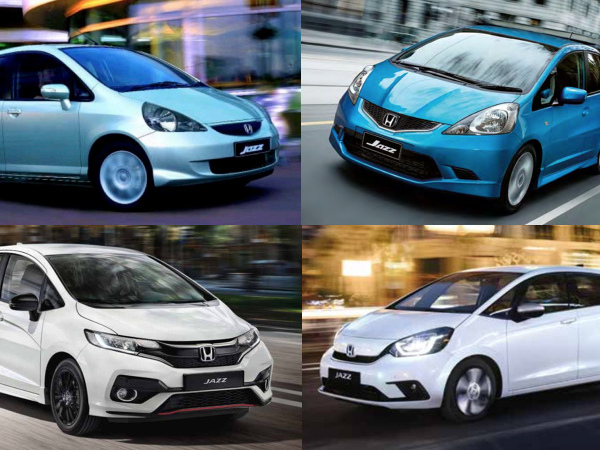
Auto Arena: Which generation of Honda Jazz (Fit) is your favorite?
LienMay 21, 2024

Honda Vezel (HR-V), Civic, Accord will adopt a unified design language, debuting in 2027
MichaelMar 17, 2026

Honda forecasts its first annual loss in 49 years, with the loss amount exceeding Nissan.
LienMar 13, 2026

Honda Heritage Works officially launched, first-generation NSX owners receive original factory support
MichaelMar 12, 2026

Honda Jet small aircraft Echelon orders exceed production capacity by 10 times
LienMar 10, 2026
View More
Pros
Cons