
Q
What is the km range of MG Cyberster?
 LovelyPeachAug 07, 2025, 10:01 AM
The range of different versions of the MG Cyberster varies. For the 2024 models, the official pure - electric range is 446 km, and the battery capacity is 77 kWh. The 2025 rear - wheel drive version features a rear - mounted single - motor layout and is equipped with a 77 kWh battery pack, with a WLTP range of up to 508 km.
Based on the latest 2026 version, the Charming Heartbeat Edition (the entry - level model) has a rear - mounted single motor, with a CLTC range of 501 km and a battery capacity of 64 kWh. The Superb Long - Range Edition (long - range model) also has a rear - mounted single motor, offering a CLTC range of 580 km and a battery capacity of 77 kWh. The Legendary Four - Wheel Drive Edition (performance model) comes with a dual - motor four - wheel drive system, and its CLTC range is 520 km, with a battery capacity of 77 kWh.
The range performance can be affected by various factors such as driving style, road conditions, and vehicle load, so the actual range may vary.
Special Disclaimer: This content is published by users and does not represent the views or position of PCauto.
Related Q&A
Q
How to start MG Cyberster?
To start the MG Cyberster, first make sure the key or smart key is inside the vehicle. Step on the brake pedal and then press the start button to start the car. If it's the all - electric version, after starting, the dashboard will display the battery status and remaining range, alerting the driver that the vehicle is ready. For users in Malaysia, as an electric sports car, the Cyberster is almost silent when starting, which is one of the characteristics of electric vehicles. It is recommended that first - time owners familiarize themselves with the operation of its power response and energy recovery systems. This information can be found in the owner's manual or the tutorials provided by MG official.
In addition, the hot and rainy climate in Malaysia has a certain impact on the electric vehicle battery. It is recommended to regularly check the battery health and try to park the vehicle in a cool place to extend the battery life. After starting, the Cyberster's intelligent system will automatically conduct a self - check to ensure that all functions are operating normally. The driver can check the vehicle status, including tire pressure and charging status, through the central control screen. These detailed designs enhance the safety and convenience of driving.
 JoyfulSunflowerAug 7, 2025
Q
Does the MG Cyberster have a frunk?
Yes, as an electric sports car, the MG Cyberster is indeed equipped with a front trunk (frunk), which is one of the common and practical designs for electric vehicles. Since electric motors are smaller in size, the front space can be freed up for storage. This design is very practical for Malaysian users, as they can put charging cables, small luggage, or daily items in it, enhancing the vehicle's convenience. Besides the frunk, the MG Cyberster also has a rear trunk, further improving its storage capacity, making it suitable for weekend getaways or daily use. The frunk design of electric vehicles not only optimizes space utilization but also reflects the difference in layout between electric vehicles and traditional fuel - powered vehicles. The front compartment of fuel - powered vehicles is usually occupied by the engine, while electric vehicles can utilize space more flexibly. As an electric sports car that emphasizes performance and design, the MG Cyberster offers a driving experience that combines practicality and a sense of technology in the Malaysian market, making it suitable for consumers who pursue fashion and environmental protection.
 CuteTurtleAug 7, 2025
Q
Is MG Cyberster electric?
Yes, the MG Cyberster is a pure-electric sports car launched by the MG brand. It adopts the latest electric technology, offering excellent performance and environmental-friendly features. This car is equipped with a high-performance battery pack, which delivers an outstanding range. Meanwhile, it has a fast-charging function, meeting the needs of Malaysian consumers for electric vehicles.
As an electric sports car, the MG Cyberster not only boasts a stylish and dynamic exterior design but also comes with an advanced intelligent driving assistance system, bringing a safer and more convenient experience to drivers.
In the Malaysian market, electric vehicles are gradually becoming popular. The government has also introduced a number of preferential policies to encourage the use of electric vehicles, such as tax exemptions and the construction of charging facilities. Therefore, electric models like the MG Cyberster have great market potential.
In addition, the low maintenance cost and environmental-friendly features of electric vehicles make them an important development direction for future cars. The launch of the MG Cyberster further enriches consumers' choices, especially for those driving enthusiasts who pursue both high performance and environmental protection.
 HappyFrogAug 7, 2025
Q
Does the MG Cyberster have a heat pump?
Currently, as a pure - electric sports car, the specific configuration of the MG Cyberster may vary depending on the market version. However, according to the common technological trends of electric vehicles, high - end models usually come with a heat pump system to improve energy - efficiency performance in low - temperature environments. The heat pump technology heats the vehicle cabin by recovering the waste heat from the motor and battery. Compared with traditional PTC heating, it can significantly reduce energy consumption. Although this isn't a necessity in Malaysia's hot climate, it can enhance the stability of long - distance driving range.
It's worth noting that the heat pump system still has practical value when driving in mountainous areas with large temperature differences or on rainy - season nights. Moreover, this technology has become a standard feature in high - end electric vehicles of brands like Tesla and BYD, which shows MG's progress in the electrification field.
For Malaysian users, besides paying attention to the heat pump configuration, it is more advisable to actually experience whether the Cyberster's battery thermal management system can adapt to the local continuous high - temperature conditions. Also, check if the officially announced range test data is based on tropical climate conditions.
Since electric vehicle technology is evolving rapidly, it is recommended to obtain the latest configuration list from the official MG Malaysia website or authorized dealers before purchasing a car to confirm the details.
 SoftSandAug 7, 2025
Q
What is the range of MG Cyberster in KM?
As a pure - electric sports car, the range of the MG Cyberster varies depending on different battery configurations and driving conditions. According to official data, its range under the WLTP standard is approximately 580 kilometers. This figure may vary slightly under the tropical climate and urban road conditions in Malaysia, but it can still meet the needs of daily commuting and long - distance driving. For Malaysian consumers, the range performance of pure - electric vehicles is particularly important because the charging infrastructure is still being gradually improved. The range ability of the MG Cyberster is quite outstanding among electric sports cars in the same class, which can reduce the trouble of frequent charging.
In addition, the range of electric vehicles is affected by factors such as driving habits, air - conditioning usage, and road conditions. It is recommended that owners plan their trips reasonably and utilize the intelligent charging solutions provided by MG to maximize the range performance. The Malaysian government is actively promoting the popularity of electric vehicles, including offering tax incentives and building charging facilities. Choosing a high - performance electric vehicle like the MG Cyberster not only allows you to enjoy the driving pleasure but also contributes to environmentally friendly travel.
 SweetMelonAug 7, 2025
Q
How to open MG Cyberster door?
To open the doors of the MG Cyberster, you first need to confirm that the vehicle is unlocked. You can unlock it via the remote key or a smartphone app (such as MG iSMART). This electric sports car features frameless doors. When opening the door, you need to gently pull the electronic button inside the door handle, and the door will automatically pop open to a certain angle. If you encounter a situation where the door won't open, it is recommended to check the battery level of the key or try using the mechanical keyhole at the bottom of the door handle as a backup solution. For users in Malaysia, the humid climate may affect the sensitivity of electronic components. Regularly cleaning the sensor contacts on the door handle can keep the operation smooth.
It's worth mentioning that as the brand's first all - electric convertible sports car, the door design of the MG Cyberster combines a sense of technology and practicality. Similar designs can also be found in other high - end electric vehicle models, such as the hidden door handles of the Tesla Roadster. The difference is that the Cyberster retains physical buttons that are more in line with traditional usage habits.
If you need further information about the vehicle's functions, you can refer to the user manual that comes with the vehicle or visit an authorized dealer in Malaysia. They can provide localized service support, including maintenance of the door system and software upgrade services.
 HappyElephantAug 7, 2025
Q
Is the MG Cyberster a supercar?
The MG Cyberster is an electric sports car launched by the MG brand. It features a stylish exterior design and decent performance, but it doesn't fall into the category of traditional supercars. Supercars typically come with extreme performance, high prices, and limited production. Although the Cyberster has a dynamic appearance and an electrified powertrain, it's more positioned as a high-performance electric sports car rather than a supercar.
In the Malaysian market, the Cyberster might appeal to consumers who pursue unique designs and electrified driving experiences, especially the young demographic who love the style of sports cars while also caring about environmental protection. For readers who want to know more about sports car classifications, supercars usually refer to models with over 600 horsepower, a top speed of over 300 km/h, and high prices, such as the flagship models of brands like Ferrari and Lamborghini. The performance and price of the Cyberster are closer to those of high - performance GT sports cars or electric sports cars, making it suitable for a combination of daily driving and occasional thrilling experiences.
 GreenTreeAug 7, 2025
Q
How long is the battery life on the MG Cyberster?
The official pure-electric range of the MG Cyberster is 446 kilometers. The vehicle's battery capacity is 77 kWh with a warranty period of eight years or 180,000 kilometers. It utilizes CATL's ternary lithium-ion battery pack, featuring a liquid-cooled thermal management system and preheating function, while supporting fast-charging technology. Fast charging requires only 0.63 hours, whereas slow charging takes 10.5 hours. The actual range may vary depending on multiple factors including driving style, road conditions, vehicle load, and ambient temperature. For instance, aggressive acceleration, hard braking, prolonged high-speed driving, or operation in cold climates will increase energy consumption and decrease range. With proper driving habits under favorable conditions, the achievable range may approach the official figure.
 HappyPenguinAug 7, 2025
Q
What is the top speed of the MG Cyberster?
As a pure-electric sports car, the MG Cyberster can reach a top speed of 193 km/h. This performance is more than enough to meet daily driving needs and occasional high-speed requirements, demonstrating MG's technological prowess in the electric vehicle field. For Malaysian consumers, the Cyberster not only features a dynamic design and advanced electric technology but also comes equipped with an intelligent driving assistance system and an efficient powertrain, making it an ideal choice for local urban commuting and short trips. Electric vehicles generally have better acceleration performance than traditional fuel-powered cars. The Cyberster can accelerate from 0 to 100 km/h in just about 3 seconds. This rapid response can bring a fun driving experience on Malaysia's winding roads and highways. Moreover, the low maintenance cost and environmental friendliness of electric vehicles have made them an increasingly popular choice. In particular, as the Malaysian government is promoting green travel policies, there are certain tax incentives for purchasing electric vehicles. The launch of the MG Cyberster adds a high - value electric sports car option that combines performance and environmental friendliness to the local market.
 WindyHillAug 7, 2025
Q
How to charge a MG Cyberster?
To charge the MG Cyberster, Malaysian car owners can choose between home alternating current (AC) charging or public direct current (DC) fast - charging stations. For home charging, you can use the standard Type 2 interface and connect it to the household power supply with the charging cable that comes with the car. However, the charging speed is relatively slow, which is suitable for overnight or long - term parking.
If you need a quick charge, you can head to DC fast - charging stations in Malaysia, such as networks like ChargeSini or Shell Recharge. It takes about 30 - 40 minutes to charge the battery to 80%. The exact time depends on the remaining battery level and the power of the charging pile.
In addition, car owners can remotely monitor the charging status and reserve charging time through MG's smartphone app to save costs by taking advantage of off - peak electricity rates. It's worth noting that to extend the battery life, it's recommended to avoid frequent use of fast charging, and charge the battery in time when the power drops below 20%. Also, regularly check the cleanliness and integrity of the charging equipment and the vehicle's charging port to ensure charging efficiency and safety.
For electric vehicle newbies, the Malaysian government offers a variety of electric vehicle incentives, including subsidies for charging facilities and road tax exemptions. It's worth looking into these further.
 CalmOceanAug 7, 2025
Popular Cars
Model Year
Car Compare
Car Photo
Related Models
 Cars
CarsLatest Q&A
Q
Is AMT similar to automatic?
There are significant differences between AMT transmissions and automatic transmissions (AT) in terms of core structure and driving experience. AMT is essentially an electronically automated version of a manual transmission, simulating manual clutch operation and gear shifting through a computerized control system while retaining the gear set structure of manual transmissions. As a result, it offers higher transmission efficiency, with fuel consumption approximately 8%-12% lower than AT, making it particularly suitable for highway or long-distance driving. However, it may exhibit jerking similar to manual transmissions during low-speed gear shifts, especially noticeable in congested traffic conditions.
AT transmissions rely on torque converters for power transfer, delivering smooth and seamless gear shifts that appeal to comfort-oriented users. However, their complex structure (incorporating planetary gear sets, hydraulic systems, etc.) results in higher maintenance costs. A single service may cost between 800 to 1,500 ringgit, whereas AMT only requires gear oil replacement at approximately 400 ringgit.
From a market perspective, AMT is predominantly used in budget vehicles or commercial models priced below 80,000 ringgit, while AT is typically featured in mid-to-high-end vehicles. Consumers should select based on actual needs: AMT suits those prioritizing fuel efficiency and low maintenance costs, while AT better serves those valuing comfort. Notably, recent advancements in AMT electronic control technology have significantly mitigated jerking issues, though test drives should still emphasize low-speed performance evaluation.
 AriaMar 26, 2026
Q
Which is better, DCT or AT?
DCT (Dual-Clutch Transmission) and AT (Automatic Transmission) each have their own advantages and disadvantages, and the choice should be based on personal driving needs. AT transmissions transfer power through a torque converter, offering excellent shift smoothness, making them suitable for urban commuting or novice drivers. However, they tend to have higher fuel consumption, and vehicles equipped with them are usually more expensive. DCT transmissions utilize a dual-clutch structure, featuring fast shift speeds and high power transmission efficiency, which provides a more direct driving experience—particularly suitable for users seeking a sporty feel. However, they may exhibit jerking at low speeds and have relatively high maintenance costs. If durability and comfort are priorities, AT is the more reliable choice; if power responsiveness and driving pleasure are preferred, wet DCT (such as Volkswagen DSG) performs better, though dry DCT models should be avoided in prolonged stop-and-go traffic conditions. Additionally, CVT transmissions excel in smoothness and fuel efficiency, making them ideal for daily commuting, but they lack driving excitement. It is recommended to test-drive before purchasing, as tuning varies significantly across brands, and real-world experience is more important than theoretical specifications.
 FlutteringMar 26, 2026
Q
Is Amt good or bad?
AMT gearboxes have a significant cost advantage in the local market, typically being around 5,000 Ringgit cheaper than models equipped with conventional automatic transmissions. Their fuel efficiency is comparable to manual transmissions, resulting in long-term fuel savings. Featuring a straightforward design, they achieve transmission efficiency exceeding 90% with relatively low maintenance costs, making them ideal for practicality-oriented consumers. However, their shifting logic contains inherent limitations: gear changes between 1st and 2nd cause 0.3-0.5 second power interruptions, while unintended upshifts on inclines may reduce engine speed by 15%-20%, compromising driving smoothness. For urban commuters or budget-conscious buyers, AMT offers excellent value, though those prioritizing premium driving dynamics should consider alternative transmission types. Some domestic models like the Perodua Axia employ enhanced AMT systems, where optimized shift programming has reduced gearshift shock by approximately 30%.
 RainbowsMar 26, 2026
Q
Which gives better mileage, CVT or AMT?
From the perspective of fuel economy, CVT transmissions generally perform better under urban driving conditions. Their continuously variable design allows the engine to consistently operate within the optimal speed range, significantly reducing fuel consumption during frequent starts and stops. Test data shows that their fuel consumption in urban driving conditions is 10% to 15% lower than that of comparable models. AMT transmissions, on the other hand, inherit the high transmission efficiency of manual transmissions, delivering fuel efficiency close to manual transmissions during high-speed cruising. This makes them particularly suitable for long-distance driving in large-displacement vehicles. However, due to power interruption during gear shifts, their overall fuel consumption may be 5% to 8% higher than CVTs.
The difference in fuel-saving characteristics between the two transmissions stems from their technical principles: CVTs achieve continuous variability through steel belts and pulleys, eliminating the fixed gear ratio limitations of traditional transmissions; AMTs simulate manual gear changes via electronic control systems while maintaining the mechanical efficiency of gear transmission. Notably, actual fuel consumption is also influenced by driving habits. Smooth acceleration and anticipatory deceleration can maximize the transmissions' fuel-saving potential. If the vehicle budget permits and urban commuting is the primary use, CVTs offer a more economical choice. For frequent highway driving with an emphasis on cost-effectiveness, AMTs are equally worth considering.
 RubyBlazeMar 26, 2026
Q
Which is cheaper, AMT or CVT?
In terms of gearbox cost, AMT is usually more economical than CVT. Essentially, AMT is a manual transmission equipped with an electronic control unit, featuring a simple structure and low maintenance costs. The unit price ranges from approximately 5,000 to 8,000 ringgit, making it suitable for budget-conscious consumers or those who prioritize long-term operating costs. CVT incurs higher manufacturing costs due to its precision steel belt transmission system and continuous variable transmission technology, with a unit price of about 7,000 to 10,000 ringgit. However, it delivers a smoother driving experience and superior fuel efficiency. The primary differences between the two lie in technical complexity: AMT retains the gear-shifting mechanism, resulting in noticeable shift shock; CVT achieves linear power output through stepless speed variation but requires periodic belt inspection and incurs higher maintenance expenses. For those prioritizing initial cost and basic transportation needs, AMT offers better value; if comfort and long-term fuel economy are priorities, CVT represents a more worthwhile investment. Note that actual prices may vary based on vehicle model, brand, and local supply chain factors.
 ShadowProwlMar 26, 2026
Related News

Malaysia Becomes MG Cyberster’s Top Market in Asia-Pacific
JamesAug 7, 2025
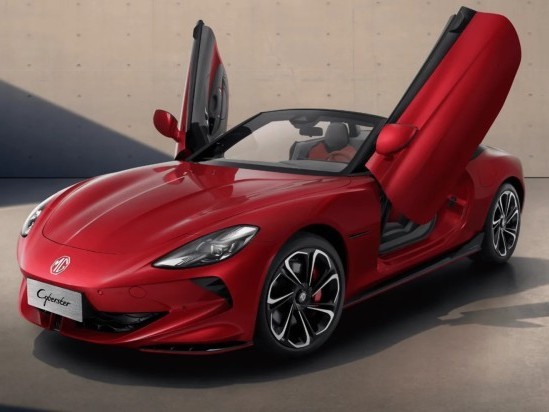
The new MG Cyberster debuts at Motor EXPO 2024, its unique appearance continues to attract attention.
AshleyDec 2, 2024

The pure electric convertible sports car MG Cyberster lands in Malaysia, and reservations are now fully open!
MichaelOct 30, 2024

MG releases SolidCore battery and Hybrid+ technology in Europe
Kevin WongMar 26, 2026

MG 4X spotted, equipped with semi-solid-state battery, range can reach 510 kilometers
RobertMar 17, 2026
View More
Pros
Cons