
Q
What is the mileage of Innova 2018?
 CloeOct 28, 2025, 04:36 PM
The real-world fuel economy of the 2018 Toyota Innova in Malaysia can vary depending on the specific trim and driving conditions. Official figures suggest the 2.0L petrol engine variant returns around 8-9 km/l in urban settings, improving to 12-13 km/l on the highway. The more frugal 2.4L turbo diesel option delivers approximately 10-11 km/l in the city and 14-15 km/l on the open road. However, these numbers can fluctuate based on driving style, road conditions, and how well the vehicle is maintained.
If you're considering a used 2018 Innova, I'd recommend checking the on-board computer or doing actual fuel fill-up tests to get the real consumption figures. Simple maintenance like regular air filter replacements, keeping tires properly inflated, and using the manufacturer-recommended engine oil can also help optimize fuel efficiency.
As a staple in Toyota's MPV lineup, the Innova has long been a favorite in Malaysian households and commercial circles thanks to its reliable powertrains and practicality. For those prioritizing better fuel economy, keep an eye out for future facelift models that might come equipped with Toyota's Hybrid system.
Special Disclaimer: This content is published by users and does not represent the views or position of PCauto.
Related Q&A
Q
What is the mileage of Innova 2023?
According to official figures, the 2023 Toyota Innova's fuel consumption in the Malaysian market breaks down as follows: the 2.0-liter petrol engine variant returns around 12.5 km/l in urban driving and can hit 15 km/l on the highway. The 2.4-liter diesel engine option is more fuel-efficient, delivering approximately 14 km/l in the city and up to 17 km/l on the open road. Keep in mind, actual fuel economy can vary depending on driving habits and road conditions. It's worth noting that for a 7-seater MPV, the Innova's fuel efficiency is quite competitive compared to its peers. This is thanks to Toyota's Dual VVT-i petrol engine and GD series diesel engine technologies, which strike a good balance between fuel efficiency and power output. Malaysian buyers should consider their own needs when choosing – if you do a lot of long-distance driving, the diesel version might be more economical, while the petrol variant is better suited for city commuting. Also, regular maintenance is recommended to keep the engine in top shape; this not only helps maintain good fuel economy but also extends the vehicle's lifespan.
 ModelNov 4, 2025
Q
How big is the Innova 2023?
The 2023 Toyota Innova measures 4,755 mm in length, 1,850 mm in width, and 1,795 mm in height in the Malaysian market, with a wheelbase of 2,850 mm. It offers a spacious 7-seater or 8-seater layout, ideal for family or commercial use. Its larger body size ensures comfortable interior space, especially the third-row legroom which outperforms most MPVs in its class. This model continues the Innova series' reputation for practicality and durability, boasting a 185 mm ground clearance that easily handles common road conditions in Malaysia. The trunk can still fit small luggage when fully occupied, and folding the third-row seats significantly boosts cargo capacity. Notably, as a Southeast Asia-exclusive model, the Innova's dimensions are thoughtfully designed for local scenarios, such as maneuverability on narrow streets and multi-passenger needs. The two engine options – a 2.0-liter naturally aspirated petrol and a 2.4-liter diesel – strike a balance between power and fuel efficiency, meeting Malaysian consumers' expectations for a versatile vehicle.
InventNov 4, 2025Q
How many seaters are in Innova 2023?
The 2023 Toyota Innova offers both 7-seater and 8-seater configurations in the Malaysian market, catering to different family and commercial needs. The 7-seater features a 2+2+3 layout with independent second-row seats for enhanced comfort, ideal for quality-focused families. The 8-seater, with a 2+3+3 setup, prioritizes practicality and passenger capacity, making it better suited for commercial use or group travel. True to the Innova lineage, this model maintains flexible space with foldable third-row seats to expand luggage room. Under the hood, it pairs a 2.0L petrol engine with a CVT transmission, balancing smooth performance and fuel efficiency. As a popular MPV in Malaysia, the 2023 Innova strengthens its appeal by upgrading interior materials and tech features while retaining its reputation for reliability. Customers should choose the seat configuration based on their actual needs and are advised to visit authorized dealers to experience the vehicle's space firsthand.
 ActorNov 4, 2025
Q
How many cc engine is Innova 2023?
The 2023 Toyota Innova offers two engine options in the Malaysian market: a 2.0-liter naturally aspirated petrol engine and a 2.4-liter turbocharged diesel engine. The former has a displacement of 1987cc, while the latter is 2393cc. Both engines are known for their reliability and fuel efficiency, making them suitable for Malaysia's diverse road conditions. The 2.0L petrol engine is ideal for daily city driving, delivering smooth power output, whereas the 2.4L diesel engine better suits users with frequent long-distance or heavy-loading needs, thanks to its stronger low-end torque performance. It's worth noting that as an MPV targeting family and commercial markets, the Innova's engine design balances durability and practicality. Additionally, Toyota's well-established after-sales service network in Malaysia provides owners with convenient maintenance support. For consumers looking to buy a car, it's advisable to choose the right engine based on their usage scenarios and perform regular maintenance to ensure long-term vehicle performance.
 BoarderNov 4, 2025
Q
How much Toyota Innova 2023?
The 2023 Toyota Innova's prices in Malaysia vary depending on the trim and configuration. The entry-level Innova 2.0X starts at around RM 133,000, while the top-spec Innova 2.0V is priced close to RM 146,000. Actual prices may vary slightly due to dealer promotions or optional accessories. Powering this vehicle is either a 2.0-liter naturally aspirated engine or a 2.0-liter hybrid system, delivering a smooth driving experience and low fuel consumption, making it suitable for family use or commercial needs. The Innova is highly favored by Malaysian consumers for its spacious interior, reliable performance, and Toyota's strong resale value, excelling especially in scenarios with multiple passengers or long road trips. Additionally, the 2023 Innova has upgraded safety features, including the Toyota Safety Sense suite, which offers advanced functions like adaptive cruise control and lane-keeping assist, further enhancing driving safety. If you're considering a practical and durable MPV, the Innova is undoubtedly a worthy option. It's recommended to visit a nearby Toyota dealership for a test drive and to learn about the latest promotional offers.
 WriterNov 4, 2025
Q
What is the safety rating of Innova 2021?
The safety rating of the 2021 Toyota Innova in Southeast Asian markets, including Malaysia, is primarily based on ASEAN NCAP assessments, where the model achieved a 5-star safety rating with a well-rounded performance. In testing, it scored 86 points for adult occupant protection, 85 points for child occupant protection, and 81 points for safety assist systems. Standard safety features include dual front airbags, ABS+EBD, Vehicle Stability Control (VSC), and ISOFIX child seat anchors, while higher trim levels may add side airbags and curtain airbags. For Malaysian consumers, ASEAN NCAP ratings are more regionally relevant as they account for tropical climate conditions and local road situations, such as testing vehicle durability in high temperatures and ability to handle unexpected road scenarios. It's worth noting that while safety ratings are important, actual driving safety also depends on regular maintenance, responsible driving habits, and proper use of safety features—details like ensuring correct installation of child seats and maintaining proper tire pressure can further enhance road safety.
 HappyLadybugOct 29, 2025
Q
What is the mileage of Innova 2021?
The fuel efficiency of the 2021 Toyota Innova varies in the Malaysian market depending on the powertrain. The petrol variant delivers around 8-9 km per liter in urban driving, improving to 12-13 km per liter during highway cruising. Thanks to higher thermal efficiency, the diesel version generally offers 15-20% better combined fuel economy than the petrol model, though actual figures are influenced by driving habits, road conditions, and vehicle load. It's worth noting that as a Toyota MPV specifically developed for Southeast Asian markets, the Innova's powertrain undergoes special tuning for tropical climates and complex road conditions—such as the use of heat-resistant materials and enhanced cooling systems—design elements that play a key role in maintaining fuel efficiency stability. Owners are advised to regularly maintain the air filter and fuel injectors, and use API-standard engine oil, as these measures effectively preserve engine efficiency. Among the same class models, the Hyundai Starex and Honda BR-V offer similar fuel economy, but the Innova holds an edge in used car retention value and maintenance accessibility, which is one reason it remains a long-standing favorite among Malaysian family buyers.
 HappyBeetleOct 29, 2025
Q
What is the top model Innova 2021?
The top-spec variant of the 2021 Toyota Innova in Malaysia is the Innova 2.0X. It’s powered by a 2.0-liter naturally aspirated petrol engine that cranks out 139 horsepower and 183 Nm of torque, paired with a 6-speed automatic transmission and front-wheel drive. Standard kit includes LED headlights, 18-inch alloy wheels, leather seats, a 7-inch touchscreen with Apple CarPlay and Android Auto, dual-zone automatic climate control, and Toyota Safety Sense active safety suite – think pre-collision warning, lane departure alert, adaptive cruise control, and more.
As Toyota’s mainstay MPV in Southeast Asia, the Innova is known for its legendary durability and practicality. The 2021 model keeps that spaciousness the nameplate is loved for, with a three-row seating setup that’s perfect for families. The suspension tuning strikes a nice balance between comfort and handling light off-road trails too. A key point is that the Innova is locally assembled in Malaysia via CKD, which helps keep its pricing competitive. Rivals include the Mitsubishi Xpander and Honda BR-V, but the Innova holds its ground thanks to Toyota’s strong brand reputation and more generous third-row space. While the 2023 model moved to the new DNGA platform as the Innova Zenix, the 2021 version remains a hot pick in the used car market.
 DreamerOct 29, 2025
Q
How much is Innova 2021 second hand in the Philippines?
In the Philippines, the price of a used 2021 Toyota Innova can vary depending on factors like condition, mileage, trim level, and location. Generally, you're looking at a range of 800,000 to 1,200,000 Philippine pesos (approximately 65,000 to 98,000 ringgit). Higher trim models or those with low mileage might fetch a higher price tag. For Malaysian readers, it's important to note that the used car market in the Philippines is different from Malaysia. Car taxes and import policies in the Philippines can influence pricing, so these factors should be considered when comparing prices. The Toyota Innova, a popular multi-purpose vehicle in Southeast Asia, is known for its durability and practicality. The 2021 model typically comes with either a 2.8-liter diesel engine or a 2.0-liter gasoline engine, making it suitable for both family and commercial use. If you're considering a similar model in Malaysia, you can also check the prices of used Toyota Innovas in the local market. It's also advisable to check the vehicle's service records and have a professional inspection done before purchasing to ensure it's in good condition.
 OceanBreezeOct 29, 2025
Q
How much is Innova 2021?
The 2021 Toyota Innova's price in Malaysia varies depending on the trim and configuration. The base model, Innova 2.0E MT, is priced at around RM 121,000, while the top-spec Innova 2.0G AT goes for approximately RM 136,000. Actual prices may fluctuate due to regional promotions or optional extras. As Toyota's key MPV in the Southeast Asian market, the Innova is renowned for its durability and practicality. The 2021 model comes with a 2.0-liter naturally aspirated engine delivering 139 horsepower, paired with either a 6-speed manual or automatic transmission. It offers 7-seater or 8-seater layouts, making it suitable for both family use and commercial needs. Notably, the Innova holds a high resale value in Malaysia's used car market, thanks to its reliable quality and low maintenance costs. If on a tight budget, a well-maintained used Innova is also worth considering. When purchasing, it's advisable to get the latest quotes from authorized Toyota dealers and compare configuration differences across model years. For instance, compared to older versions, the 2021 Innova has upgrades like LED daytime running lights and a smart key system.
 PeachBlossomOct 29, 2025
Popular Cars
Model Year
Car Compare
Car Photo
Related Models
 Cars
CarsLatest Q&A
Q
Is AMT similar to automatic?
There are significant differences between AMT transmissions and automatic transmissions (AT) in terms of core structure and driving experience. AMT is essentially an electronically automated version of a manual transmission, simulating manual clutch operation and gear shifting through a computerized control system while retaining the gear set structure of manual transmissions. As a result, it offers higher transmission efficiency, with fuel consumption approximately 8%-12% lower than AT, making it particularly suitable for highway or long-distance driving. However, it may exhibit jerking similar to manual transmissions during low-speed gear shifts, especially noticeable in congested traffic conditions.
AT transmissions rely on torque converters for power transfer, delivering smooth and seamless gear shifts that appeal to comfort-oriented users. However, their complex structure (incorporating planetary gear sets, hydraulic systems, etc.) results in higher maintenance costs. A single service may cost between 800 to 1,500 ringgit, whereas AMT only requires gear oil replacement at approximately 400 ringgit.
From a market perspective, AMT is predominantly used in budget vehicles or commercial models priced below 80,000 ringgit, while AT is typically featured in mid-to-high-end vehicles. Consumers should select based on actual needs: AMT suits those prioritizing fuel efficiency and low maintenance costs, while AT better serves those valuing comfort. Notably, recent advancements in AMT electronic control technology have significantly mitigated jerking issues, though test drives should still emphasize low-speed performance evaluation.
 AriaMar 26, 2026
Q
Which is better, DCT or AT?
DCT (Dual-Clutch Transmission) and AT (Automatic Transmission) each have their own advantages and disadvantages, and the choice should be based on personal driving needs. AT transmissions transfer power through a torque converter, offering excellent shift smoothness, making them suitable for urban commuting or novice drivers. However, they tend to have higher fuel consumption, and vehicles equipped with them are usually more expensive. DCT transmissions utilize a dual-clutch structure, featuring fast shift speeds and high power transmission efficiency, which provides a more direct driving experience—particularly suitable for users seeking a sporty feel. However, they may exhibit jerking at low speeds and have relatively high maintenance costs. If durability and comfort are priorities, AT is the more reliable choice; if power responsiveness and driving pleasure are preferred, wet DCT (such as Volkswagen DSG) performs better, though dry DCT models should be avoided in prolonged stop-and-go traffic conditions. Additionally, CVT transmissions excel in smoothness and fuel efficiency, making them ideal for daily commuting, but they lack driving excitement. It is recommended to test-drive before purchasing, as tuning varies significantly across brands, and real-world experience is more important than theoretical specifications.
FlutteringMar 26, 2026Q
Is Amt good or bad?
AMT gearboxes have a significant cost advantage in the local market, typically being around 5,000 Ringgit cheaper than models equipped with conventional automatic transmissions. Their fuel efficiency is comparable to manual transmissions, resulting in long-term fuel savings. Featuring a straightforward design, they achieve transmission efficiency exceeding 90% with relatively low maintenance costs, making them ideal for practicality-oriented consumers. However, their shifting logic contains inherent limitations: gear changes between 1st and 2nd cause 0.3-0.5 second power interruptions, while unintended upshifts on inclines may reduce engine speed by 15%-20%, compromising driving smoothness. For urban commuters or budget-conscious buyers, AMT offers excellent value, though those prioritizing premium driving dynamics should consider alternative transmission types. Some domestic models like the Perodua Axia employ enhanced AMT systems, where optimized shift programming has reduced gearshift shock by approximately 30%.
 RainbowsMar 26, 2026
Q
Which gives better mileage, CVT or AMT?
From the perspective of fuel economy, CVT transmissions generally perform better under urban driving conditions. Their continuously variable design allows the engine to consistently operate within the optimal speed range, significantly reducing fuel consumption during frequent starts and stops. Test data shows that their fuel consumption in urban driving conditions is 10% to 15% lower than that of comparable models. AMT transmissions, on the other hand, inherit the high transmission efficiency of manual transmissions, delivering fuel efficiency close to manual transmissions during high-speed cruising. This makes them particularly suitable for long-distance driving in large-displacement vehicles. However, due to power interruption during gear shifts, their overall fuel consumption may be 5% to 8% higher than CVTs.
The difference in fuel-saving characteristics between the two transmissions stems from their technical principles: CVTs achieve continuous variability through steel belts and pulleys, eliminating the fixed gear ratio limitations of traditional transmissions; AMTs simulate manual gear changes via electronic control systems while maintaining the mechanical efficiency of gear transmission. Notably, actual fuel consumption is also influenced by driving habits. Smooth acceleration and anticipatory deceleration can maximize the transmissions' fuel-saving potential. If the vehicle budget permits and urban commuting is the primary use, CVTs offer a more economical choice. For frequent highway driving with an emphasis on cost-effectiveness, AMTs are equally worth considering.
 RubyBlazeMar 26, 2026
Q
Which is cheaper, AMT or CVT?
In terms of gearbox cost, AMT is usually more economical than CVT. Essentially, AMT is a manual transmission equipped with an electronic control unit, featuring a simple structure and low maintenance costs. The unit price ranges from approximately 5,000 to 8,000 ringgit, making it suitable for budget-conscious consumers or those who prioritize long-term operating costs. CVT incurs higher manufacturing costs due to its precision steel belt transmission system and continuous variable transmission technology, with a unit price of about 7,000 to 10,000 ringgit. However, it delivers a smoother driving experience and superior fuel efficiency. The primary differences between the two lie in technical complexity: AMT retains the gear-shifting mechanism, resulting in noticeable shift shock; CVT achieves linear power output through stepless speed variation but requires periodic belt inspection and incurs higher maintenance expenses. For those prioritizing initial cost and basic transportation needs, AMT offers better value; if comfort and long-term fuel economy are priorities, CVT represents a more worthwhile investment. Note that actual prices may vary based on vehicle model, brand, and local supply chain factors.
 ShadowProwlMar 26, 2026
Related News
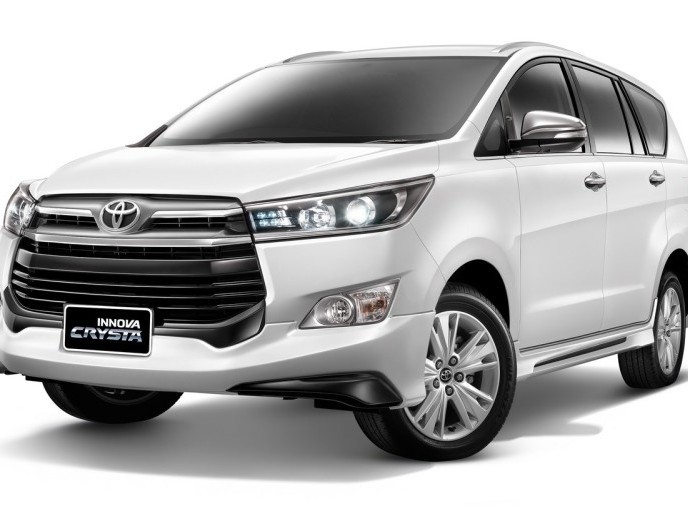
Introduction to Toyota Innova : Power Meets Comfort
RobertMay 7, 2025
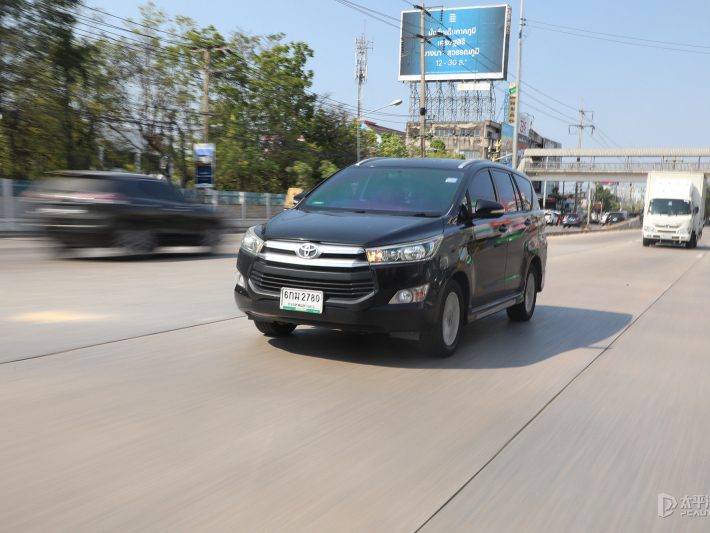
To experience the durability of Toyota, we rented an INNOVA with 133,000 kilometers for testing
Kevin WongMay 2, 2024

Toyota may launch the Tundra TRD Hammer high-performance off-road pickup in the future
RobertMar 23, 2026

Toyota Land Cruiser Buying Guide: From LC300 to LC70, which versions are worth buying? Are the maintenance costs for used ones high?
JohnMar 17, 2026

Toyota Crown Sedan and Lexus ES price difference? What are their differences?
WilliamMar 13, 2026
View More
Pros
Cons