
Q
Who designed the Volvo XC60?
 BronzeFangFeb 16, 2026, 11:53 AM
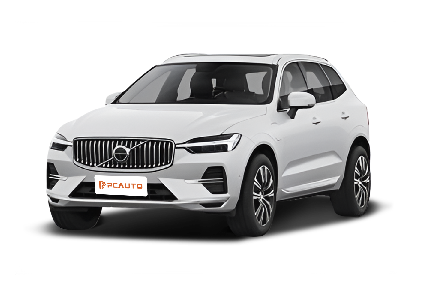
The Volvo XC60 was developed under the leadership of Volvo Cars' design team. Its design concept combines Nordic minimalist style with practical functionality. The exterior design of this model was crafted by Volvo's chief designer, Thomas Ingenlath, and his team. They carried on Volvo's iconic "Thor's Hammer" LED headlights and vertical waterfall grille design, while endowing the XC60 with more dynamic body lines. The interior was designed under the leadership of Robin Page, emphasizing the combination of luxury and a sense of technology. For example, it uses large - sized touchscreens and eco - friendly materials.
For Malaysian consumers, the design of the XC60 not only conforms to the global aesthetic trend but also takes into account the practicality in the tropical climate. Features like a good air - conditioning system and high - temperature - resistant materials are provided. Moreover, Volvo has always been renowned for its safety performance, and the XC60 continues this tradition. It is equipped with a number of active safety technologies, such as the City Safety system, which is very suitable for the complex traffic environment in Malaysia.
This car also offers a variety of power options in the local market, including high - efficiency turbocharged engines and plug - in hybrid versions, which can meet different driving needs.
Special Disclaimer: This content is published by users and does not represent the views or position of PCauto.
Related Q&A
Q
What kind of engine is in the 2021 Volvo XC60?
The 2021 Volvo XC60 offers a range of efficient powertrain options, including gasoline, plug-in hybrid (PHEV), and mild-hybrid (MHEV) variants. The gasoline models feature a 2.0-liter turbocharged four-cylinder engine, available in T5 (250 hp) and T6 (316 hp) tunes. For those who want a greener yet powerful drive, the T8 plug-in hybrid pairs the same 2.0-liter turbocharged and supercharged engine with an electric motor, delivering a combined 400 hp and an all-electric range of around 50 km. Meanwhile, the mild-hybrid versions use a 48V system to boost fuel efficiency. All engines come mated to an 8-speed automatic transmission and standard all-wheel drive, ensuring smooth performance.
Volvo’s Drive-E engine family stands out with its modular design, balancing power and efficiency while keeping emissions and fuel consumption low—perfect for today’s drivers who want both performance and sustainability. On top of that, the XC60 packs advanced driver-assistance tech, making it one of the safest and most comfortable picks in its class.
 PrettyDec 8, 2025
Q
Does the 2021 XC60 have a sunroof?
The 2021 XC60 does offer a panoramic sunroof, but whether it's standard depends on the trim level. Higher-end models typically come with this feature for better natural lighting and a more spacious feel, while base versions may require it as an option. The double-layered insulated glass effectively blocks UV rays while maintaining cabin brightness. Many owners appreciate its dual-mode operation (sliding and tilting).
That said, the large glass roof demands some attention in tropical climates—regularly check the sealing strips to prevent potential water leaks during heavy rain. Using the sunshade when parked is also recommended to reduce heat buildup. Competing models like the BMW X3 or Lexus NX offer similar setups, though with slight variations in opening size and functionality.
If considering a used XC60, always verify the exact specs via the VIN, as some parallel-import units might have non-standard configurations. While the sunroof enhances comfort, long-term ownership requires maintenance like keeping drainage channels clear to avoid issues.
 CheeryDec 8, 2025
Q
How comfortable is the 2021 XC60?
The 2021 XC60 delivers impressive comfort with its ergonomically designed seats that offer excellent support and contouring, making long drives fatigue-free. Higher trims take it up a notch with Nappa leather upholstery and power massage functions for an even more premium experience.
The suspension is tuned for comfort, effectively absorbing road imperfections, while the advanced noise insulation keeps the cabin remarkably quiet—perfect for highway cruising. Rear-seat legroom is generous, and the trunk provides ample space for daily needs.
Beyond the hardware, the XC60’s comfort extends to thoughtful touches like an advanced air quality system that filters PM2.5 and other pollutants—a big plus for health-conscious buyers. Plus, the standard City Safety suite helps reduce driver stress, making every journey more relaxed.
If comfort is a top priority, we’d recommend opting for the air suspension variant. It automatically adjusts damping based on road conditions, refining the ride quality even further.
 LeafyDec 8, 2025
Q
What is the price of Volvo XC60 in 2021?
The 2021 Volvo XC60 is priced between approximately RM280,000 to RM350,000 in the local market, depending on trim levels and optional extras. The entry-level T5 Momentum typically starts at the lower end, while the range-topping T8 Recharge plug-in hybrid sits near the upper limit.
This midsize luxury SUV comes with a 2.0-liter turbocharged engine or a twin-charged (turbo + supercharged) unit in the T8 variant, which pairs with an electric motor for a plug-in hybrid setup—delivering a combined 390 hp. All models feature standard all-wheel drive and Pilot Assist semi-autonomous driving.
Notably, the XC60 stands out with its signature "Thor’s Hammer" LED headlights and "Viking Axe" taillights. Inside, the Scandinavian-inspired cabin includes a 12.3-inch digital dashboard and a 9-inch touchscreen, along with standard City Safety—a class-leading feature.
When shopping, keep an eye out for dealer promotions like free maintenance packages or low-interest financing. It’s worth cross-shopping rivals like the Mercedes-Benz GLC and BMW X3, though the XC60 holds an edge in safety tech and sustainable material choices.
 GrinningSmileDec 8, 2025
Q
What is a 2021 Volvo XC60 worth?
The current value of a 2021 Volvo XC60 depends on factors like condition, mileage, trim level, and service history. On the used market, you’re typically looking at around RM180k to RM250k, with variations based on whether it’s a T5 or T8 powertrain, premium add-ons (like the Bowers & Wilkins sound system or air suspension), and even paint color.
Known for its Scandinavian design, top-tier safety, and comfort, the XC60 comes standard with City Safety and offers a plug-in hybrid option—ideal for eco-conscious buyers who still want performance. When checking prices, cross-reference listings on local platforms like Carlist or Mudah, and always get an independent inspection to avoid accident or flood-damaged cars.
Volvos hold their value decently, but with hybrid models, pay extra attention to battery warranty coverage. The factory 5-year/unlimited-mileage warranty is a big plus here. If you’re shopping around, it’s worth comparing against rivals like the 2021 Mercedes GLC or BMW X3—though the XC60 stands out with its safety tech and eco-friendly interior materials.
 GoldenSunsetDec 8, 2025
Q
How long will a 2021 Volvo XC60 last?
The 2021 Volvo XC60 can typically last between 200,000 to 300,000 kilometers with proper maintenance and normal use—sometimes even longer. Its actual lifespan depends on driving habits, maintenance frequency, road conditions, and other factors.
The Drive-E engine lineup is known for its durability, and when paired with the 8-speed automatic transmission, the powertrain delivers solid reliability. The body uses high-strength steel and rust-proof treatments, making it resilient in humid climates.
Stick to the factory maintenance schedule—regular oil changes, filter replacements, and especially checks on the turbocharging system and electronics—to maximize longevity. Volvo’s active safety tech and robust construction also help minimize accident damage, indirectly boosting durability.
For long-term ownership, always opt for genuine parts and certified service centers. Aftermarket parts can compromise performance. In its class, the XC60 holds mid-to-strong resale value, and a well-documented service history significantly boosts resale potential.
One note: The hybrid version’s battery pack usually lasts around 10 years, but replacement costs are high—factor that into long-term budgeting.
 DaisyMeadowDec 8, 2025
Q
What are the common 2021 XC60 problems?
The 2021 XC60 delivers solid performance as a luxury SUV, though some owners have reported typical niggles. The infotainment system can occasionally lag or freeze—especially during startup when it loads slower than expected—but these glitches are usually fixed with a software update.
A few electronic features like the power tailgate or 360-degree camera may act up intermittently, so it’s worth checking for system updates regularly. On the mechanical side, a handful of drivers noticed slight transmission jerkiness at low speeds, likely due to software calibration; dealers can often smooth it out with a quick reprogram.
That said, the City Safety system and other active safety tech work reliably, though extreme weather or dirty sensors might trigger false alerts—just keep the radar and cameras clean. For used models, pay extra attention to the battery health, as neglected maintenance on the 48V mild-hybrid system could affect start-stop functionality.
Most of these are occasional electronic quirks rather than dealbreakers, and Volvo’s service network handles them efficiently. Nothing here should overshadow the driving experience.
 MysticalGlowDec 8, 2025
Q
How much does a 2021 Volvo XC60 cost?
The new price of the 2021 Volvo XC60 ranges from approximately RM250000 to RM350000 depending on the configuration, depending on the selected power version (such as T5, T6, or T8 plug-in hybrid) and additional features (such as premium sound system, panoramic sunroof, or driver assistance package). This car is known for its Nordic design, high safety, and comfort. The entire series comes standard with the City Safety system and offers a variety of power options, including an efficient plug-in hybrid version, suitable for consumers who value environmental protection and performance. The prices in the second-hand car market may fluctuate depending on the condition, mileage, and warranty status, typically ranging from RM180000 to RM280000. Volvo's resale value is relatively stable, especially for well maintained models, and the brand has a well-established after-sales service network locally. The supply of accessories is also sufficient, and the long-term use cost is controllable. It is worth mentioning that the mid-term facelift model of XC60 has updated its appearance and infotainment system in 2022. If the budget allows, the differences between the old and new models can also be compared.
 PeachBlossomDec 8, 2025
Q
How much oil does a 2018 Volvo XC60 take?
The oil capacity of the 2018 Volvo XC60 depends on the engine type. The common T5 front-wheel drive or all-wheel drive versions, equipped with a 2.0-liter four-cylinder turbocharged engine, require approximately 5.6 liters of oil. The T6 twin-charged and T8 plug-in hybrid versions need 6.1 liters and 5.7 liters respectively, with specifics subject to the owner's manual. It's recommended to use fully synthetic oil that meets Volvo certification, such as 0W-20 or 5W-30, as these better adapt to local climates and protect the engine. Regularly checking the oil level is important, which can be done via the electronic oil dipstick or traditional dipstick; if the oil is below the minimum mark, it should be replenished promptly. When changing the oil, it's best to replace the oil filter at the same time to ensure filtering effectiveness, typically every 10,000 kilometers or 12 months, though the exact interval depends on driving conditions. If the vehicle indicates low oil, first check for leaks before refilling, as prolonged low oil levels may cause engine wear. Additionally, the oil capacity of XC60 models from different years or with different configurations may vary slightly, so it's advisable to verify the vehicle information before maintenance. Using non-specified oil types may affect the warranty.
 FrostbiteNov 25, 2025
Q
How to check oil level on a 2018 Volvo XC60?
To check the engine oil level in a 2018 Volvo XC60, first make sure the vehicle is parked on level ground and the engine is cool. If you've just turned it off, wait 5-10 minutes to let the oil drain back into the pan. Then pop the hood, locate the orange dipstick, pull it out, wipe it clean with a rag, push it all the way back in, and pull it out again. Check if the oil level is between the "MIN" and "MAX" marks. If it's below "MIN", top it up with oil that meets the manufacturer's specs—Volvo recommends 0W-20 or 5W-30 full synthetic. Some XC60 models also have an electronic oil level display in the infotainment system under Vehicle Info, so you can check there without using the dipstick, but it's still a good idea to do a manual check once in a while. Keep in mind, too much or too little oil can hurt engine performance—too much might cause incomplete combustion, too little means insufficient lubrication. Aim to check it every six months or 5,000 kilometers, and stick to your maintenance schedule for oil and filter changes to keep the engine running smoothly long-term.
 ShockwaveNov 25, 2025
Popular Cars
Model Year
Car Compare
Car Photo
Related Models
 Cars
CarsLatest Q&A
Q
Is AMT similar to automatic?
There are significant differences between AMT transmissions and automatic transmissions (AT) in terms of core structure and driving experience. AMT is essentially an electronically automated version of a manual transmission, simulating manual clutch operation and gear shifting through a computerized control system while retaining the gear set structure of manual transmissions. As a result, it offers higher transmission efficiency, with fuel consumption approximately 8%-12% lower than AT, making it particularly suitable for highway or long-distance driving. However, it may exhibit jerking similar to manual transmissions during low-speed gear shifts, especially noticeable in congested traffic conditions.
AT transmissions rely on torque converters for power transfer, delivering smooth and seamless gear shifts that appeal to comfort-oriented users. However, their complex structure (incorporating planetary gear sets, hydraulic systems, etc.) results in higher maintenance costs. A single service may cost between 800 to 1,500 ringgit, whereas AMT only requires gear oil replacement at approximately 400 ringgit.
From a market perspective, AMT is predominantly used in budget vehicles or commercial models priced below 80,000 ringgit, while AT is typically featured in mid-to-high-end vehicles. Consumers should select based on actual needs: AMT suits those prioritizing fuel efficiency and low maintenance costs, while AT better serves those valuing comfort. Notably, recent advancements in AMT electronic control technology have significantly mitigated jerking issues, though test drives should still emphasize low-speed performance evaluation.
 AriaMar 26, 2026
Q
Which is better, DCT or AT?
DCT (Dual-Clutch Transmission) and AT (Automatic Transmission) each have their own advantages and disadvantages, and the choice should be based on personal driving needs. AT transmissions transfer power through a torque converter, offering excellent shift smoothness, making them suitable for urban commuting or novice drivers. However, they tend to have higher fuel consumption, and vehicles equipped with them are usually more expensive. DCT transmissions utilize a dual-clutch structure, featuring fast shift speeds and high power transmission efficiency, which provides a more direct driving experience—particularly suitable for users seeking a sporty feel. However, they may exhibit jerking at low speeds and have relatively high maintenance costs. If durability and comfort are priorities, AT is the more reliable choice; if power responsiveness and driving pleasure are preferred, wet DCT (such as Volkswagen DSG) performs better, though dry DCT models should be avoided in prolonged stop-and-go traffic conditions. Additionally, CVT transmissions excel in smoothness and fuel efficiency, making them ideal for daily commuting, but they lack driving excitement. It is recommended to test-drive before purchasing, as tuning varies significantly across brands, and real-world experience is more important than theoretical specifications.
 FlutteringMar 26, 2026
Q
Is Amt good or bad?
AMT gearboxes have a significant cost advantage in the local market, typically being around 5,000 Ringgit cheaper than models equipped with conventional automatic transmissions. Their fuel efficiency is comparable to manual transmissions, resulting in long-term fuel savings. Featuring a straightforward design, they achieve transmission efficiency exceeding 90% with relatively low maintenance costs, making them ideal for practicality-oriented consumers. However, their shifting logic contains inherent limitations: gear changes between 1st and 2nd cause 0.3-0.5 second power interruptions, while unintended upshifts on inclines may reduce engine speed by 15%-20%, compromising driving smoothness. For urban commuters or budget-conscious buyers, AMT offers excellent value, though those prioritizing premium driving dynamics should consider alternative transmission types. Some domestic models like the Perodua Axia employ enhanced AMT systems, where optimized shift programming has reduced gearshift shock by approximately 30%.
 RainbowsMar 26, 2026
Q
Which gives better mileage, CVT or AMT?
From the perspective of fuel economy, CVT transmissions generally perform better under urban driving conditions. Their continuously variable design allows the engine to consistently operate within the optimal speed range, significantly reducing fuel consumption during frequent starts and stops. Test data shows that their fuel consumption in urban driving conditions is 10% to 15% lower than that of comparable models. AMT transmissions, on the other hand, inherit the high transmission efficiency of manual transmissions, delivering fuel efficiency close to manual transmissions during high-speed cruising. This makes them particularly suitable for long-distance driving in large-displacement vehicles. However, due to power interruption during gear shifts, their overall fuel consumption may be 5% to 8% higher than CVTs.
The difference in fuel-saving characteristics between the two transmissions stems from their technical principles: CVTs achieve continuous variability through steel belts and pulleys, eliminating the fixed gear ratio limitations of traditional transmissions; AMTs simulate manual gear changes via electronic control systems while maintaining the mechanical efficiency of gear transmission. Notably, actual fuel consumption is also influenced by driving habits. Smooth acceleration and anticipatory deceleration can maximize the transmissions' fuel-saving potential. If the vehicle budget permits and urban commuting is the primary use, CVTs offer a more economical choice. For frequent highway driving with an emphasis on cost-effectiveness, AMTs are equally worth considering.
 RubyBlazeMar 26, 2026
Q
Which is cheaper, AMT or CVT?
In terms of gearbox cost, AMT is usually more economical than CVT. Essentially, AMT is a manual transmission equipped with an electronic control unit, featuring a simple structure and low maintenance costs. The unit price ranges from approximately 5,000 to 8,000 ringgit, making it suitable for budget-conscious consumers or those who prioritize long-term operating costs. CVT incurs higher manufacturing costs due to its precision steel belt transmission system and continuous variable transmission technology, with a unit price of about 7,000 to 10,000 ringgit. However, it delivers a smoother driving experience and superior fuel efficiency. The primary differences between the two lie in technical complexity: AMT retains the gear-shifting mechanism, resulting in noticeable shift shock; CVT achieves linear power output through stepless speed variation but requires periodic belt inspection and incurs higher maintenance expenses. For those prioritizing initial cost and basic transportation needs, AMT offers better value; if comfort and long-term fuel economy are priorities, CVT represents a more worthwhile investment. Note that actual prices may vary based on vehicle model, brand, and local supply chain factors.
 ShadowProwlMar 26, 2026
Related News

Well-Planned Space: The Exceptional Practicality of the Volvo XC60
Kevin WongMay 16, 2025

Volvo EX60 as the electric successor to the XC60, embodies the pragmatic approach of the brand’s transformation
MichaelJan 23, 2026

Will the Volvo EX60, equipped with Google Gemini AI, make Volvo's electric cars more popular?
AshleyJan 15, 2026

Volvo ES90 will be officially launched in Malaysia in the first quarter of 2026
JohnJan 5, 2026
Warning: Vehicle LiDAR Can Damage Your Phone Camera!
AshleyMay 19, 2025
View More
Pros
Cons