
2026 Toyota bZ4X features a larger battery and longer range but needs to be sold at a lower price
 WilliamDec 12, 2025, 11:04 AM
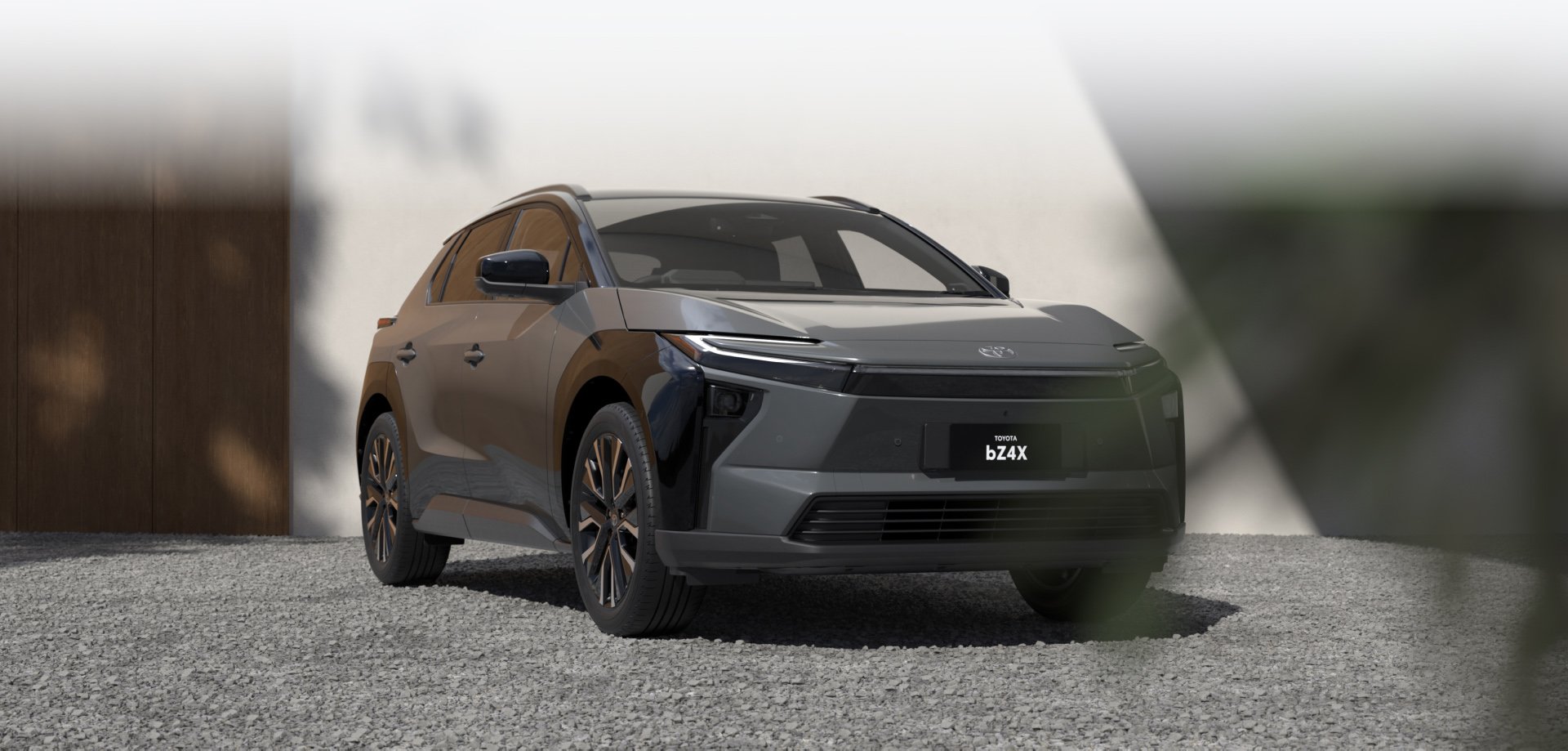
【PCauto】The 2026 Toyota bZ4X has been officially launched in Australia, sparking more discussion locally than anticipated. This heightened interest stems not only from its larger battery, extended range, and more potent performance but also from Toyota's rare move of implementing an official price cut of up to AUD 10,000 (approximately RM28,000) or more.
Exterior: Significant Updates for the 2026 bZ4X
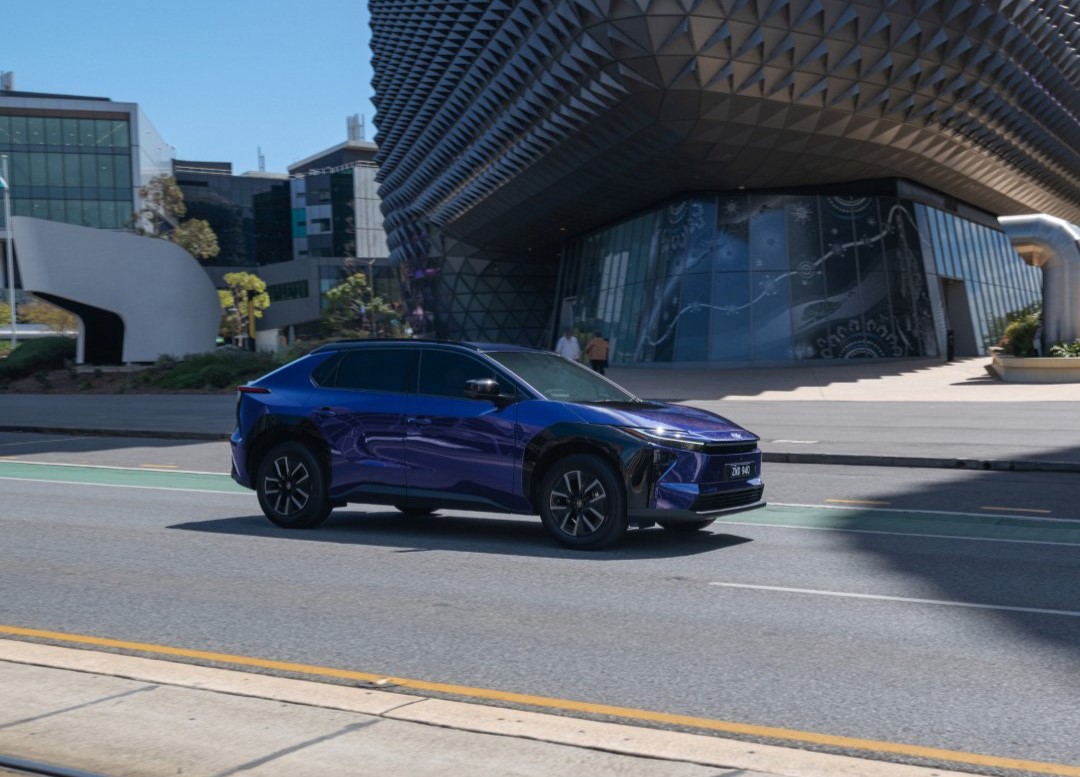
The facelifted bZ4X features a lower, more compact front end, paired with sharper bi-LED headlights and a redesigned bumper. This transforms its previously crossover-like "hammerhead" look into a more mature, SUV-like appearance. The side wheel arches have been redesigned, and select color options now offer body-colored finishes, further reducing the visual contrast of the previous black plastic cladding.
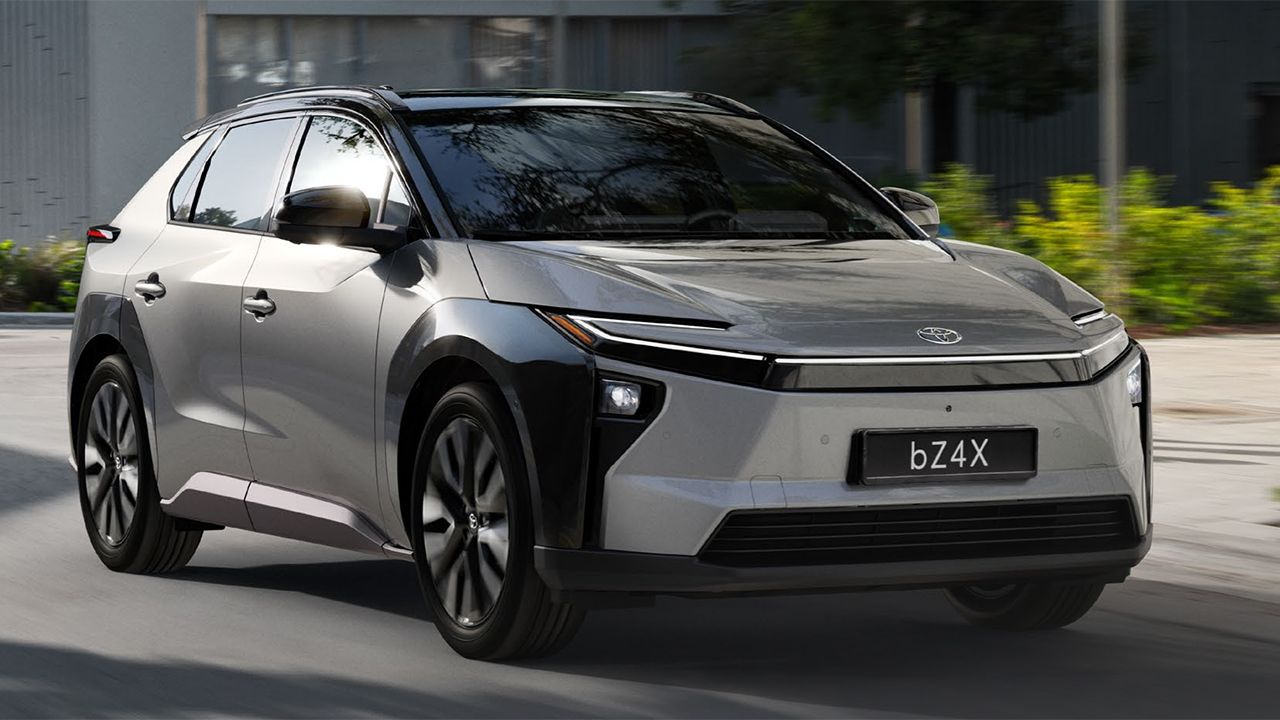
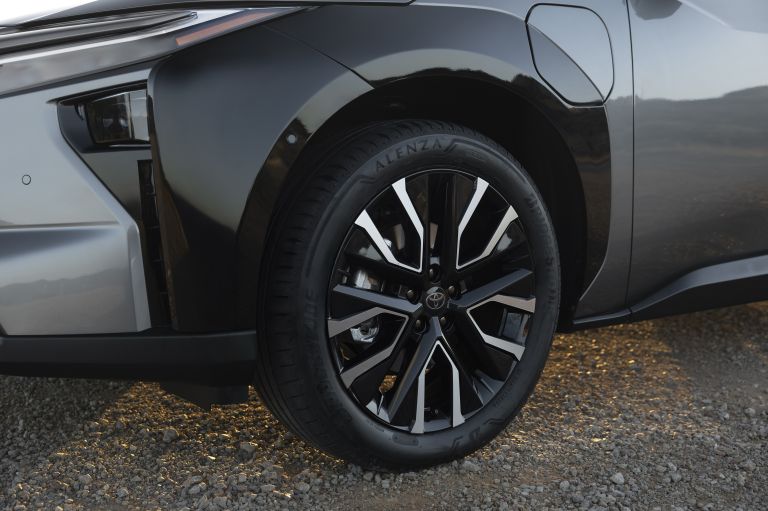
The top trim also adds brand-new 20-inch dual-tone wheels for a more cohesive overall style. At the rear, updates include a revised spoiler and a new lower air deflector to enhance aerodynamic efficiency.
Interior & Tech: A Significantly Enhanced Cabin Experience
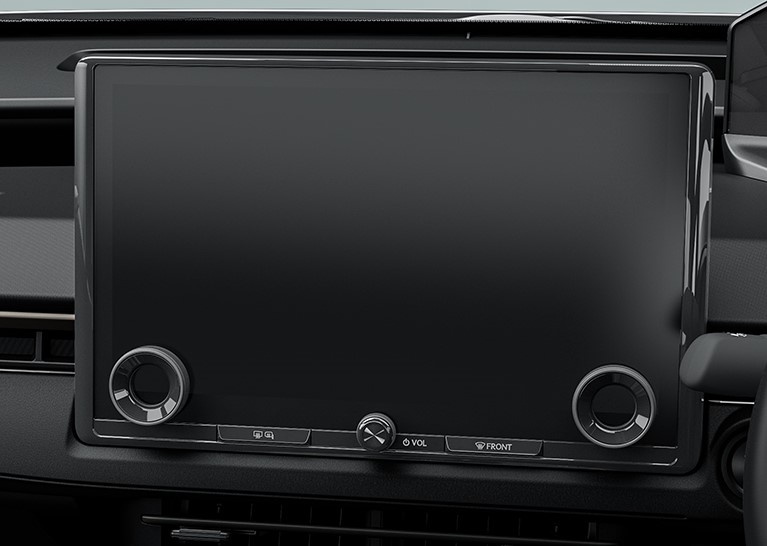
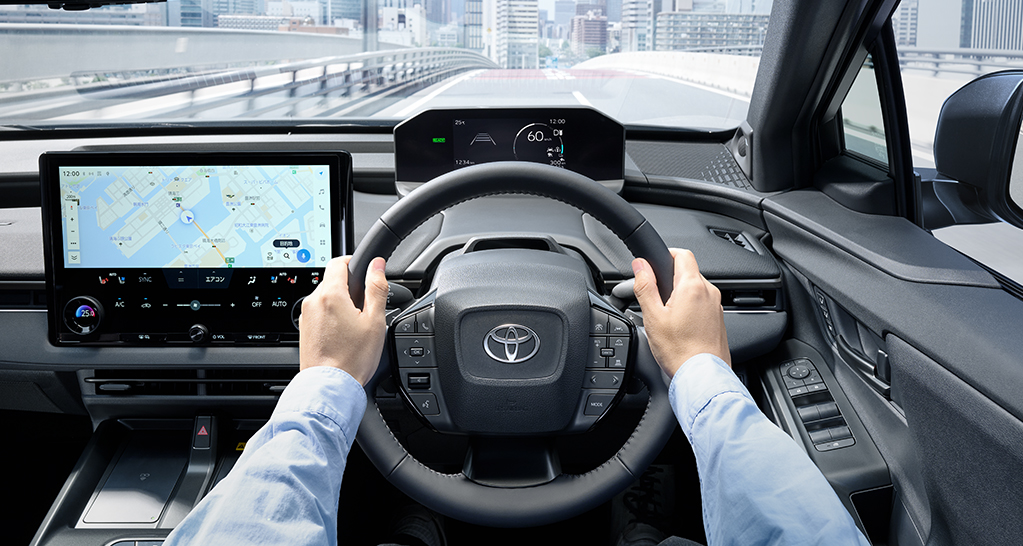
The center console has been completely redesigned and now includes dual front wireless charging pads, new knob-style function keys, and a larger 14-inch Toyota Audio Multimedia system that replaces the previous 12.3-inch unit.
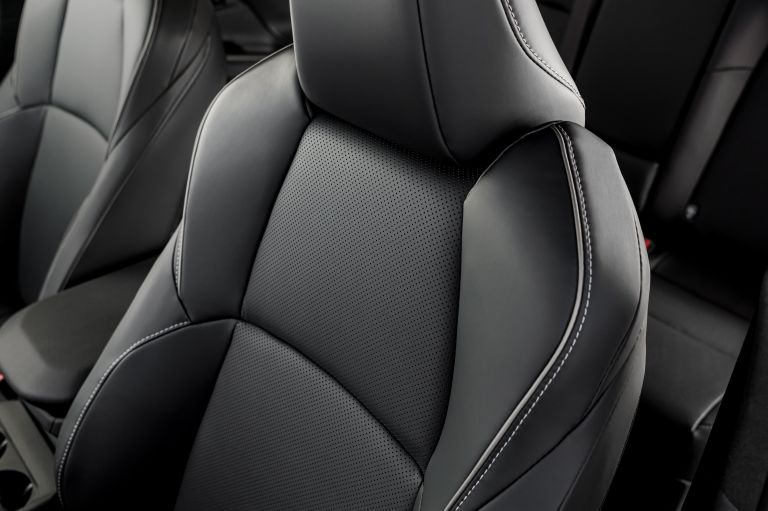
The front seats offer improved support, while cabin materials have been refined with a new three-layer tactile treatment (top, middle, and bottom sections), elevating the perceived quality to better match mainstream expectations for its price point. An energy recovery paddle has been added behind the steering wheel. The rear seats maintain excellent legroom and are now equipped with adjustable backrests, ensuring practicality remains a key bZ4X advantage.
Toyota has significantly bolstered the standard feature list. Beyond the larger screen, standard equipment now includes a heated steering wheel, dual wireless charging pads, a 360-degree panoramic view monitor, Blind Spot Monitor (BSM), Rear Cross Traffic Alert (RCTA), and Safe Exit Assist (SEA), among other safety and convenience items.
AWD models further add 20-inch wheels, heated seats, a JBL premium audio system, and a digital rearview mirror. This substantial upgrade directly addresses a key criticism of the previous model: its specification was too conservative versus rivals.
Powertrain & Battery: The Most Substantial Updates
The 2026 bZ4X receives a new 74.7 kWh battery pack, boosting the front-wheel-drive (FWD) model's range to 591 km (WLTP), while the all-wheel-drive (AWD) version achieves 517 km. The FWD model's motor output has also been increased to 165 kW.
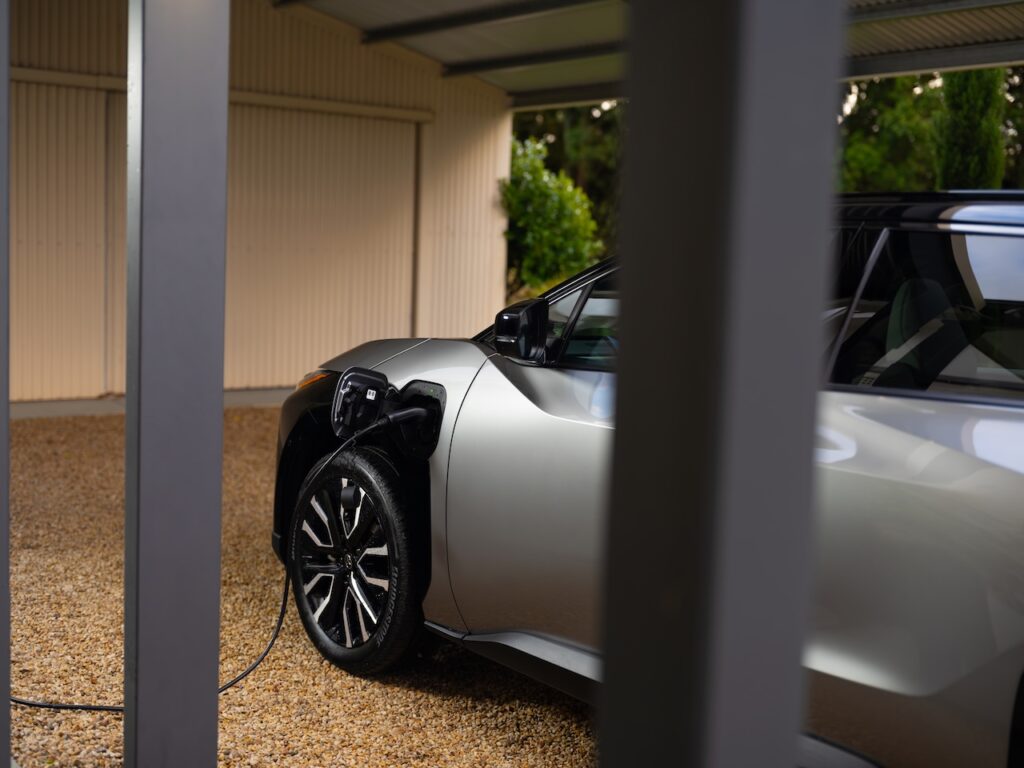
The AWD version undergoes a more substantial upgrade. Its power leaps from 160 kW to 252 kW, significantly boosting acceleration versus the outgoing model, and its towing capacity is doubled to 1,500 kg. AC charging capability increases to 22 kW, significantly cutting home charging times. DC charging, however, remains at 150 kW, allowing a 10%-80% charge in about 30 minutes.
More Features, Longer Range, Stronger Performance - and a Lower Price
In Australia, the 2026 bZ4X FWD model starts at AUD 55,990 (~RM153,000), while the AWD version is AUD 67,990 (~RM186,000). This represents a reduction of over AUD 10,000 (~RM28,000) compared to the outgoing model.
Toyota also offers private buyers a free 7 kW home charger or 625 kWh of Chargefox public charging credits, plus purchase subsidies of up to AUD 7,500 (~RM21,000) for customers using Toyota financing.
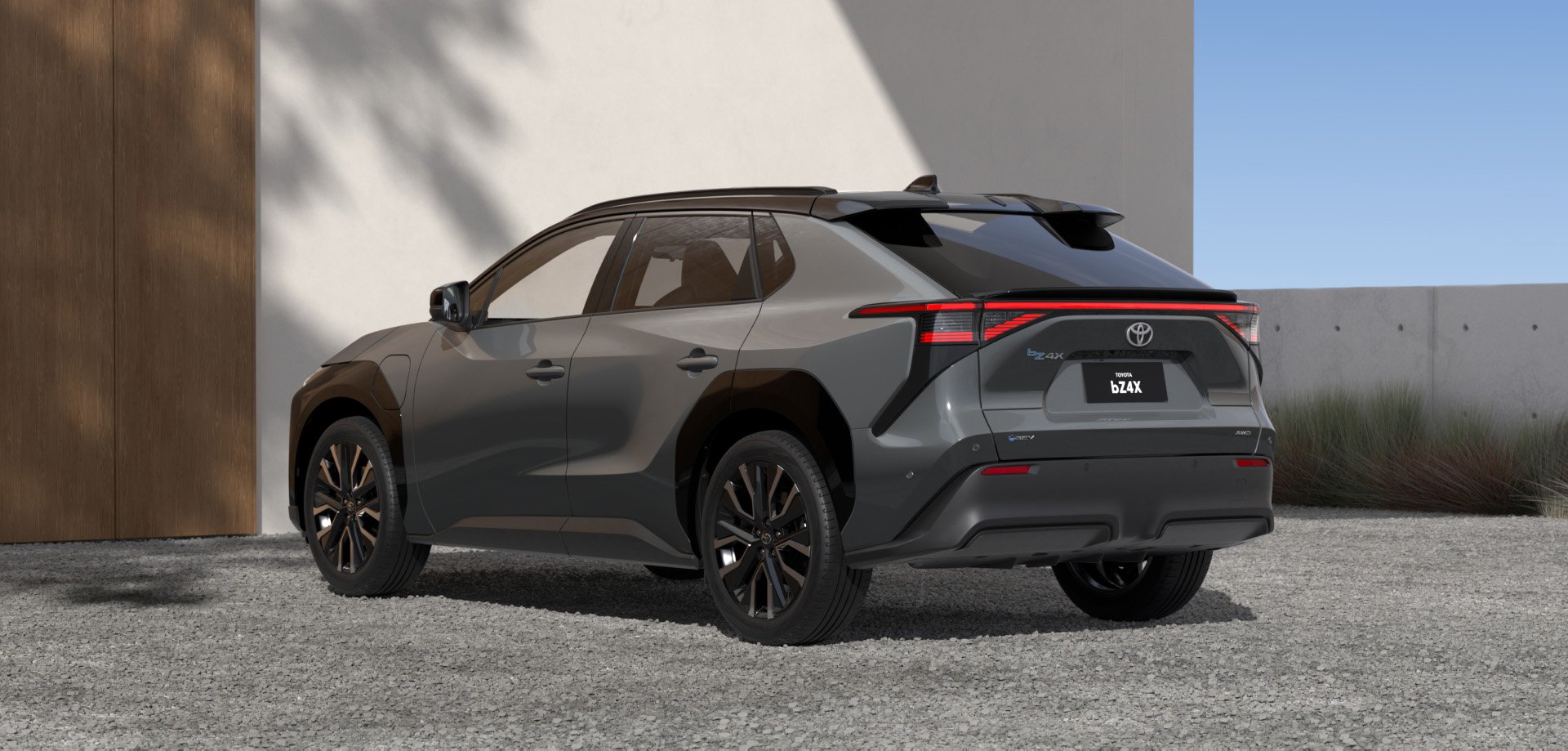
From enhanced equipment and power to a lower total cost of ownership, key aspects have been optimized—a clear response to intensifying competition from Chinese EV brands.
Separately, in the U.S. market, Toyota has rebranded the model simply as "Toyota bZ" and introduced variants with both 57.7 kWh and 74.7 kWh battery options for enhanced performance and range. It has also adopted the North American Charging Standard (NACS) connector for full access to the Tesla Supercharger network. These moves signify Toyota's effort to sharpen the bZ series' market positioning and pave the way for its anticipated second-generation models.
If any infringement occurs, please contact us for deletion









Popular Cars
Model Year
Car Compare
Car Photo