
BYD said that the Japanese government discriminates, giving Toyota, Tesla, and other competitors more subsidies.
 JamesMar 26, 2026, 04:54 PM
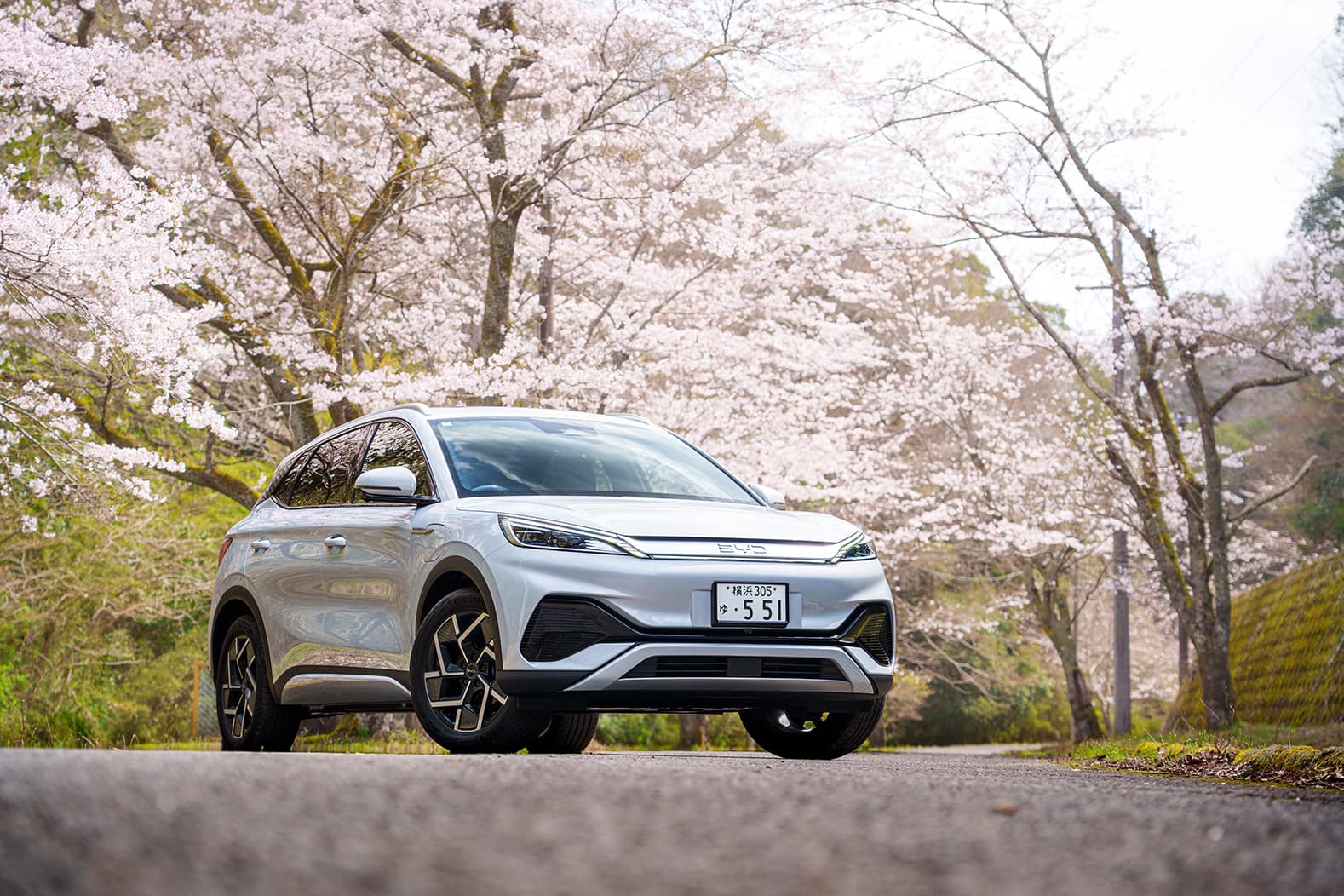
[PCauto] With the Japanese government officially implementing the 2026 fiscal year "Clean Energy Vehicle Subsidy Program" (CEV Subsidy Program), BYD models are eligible for significantly lower subsidies compared to other local brands.
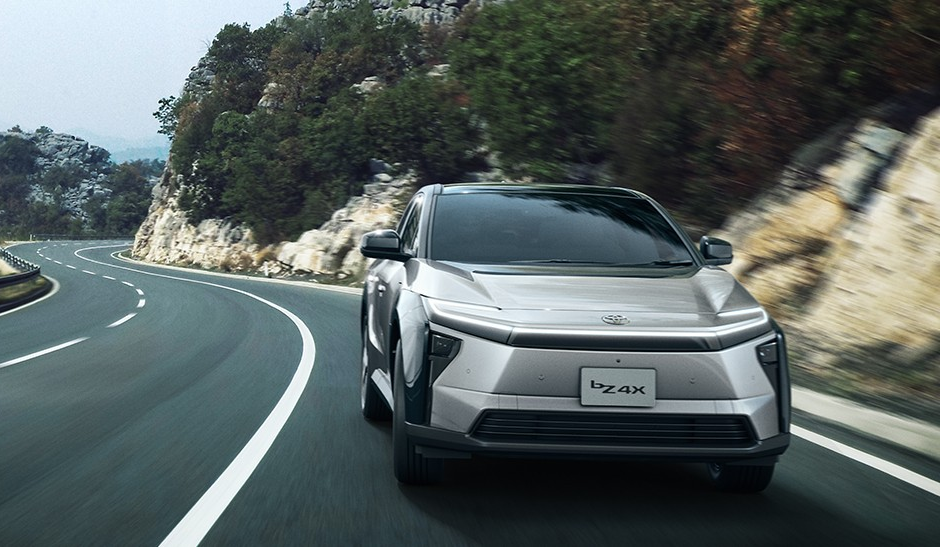
Once subsidies come into play, the Toyota bZ4X—despite its higher original price—ends up cheaper than the BYD Atto 3. Suddenly, BYD no longer has the price advantage.
In the 2026 fiscal year CEV Subsidy Program, the maximum subsidy for electric vehicles in Japan was raised from 900,000 JPY to 1,300,000 JPY (approximately RM 22,500 to RM 32,500).
Toyota's bZ4X successfully qualified for the full subsidy of 1,300,000 JPY (around RM 32,500), thanks to its comprehensive service network in the country and related social contribution evaluation.
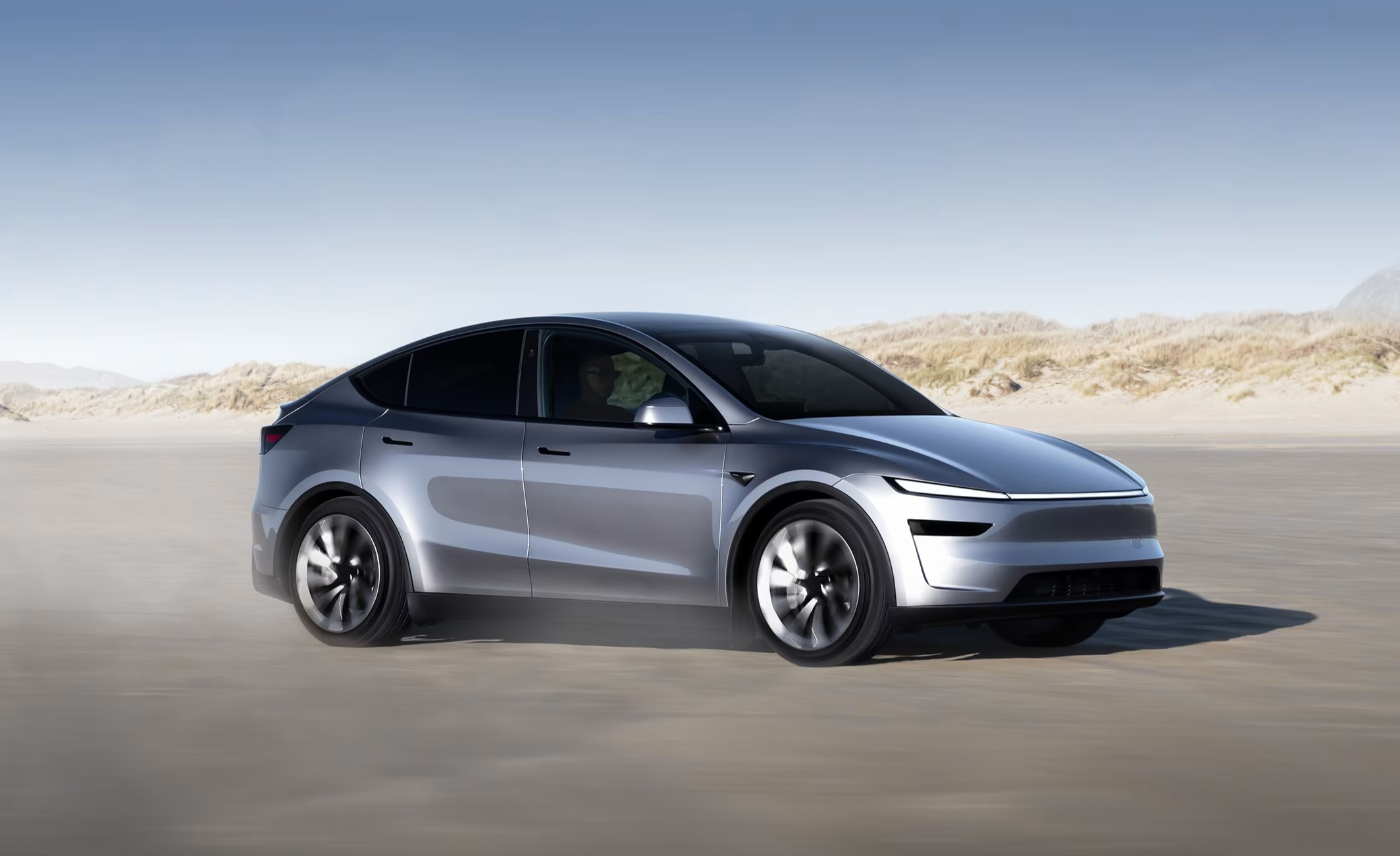
The Tesla Model 3 also received a high subsidy of about 1,270,000 JPY (roughly RM 31,750), aided by its early deployment of a fast charging network.
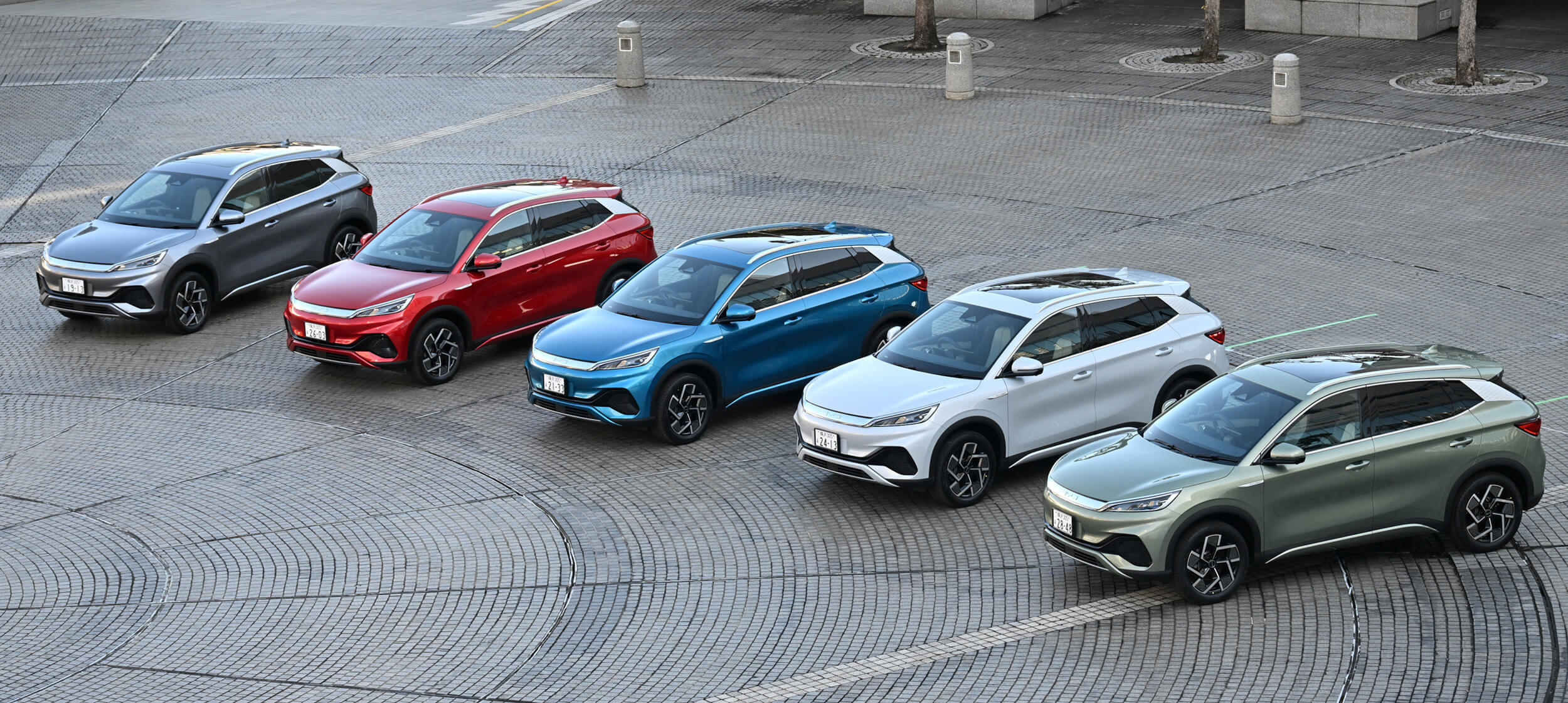
In comparison, BYD's Atto 3, Dolphin, and Seal models scored relatively low in the infrastructure rating category, resulting in subsidy amounts limited to between 350,000 JPY and 450,000 JPY (approximately RM 8,750 to RM 11,250).
This means the subsidy gap between BYD and Toyota or Tesla has widened to 850,000–950,000 JPY (RM 21,250–RM 23,750), effectively erasing BYD's price advantage.
For example:
Toyota bZ4X official local price: 4,800,000 JPY (RM 120,000), after subsidy: 3,500,000 JPY (RM 87,500)
BYD ATTO 3 official local price: 4,180,000 JPY (RM 104,500), after subsidy: 3,830,000 JPY (RM 95,750)
In comparison, Sealion 7, which is in the same category as the bZ4X, has an even more significant price disadvantage with an official price of 4,950,000 JPY (RM 123,750). Even against the Model Y, the Sealion 7 is at a disadvantage.
The Model Y's price after subsidy is 4,317,000 JPY (RM 107,925), while the Sealion 7's price after subsidy remains at 4,500,000 JPY (RM 112,500).
The scoring system introduced by METI this time focuses on assessing car manufacturers' comprehensive support capabilities for Japanese society. The scoring criteria not only cover vehicle range and energy efficiency but also include the number of installed fast charging stations, the coverage density of after-sales service networks, and the ability of vehicles to supply power to the grid via V2X technology during natural disasters.
Under such rules, Toyota, which already has a mature infrastructure layout, is naturally in an advantageous position.
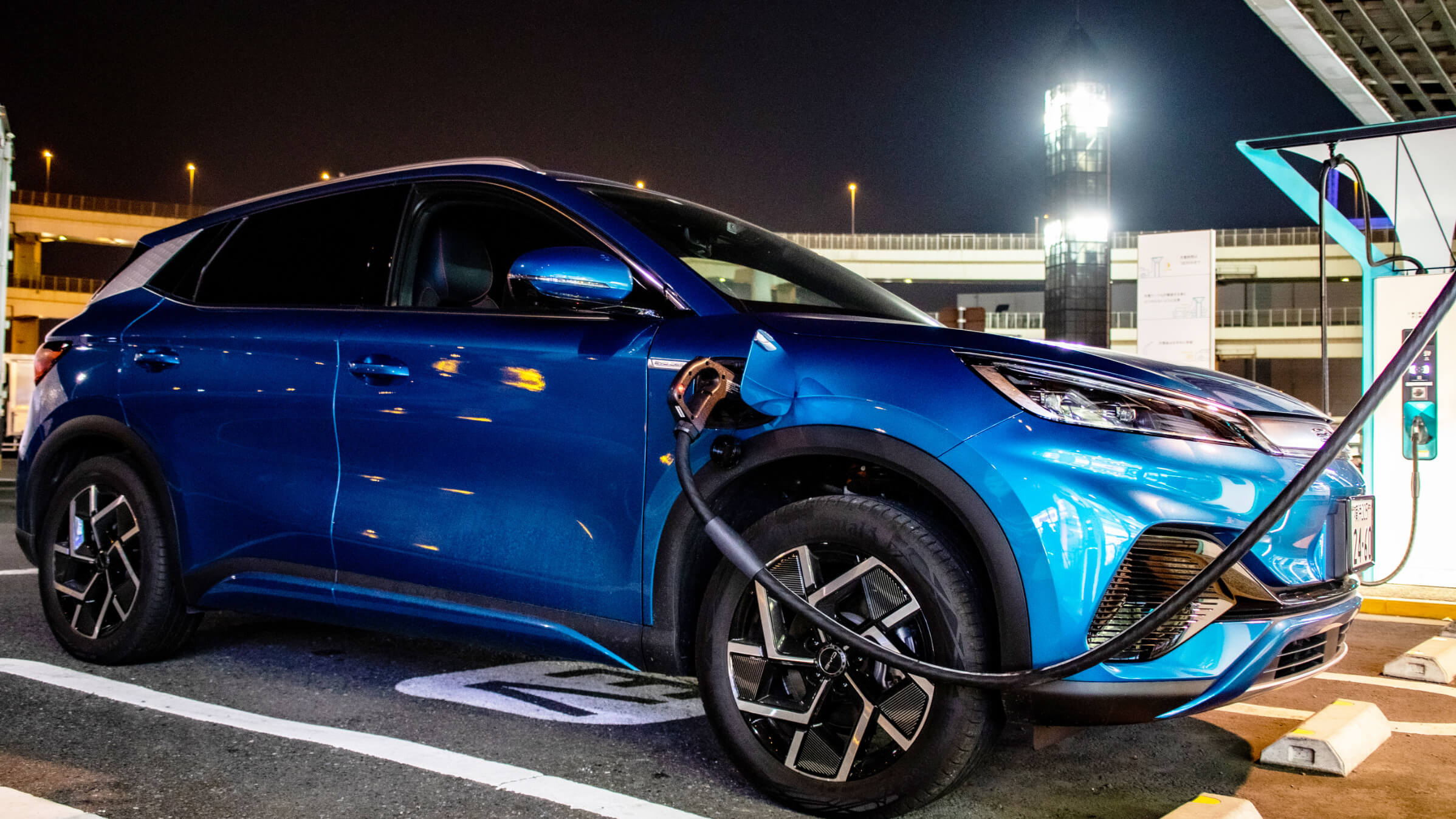
In response to the policy changes, BYD Japan is rapidly adjusting its business strategy. To offset the price disadvantage caused by subsidy differences, BYD has already launched corresponding promotional policies.
Moreover, since plug-in hybrid models (PHEVs) are relatively less affected by such subsidy fluctuations, BYD plans to accelerate the introduction of DM-i models to reduce its reliance on single pure electric subsidy policies.
Additionally, BYD has committed to completing the construction of 100 fast charging stations by the end of 2026, aiming to improve its policy scoring through accelerated infrastructure investments.
If any infringement occurs, please contact us for deletion





Popular Cars
Model Year
Car Compare
Car Photo