
With the Honda e:N1 Priced at RM149,900, Is the Price Really Justified?
 WilliamMay 16, 2025, 10:57 AM
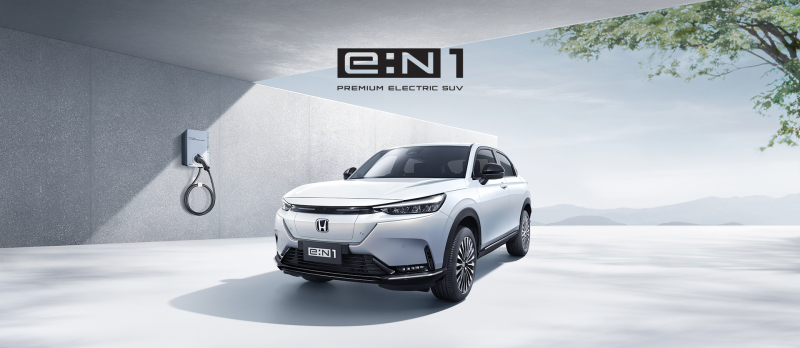
【PCauto】 The Honda e:N1 has officially launched in Malaysia at a price of RM149,900. As Honda's first electric vehicle in the country, it combines cutting-edge technology with innovative design. However, is this price truly competitive in the electric vehicle market?
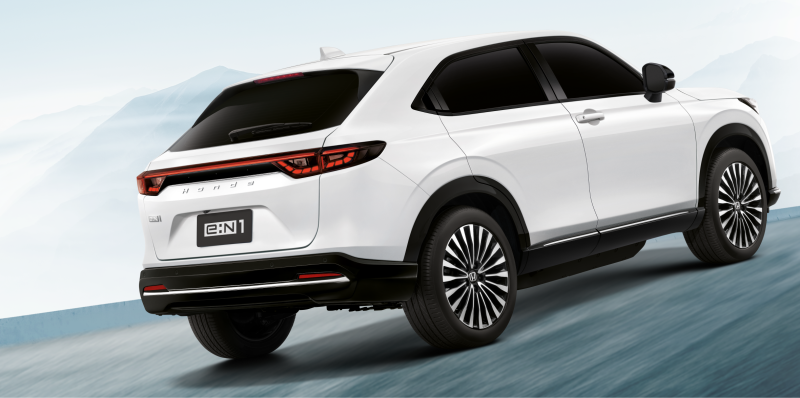
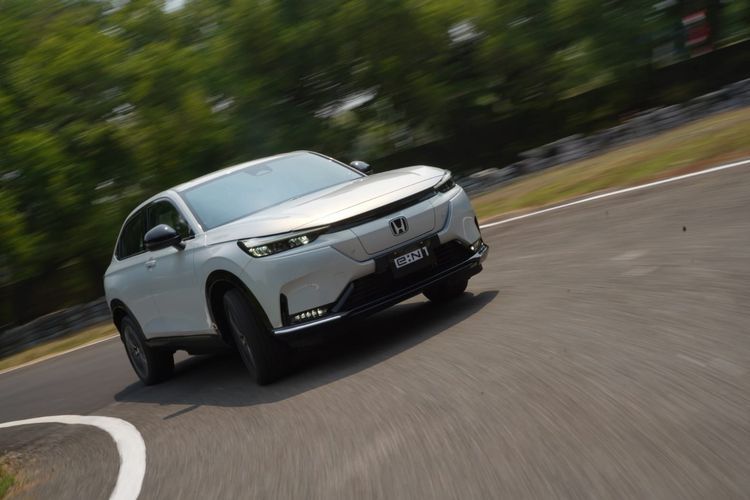
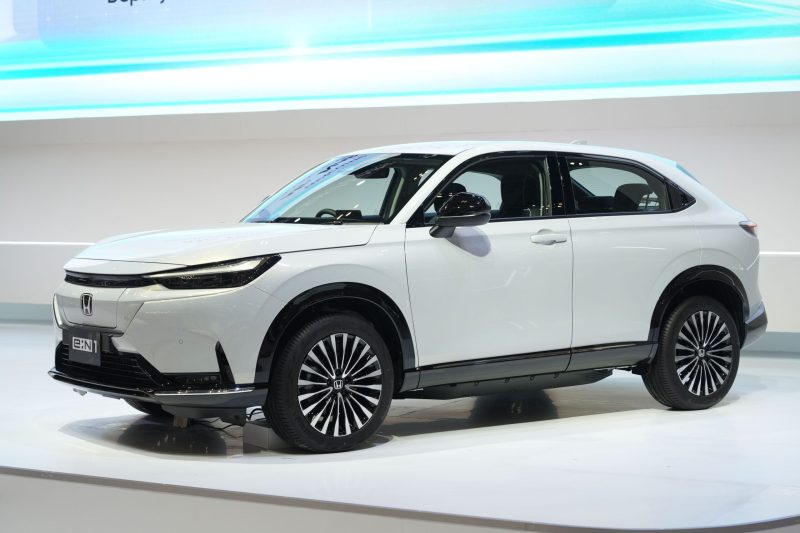
Overall, the Honda e:N1 heavily borrows its design from the HR-V, but it incorporates adjustments and optimizations in certain details, such as the grille, wheels, and badging, to highlight its unique identity as an electric vehicle.
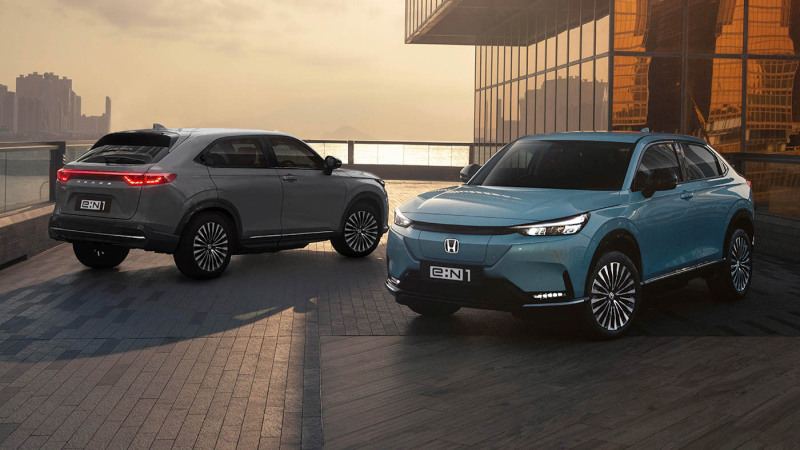
From a product perspective, while the Honda e:N1's core features do not exhibit any significant shortcomings, they also fail to stand out as particularly impressive.
At a Price of RM149,900, a Larger Electric Vehicle Can Be Purchased
The Honda e:N1 bears a striking resemblance to the HR-V in terms of appearance. From the overall body contour, both models feature smooth and compact lines. With a length of 4,380mm, a wheelbase of 2,610mm, a width of 1,790mm, and a height of 1,592mm, the Honda e:N1's dimensions are essentially identical to those of the standard HR-V, placing it firmly in the B-Segment SUV category.
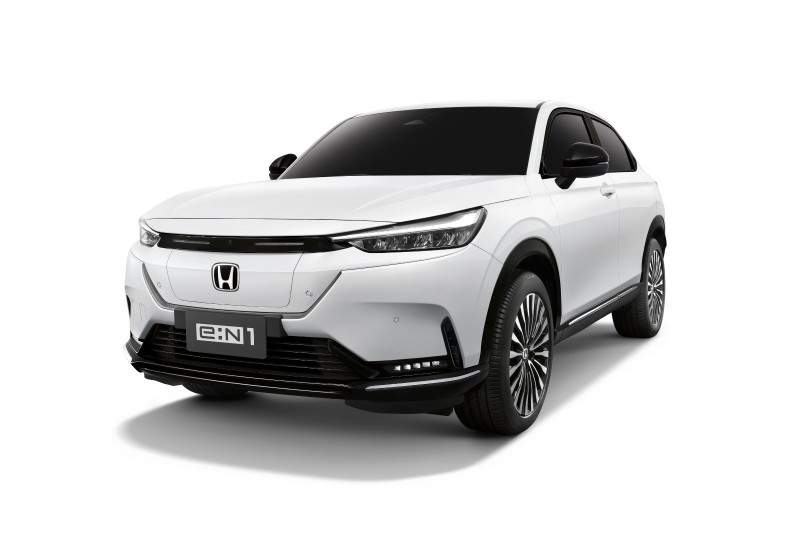
When it comes to body size, the Honda e:N1 does not hold a competitive advantage. In contrast, the C-Segment BYD Atto 3 Ultra is priced at just RM123,800.
The BYD Dolphin, also in the B-Segment, starts at just RM100,000, making it nearly half the price of the Honda e:N1. To be fair, the BYD Dolphin is indeed smaller in overall dimensions compared to the Honda e:N1; however, with a wheelbase of 2,700mm, it still surpasses the Honda e:N1 in that regard.
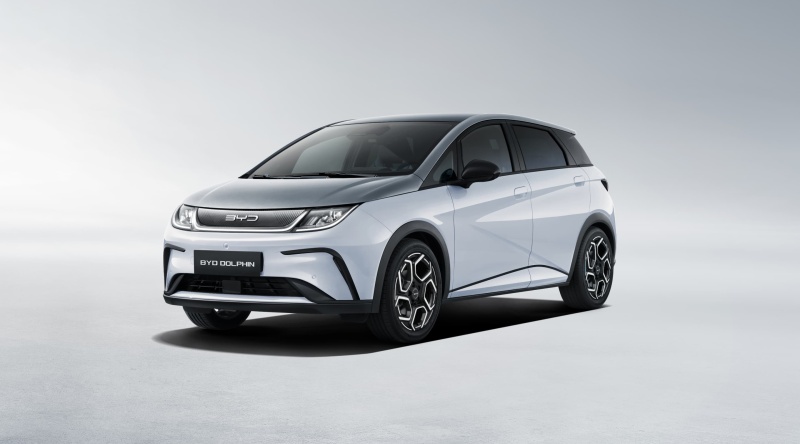
The Honda e:N1 finds itself in a rather awkward position, sandwiched between the BYD Atto 3 Ultra and the BYD Dolphin, with little advantage in size. Furthermore, when it comes to trunk capacity, the Honda e:N1 offers 344 liters of space. In contrast, the BYD Atto 3 Ultra takes advantage of its larger body to provide 440 liters. Even the Dolphin boasts a trunk capacity of 345 liters.
The Vertically Oriented Center Screen Is the Largest Ever Offered by Honda
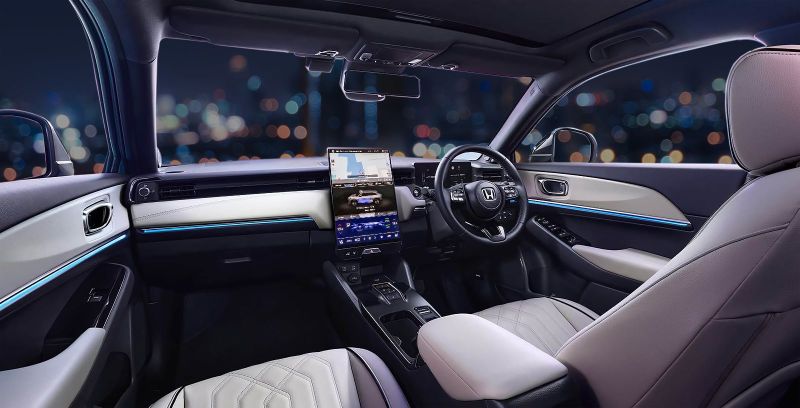
Inside the Honda e:N1, the most prominent feature is the 15.1-inch floating display, which stands tall in the center of the front cabin. The user interface features a three-layer layout that can simultaneously display various information. The top layer integrates wireless Android Auto and Apple CarPlay, the middle layer shows vehicle information, while the bottom layer is dedicated to the climate control panel.
The dashboard features a 10.25-inch fully digital display, providing clear information and enhancing the technological atmosphere of the cabin. The interior layout is minimalist, with a button-style gear shifter that simplifies operation and saves space.
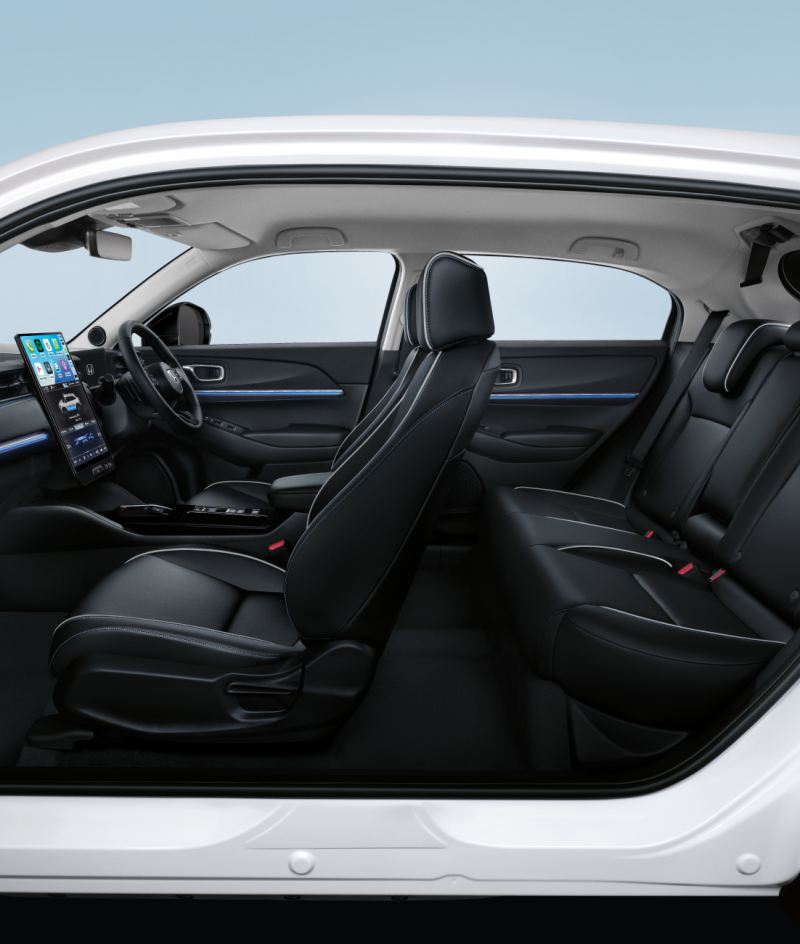
Regarding the seats, they are upholstered in synthetic leather, with the driver’s seat offering 8-way power adjustment. The cushioning, backrest, and lumbar support are well-positioned, and the side bolstering is excellent, making long drives less fatiguing. The rear seating area offers ample legroom and knee space; although the backrest is not adjustable, the angle is comfortable, and the headrests provide good support. There is a slight bulge in the center of the floor, which may affect leg support for the middle passenger.
150 kW Front-Wheel Drive Motor Achieves 0-100 km/h in 7.7 Seconds, Lacking Distinction
It is not impressive enough that a 0-100 km/h acceleration time of 7.7 seconds by a 150 kW front-wheel drive motor deliver. For instance, the Proton e.MAS 7 can achieve 0-100 km/h in just 7.1 seconds, making its performance more notable.
Additionally, the Honda e:N1 features a torsion beam rear suspension, while the Proton e.MAS 7 is equipped with a multi-link independent suspension. Even with superior chassis tuning capabilities, it is challenging for the Honda e:N1's torsion beam setup to match the driving experience offered by the multi-link independent suspension.
While Range May Be the Honda e:N1's Strong Point, It Just Doesn't Pack Enough Punch
The Honda e:N1 is equipped with a 68.8 kWh battery that provides a range of 500 kilometers, which is longer than the Atto 3 (410 km) and Xpeng G6 (435 km). This seems to be one of the few advantages we can find for the Honda e:N1.
However, it's important to note that the e:N1's charging speed appears to be a drawback; it takes 40 minutes to charge the battery to 80% using fast charging, while most competitors require only 30 minutes or even less. The charging speed fails to surpass the industry mainstream level, making it difficult for this performance to become a key selling point in an era where fast charging technology is increasingly prevalent.
It Is a Matter of Price In Essence
When it comes to the pricing of the Honda e:N1, it seems that Honda is aware of the challenges. The Honda e:N1 is currently imported as a Completely Built Unit (CBU), which inevitably incurs higher costs, and the vehicle's sales have not been particularly high, making it difficult to achieve economies of scale. As a result, the Honda e:N1 must be priced at a relatively high point.
Of course, as a well-established automaker, Honda has no issues with product design and manufacturing. My advice for anyone considering the Honda e:N1 is to compare it with other models before making a decision.
If any infringement occurs, please contact us for deletion










Popular Cars
Model Year
Car Compare
Car Photo