
Toyota Corolla Cross mid-term facelift in China, featuring a new front face and interior design
 AshleySep 29, 2025, 04:08 PM
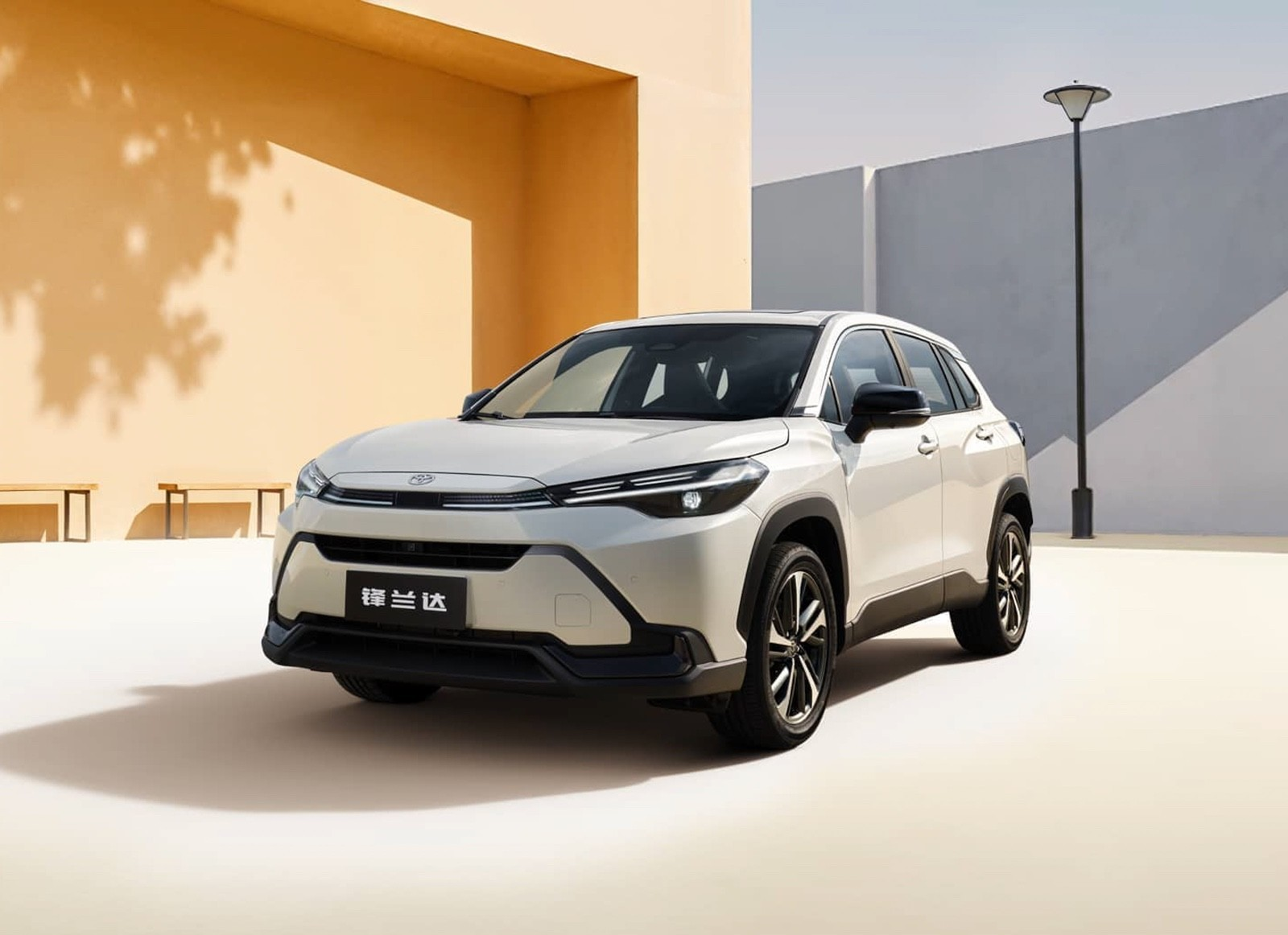
[PCauto] Toyota has launched the mid-cycle facelift of the Toyota Corolla Cross in China. In China, this model produced by GAC Toyota is called the Frontlander, which is the same model as the Toyota Corolla Cross produced by FAW Toyota.
GAC Toyota has set the price of the Frontlander at 132,800 CNY (approximately 600,000 THB / 78,600 MYR), with a limited-time promotional price starting at 102,800 CNY (approximately 464,000 THB / 61,000 MYR).
As a sibling model of the Toyota Corolla Cross, the 2026 Frontlander has undergone comprehensive upgrades tailored for the Chinese market, focusing on exterior design, interior quality, intelligent technology, and powertrain, aiming to enhance its competitiveness in the highly-contested compact SUV market. 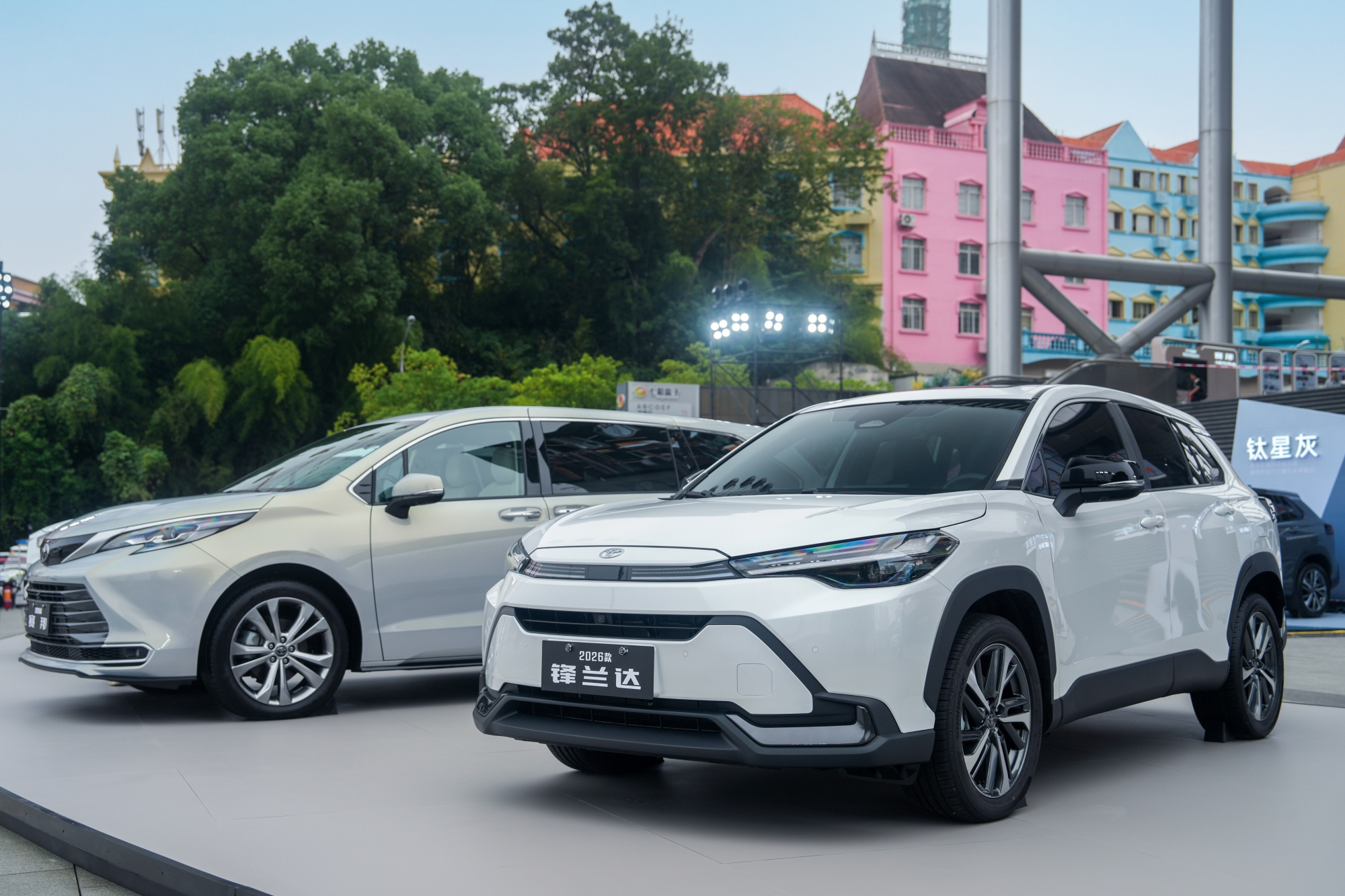
2026 Toyota Corolla Cross/Frontlander front face has undergone significant modifications
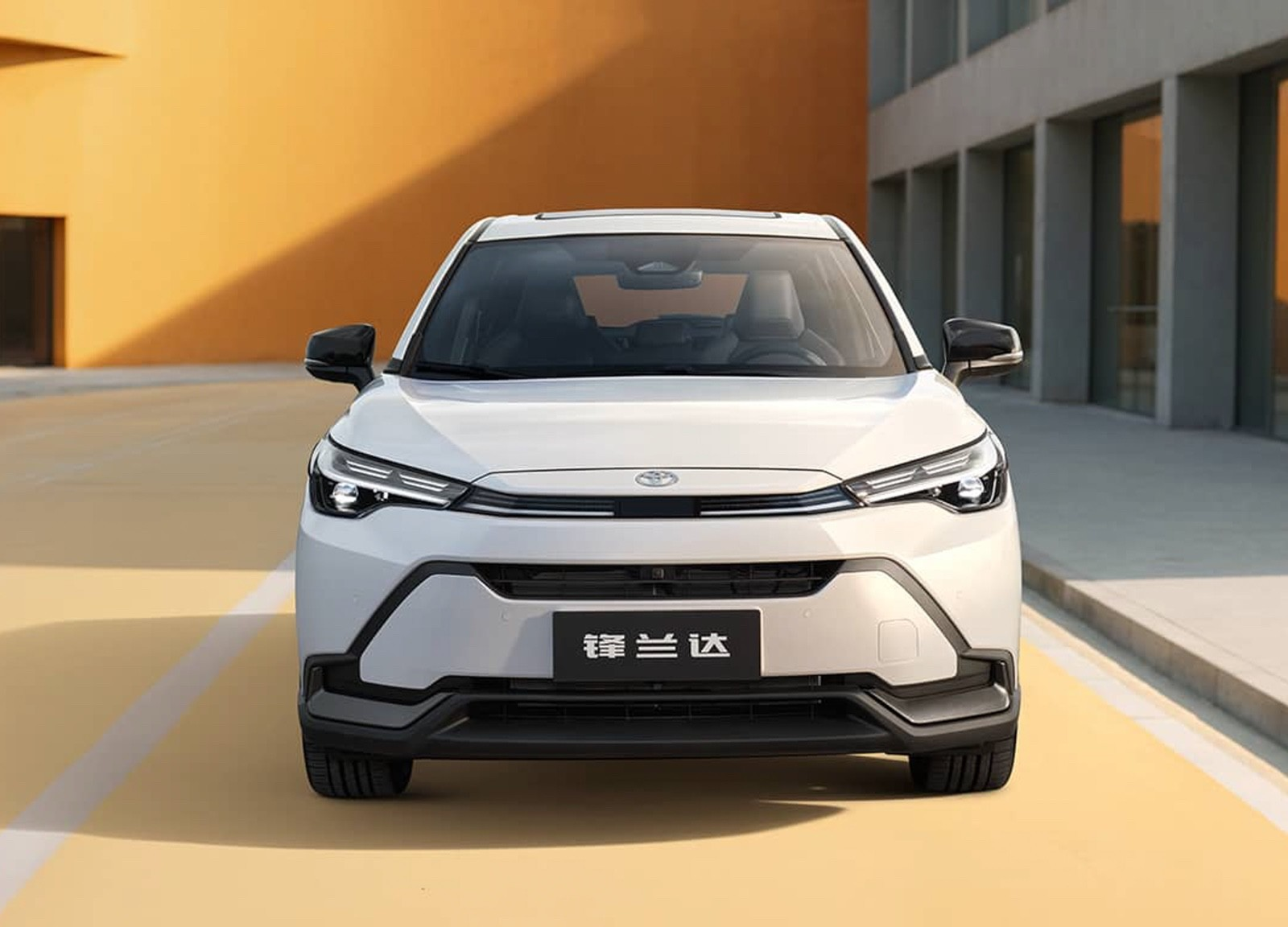
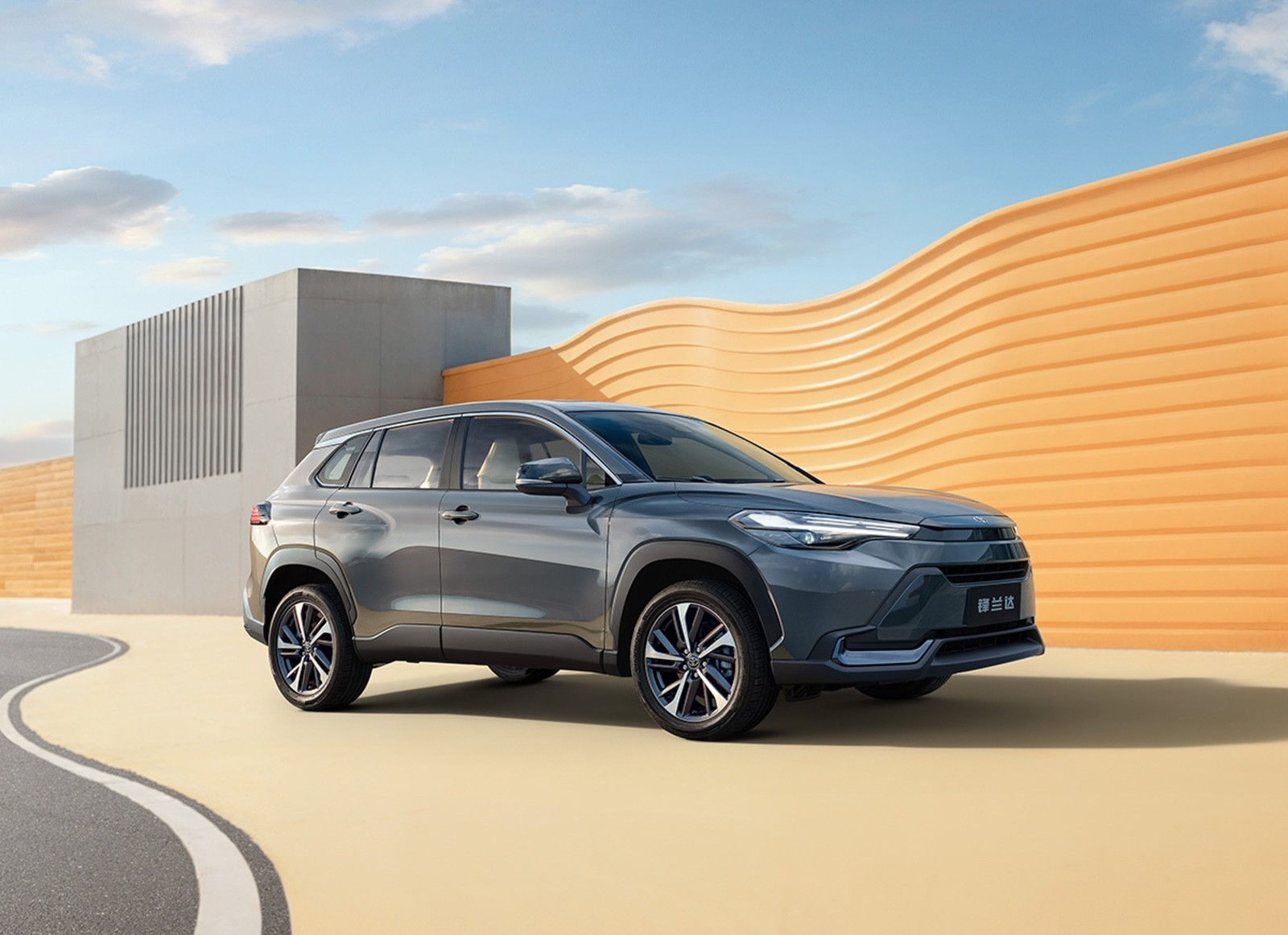
The 2026 Frontlander adopts a brand-new front face design. The horizontally stretched shape lowers the visual center of gravity, eliminating the traditional large air intake grille and replacing it with a semi-enclosed style, enhancing the visual impression of an electric SUV. The front logo has been moved to the front end of the hood, and the front light cluster has been redesigned to improve modernity.
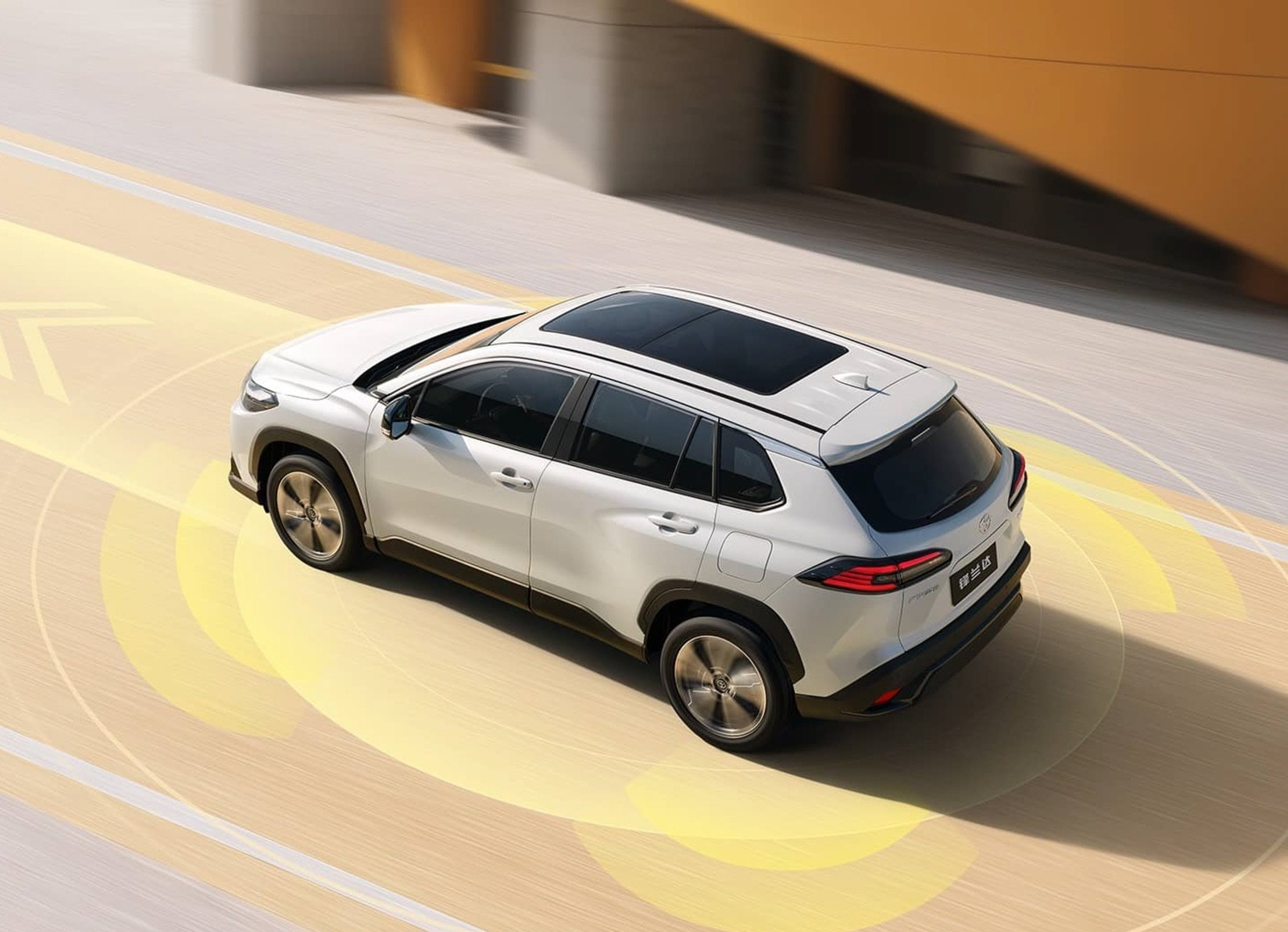
At the rear, the internal structure of the tail lights has been optimized to improve nighttime recognition. The rear bumper is paired with chrome trim and hidden exhaust design, enhancing the sense of layering.
The dimensions of the vehicle are as follows:
Length: 4490mm;
Width: 1825mm;
Height: 1625mm;
Wheelbase 2640mm, with an increase of 5mm in both length and height compared to the previous model.
2026 Toyota Corolla Cross/Frontlande Interior Design Becomes More Luxurious
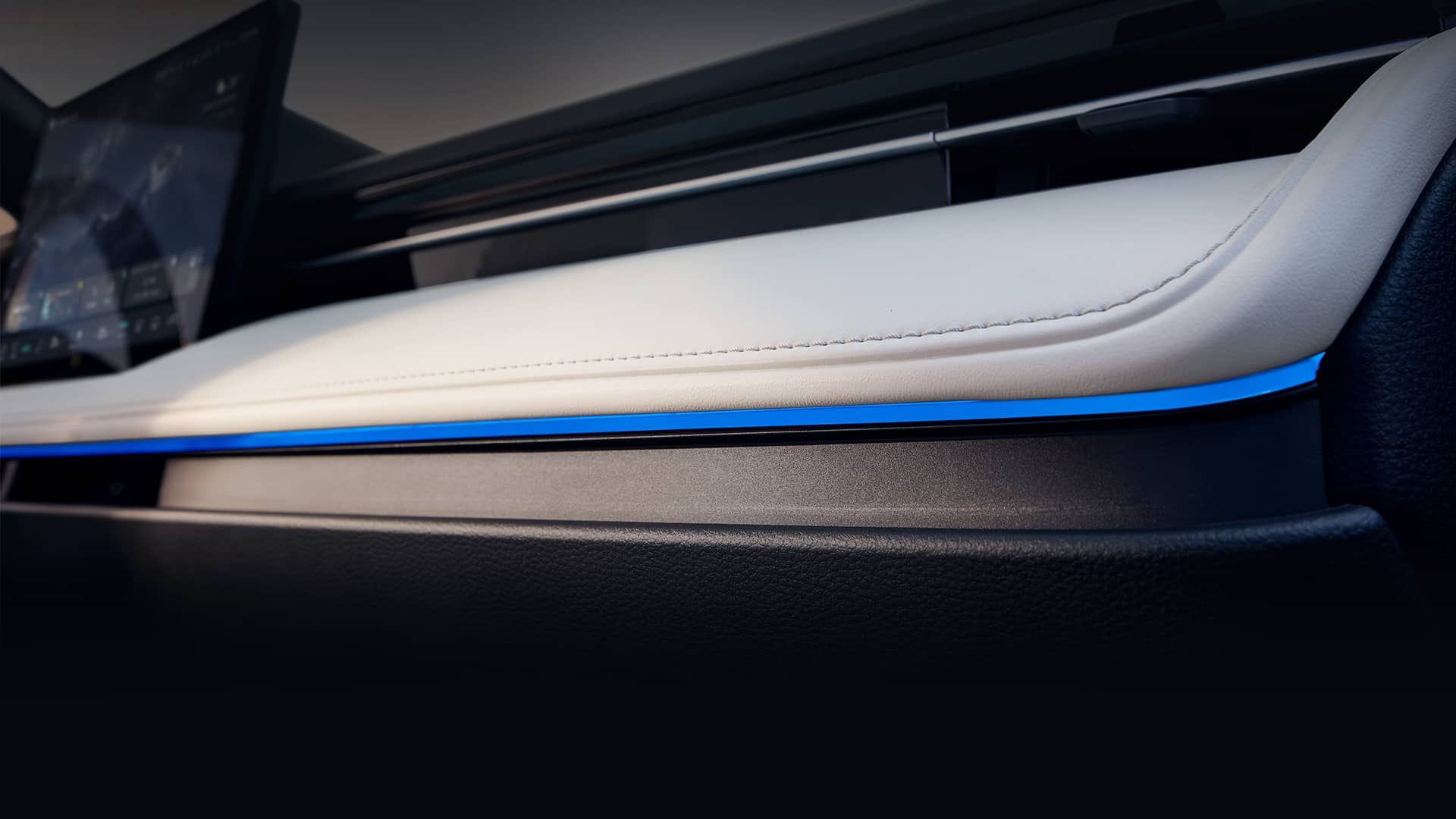
The interior layout has been significantly revamped, with a reduction in the thickness of the dashboard console and a slender strip design for the air conditioning vents, giving the overall style a clean and premium feel.
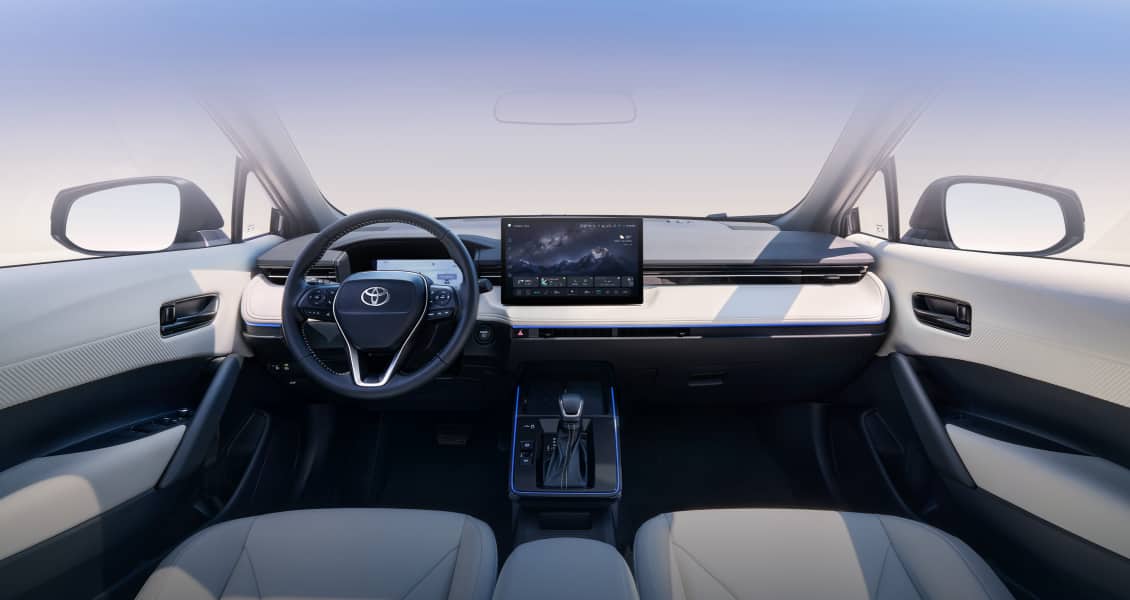
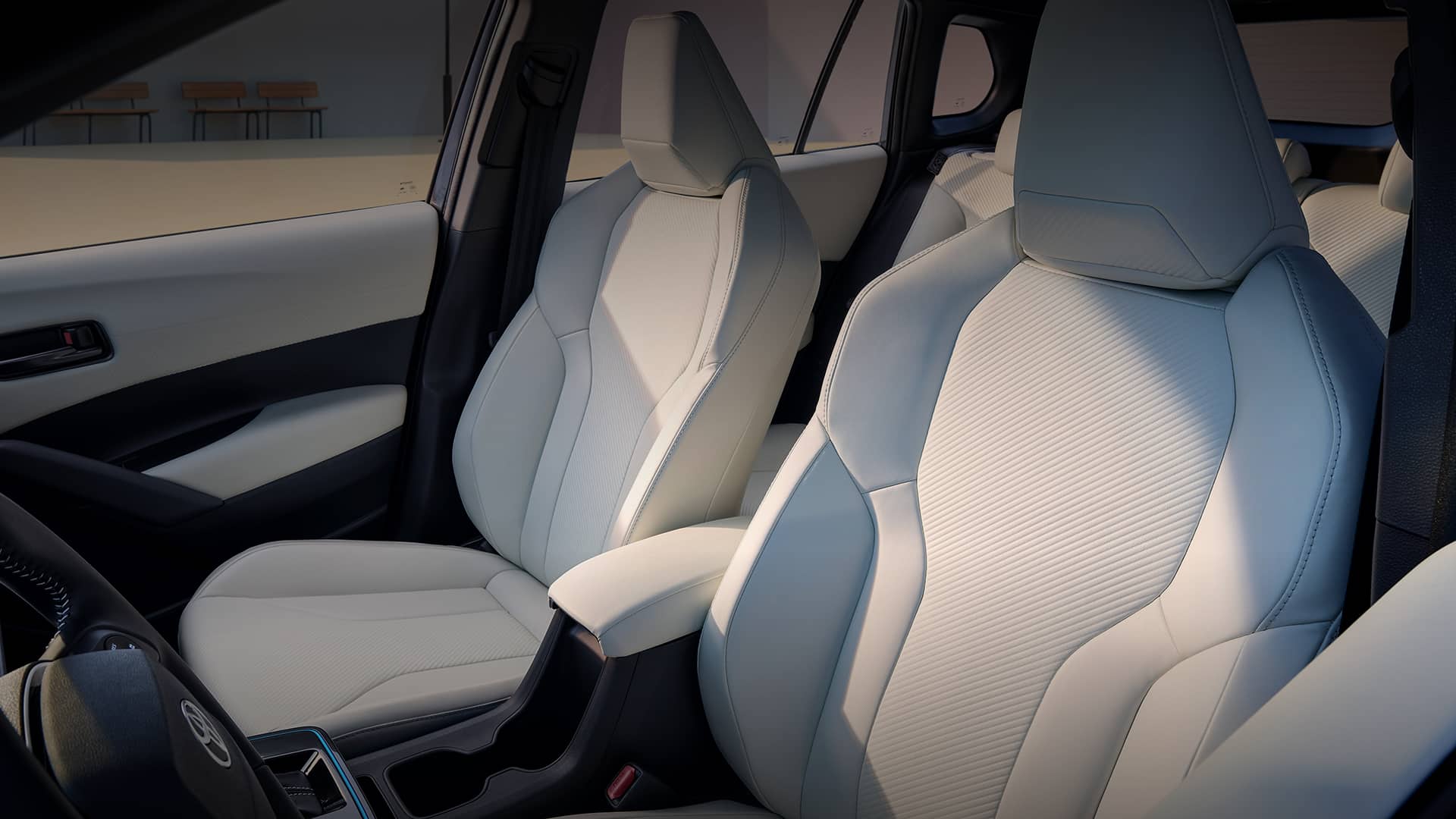
The area covered by soft materials in the interior has increased, and the dashboard, steering wheel, and door panels now feature a new quilting technique, which significantly elevates the interior's tactile experience. The front seats have been redesigned to provide better support, with synthetic leather materials available on certain models and an 8-way power adjustment for the driver’s seat.
The upgrade in technology features is a key aspect of this facelift. Apart from the entry-level version, all other variants come equipped with a 12.9-inch floating central control screen and an 8.8-inch LCD instrument cluster, powered by the Qualcomm Snapdragon SA8155P automotive-grade chip, with a system response speed improvement of 40%.
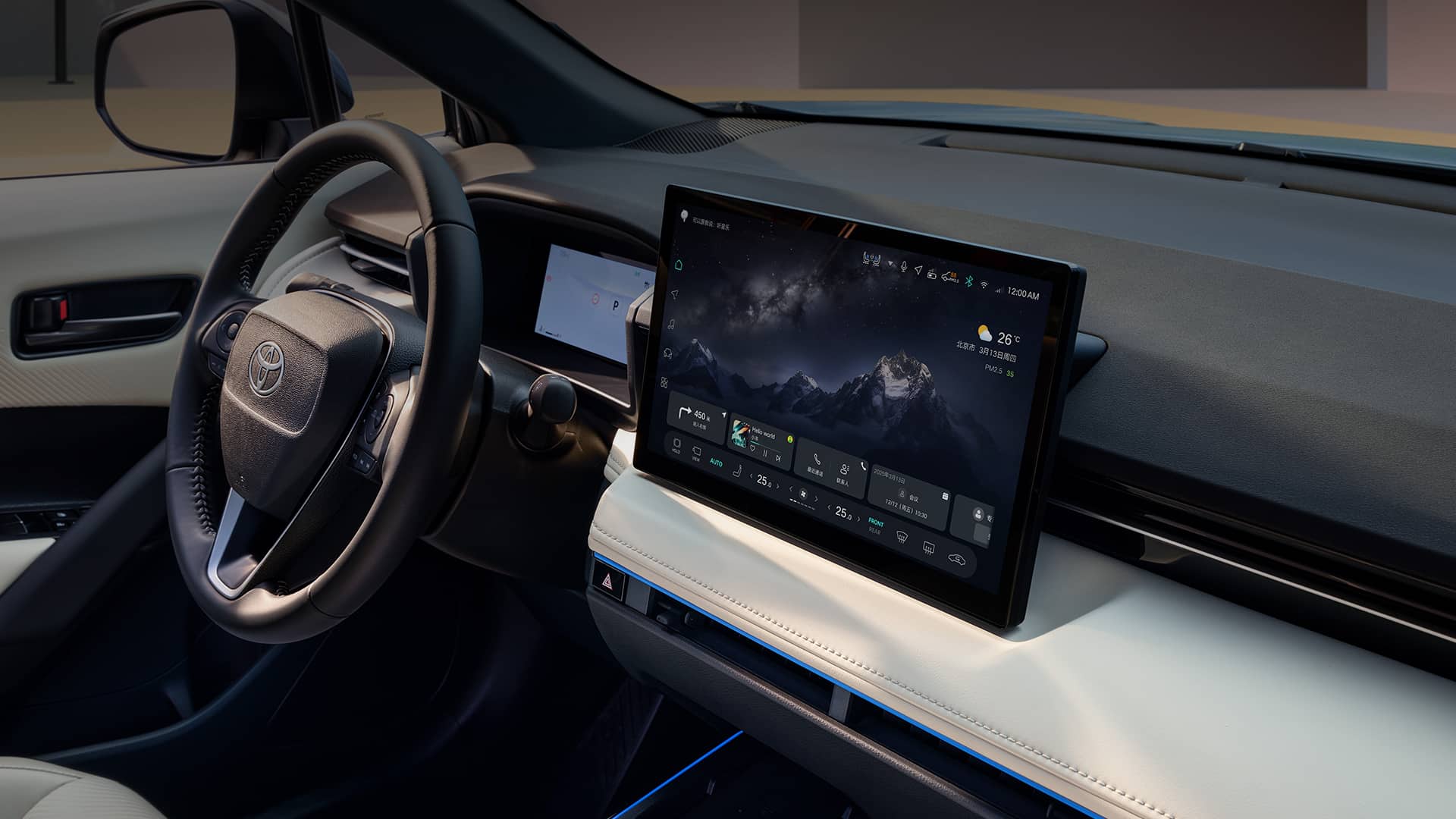
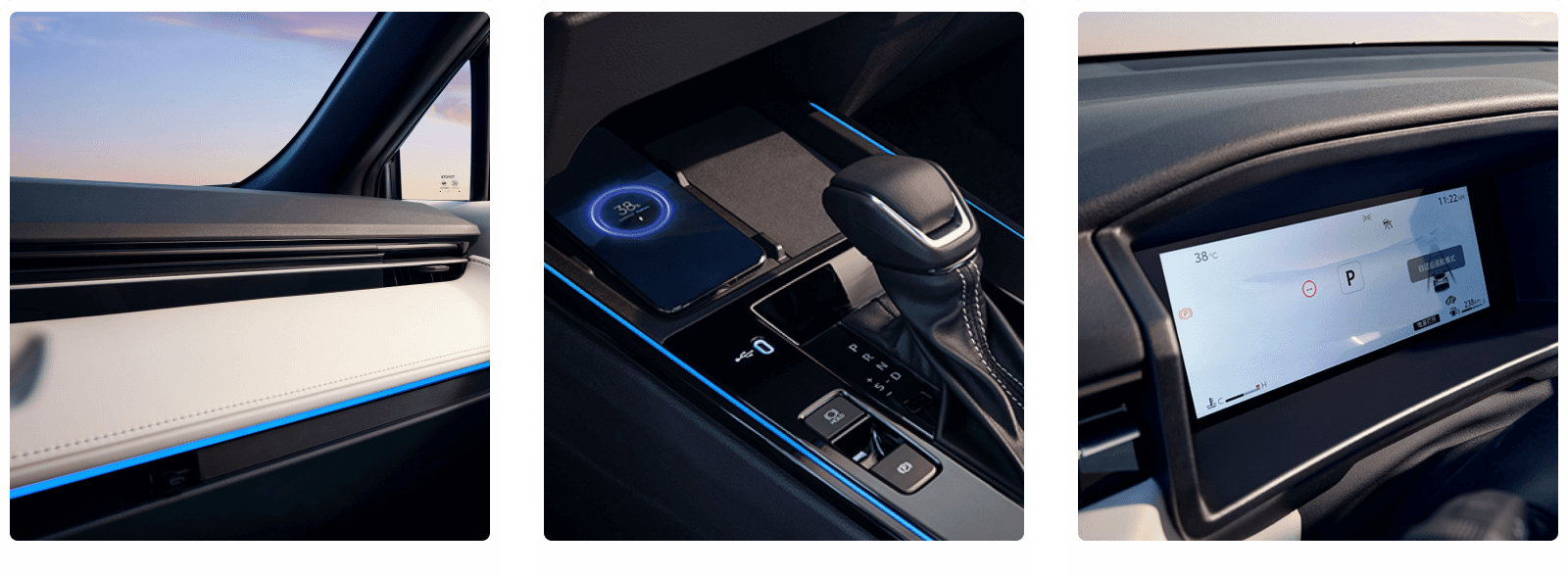
The intelligent in-car entertainment system supports three connectivity modes: CarPlay, Huawei HiCar 5.0, and ICCOA Carlink. It integrates applications such as online navigation and QQ Music, and supports OTA remote upgrades.
The new car also adds 64-color ambient lighting and a 50W wireless charging feature, further enhancing the user experience.
In terms of safety performance, the 2026 Frontlander comes standard across all models with the Toyota Safety Sense 3.0 system. It offers L2-level driver assistance features, including lane-keeping, full-speed adaptive cruise control, and automatic parking assist braking.
The new PKSB parking assist braking system can identify vehicles, pedestrians, and objects, enhancing driving safety.
The powertrain continues to offer fuel and hybrid options
Although the front-end design is inspired by electric vehicles, the power options for the 2026 Frontlander remain unchanged, catering to the needs of different consumers.
The fuel version is equipped with a 2.0-liter naturally aspirated engine, delivering a maximum power of 126kW and a peak torque of 205N·m, paired with a CVT transmission, with an NEDC fuel consumption of 5.7 liters/100km.
The hybrid version adopts the fifth-generation THS, with a 2.0-liter engine producing a maximum power of 116kW, a combined system power of 147kW, and paired with an E-CVT transmission. Urban fuel consumption is as low as 4.2 liters/100km, with a range of approximately 800 kilometers on a full tank.
The chassis is built on the TNGA-C platform, featuring front MacPherson independent suspension and rear torsion beam non-independent suspension, balancing comfort and handling.
With comprehensive upgrades, the 2026 Frontlander achieves significant improvements in product strength. Its advanced intelligent features and optimized power systems help it maintain strong competitiveness in China's compact SUV market.
If any infringement occurs, please contact us for deletion










Popular Cars
Model Year
Car Compare
Car Photo