
Which years of Mazda CX-9 should not be purchased? What problems might occur?
 Kevin WongMar 24, 2026, 05:06 PM
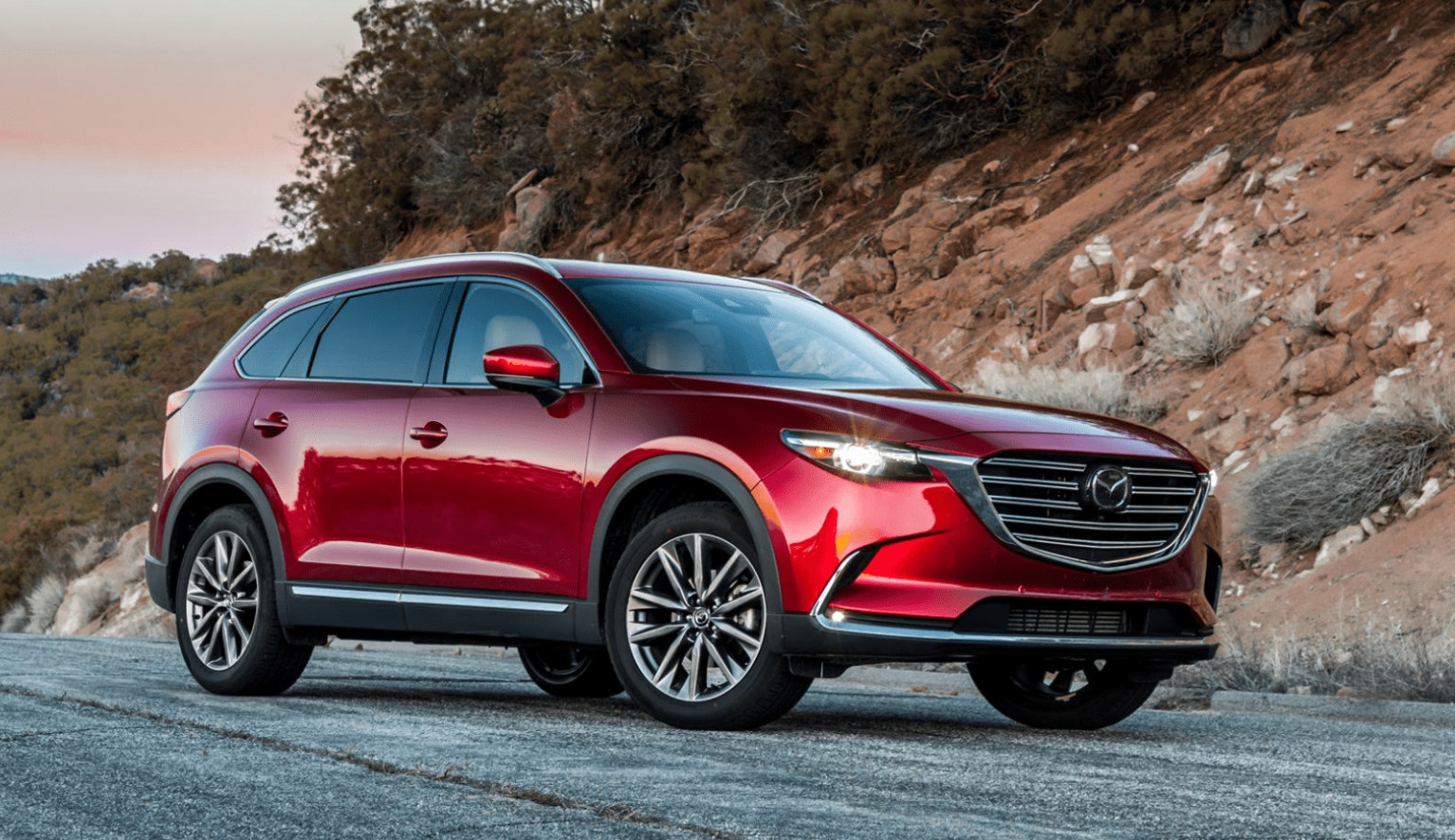
[PCauto] Mazda CX-9, with its Skyactiv driving performance and elegant Kodo design, has always been a favorite for drivers who refuse to compromise with minivan-like vehicles.
However, if you’re planning to buy a used CX-9, be aware that both generations have had serious mechanical issues you need to watch out for.
First Generation TB Platform (2008-2015): Water Pump Issues
The first-generation CX-9 is powered by a 3.7 L V6 naturally aspirated engine from Ford. This engine delivers robust power but has a significant structural flaw: the water pump is located inside the engine and driven by the timing chain.
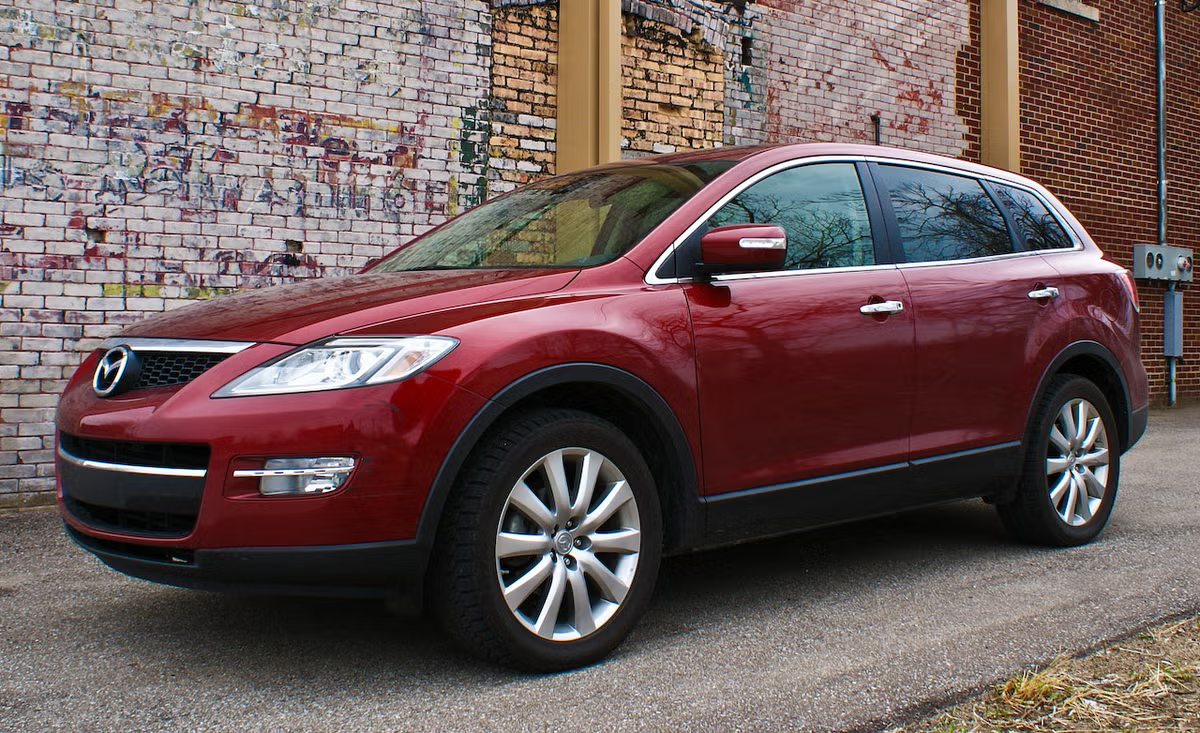
For models produced between 2008 and 2015 (especially those manufactured between 2010 and 2012), once the water pump seal deteriorates, the coolant doesn't leak to the ground but instead flows directly into the engine's crankcase, mixing with the engine oil.
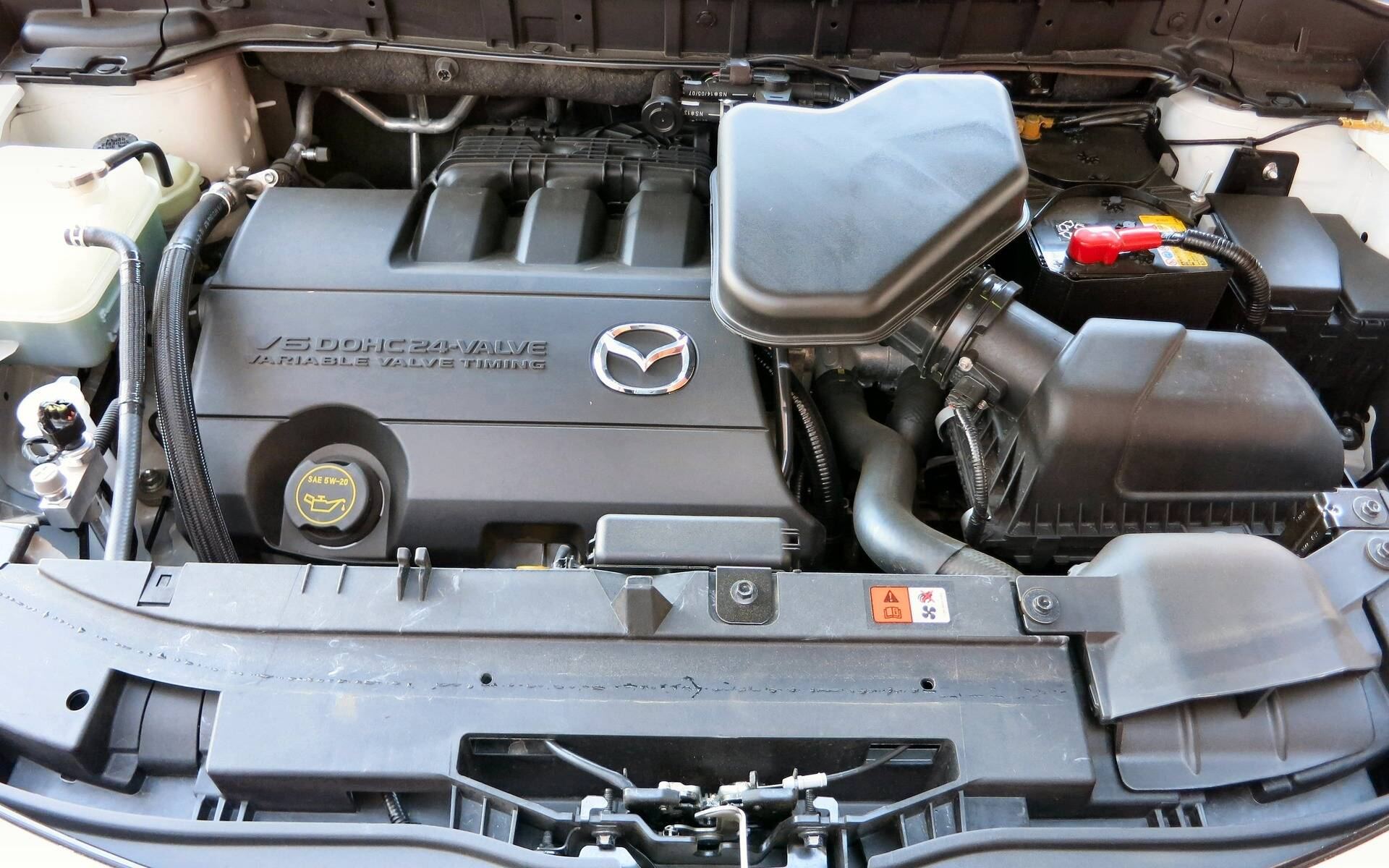
The mixture of this engine oil and coolant will quickly reduce lubrication performance, which is a common cause of engine bearing damage, cylinder scoring, or even complete engine failure.
Since replacing this water pump requires dismantling the front of the engine and involves the timing system, the labor cost is extremely high. If engine damage unfortunately occurs, the cost of replacing a Half-cut (used) engine or conducting an overhaul can be as high as tens of thousands of ringgit—an amount that approaches or even exceeds a large portion of the vehicle’s residual value.
Second-generation TC Platform (2016-2023): Issues with the 2.5T Engine
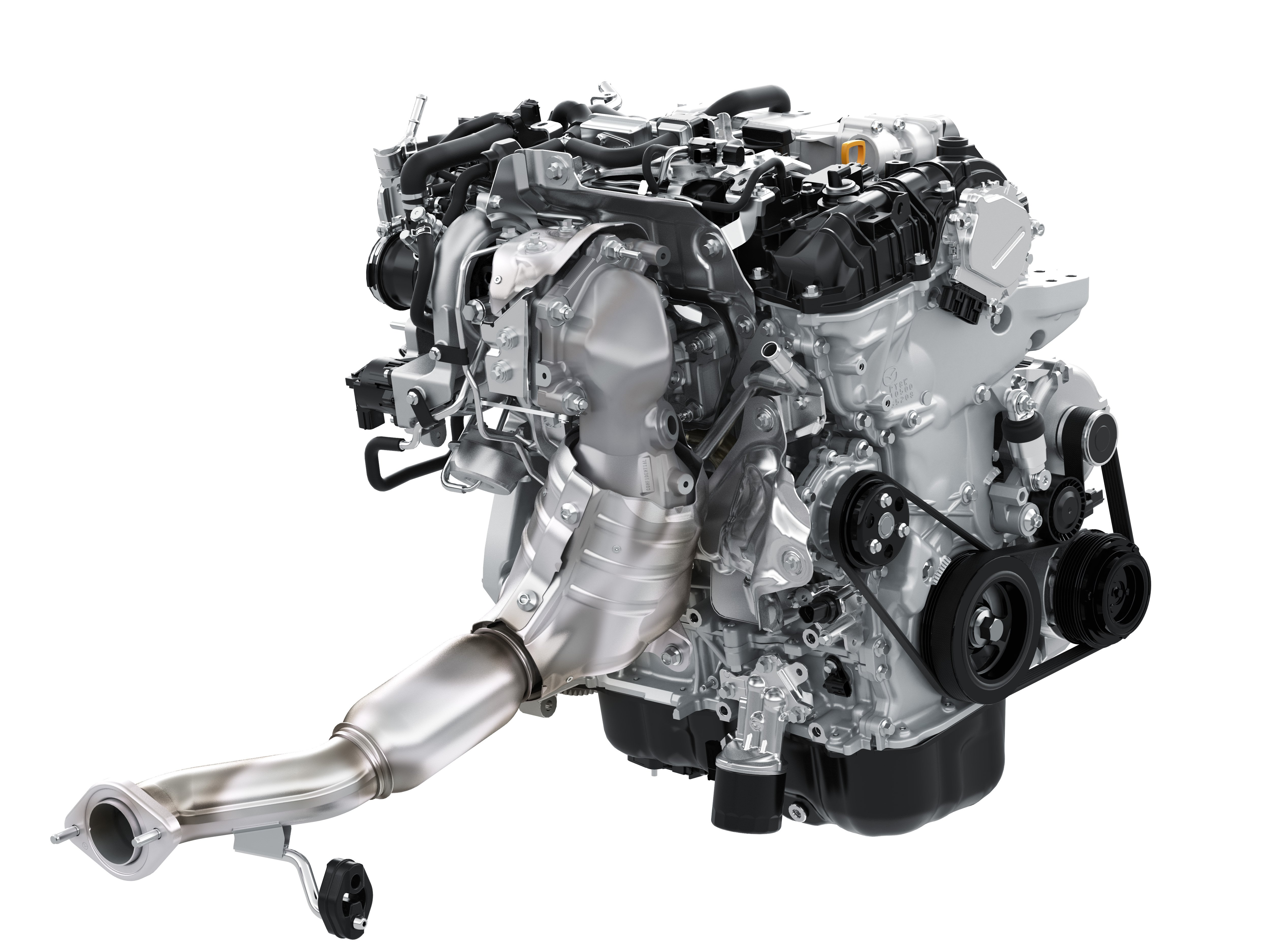
With the second generation, Mazda introduced the 2.5T Skyactiv-G Turbo engine.
Although fuel efficiency improved significantly, the early batches were not without flaws. Compared to the structural defects of the first generation, the second generation's issues were more concentrated on specific production batches.
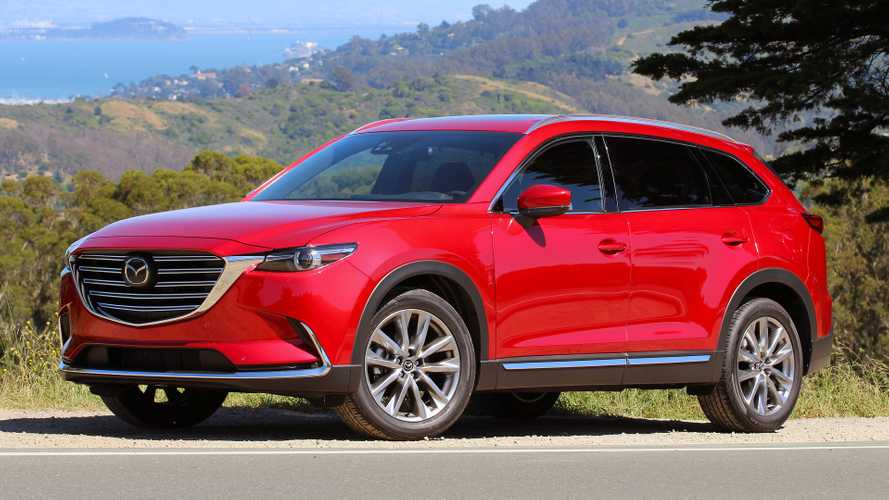
Cylinder Head Crack
In early models from 2016 to 2020, small cracks were prone to appear near the cylinder head at the exhaust manifold area, causing coolant leakage.
According to Mazda’s technical service bulletins, units produced before mid-2020 carry a relatively higher risk. While the issue is not widespread, a coolant leak can, in severe cases, lead to catastrophic engine overheating and failure, requiring a full cylinder head replacement or a complete engine overhaul.
Abnormal Oil Consumption
Some early batch vehicles from 2020 to 2022 reported issues with excessively fast wear of the valve stem seals, which could cause a significant drop in oil levels within the maintenance cycle.
Which Year of CX-9 is the Most Reliable?
To help everyone quickly filter risks while looking at cars, I’ve compiled this risk-avoidance reference table:
| Recommendation Level | Model Year | Risk Description |
| Strongly Avoid | 2008 - 2015 | Design defect in the internal water pump, potentially leading to very high repair costs. |
| Consider with Caution | 2016 - 2020 | Pay special attention to check for any signs of cylinder head leakage. |
| Relatively Safe | 2021 | Need to verify through VIN if it belongs to the batch affected by valve stem seal issues. |
| Most Recommended | 2022 - 2023 | Most mature mechanical design, known issues with leakage and oil consumption have been resolved. |
If your budget allows, post-2022 nearly new vehicles are the most rational choice at present. Although the purchase cost is slightly higher, the expected burden for future maintenance will be much lower.
If inspecting a car on-site, besides the usual checks for paint and interior, you can refer to the following checklist:
1. Coolant traces: Open the hood and use a flashlight to inspect the rear part of the 2.5T engine near the firewall. Look for dried pink or blue residues, which are typical signs of coolant leakage.
2. Oil emulsification: Inspect the inside of the oil cap on the first-generation 3.7 L engine. If you find white, creamy substances, it indicates that the water pump seal may have failed.
3. Maintenance records: Prioritize units with full official service history from Bermaz. For models from around 2021, verify whether warranty replacements for valve stem seals or cylinder heads have been completed under recall or service campaign.
If any infringement occurs, please contact us for deletion








Popular Cars
Model Year
Car Compare
Car Photo