

2017 Lamborghini Huracán Performante Spyder Review

 Share
Share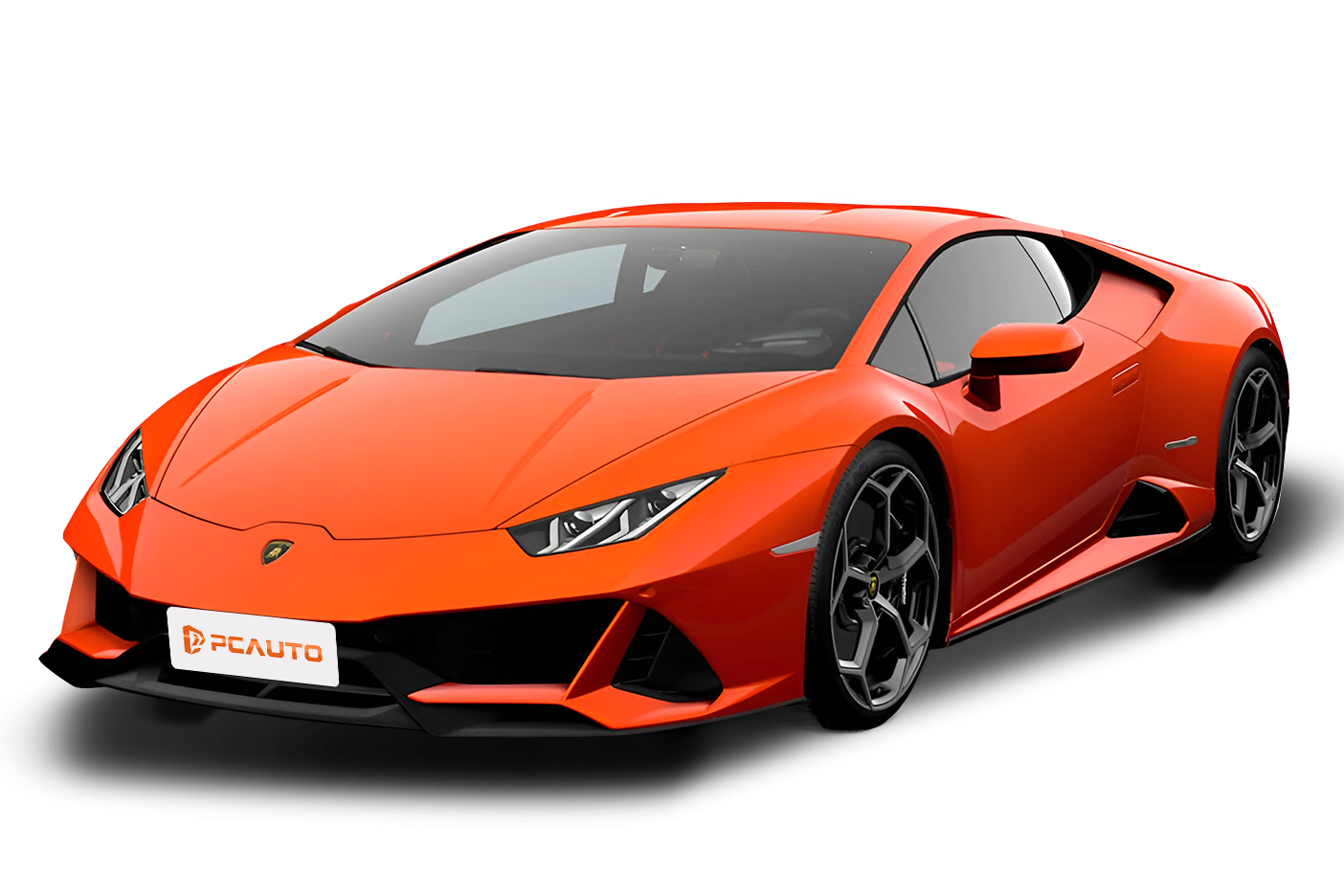
 Segment
 Body Type
 Capacity(L)
 Engine Power(PS)
 Transmission
 Driven Wheels
In recent years, although the sports car market in Malaysia has been dominated by European brands, the demand for a "balance between performance and daily practicality" among users has been increasingly prominent. The 2017 Lamborghini Huracán Performante Spyder is a model that targets this niche market—it not only inherits the racing DNA of the Huracán family but is also one of the few options in its class that balances the fun of convertible driving. The primary purpose of this test drive is to verify whether it lives up to its reputation as a "supercar for daily driving" while analyzing its performance, handling, and practicality.
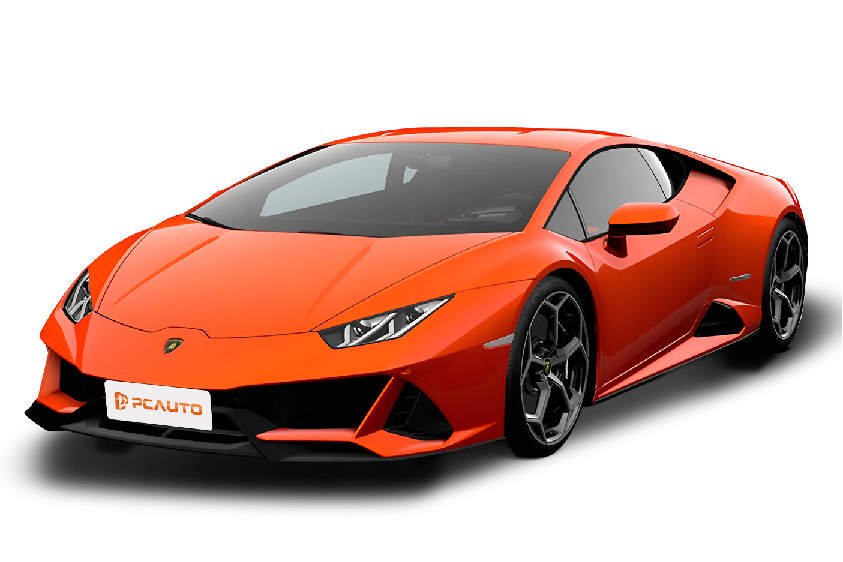
The exterior of the Huracán Performante Spyder continues the aggressive design of the hardtop Coupe version, but its convertible structure adds a touch of dynamic tension. The front retains the large honeycomb-shaped air intakes, with the size of the side air intakes further optimized, reducing the drag coefficient by 0.02 compared to the regular convertible version. The body features compact lines, with a length of 4506mm and a width of 2236mm. The short front and rear overhangs enhance the sports car stance; the 20-inch Y-shaped rims, paired with Pirelli P Zero Corsa tires sized 245/30 R20 for the front and 305/30 R20 for the rear, maximize visual impact and provide the foundation for grip. The variable rear wing is a design highlight, remaining retracted at low speeds for streamlined aesthetics and automatically deploying at speeds over 150km/h to provide up to 750N of downforce. The LED taillights adopt the family-style Y-shaped light strip, echoing the dual exhaust outlets on both sides of the lower part, making the overall design highly recognizable.
Upon entering the cockpit, the first impression is a racing-oriented layout, but the details also cater to everyday use. The center console primarily uses carbon fiber and Alcantara materials, providing a robust feel and premium texture. The 12.3-inch full LCD instrument panel serves as the main interface, allowing for three display modes: "Track," "Road," and "Comfort," showcasing revs, navigation, and fuel consumption information, respectively. The central screen is touch-controlled, supports CarPlay connectivity, and features an intuitive operation logic, avoiding the complicated buttons often seen in sports cars. The seats are made of carbon fiber bucket design with excellent lateral support, and they are equipped with electric adjustment and heating functions, ensuring comfort even on long drives. Regarding storage space, the front cup holders are foldable, the center armrest box can fit a phone and wallet, and the trunk capacity, although only 150L, is sufficient to accommodate two carry-on suitcases, meeting short-trip needs.
In terms of space, as a two-door, two-seater sports car, the 2620mm wheelbase is entirely dedicated to the cockpit. Front-row headroom provides approximately a fist's clearance when the top is closed, ensuring that passengers up to 180cm tall won't feel cramped. Legroom is adjustable across a wide range, allowing drivers to find a suitable position. With the top down, headroom is unrestricted, and the optimized windshield height ensures that driving at speeds up to 80km/h won't introduce excessive wind noise. The interior features are thoughtfully designed, with dual-zone automatic air conditioning in the front that allows for flexible adjustments of air outlet angles. USB-C ports are located within the center armrest box, making it convenient for charging phones. Overall, its practicality is among the top in its class of sports cars.
In terms of power, the 5.2L naturally aspirated V10 engine is the absolute core, delivering a maximum output of 649PS/8000rpm and a peak torque of 600N·m/6500rpm, paired with a 7-speed DCT dual-clutch transmission. For daily driving, switching to "Strada" (Street) mode provides mild and linear power output, with no abrupt lurching at startup and about a 0.5-second throttle response delay, making it suitable for city commuting. When switched to "Sport" mode, the throttle becomes more responsive, the revs are maintained above 3000rpm, and the gearbox automatically blips the throttle while downshifting, creating a crisp exhaust note. In "Corsa" (Track) mode, the full power is unleashed, accelerating from 0-100km/h in just 2.9 seconds, easily breaking through speeds of 200km/h. During overtaking, flooring the throttle makes the gearbox drop two gears, with a sustained pushback sensation above 7000rpm, delivering pure driving excitement.
Handling is a strong point of the Huracán Performante Spyder. The steering is precise with minimal play, giving direct feedback from the road with every turn. The suspension adopts a double wishbone independent structure at the front and rear. In "Strada" mode, it filters out most minor bumps, and crossing speed bumps doesn't feel overly stiff. In "Corsa" mode, the suspension stiffens significantly, providing excellent support while keeping the body roll within 3 degrees during cornering. Paired with the all-wheel-drive system, the car remains stable even on slippery roads. The braking system is equipped with carbon-ceramic discs, offering linear brake pedal feedback. Tests showed a braking distance from 100-0km/h of just 32 meters, providing great confidence.
In specialized tests, fuel consumption met expectations, averaging about 18 liters per 100km in urban settings, and dropping to around 12 liters per 100km during highway cruising. When the roof is down, fuel consumption increases by 1-2 liters, but this is normal for sports cars. Regarding noise control, with the top closed, wind and tire noise remain within acceptable ranges at speeds up to 120km/h, and engine noise only enters the cabin at high RPMs. With the top open, a wind deflector can be deployed to reduce air resistance, allowing for clear driving up to speeds of 100km/h. The seat comfort is particularly notable; while the carbon fiber bucket seats offer strong support, the cushioning and backrests provide enough softness to avoid back discomfort even after 2 hours of continuous driving.
In conclusion, the core strengths of the 2017 Lamborghini Huracán Performante Spyder are clear: the linear power delivery of its naturally aspirated V10, its precise handling, and its rare practicality as a convertible in its class. Compared to competitors like the Ferrari 488 Spider, its naturally aspirated engine offers more distinctive acoustic enjoyment, and the extensive use of carbon fiber helps better control the vehicle's weight. Compared to the Audi R8 Spyder, it delivers stronger track performance and a more aggressive design.
This car is suitable for two types of buyers: those who seek ultimate driving pleasure while occasionally using it for short trips, and those who enjoy open-top driving and value brand prestige and head-turning style. It is not a perfect daily commuter, but it strikes an excellent balance between "track performance" and "daily usability," making it one of the few supercars in its class you can take to buy groceries.
If you are looking for a convertible sports car that carries Lamborghini's pedigree while being practical for daily use, the 2017 Huracán Performante Spyder is definitely worth considering—it proves with its capabilities that supercars can also be very "down-to-earth".
Lamborghini Huracán Car Compare
Lamborghini Huracán Loan Calculator
More Lamborghini Reviews
Cars With Similar Price And Features
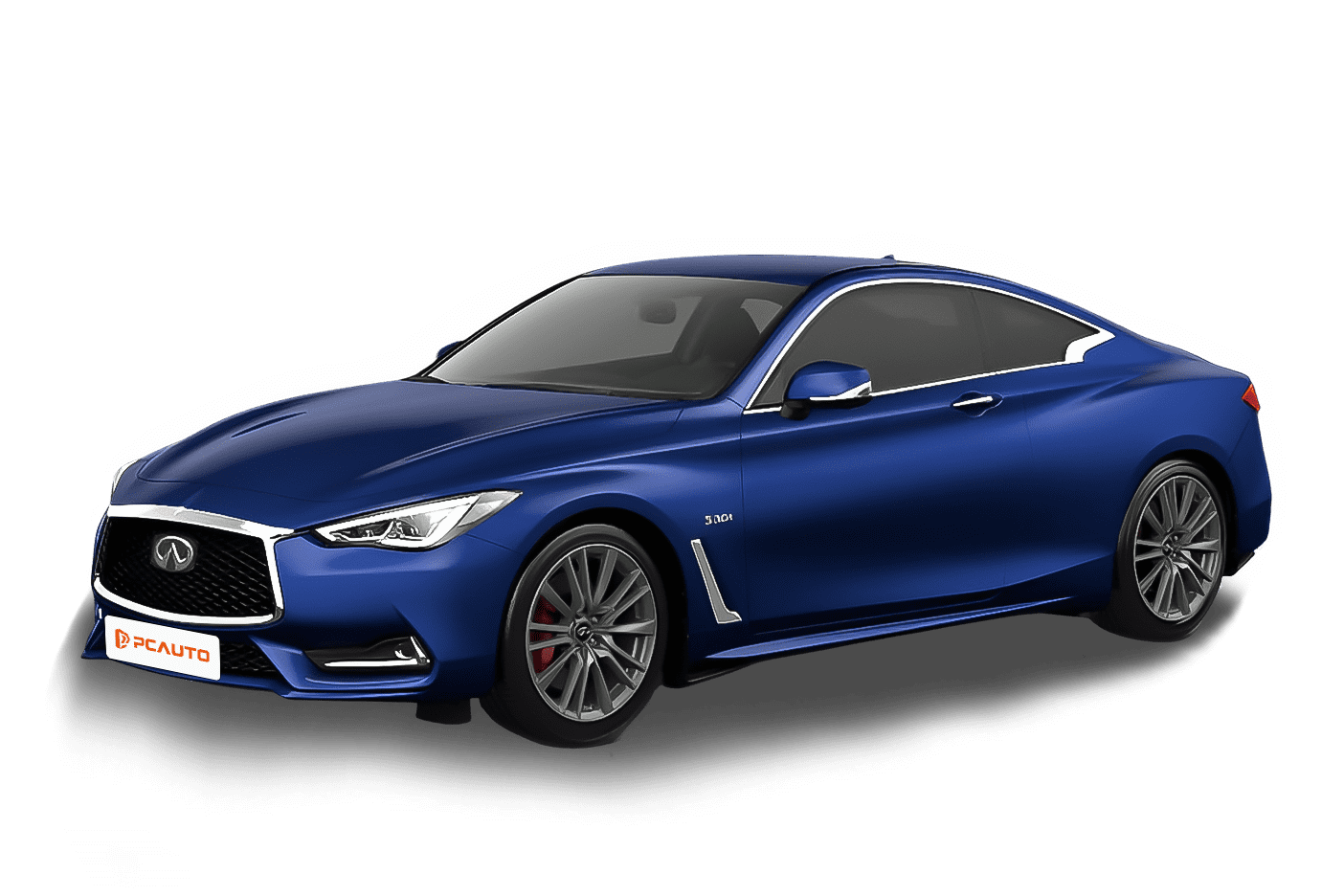
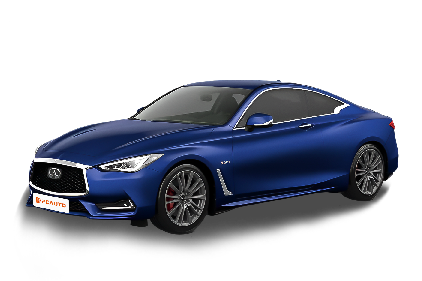
2017 Infiniti Q60 2.0t is a luxury coupe that balances sporty design and daily practicality, featuring a family-style exterior, BOSE audio system, and balanced power as its core selling points.
1
Rank in Coupe
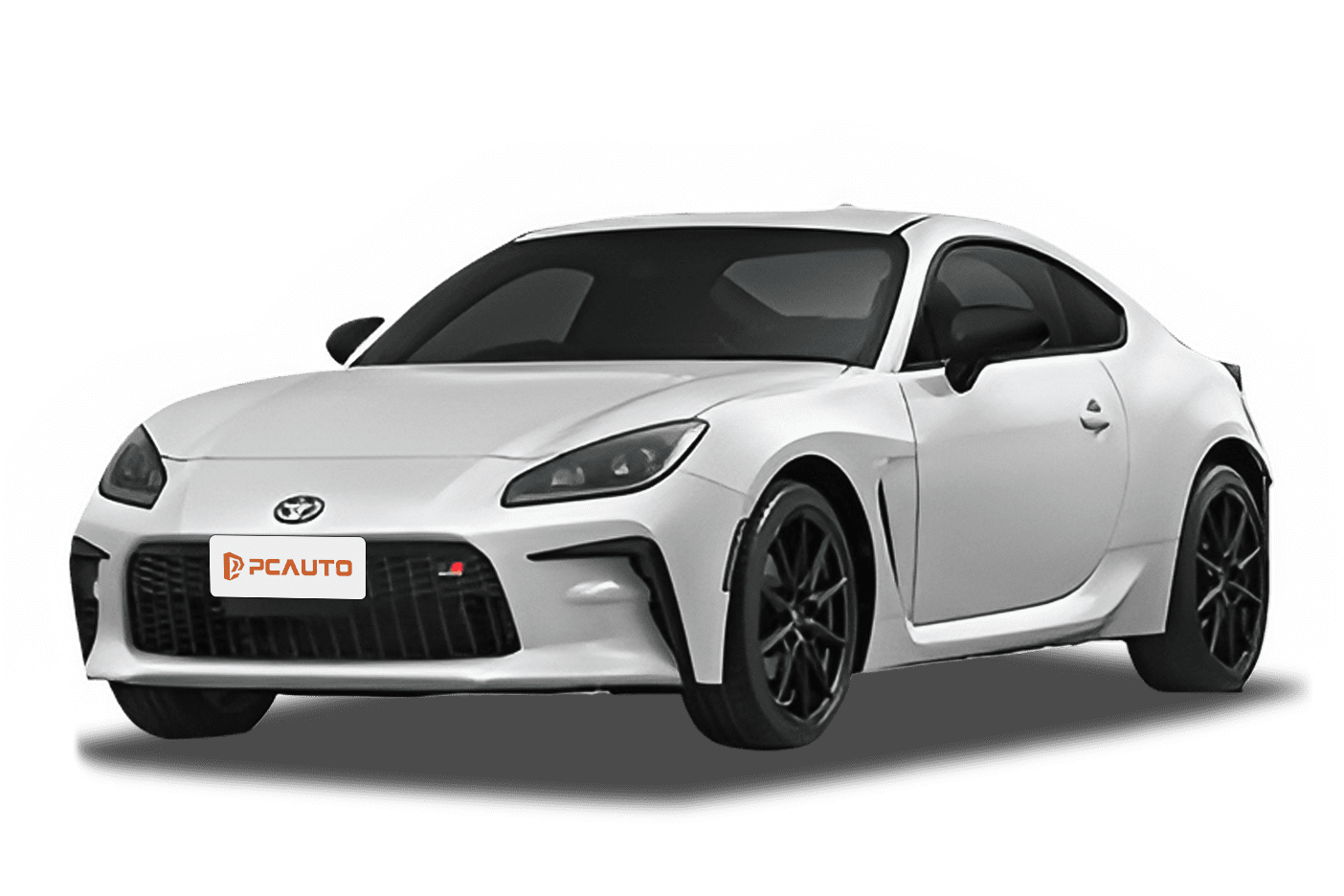
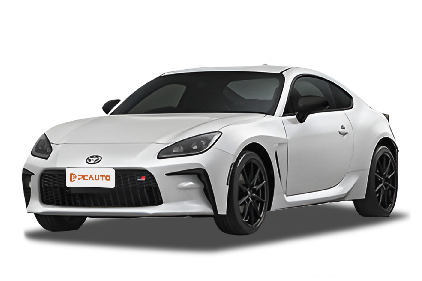
2023 Toyota GR 86 2.4 AT is a rear-wheel-drive sports coupe upgraded with a 2.4L naturally aspirated engine to address low torque issues, balancing daily commuting with pure driving pleasure.
10
Rank in Coupe
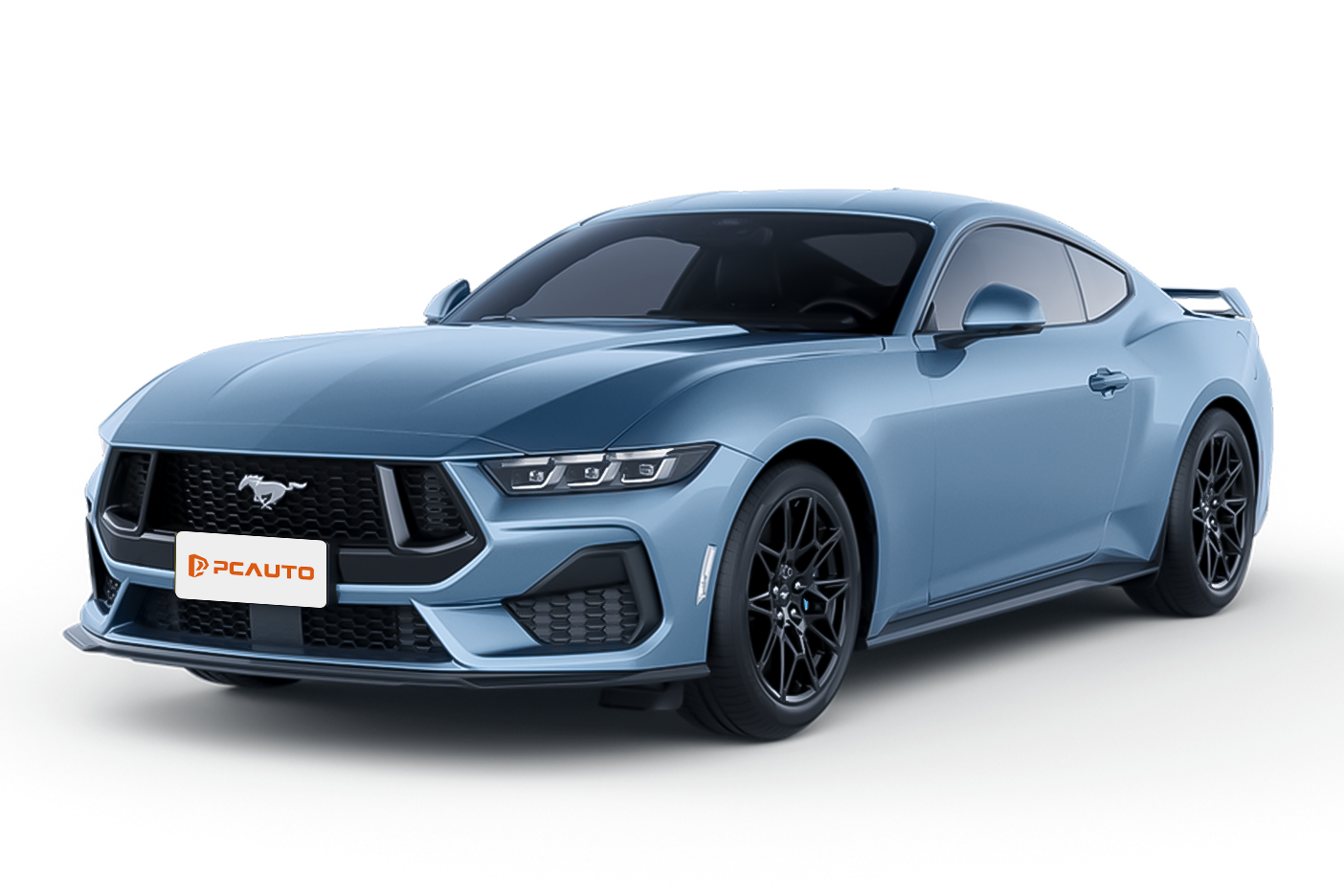
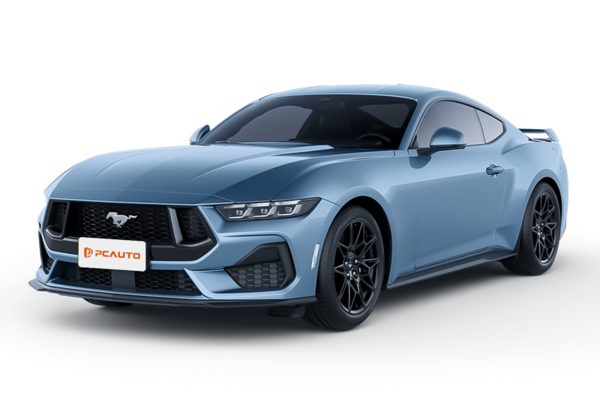
2018 Ford Mustang 2.3 EcoBoost retains the classic muscle car appearance with high cost performance, the 2.3T engine delivers 310PS horsepower, balancing performance and practicality for daily driving.
6
Rank in Coupe
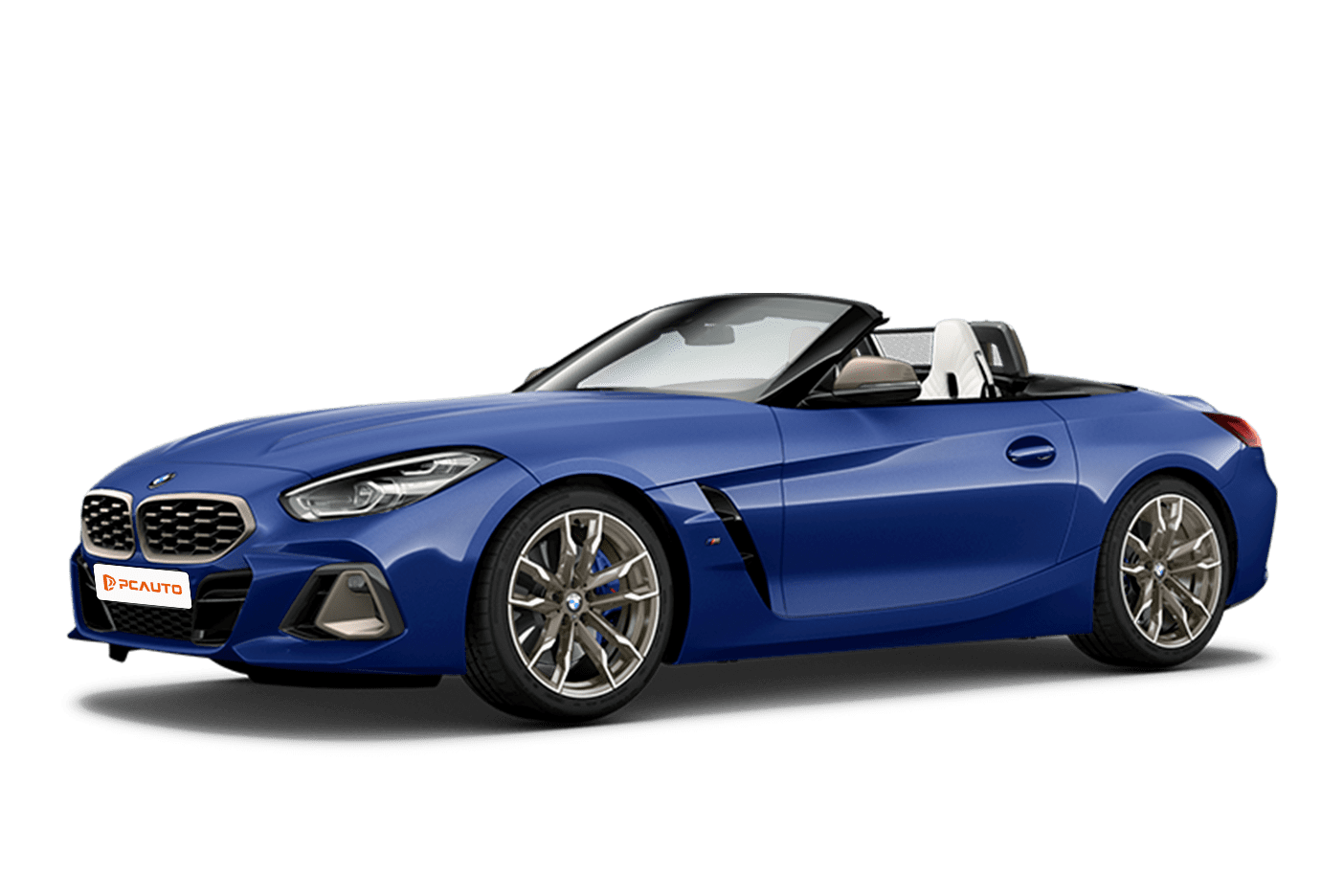
2023 BMW Z4 public, as a classic rear-wheel-drive convertible sports car, balances driving pleasure and daily practicality, with class-leading intelligent features and a compact body precisely meeting the needs of Malaysian users.