

2016 Renault Zoe EV Review

 Share
Share
 Segment
 Body Type
 Motor Output(kW)
 Motor Torque(Nm)
 EV Range(km)
 Battery Capacity(kWh)
In recent years, the B-segment electric vehicle market in Malaysia has been steadily heating up, with consumer demand for cost-effective fully electric commuter cars showing significant growth. As one of the early representatives in this segment, the 2016 Renault Zoe EV features a compact body, practical configurations, and an all-electric drivetrain as its core selling points. The purpose of our testing this time is to verify whether its performance in daily commuting and urban driving scenarios meets expectations.
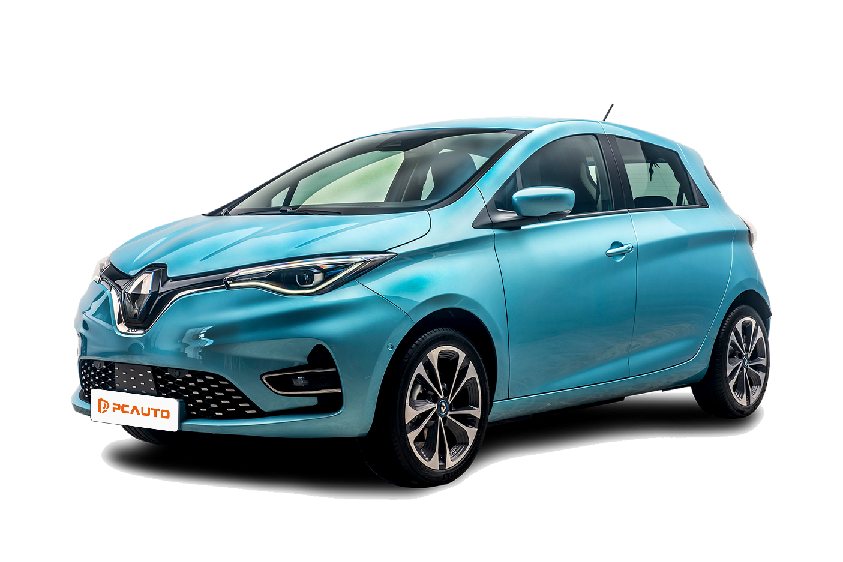
In terms of appearance, the 2016 Zoe EV adopts a rounded and smooth design style overall. The front features a closed grille, paired with sharp LED headlights on both sides, giving it high recognizability. The side of the car has simple lines, and the concave design under the door adds a sense of layering. The 195/55 R16 tires match well with the proportions of the body. At the rear, the taillight assembly adopts a horizontal layout that echoes the design of the front, with rear fog lights as standard. The overall design leans towards a family-friendly style without excessively aggressive elements.
Entering the interior, the design predominantly uses darker tones, and the center console is laid out in a simple manner. The standard touch-based center console screen is centrally positioned with straightforward operating logic. The instrument panel employs a full LCD display that can show real-time information such as range, speed, and battery level, making it easy to read. In terms of material, the upper part of the center console is made of hard plastic, but the seams are well-finished; the door panels are partially covered with fabric, adding a slight sense of quality. In terms of configuration, a multifunctional steering wheel, single-zone automatic air conditioning, and a 220V/230V power outlet are all standard. The front seats support manual adjustment—6-way for the driver and 4-way for the passenger—with enough range to meet daily needs. The rear seats are foldable to extend the trunk space, and the standard trunk volume of 338 liters can easily fit two 20-inch suitcases.
In terms of space, the car's dimensions are 4084mm×1730mm×1562mm, with the wheelbase not explicitly specified. In actual experience, a passenger with a height of 175cm sitting in the front finds approximately one fist's worth of headroom and legroom. In the rear row, legroom is about two fingers, and headroom is one fist, which is considered average for a B-segment vehicle; it’s sufficient for short trips, but long journeys may feel slightly cramped. Regarding storage space, there are storage slots in the door panels, a central armrest box, front cup holders, and other conventional placements, all of which can accommodate the storage needs of small daily items.
In terms of dynamic driving, although the motor parameters of the 2016 Zoe EV are not detailed, its real-world start-up response is rapid; it only takes a light press on the accelerator to achieve noticeable power output, making it suitable for following traffic or setting off in urban areas. The acceleration process is smooth, with an official 0-100km/h acceleration time of 13.5 seconds. Overtaking in daily driving requires planning and sufficient distance beforehand, and the power reserve is relatively limited during highway cruising. When it comes to handling, the steering wheel is light to turn, with average precision, making it more suitable for city driving. The suspension system is tuned for comfort; it can filter out most small vibrations when going over speed bumps or bumpy roads, though there is slight shaking when passing through larger potholes at speed.
Range and energy consumption are key considerations for electric vehicles. For this test, we selected a mixed scenario of urban commuting and a small amount of highway driving, with a total driving distance of approximately 150km. The average energy consumption was about 15kWh/100km. Based on the Zoe EV's battery capacity (estimated at either the 22kWh or 41kWh version, depending on the actual range), the range achievement rate is around 80%, which can essentially meet a week's urban commuting needs. The regenerative braking force is moderate; releasing the accelerator does not result in a significant dragging feel, providing a driving experience close to that of conventional fuel-powered vehicles.
In terms of driving comfort, the in-cabin noise control is quite good. At speeds below 60km/h, tire noise and motor noise are not noticeable; at high speeds, wind noise slightly increases but remains within an acceptable range. The seat padding is moderately soft, with general support, but prolonged driving can cause lumbar fatigue. The braking system uses a front ventilated disc design with linear brake response and no slack, providing sufficient safety for daily driving.
Overall, the core advantages of the 2016 Renault Zoe EV are its low-cost commuting with pure electric drive, practical configuration, and compact, agile body, making it suitable for urban commuting scenarios. Compared to similar gasoline-powered models, its running costs are lower; however, compared to later-released B-segment electric vehicles, it may fall short in terms of configuration and space. Nevertheless, its price (RM 145,888 at the time) was considered affordable among pure electric vehicles.
This car is more suitable for young professionals or small families who prioritize low daily commuting costs and primarily travel within cities, especially for consumers with convenient charging conditions. If you are looking for stronger performance or more space, this may not be the best choice, but as a pure electric commuter car, it performs sufficiently practically.
In conclusion, the 2016 Renault Zoe EV is a practical city-focused pure electric commuter car. With low cost and ease of driving as its core features, it is suitable for users with basic needs for pure electric vehicles.
Renault Zoe Car Compare
Renault Zoe Loan Calculator
More Renault Reviews
Cars With Similar Price And Features

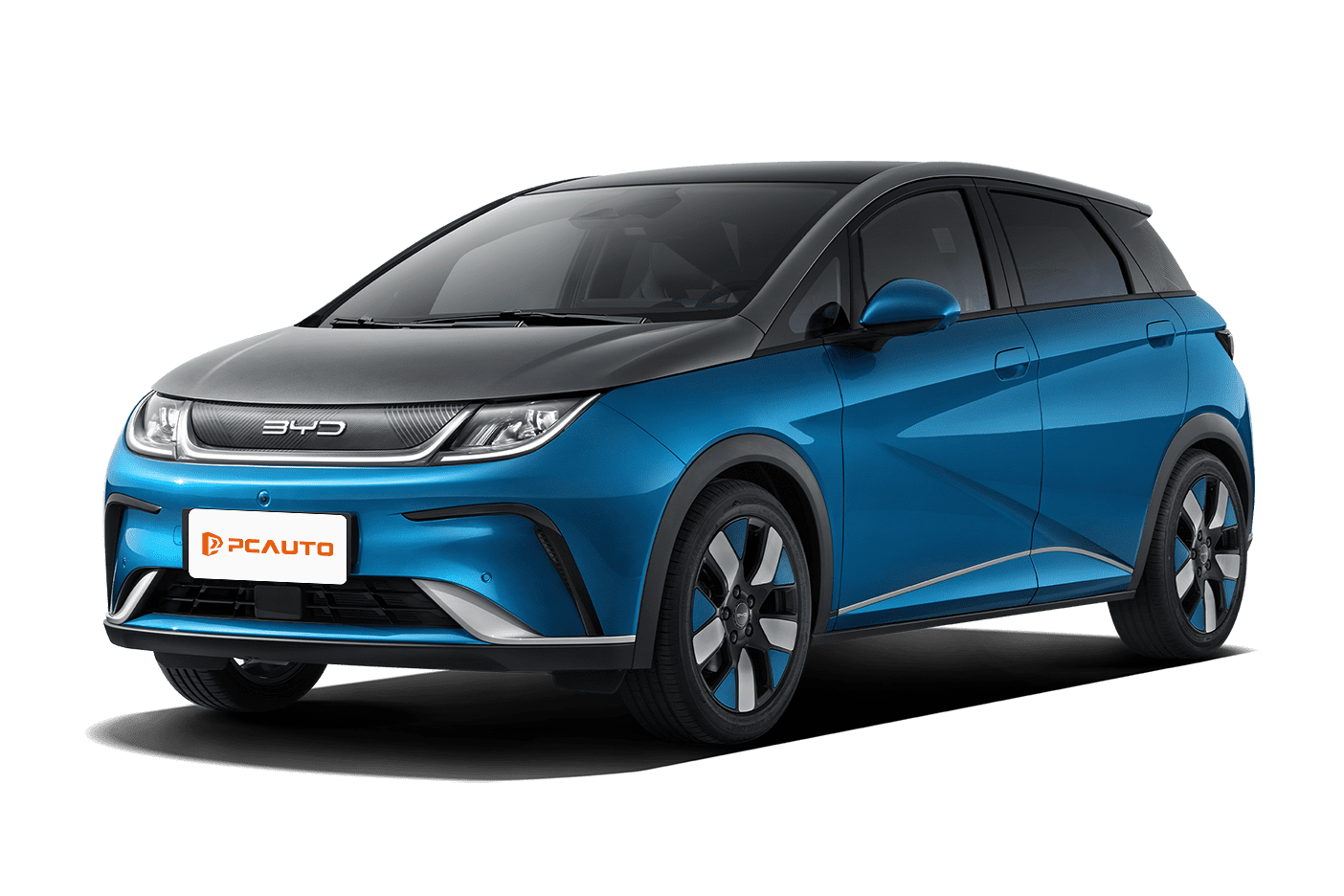
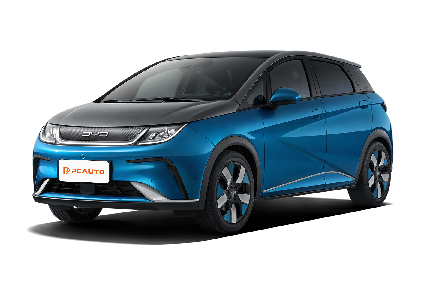
2023 BYD Dolphin Dynamic Standard, as a high-value B-class electric entry-level model, features a 410km range, L2 assisted driving, and a rotatable central control screen, balancing practicality and intelligence, suitable for family commuting.
7
Rank in Hatchback
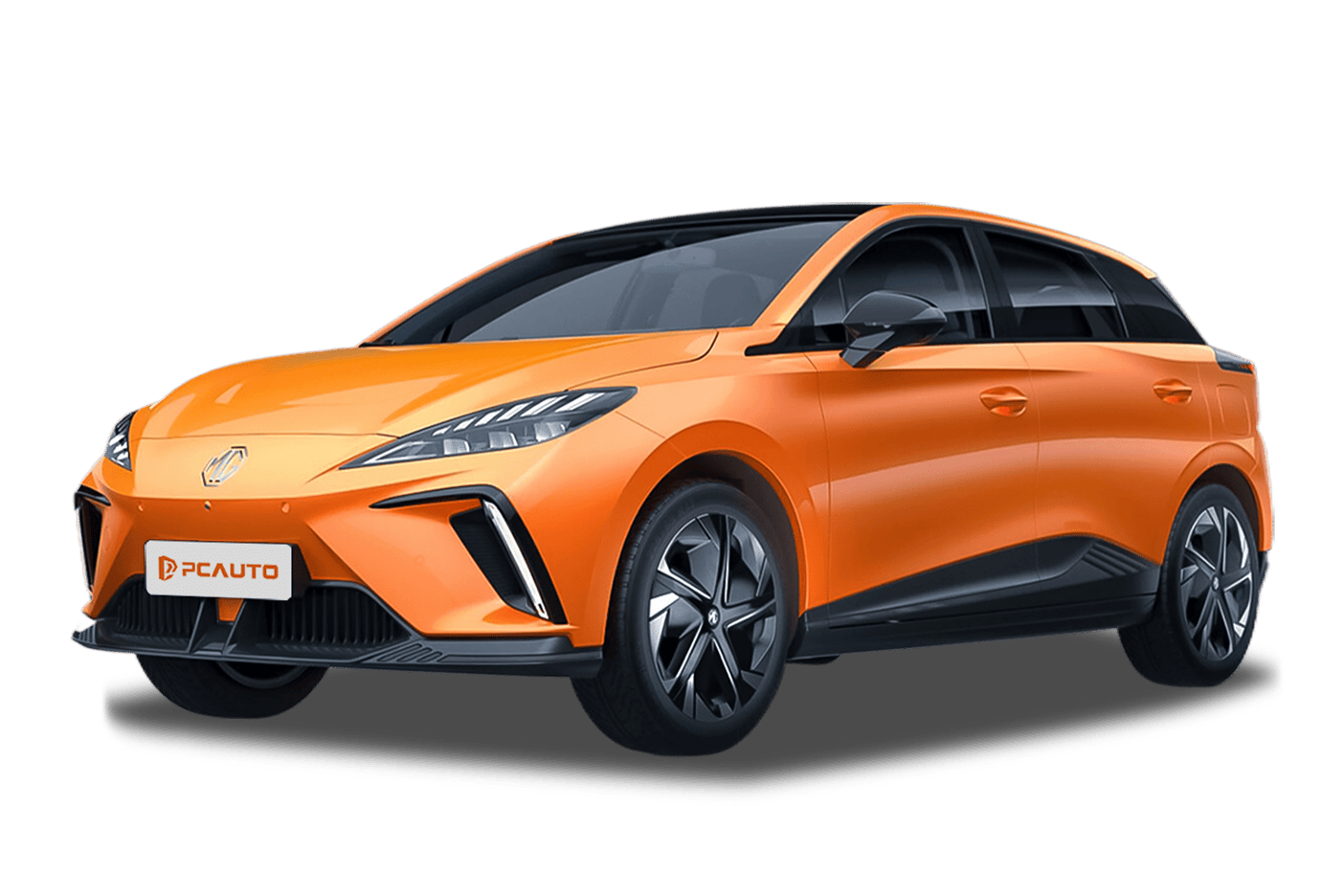
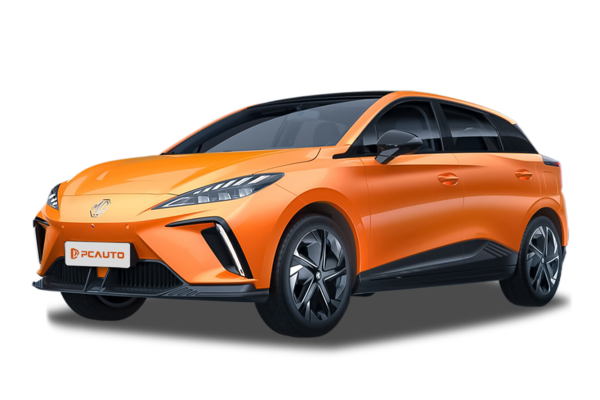
2024 MG4 Standard is a high-value pure electric hatchback, featuring a long wheelbase with spacious interior, comprehensive basic configurations, and rear-wheel-drive driving characteristics, designed to meet the core needs of family commuting.
11
Rank in Hatchback
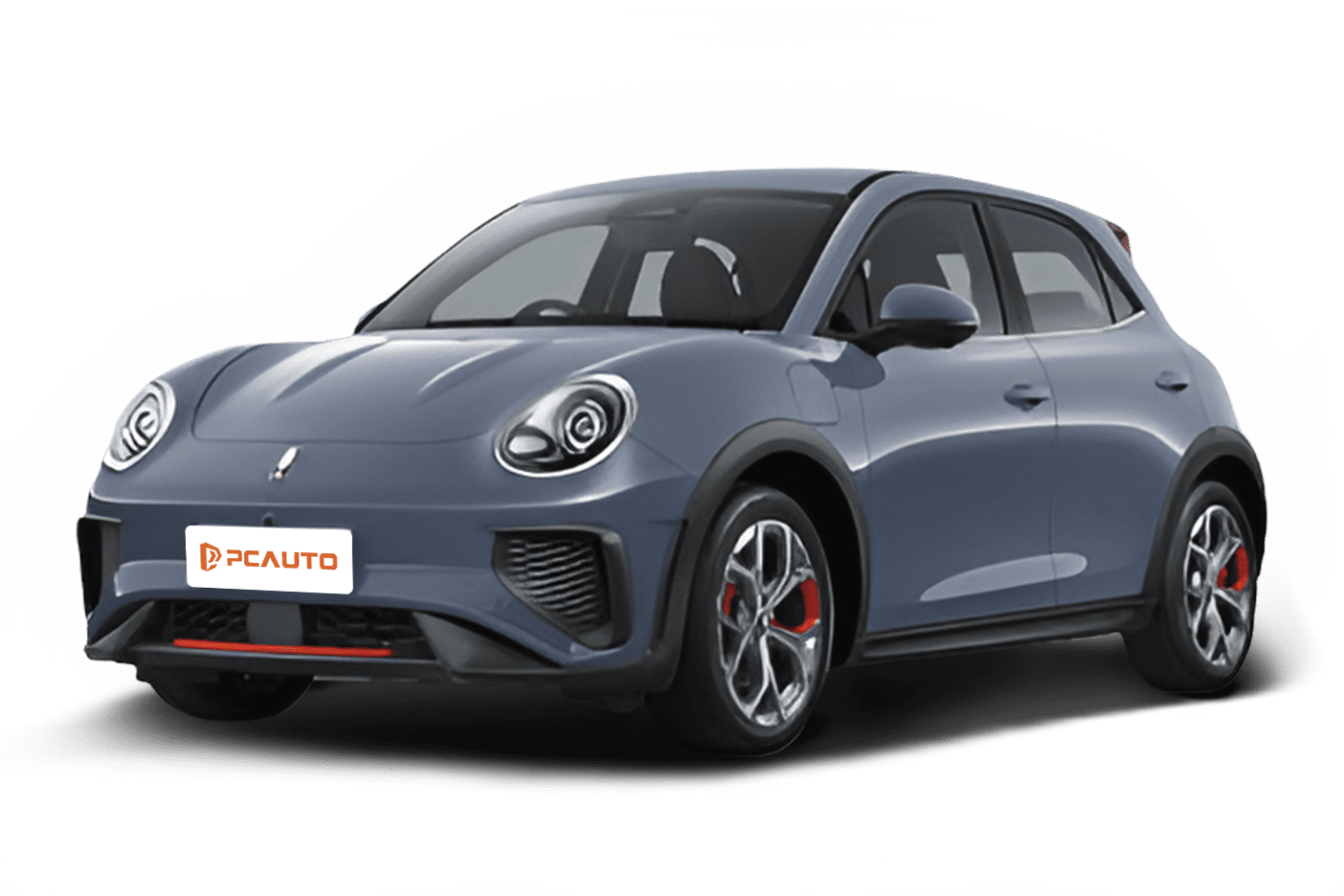
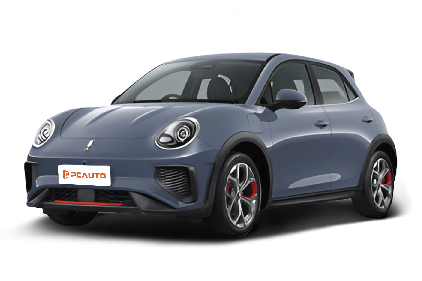
2025 ORA Good Cat Ultra features a retro design for distinctiveness, paired with a 480km range, rich intelligent safety configurations, and practical space, making it a cost-effective B-class electric commuting choice.
9
Rank in Hatchback
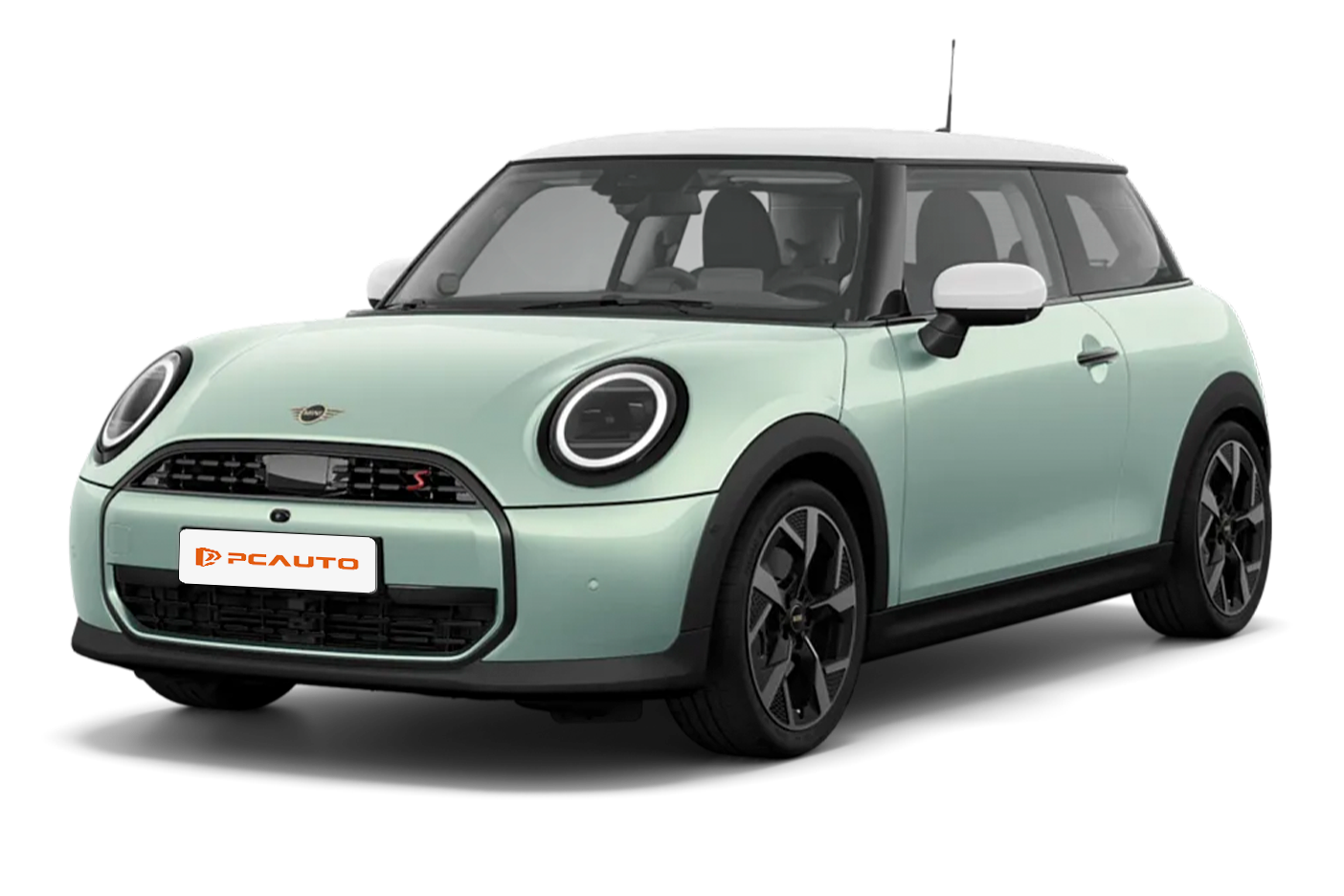
2025 MINI 3 Door John Cooper Works Electric is a B-segment pure electric performance small car that inherits MINI's driving DNA, offers direct acceleration with pure electric drive, features a classic and sporty design, and balances practicality.