

Renault Zoe 2016 Review

 Share
Share
 Segment
 Body Type
 Motor Output(kW)
 Motor Torque(Nm)
 EV Range(km)
 Battery Capacity(kWh)
As competition in the B-class electric vehicle market heats up, consumers are increasingly demanding practicality and detailed configurations beyond just range—after all, daily commuting and city driving are the core scenarios for this type of vehicle. The 2016 Renault Zoe EV, one of the early entrants to the pure electric vehicle market, is marketed with its compact body and standard intelligent configurations. In this review, we conducted a test drive to focus on evaluating its spatial efficiency, whether its power response aligns with urban needs, and if its configurations meet the requirements of daily use today.
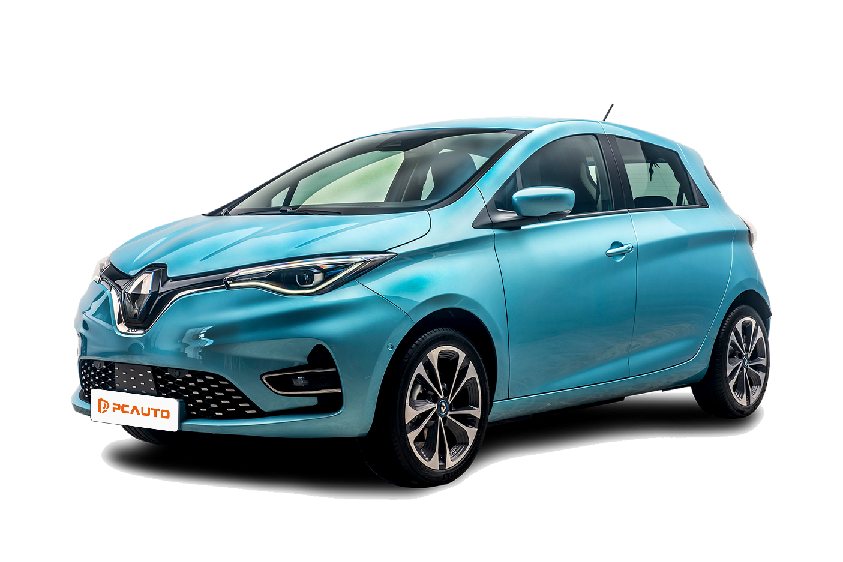
In terms of appearance, the overall style of Zoe EV leans towards a rounded and cute aesthetic, with sleek but not overly flashy body lines that make for a timeless design. The front face features a closed grille paired with LED headlights, lending it noticeable recognition. The LED light strip effect upon startup is a refined detail among vehicles in the same class. The vehicle dimensions are 4084×1730×1562mm, with no direct mention of the wheelbase, but judging from the visual impression, its compact body is more suitable for narrow urban roads and parking spaces. The rear design is simple, with standard rear fog lights. The trunk capacity is 338 liters, which is enough to fit two carry-on suitcases or shopping bags, making it sufficient for short trips.
Inside, the interior design is minimalist and practical, with a primarily dark-colored dashboard complemented by a touchscreen console and a full LCD instrument panel, which offered a relatively advanced setup for vehicles in 2016. In terms of materials, while hard plastic is not dominant, most touchable areas are covered with soft materials, which feel appropriate for this price range. The front seats feature manual adjustments, the driver’s seat supports six-way adjustments, and the passenger seat supports four-way adjustments. The seat cushioning is on the softer side but provides adequate support, ensuring no significant fatigue during long drives. The rear seats can be folded down to further expand storage space, though the rear legroom for a 175cm occupant leaves about a fist-width of space between the knees and the front seat back. It’s fine for short trips, but might feel slightly cramped for longer journeys. Standard features include single-zone automatic air conditioning, 220V/230V power outlet, and a multifunction steering wheel. The sound quality of the Arkamy speakers is average for its class, sufficient for daily music listening.
In terms of power, the exact electric motor parameters of the Zoe EV were not specified, but during actual driving, the response when starting was very smooth. Particularly in Eco mode, the power delivery was consistent, suitable for following traffic in congested city roads. Switching to Sport mode gave a noticeable boost in acceleration, allowing the vehicle to quickly respond to throttle input for overtaking. The official 0-100km/h acceleration time is 13.5 seconds, which isn’t fast, but for urban roads with speeds under 80km/h, the power is more than adequate. The steering wheel is light with minimal slack, making it effortless to steer even with one hand at low speeds. This makes maneuvers such as U-turns and parking highly convenient in the city. The suspension system is tuned for comfort, absorbing bumps and uneven surfaces well without feeling harsh. However, body roll is noticeable during cornering, which is in line with its family-oriented positioning, as handling isn’t its primary strength.
During our test drive, we focused on assessing range performance. Although no official range figures were provided, the vehicle consumed approximately 15-17kWh per 100 kilometers in actual urban commuting (including 20% highway driving). Based on a typical 22kWh battery capacity, the estimated range is around 130-150km, making it suitable for daily commuting or short trips to nearby areas. Longer journeys would require careful planning for charging stops. In terms of noise control, tire noise becomes slightly noticeable at high speeds, but motor noise is minimal, and the overall cabin quietness is commendable for its class. The intensity of the regenerative braking is moderate, and releasing the accelerator does not result in a pronounced drag, giving driving dynamics that are close to a conventional fuel car, making it user-friendly for new drivers.
Overall, the core advantages of the 2016 Renault Zoe EV lie in its compact body suitable for urban commuting, the standard full LCD instrument panel and touchscreen center console for technology features, and the comfortable chassis tuning. Compared to other electric vehicles in the same class at the time, it offers a higher level of configuration richness, and its space performance can meet the daily needs of a small family. However, its range is not considered outstanding currently, making it suitable for users with daily commuting distances within 50 km. If you prioritize urban flexibility and require standard intelligent features for commuting, the balanced performance of the Zoe EV is worth considering; but if you have long-distance travel needs, you may need to weigh the limitations of its range.
In summary, the 2016 Renault Zoe EV is a clearly positioned urban electric commuter car. Its compact body, nimble power, and practical configurations are its core highlights, making it ideal for young users or small families with a limited budget and a focus on daily commuting. Although its range is not long, its performance is sufficiently pragmatic in urban scenarios, making it an early electric vehicle with no obvious shortcomings.
Renault Zoe Car Compare
Renault Zoe Loan Calculator
More Renault Reviews
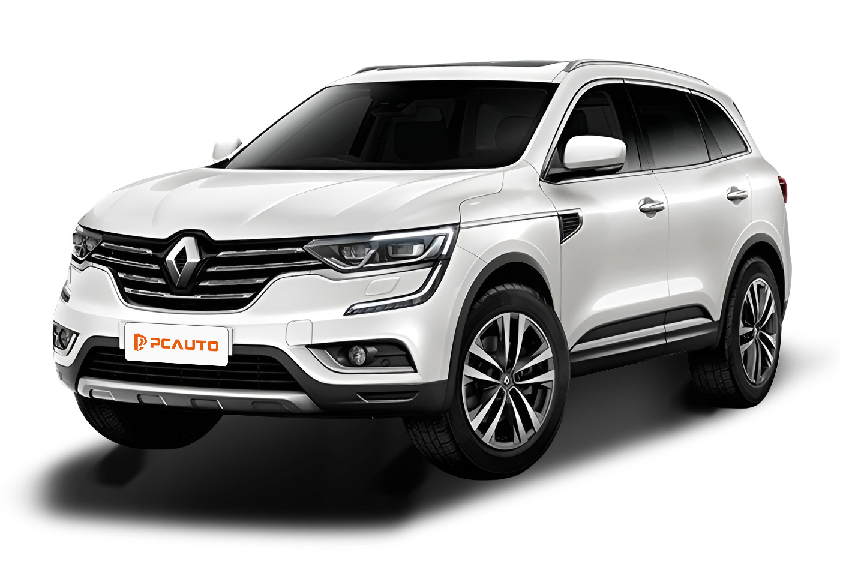
Cars With Similar Price And Features

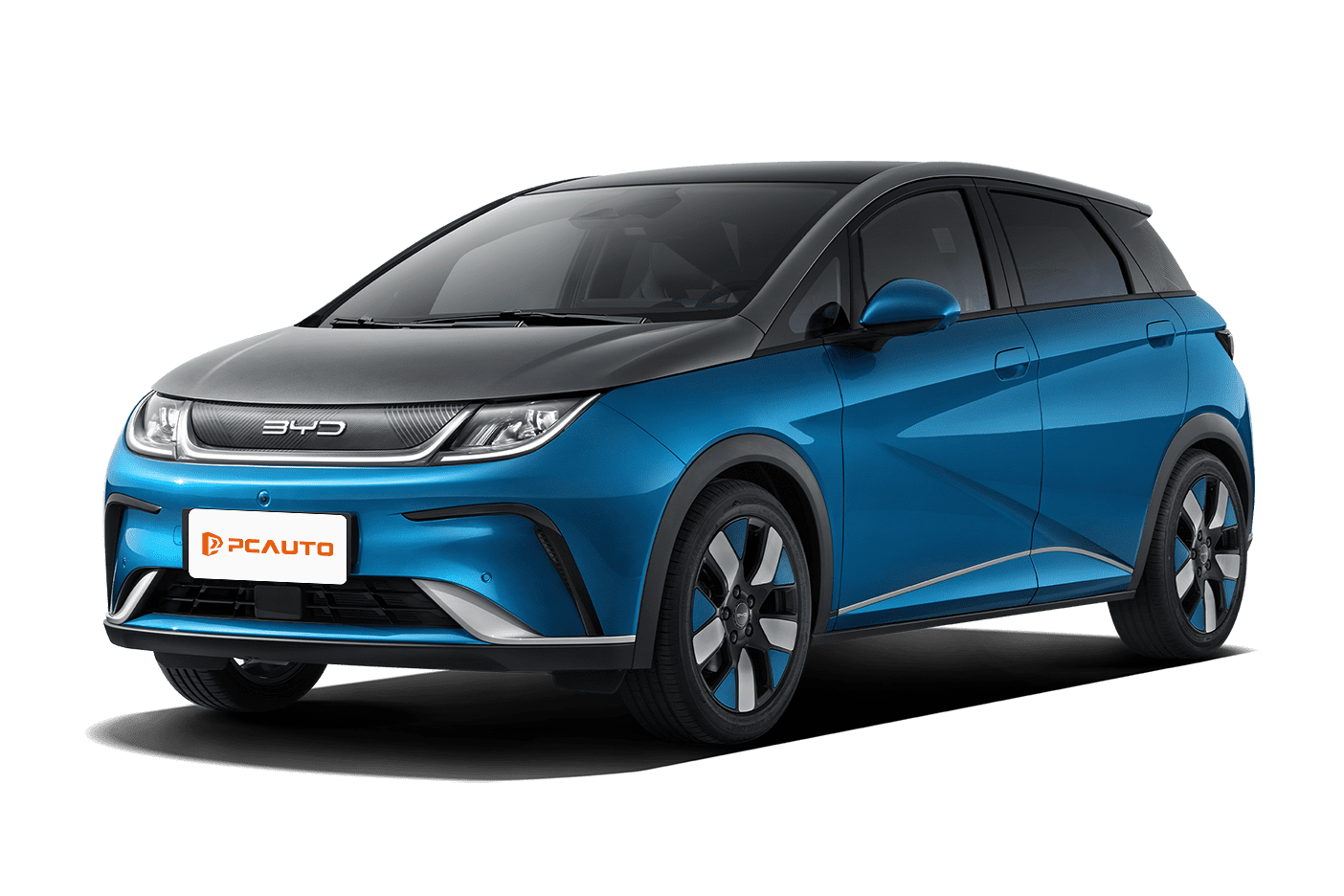
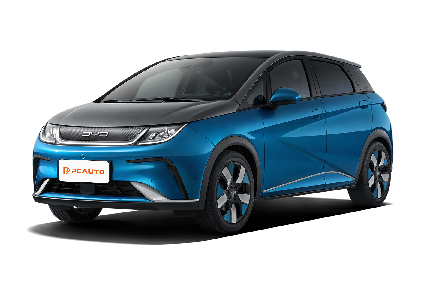
2023 BYD Dolphin Dynamic Standard, as a high-value B-class electric entry-level model, features a 410km range, L2 assisted driving, and a rotatable central control screen, balancing practicality and intelligence, suitable for family commuting.
7
Rank in Hatchback
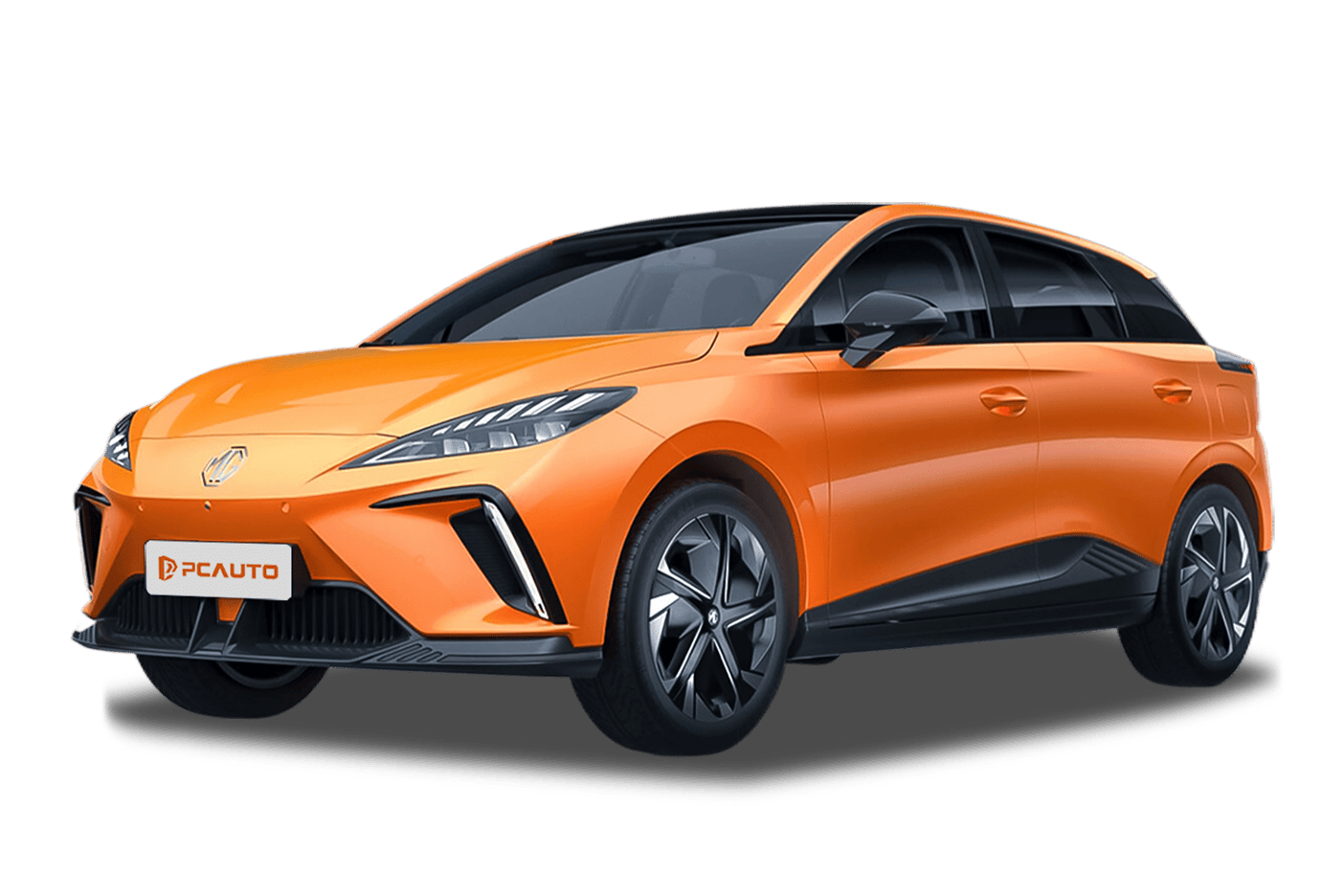
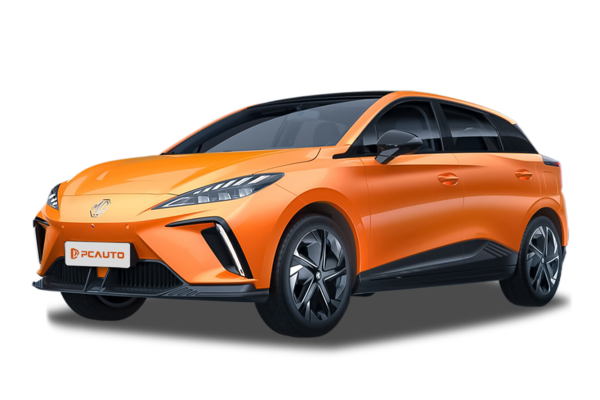
2024 MG4 Standard is a high-value pure electric hatchback, featuring a long wheelbase with spacious interior, comprehensive basic configurations, and rear-wheel-drive driving characteristics, designed to meet the core needs of family commuting.
11
Rank in Hatchback
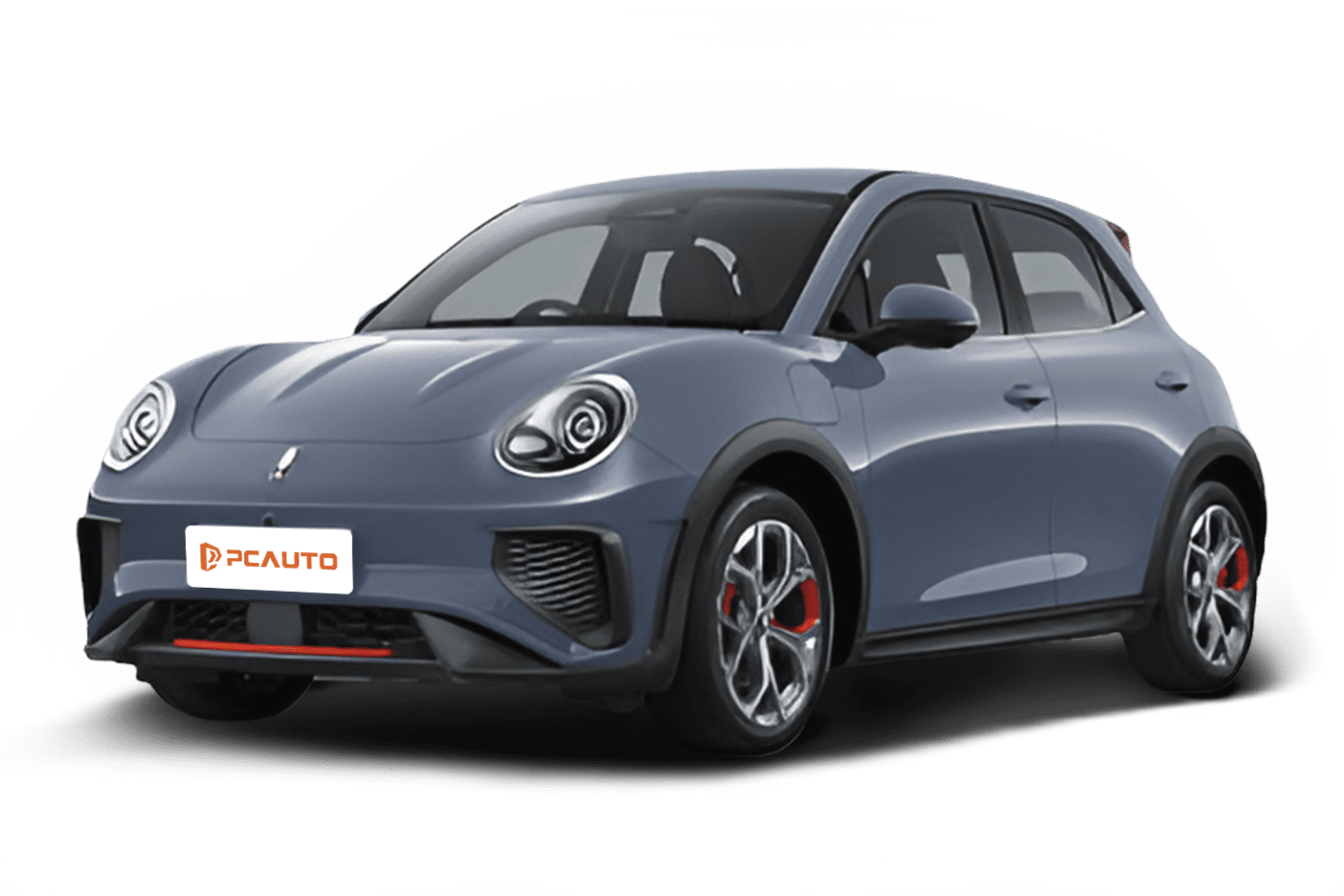
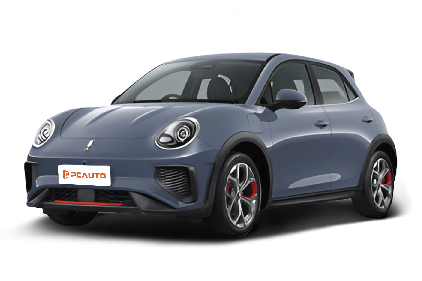
2025 ORA Good Cat Ultra features a retro design for distinctiveness, paired with a 480km range, rich intelligent safety configurations, and practical space, making it a cost-effective B-class electric commuting choice.
9
Rank in Hatchback
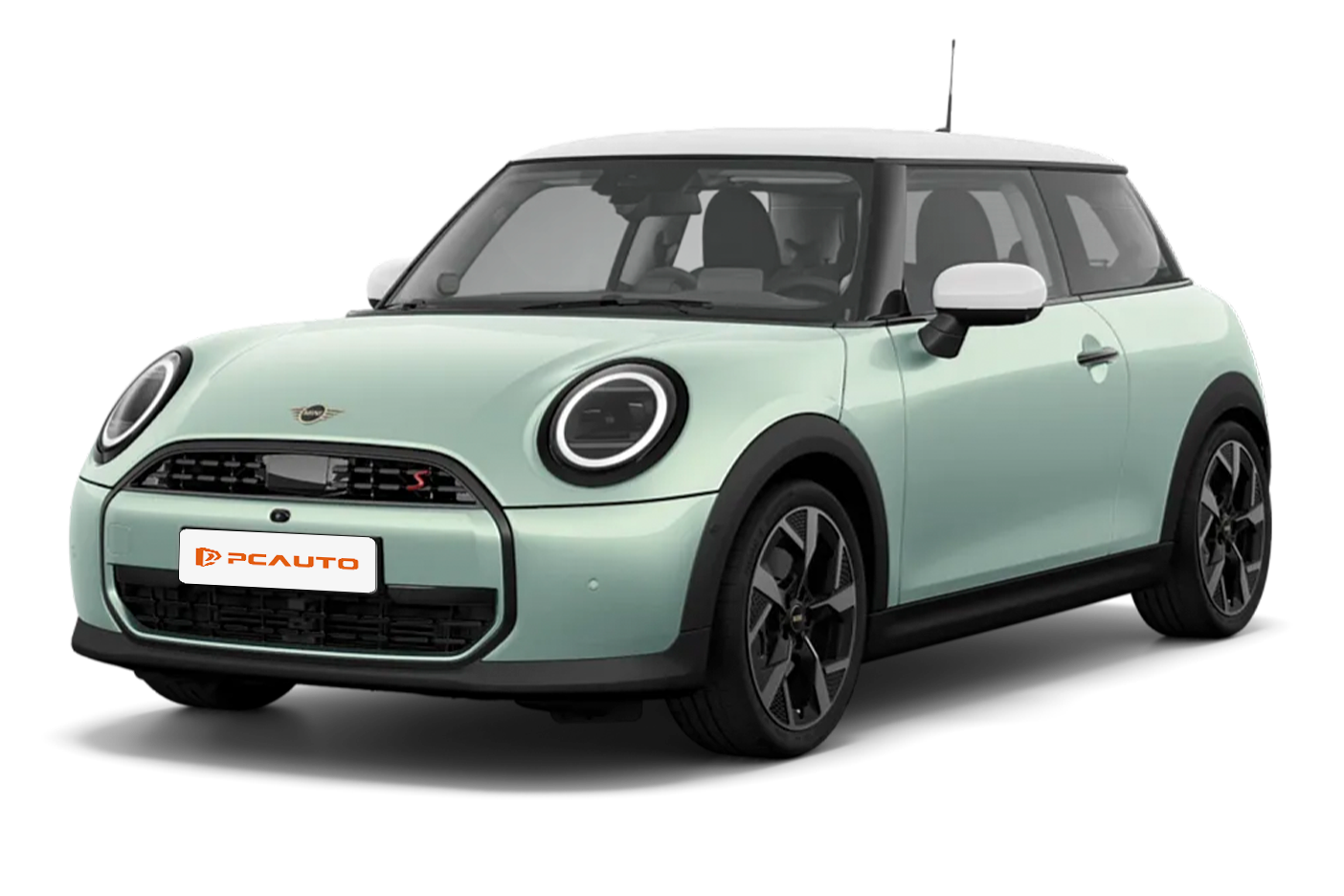
2025 MINI 3 Door John Cooper Works Electric is a B-segment pure electric performance small car that inherits MINI's driving DNA, offers direct acceleration with pure electric drive, features a classic and sporty design, and balances practicality.