

Ford Fiesta 2022 Review

 Share
Share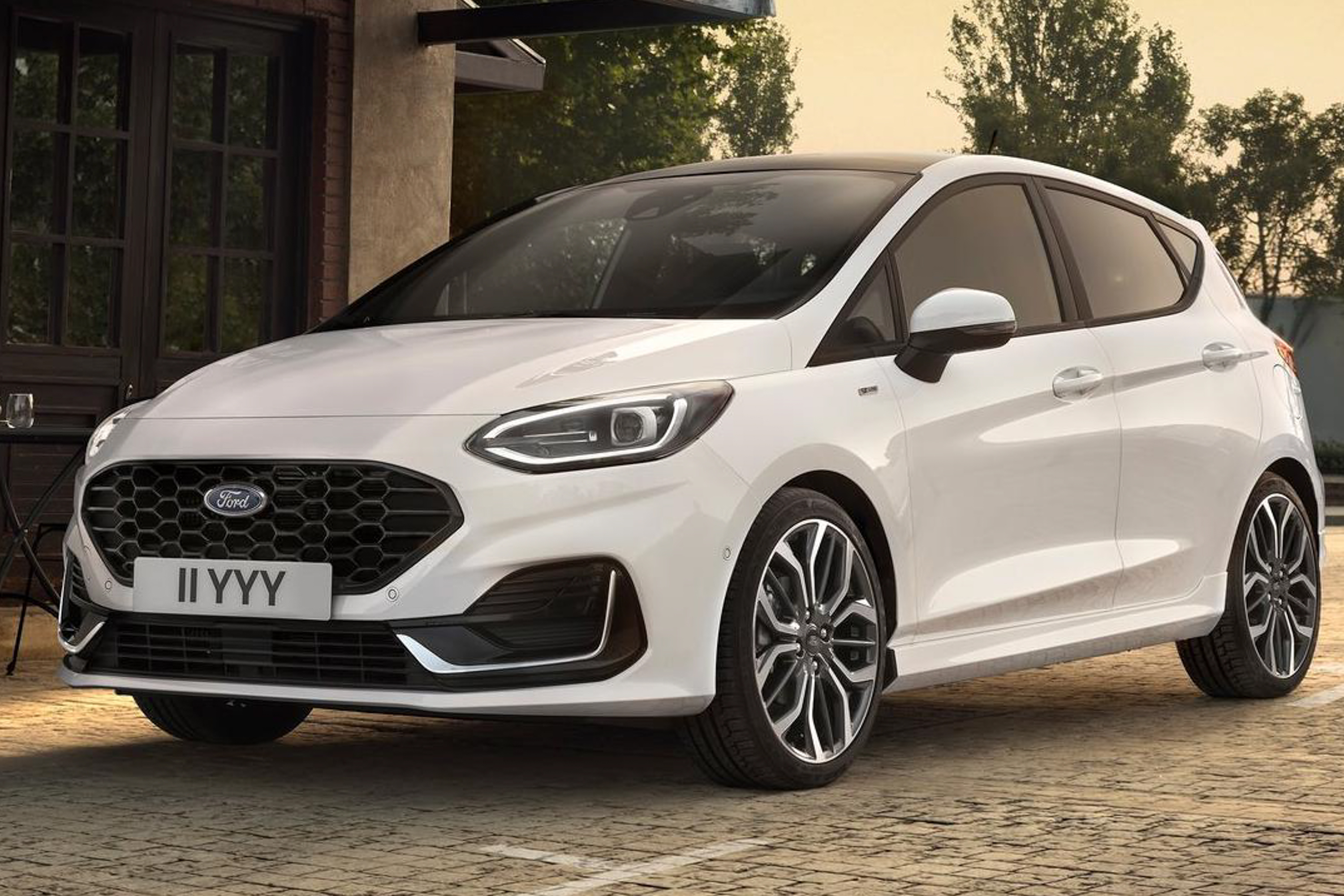
 Body Type
 Segment
 Capacity(L)
 Engine Power(PS)
 Engine Torque(Nm)
 Transmission
In the past two years, the local small hatchback market remains highly competitive. Consumers want both a flexible and easy driving experience for urban commutes while demanding higher requirements for features and cost-performance—after all, no one wants to choose between "adequate" and "comfortable." The 2022 Ford Fiesta is a popular choice in this segment, focusing this time on precise dynamic tuning and practical configuration upgrades, perfectly catering to the core needs of young families and commuters. The main purpose of our test drive this time is to verify whether it truly delivers in terms of daily driving, space utilization, and cost-effectiveness.
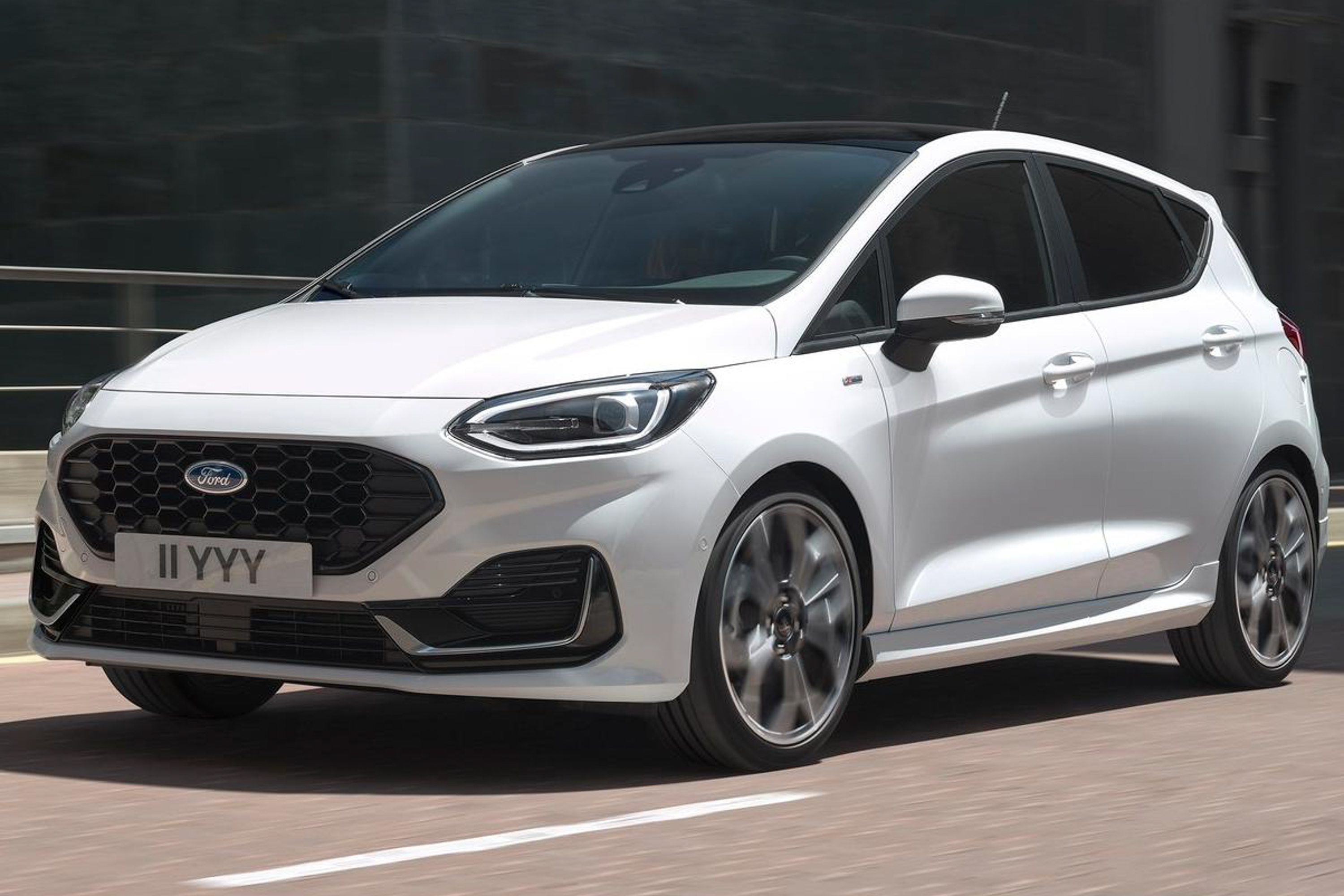
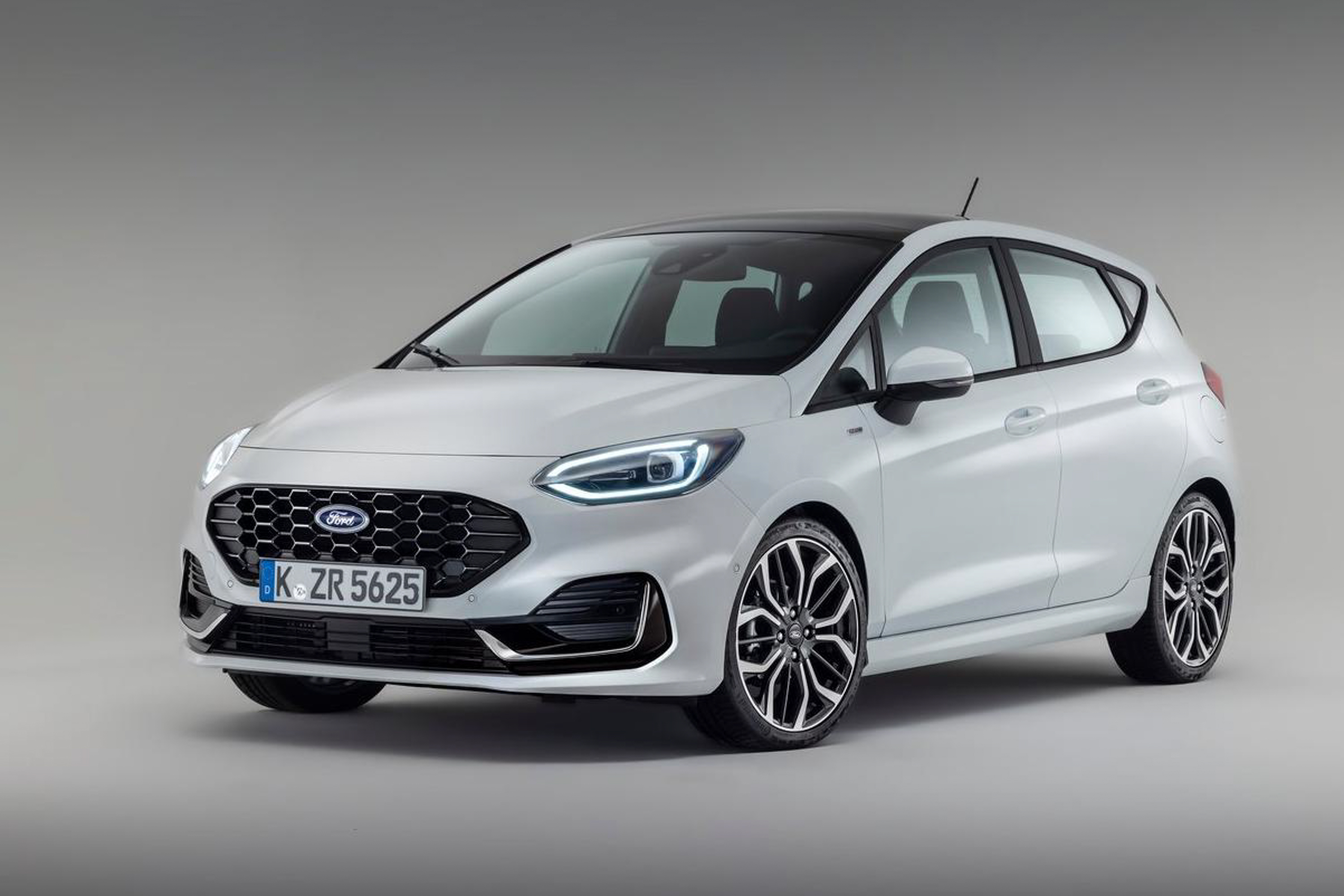
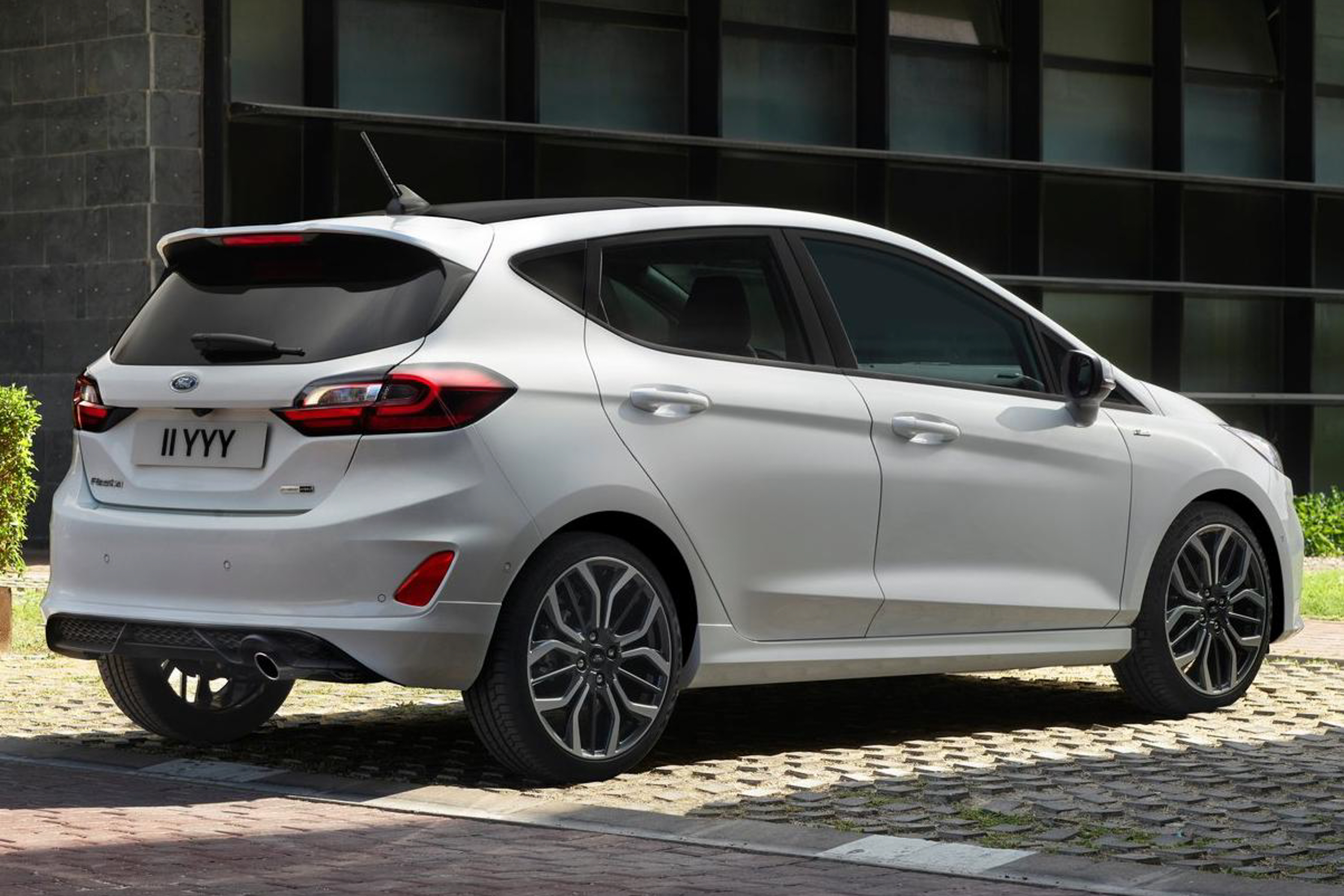
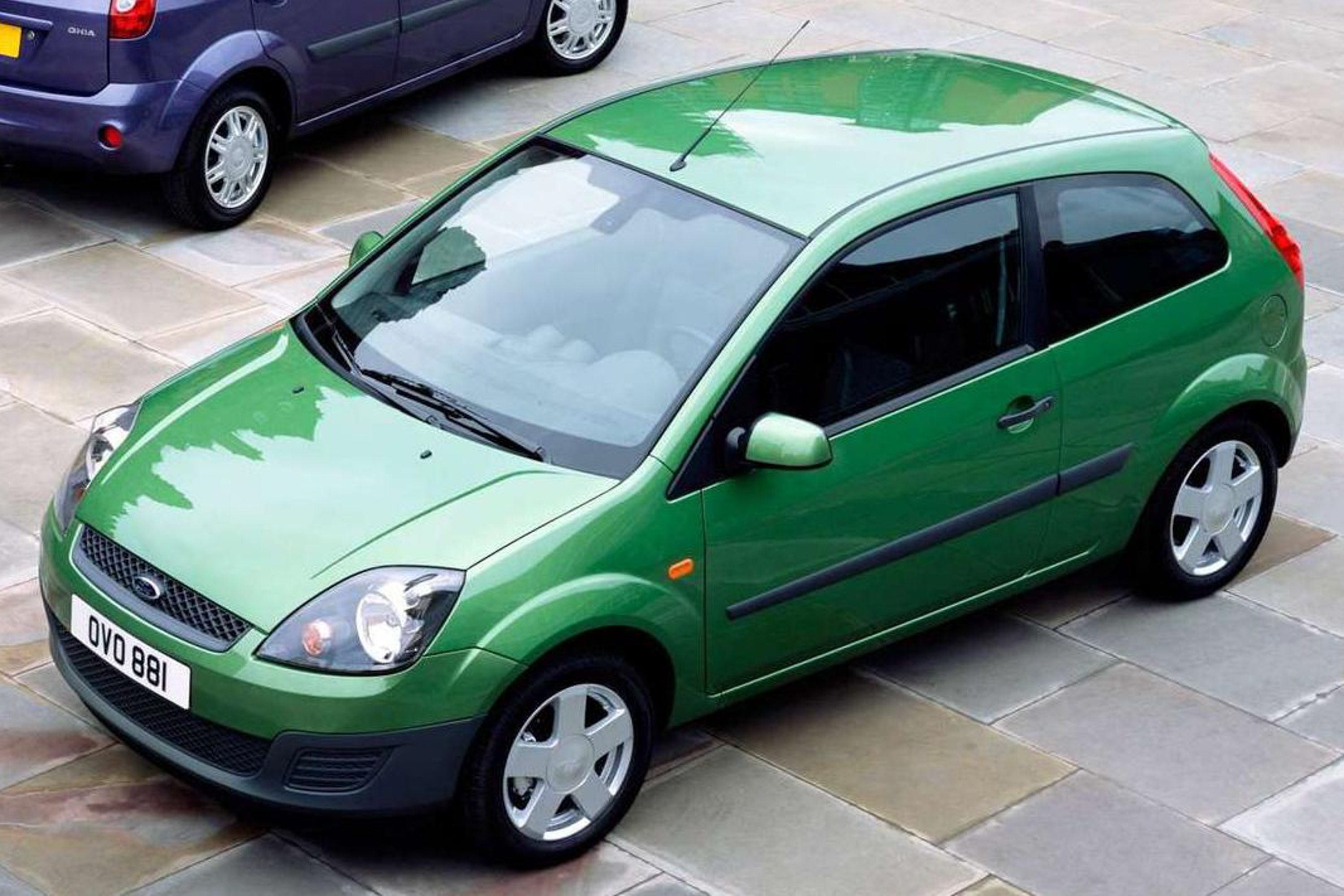
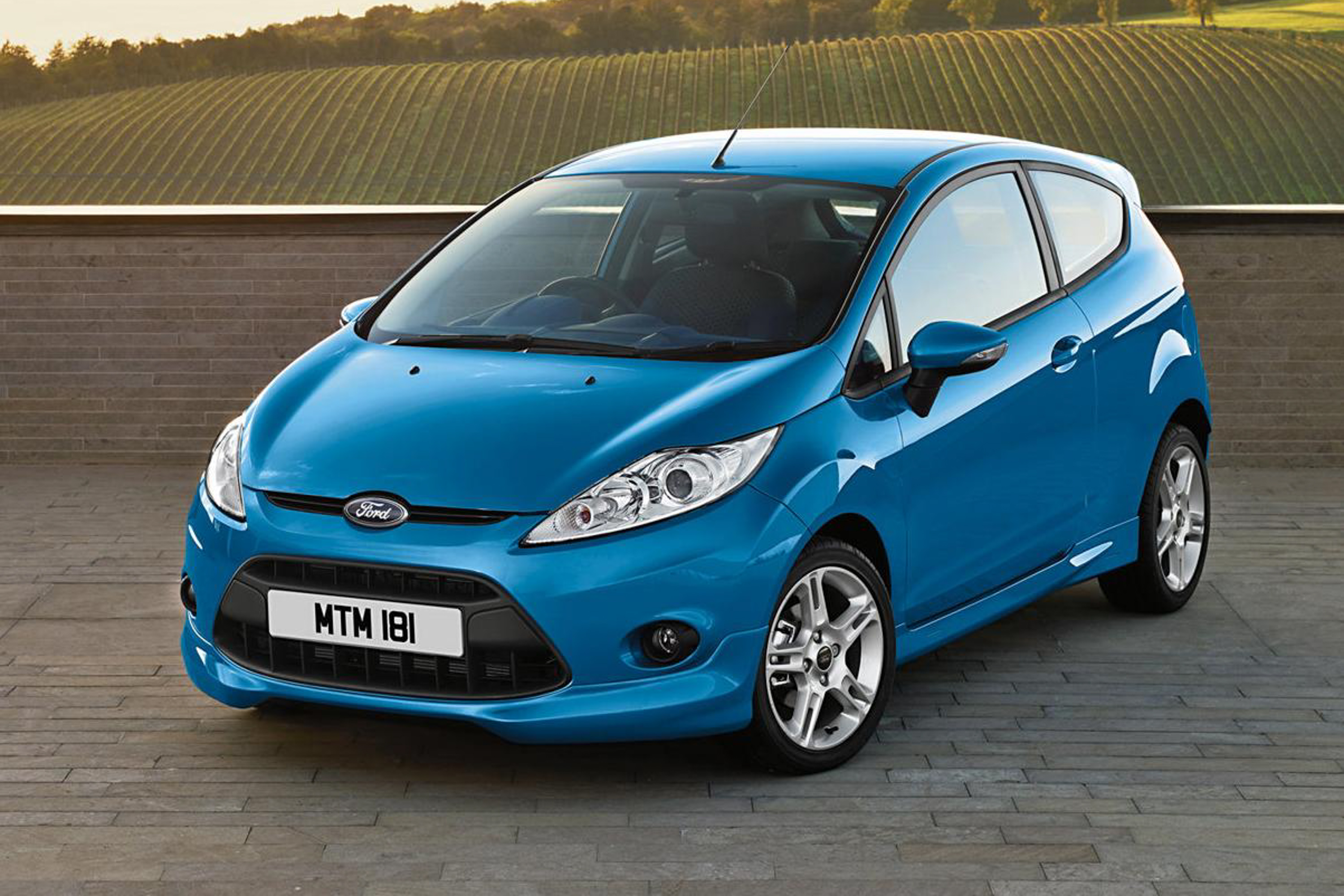
Starting with the exterior, the overall design adopts a refined and sporty style. It doesn’t go for overly aggressive elements, but the details are distinct enough. The front features Ford's signature large trapezoidal grille, filled with a black honeycomb trim, paired with angular LED headlights on both sides, giving it a lively visual appeal. The side profile of the car has smooth lines, with a contour line flowing from the front fender to the rear, which is not particularly sharp but adds some layering to the side. The 16-inch multi-spoke alloy wheels come as standard; the design is pretty conventional but durable enough. The rear design is relatively simple: the LED tail lights on each side are connected by a slim chrome trim, with a slightly upturned ducktail and a black diffuser decoration below, adding minor sporty touches. The performance of the lighting system is noteworthy—the range and brightness of the headlights are adequate for night commutes, and the tail lights’ illumination is clear, enhancing visibility for vehicles behind.
Once inside, the interior layout focuses on practicality without any flashy designs, but the material choices and craftsmanship are above average in the same class. The upper part of the dashboard is covered with soft-touch plastic material, with no cheap hard plastic feel where hands frequently come into contact. The 8-inch floating central control screen serves as the visual focus, with decent resolution and responsive touch. The built-in SYNC 3 smart system supports Apple CarPlay and Android Auto connectivity, making navigation and music streaming with a phone very convenient. The steering wheel adopts a three-spoke multifunctional design, with media and phone controls on the left and cruise control on the right. The button feedback is moderate, ensuring ease of operation without looking. The seats are made of fabric materials; the cushioning is not extremely soft, but the support is excellent. The driver’s seat supports 6-way manual adjustments, while the passenger seat allows 4-way manual adjustments, making it easy to achieve a comfortable sitting posture. In terms of features, basic amenities like automatic air conditioning, rear air vents, and USB charging ports (two each at the front and rear) are all included, which are sufficient for daily use.
For space performance, the vehicle dimensions are 4040mm×1735mm×1476mm, with a wheelbase of 2493mm, which falls within the standard range for small hatchbacks. The front-row seating space is relatively spacious; a 175cm tall passenger will still have a fist and two fingers’ worth of headroom left, and legroom is ample. The rear seating is relatively compact; passengers with the same height will have just about a fist-sized headroom and only a fist worth of legroom—long rides might feel a bit cramped, but it’s fine for short trips like dropping off kids or friends. The trunk space has a standard capacity of 292L, which can be expanded to 1093L by folding the rear seats. It can fit two 20-inch suitcases along with some miscellaneous items, meeting storage needs for daily shopping or short road trips. The storage compartments are also quite practical—the door panels have storage slots that can hold two bottles of water, the central armrest box can fit a phone and wallet despite its small size, and there are also storage pockets on the back of the front seats. The attention to detail is impressive.
For the powertrain, the model we test-drove is equipped with a 1.5L naturally aspirated engine, with a maximum power output of 88kW (120PS) and a peak torque of 153N·m, paired with a 6-speed automatic transmission. The parameters are not particularly outstanding in the same segment, but the actual performance is very smooth. The power response during acceleration is quite prompt; with a light press on the accelerator, you can feel the power output, and it doesn't feel sluggish. During acceleration, the transmission's shift logic is clear, and gear shifting is quite proactive. Acceleration under 80km/h is very linear, making it suitable for city commuting. When switched to Sport mode, the transmission delays gear upshifts and maintains the RPM above 2500, providing better power reserve. When overtaking at high speed after reaching 100km/h, although the power output is not very aggressive, it doesn't feel laboring during overtaking.
Handling and suspension have always been traditional strengths of the Fiesta, and this time it doesn't disappoint. The steering wheel feels very precise, with minimal play. It responds exactly as much as you input and provides the driver with enough confidence when cornering. The suspension system consists of a front MacPherson strut and a rear torsion beam, tuned to lean towards sportiness but also taking comfort into consideration. When driving over speed bumps or uneven road surfaces, the suspension quickly filters out most vibrations, without feeling loose. During cornering, the suspension supports the body well, controlling body roll effectively so it doesn't affect driver confidence. Regarding specific tests, we measured fuel consumption under mixed driving conditions. In city traffic, it consumed about 7.2L/100km, on highways 5.8L/100km, and its combined fuel consumption was 6.5L/100km—these figures are quite fuel-efficient in the same class. The braking performance is also commendable, with a braking distance of approximately 38 meters from 100km/h to a standstill. The brake pedal feedback is linear, and the car body does not experience a noticeable nosedive during hard braking.
In terms of driving comfort, the noise control is quite well done. At speeds within 60km/h, the engine noise inside the car is almost inaudible, and tire and wind noise are also not prominent. Once the speed exceeds 80km/h, wind noise gradually increases, but it does not affect normal conversations. The comfort level of the seats has been mentioned earlier; they provide good support, and long drives won't cause back pain. The air conditioning system performs well, capable of cooling the car interior within a few minutes, even under Malaysia's hot weather conditions, and the rear air vents take care of rear passengers' comfort as well.
To summarize, the 2022 Ford Fiesta public has clear core advantages: solid dynamic tuning, agile handling suitable for city commuting, practical interior materials and features, and no significant shortcomings. Although the space is not large, it sufficiently meets the daily needs of young families. Its fuel economy is commendable, with low running costs. Compared with competitors in the same class, it has an advantage in handling and suspension tuning over the Honda Fit and offers richer features compared to the Toyota YARiS. Overall, this car is an excellent choice for budget-conscious, young families focusing on daily driving experience and practicality or for daily commuting professionals. While it does not have particularly outstanding highlights, it also doesn't have any obvious drawbacks, making it a well-balanced car for everyday use. If you're looking for an easy-to-drive, fuel-efficient, and well-equipped compact hatchback, the Fiesta public is worth putting on your shortlist.
Ford Fiesta Car Compare

Cars With Similar Price And Features
4
Rank in Hatchback
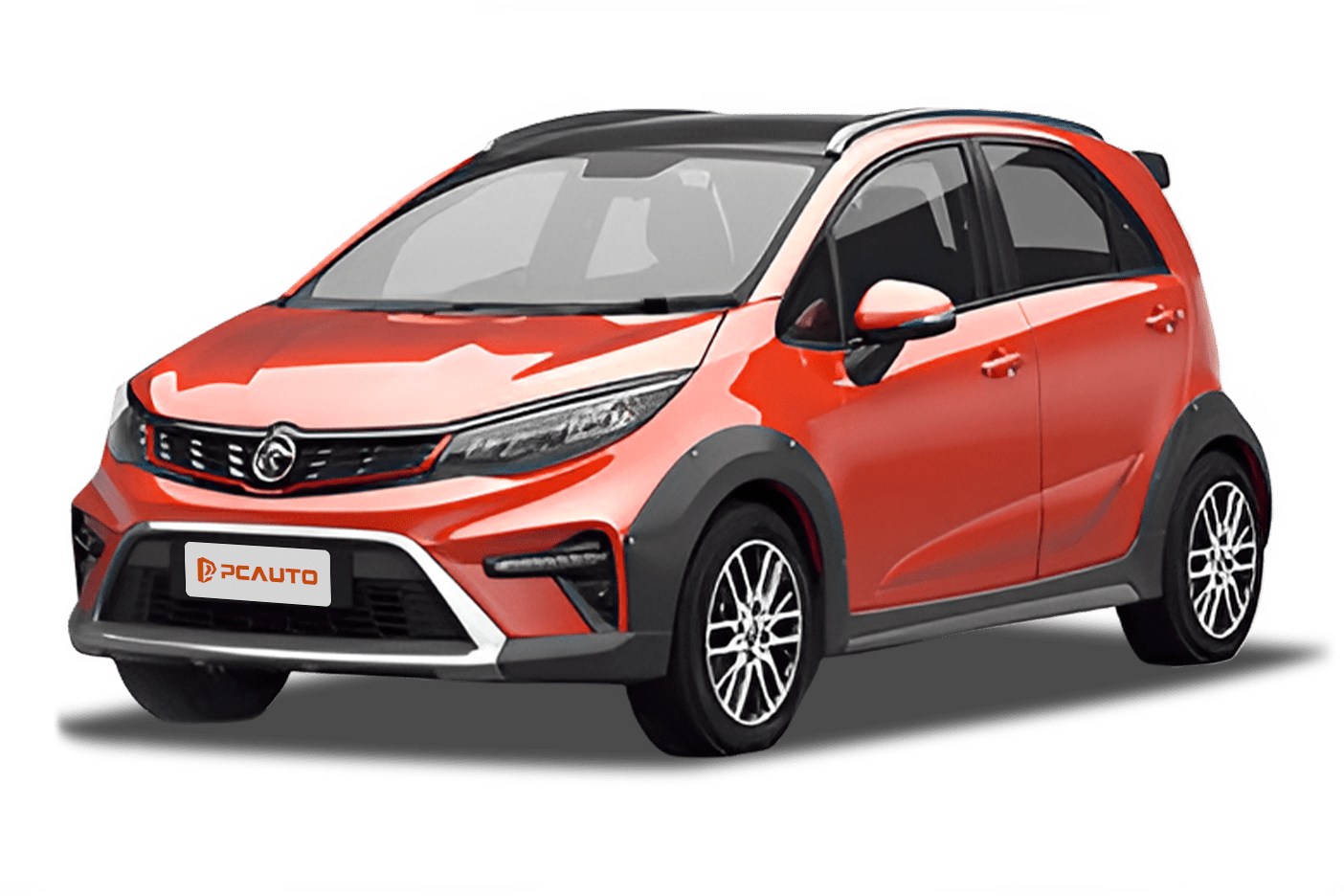
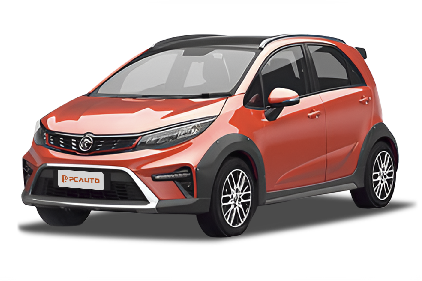
2023 Proton Iriz 1.3 Standard CVT is an affordable, well-balanced entry-level B-segment hatchback with safety features, suitable for budget-conscious families focusing on safety and practicality for daily commuting.
2
Rank in Hatchback

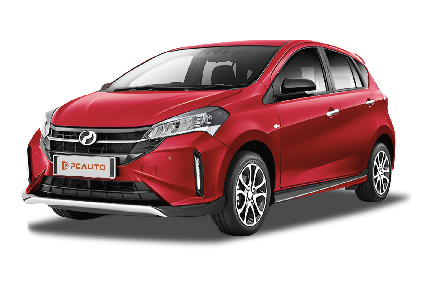
2023 Perodua Myvi 1.3 G with PSDA is an affordable B-segment hatchback, combining practical space, basic features, and PSDA safety assistance, suitable for family commuting.
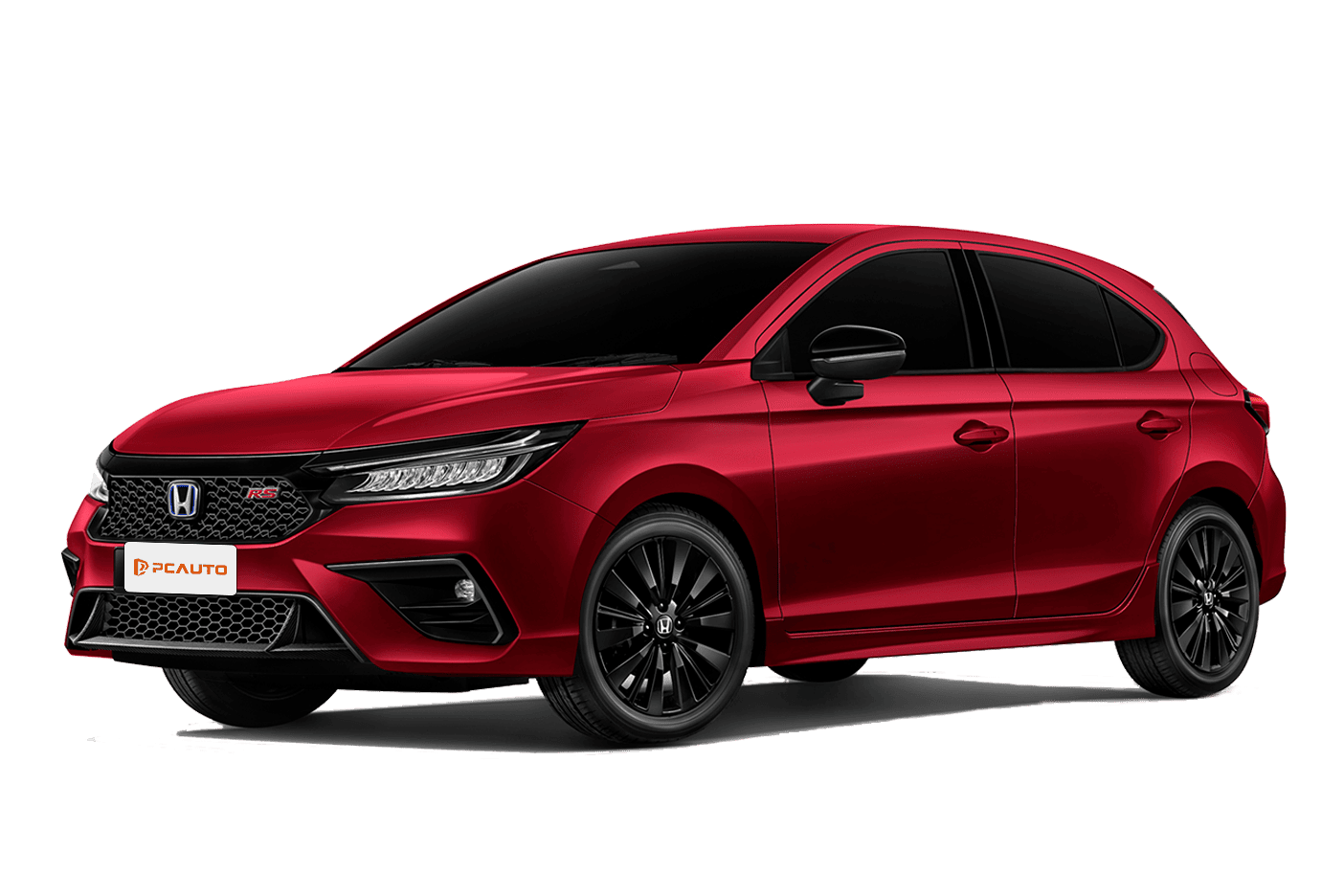
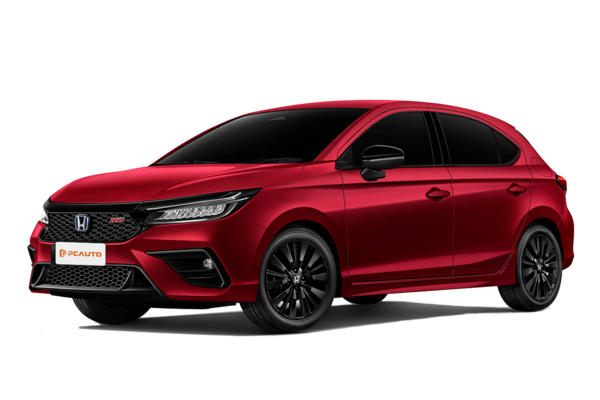
2024 Honda City Hatchback 1.5 S, as a high-value entry-level hatchback, comes standard with Honda Sensing and 6 airbags, offering practical space, economical fuel consumption, and balancing safety with daily commuting needs.
3
Rank in Hatchback
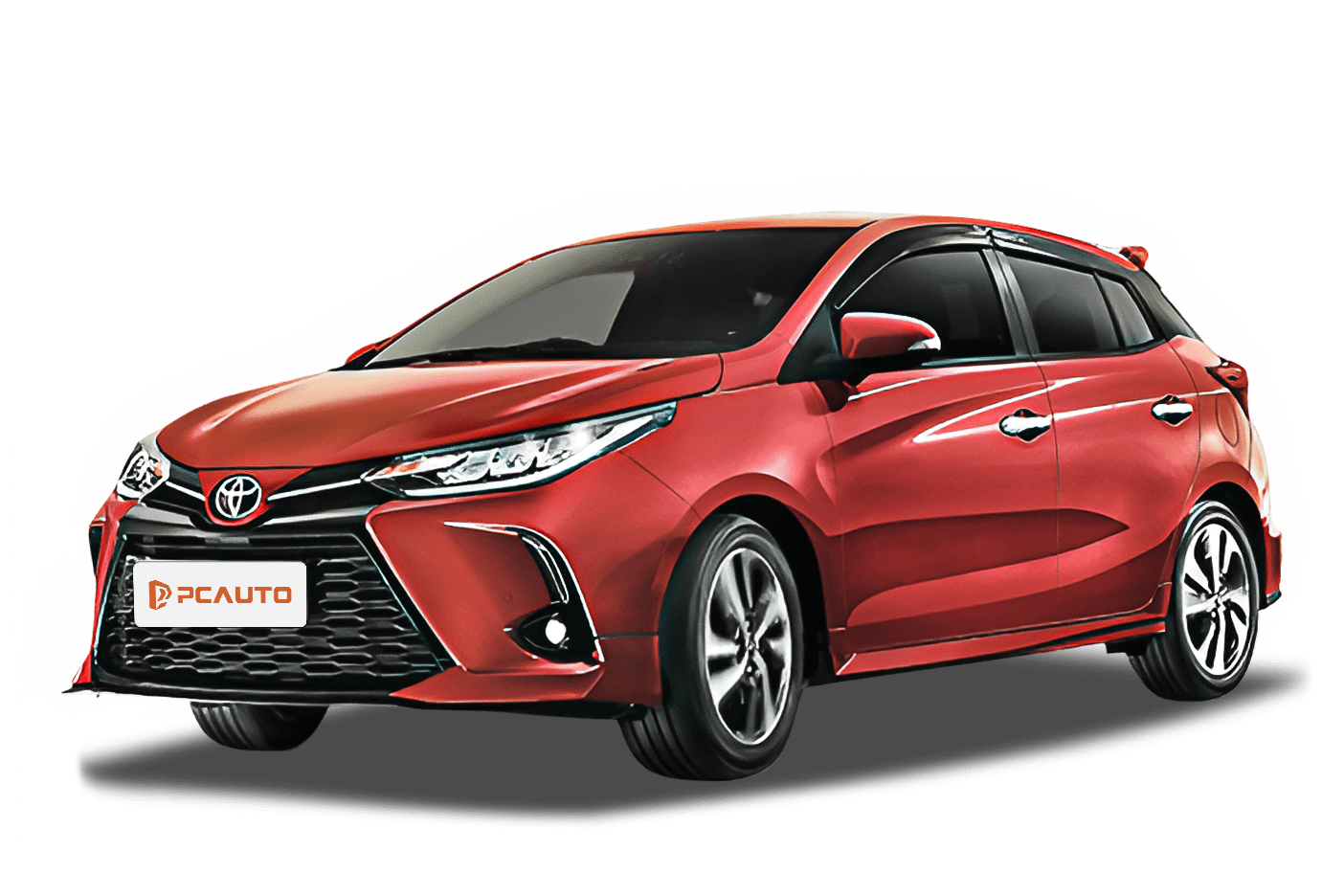
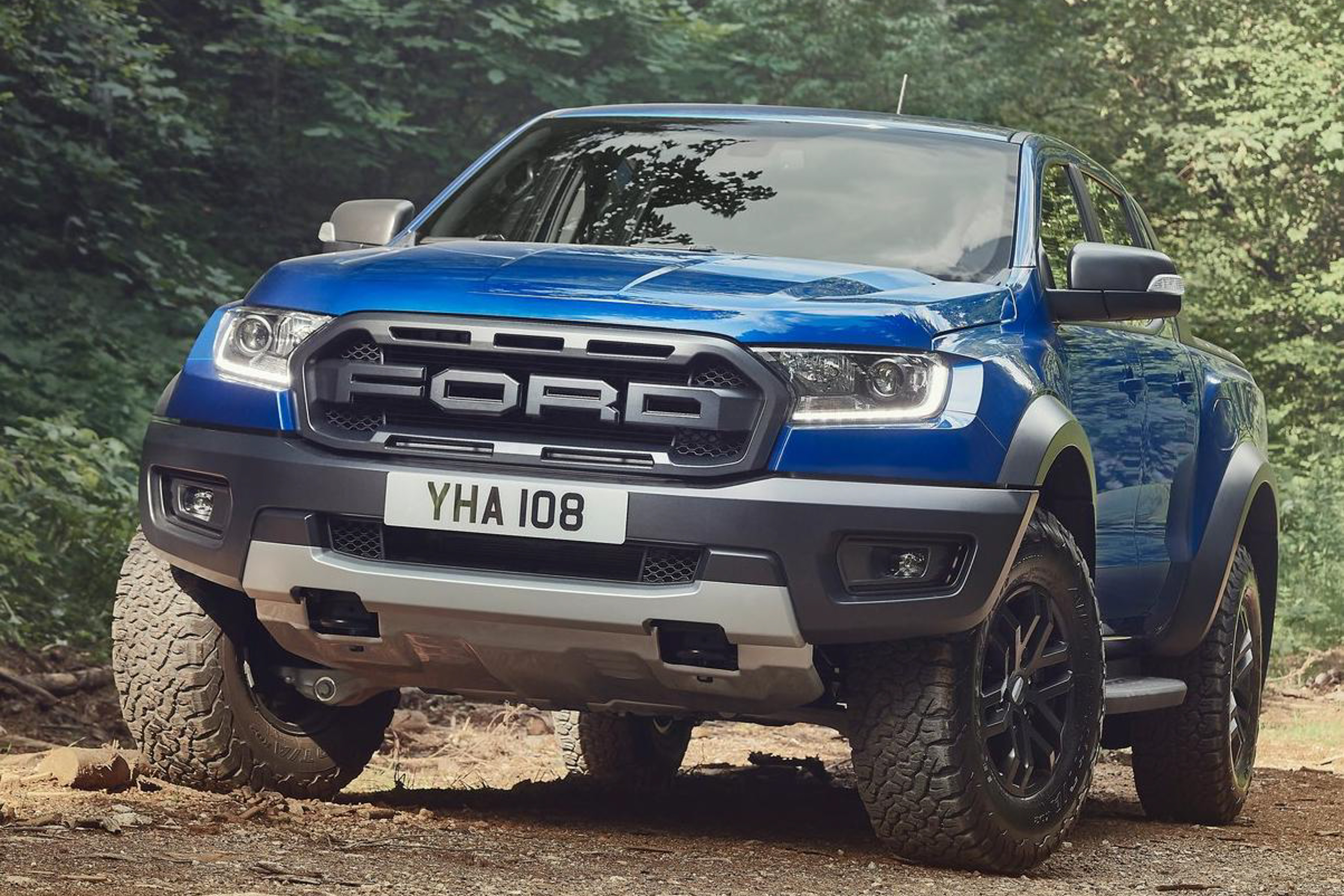
2024 Toyota Yaris 1.5E serves as the main entry-level household model, emphasizing durability, upgraded with a 360-degree parking camera and Optitron instrument panel. Its practical space, smooth power delivery, and high cost-performance ratio align well with family commuting needs.