

2017 Hyundai Sonata 2.0 Executive Review

 Share
Share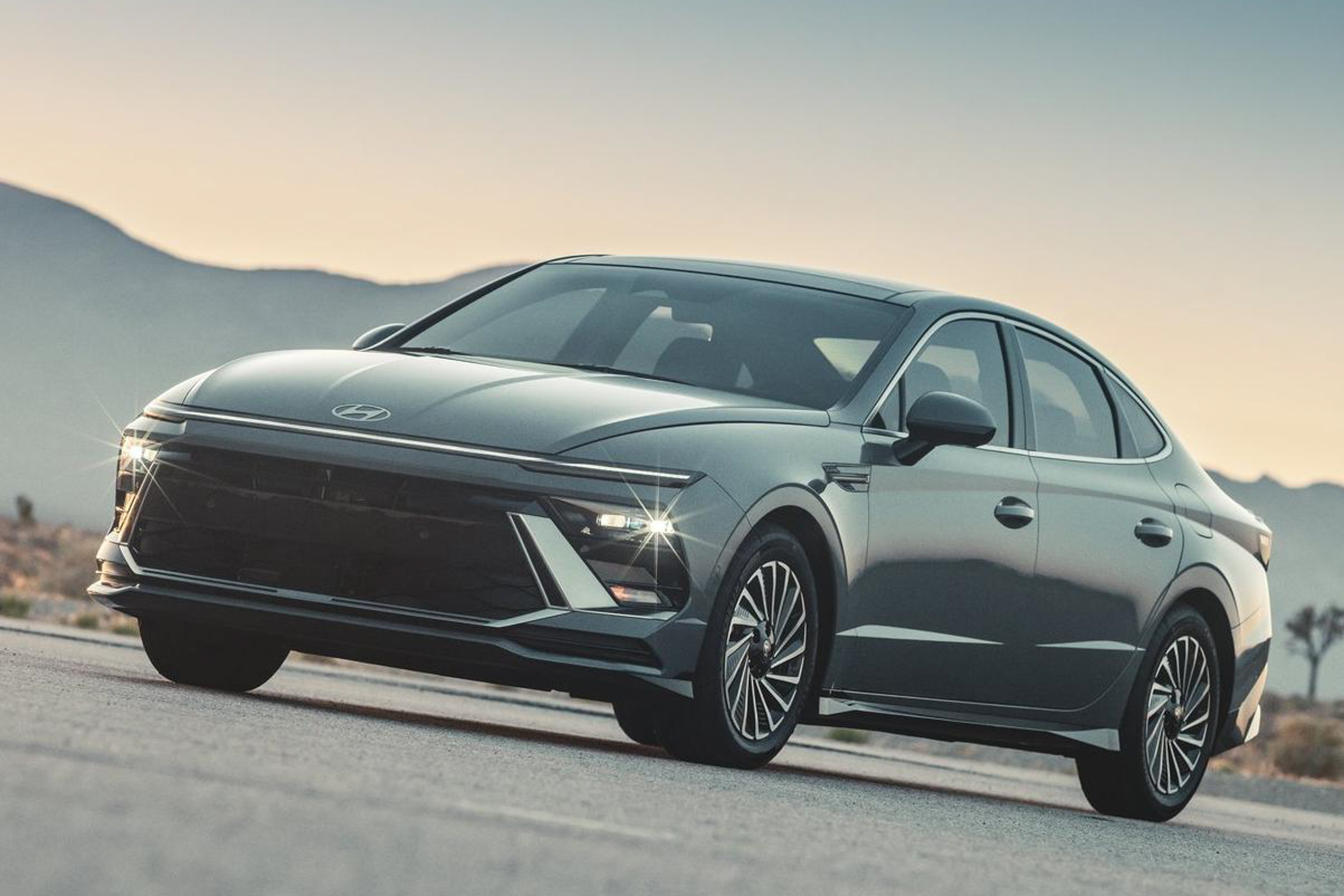
 Segment
 Body Type
 Capacity(L)
 Engine Power(PS)
 Transmission
 Driven Wheels
Nowadays, consumers in the D-Segment sedan market are becoming increasingly pragmatic—they want enough space and features to meet family needs but are unwilling to pay for overly excessive "useless features." The 2017 Hyundai Sonata 2.0 Executive happens to hit this sweet spot: as one of the few models in this segment that balances a long 5-year/300,000-kilometer warranty, abundant comfort features, and mainstream performance, can it hold its ground in the competitive market? This time, we will verify its actual performance through a static experience and a dynamic test drive.
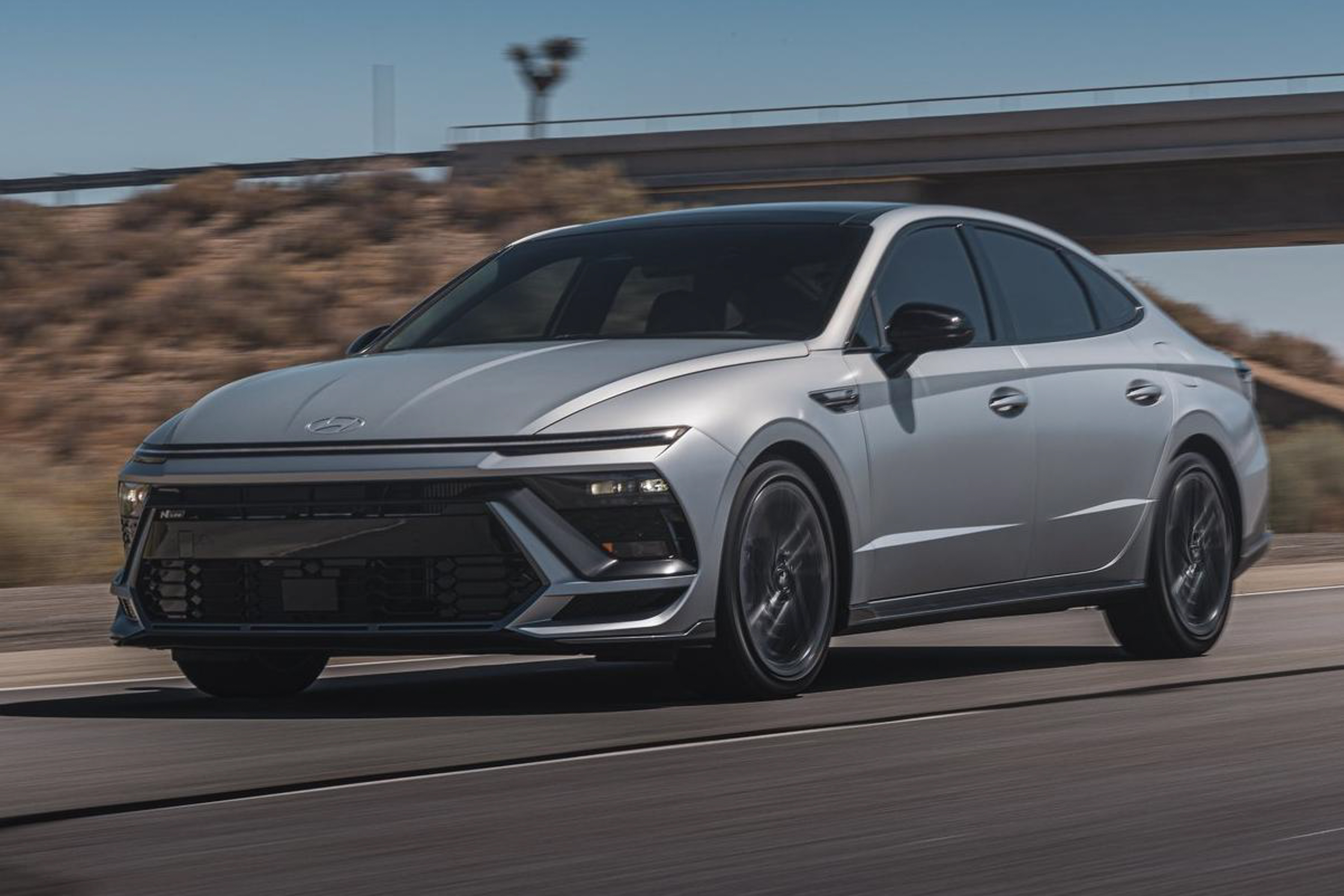
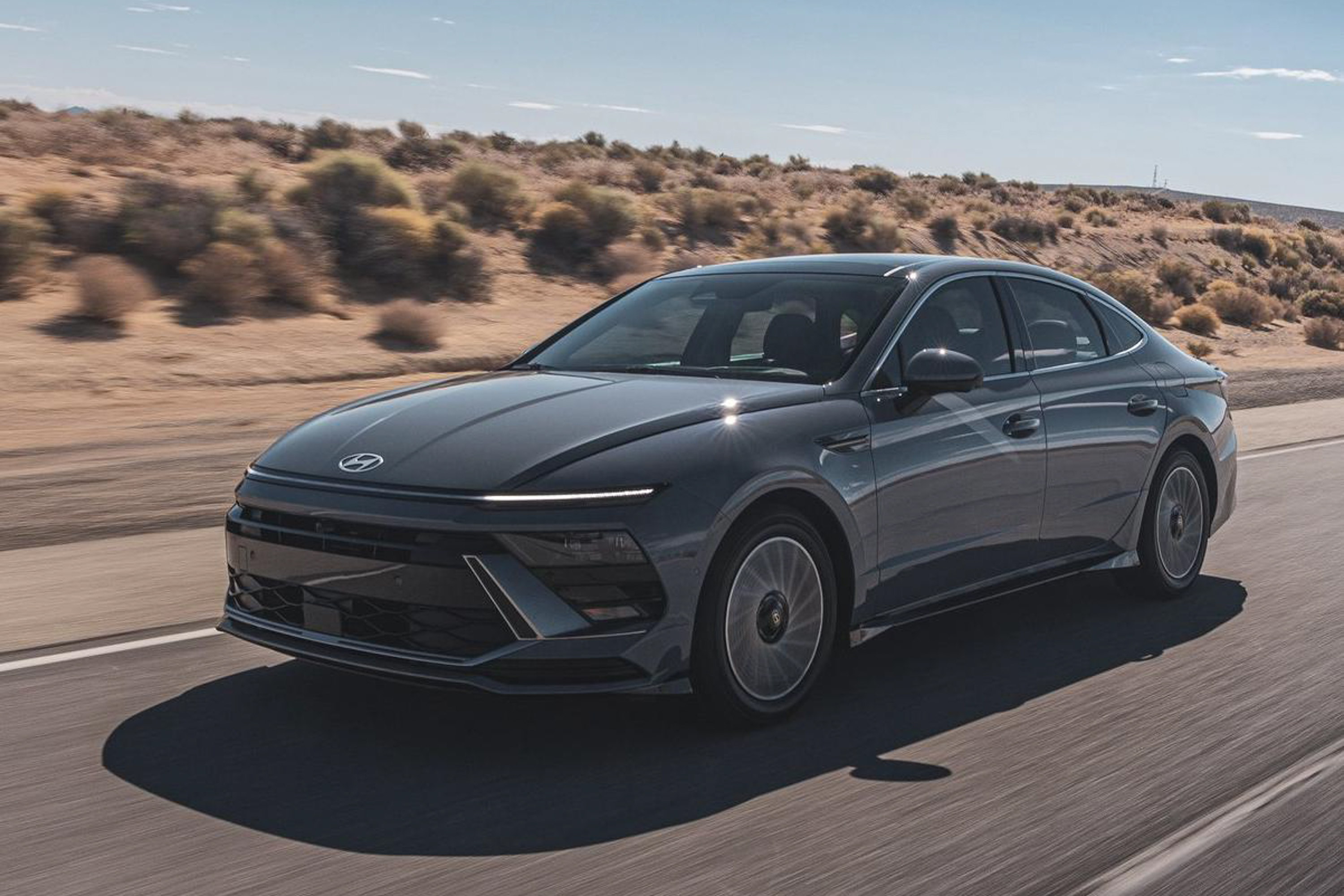
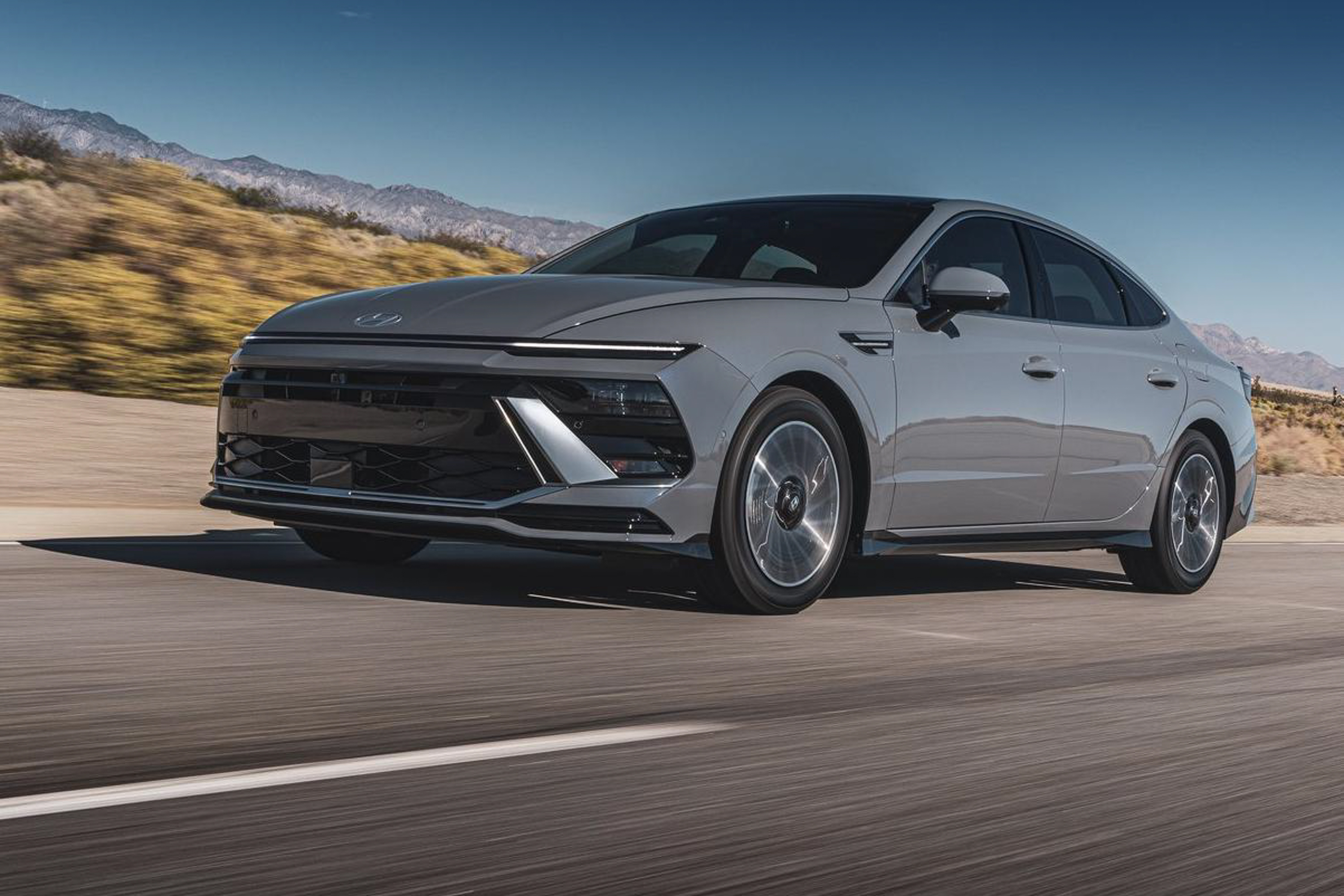
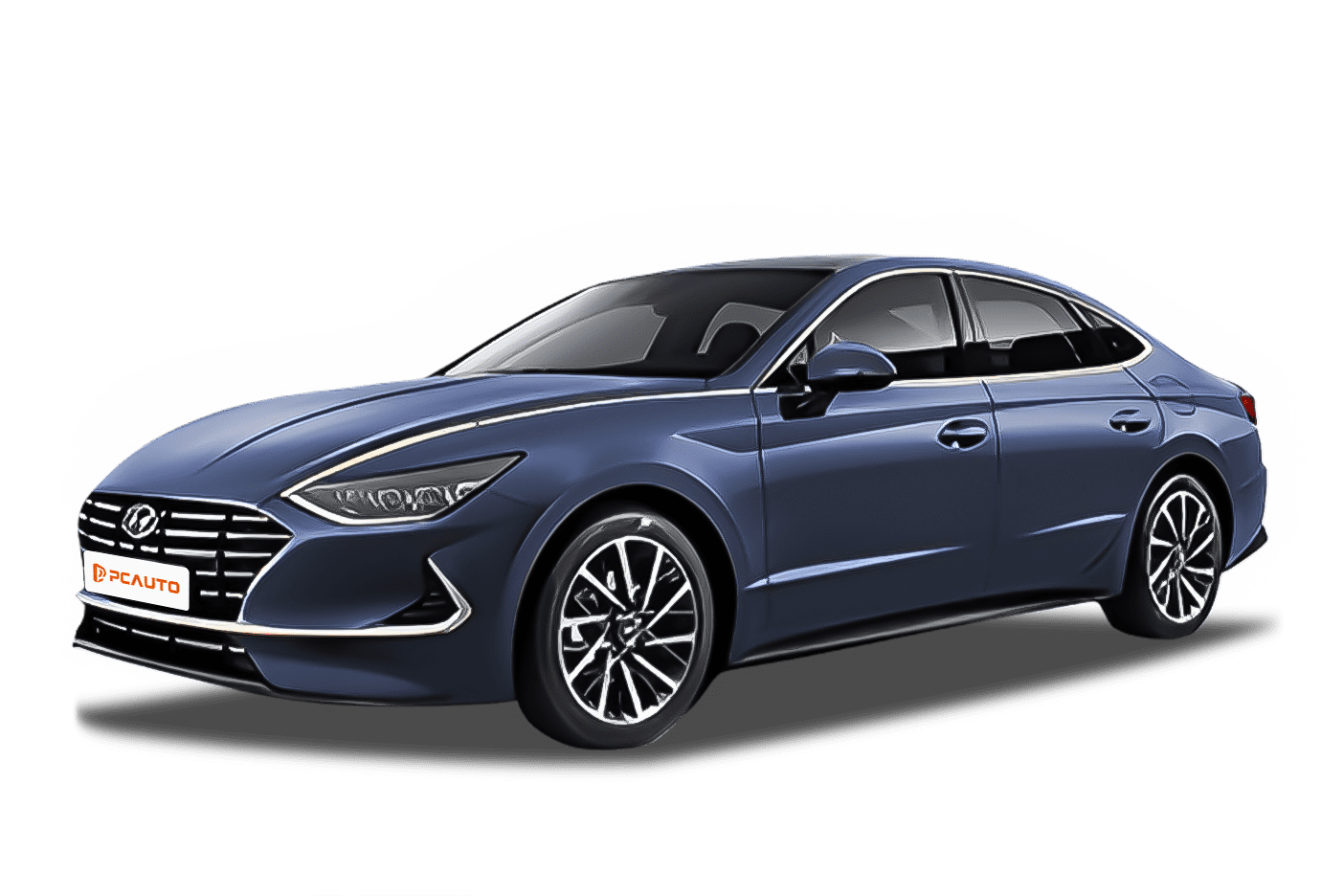
From the exterior, the design of the Sonata 2.0 Executive leans towards being stable yet does not lack details. The front adopts the family-style hexagonal grille with chrome accents, providing good recognition; the side profile is smooth, with a waistline extending from the hood to the tail, preventing the side view from looking monotonous. The 18-inch wheels are considered mainstream in this segment and are paired with 235/45 R18 tires, which look visually balanced. The rear design is relatively simple, with LED taillight clusters echoing the shape of the front headlights. When illuminated, the effect is clear, and the rear fog lights enhance safety in adverse weather conditions. Overall, its exterior avoids overly aggressive designs, making it more suitable for users who prefer a timeless style.
Sitting inside, the first impression is that the interior layout is quite well-organized. The dashboard is covered with soft-touch materials and adorned with silver trims. Although not offering luxury car levels of refinement, it is considered decent in its price range. The instrument panel is of the Electroluminescent Analogue type, which provides clear displays and easy-to-read information. The multifunction steering wheel has a reasonable button layout, allowing operations without looking down. There are several highlight features in terms of configuration: the front seats offer 12-way electric adjustment for the driver's seat and 8-way electric adjustment for the passenger seat, making it easy to find a comfortable posture. The dual-zone automatic climate control, along with rear air vents, takes care of temperature needs for both front and rear passengers during family trips. Additionally, practical features like keyless entry/start, electrically folding side mirrors, and a single sunroof are provided. Although the size of the central control screen is not particularly large, it supports front and rear parking cameras, which are very beginner-friendly.
Space performance is one of the advantages of the Sonata 2.0 Executive. The body dimensions are 4855mm/1865mm/1475mm (length/width/height), with a wheelbase of 2805mm, which positions it as slightly above the mainstream level within the D-Segment. The front-row seating space is ample; a 180cm-tall passenger will have more than a fist of headroom and legroom. The rear seating space is even more impressive, with a passenger of the same height enjoying about two fists of legroom and one fist of headroom, ensuring comfort even on long rides. In terms of storage capacity, the trunk volume is 510 liters, capable of accommodating several suitcases with ease. The rear seats support a 60:40 split-folding design, allowing for expanded space when loading larger items. The cabin storage options are also quite abundant; door panel storage slots, the central armrest box, and the glove box all have sufficient capacity for daily use. The front also comes equipped with a 220V/230V power outlet to conveniently charge laptops and other devices.
In terms of power, the Sonata 2.0 Executive is equipped with a 2.0L naturally aspirated engine, with a maximum power output of 154PS/6200rpm and a maximum torque of 191N·m/4000rpm, paired with a 6AT gearbox. During actual driving, the power delivery at the start is relatively smooth, without the abruptness of turbocharged models, making it suitable for daily city commuting. At low to medium speeds, the transmission's shifting logic is clear, with proactive upshifts that keep the engine speed below 2000rpm, ensuring fuel efficiency. When accelerating hard, there is a noticeable delay in power delivery, but once the engine speed rises to 3000rpm, the torque output becomes more robust. As long as you anticipate and apply throttle early, it can meet overtaking demands. The official 0-100km/h acceleration time is 11 seconds, which is a normal level for naturally aspirated engines of the same displacement—neither fast nor slow, but practical enough.
As for handling and chassis performance, the front suspension features a MacPherson independent suspension system, while the rear suspension adopts a multi-link independent suspension, with settings focused on comfort. When driving on flat roads, the chassis filters out most minor bumps, providing passengers with a smooth ride with minimal vibration. On speed bumps or uneven roads, the suspension handles them cleanly without excessive rebound. The steering wheel has a moderate weight and limited free play; it feels light during everyday driving and becomes more stable at high speeds, offering enough confidence. However, during sharp cornering, the vehicle does exhibit noticeable body roll, as this is a family-oriented sedan, and handling is not its primary focus.
In terms of fuel consumption, during a week-long test in mixed driving conditions (approximately 60% city roads, 40% highway), the actual fuel consumption was around 8.5L/100km, slightly higher than the official figure of 7.9L/100km. Considering real-world driving factors such as traffic congestion and frequent air conditioning use, this result is still acceptable. The braking performance is fairly average. The brake pedal feels linear, not overly sensitive in the initial range, with sufficient braking force in the latter stage, making it easy to control during daily driving.
Regarding ride comfort, the Sonata 2.0 Executive delivers commendable performance. The seat padding is relatively soft with moderate support, ensuring a comfortable long-distance ride. Noise insulation inside the cabin is well-executed, with wind noise and tire noise at highway speeds kept within an acceptable range, ensuring that in-car conversations are not disturbed. Of particular note is its long warranty policy—5 years/300,000 kilometers, which is a significant advantage in its class, providing users with ample peace of mind.
In summary, the 2017 Hyundai Sonata 2.0 Executive has clear core advantages. First, its long warranty policy addresses concerns about long-term vehicle ownership. Second, it comes with a rich array of comfort features, such as power seats, dual-zone air conditioning, front and rear parking cameras, etc., to meet the daily needs of family users. Lastly, its spacious interior provides ample room, both in the front and rear seats. Compared to competitors in the same class, such as the Toyota Camry 2.0G or Honda Accord 2.0V, the Sonata 2.0 Executive offers better advantages in terms of features and warranty, while being more budget-friendly, highlighting its value-for-money appeal.
This car is most suitable for families who value practicality and cost-effectiveness—it doesn't require you to pay for "brand premium," yet it provides ample space, features, and reliability. If you’re looking for a D-Segment sedan that can meet your needs for daily commuting, family trips, and comes with low maintenance costs, the Sonata 2.0 Executive would be a good choice. It may not have particularly stunning highlights, but it excels in balance and practicality, like a reliable partner that quietly fulfills most of your needs for a family car.
Hyundai Sonata Car Compare
Hyundai Sonata Loan Calculator
More Hyundai Reviews
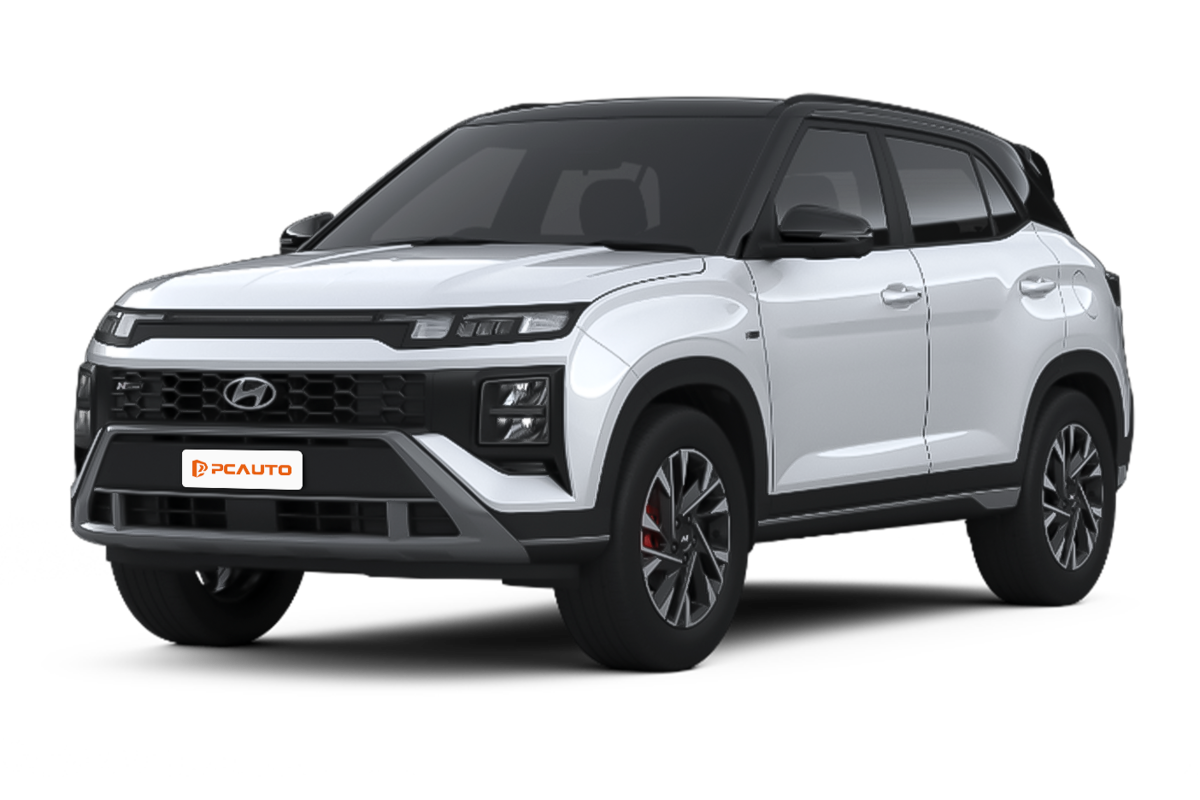
Cars With Similar Price And Features
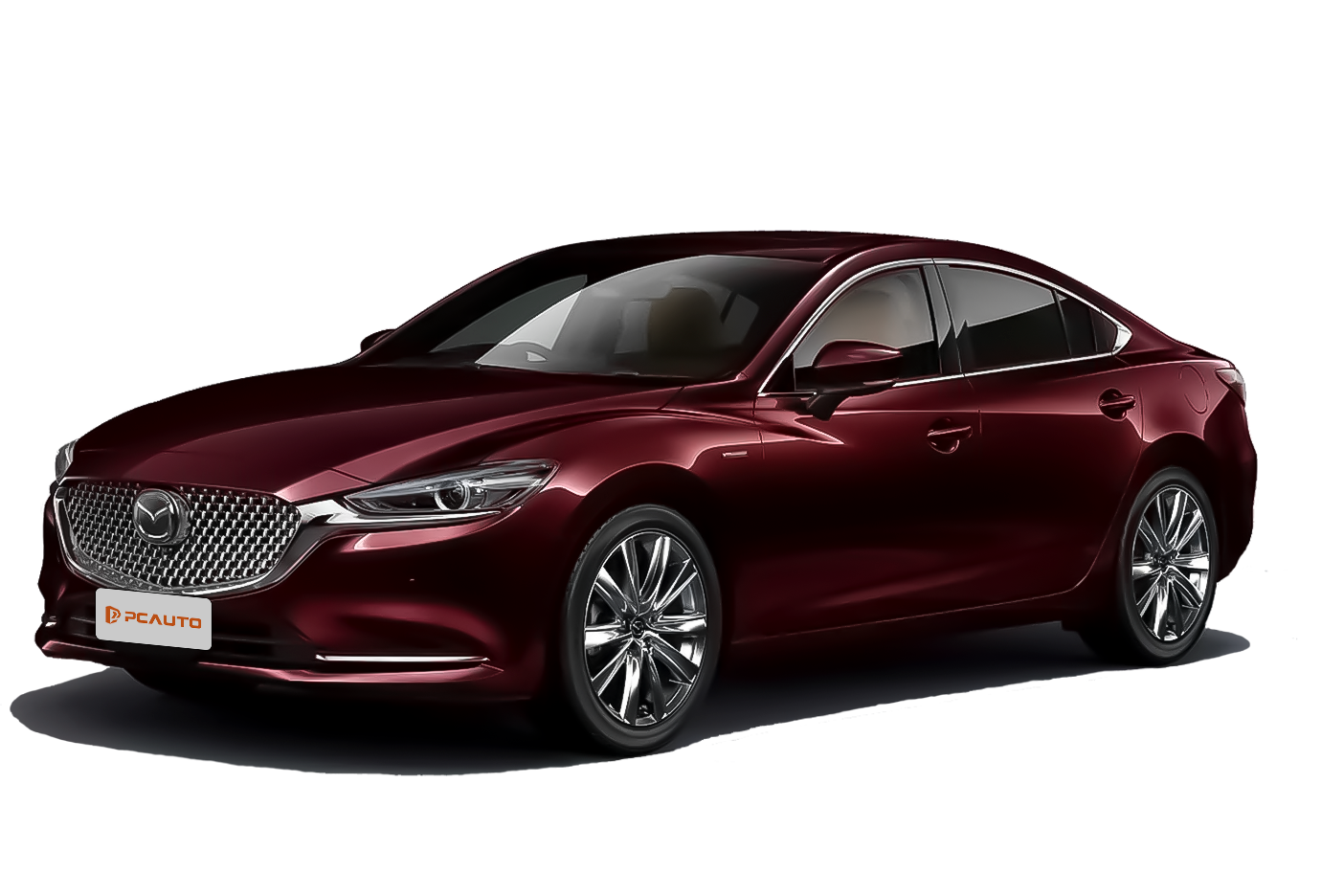
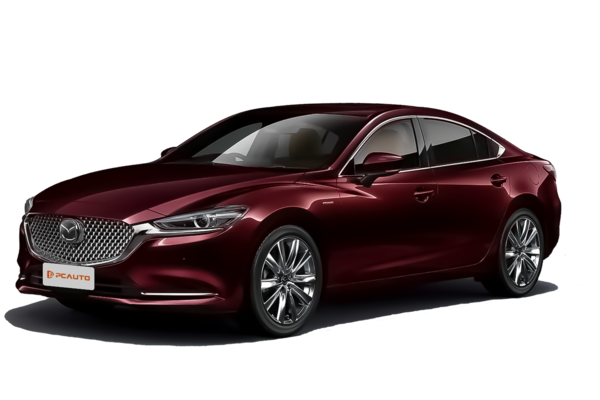
2023 Mazda 6 Sedan 2.0 SkyActiv-G meets the rational needs of family users for joint-venture quality, comfortable configurations, and fuel economy with its KODO design, practical space, and balanced driving control.

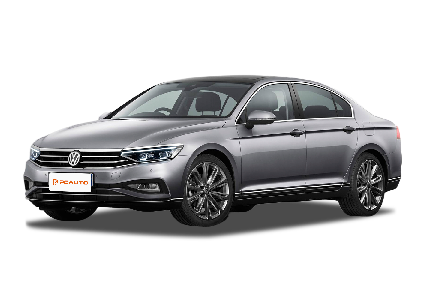
2022 Volkswagen Passat 2.0 TSI R-Line combines business elegance with sporty personality, featuring 220PS power, 14-way massage seats, and Harman Kardon audio system to meet the diverse needs of families and young professionals.
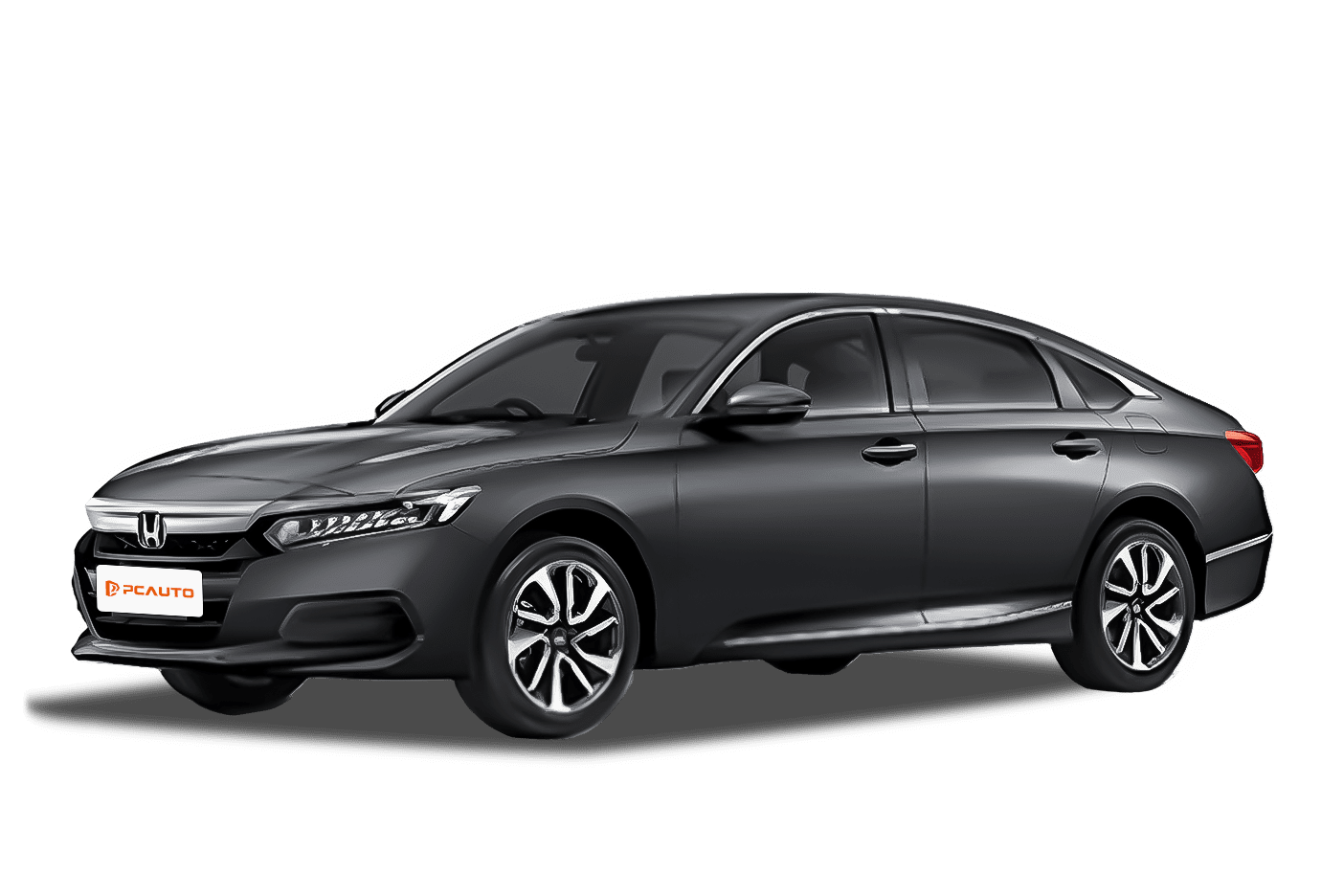
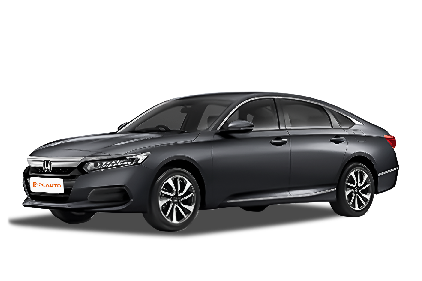
The 2023 Honda Accord 1.5 TC is a D-segment sedan that balances both business and family use, with core selling points of spacious interior, comfortable driving, and efficient performance, making it suitable for practical family users.
23
Rank in Sedan
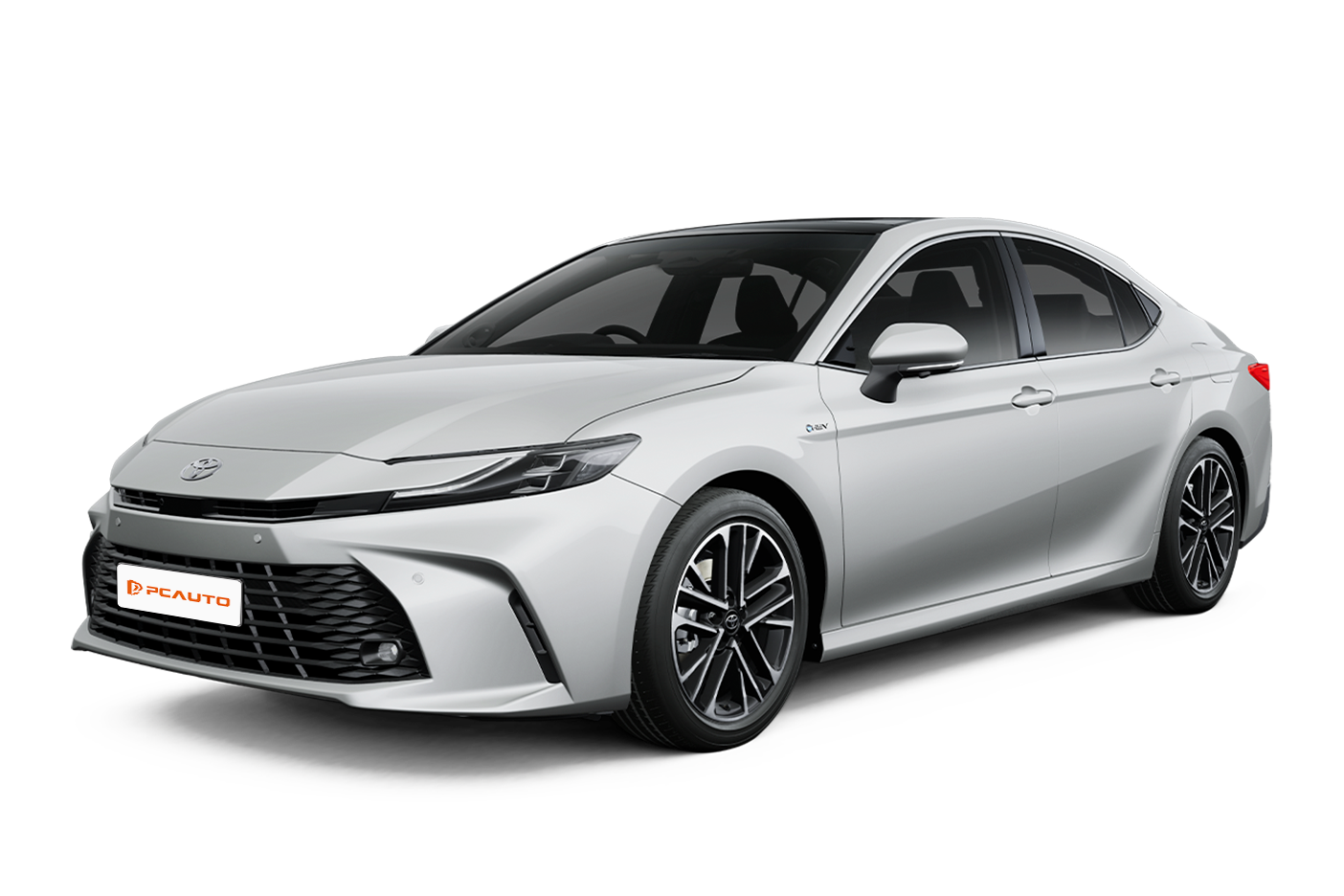
2025 Toyota Camry 2.5 V features an extended body, upgraded large-screen interior to enhance household comfort, 2.5L+8AT smooth power with more comprehensive intelligent driving, precisely meeting the reliable household needs of the D-segment.