

2017 Jaguar XF 2.0 240PS Prestige Review

 Share
Share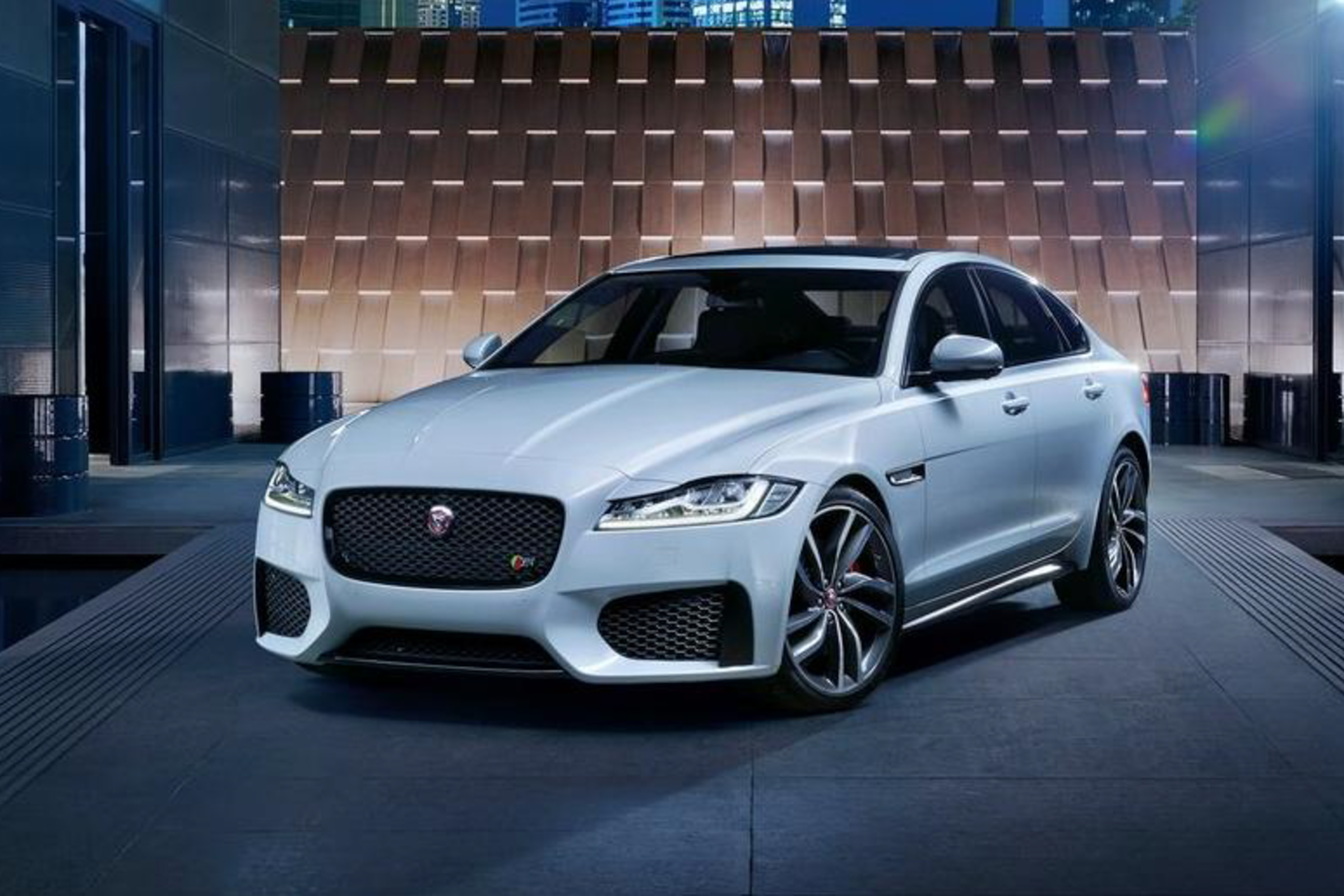
 Segment
 Body Type
 Capacity(L)
 Engine Power(PS)
 Transmission
 Driven Wheels
In Malaysia's executive sedan market, the German Big Three have long dominated, but consumers seeking British refinement and driving pleasure have always looked forward to more differentiated options. The 2017 Jaguar XF 2.0 240PS Prestige, as a mid-size executive sedan under Jaguar's lineup, enters the market with a power output of 240PS, elegant design, and balanced features. It retains the brand's sporty DNA while also catering to everyday practicality. This test drive will focus on its design details, spatial performance, dynamic driving experience, and actual usage costs to provide a reference for users interested in purchasing an executive sedan.
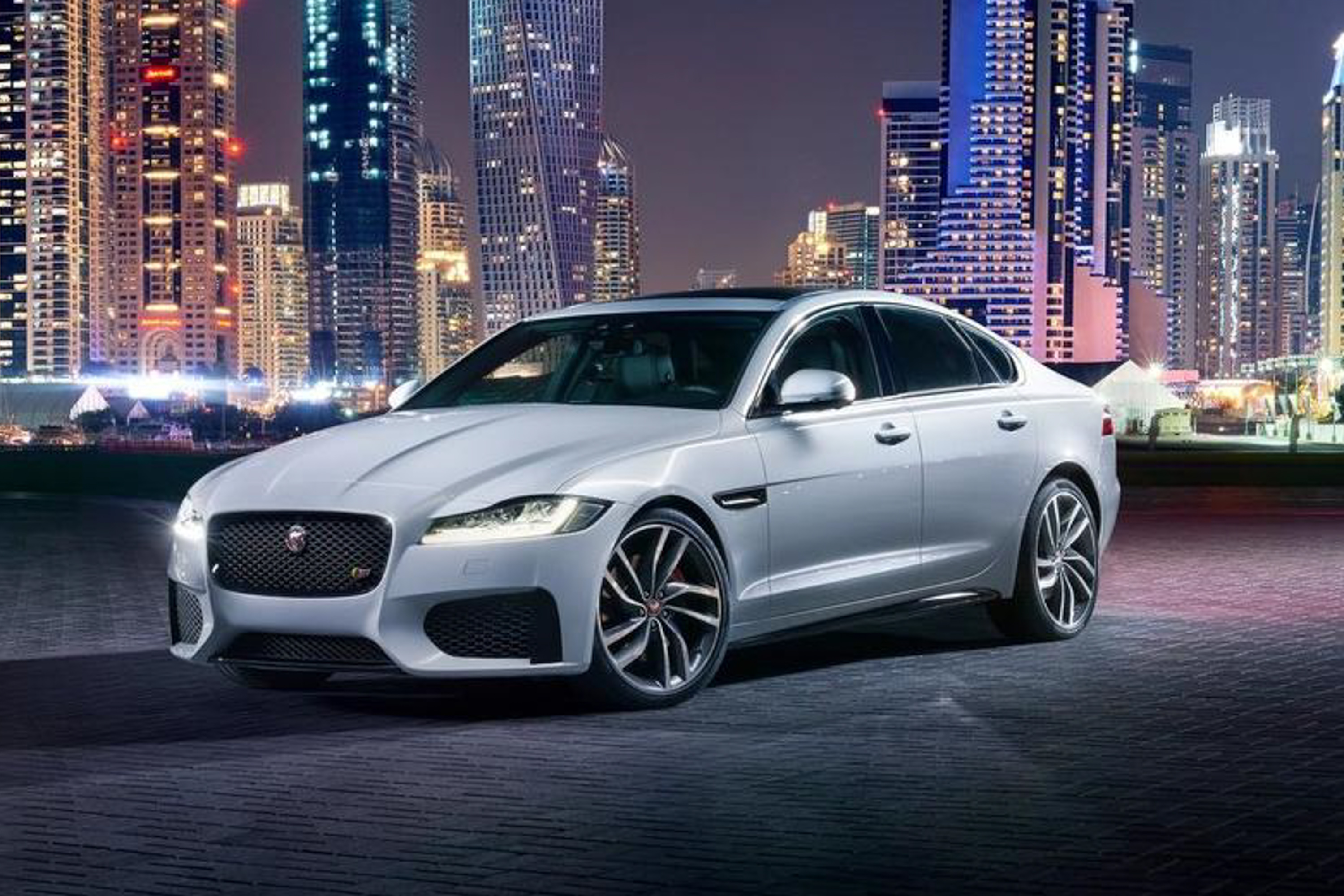
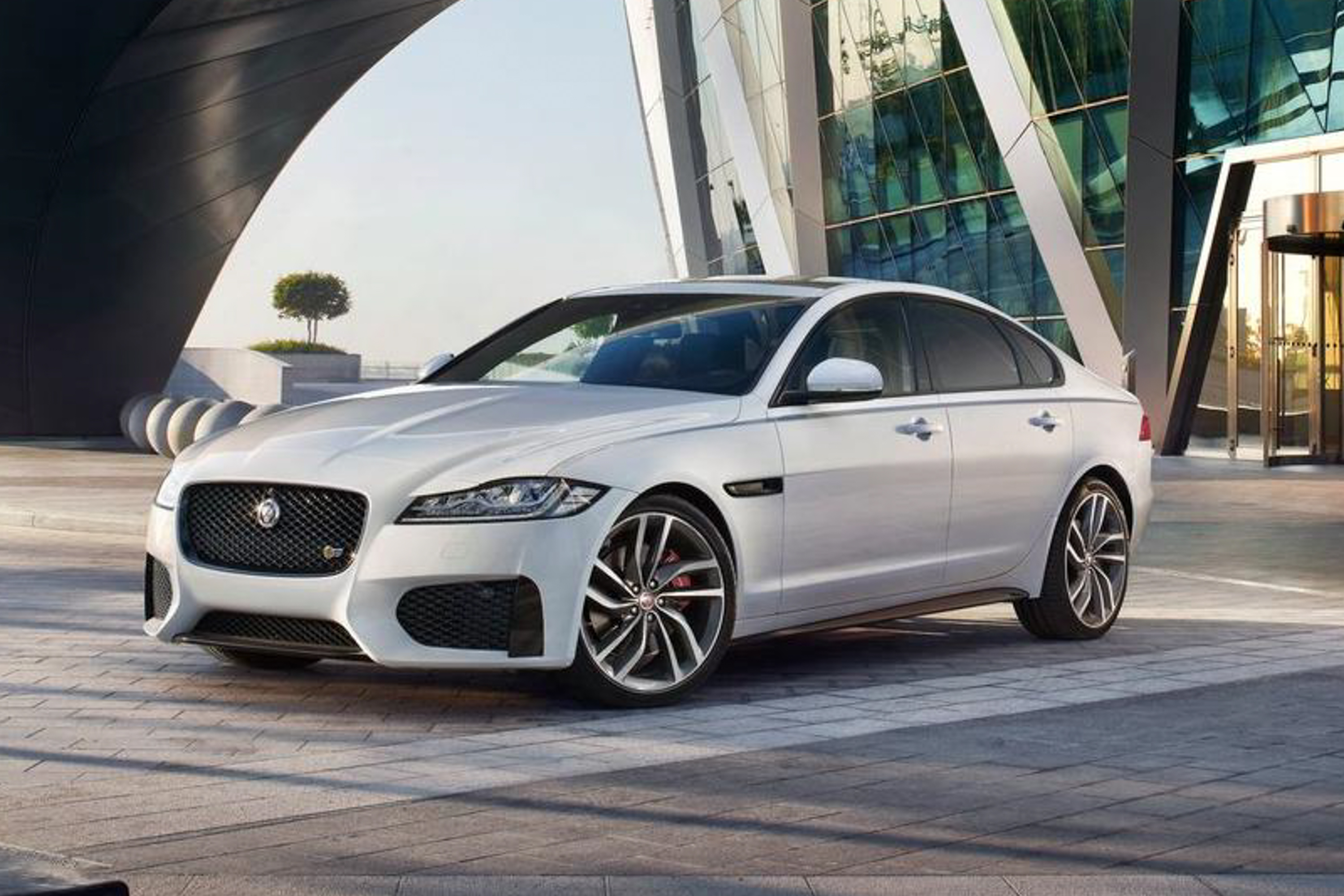
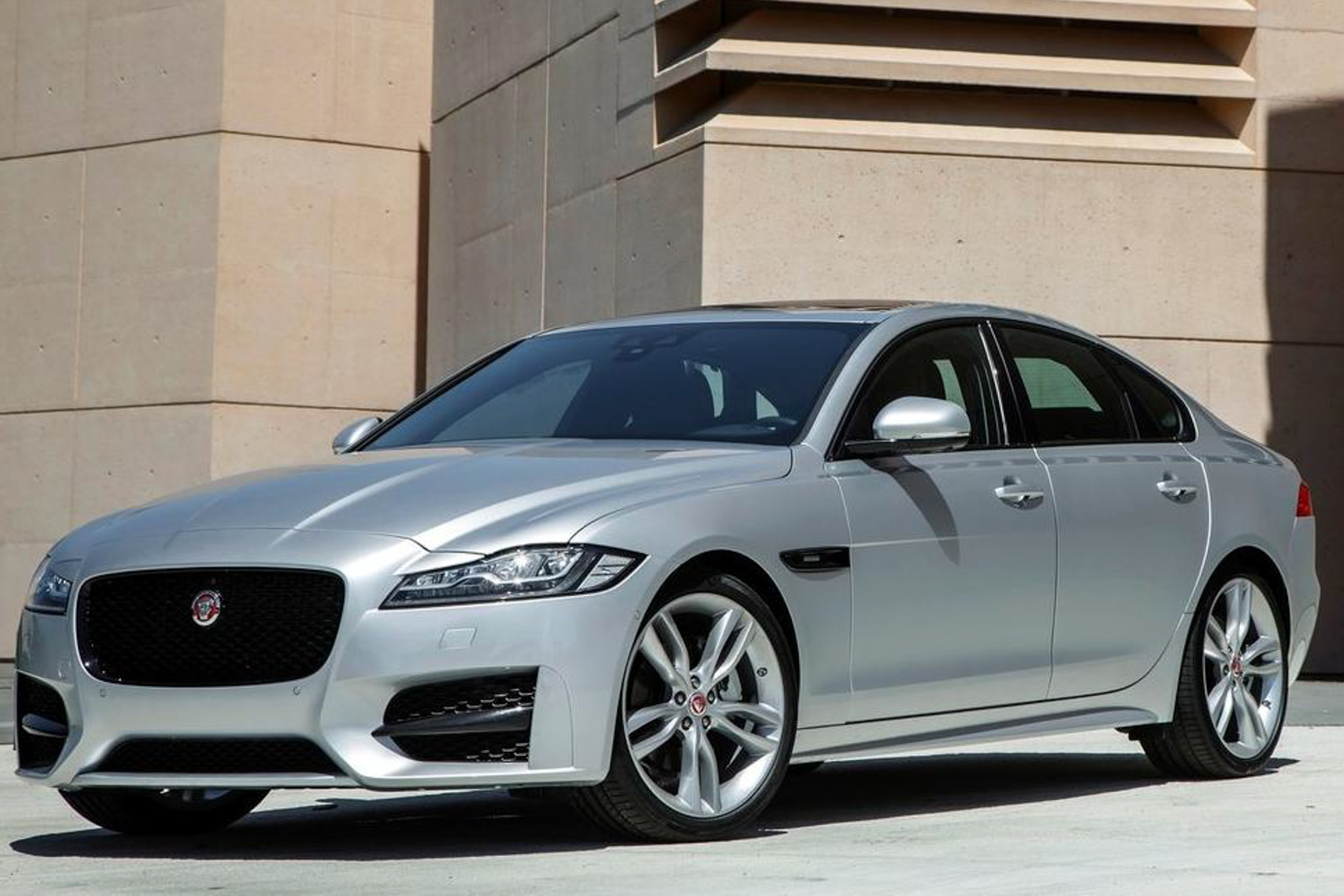
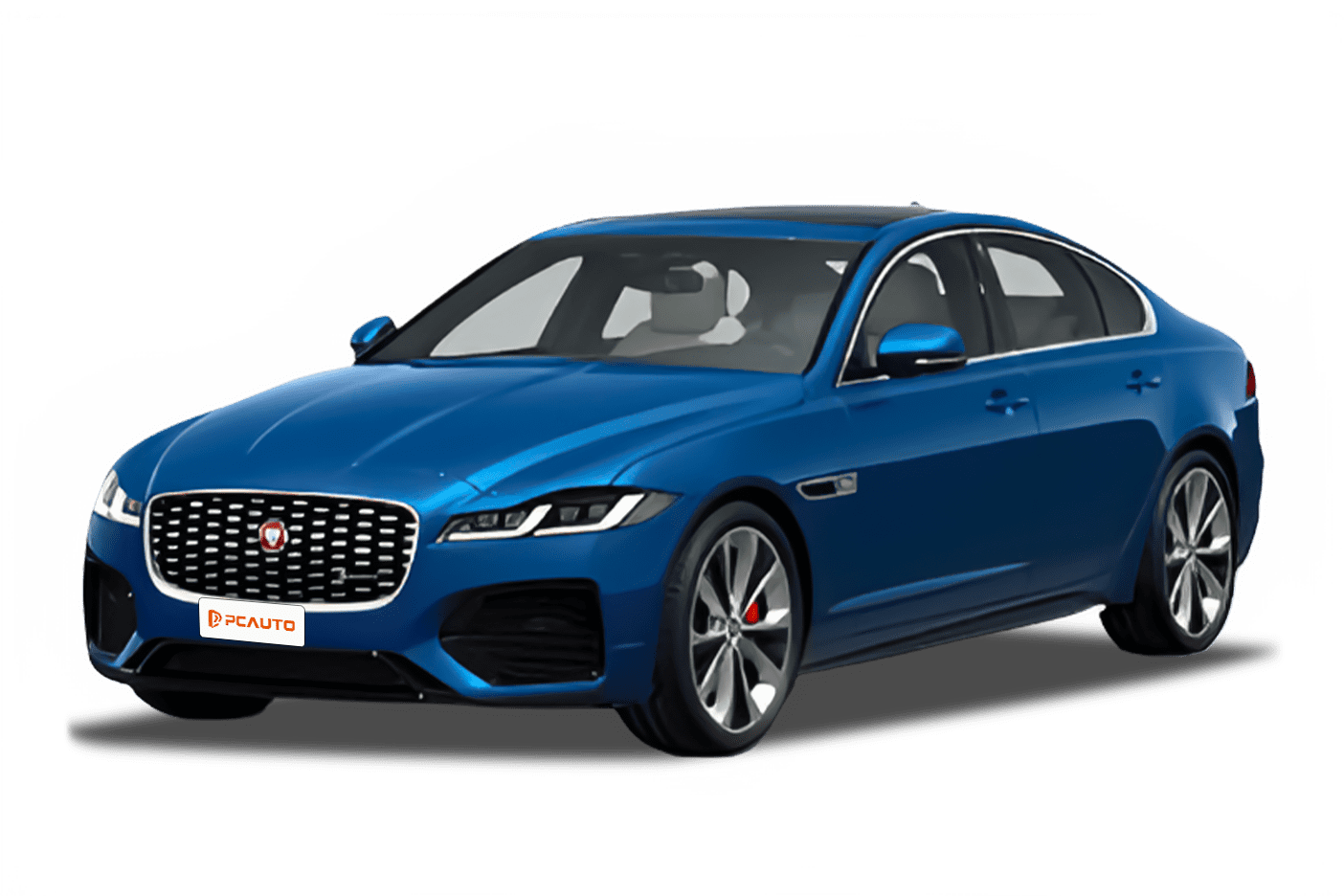
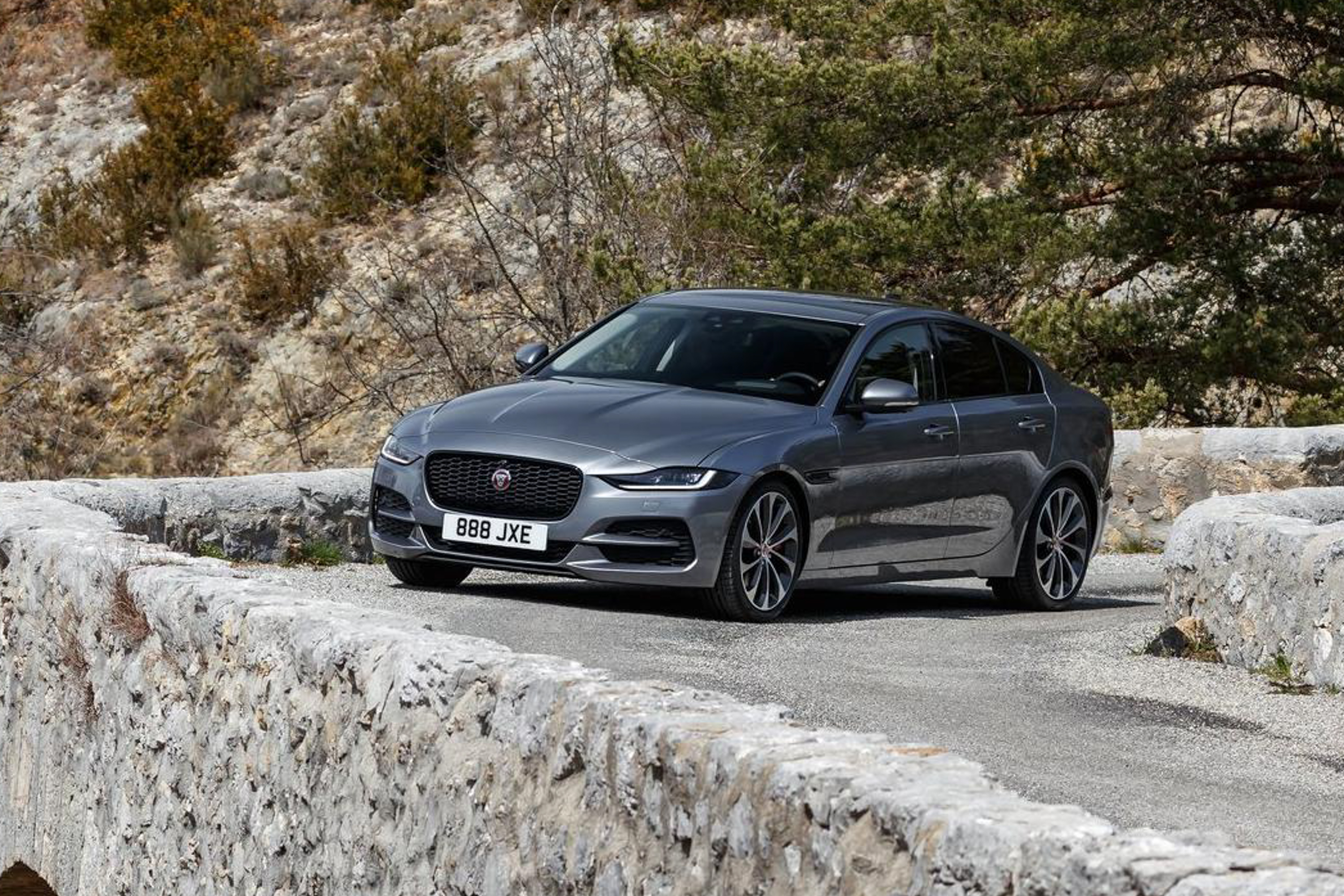
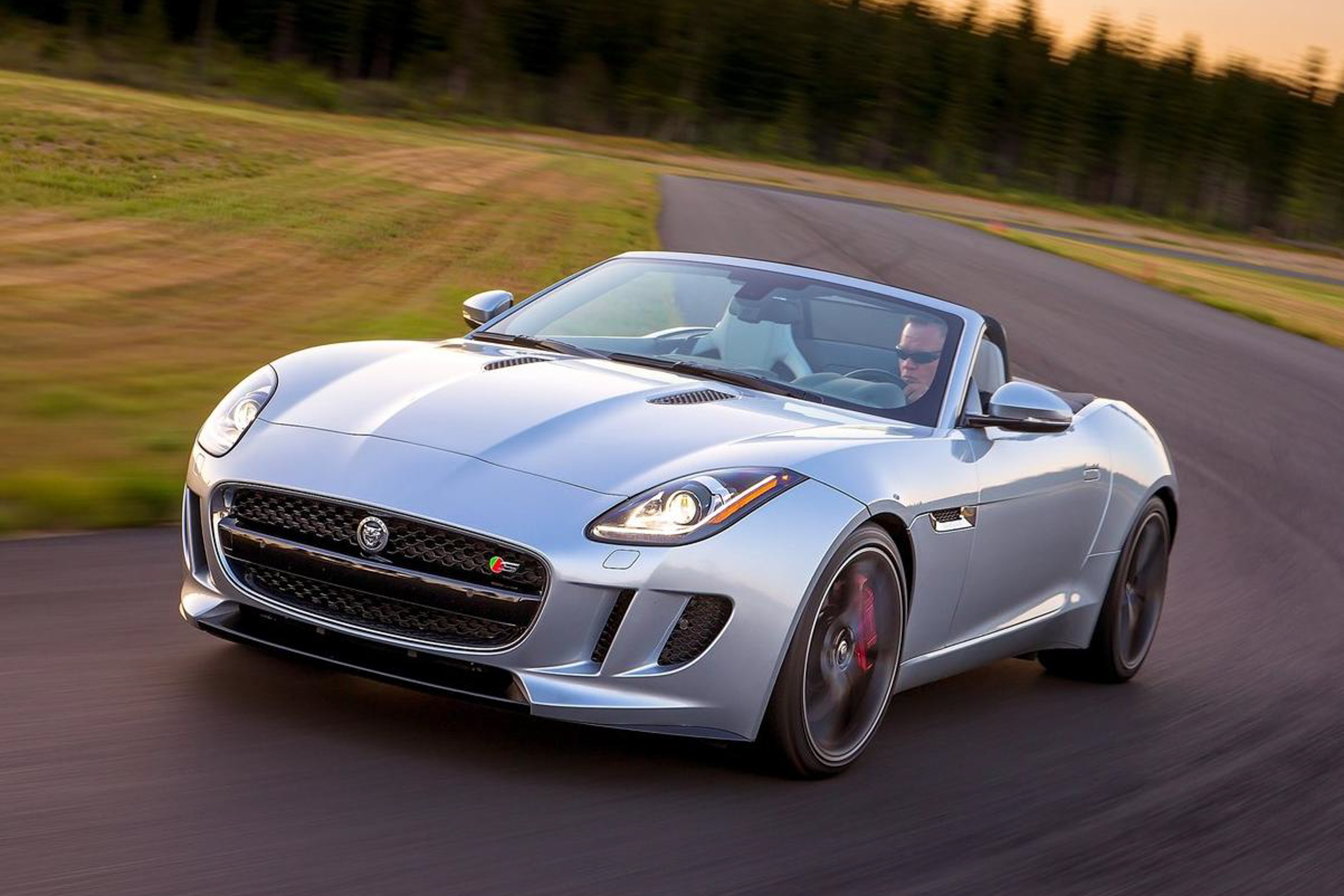
In terms of exterior design, this XF continues Jaguar's streamlined family style, with body lines stretching from the hood to the rear, giving an overall low-profile and dynamic stance. The front end adopts a signature honeycomb grille, surrounded by chrome trim for a high level of recognition; the headlight assembly combines LED and xenon elements, featuring a sharp design with automatic headlights and daytime running lights for everyday convenience. The side profile has harmonious proportions, with a waistline running from the front fender through to the taillights. The 17-inch wheels have a simple design and are paired with 225/55 R17 tires, which balance comfort and road feel. The rear design is relatively understated, with horizontally arranged taillights that echo the body lines. The overall style aligns with the stability of an executive sedan while carrying Jaguar's unique sporty charm.
Inside the cabin, the interior features a black color scheme accented with silver trims, creating a premium feel. The center console has a simple layout, with physical buttons and knobs neatly arranged for clear operational logic. The multifunction steering wheel comes with paddle shifters and has a leather wrap for a refined touch. The instrument cluster uses an electroluminescent analogue design, providing comprehensive information and clear readability. In terms of features, the front seats support electric adjustment and include a memory function, with soft yet supportive padding. The rear seats are equipped with independent air-conditioning vents, and the 40:20:40 split-folding seats enhance space flexibility. For storage, the center armrest box offers moderate capacity, door storage compartments can hold standard water bottles, and the trunk has a 540L capacity, meeting the needs of daily family use or business trips. Notably, the car is equipped with a 220V/230V power socket and a keyless entry system, adding to its practicality.
The powertrain is powered by a 2.0L naturally aspirated engine, delivering a maximum output of 240PS and peak torque at 1750rpm, paired with an AT transmission. In actual driving, the power response is linear during start-up, and there is sufficient torque at low RPMs, allowing smooth starts in urban commuting. When the accelerator is pressed deeply for acceleration, the transmission shifts smoothly, and mid-to-high-range power delivery is steady. The official 0–100km/h acceleration is 7.5 seconds, meeting the demands of highway overtaking. When switched to sport mode, the shift logic becomes more aggressive, and the paddle shifters respond swiftly, providing a clear sense of driving pleasure. The suspension system uses a double wishbone at the front and multi-link independent suspension at the rear, tuned towards sportiness. During cornering, body roll is well-controlled, steering precision is high, and directional responsiveness is sharp. On uneven roads, the suspension effectively absorbs minor vibrations, maintaining vehicle stability and balancing sportiness with comfort.
As for fuel consumption, the official combined figure is 7.5L/100km. During the test drive, urban driving conditions resulted in consumption of about 8.5L/100km, while highway conditions achieved around 6.8L/100km, placing its fuel economy at a medium level among vehicles of the same class. Regarding noise control, wind and tire noise are well-suppressed during highway driving. Some engine noise is transmitted at high RPMs but does not significantly affect riding comfort. The braking performance is stable, with a moderate brake pedal travel and linear braking force distribution, ensuring a steady body posture during emergency braking.
In terms of safety configuration, this XF model comes standard with 6 airbags, ABS anti-lock braking, vehicle stability control, front and rear parking sensors, and a 360-degree camera system for enhanced parking convenience. The ISO FIX child seat interface and hill-start assist function meet the needs of family users. The vehicle comes with a 5-year/150,000km warranty, which offers an advantage over competing models in the same segment.
Overall, the core strengths of the 2017 Jaguar XF 2.0 240PS Prestige lie in its British design aesthetics, precise handling performance, and balanced configuration features. Compared to German models of the same class, it provides more driving pleasure and comparable configuration levels, but with a more distinct brand identity. It is suitable for family users or business professionals who value driving experience and seek unique design. It can handle daily commuting, family outings, or short-distance business receptions with ease. If you want the stability of an executive sedan without compromising on driving fun, this XF is worth considering.
Jaguar XF Car Compare

Jaguar XF Loan Calculator
More Jaguar Reviews
Cars With Similar Price And Features
12
Rank in Sedan
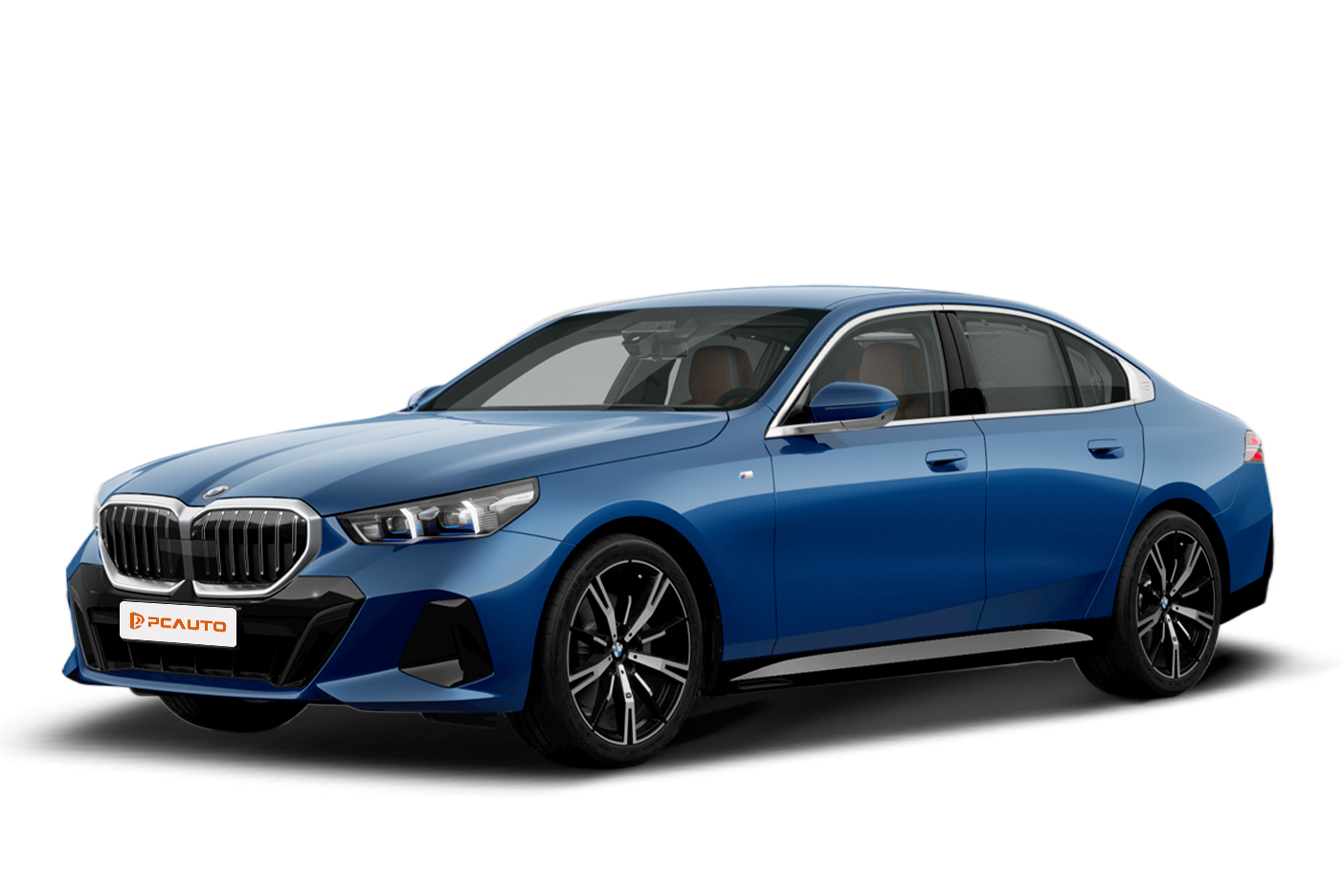
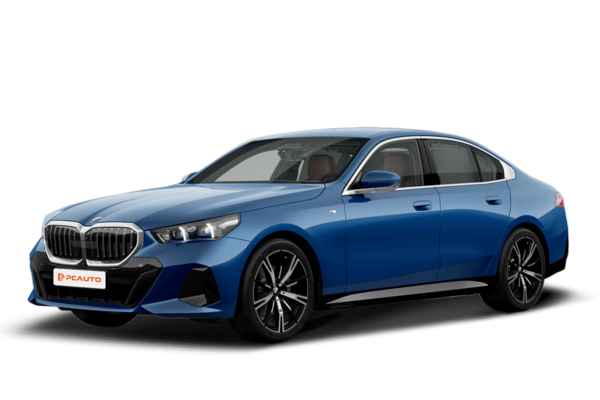
2025 BMW 5 Series 530i M Sport combines executive stability with youthful vitality through the M Sport package, featuring a powerful 2.0T mild hybrid system, enhanced by connected screen technology, balancing luxury, practicality, and driving pleasure.
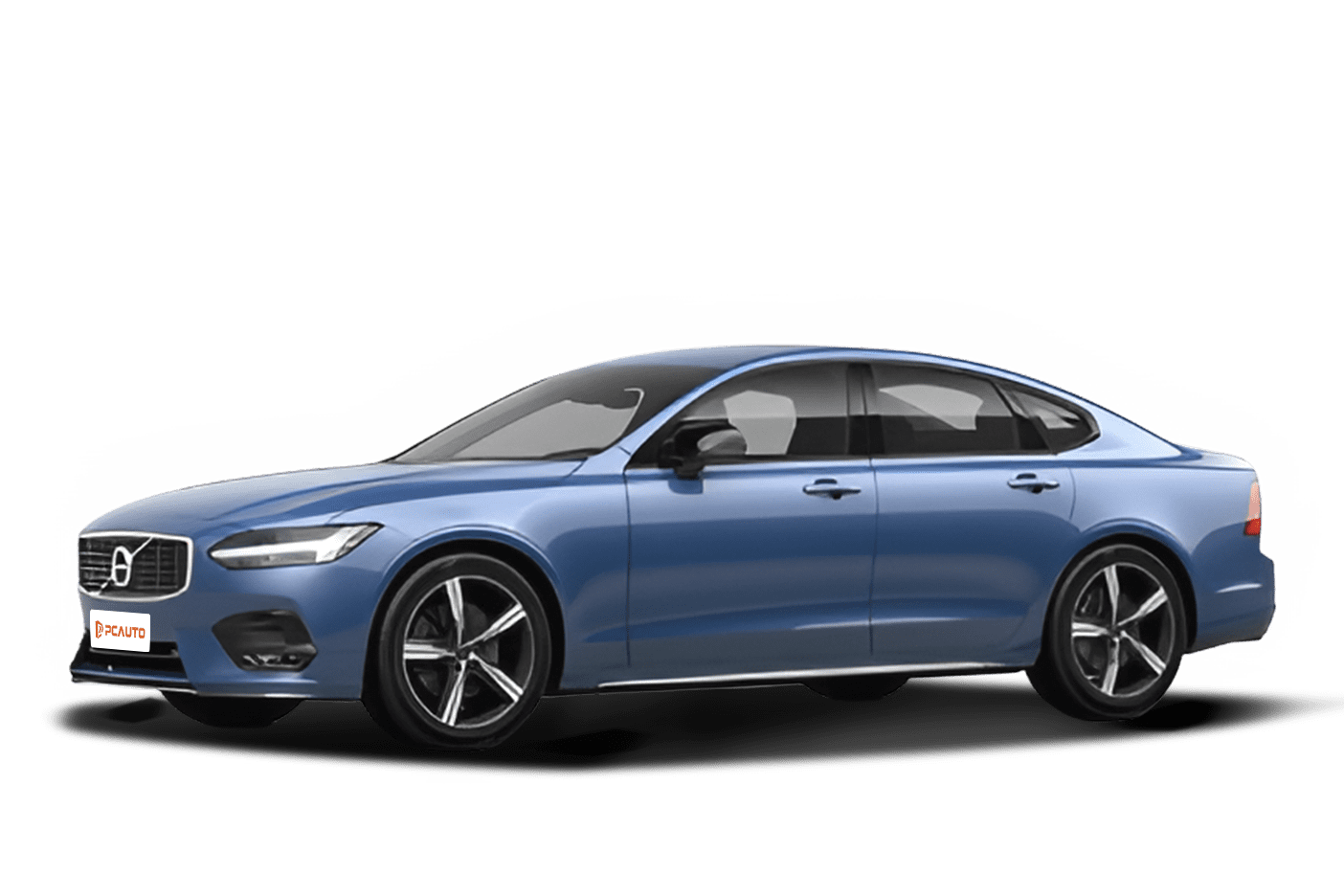
2021 Volvo S90 T5 Momentum is a mid-to-high-end sedan that combines safety DNA, family-friendly features, and executive-level comfort. It offers practical space, smooth power delivery, and is suitable for families and business users who value quality.

15
Rank in Sedan
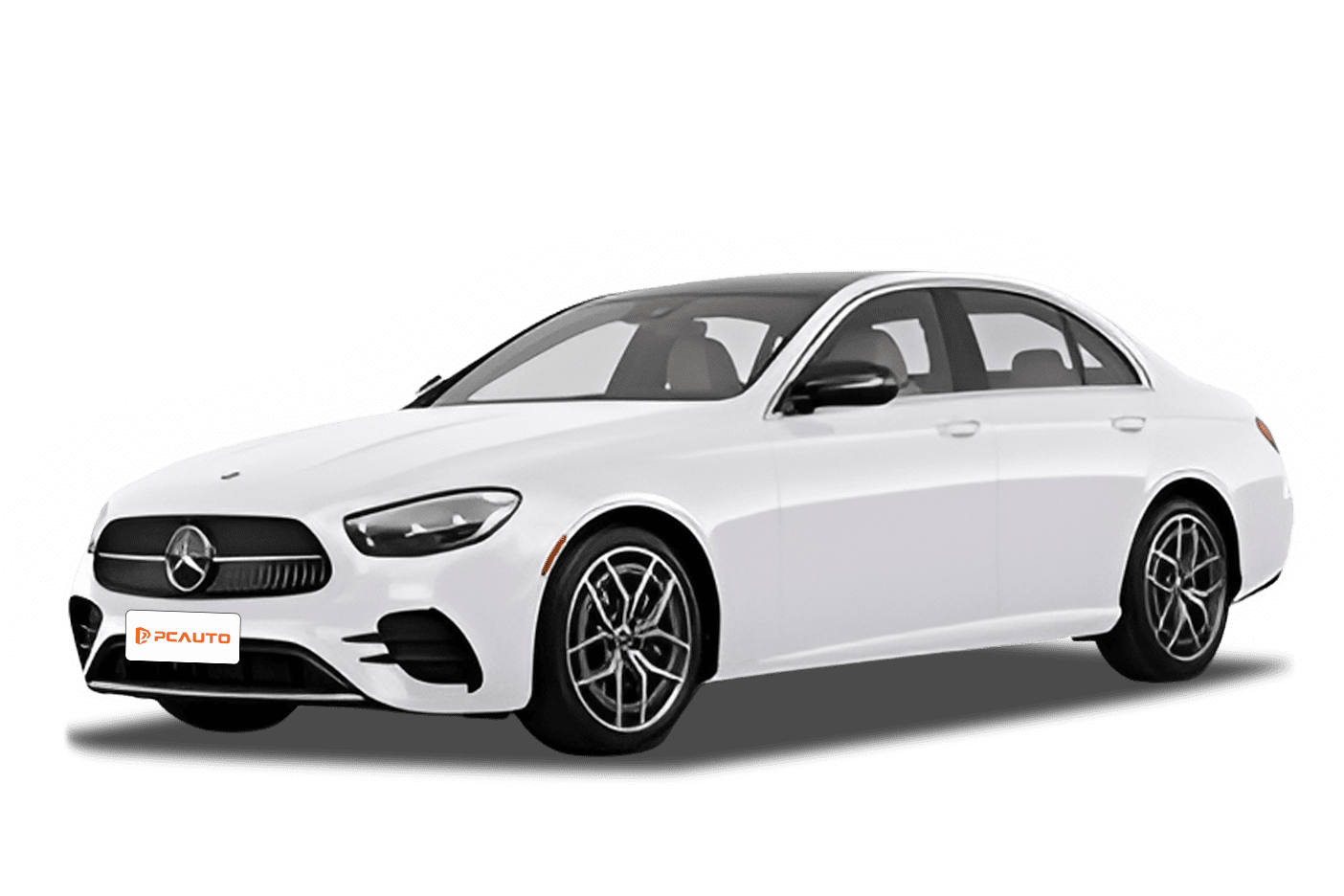
2024 Mercedes-Benz E-Class E200, as a luxury executive sedan, upgrades its mild-hybrid system to balance power and fuel efficiency, enhances intelligent configurations, offers practical space, and highlights a comfortable driving experience.
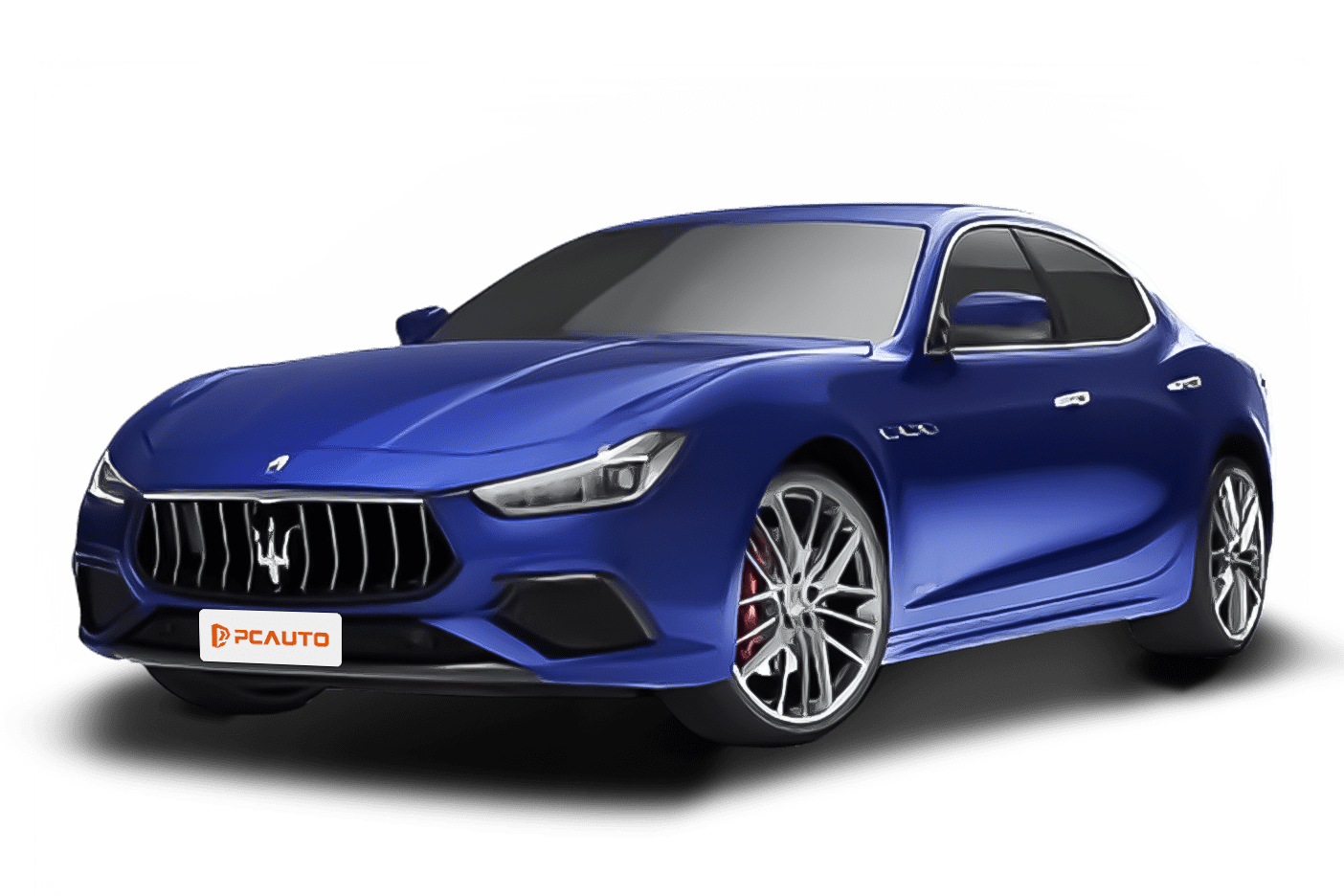
2022 Maserati Ghibli Hybrid is a model that combines luxurious executive appeal with efficient hybrid economy, retaining the brand's classic design and driving pleasure, and is more budget-friendly.