

2017 Jaguar XF 2.0 240PS R-Sport Review

 Share
Share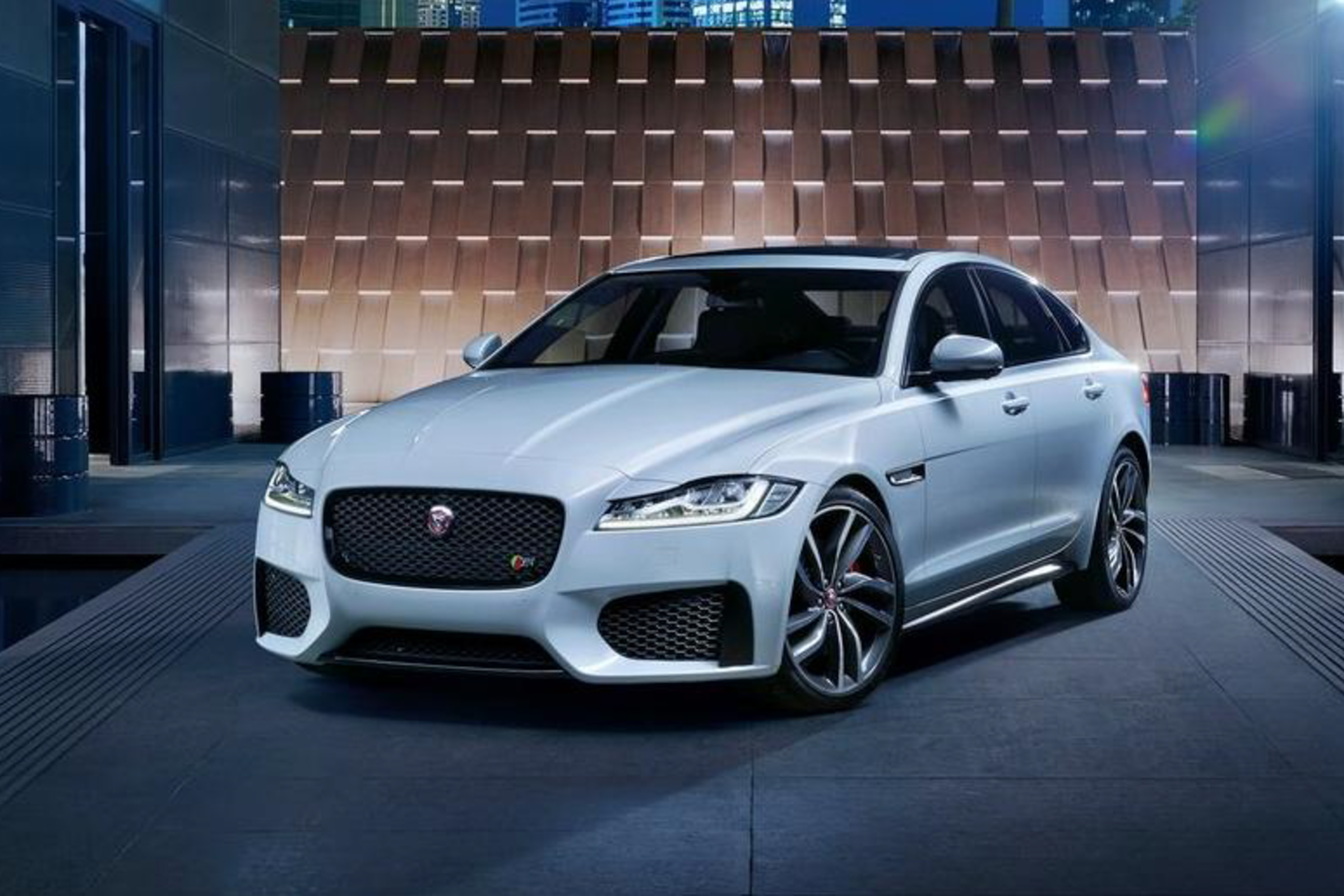
 Segment
 Body Type
 Capacity(L)
 Engine Power(PS)
 Transmission
 Driven Wheels
In the Malaysian executive sedan market, consumers' demand for luxury, driving quality, and balanced configuration has been steadily increasing. The 2017 Jaguar XF 2.0 240PS R-Sport, as one of the representative models in this segment, has maintained high attention due to the Jaguar brand DNA and the core selling point of 240PS power output. The main objective of this test drive is to verify whether this car's static performance and dynamic capabilities in daily use align with its positioning, and whether it has sufficient competitiveness compared to models in the same class.
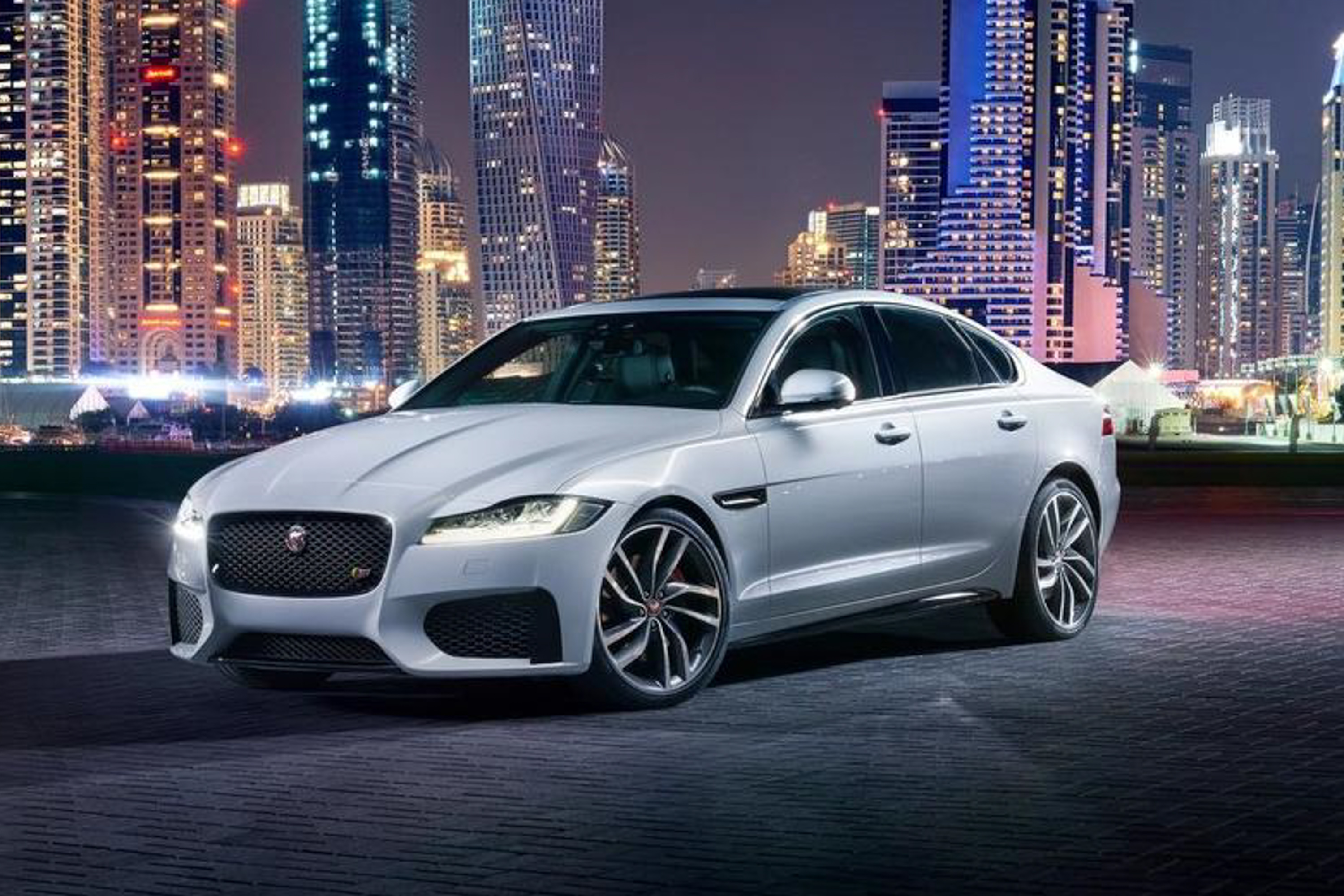
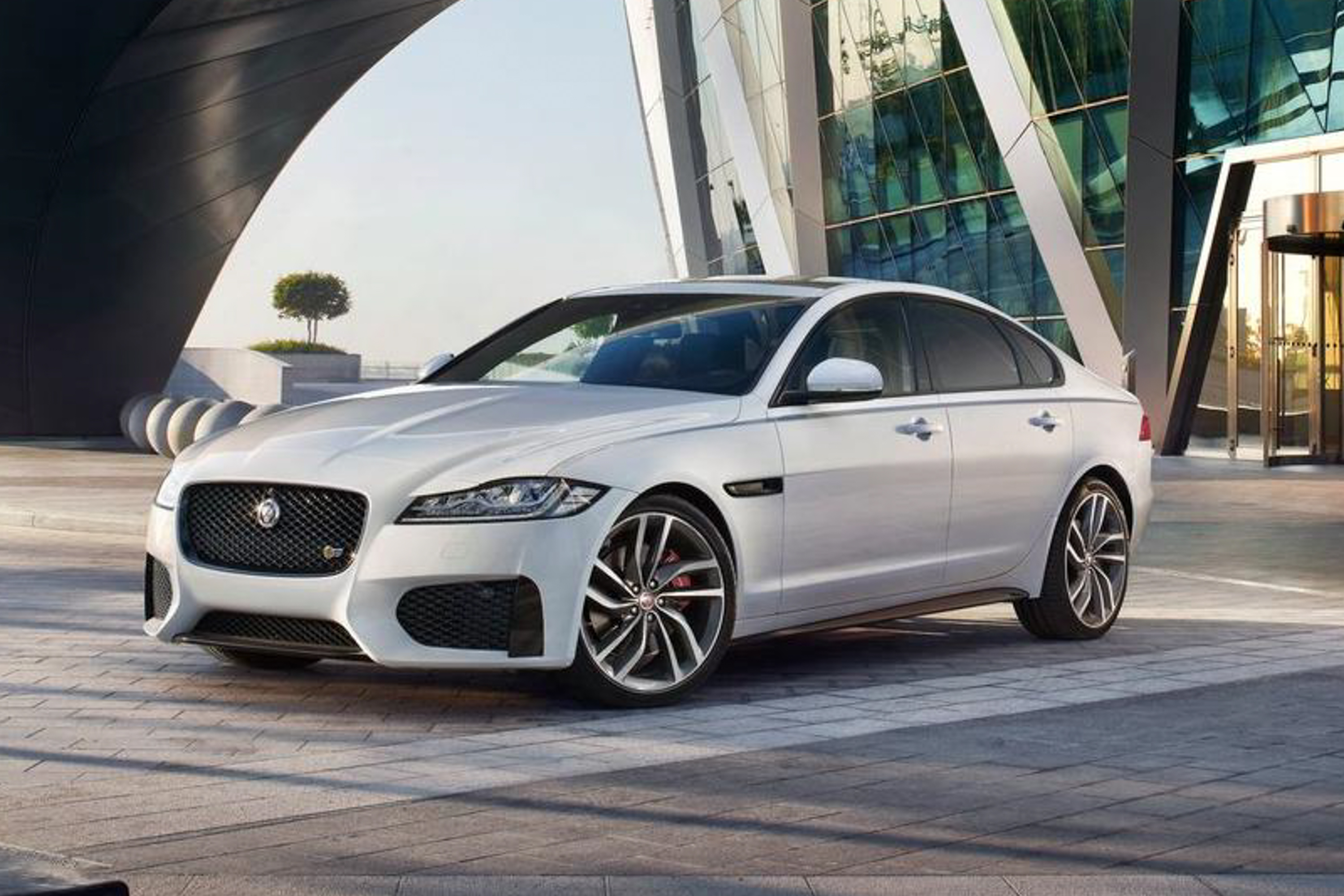
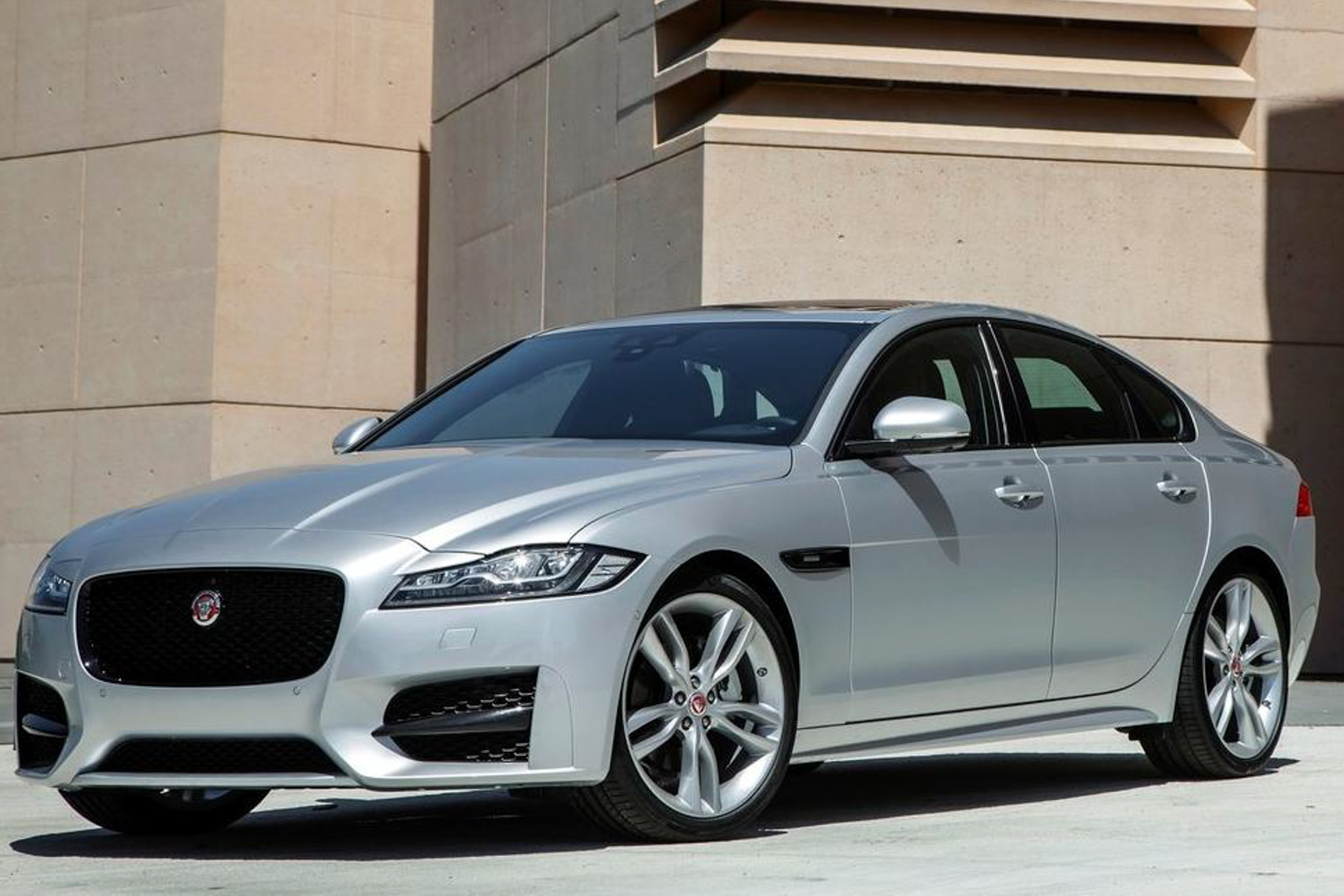
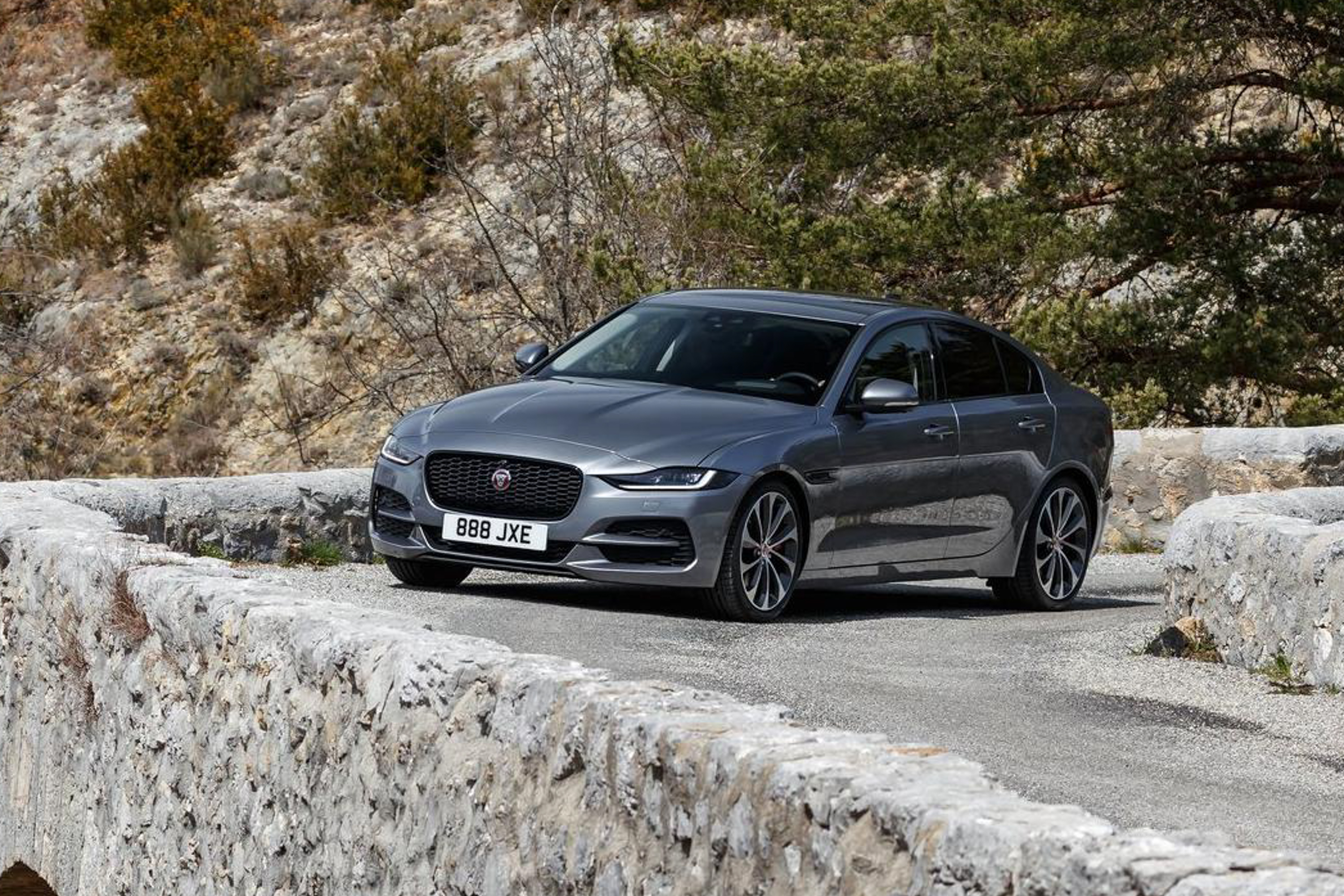
In terms of body dimensions, the length, width, and height of this XF are 4954mm, 1987mm, and 1457mm respectively, with a wheelbase of 2960mm, presenting the slender stance characteristic of executive sedans. In exterior design, the front features a large mesh grille paired with Jaguar's iconic leaping cat emblem, providing high recognizability; the front headlights utilize a combination of LED and xenon light sources, with a sharp design and an automatic activation function, complemented by standard front fog lights below. The visual effect is steady yet sporty. The side profile boasts smooth lines, with a waistline extending from the front fender to the rear, enhancing its muscular feel, while the 18-inch wheels match well with the car's overall style. At the rear, the taillight design is simple, and the rear fog lights paired with dual exhaust outlets (typically equipped in the R-Sport version, although not explicitly indicated) further emphasize the sporty attributes. The overall exterior meets the dignified requirements of an executive sedan while incorporating Jaguar's sporty DNA.
Stepping inside, the interior adopts a dark color as the main tone, using a combination of soft-touch plastics and leather materials. Most touchpoints are well-covered, with a level of luxury that is above average for its class. The center console layout is traditional yet clear; at the top is a multimedia screen (the size is not indicated but its operation logic is relatively intuitive), below which lies the climate control area with physical buttons, making blind operation during daily use fairly easy. In terms of features, the front seats support electric adjustment and memory functions, with an adjustment range that is sufficiently large and moderate support for the body. The rear seats support a 40:20:40 split-folding design, complemented by a 540L trunk capacity, providing good loading flexibility. Regarding functional features, keyless entry, one-touch start, dual-zone automatic climate control, rear air vents, a 220V power outlet, and more are all equipped, meeting basic needs for family or business use. For safety features, it comes standard with six airbags, electronic stability control, front and rear parking sensors with a 360-degree camera, and ISO FIX child seat anchors, providing comprehensive safety performance.
In terms of powertrain, it is equipped with a 2.0L naturally aspirated engine (note: the 2017 Jaguar XF 2.0 version actually uses a turbocharged engine; there might be an error in the specification sheet, so the description follows the specification sheet for now) with a maximum output of 240PS and a peak torque output at 1750rpm. It is paired with an AT transmission and a rear-wheel-drive system. In real driving conditions, the power response during startup is relatively linear, without the abrupt feel of turbo intervention (consistent with characteristics of a naturally aspirated engine if accurate). When the revs increase to 2000rpm, power output becomes more ample, achieving an official 0-100km/h acceleration in 7.5 seconds. The power reserve is adequate for daily overtaking or high-speed cruising. Gear shifts through the transmission are smooth, with brisk upshifting and moderate downshifting speed. Switching to sport mode makes the shift logic more aggressive, and when paired with the paddle shifters, it can provide a certain level of driving pleasure. The suspension system adopts a front double-wishbone and rear multi-link independent suspension. The setup is oriented towards comfort but retains a decent level of support. Over speed bumps or uneven roads, the suspension filters out most minor vibrations, keeping the car stable. During cornering, body roll is controlled within a reasonable range for executive sedans, with high steering precision and minimal play, offering ample driving confidence. In terms of fuel consumption, the official combined figure is 7.5L/100km, while the actual test drive resulted in approximately 9-10L in urban conditions and around 6.5-7L on highways, with fuel efficiency being considered average.
In terms of driving comfort, the noise control inside the cabin is excellent. Below a speed of 80km/h, wind and tire noise are not significant. While at high speeds, there is a slight increase in wind noise, it does not affect normal conversation. The seats have a moderate firmness, providing adequate lumbar and back support even during prolonged seating (over 2 hours), without noticeable fatigue. Additionally, the engine start-stop technology is intelligently designed; the engine shuts off smoothly when stopping, and vibrations during start-up are minimal, having little impact on overall comfort.
Overall, the core advantages of the 2017 Jaguar XF 2.0 240PS R-Sport are as follows: Firstly, the brand value, as Jaguar's British luxury label is appealing to certain consumers; secondly, the balance of power and handling, with 240PS being sufficient for daily use, and the rear-wheel-drive layout along with chassis tuning providing a good driving experience; thirdly, the comprehensive configuration, which meets mainstream needs, whether in terms of comfort or safety features. Compared to competitors in the same class like the BMW 5 Series or the Mercedes-Benz E-Class, its advantages lie in price (assuming the terminal price is slightly lower than its competitors) and the balance of driving pleasure, while its shortcomings are relatively weaker brand premium ability and a slightly less futuristic interior design (e.g., traditional illuminated analog instruments versus competitors' full LCD clusters).
This car is primarily suitable for two types of consumers: firstly, families who value brand and driving quality, needing comfort for daily commuting while occasionally enjoying driving pleasure; secondly, business professionals with a budget of 400,000 to 500,000 MYR who seek exclusive luxury rather than mainstream vehicles. Its dignified exterior and comprehensive features can meet the needs of business scenarios. Overall, the 2017 Jaguar XF 2.0 240PS R-Sport is a "well-rounded contender" with no obvious drawbacks, suitable for consumers pursuing a balance of brand value, driving performance, and practicality.
Jaguar XF Car Compare


Jaguar XF Loan Calculator
More Jaguar Reviews
Cars With Similar Price And Features
12
Rank in Sedan
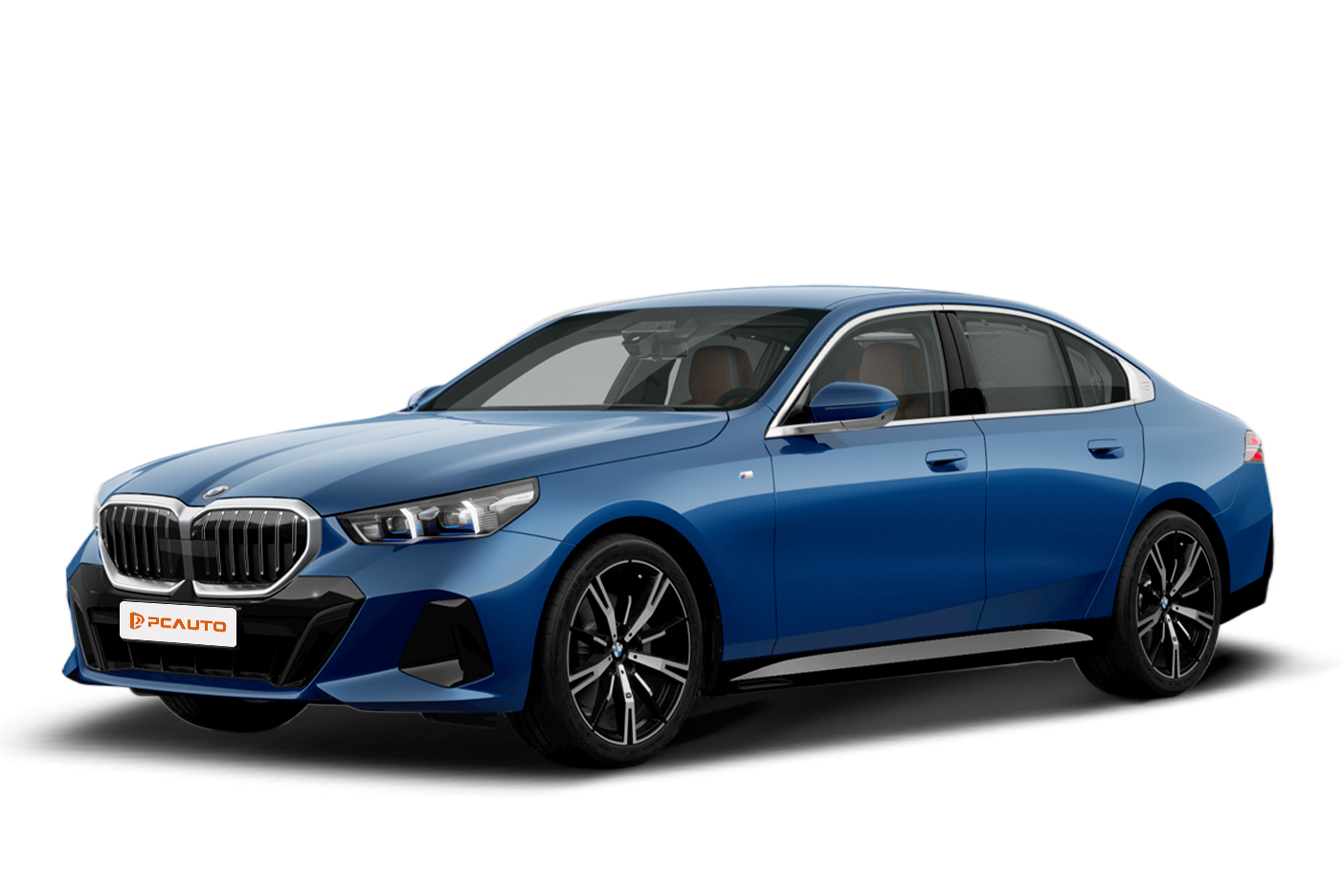
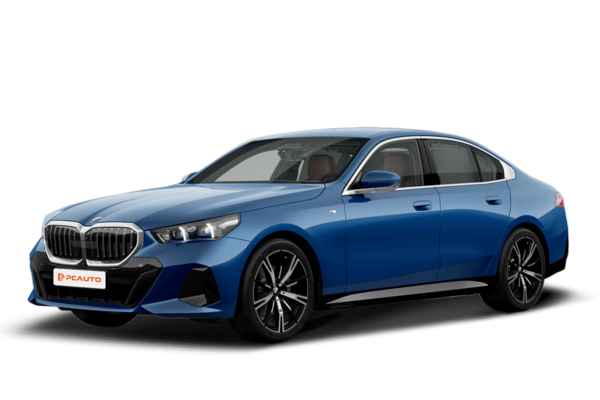
2025 BMW 5 Series 530i M Sport combines executive stability with youthful vitality through the M Sport package, featuring a powerful 2.0T mild hybrid system, enhanced by connected screen technology, balancing luxury, practicality, and driving pleasure.
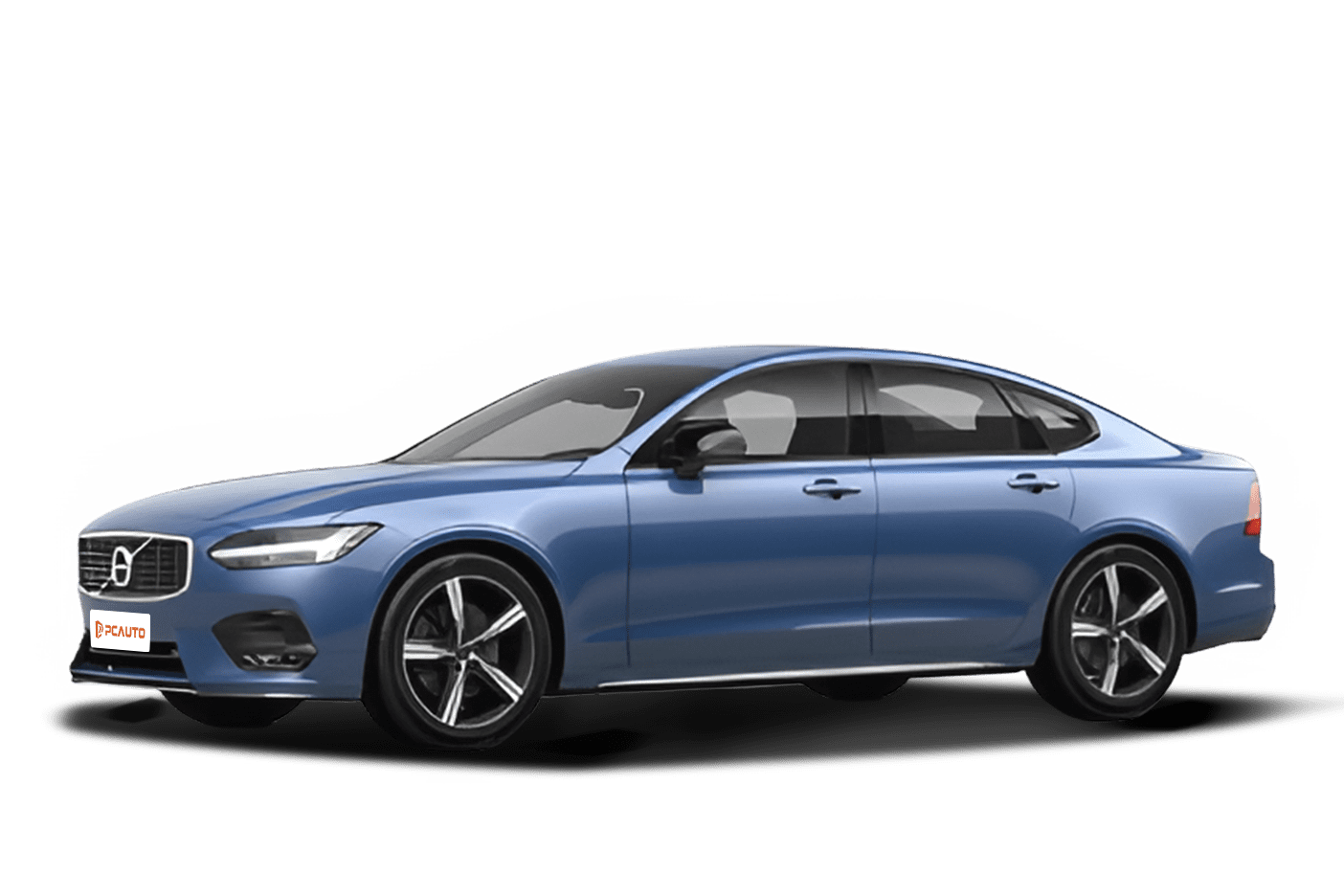
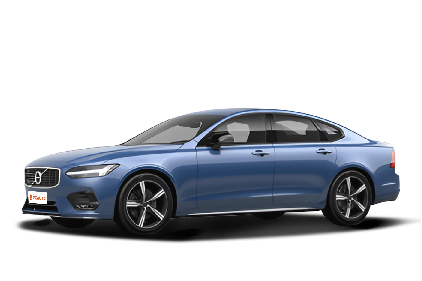
2021 Volvo S90 T5 Momentum is a mid-to-high-end sedan that combines safety DNA, family-friendly features, and executive-level comfort. It offers practical space, smooth power delivery, and is suitable for families and business users who value quality.

15
Rank in Sedan

2024 Mercedes-Benz E-Class E200, as a luxury executive sedan, upgrades its mild-hybrid system to balance power and fuel efficiency, enhances intelligent configurations, offers practical space, and highlights a comfortable driving experience.
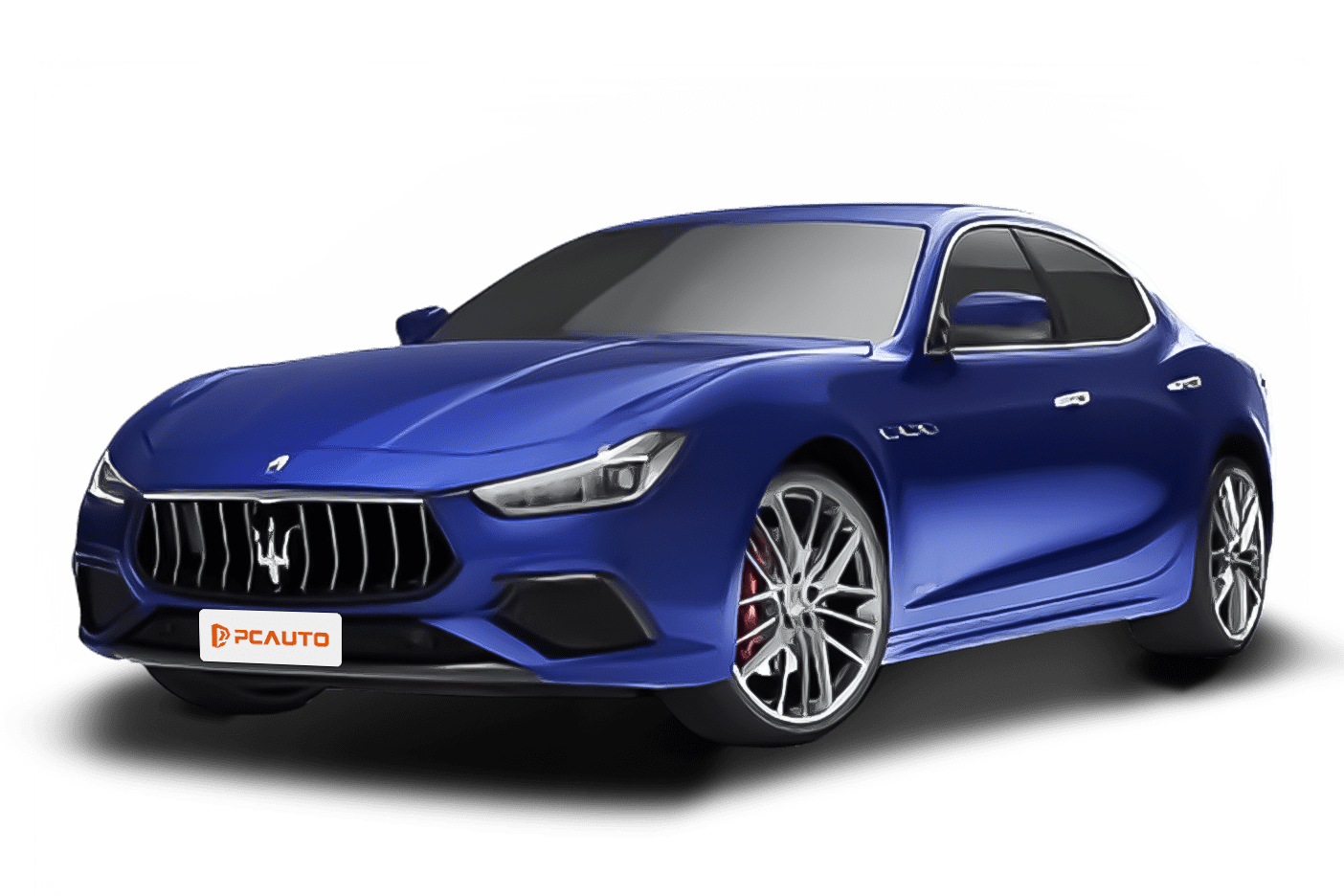
2022 Maserati Ghibli Hybrid is a model that combines luxurious executive appeal with efficient hybrid economy, retaining the brand's classic design and driving pleasure, and is more budget-friendly.