
2017 Subaru WRX 2.0 CVT Review

 Share
Share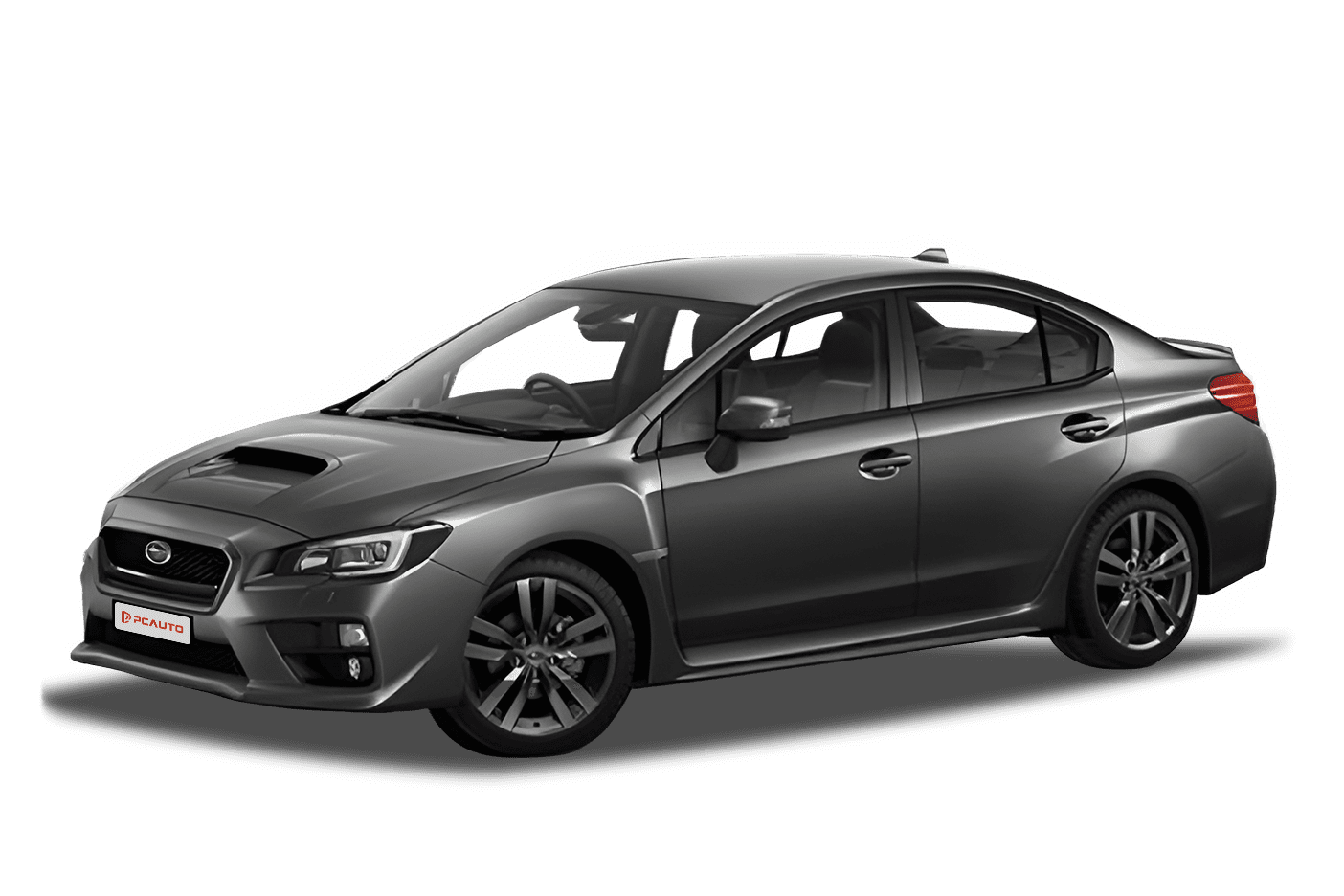
 Segment
 Body Type
 Capacity(L)
 Engine Power(PS)
 Transmission
 Driven Wheels
The C-class performance sedan market has always been the main battleground for balancing daily practicality and driving pleasure. The 2017 Subaru WRX 2.0 CVT, with its combination of symmetrical all-wheel-drive system and turbocharged power, stands out among its competitors. This time, we will comprehensively evaluate whether it can meet drivers' expectations for performance while also catering to the daily needs of family users through a static experience and a dynamic test drive.
The exterior design of the 2017 WRX continues Subaru's sporty genes, with compact and aggressive lines throughout. The front end features a large-size honeycomb grille, paired with blacked-out air vents on both sides of the front bumper, providing a striking visual impact. On the side, the standard sedan silhouette is complemented by 17-inch multi-spoke alloy wheels (paired with 235/45 R17 tires) and the “WRX” badge on the front fender, emphasizing its performance identity. The fastback lines stretching from the A-pillar to the rear add a touch of sleekness. The rear design is relatively simple, with blacked-out LED taillights echoing the front, while the dual round exhaust layout is not overly ostentatious but still conveys a performance signal. Noteworthy is the small spoiler on the trunk lid, which comes standard from the factory and enhances aerodynamic performance. In terms of lighting, the full LED headlamp set features an automatic-on function, providing clear illumination and responsive performance, while the front fog lights ensure visibility in adverse weather conditions.
Stepping inside, the WRX’s interior design leans towards practicality, with minimal flashy decorations but a focus on the details that reflect its performance car nature. The dashboard is wrapped in black soft-touch materials, accented with silver trim strips, achieving an overall quality that meets C-class standards. The center console screen measures 7 inches, featuring Subaru’s STARLINK multimedia system that supports Bluetooth connectivity and reversing camera display. The operational logic is straightforward, though the interface design feels slightly dated. For seating, the main driver's seat offers 10-way power adjustment with memory function, while the passenger seat supports 4-way manual adjustment. The seats are firm but highly supportive, particularly useful during spirited driving. The rear seats can fold down in a 60:40 split, connecting to the trunk (with a capacity of 460 liters) to expand storage space. In terms of comfort features, standard equipment includes a single-zone automatic climate control system, a multifunctional steering wheel (with paddle shifters), keyless entry/start system, and 220V/230V power outlet, covering the basics for daily convenience. Safety features are a strong point of the WRX, with 7 airbags (front/side airbags for driver and passenger, front and rear head-curtain airbags, knee airbag), electronic stability control, hill-start assist, and ISOFIX child seat anchors all included. The symmetrical all-wheel-drive system itself also adds to the vehicle’s driving stability.
In terms of dynamic driving, the WRX’s 2.0T turbocharged engine (268PS/350N·m) paired with a CVT delivers brisk initial power response. A broad torque range from 2400 to 5200 rpm ensures smooth and linear mid-range acceleration. When the accelerator is pressed hard, while it lacks the shift shocks characteristic of a traditional automatic transmission, the CVT mimics "gear shifts" with RPM fluctuations. Paired with paddle shifters to manually control virtual gear stages, it provides a driving engagement close to that of a manual transmission. The official 0-100km/h acceleration time of 6.2 seconds places it in the upper-middle range for vehicles in its class, offering ample power reserves for everyday overtaking or highway cruising.
Handling performance is the core strength of the WRX. The symmetrical all-wheel-drive system evenly distributes power to all four wheels from the start, effectively reducing wheel slippage. In corners, it provides stronger grip, maintaining stability even on slippery roads. The steering wheel feels slightly heavy, with minimal play and high directional precision, clearly delivering road feedback. The suspension system adopts a front MacPherson + rear double-wishbone independent structure. Although the tuning is on the stiffer side, it has excellent resilience. When passing over speed bumps or rough roads, the vibrations are filtered crisply without delay, and during aggressive driving, the body roll control is impressive, balancing performance with everyday comfort. As for noise control, tire and wind noise are well managed under 100 km/h; wind noise becomes more noticeable over 120 km/h but remains within acceptable levels overall. The engine noise at high RPMs can penetrate the cabin, but the sound is robust rather than harsh, stimulating the desire to drive.
Fuel consumption is in line with the standards of a 2.0T engine combined with an AWD system. During our test under mixed driving conditions (30% city + 70% highway), the average fuel consumption recorded was 9.2L/100km, slightly higher than the official figure of 8.5L/100km. However, considering the load of the AWD system, this performance is still reasonable. The braking system adopts front and rear ventilated disc brakes, offering linear brake pedal feedback. During emergency braking, the vehicle's body maintains stability with no noticeable forward pitching.
In summary, the core advantage of the 2017 Subaru WRX 2.0 CVT lies in its balanced approach to "performance and practicality." The symmetrical all-wheel-drive system delivers stable handling, and the strong 2.0T engine output satisfies the driver’s pursuit of speed. Meanwhile, the 460L trunk, foldable rear seats, and abundant safety features cater to the daily commuting and short-distance travel needs of family users. Compared to competitors like the Honda Civic Type R (with a more track-oriented nature) or Volkswagen Golf GTI (primarily front-wheel drive), the WRX's all-wheel-drive system stands out as a unique selling point. It is ideal for users who want both performance and a degree of practicality—such as 30- to 40-year-old family drivers or young people who enjoy weekend mountain driving while also requiring a daily commuter vehicle.
Overall, the 2017 Subaru WRX 2.0 CVT is not an extreme track toy nor a purely family-oriented sedan, but a performance car that strikes a precise balance between "spirited driving" and "everyday use." If you want a car that can comfortably transport your family while also unleashing your driving passion when needed, it is a choice you won’t regret.
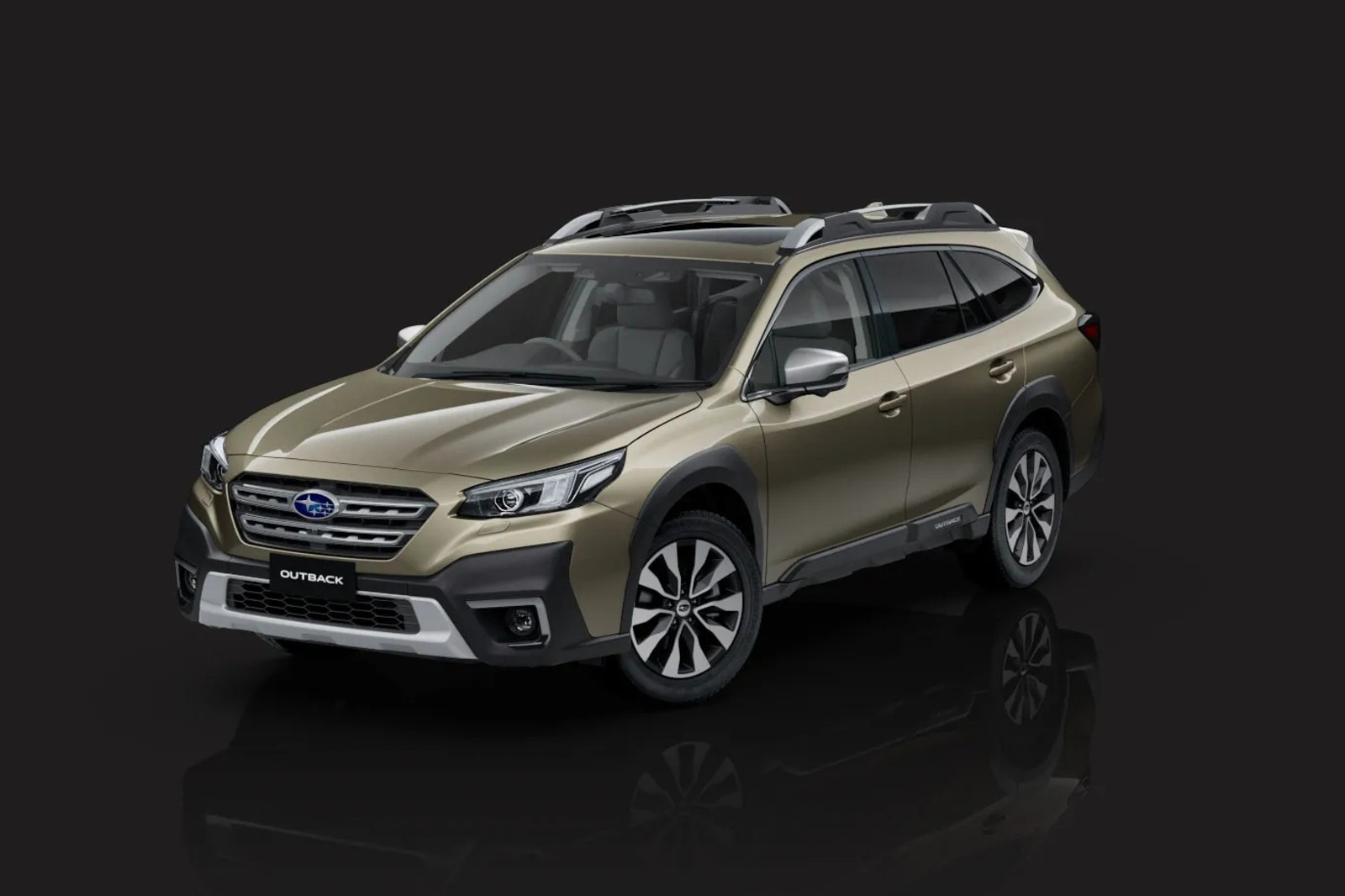
Subaru WRX Car Compare
Subaru WRX Loan Calculator
More Subaru Reviews
Cars With Similar Price And Features
3
Rank in Sedan
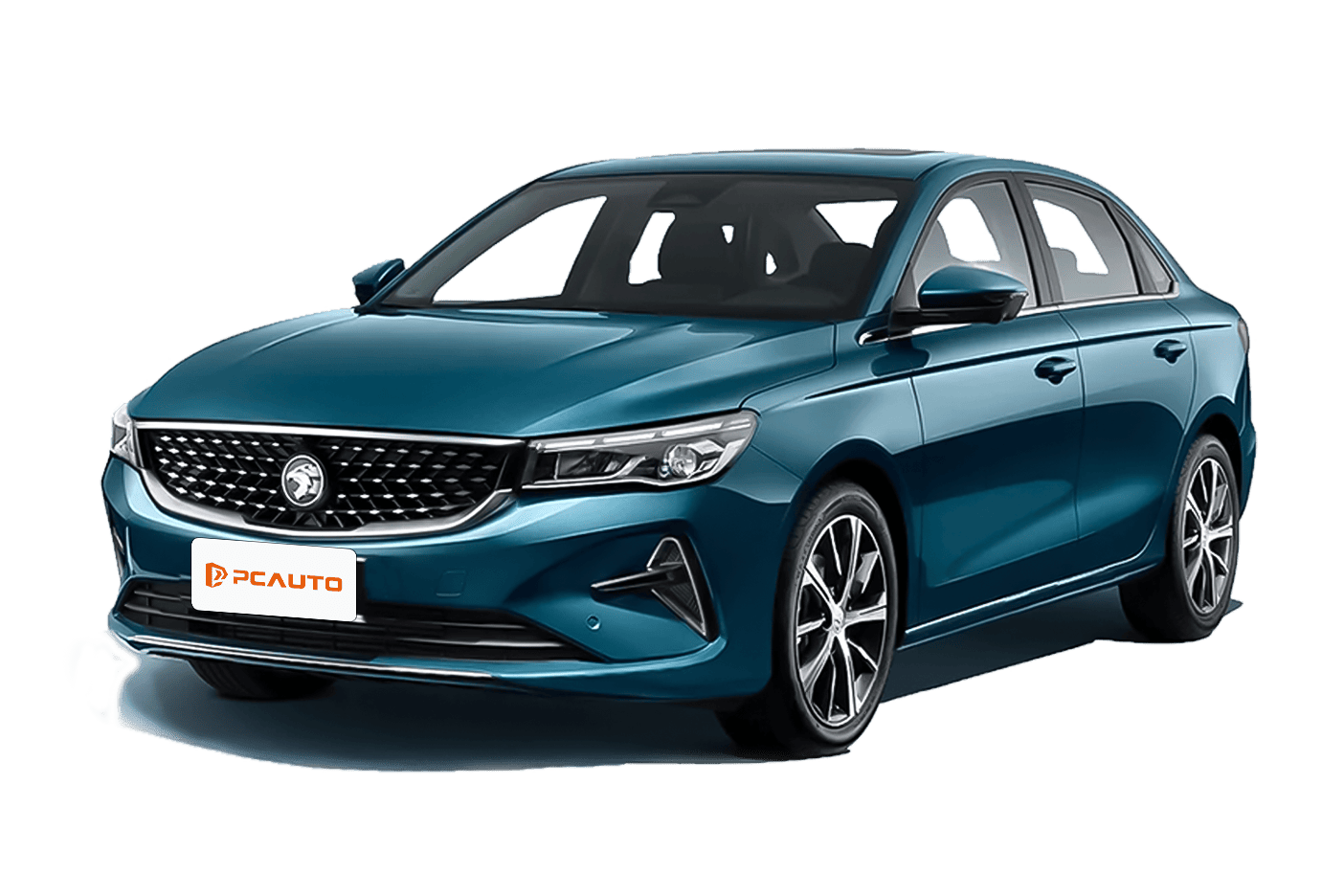
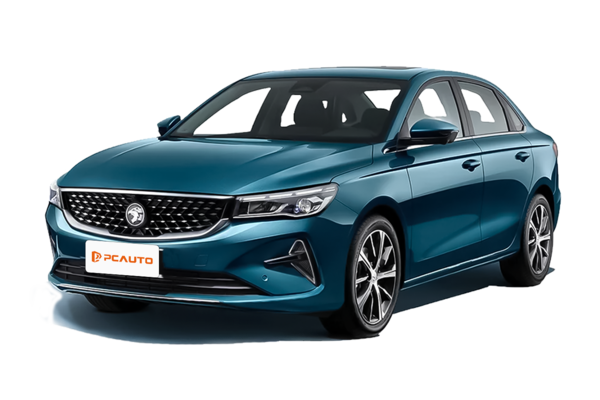
2024 Proton S70 1.5T Executive is an affordable entry-level family C-segment sedan with practical space and lively performance, balancing elegant design with basic safety features.
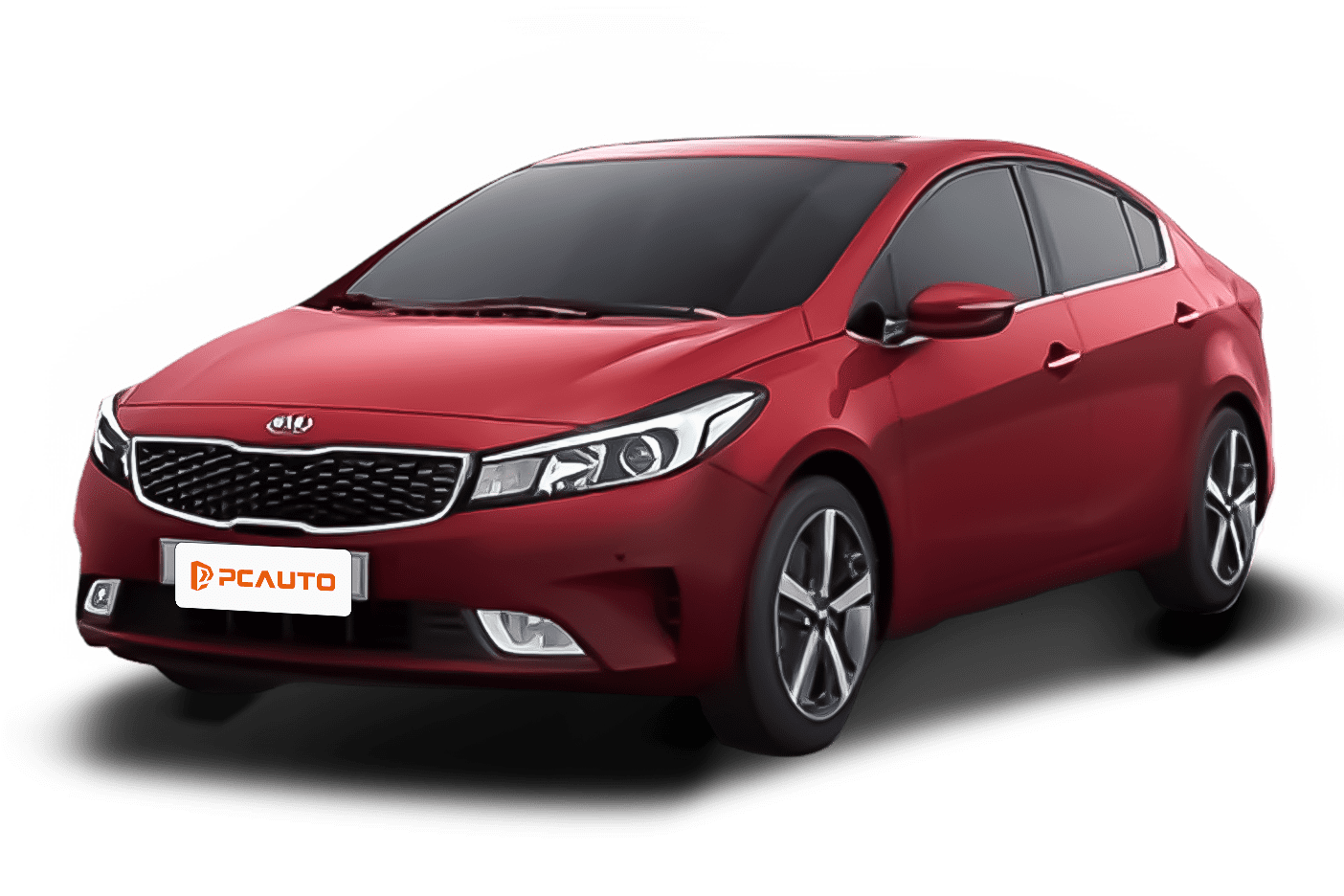
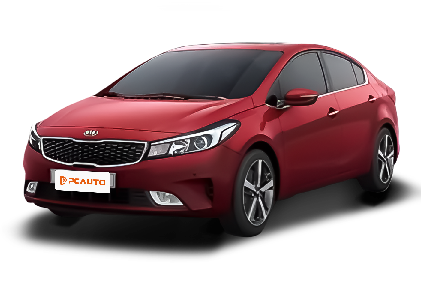
2020 Kia Cerato 1.6 SX is a high-value family sedan that retains core features at a lower price, offering practical space, reliable safety, and balancing the needs of commuting and family travel.
7
Rank in Sedan
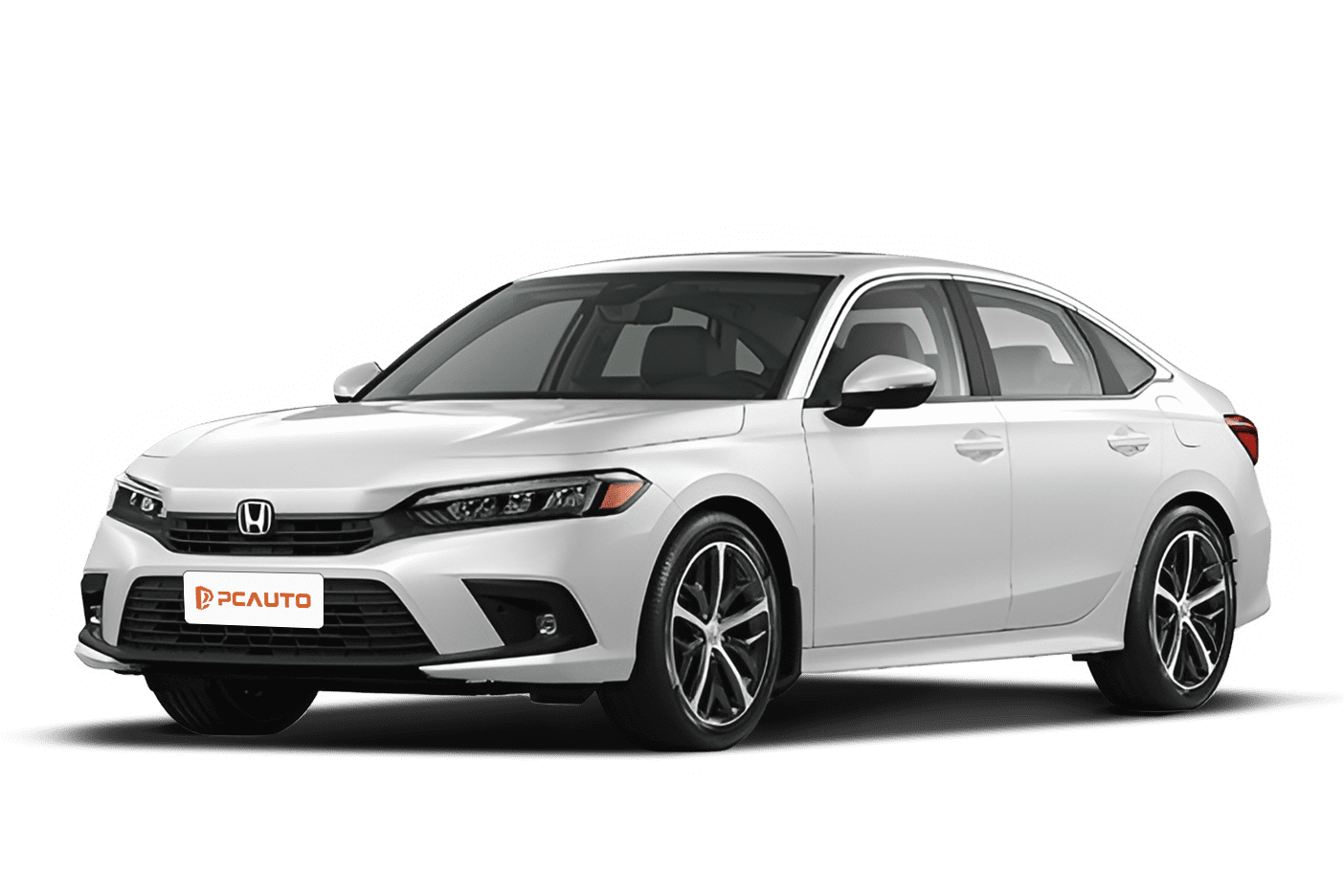
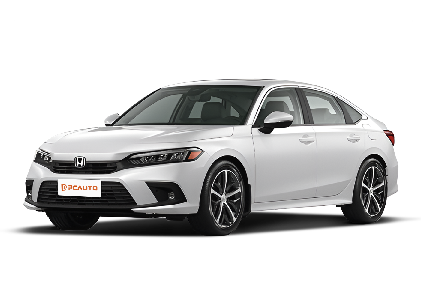
2025 Honda Civic 1.5L E is an entry-level family sedan that combines 1.5T power, a full set of active safety features, and practical space, suitable for city commuting and family outings.
25
Rank in Sedan
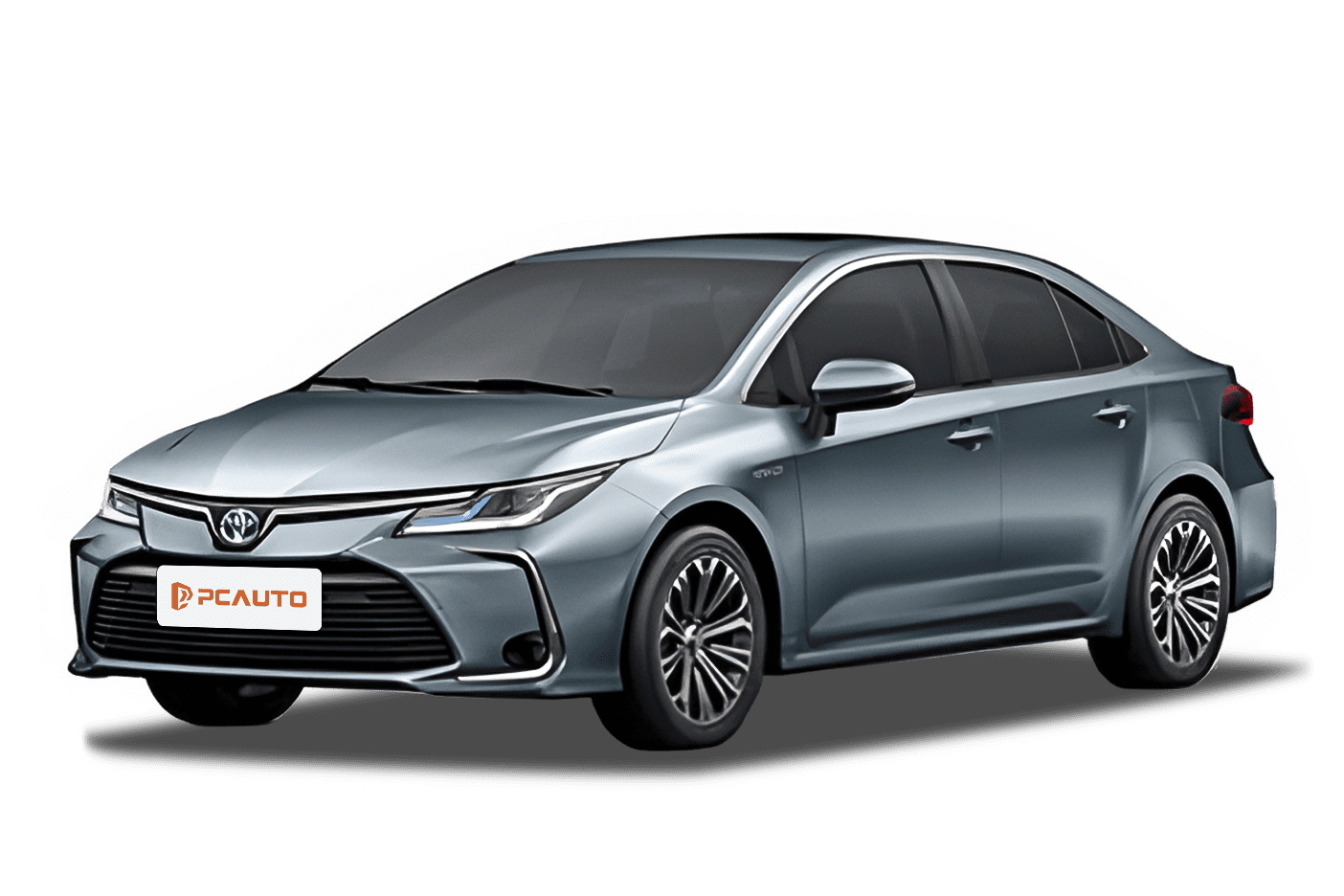
2025 Toyota Corolla GR Sport features a sporty design, upgraded intelligent configurations, and high cost performance, balancing practicality for family use and driving pleasure, making it an ideal choice for young families.