
2018 Ford Ranger 2.0 Bi-Turbo WildTrak 4x4 (A) Review

 Share
 Segment
 Body Type
 Capacity(L)
 Engine Power(PS)
 Transmission
 Driven Wheels
The pickup truck market has traditionally been dominated by practicality, but in recent years, consumer demand for features and driving experience has gradually increased—they want a vehicle that can handle the complex conditions of construction sites or off-road terrain while also offering comfort and smart features for daily commutes. The 2018 Ford Ranger 2.0 Bi-Turbo WildTrak 4x4 (A), as a mid-to-high-end model in the series, highlights its bi-turbo diesel power, advanced safety features, and versatile space as core selling points. In this test drive, we focused on evaluating its real-world performance, feature practicality, and adaptability across comprehensive scenarios.
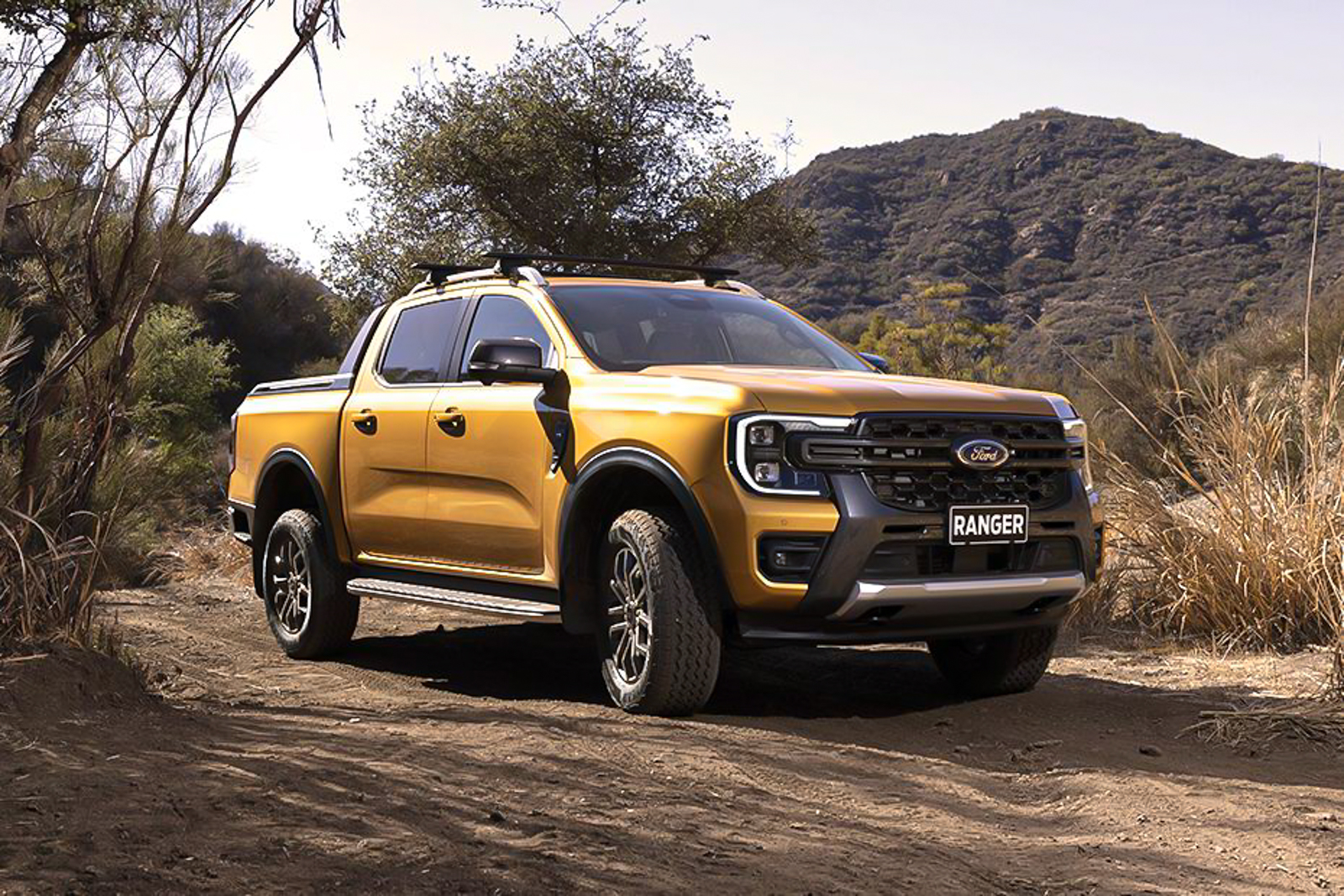
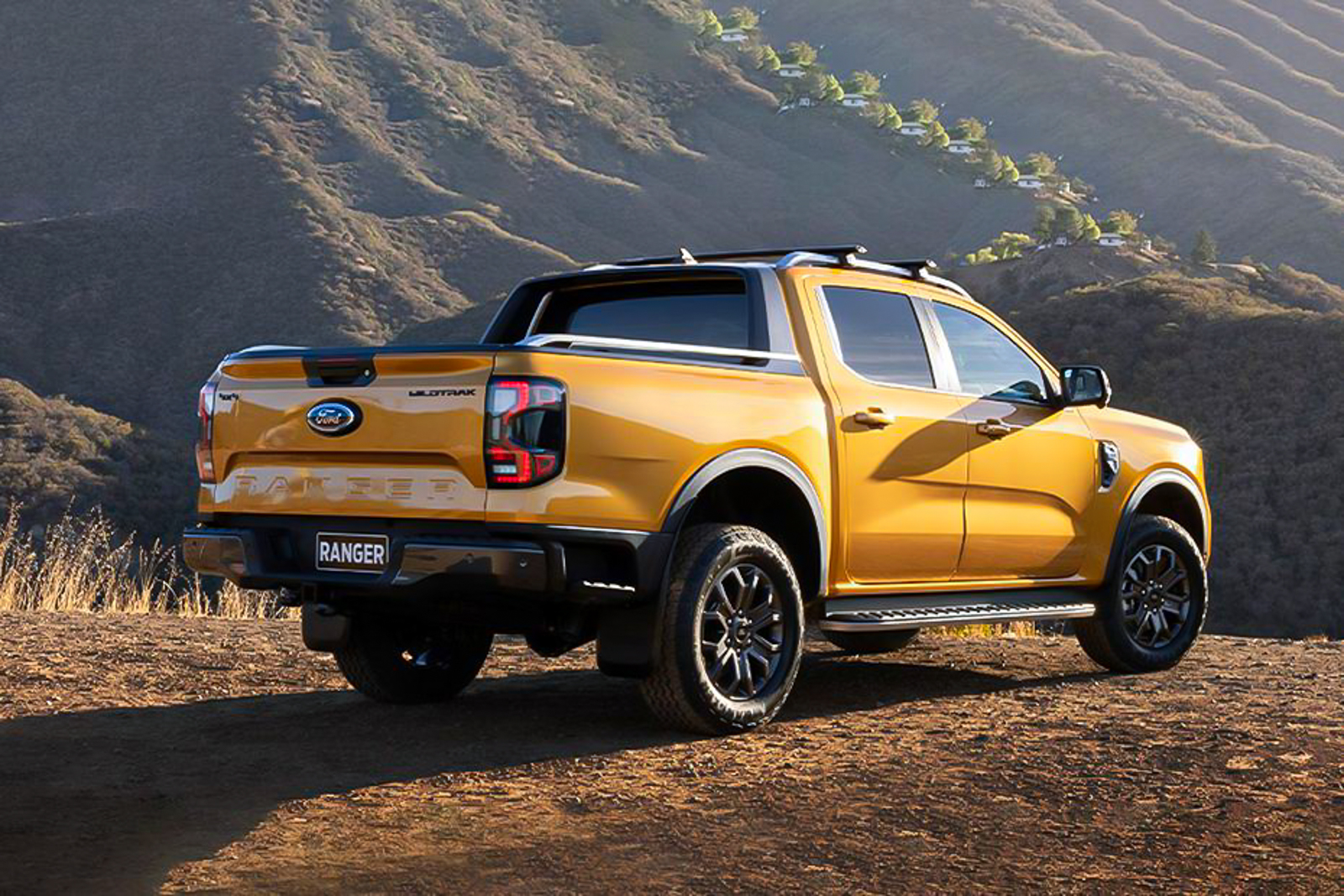
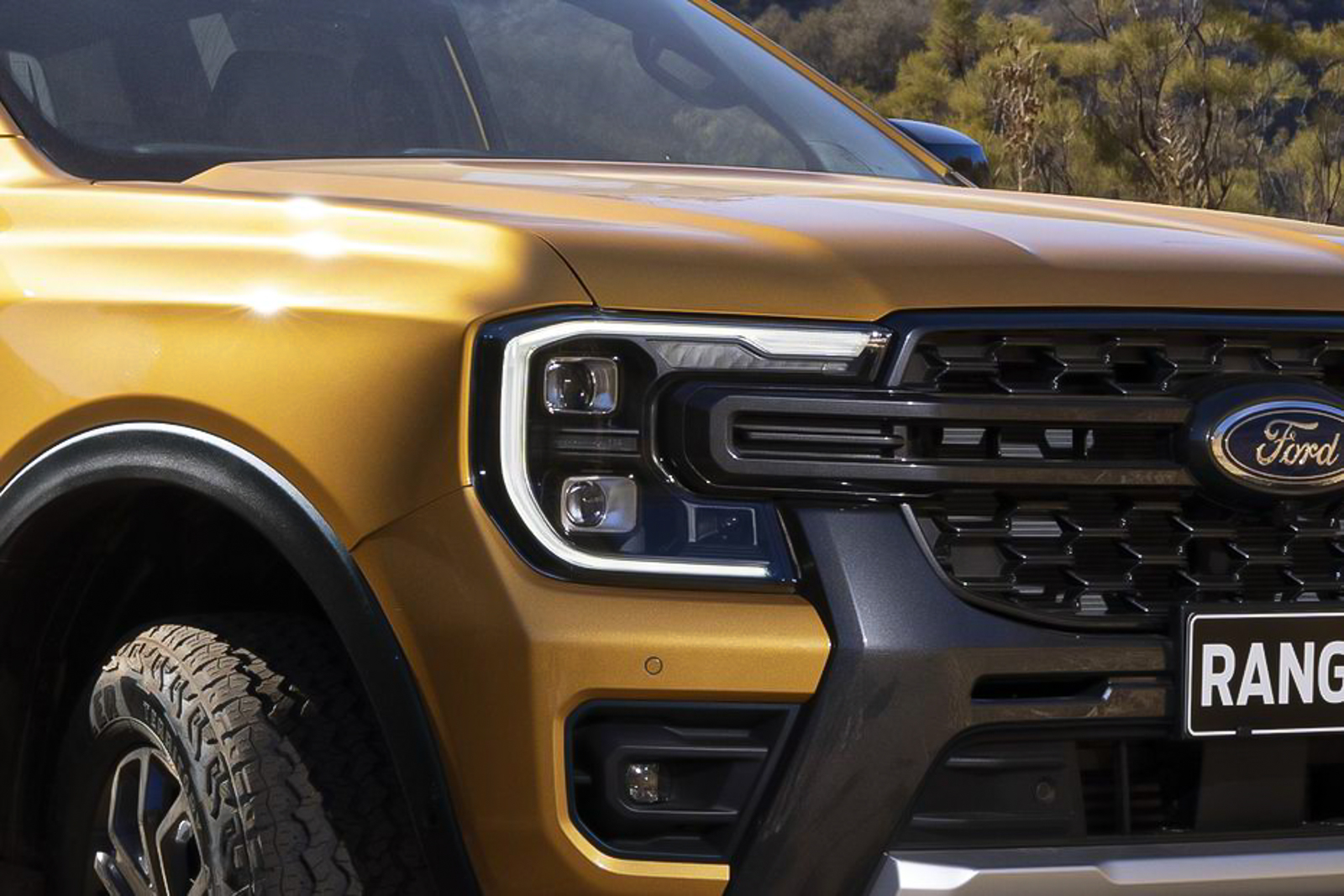
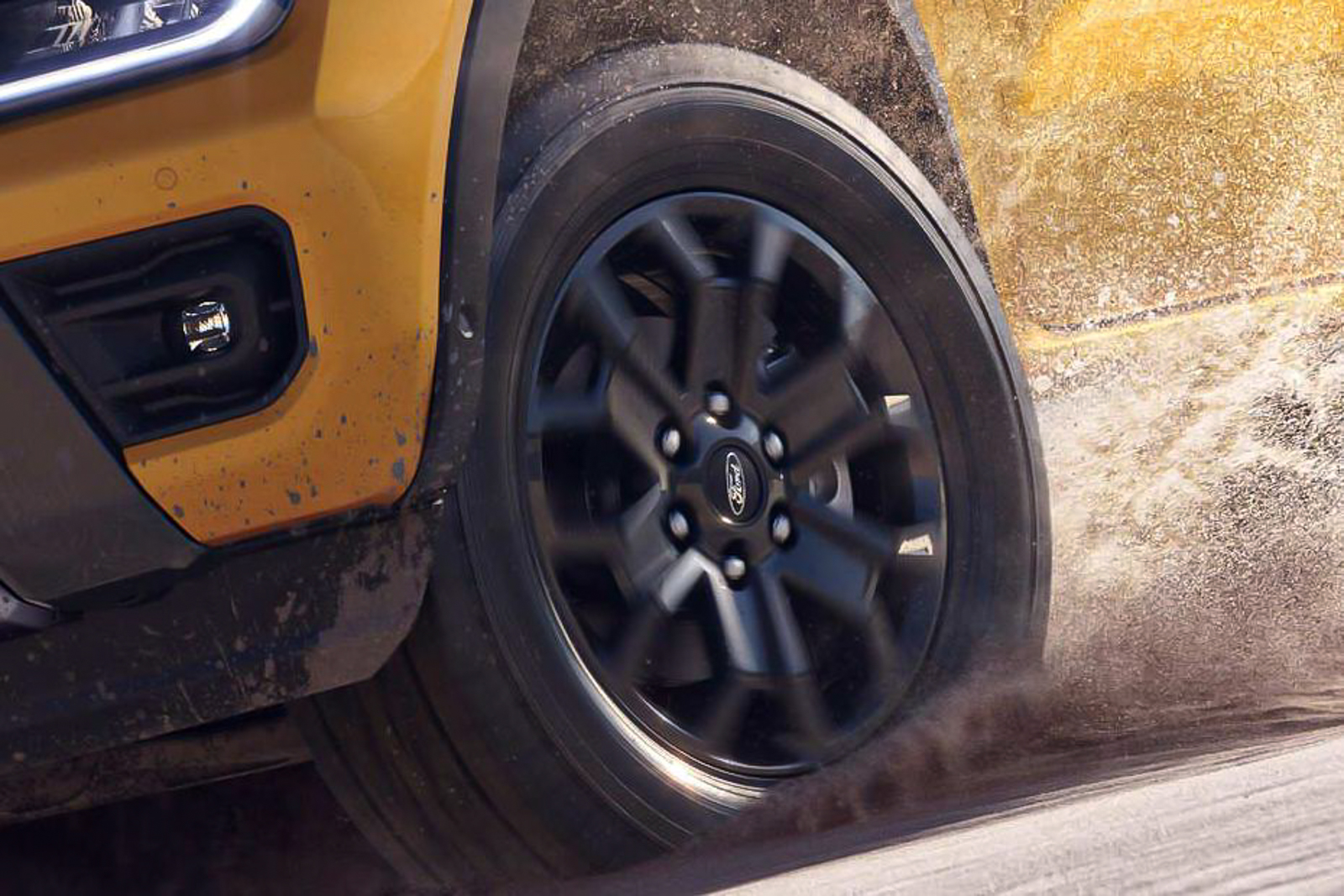
In terms of appearance, the WildTrak version is highly distinctive. The front end features a large trapezoidal grille, complemented by chrome trims and the exclusive WildTrak badge, giving it a more robust visual appeal. The side profile of the vehicle has straight lines, while the wheel arches are surrounded by black plastic cladding, paired with 18-inch alloy wheels and 265/60 R18 tires, balancing off-road style and on-road stability. The rear LED taillights have sharp designs, and the cargo bed liner also bears the WildTrak logo. The overall design maintains the rugged aesthetics of a pickup truck while incorporating details to avoid looking overly rough. The lighting system includes xenon headlights and LED daytime running lights. Automatic headlights and front fog lights are practical and suitable for different weather conditions.
Inside the cabin, the interior features a dark tone, with the center console covered in soft materials and decorated with silver trims, offering an upscale feel compared to other pickups in its class. The 8-inch touchscreen is placed at the top of the center console, with a decent level of responsiveness. It supports Bluetooth connectivity and smartphone mirroring (although CarPlay wasn't explicitly mentioned, its basic functions meet daily needs). The instrument cluster combines digital and analog displays, with the left-side LCD screen showing information such as fuel consumption and drive modes, which are easy to read. In terms of configuration, keyless entry, push-button start, and dual-zone automatic air conditioning all come standard. The front seats support electric adjustment, providing adequate support for long-distance driving, while the rear seats can be flipped up, revealing hidden storage space underneath that is practical for tools or small items. Additionally, the cabin is equipped with a 220V power outlet, which is a bonus for users requiring outdoor power supply.
The space performance aligns with the positioning of a mid-sized pickup truck. With a 3220mm wheelbase, the rear provides ample legroom; passengers at 175cm height still have two fists of space left for their knees, and there’s enough headroom without feeling cramped. The front storage compartments are well-designed, with a large capacity in the central armrest box and door panel storage spaces that can hold bottled water and small items. Although the cargo bed size was not specified, it is sufficient for carrying tools or outdoor equipment for daily needs. The side panels of the bed are moderately high, making loading and unloading items relatively easy.
The powertrain is the highlight of the WildTrak. The 2.0L bi-turbo diesel engine offers a maximum output of 213PS and a peak torque of 500N·m (while not directly stated in the specifications, these are the typical parameters of this engine type), paired with a 6-speed automatic transmission. The engine responds eagerly during takeoff, with a light press of the accelerator showcasing the low-end torque advantage of the diesel engine. Climbing hills under a fully-loaded condition is also effortless. When switched to sport mode, the gearbox delays shifting, maintaining the rpm above 2000 for crisp acceleration. During daily commutes, power delivery is smooth without any abrupt jolts, balancing both performance and comfort.
In terms of handling, the steering wheel feels relatively heavy, which matches the positioning of a pickup truck. The steering is quite precise, and stability at high speeds is good. The front suspension features a double wishbone independent structure, and the rear suspension uses leaf springs (a common setup for pickups). On paved roads, it handles minor bumps fairly well, but when driving over speed bumps or uneven roads, vibrations in the rear seat are more noticeable—this is a common characteristic of pickups. Among its peers, the WildTrak ranks at a mid-tier level. The four-wheel-drive system is an intelligent part-time 4WD, and when switched to low-speed 4WD mode, it handles muddy or gravel rural roads with ease. With a minimum ground clearance of 237mm, its off-road capability surpasses that of most urban SUVs.
Safety features are a significant strength of the WildTrak, which comes standard with six airbags, ABS, and stability control. Additionally, it includes lane departure warning, autonomous emergency braking, and forward collision warning. In actual testing, the forward collision warning activates within speeds of 40 km/h, and the autonomous braking system intervenes to stop the vehicle if the distance becomes too close, significantly enhancing safety for daily urban commuting. The automatic parking assist feature reduces the difficulty of maneuvering into tight parking spaces, while the front and rear parking sensors and the 360-degree camera system (noted as front and rear cameras in the configuration table but actually a surround-view system) are friendly features for novice drivers.
Regarding fuel consumption, the tested combined fuel consumption on mixed road conditions is approximately 8.5L per 100 km. The diesel engine offers excellent fuel economy, and the 80L fuel tank capacity provides a range of over 900 km, making it suitable for long trips. In terms of noise control, wind and tire noise become noticeable at high speeds, but the vibration of the diesel engine is well suppressed, and there is no obvious resonance within the cabin. Overall, the noise level remains acceptable.
In summary, the core advantages of the 2018 Ford Ranger 2.0 Bi-Turbo WildTrak 4x4 (A) are its powerful twin-turbo engine, superior safety features, and flexible spatial design. When compared to similar models like the Toyota Hilux Rogue or Nissan Navara Pro-4X, it offers better power specifications, more comprehensive safety features, and a reasonable price point (RM 144,888), making it a standout for value for money.
This vehicle suits two types of users: firstly, those who need to balance work and personal life—it can transport goods for projects or business needs while also meeting the comfort and safety requirements of daily family commuting; secondly, outdoor adventure enthusiasts—the four-wheel-drive system and high ground clearance make it capable of handling light off-road scenarios, while its features are more advanced than entry-level pickups.
Overall, the 2018 Ford Ranger WildTrak is an “all-rounder” pickup with no significant weaknesses. It strikes an excellent balance among power, features, and practicality, making it a highly recommended choice among its peers.
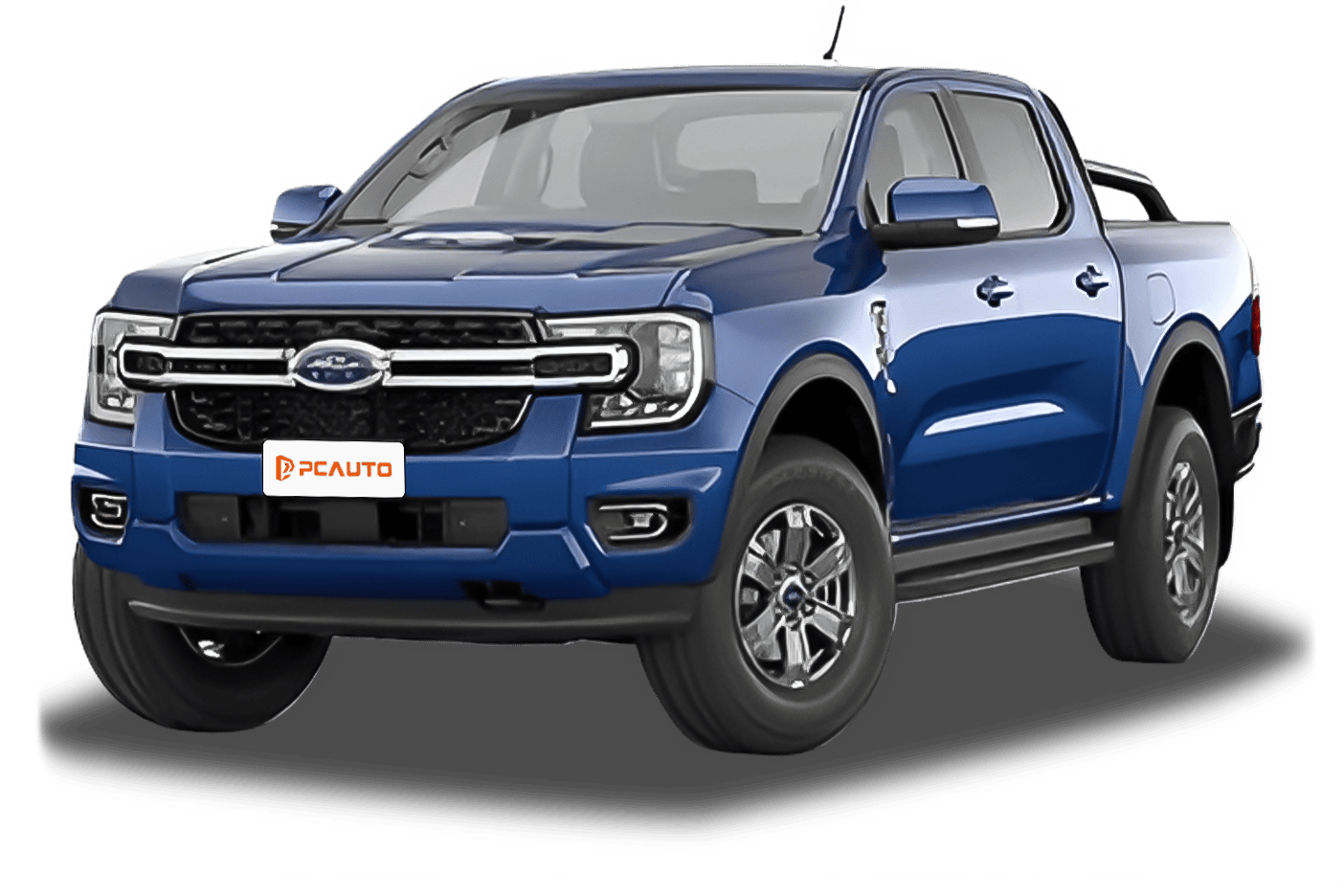
Ford Ranger Car Compare
Ford Ranger Loan Calculator
Cars With Similar Price And Features
5
Rank in Pickup
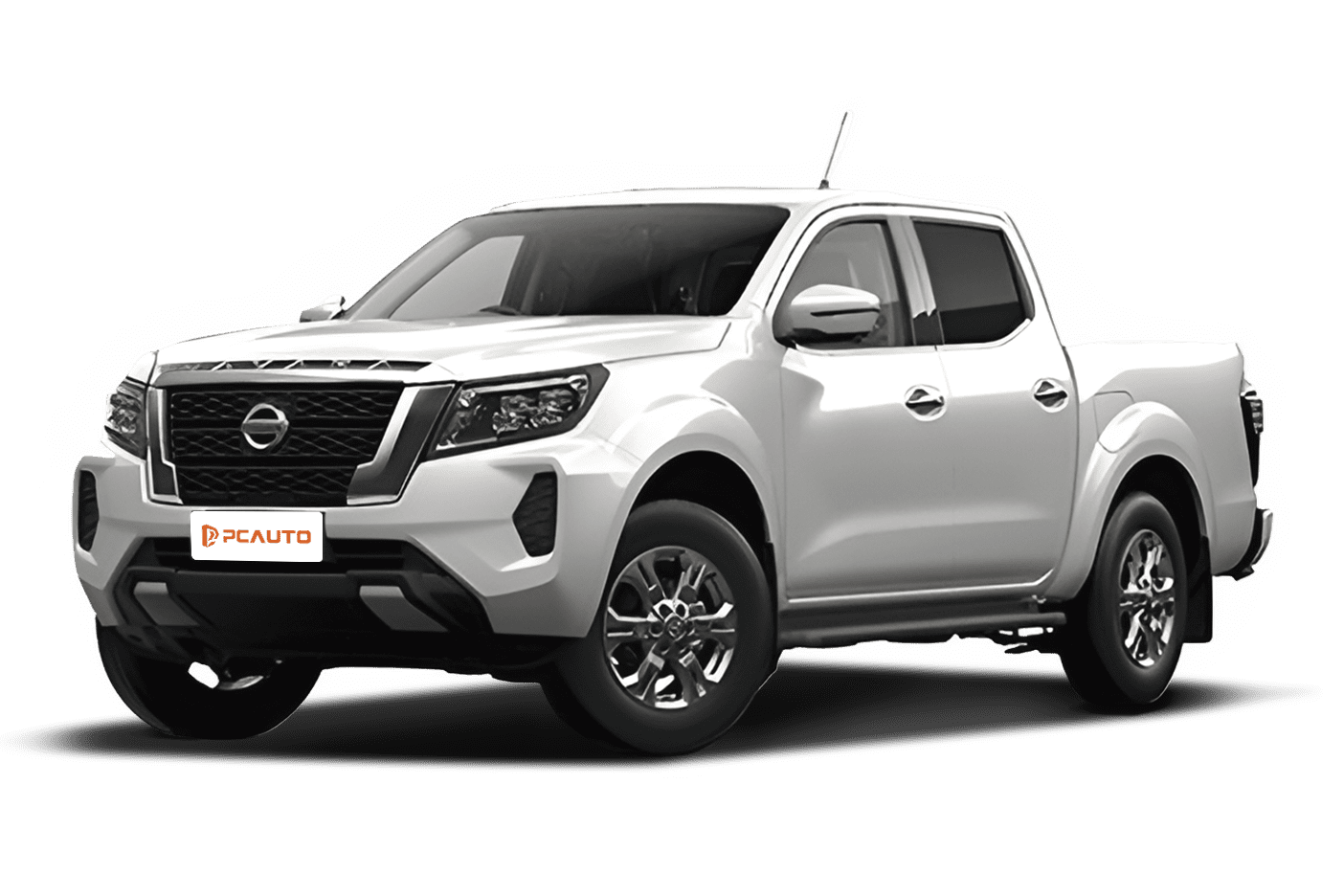
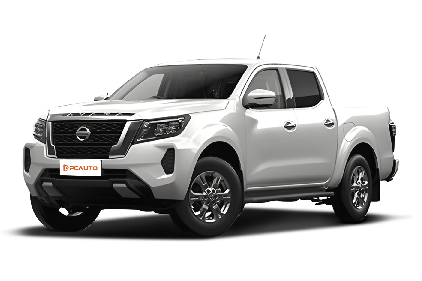
2023 Nissan Navara 2.5 VL Black Edition is a pickup truck that balances household comfort with light off-road capability, featuring exclusive black trims, a full suite of active safety features, and practical configurations, precisely catering to the needs of families and small business owners.
4
Rank in Pickup
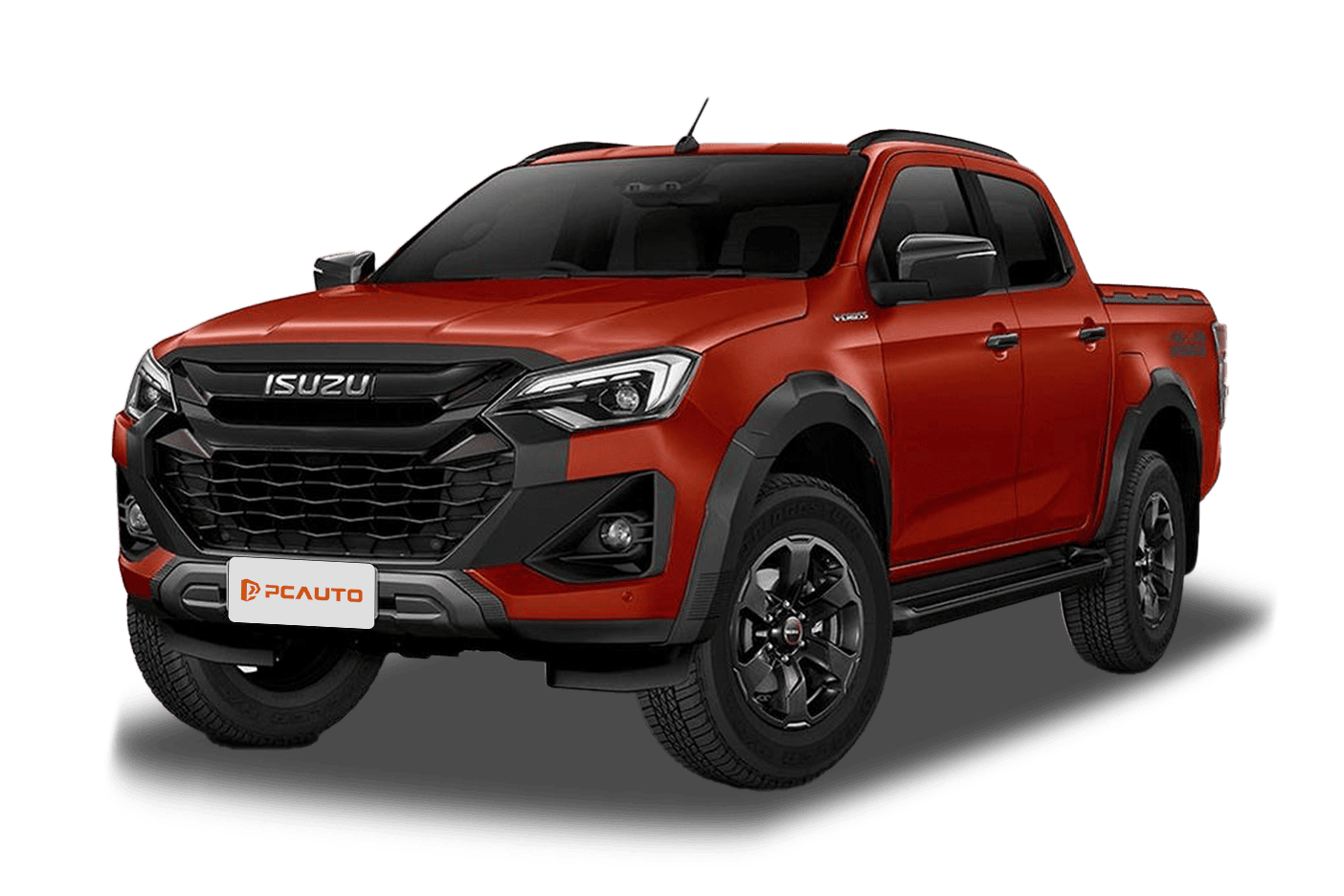
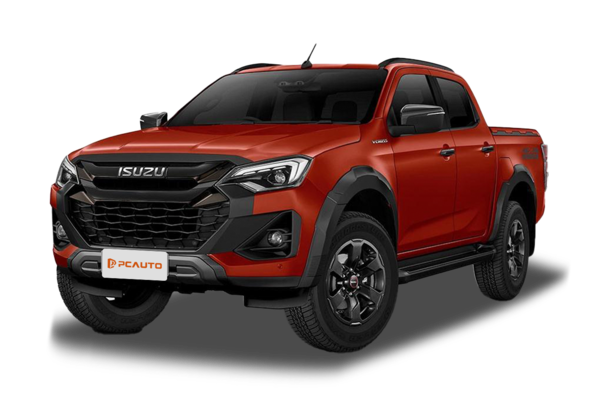
2025 Isuzu D-MAX 1.9L 4x2 Low Ride is an entry-level passenger pickup, offering a balance of practical space, reliable diesel performance, and fuel economy, suitable for family transport and small business cargo needs.

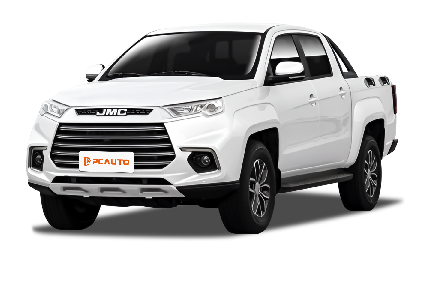
2023 JMC Vigus Pro White Series 2.0L 4WD 8AT combines rugged design, practical features, and powerful diesel performance, balancing everyday durability and mild off-road needs, making it a high-value choice for pickup users.
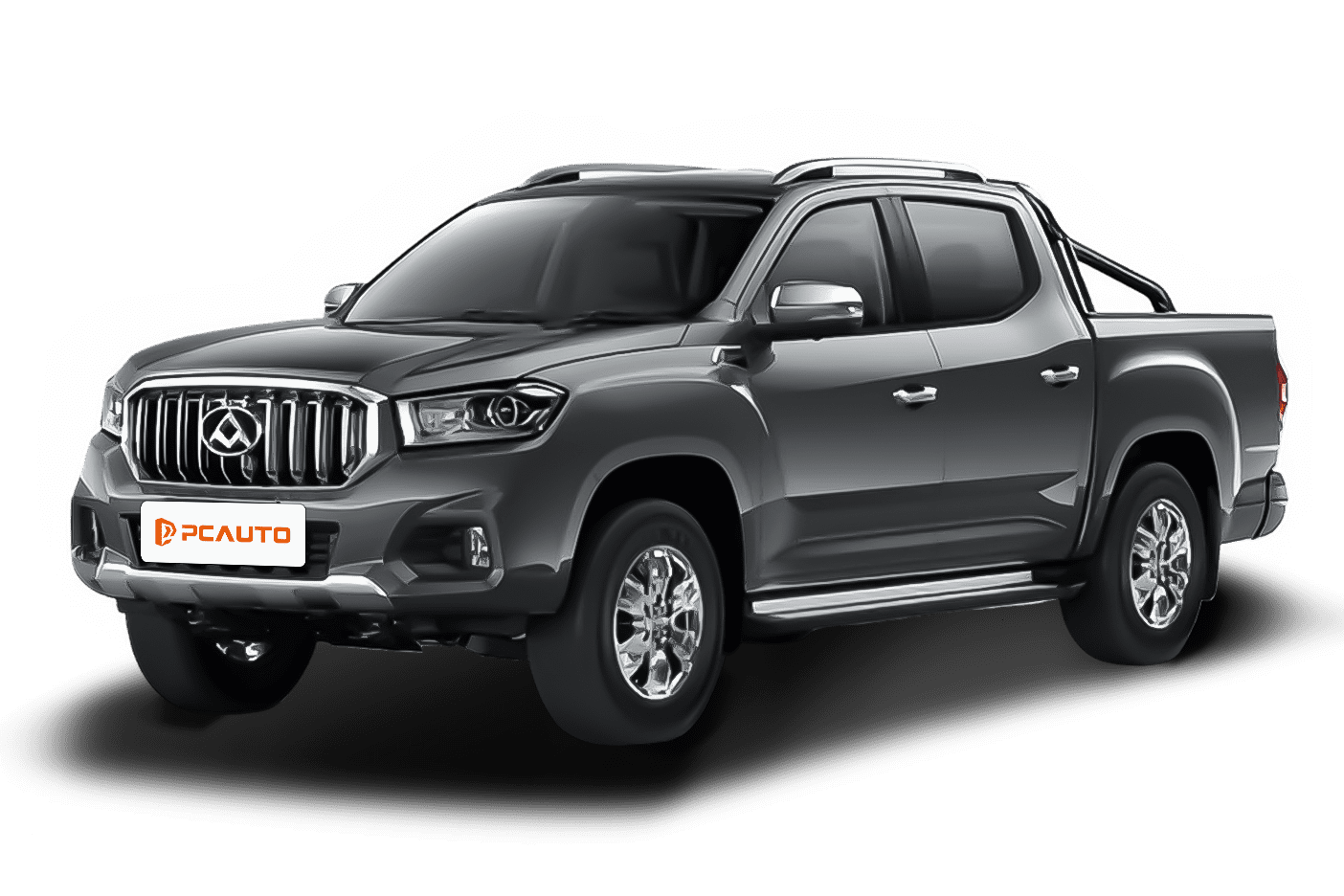
2022 Maxus T60 2.8L 4WD AT is a practical pickup truck that balances work and life. The strong diesel torque and 4WD capability meet cargo and off-road needs, while the premium features and spacious interior enhance daily comfort.