

Isuzu D-MAX Review

 Share
Share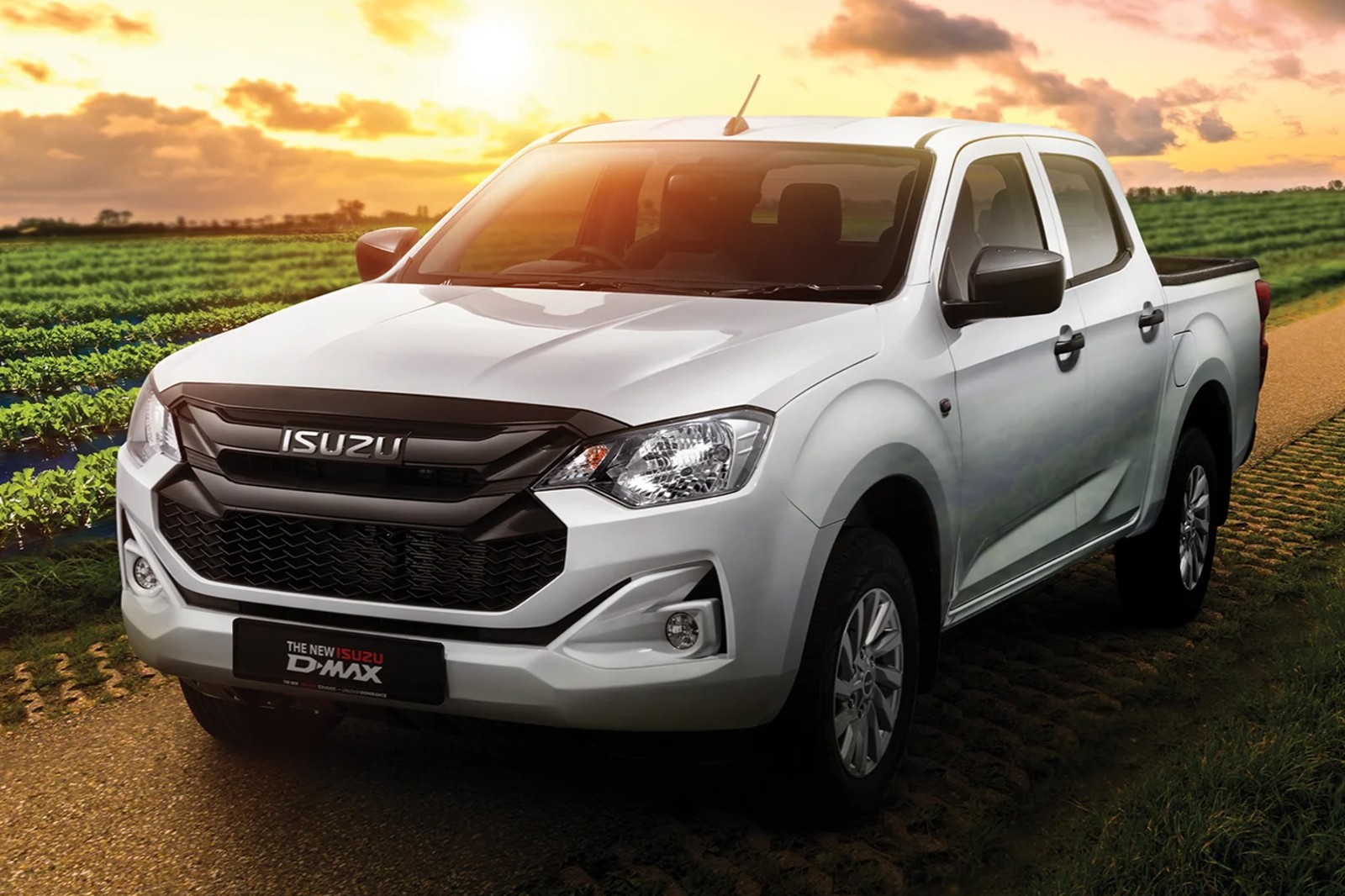
 Segment
 Body Type
 Capacity(L)
 Engine Power(PS)
 Engine Torque(Nm)
 Transmission
In the pickup truck market, models that balance daily passenger and light cargo needs have always been a key focus for family users and small business owners. The Isuzu D-MAX 1.9L 4x2 Low Ride, launching in February 2025 at a price of RM 92,199, enters the entry-level passenger pickup market with core strengths in practical space, a mature diesel powertrain system, and a balanced set of basic features. In this test drive, we mainly evaluate its actual performance in urban commuting, daily passenger use, and short-distance cargo scenarios to see whether this entry-level model meets the core needs of its target users.
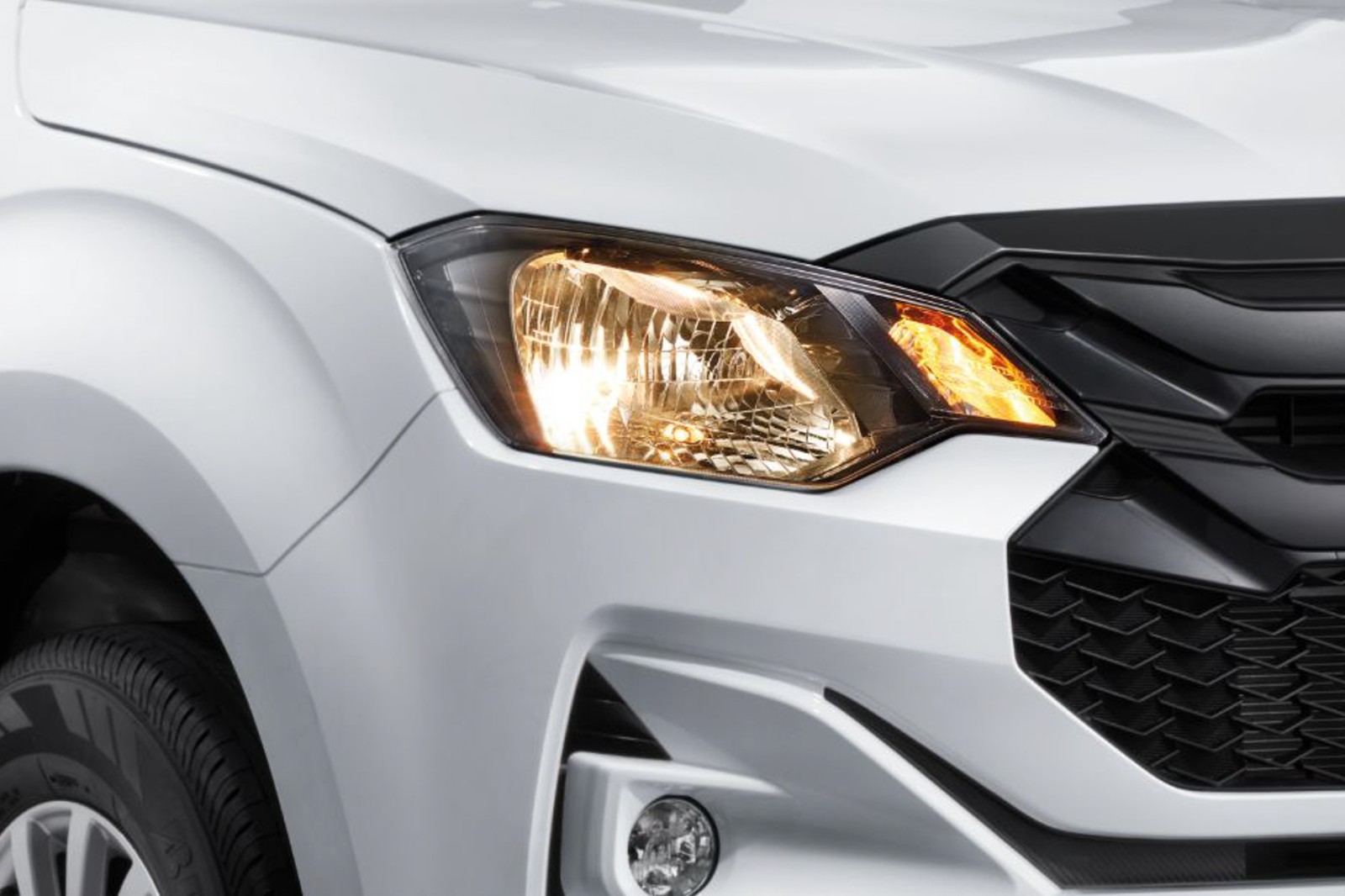
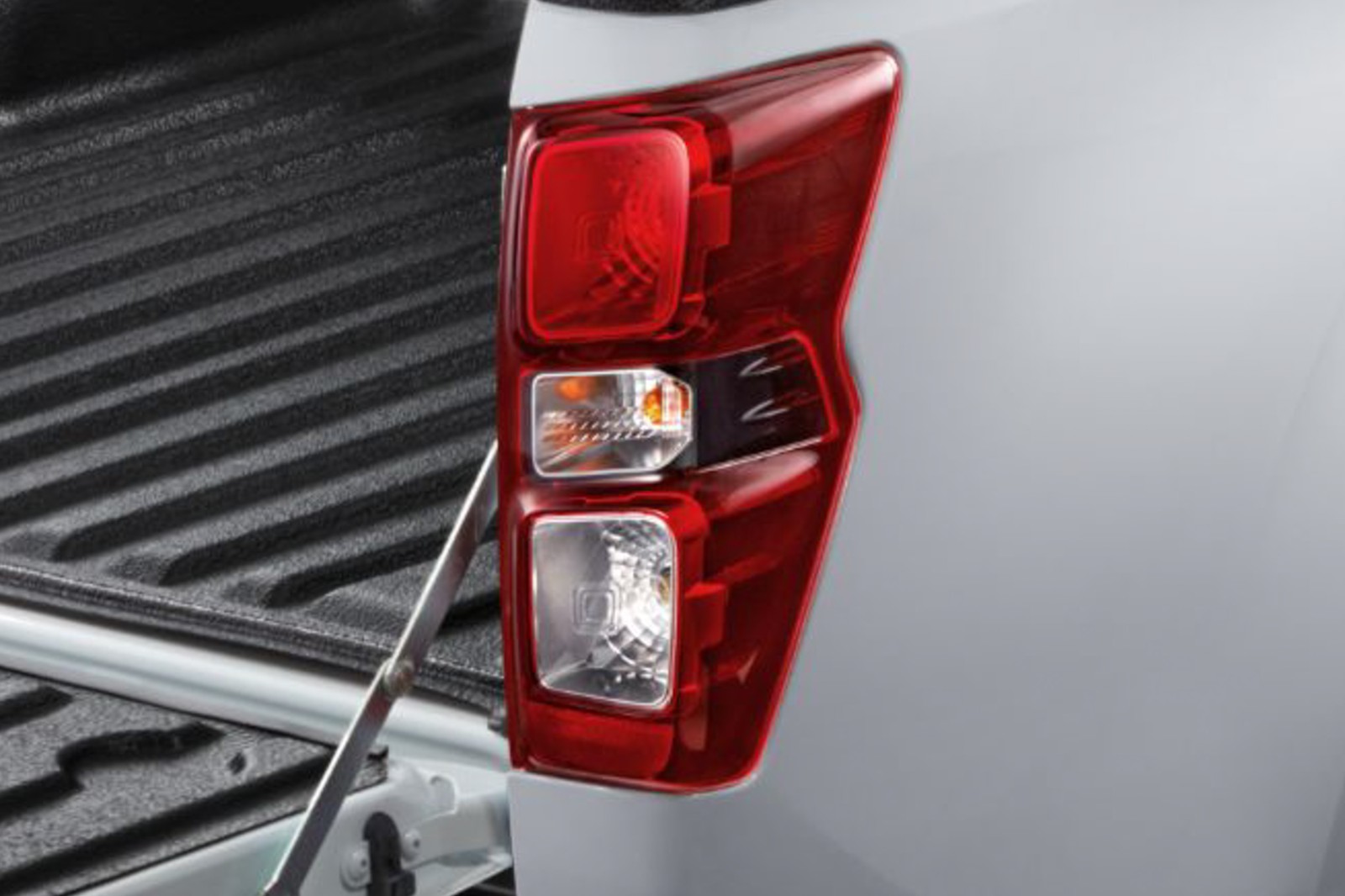
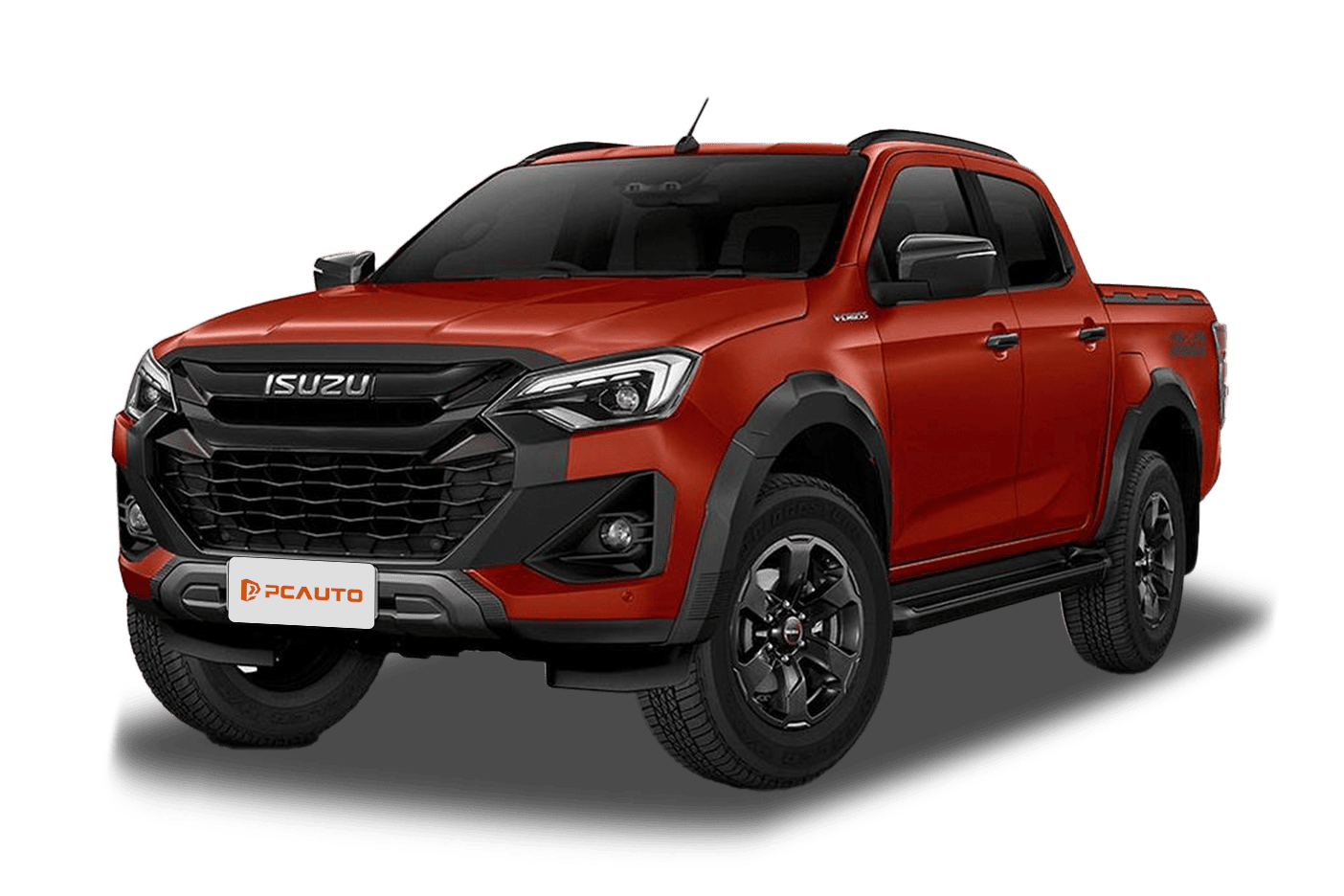
From the exterior design, this model continues the rugged style of the D-MAX family, but the Low Ride version's height of 1695mm is lower than some 4x4 models. Paired with 215/70 R16 tires, the overall stance is closer to a city SUV, making getting in and out of the vehicle more convenient. The chrome trim on the front grille, though not overdone, enhances its recognizability; the combination of halogen headlights and LED taillights meets basic lighting needs, while the addition of front fog lights adapts to rainy weather driving conditions. The body lines are simple without excessive decoration, consistent with its practical positioning.
Inside the car, the interior mainly uses dark hard plastic materials, which fit the positioning of an entry-level model, but the gaps at the joints are relatively well-controlled. The center console layout is clear, and the 3.5-inch monochrome LCD display shows basic vehicle information with straightforward and simple operation logic. The multi-function steering wheel integrates commonly used buttons, and although the adjustment is manual, the range of adjustment is sufficient to cover seating position needs for most drivers. The front seats feature 4-way manual adjustment; while the cushion is on the firmer side, the support is good, making it less fatiguing for long drives. The rear seats support a 60:40 split-fold design, which, when folded, extends the trunk's storage capacity. In terms of space, the 5285mm vehicle length and 3125mm wheelbase provide spacious legroom in the rear seat. A passenger of 170cm can sit with about two fists of knee room to the front seat, and headroom is also ample. There are plenty of storage compartments, with the front door panels, center armrest box, and cup holders accommodating daily small items.
As for the powertrain, the 1.9L turbocharged diesel engine provides 150PS horsepower and 350N·m of torque, paired with a 6-speed manual transmission. During actual driving, the low-end torque performance is outstanding, with the maximum torque range of 1800-2600rpm covering the commonly used rev range for daily driving, making starts and low-speed following quite effortless. The gearbox has clear gear positions, and the gear shift travel is moderate. Although it lacks the convenience of an automatic transmission, for users accustomed to manual transmissions, the shifting feel is pleasant. When the accelerator is pressed hard for acceleration, the power output is linear, and the explosive power after downshifting is sufficient to handle requirements on urban expressways.
In the handling department, the combination of a front independent double wishbone suspension and rear leaf spring ensures a balance between handling and load capacity. On urban roads, the steering wheel has moderate weight and relatively precise positioning, without noticeable play. When passing over speed bumps or uneven roads, the suspension filters out most minor vibrations, so rear passengers do not feel too bumpy. However, on larger potholes, the rebound from the rear leaf springs feels slightly direct. During high-speed driving, the vehicle remains stable without a floating sensation, and body roll during cornering is within the acceptable range for pickup truck models.
The fuel consumption performance is noteworthy. We drove 50 kilometers each in urban congested areas and suburban roads, and the combined fuel consumption was about 7.8L/100km, which is relatively economical for a car weighing 1.77 tons. With a fuel tank capacity of 76L, the driving range can exceed 900 kilometers when fully fueled, reducing the inconvenience of frequent refueling. In terms of noise control, the noise of the diesel engine is quite noticeable at idle, but once it starts moving, the wind and tire noise are well managed, and conversations inside the cabin are not affected at speeds below 60km/h.
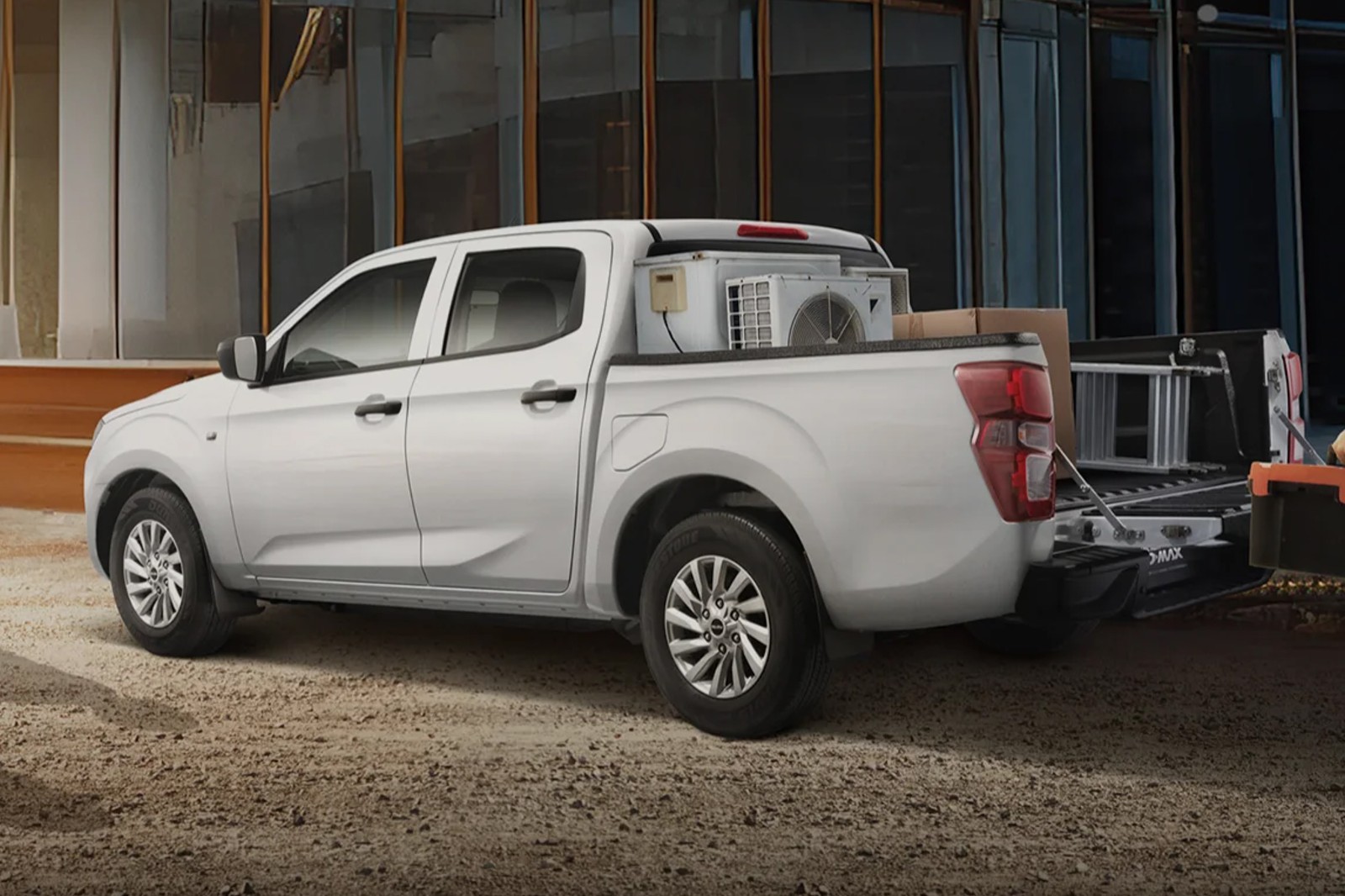
Overall, the core strength of the 2025 Isuzu D-MAX 1.9L 4x2 Low Ride lies in its balanced practicality: the spacious interior is suitable for family use, and folding the rear seats can accommodate small-scale cargo transport; the mature diesel powertrain balances performance and fuel efficiency; the basic configuration is complete with no obvious shortcomings. Compared to the entry-level pickups in the same class, its price is lower than the 2024 1.9L 4x4 Single Cab (RM 98,949), and its 4-door 5-seater layout is more suitable for families.
This vehicle is most suitable for practical family users and small business owners—those who need to ferry family members daily while occasionally transporting goods; they do not have high requirements for features but value reliability and fuel efficiency. If you are looking for luxury features or off-road performance, this car might not be your best choice, but if your needs are "sufficient, durable, and practical," then it would be a high-value option.
In conclusion, the 2025 Isuzu D-MAX 1.9L 4x2 Low Ride is a well-targeted entry-level passenger pickup. With its pragmatic design and balanced performance, it meets the core needs of the target audience, making it a practical option worth considering in this price range.
Isuzu D-MAX Car Compare
Isuzu D-MAX Loan Calculator
More Isuzu Reviews
Cars With Similar Price And Features
5
Rank in Pickup
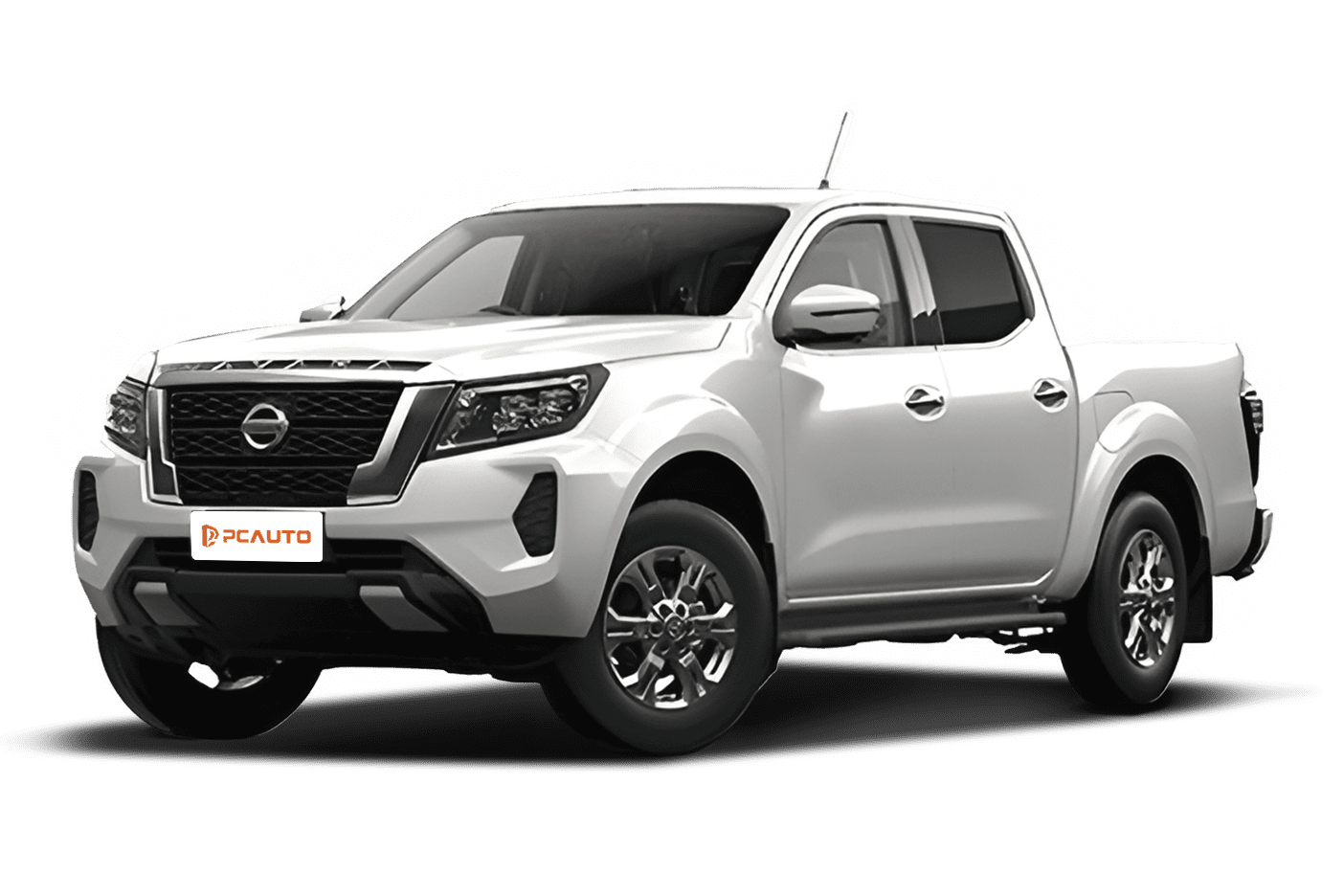
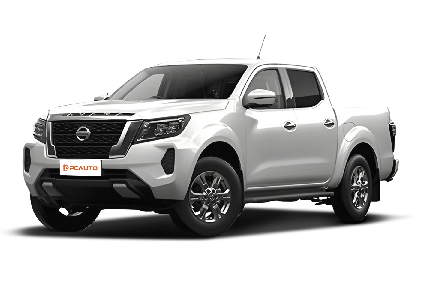
2023 Nissan Navara 2.5 VL Black Edition is a pickup truck that balances household comfort with light off-road capability, featuring exclusive black trims, a full suite of active safety features, and practical configurations, precisely catering to the needs of families and small business owners.
3
Rank in Pickup
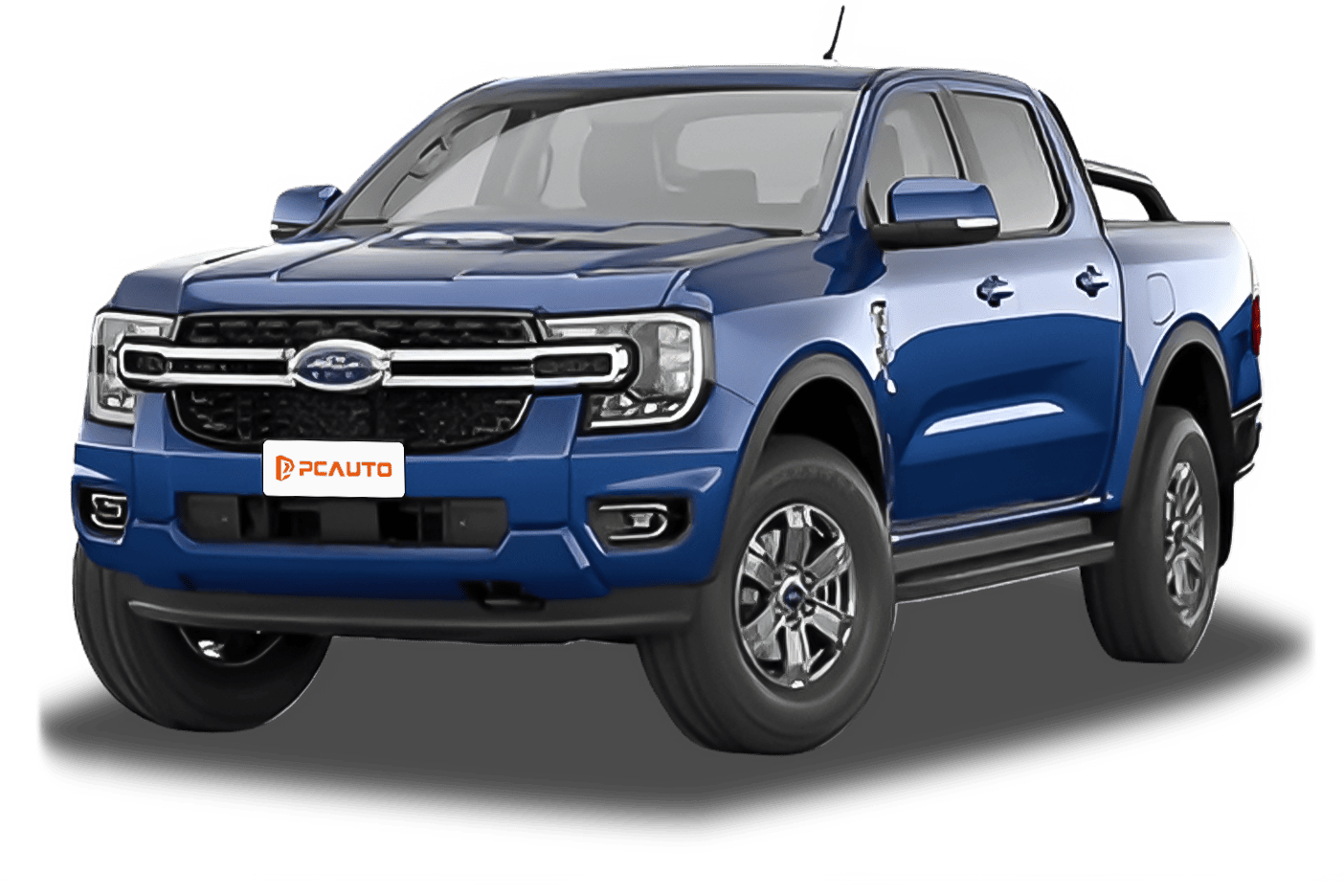
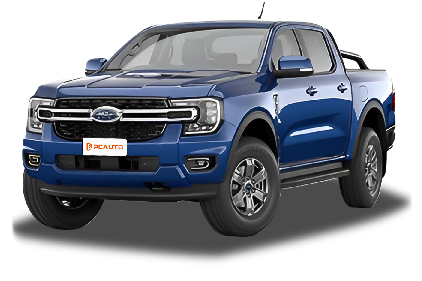
2023 Ford Ranger WildTrak is a mid-to-high-end pickup truck that balances the comfort of daily commuting with the practicality of cargo and off-road capabilities. It features powerful performance, ample space, and practical configurations, making it a versatile choice for both family and work scenarios.

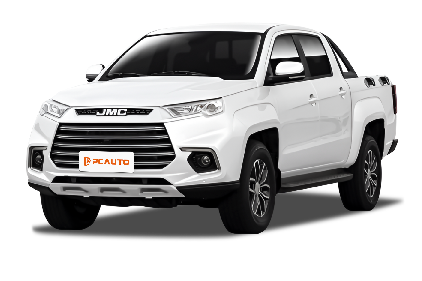
2023 JMC Vigus Pro White Series 2.0L 4WD 8AT combines rugged design, practical features, and powerful diesel performance, balancing everyday durability and mild off-road needs, making it a high-value choice for pickup users.
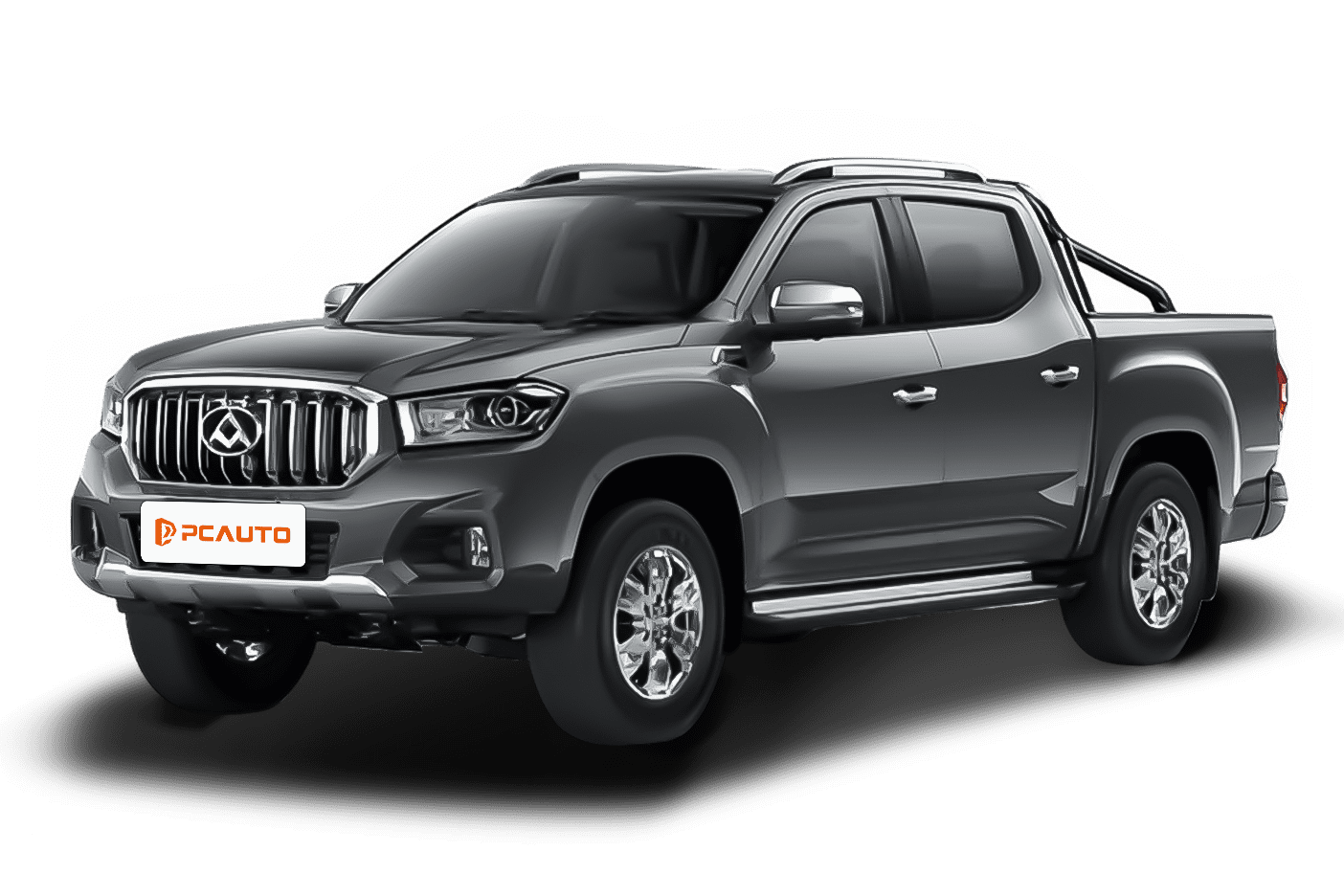
2022 Maxus T60 2.8L 4WD AT is a practical pickup truck that balances work and life. The strong diesel torque and 4WD capability meet cargo and off-road needs, while the premium features and spacious interior enhance daily comfort.