

2018 Ford Ranger 2.0 Si-Turbo XLT+ (A) Review

 Share
Share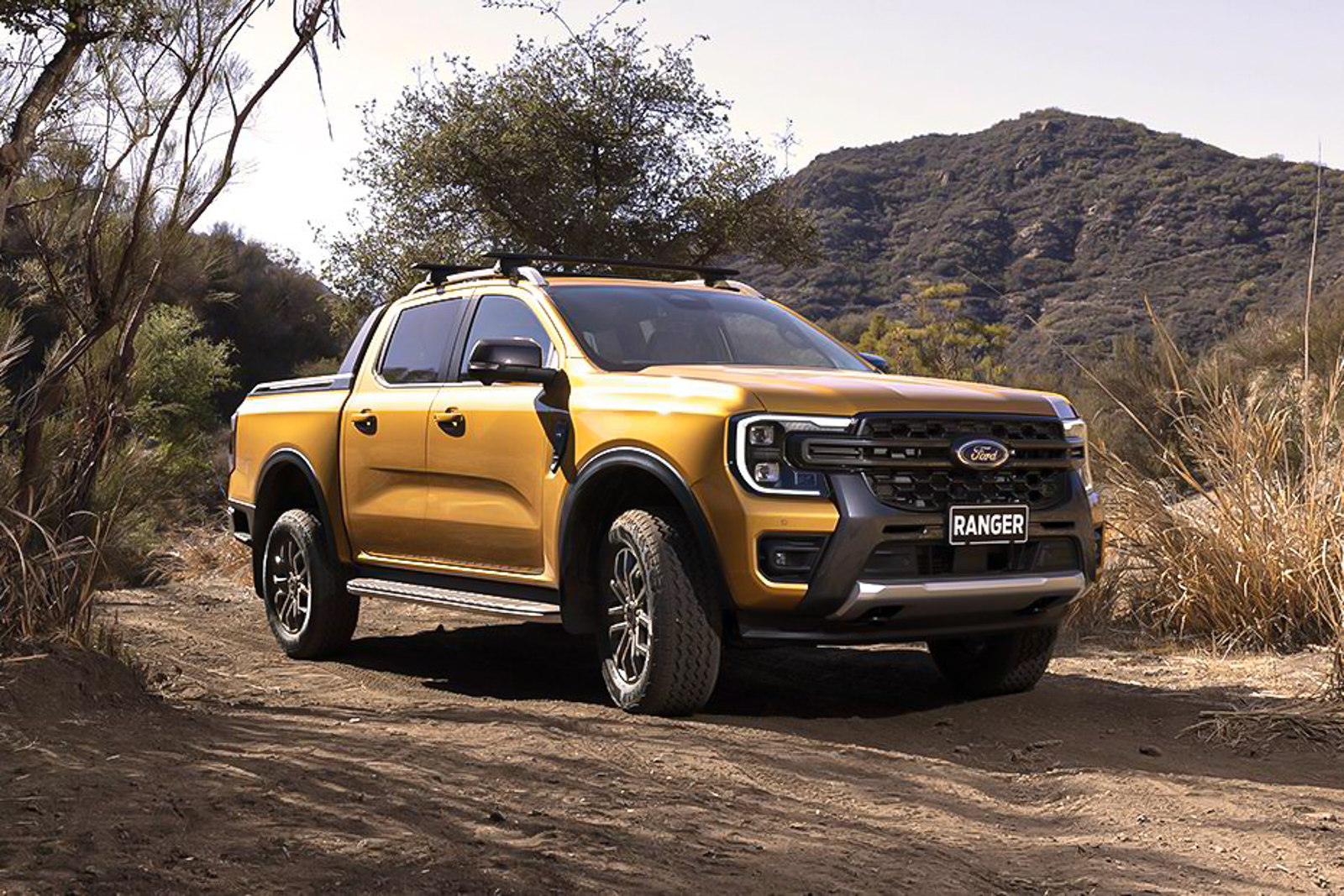
 Segment
 Body Type
 Capacity(L)
 Engine Power(PS)
 Transmission
 Driven Wheels
In recent years, Malaysia's pickup truck market has been active, with many users needing vehicles that can handle complex suburban road conditions while also ensuring comfort for daily use. The demand in the mid-range pickup truck segment has become increasingly clear — it needs to be practical and durable, yet offer sufficient configurations for an enjoyable experience. As a frequent presence in this segment, the 2018 Ford Ranger 2.0 Si-Turbo XLT+ (A) is equipped with a new 2.0T diesel engine while retaining 4x4 capabilities, along with upgraded smart features. Can these changes meet the dual needs of users? This time, we will verify its real performance in both static and dynamic experiences through an actual test drive.
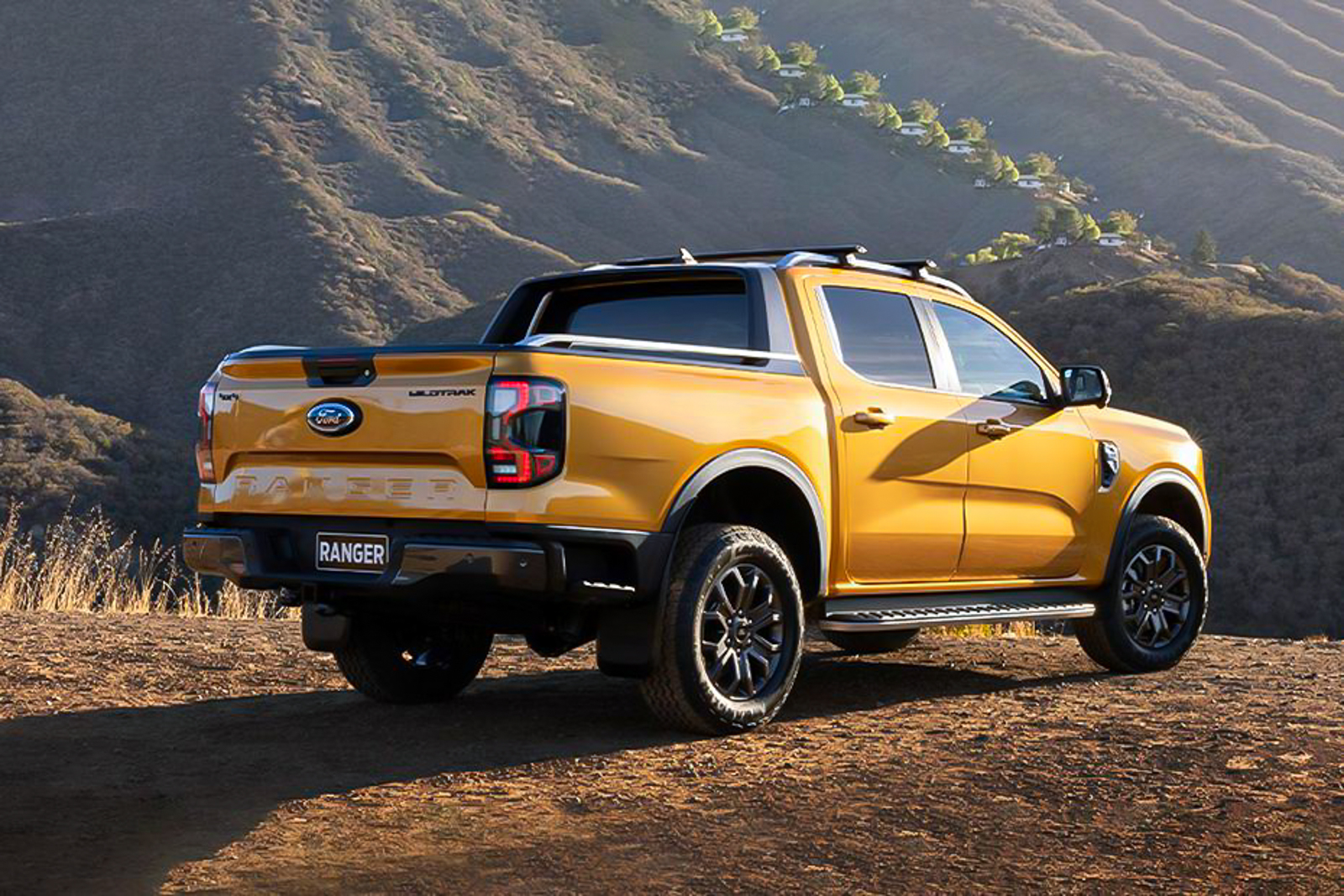
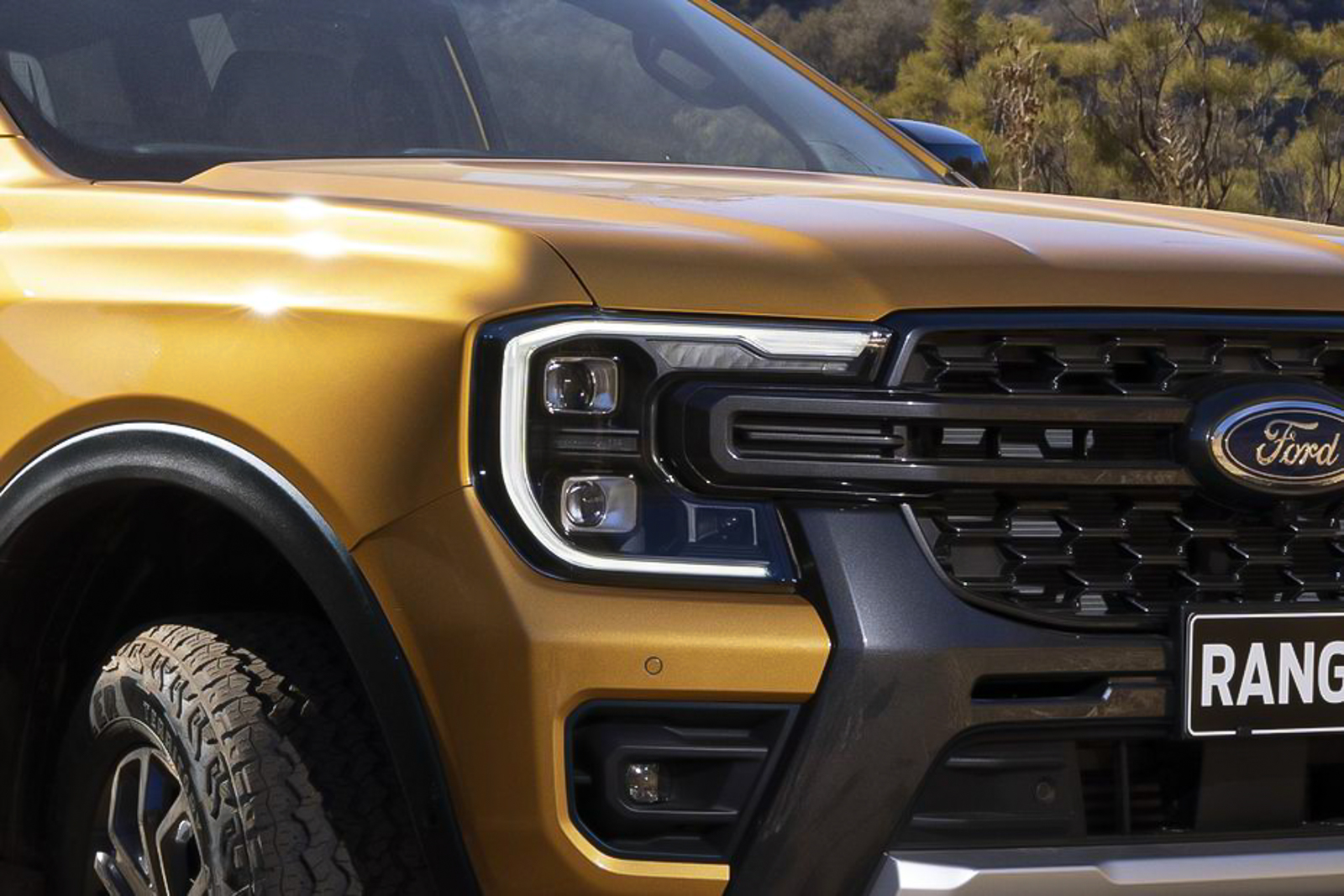
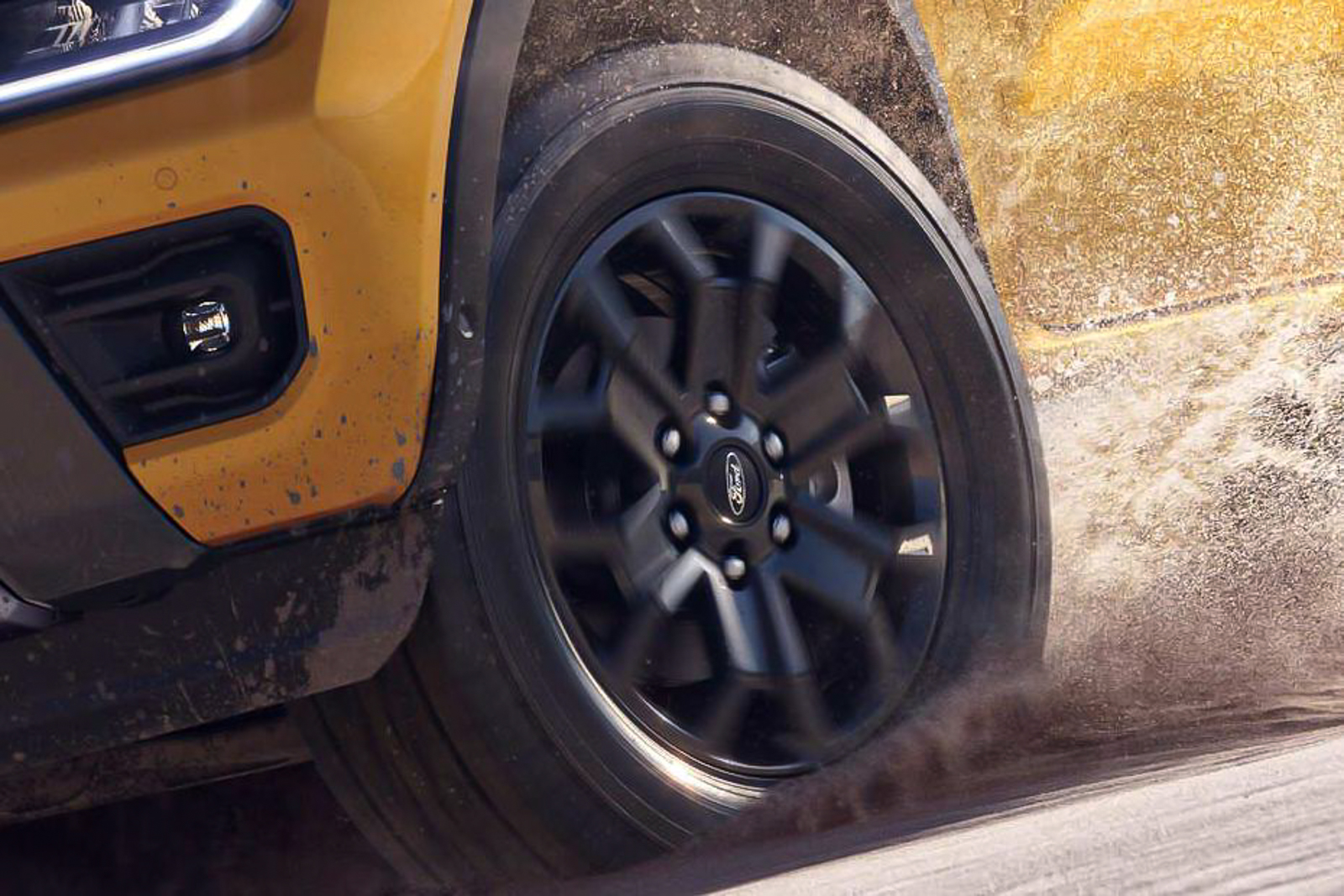
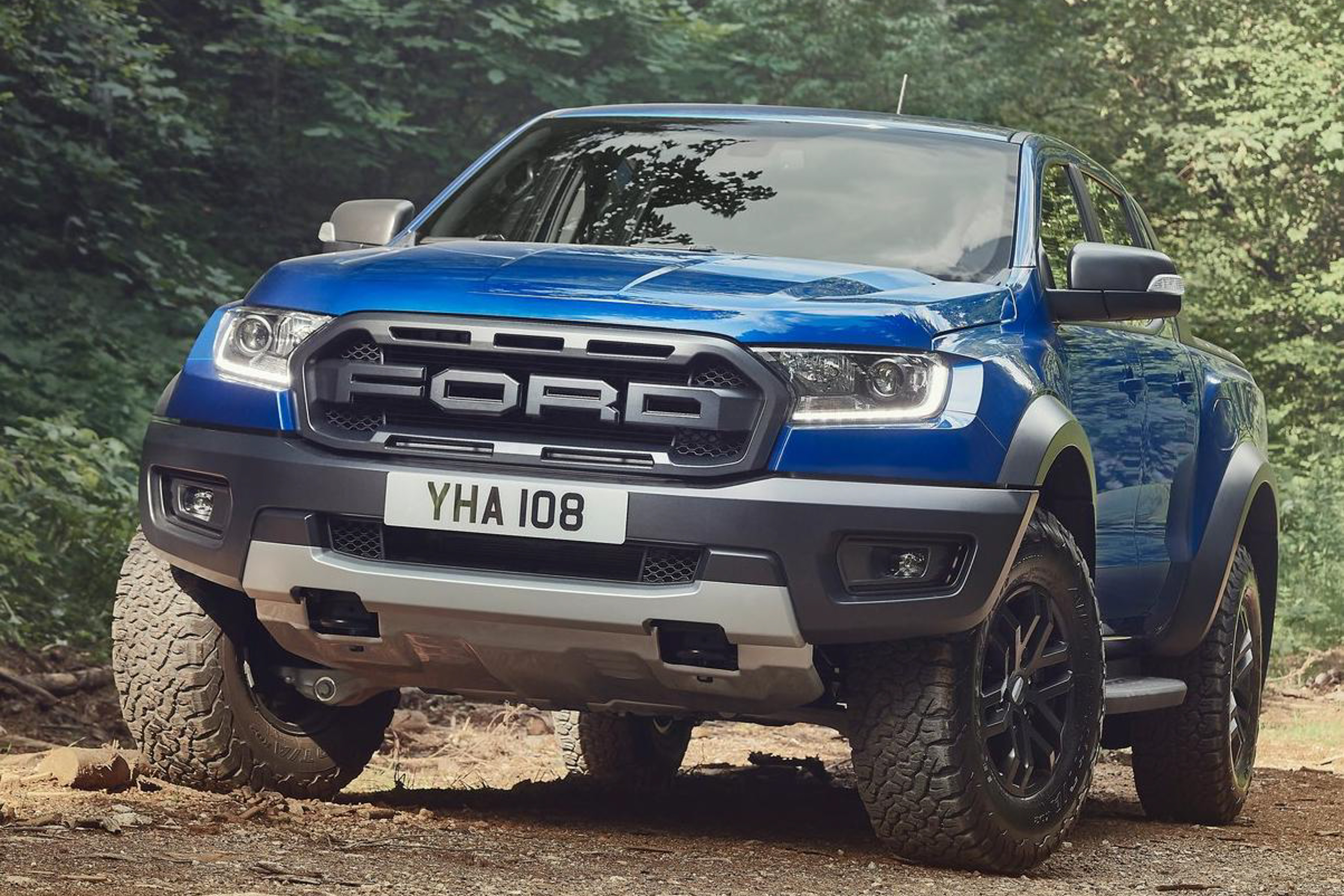
At first glance, the 2018 Ranger XLT+ continues the tough styling of Ford pickups, with its body dimensions measuring 5426mm×1860mm×1848mm and a wheelbase of 3220mm, making it relatively large for its segment. At the front, a large trapezoidal grille with chrome trims is complemented by halogen and xenon combination headlights, with daytime running lights being standard, enhancing its recognition when lit. The side profile of the body features straight lines, slightly raised wheel arches, and 265/60 R18 tires that reinforce the off-road appeal. The step boards below the doors facilitate access for passengers, adding practicality. The rear design is simple with vertically arranged tail lights that echo the front, and a trailer hook is equipped below the rear bumper, matching the utilitarian nature of a pickup. It's worth noting that the side mirrors support electric folding, and rain-sensing wipers are standard, adding convenience in everyday use.
Moving inside, the interior features a dark color scheme, with a clean and clear dashboard layout. The upper part is made of soft-touch materials, while the central section consists of hard plastic, but the overall workmanship is decent. An 8-inch touchscreen is positioned centrally on the dashboard, supporting the Sound Plus function and paired with 6 speakers, delivering moderate audio quality. Below the screen are some physical buttons retained for ease of operation while driving. The instrument cluster combines digital and analog designs, displaying basic information like engine speed, vehicle speed, and fuel level, with the left side allowing you to toggle between four-wheel-drive mode statuses. In terms of features, keyless entry and start, a multifunction steering wheel, and paddle shifters are all standard. The steering wheel has a relatively thick grip, which suits male users. The front seats are manually adjustable, with firm cushions providing decent support; the rear seats can be flipped up to reveal storage space underneath for tools or miscellaneous items. In terms of space performance, for a front-row passenger with a height of 180cm, there is a fist and two fingers of headroom clearance. In the rear row, the legroom is approximately two fists, with one fist of headroom, which is sufficient for daily family use. Dual-zone automatic air conditioning is standard, with rear air vents included as well. The addition of a 220V/230V power outlet makes it convenient for using electrical appliances outdoors, offering considerable practicality.
In the power department, this model is equipped with a 2.0T four-cylinder diesel engine producing a maximum power of 180 PS, with peak torque output available at 1750rpm (though the official torque value is unspecified, actual experience reveals prominent low-end torque performance), paired with an AT gearbox. During daily driving, the power response is quick at startup, and just a light press on the accelerator allows one to sense the explosive power of the diesel engine. This is particularly evident in the 1500-2000rpm range, where torque delivery is abundant. For overtaking, simply pressing the accelerator more deeply prompts the gearbox to downshift promptly, ensuring smooth power delivery. When switched to the four-wheel-drive mode, the vehicle's driveability significantly improves on muddy or gravel roads. With a minimum ground clearance of 237mm, the vehicle can easily tackle common potholes or slopes. The chassis adopts a front double wishbone independent suspension, while the rear suspension uses leaf springs (a common setup for pickup trucks). On smooth roads, the suspension absorbs most minor bumps; however, when crossing speed bumps or larger potholes, the rear seats feel more bumpy, which is a common drawback for pickup trucks. The steering wheel has a relatively heavy feel, but its precision is adequate. At high speeds, the vehicle’s stability is good, with no noticeable floating sensation.
In terms of fuel consumption, we tested under mixed road conditions (city + highway + light off-road), and the fuel consumption was about 8.5L per 100 kilometers. With a fuel tank capacity of 80L, the full tank range can reach approximately 900 kilometers, which means there’s no need for frequent refueling during long trips. Noise control performance is average; the noise from the diesel engine is quite noticeable at idle, but once driving, wind noise and tire noise tend to overshadow the engine noise, making it overall acceptable. Regarding braking performance, the front ventilated disc brakes are stable, and during emergency braking, the vehicle's body posture is well-maintained without noticeable forward dipping.
Overall, the core strengths of the 2018 Ford Ranger 2.0 Si-Turbo XLT+ (A) lie in its ample power output, strong practicality of configurations, balanced spatial performance, and retention of off-road capabilities expected of a pickup truck. Compared to other models in the same segment, such as the Toyota Hilux 2.4G, its 2.0T engine has an edge in low torque performance and comes standard with features like dual-zone air conditioning and a 220V power outlet, offering a better value for money. However, Hilux might have a slight edge in terms of brand resale value. This model suits two types of users: one is private store owners who need a pickup as a utility vehicle while also serving family daily needs—its 4x4 drive can handle complex suburban road conditions, and the spacious interior and cargo capacity meet hauling requirements. The other type is families who enjoy outdoor off-roading. On weekends, they can take it for camping or light off-road adventures, and the rear seat space and features ensure family comfort.
All in all, the 2018 Ranger XLT+ is a “versatile” pickup truck. It can serve as a utility vehicle for hauling, a daily driver for the family, and also meet light off-road needs. If your requirements cover these scenarios, this model is worth considering.
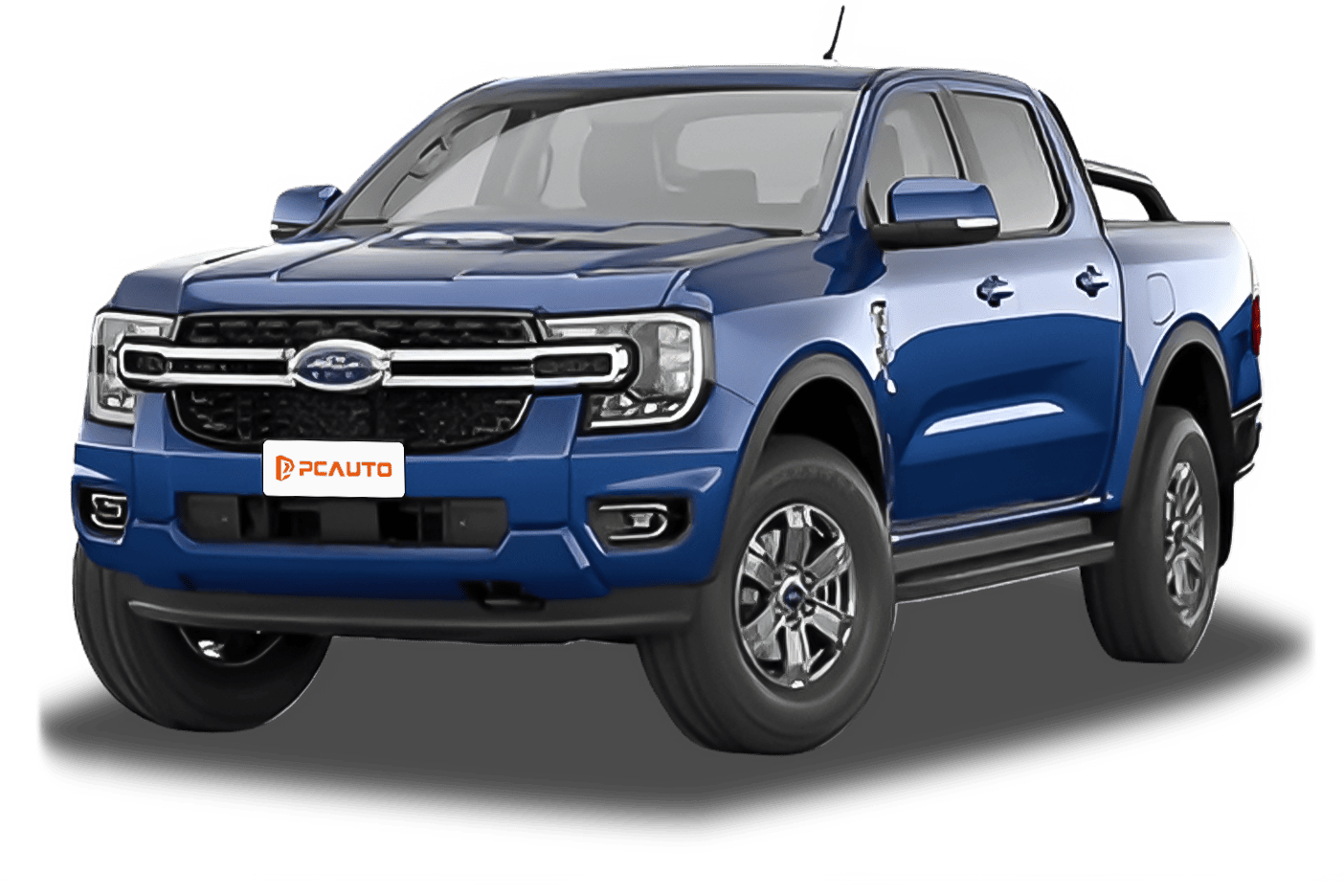
Ford Ranger Car Compare
Ford Ranger Loan Calculator
Cars With Similar Price And Features
5
Rank in Pickup
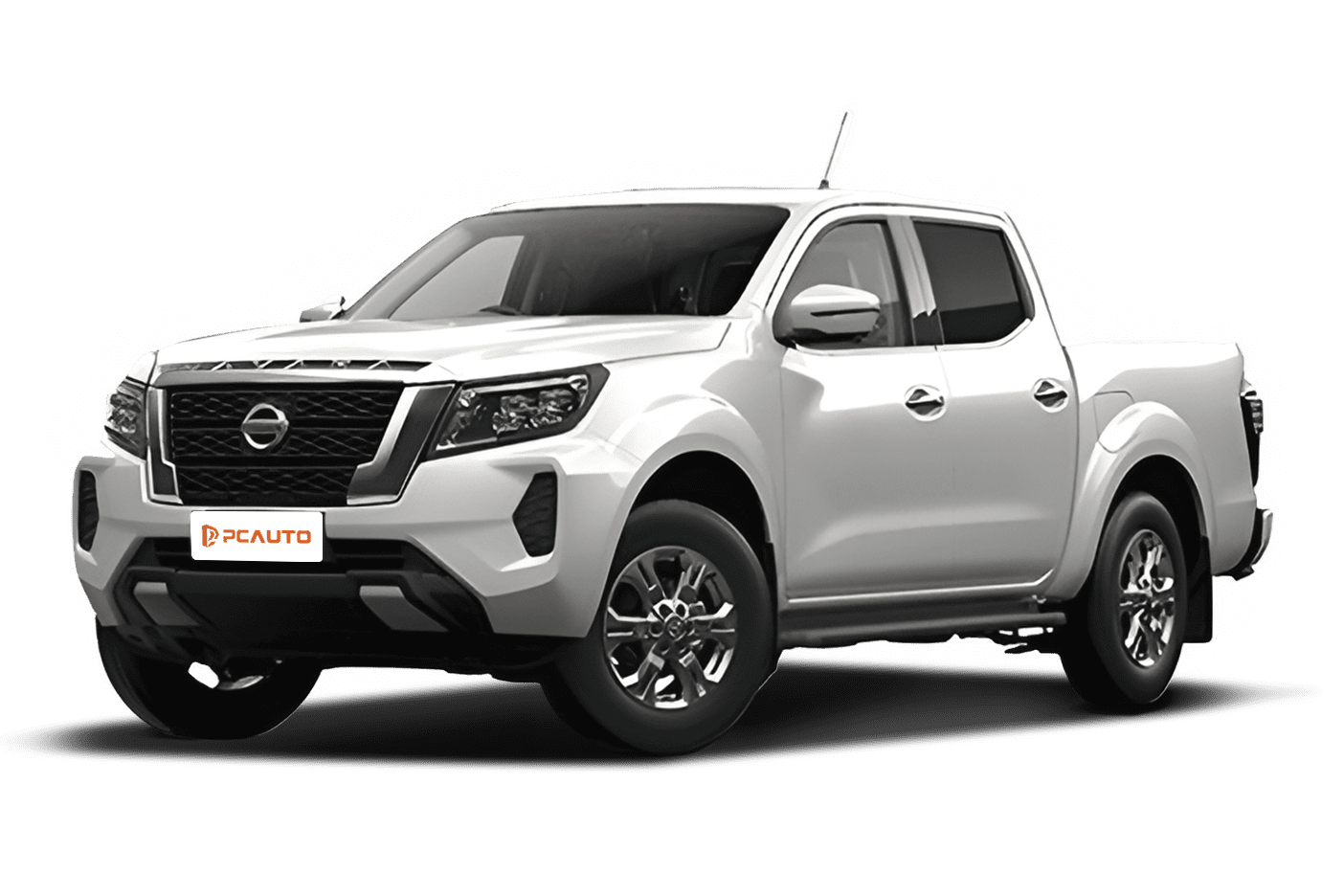
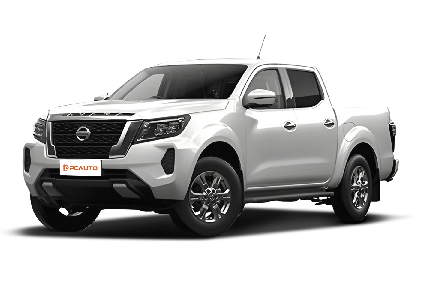
2023 Nissan Navara 2.5 VL Black Edition is a pickup truck that balances household comfort with light off-road capability, featuring exclusive black trims, a full suite of active safety features, and practical configurations, precisely catering to the needs of families and small business owners.
4
Rank in Pickup
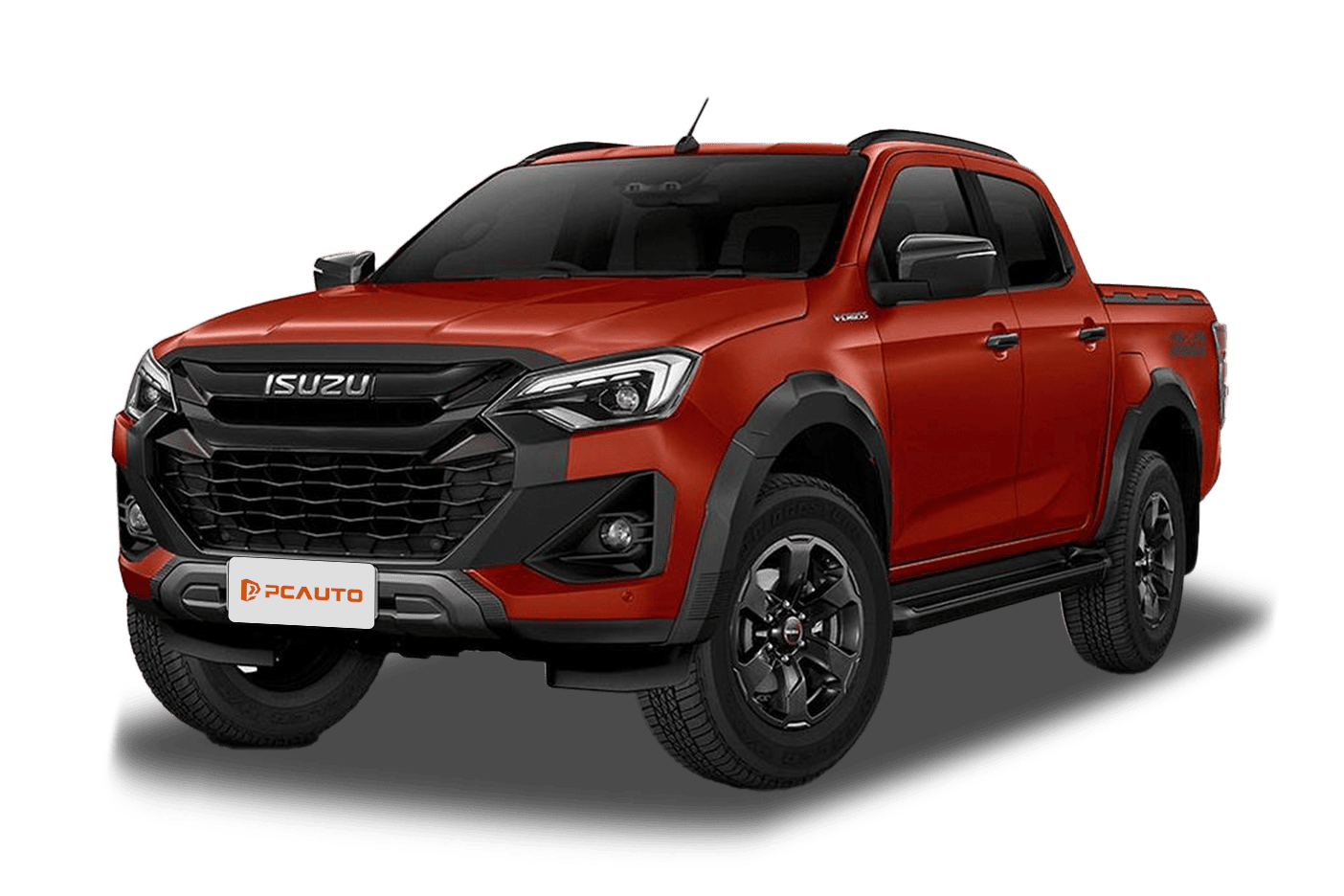
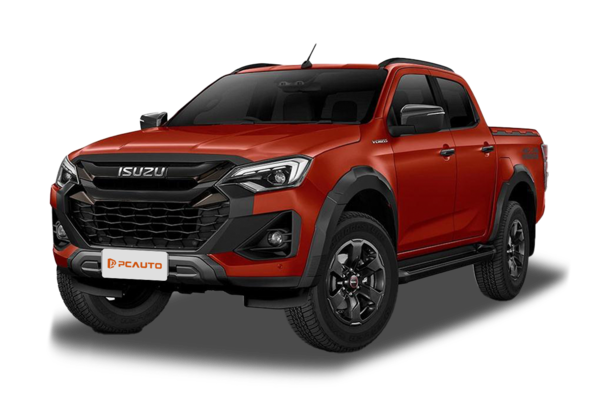
2025 Isuzu D-MAX 1.9L 4x2 Low Ride is an entry-level passenger pickup, offering a balance of practical space, reliable diesel performance, and fuel economy, suitable for family transport and small business cargo needs.

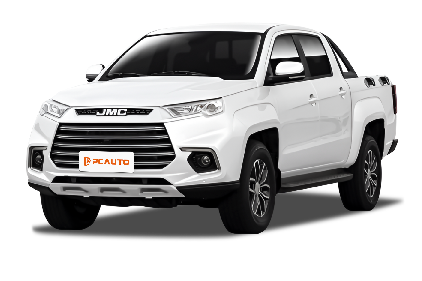
2023 JMC Vigus Pro White Series 2.0L 4WD 8AT combines rugged design, practical features, and powerful diesel performance, balancing everyday durability and mild off-road needs, making it a high-value choice for pickup users.
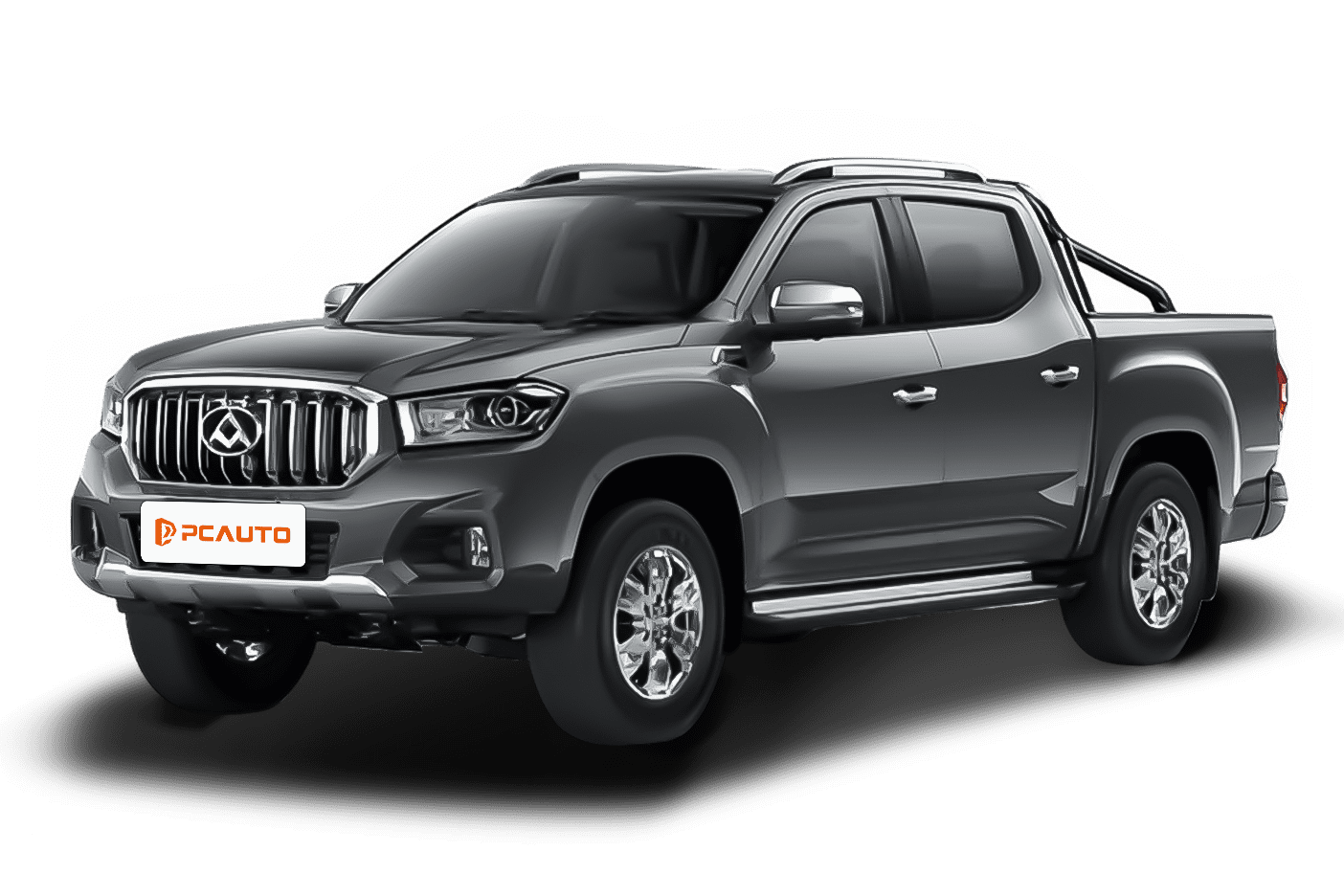
2022 Maxus T60 2.8L 4WD AT is a practical pickup truck that balances work and life. The strong diesel torque and 4WD capability meet cargo and off-road needs, while the premium features and spacious interior enhance daily comfort.