

2018 Ford Ranger 2.2 WildTrak 4x4 (A) Review

 Share
Share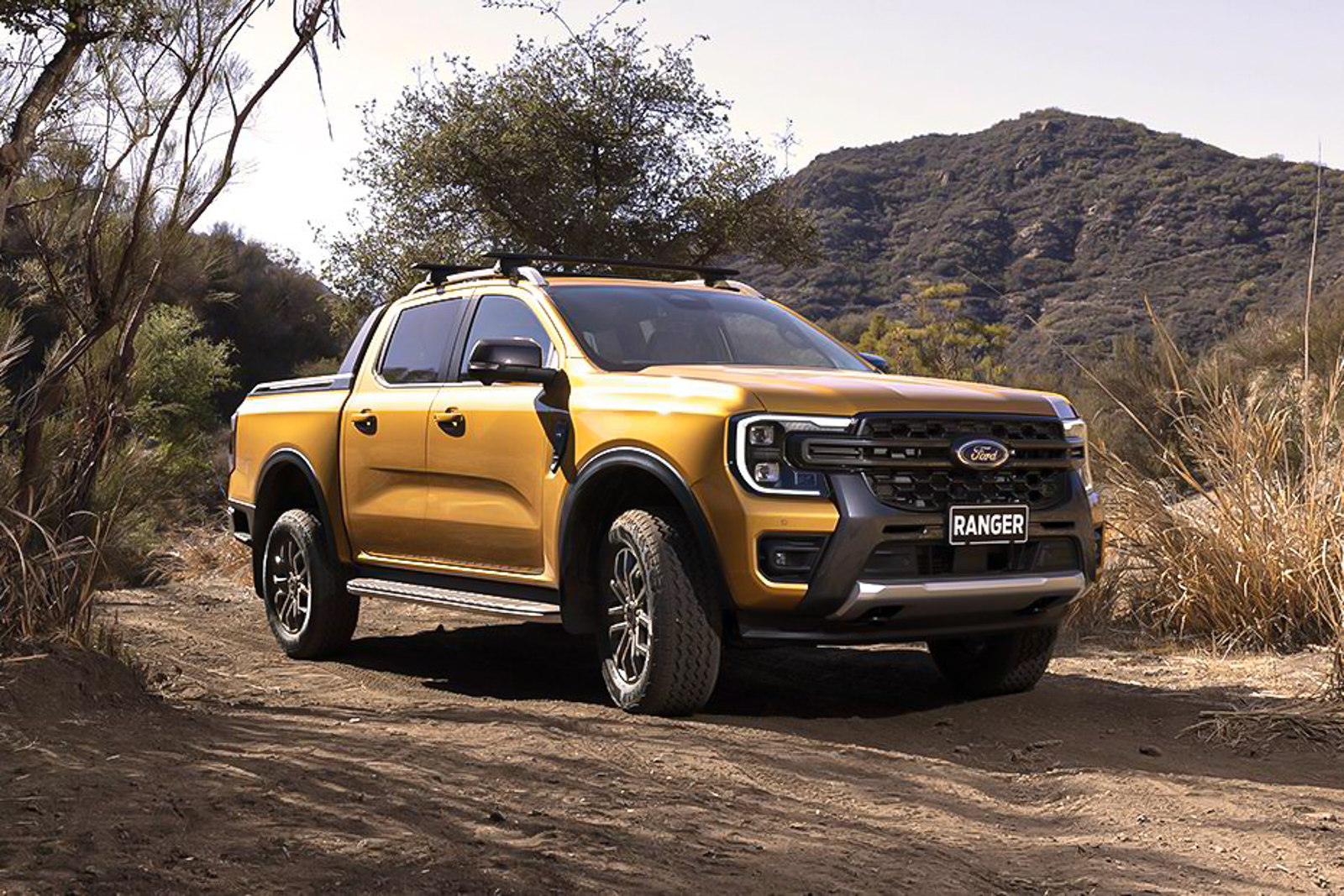
 Segment
 Body Type
 Capacity(L)
 Engine Power(PS)
 Transmission
 Driven Wheels
In the local pickup truck market, vehicles that can meet both work cargo needs and family daily travel have always been the focus of consumers. The 2018 Ford Ranger 2.2 WildTrak 4x4 (A), as a popular option in the mid-size pickup truck segment, attracts many users who need a "multi-purpose vehicle" with its balanced configuration, reliable four-wheel drive performance, and spacious interior. In this test, we focus on its performance in daily commuting, light off-road, and loading scenarios to see if it really balances practicality and comfort.
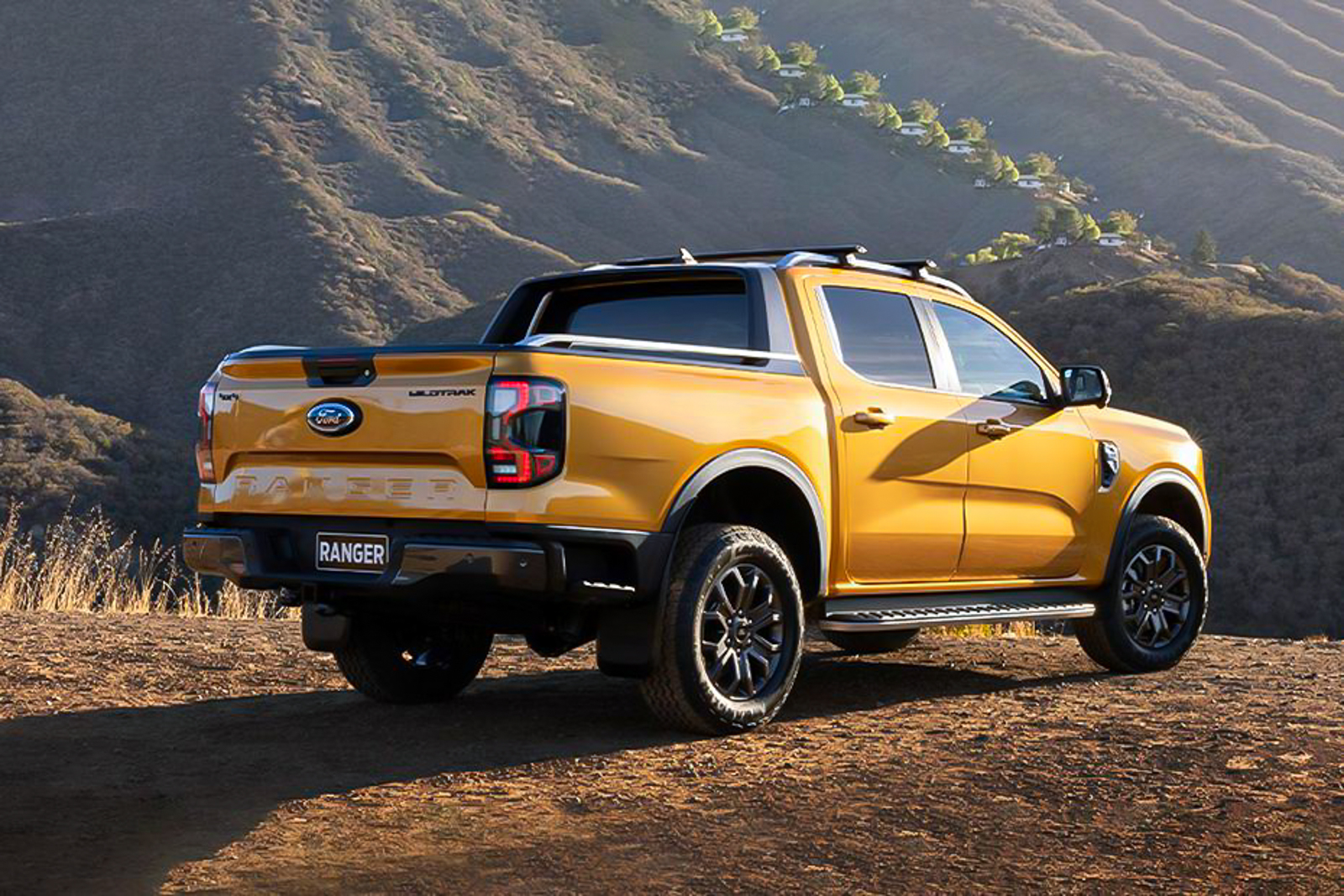
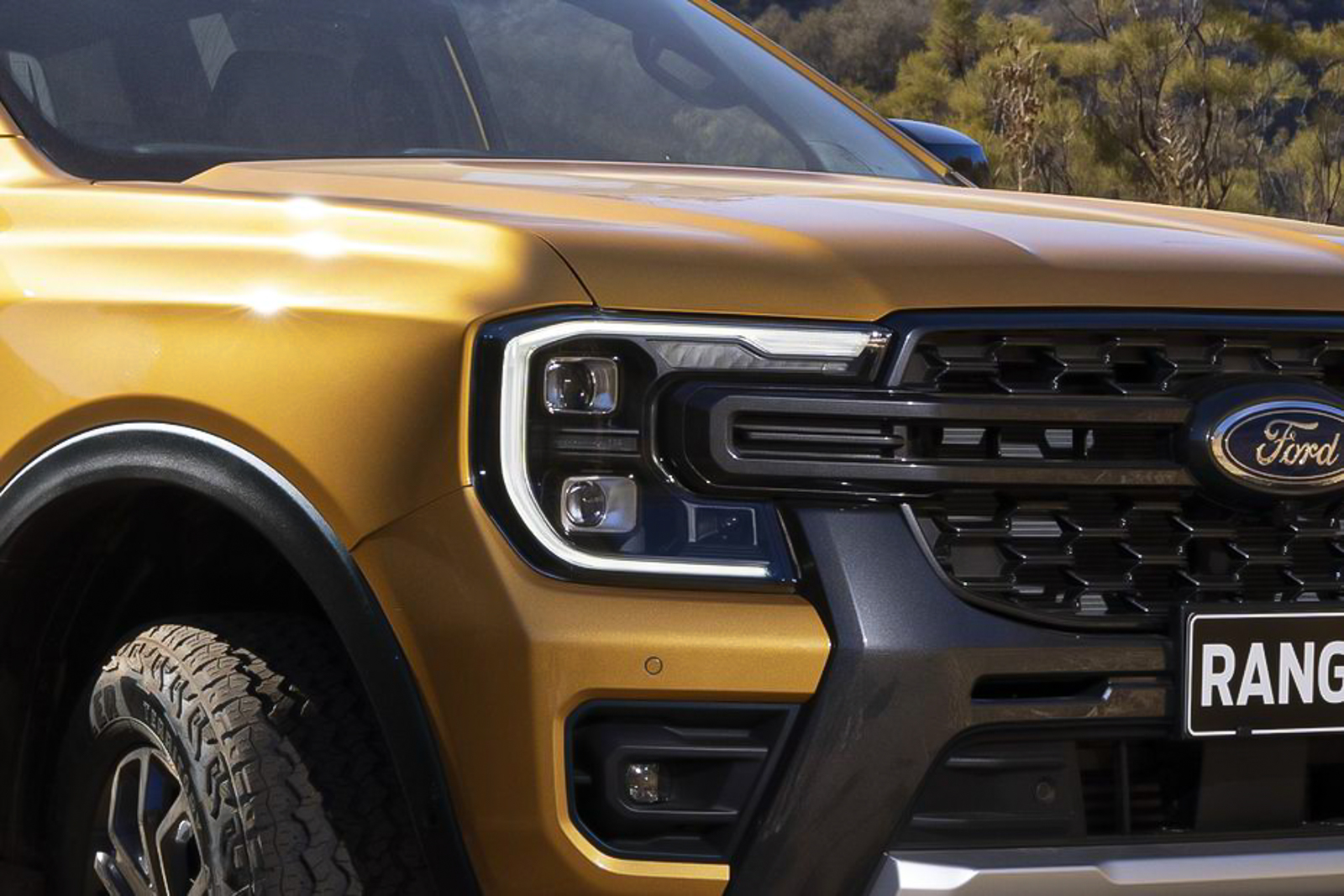
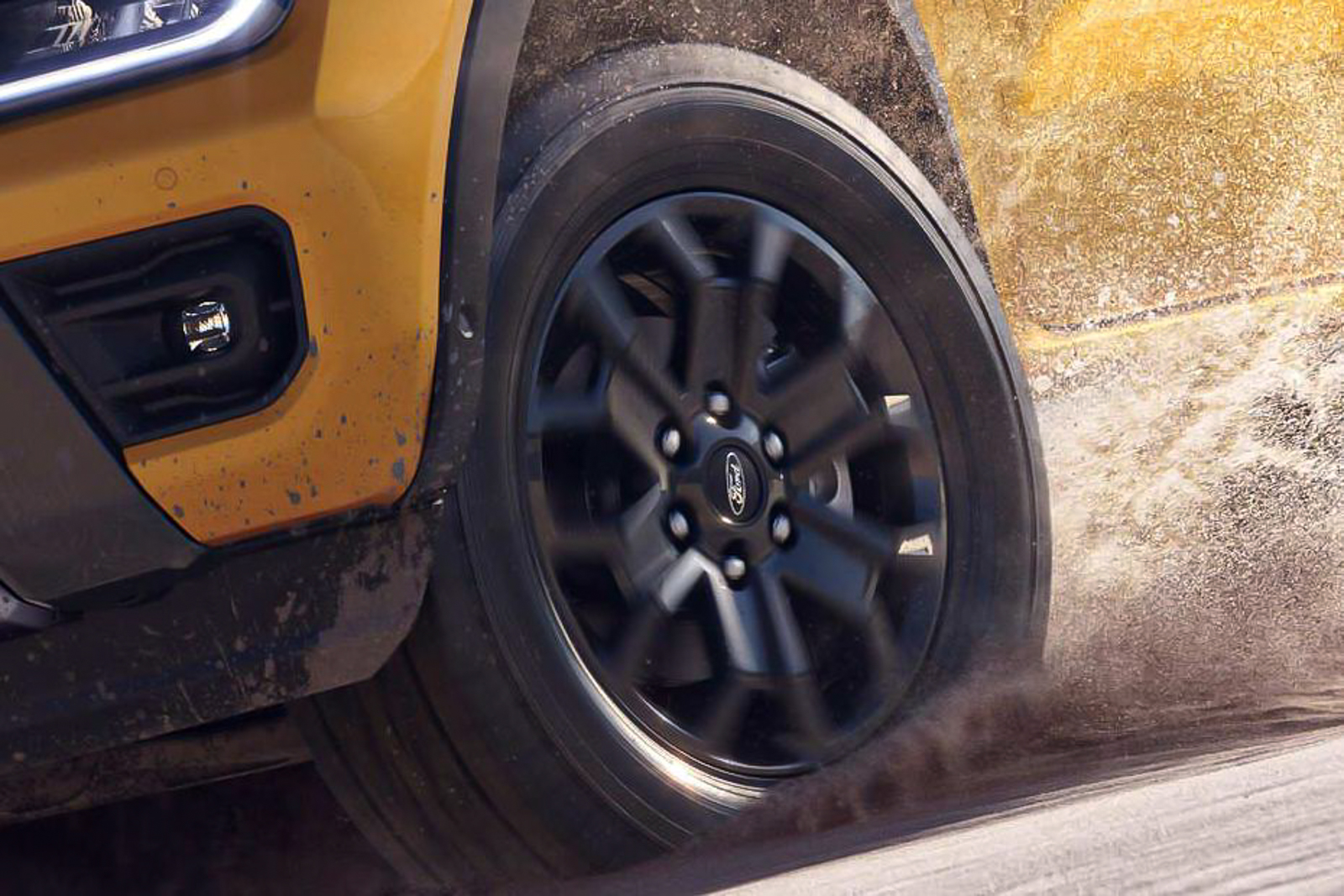
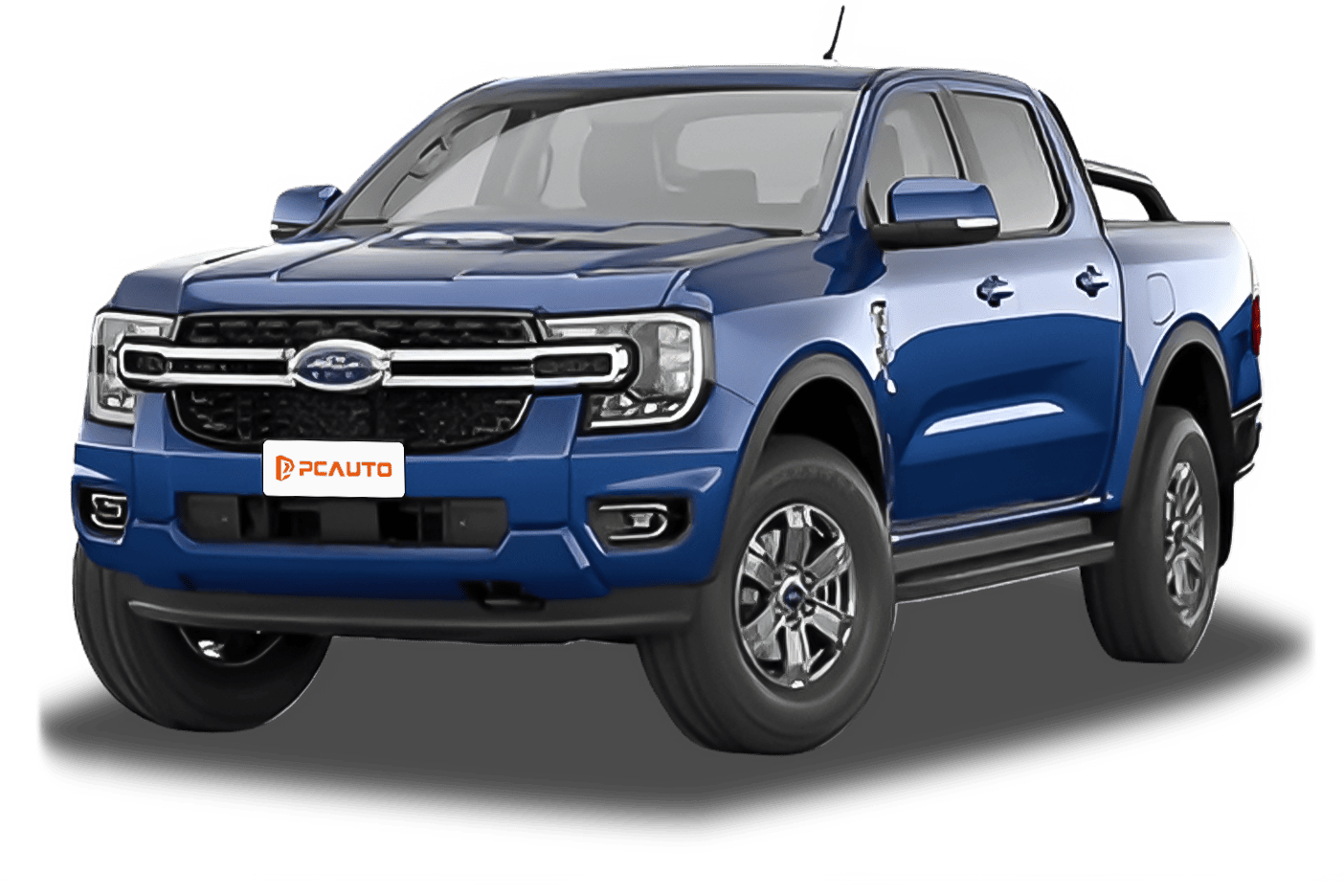
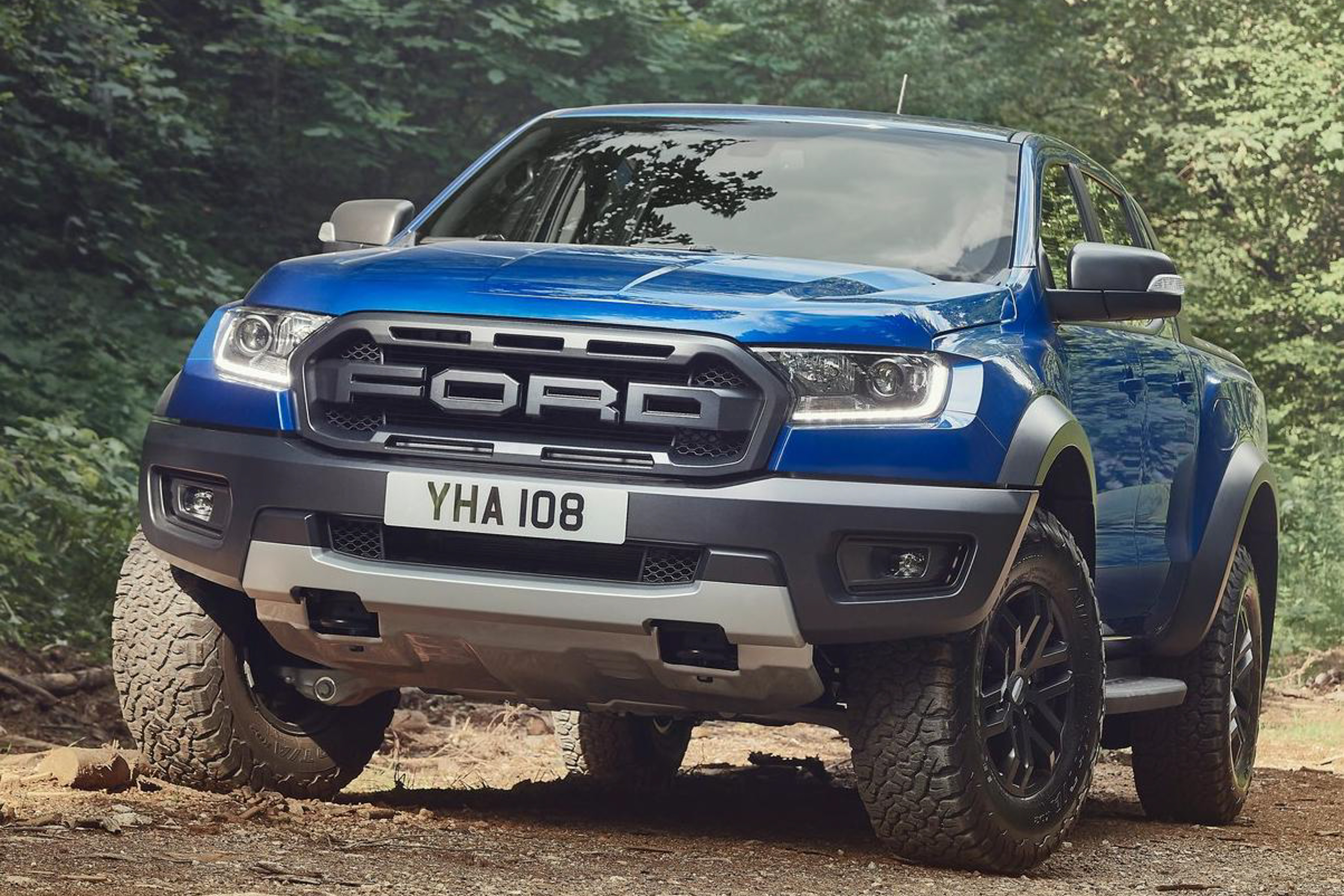
In terms of appearance, the design of the WildTrak version maintains the rugged style of a pickup truck while incorporating many sporty details. The front features a large trapezoidal grille, paired with a blacked-out front bumper and exclusive WildTrak logo, which gives it high recognition. The body side lines are straight, and the 18-inch alloy wheels with 265/60 R18 tires ensure both off-road capability and visual tension. The tail design is relatively simple, with LED taillights integrating naturally into the body lines, while the black anti-scratch strips and silver skid plates on the cargo bed's side enhance practicality. Overall, the exterior design is not overly flashy and leans more towards the "practical-first" positioning of a pickup truck.
Sitting inside the vehicle, the interior layout prioritizes functionality. The center console adopts a symmetrical design, and the layout of the buttons and knobs is clear, making them easy to operate. Regarding materials, the top of the center console is covered with soft plastic and decorated with silver trim, offering a texture that is above average in the same pickup truck class. For key features, the multifunction steering wheel supports volume control and cruise control, making it convenient to operate. The instrument cluster features a combination of digital and analog designs, clearly displaying information such as RPM, speed, and fuel consumption. The dual-zone automatic air conditioning stands out, allowing front passengers to adjust the temperature independently, which is quite practical. Regarding the seats, the driver’s seat supports electric adjustment, making it easy to find a comfortable seating position. The rear seats can be folded up, providing storage space underneath, which is very convenient for placing tools or miscellaneous items. For space, the vehicle's wheelbase reaches 3220mm, offering ample room in the front row, where a passenger with a height of 175cm will have two fists of headroom to spare. The rear row provides one and a half fists of legroom, ensuring that long-duration seating would not feel too cramped. For storage capabilities, the door pockets, central armrest box, and rear cupholders offer considerable space, making them sufficient for daily use.
Regarding performance, the 2.2-liter turbocharged diesel engine delivers a maximum power output of 160PS, with a peak torque available at just 1600rpm, paired with a 6-speed automatic transmission. During actual driving, the power response during initial acceleration is quite active, and a light press on the accelerator produces noticeable torque output, making it comfortable for city following or overtaking. When switching to sport mode, the gear-shift logic of the transmission becomes more aggressive, maintaining the RPM above 2000 for more direct acceleration performance. However, when cruising at high speeds, the engine RPM remains about 1800rpm, and noise is well-controlled, ensuring that conversations inside the cabin are not affected. In terms of handling, the steering wheel has moderate weight and precise directionality, so even with the larger body of the pickup truck, it doesn’t feel cumbersome when changing lanes or cornering in the city. The chassis adopts a combination of front double-wishbone independent suspension and rear leaf spring non-independent suspension. When dealing with uneven road surfaces, the front suspension filters out most minor vibrations, and although the rear suspension is relatively stiff, it will provide better stability when carrying loads. In light off-road scenarios, the 4x4 four-wheel-drive system is easy to switch, and with the hill-start assist function, it has no trouble navigating mildly muddy or gravelly terrain with moderate inclines.
Fuel consumption performance is one of the advantages of diesel pickup trucks. In our mixed road test (30% urban + 50% highway + 20% rural roads), the fuel consumption was approximately 7.8L per 100 kilometers. For a 2.1-ton four-wheel-drive pickup truck, this is a relatively ideal result. In terms of noise control, the engine noise is relatively mild at idle. At speeds exceeding 80km/h, wind and tire noise gradually become noticeable, but remain within an acceptable range. The seating comfort is quite good; the front seats offer adequate lumbar support, making long drives less tiring. The rear seats have a moderate backrest angle and sufficiently long cushions to support the thighs, making passenger comfort among the best in its class.
In summary, the main advantages of the 2018 Ford Ranger 2.2 WildTrak 4x4 (A) lie in its balanced performance: a reliable four-wheel-drive system suitable for light off-roading, spacious interior and flexible storage design to meet family needs, and a diesel engine with low fuel consumption that reduces daily operating costs. Compared to its competitor, the Toyota Hilux 2.4 GSR, it offers more comprehensive safety features (standard six airbags, lane departure warning) and better cost-effectiveness. This vehicle is most suitable for users who need to balance work and family—the kind of people who often need to transport goods for a small business or families who enjoy weekend trips to the countryside and light off-roading. If you are looking for an "all-rounder" pickup truck that can handle daily commuting, occasional hauling, and off-road adventures, the Ranger 2.2 WildTrak is worth considering.
Ford Ranger Car Compare
Ford Ranger Loan Calculator
Cars With Similar Price And Features
5
Rank in Pickup
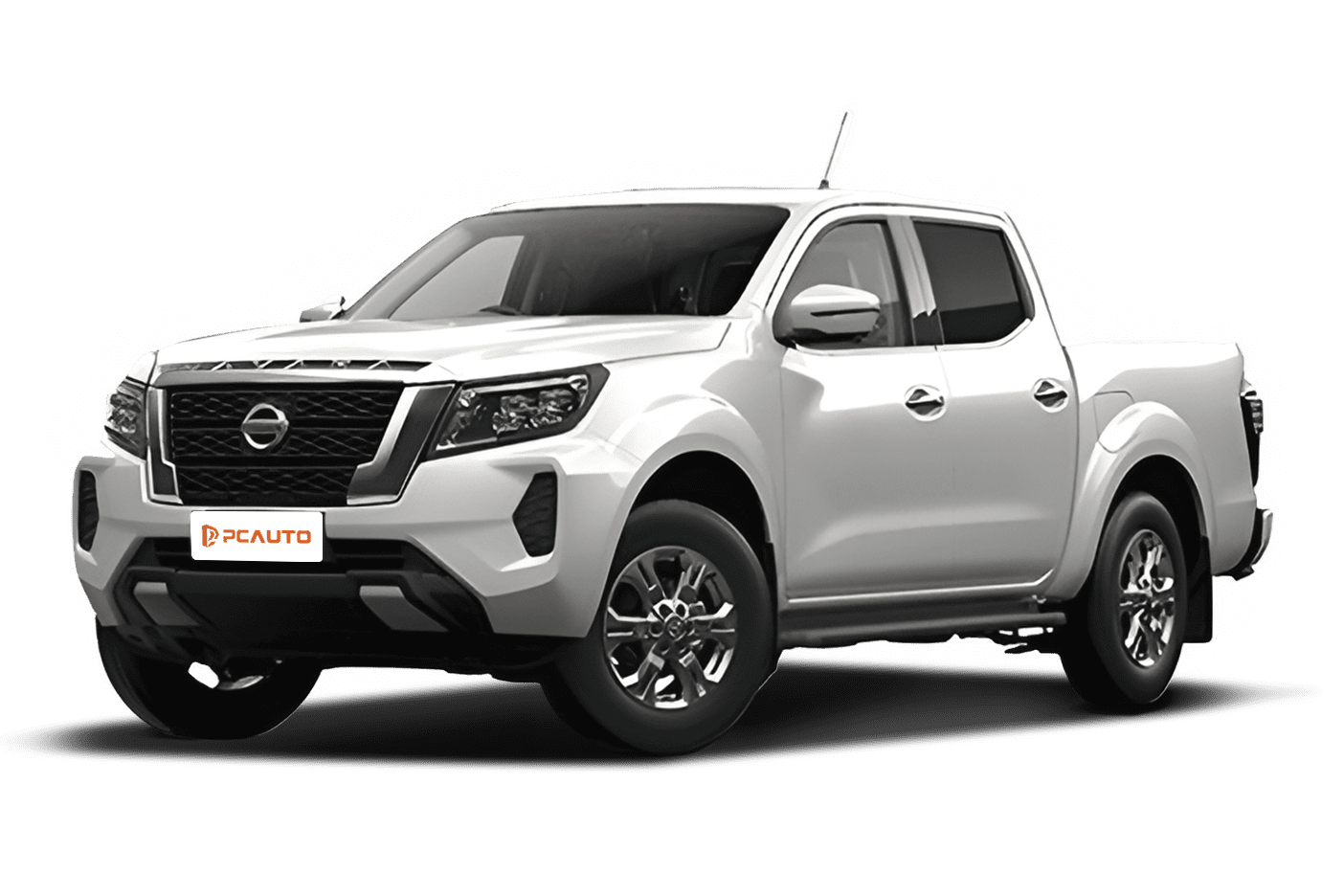
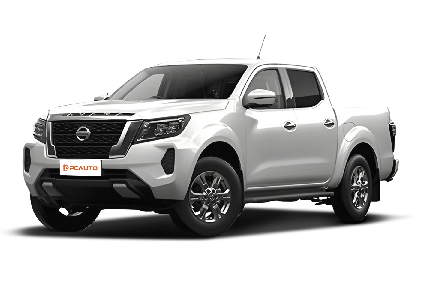
2023 Nissan Navara 2.5 VL Black Edition is a pickup truck that balances household comfort with light off-road capability, featuring exclusive black trims, a full suite of active safety features, and practical configurations, precisely catering to the needs of families and small business owners.
4
Rank in Pickup
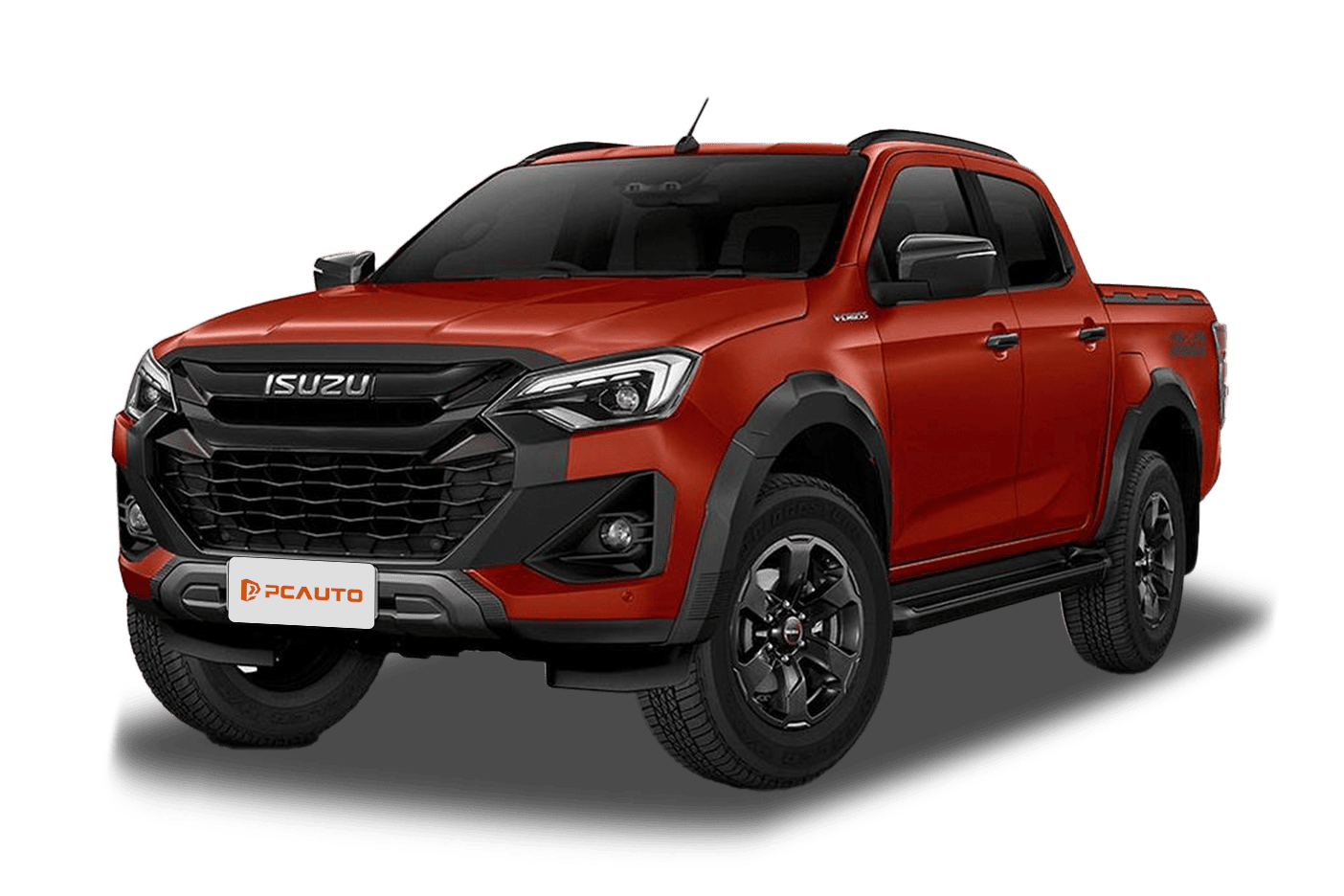
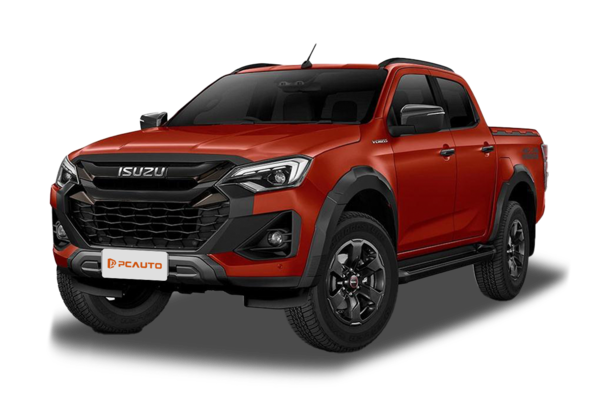
2025 Isuzu D-MAX 1.9L 4x2 Low Ride is an entry-level passenger pickup, offering a balance of practical space, reliable diesel performance, and fuel economy, suitable for family transport and small business cargo needs.

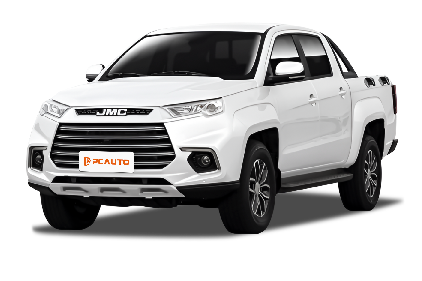
2023 JMC Vigus Pro White Series 2.0L 4WD 8AT combines rugged design, practical features, and powerful diesel performance, balancing everyday durability and mild off-road needs, making it a high-value choice for pickup users.
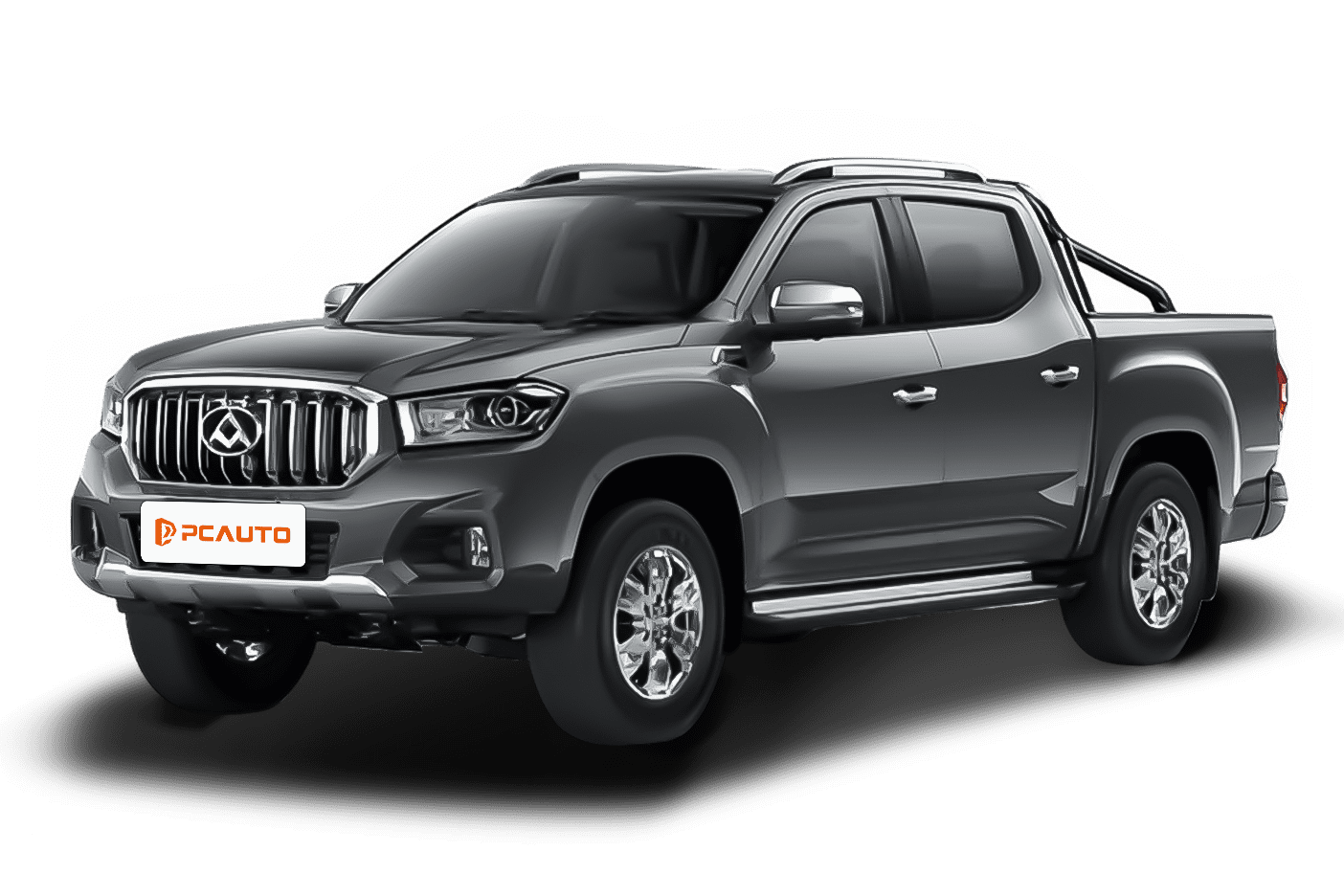
2022 Maxus T60 2.8L 4WD AT is a practical pickup truck that balances work and life. The strong diesel torque and 4WD capability meet cargo and off-road needs, while the premium features and spacious interior enhance daily comfort.