

2018 Ford Ranger 2.2 XL 4x4 (M) Review

 Share
Share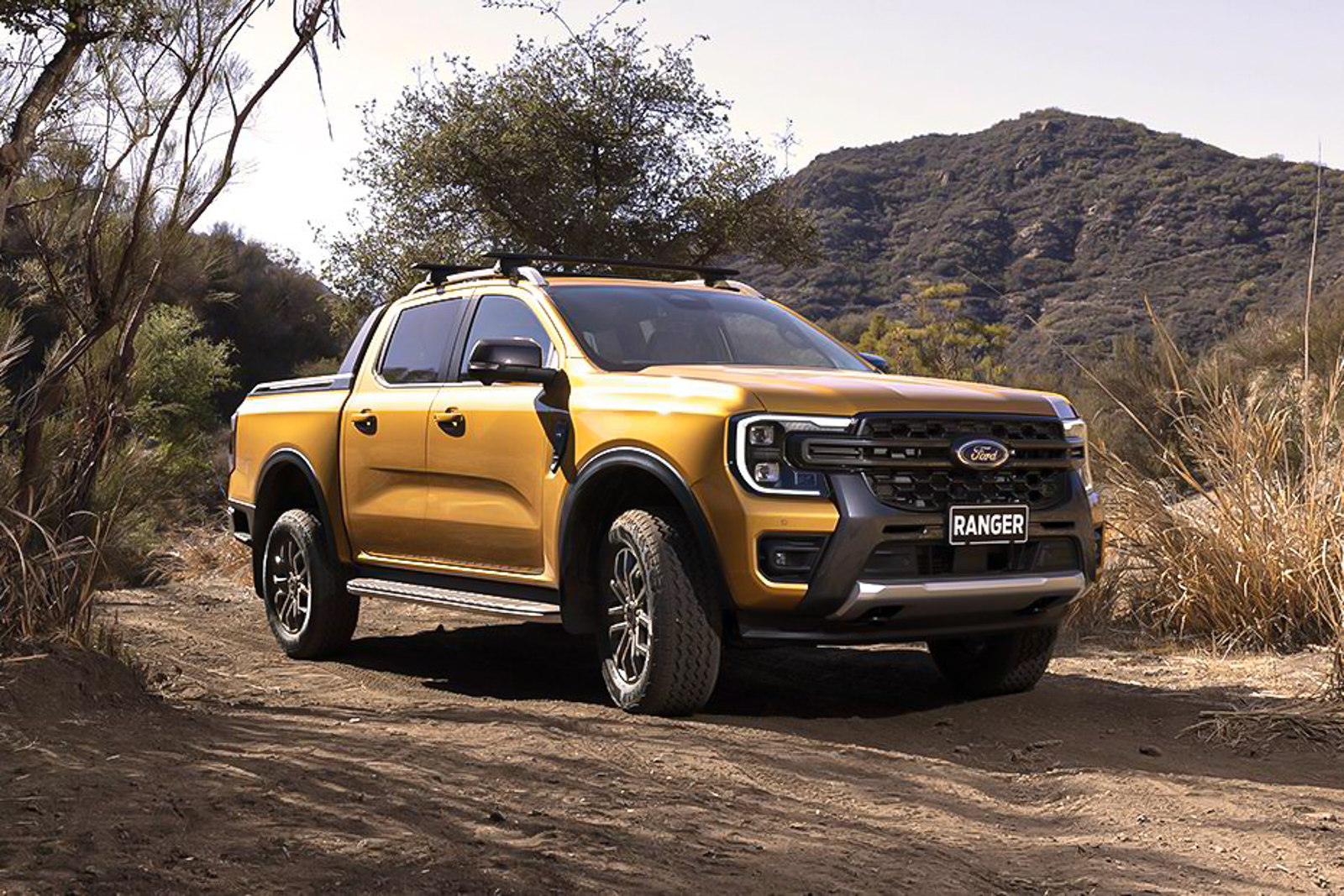
 Segment
 Body Type
 Capacity(L)
 Engine Power(PS)
 Transmission
 Driven Wheels
In Malaysia's pickup truck market, models that balance daily commuting and light off-road capabilities have always been the first choice for family users and small business owners—they need to haul cargo to construction sites and also carry families on long trips. This time, we test drove the 2018 Ford Ranger 2.2 XL 4x4 (M), which is a hot contender in this niche market. Its core selling points are clear: a solid 4x4 drive system, a wheelbase space that leads its class, and a guide price of under 90,000 ringgit, making it extremely cost-effective. Our test drive objective is simple: to see whether it can balance practicality, power, and comfort, and if it truly meets Malaysia’s multi-scenario usage needs.
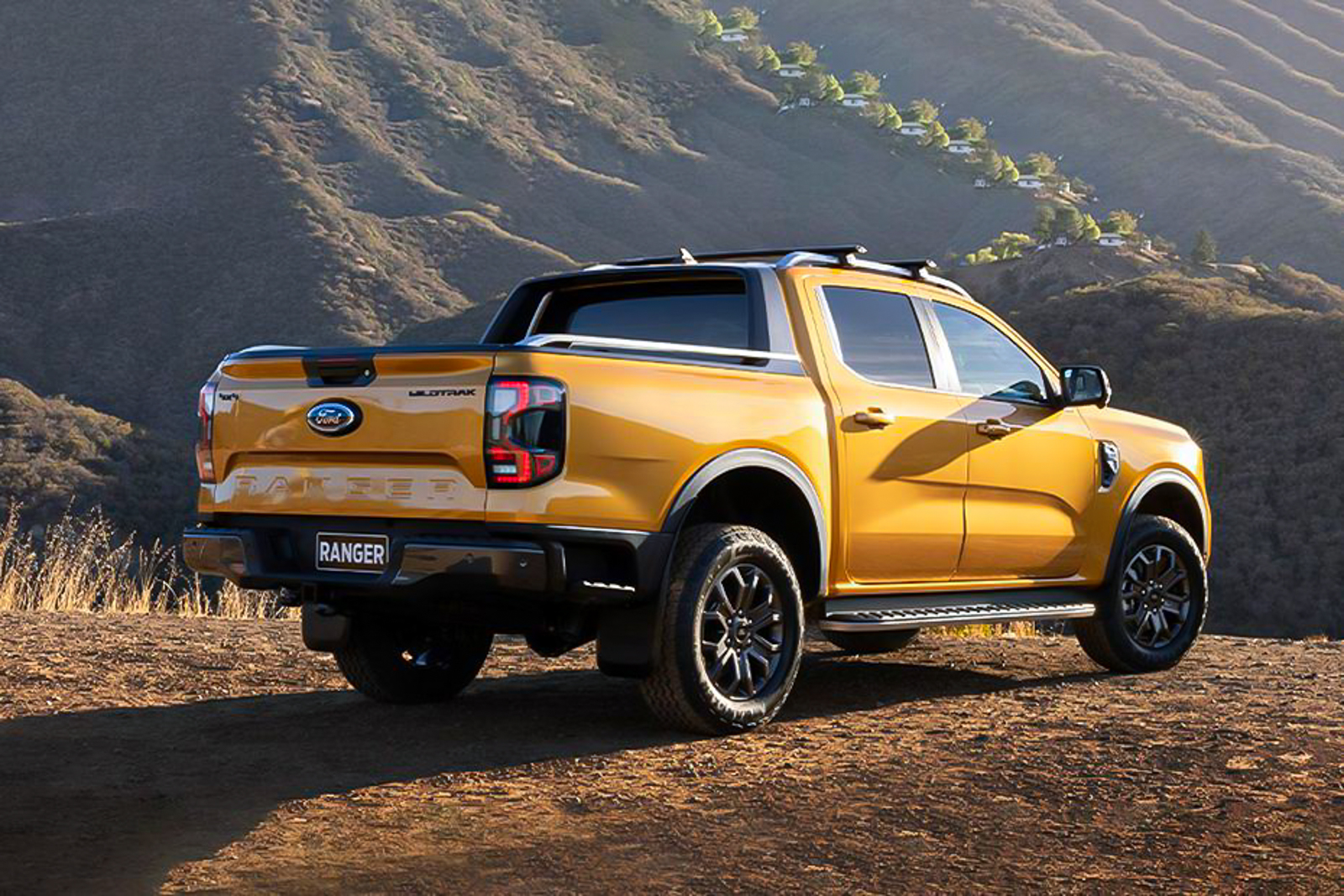
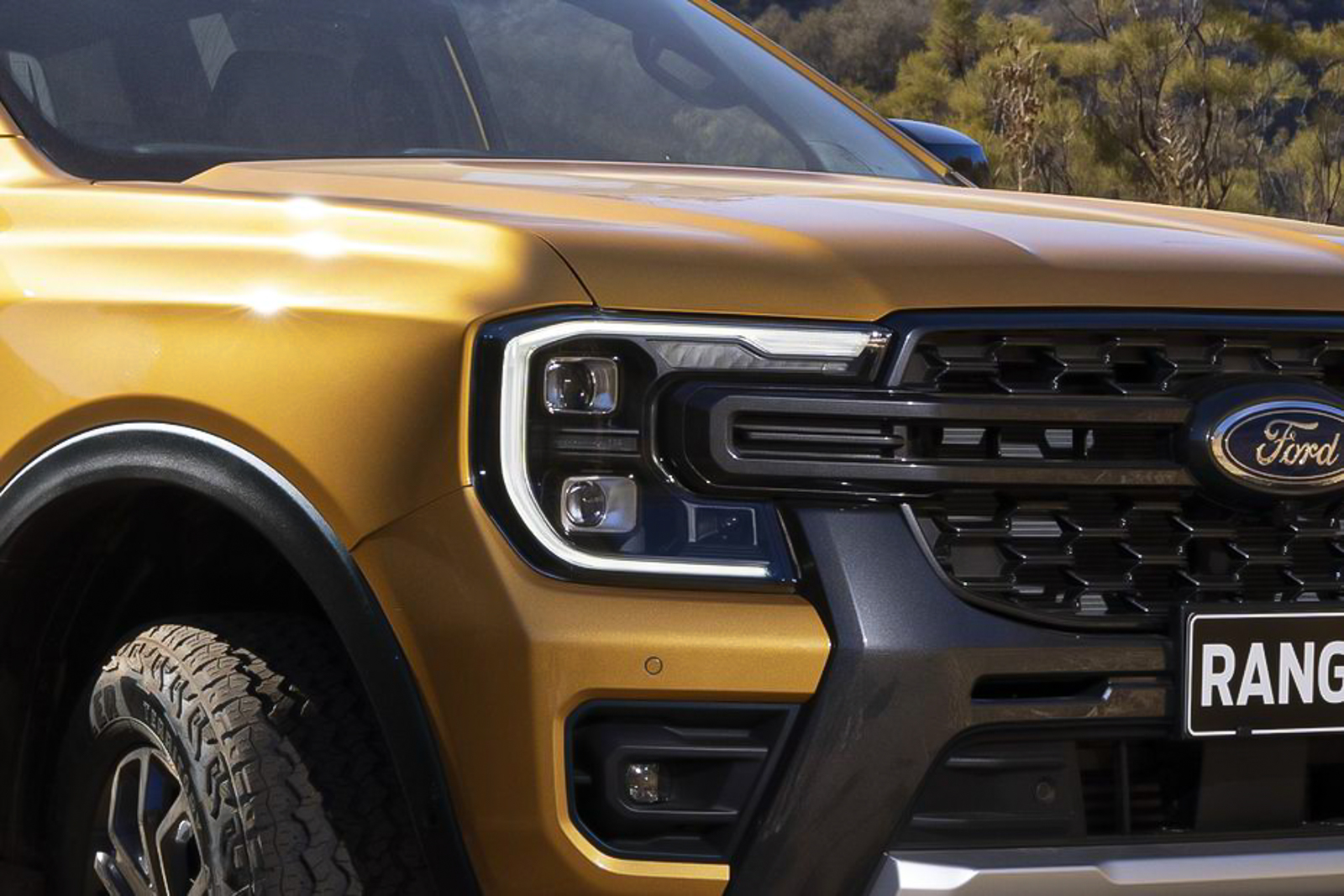
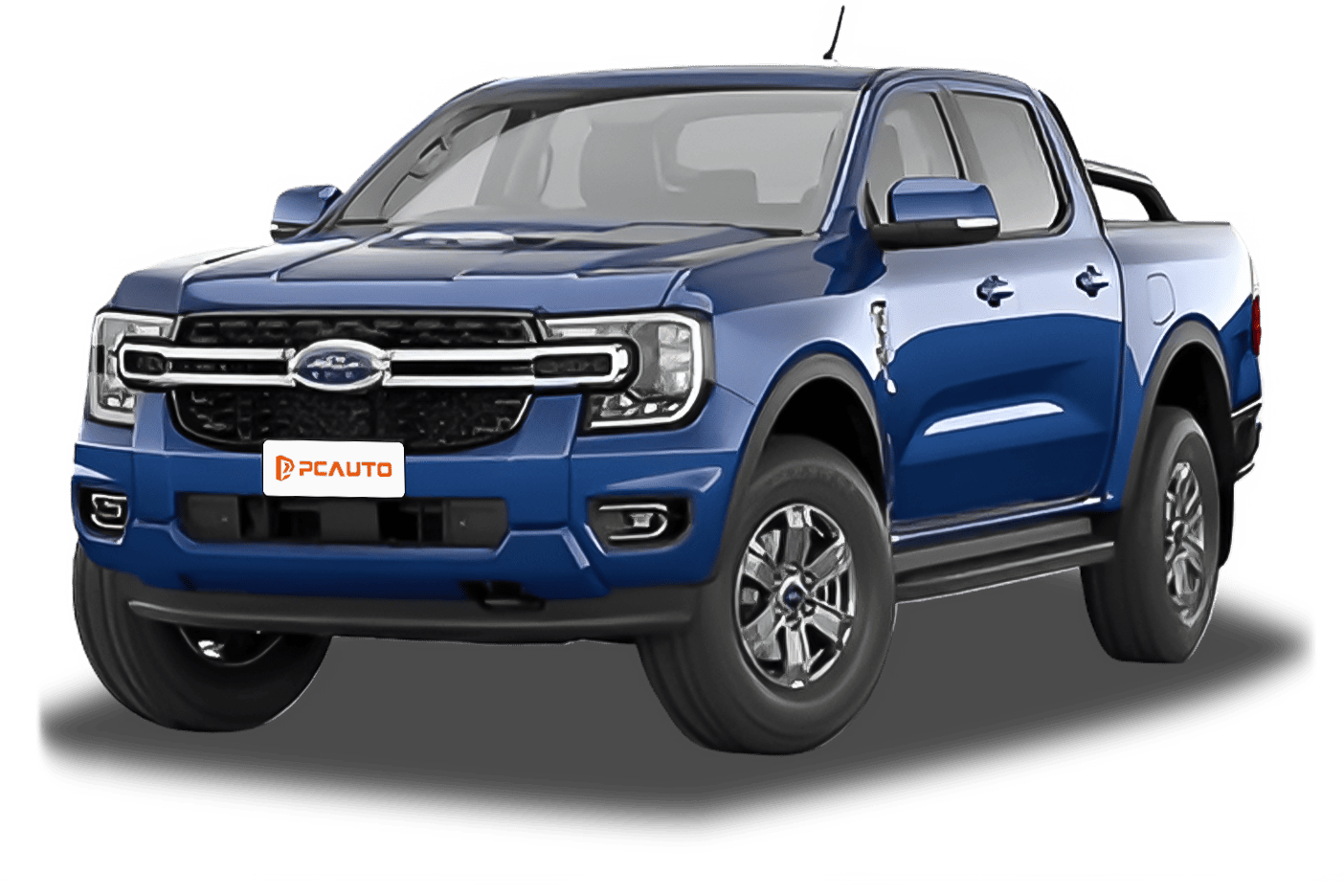
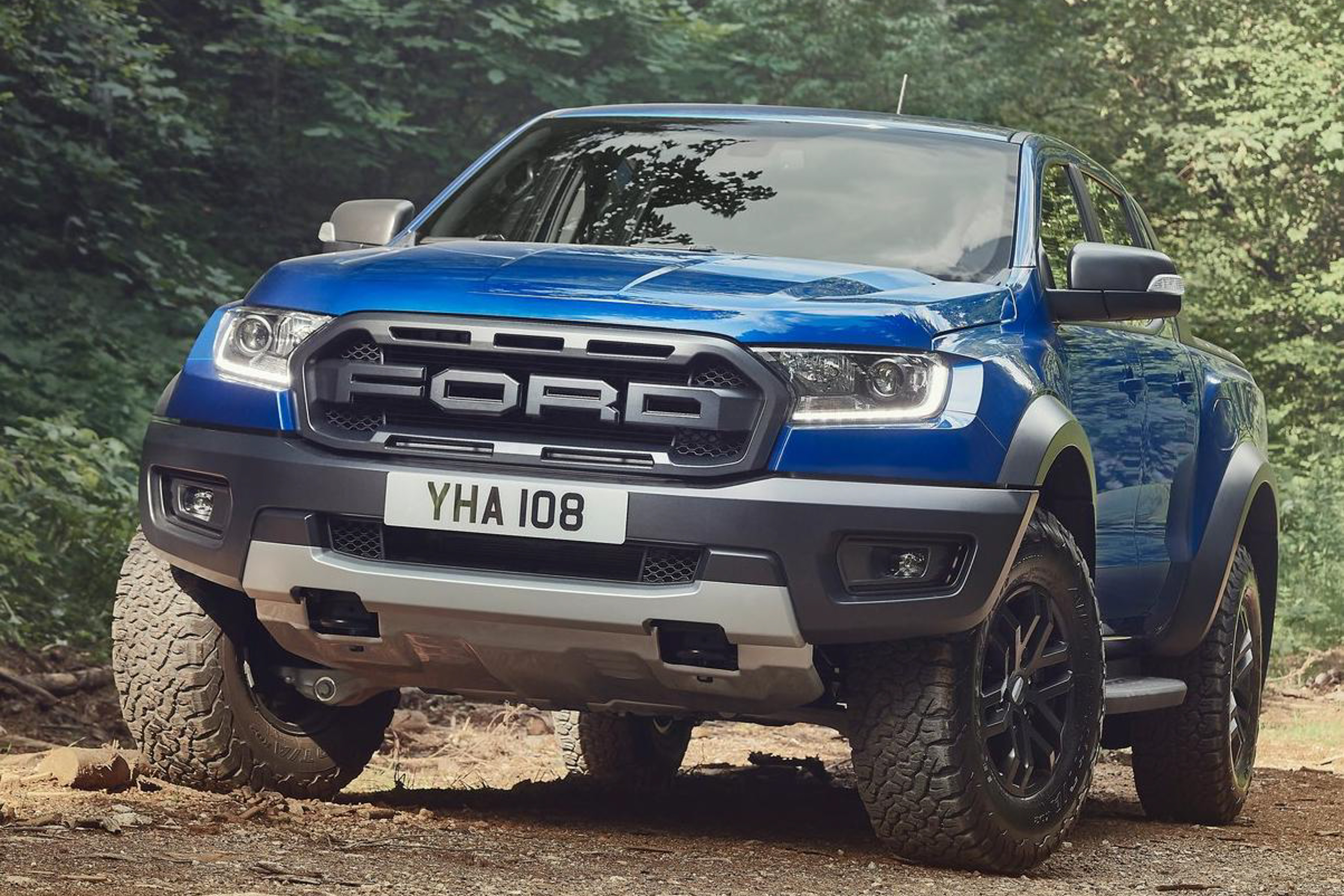
On the exterior, this Ranger maintains Ford's consistent rugged pickup style. The trapezoidal front grille with chrome trim is quite distinctive; the body lines are straight, extending from the hood to the rear, with no superfluous designs, which aligns with the utility vehicle positioning. The rear cargo box features a prominent "RANGER" logo on the tailgate, and the tail lights are vertically arranged, ensuring easy recognition at night when lit. The headlights use halogen light sources, which may not be as bright as LEDs but are sufficient for rural road conditions in Malaysia; front fog lights are standard, enhancing visibility during rainy or foggy conditions. Overall, the exterior design is not flashy but focuses on durability and timeless appeal.
Sitting inside, the interior style leans towards practicality. The layout of the center console is very organized, with most function buttons positioned within easy reach, making it user-friendly. The steering wheel is multifunctional, with the left side controlling the audio system and the right for cruise control, allowing operation without needing to look down. The instrument panel uses analog-style electro-luminescent gauges, displaying information such as RPM, speed, and fuel clearly without glare during the day. The seats are made of fabric material, with manual adjustments for the front seats—while not as convenient as electric adjustments, they are easy to handle; the rear seats can be folded up, providing storage space underneath, which is great for tools or miscellaneous items. In terms of space, the 3220mm wheelbase offers a clear advantage. A front-row passenger with a height of 180cm will find plenty of headroom and legroom; the rear row can fit three adults without feeling cramped, with about two fist-widths of legroom. There are many storage compartments, such as space for two water bottles in the door panel and sufficient depth in the central armrest box.
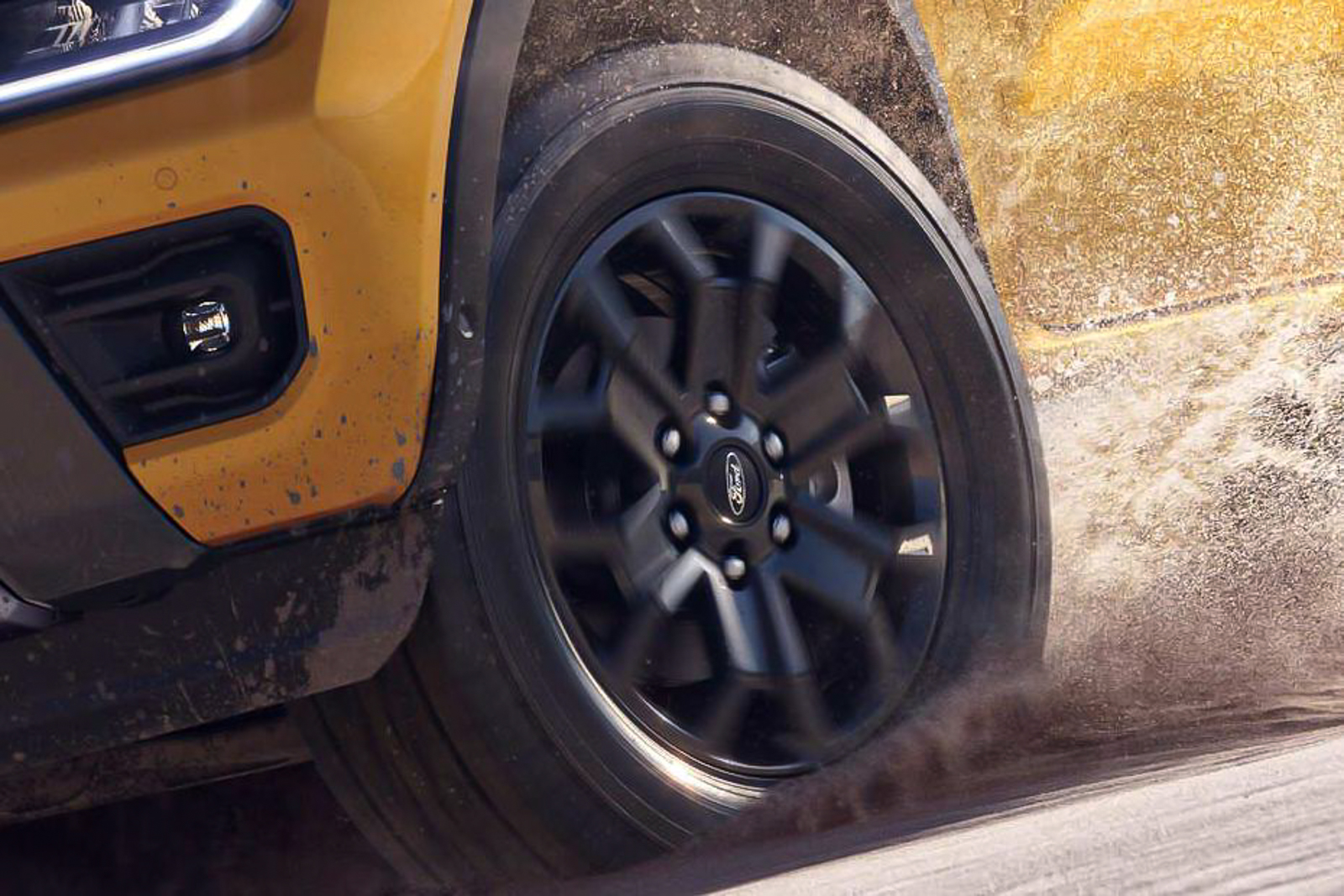
In terms of power, the 2.2T diesel engine has a maximum output of 125PS and can deliver maximum torque at 1700rpm. It is paired with a 6-speed manual transmission, with a moderate gear shift stroke and a satisfying engagement feel. When starting, as long as the clutch is released slowly and coordinated with the accelerator, there won’t be any jerking; during acceleration, the torque kicks in after 1700rpm, providing confidence in low to mid-speed overtaking, and it remains stable at 110km/h on the highway. There are driving modes to choose from: 2H, 4H, and 4L, which can be switched easily. On muddy or gravel roads, switching to 4H can handle the challenges. The suspension system comprises a front double wishbone independent suspension and a rear leaf spring non-independent suspension. On rough roads, the suspension can filter out most minor bumps, but on larger bumps, the rear row might feel a bit bouncy. The steering wheel’s feedback is on the heavier side, providing a stable driving experience without feeling floaty at high speeds; cornering performance is decent, with mild body roll, making it one of the better options among pickup trucks.
In terms of fuel consumption, we test drove approximately 200km, half on the highway and half in the city, with an average fuel consumption of about 8.5L/100km. This performance is very ideal for a 2.2T diesel pickup. The noise control is also quite good, and at 110km/h on the highway, the wind noise and tire noise are within an acceptable range and do not affect passengers' conversations. The seat support is satisfactory, allowing for two hours of continuous driving without causing discomfort in the lower back. Hill-start assist is a standard feature, so you don't need to pull the handbrake for uphill starts—just step on the gas pedal and go, which is very beginner-friendly.
Overall, the core advantages of the 2018 Ford Ranger 2.2 XL 4x4 (M) are clear: a reliable four-wheel-drive system, spacious interior, low fuel consumption, and an affordable price. Compared with its same-class competitor Toyota Hilux 2.4G, it has a longer wheelbase and more generous rear seating space; compared with the Nissan Navara 2.5E, its multifunction steering wheel and rear storage space come as standard features, making the configuration more practical. This vehicle is perfect for two types of users: the small business owner who needs a pickup for cargo and occasional off-roading, and the family user who enjoys weekend camping trips with loved ones. It's not equipped with luxury features nor offers strong power, but it excels in practicality and cost-effectiveness. If you are looking for a pickup truck that can both 'work hard' and 'take care of the family,' this Ranger is worth considering.
Ford Ranger Car Compare
Ford Ranger Loan Calculator
Cars With Similar Price And Features
5
Rank in Pickup
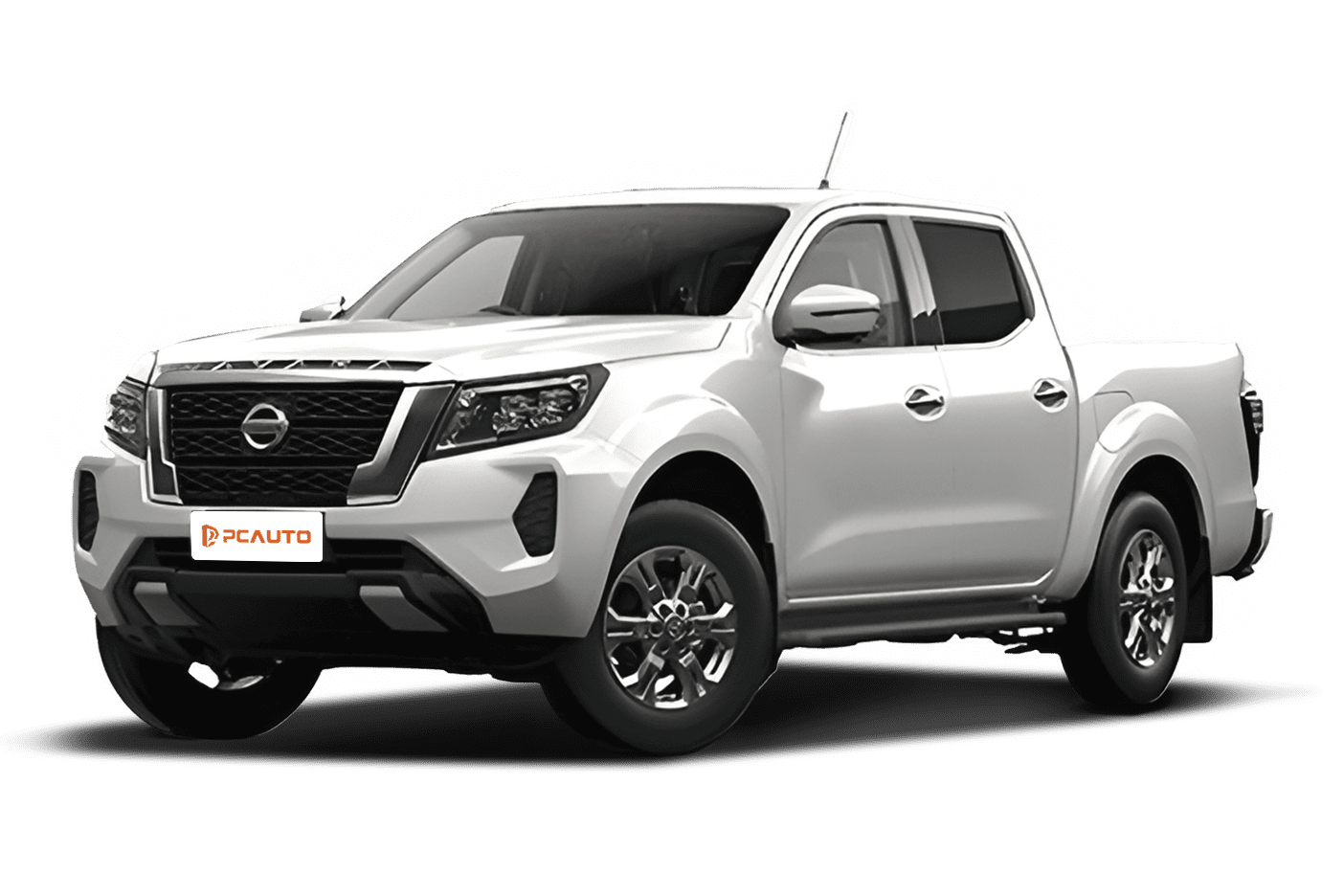
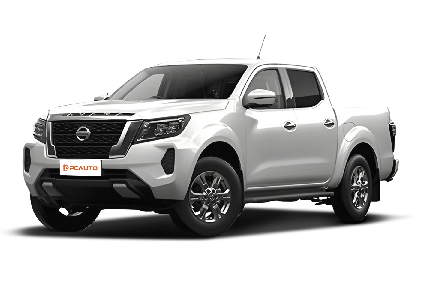
2023 Nissan Navara 2.5 VL Black Edition is a pickup truck that balances household comfort with light off-road capability, featuring exclusive black trims, a full suite of active safety features, and practical configurations, precisely catering to the needs of families and small business owners.
4
Rank in Pickup
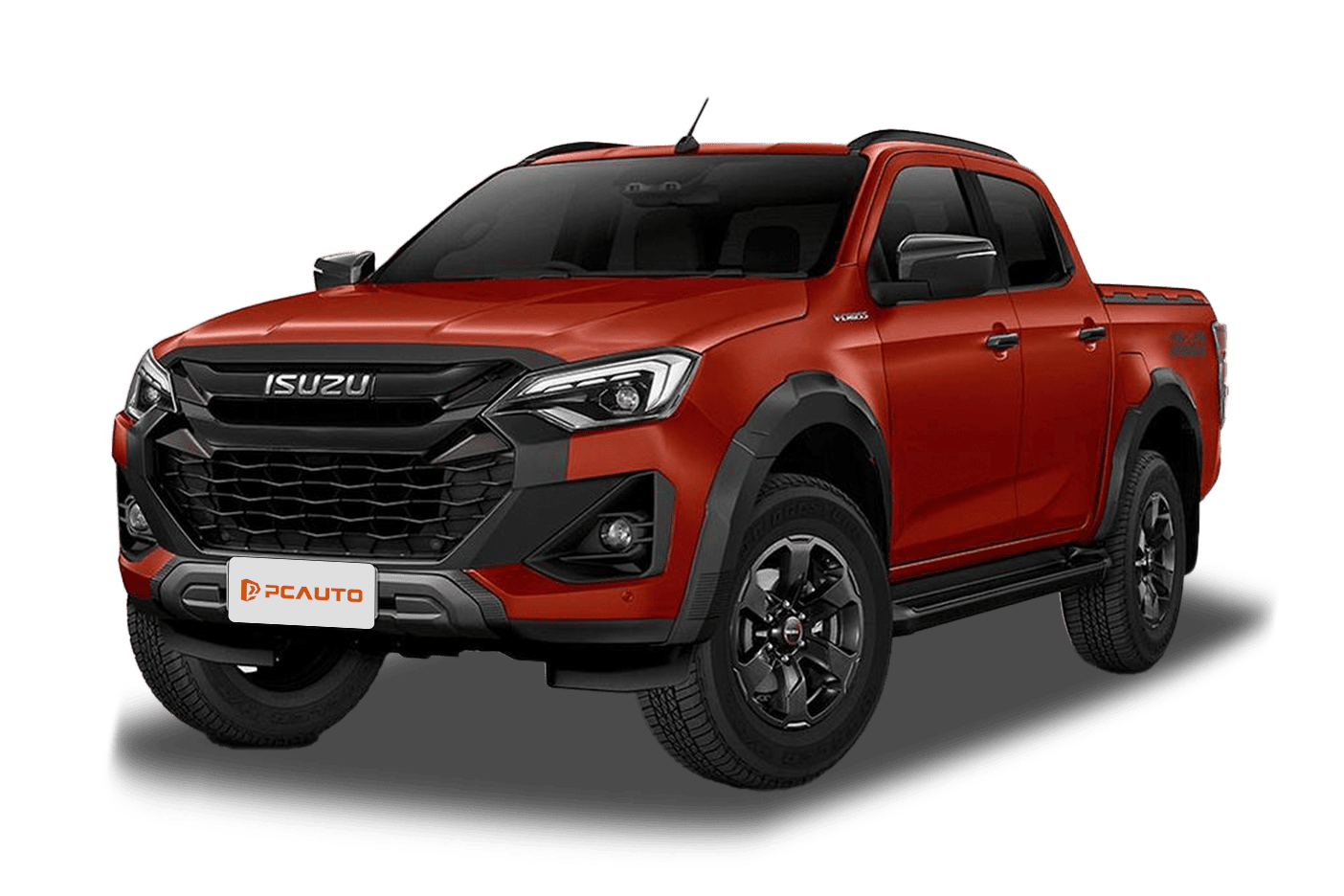
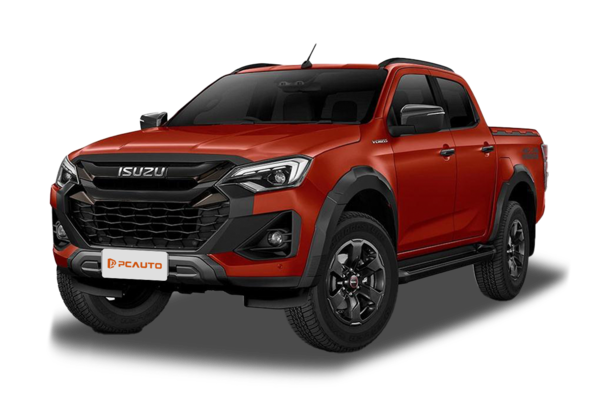
2025 Isuzu D-MAX 1.9L 4x2 Low Ride is an entry-level passenger pickup, offering a balance of practical space, reliable diesel performance, and fuel economy, suitable for family transport and small business cargo needs.

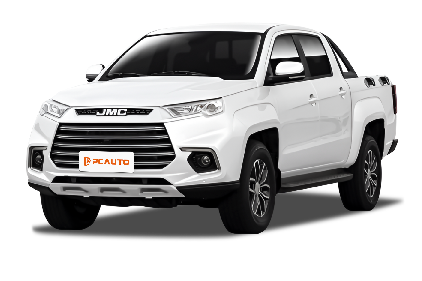
2023 JMC Vigus Pro White Series 2.0L 4WD 8AT combines rugged design, practical features, and powerful diesel performance, balancing everyday durability and mild off-road needs, making it a high-value choice for pickup users.
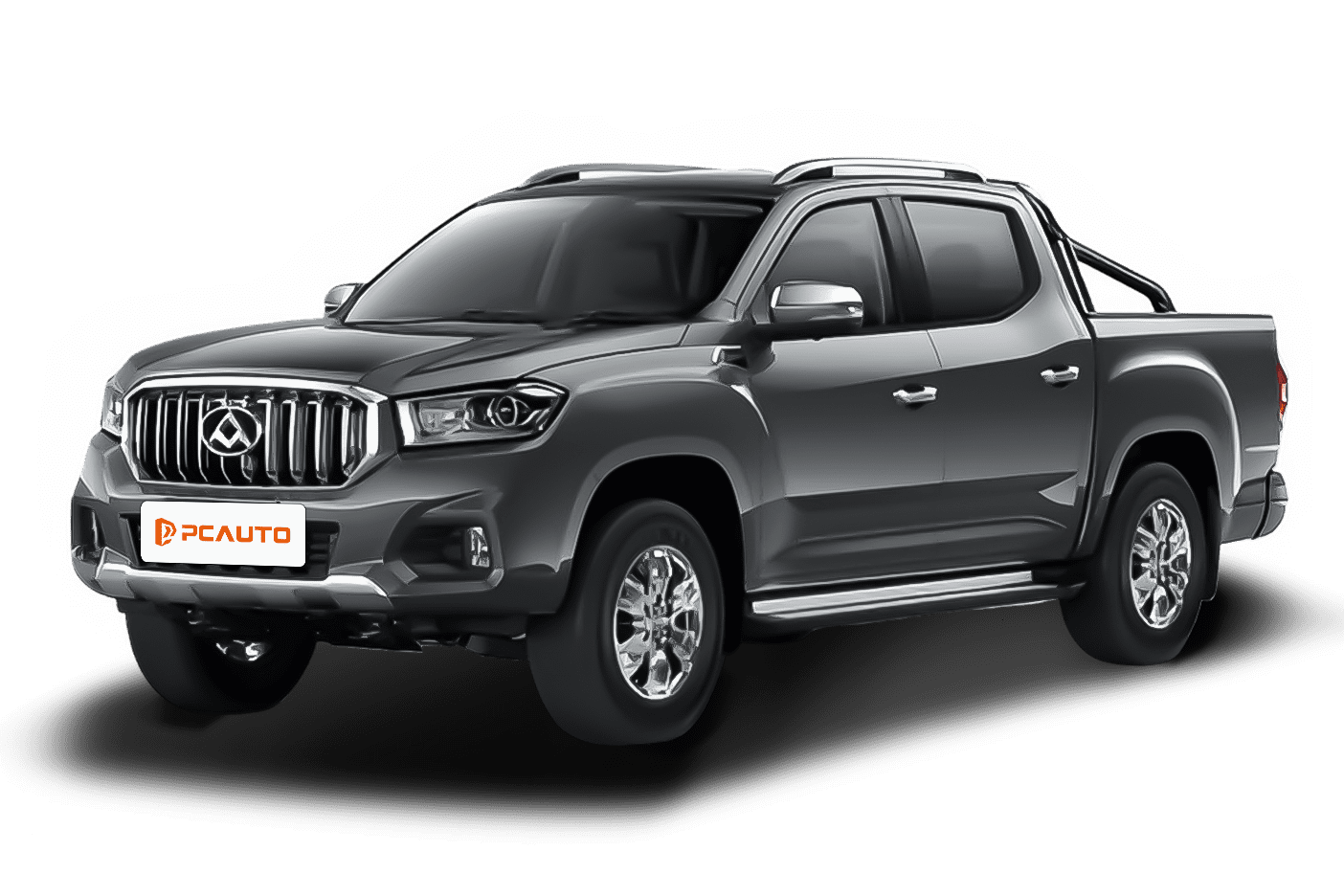
2022 Maxus T60 2.8L 4WD AT is a practical pickup truck that balances work and life. The strong diesel torque and 4WD capability meet cargo and off-road needs, while the premium features and spacious interior enhance daily comfort.